



























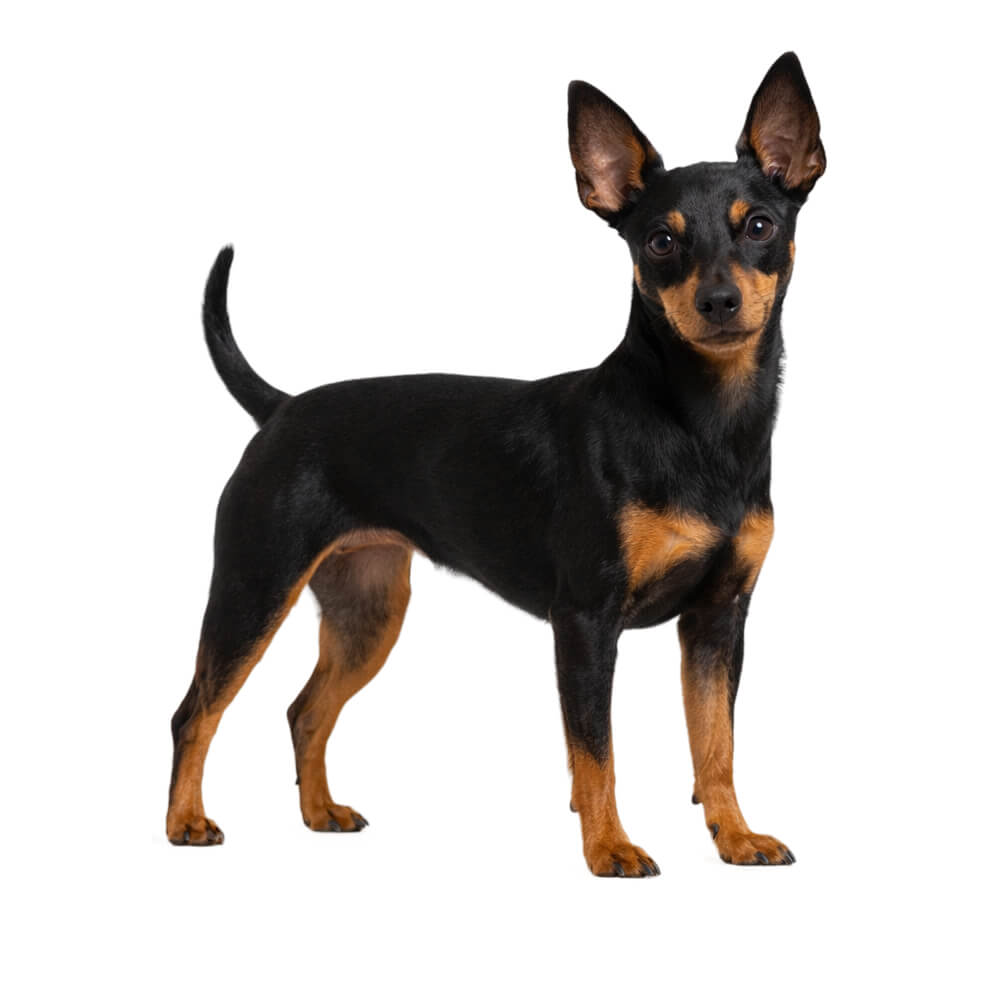

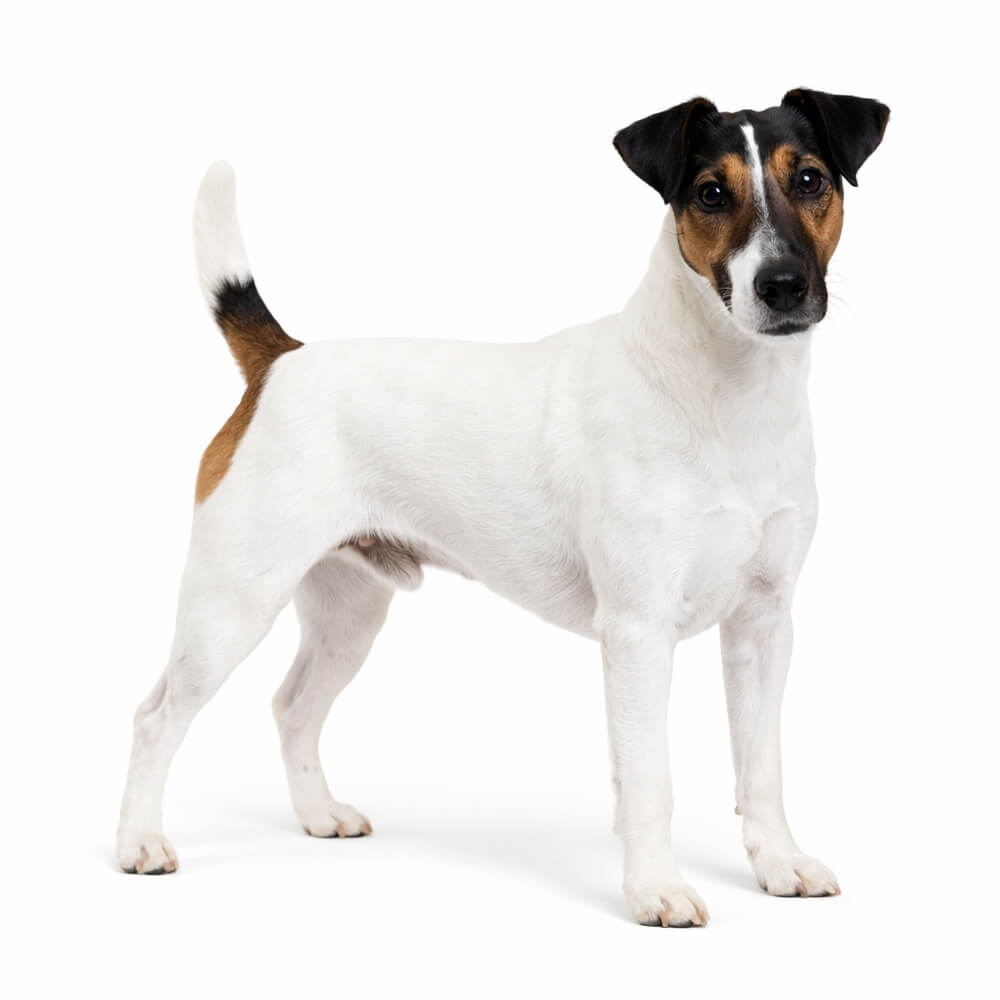
The English Toy Terrier (Black & Tan) is a sleek, miniature terrier from the United Kingdom, one of the oldest of the British toy breeds and among the rarest dogs in the world today. Classified in the Toys group by the ANKC, it carries itself with the alert confidence of a much larger terrier.
Don't let the "toy" label mislead you. This is a terrier through and through — quick, sharp, opinionated and more athletic than its compact frame suggests. English Toy Terriers have the ratting heritage of their Manchester Terrier ancestors compressed into a dog that weighs less than four kilograms. They're devoted to their owner, wary of strangers and possess a prey drive that will send them after anything small and fast without a second thought.
History and Origin
The English Toy Terrier descends directly from the old Black and Tan Terrier, the same ancestral stock that produced the Manchester Terrier. In Victorian England, rat-baiting was a popular blood sport, and small, fast terriers were prized for their speed and killing efficiency in the rat pit. The smallest of these terriers were selectively bred down in size, creating the miniature version that became the English Toy Terrier.
Rat-baiting was banned in 1835, but the breed had already established itself as a fashionable companion among the Victorian middle class. By the early 20th century, the English Toy Terrier and the Manchester Terrier were formally separated as distinct breeds in the UK. In the United States, the same dog is still known as the Toy Manchester Terrier and is considered a variety of the Manchester rather than a separate breed.
The breed is now critically rare. The UK Kennel Club lists it as a Vulnerable Native Breed, with annual registrations consistently below 200 in Britain. In Australia, numbers are even smaller — registered breeders can be counted on one hand, and finding a puppy requires genuine effort and patience. That rat-pit tenacity still defines the breed's personality today — these are not passive lapdogs despite their diminutive size.
Temperament and Personality
English Toy Terriers are alert, loyal and sharper than most toy breeds. They have a terrier's intensity packed into a toy-sized body — watchful, quick to react and always paying attention. They're not lap warmers in the way a Cavalier or Maltese might be. They sit with you because they choose to, and they're always half-listening for something worth chasing.
With their owner, ETTs are devoted and affectionate but on their own terms. They bond strongly — typically to one person above all others — and show a level of loyalty that borders on possessiveness. They're not clingy or anxious about it, but they clearly have a favourite and make no effort to hide it. They're demonstrative when the mood strikes but equally comfortable sitting quietly nearby.
With children, supervision is necessary. ETTs are too small and too quick to tolerate rough handling, and they won't put up with being grabbed or pestered. They do better with older children who respect their space. With strangers, they're reserved and watchful — not aggressive, but clearly assessing the situation before engaging. They make excellent alert dogs, noticing changes in their environment well before their owner does.
With other dogs, ETTs are generally sociable but carry enough terrier confidence to stand their ground with larger dogs, which can get them into trouble. They coexist well with dogs of similar size. Their prey drive is genuine — small animals, birds and anything that moves quickly will trigger a chase response. Homes with pet rats, mice, guinea pigs or rabbits need careful management. The breed's signature quirk is the "candle flame" ear — naturally erect, thin and slightly pointed, giving them a permanently alert, elegant silhouette.
Common Health Conditions
The English Toy Terrier is generally a healthy breed, but its small gene pool means certain conditions appear at higher rates than in more common breeds.
Patellar Luxation
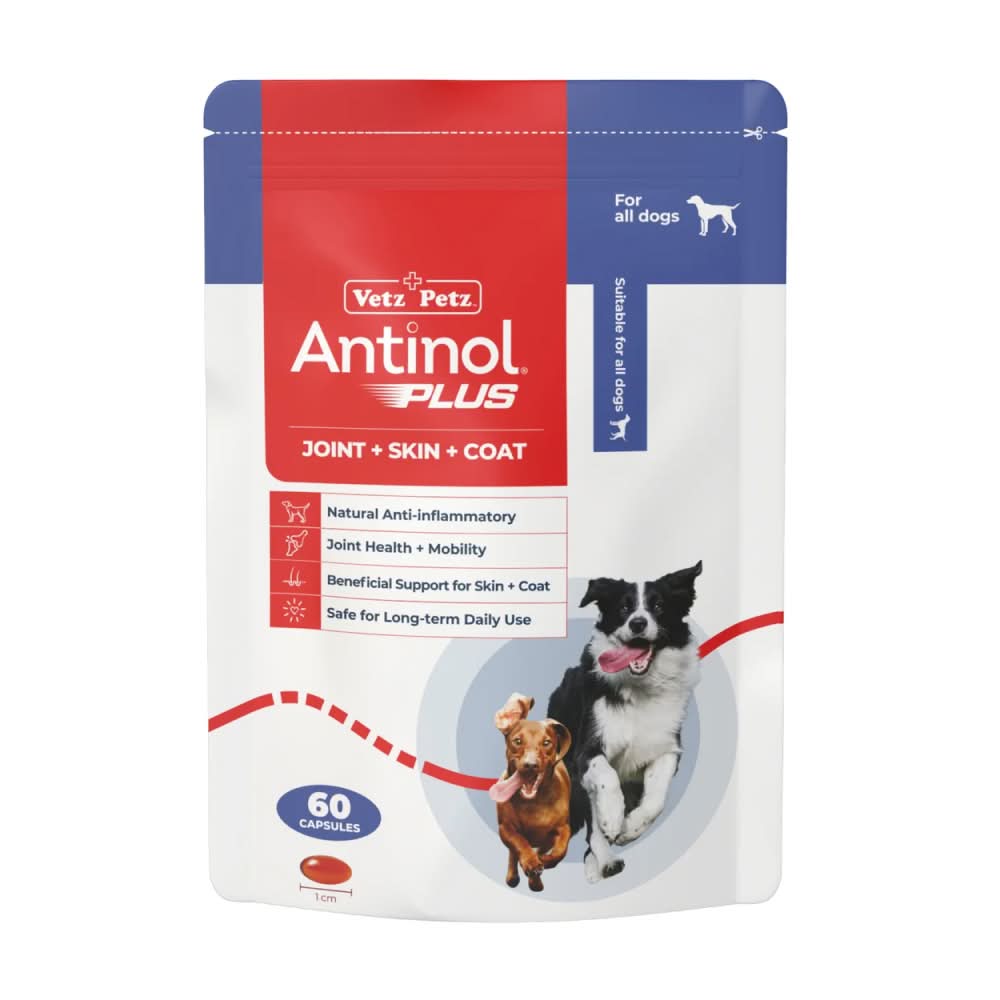
The kneecap dislocates from its normal position, causing lameness or a skipping gait. Common across toy breeds and documented in ETTs. Mild cases are managed with weight control and joint support supplements. Severe or recurrent cases require surgical correction. Breeders should have breeding stock assessed for patellar stability.
Juvenile Dilated Cardiomyopathy (JDCM)
A serious inherited heart condition specific to the breed, where the heart muscle weakens and the chambers enlarge, leading to heart failure. Onset is typically in young dogs, often before two years of age. Signs include lethargy, exercise intolerance, coughing and collapse. A DNA test is available for the mutation, and all breeding stock must be tested. Buying from a breeder who screens for JDCM is non-negotiable.
Von Willebrand Disease (Type I)
A bleeding disorder where the blood doesn't clot normally. ETTs can carry Type I, the mildest form, which may cause excessive bleeding after surgery or injury. DNA testing is available. Most carriers live normal lives, but vets should be informed before any surgical procedure.
Heat and Cold Sensitivity
The breed's short, thin coat and low body fat provide minimal insulation. ETTs feel the cold keenly — a coat or jumper in Australian winters is practical, not cosmetic. In summer, their dark colouring absorbs heat, so exercise in the cooler parts of the day.
Dental Issues
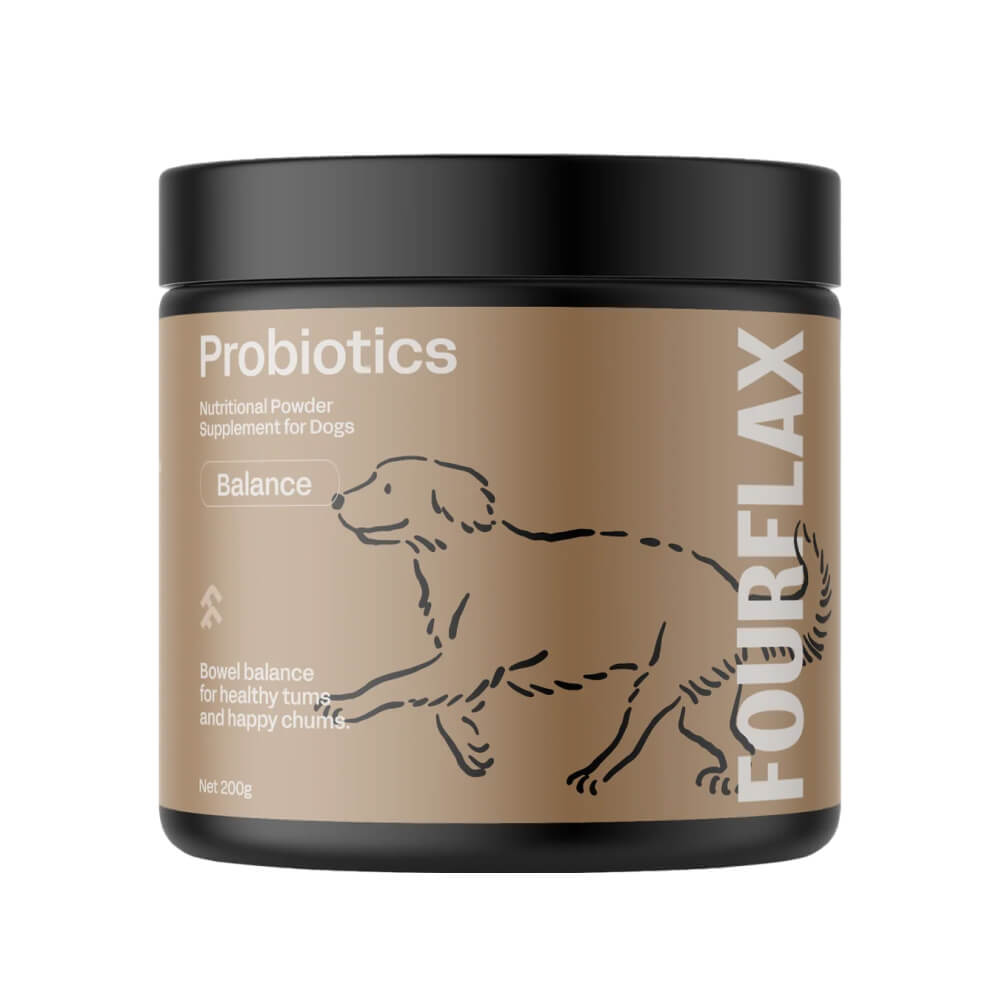
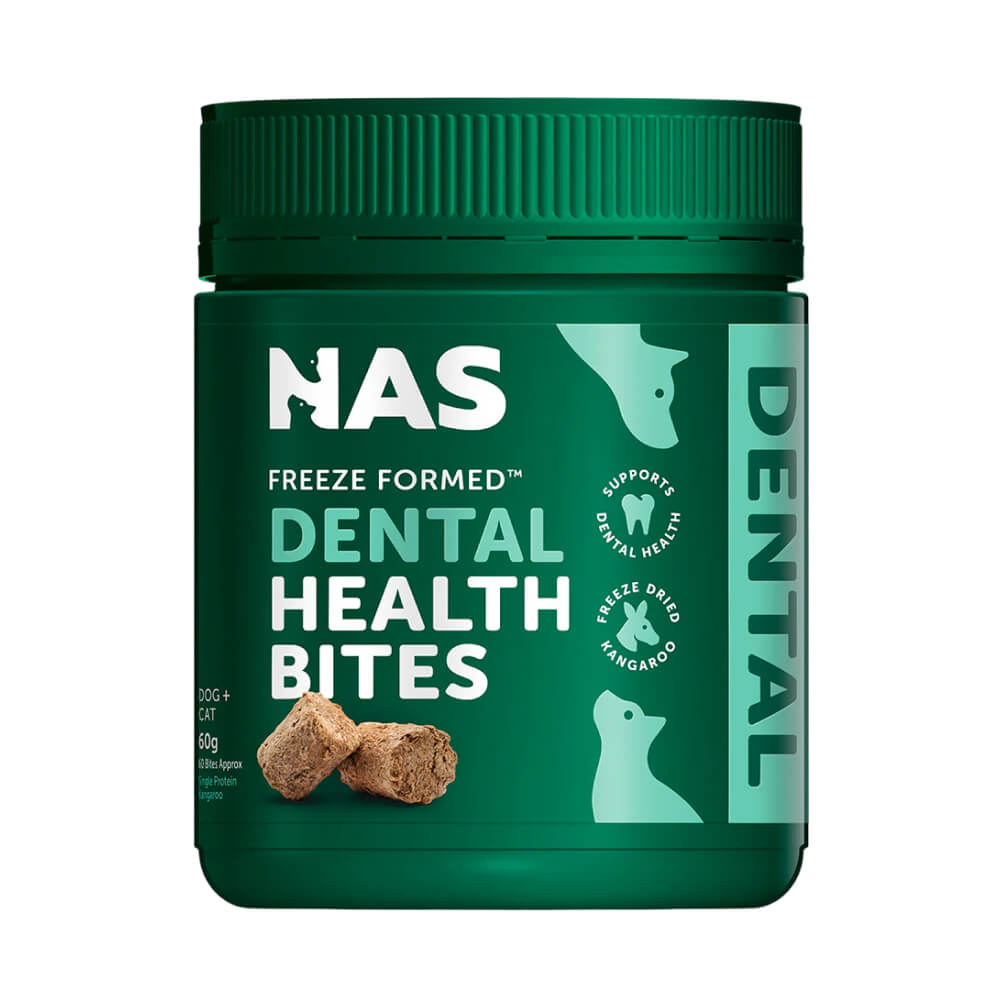
Small breeds are prone to periodontal disease, and ETTs are no exception. Their small mouths can lead to overcrowding. Daily tooth brushing, dental chews and regular professional dental cleaning help prevent tooth loss and infection.
Pet insurance is recommended given the JDCM risk alone. Annual vet check-ups should include cardiac auscultation, dental assessment and patellar evaluation.


Exercise
English Toy Terriers need 30 to 45 minutes of daily exercise. Short, brisk walks combined with free play and interactive games suit the breed well. They're faster and more athletic than their size suggests and genuinely enjoy running and chasing games. Their prey drive means off-lead exercise should only happen in secure, enclosed areas — an ETT that spots a squirrel or bird will bolt without hesitation. In Australian winters, a coat or jumper is practical for walks. In summer, avoid midday exercise — their dark coat absorbs heat rapidly.
Grooming
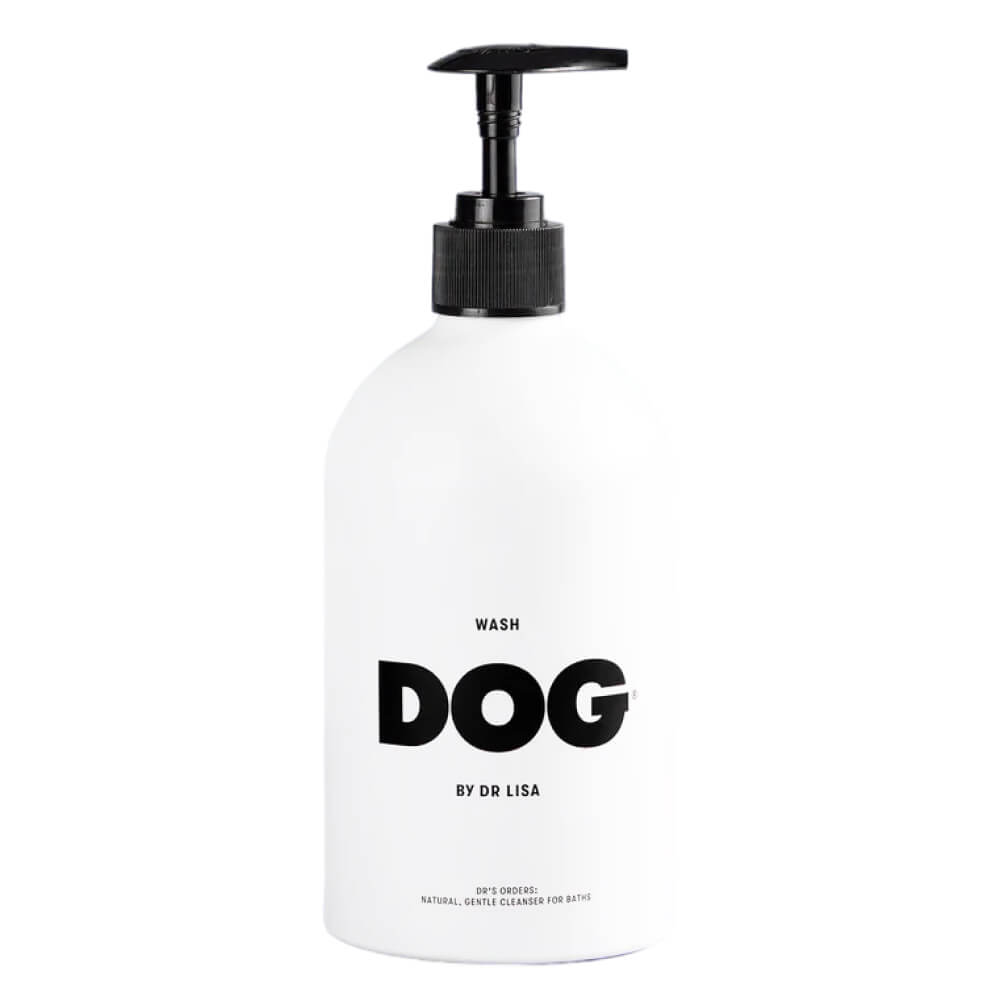
The short, smooth coat is low-maintenance. A weekly brush with a soft bristle brush or grooming mitt removes loose hair and keeps the coat glossy. Shedding is low to moderate year-round. Bathing every four to six weeks is sufficient unless the dog gets dirty. Nail trimming, ear cleaning and dental care are the bigger maintenance items. Daily tooth brushing is strongly recommended given the breed's dental predisposition. The coat doesn't require professional grooming, making the ETT one of the lowest-grooming-cost toy breeds.


Nutrition
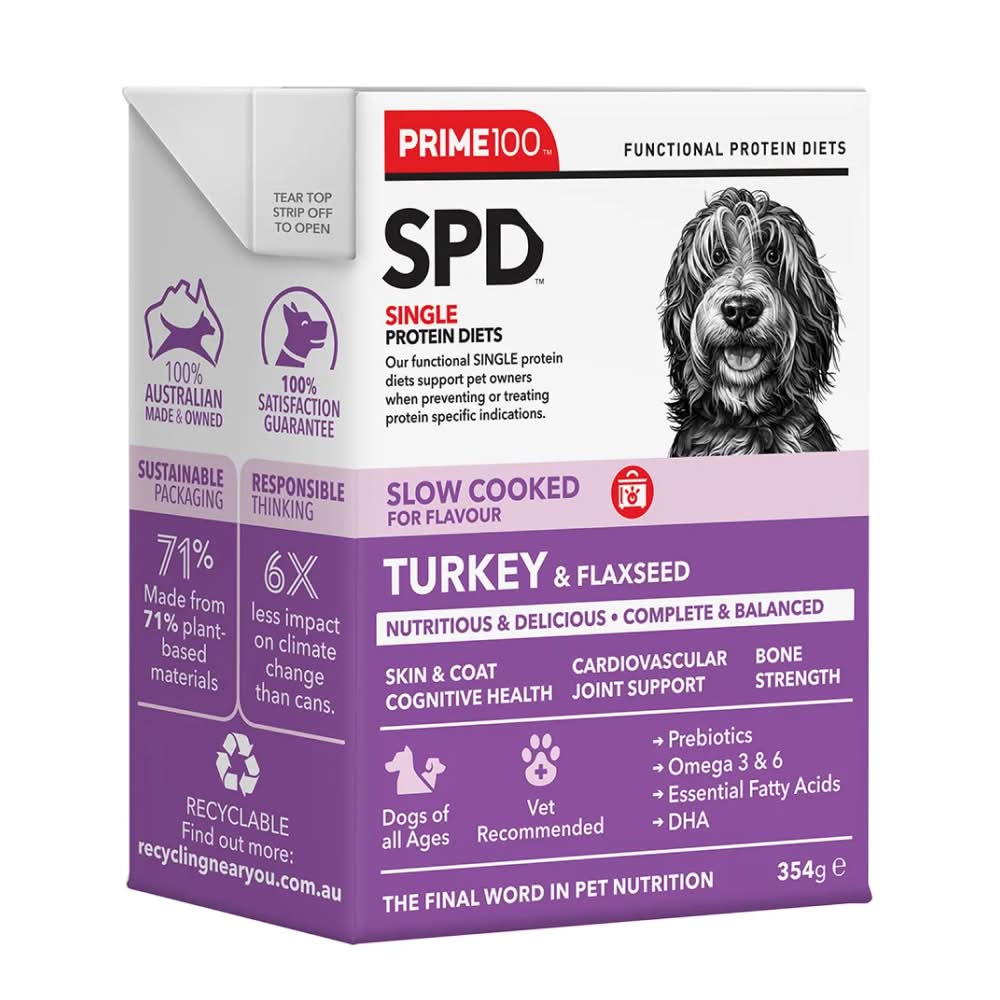
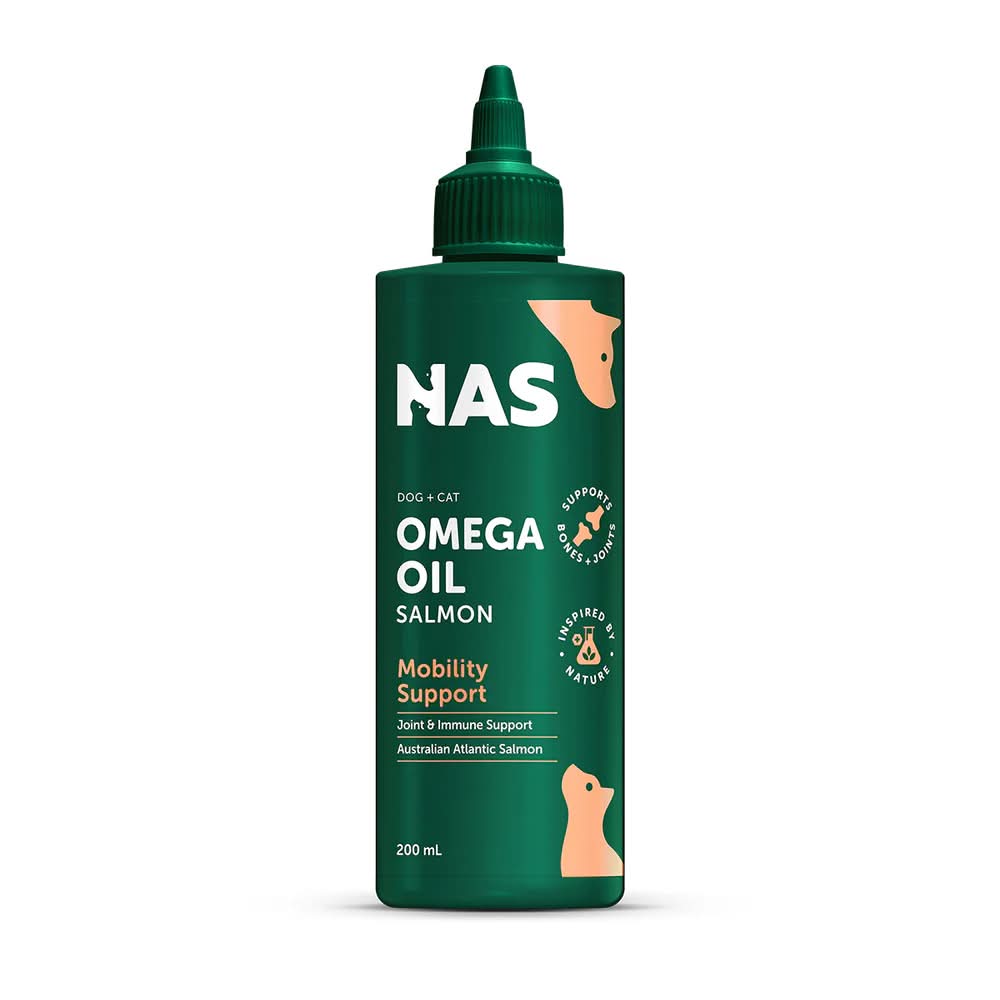
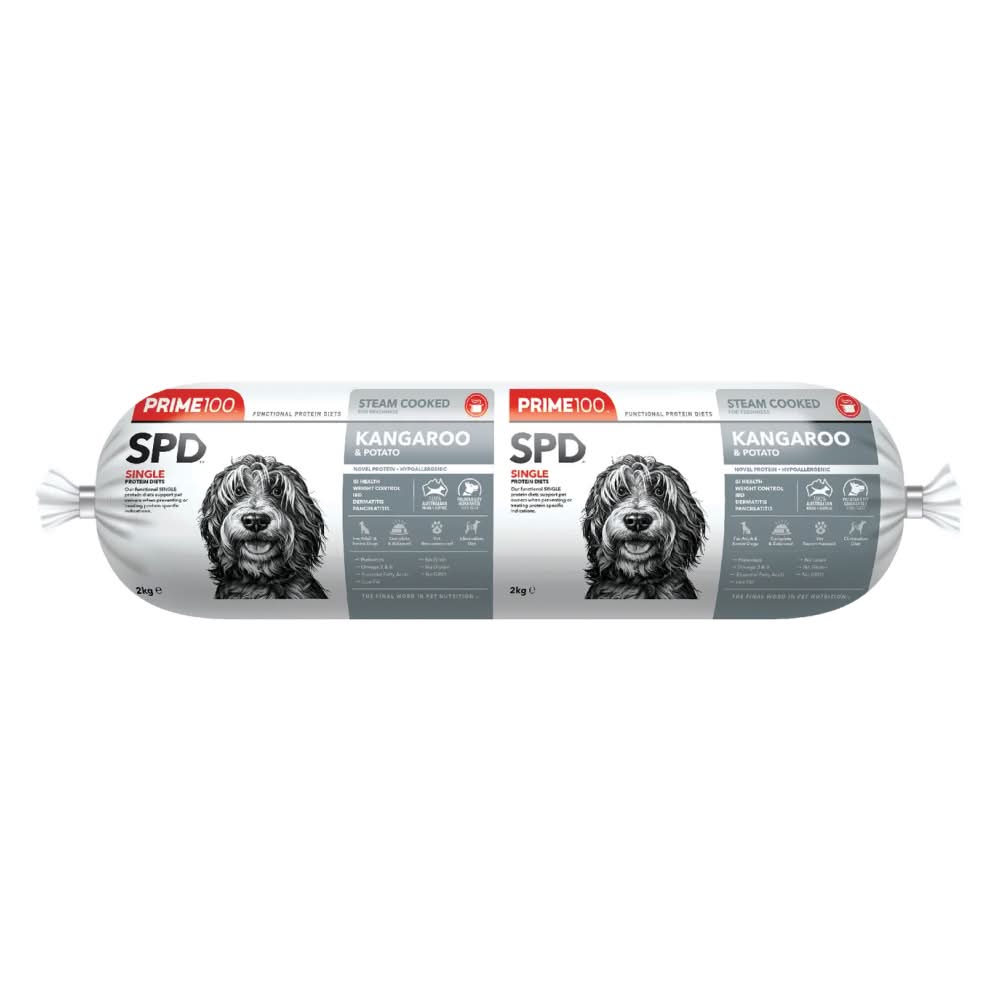
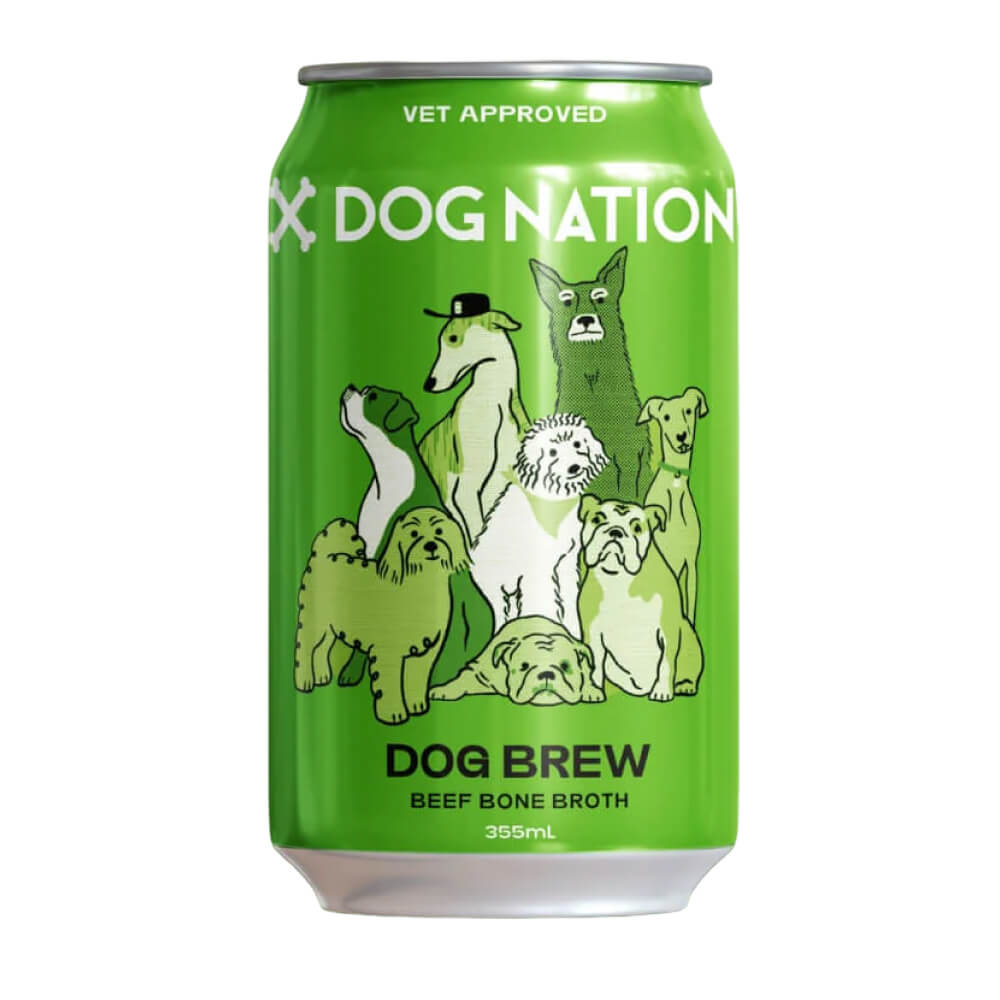
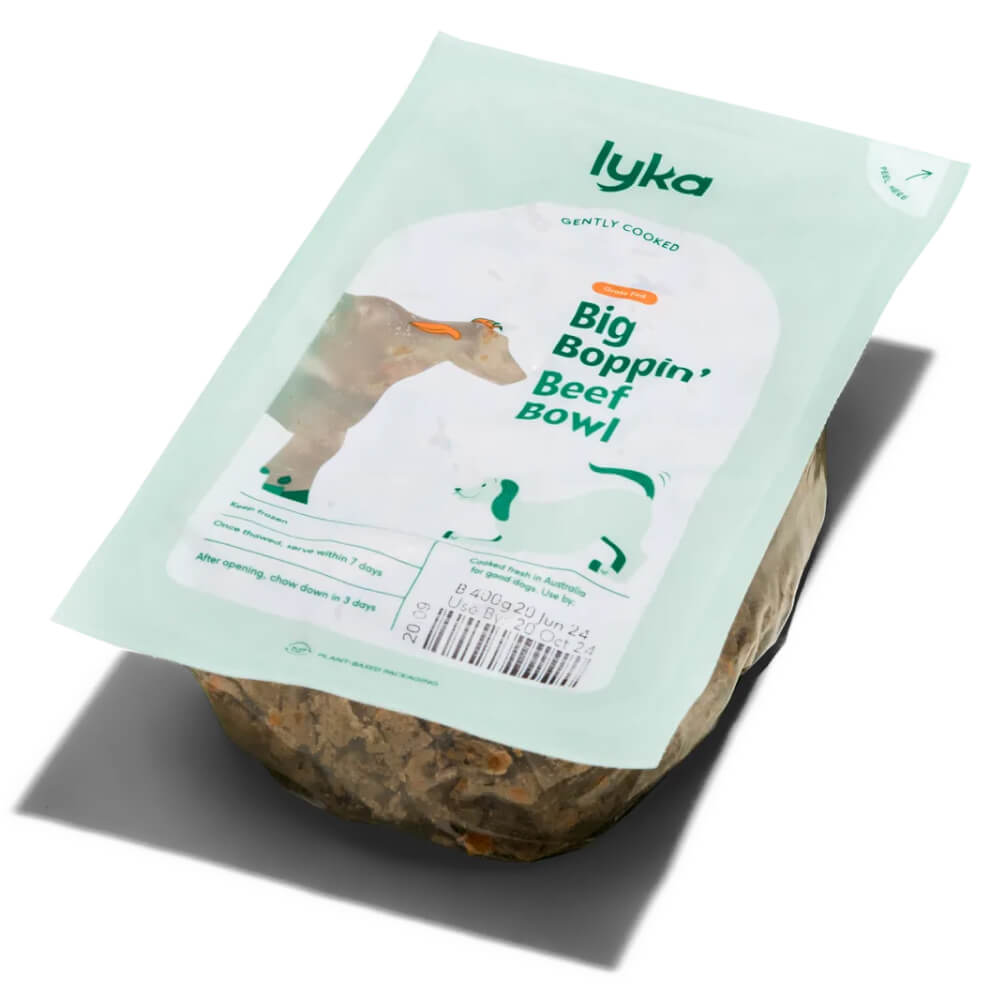
ETTs do well on a high-quality small-breed formula with appropriately sized kibble. Their small size means portion control is critical — even a few extra grams daily adds up quickly. Two measured meals per day suits most adults. Joint-supportive ingredients (glucosamine, omega-3 fatty acids) are worth prioritising given the breed's patellar luxation predisposition. Avoid overfeeding treats — they're food-motivated, which helps with training but creates weight management risk if unchecked. See our recommended foods for English Toy Terriers below.


Training
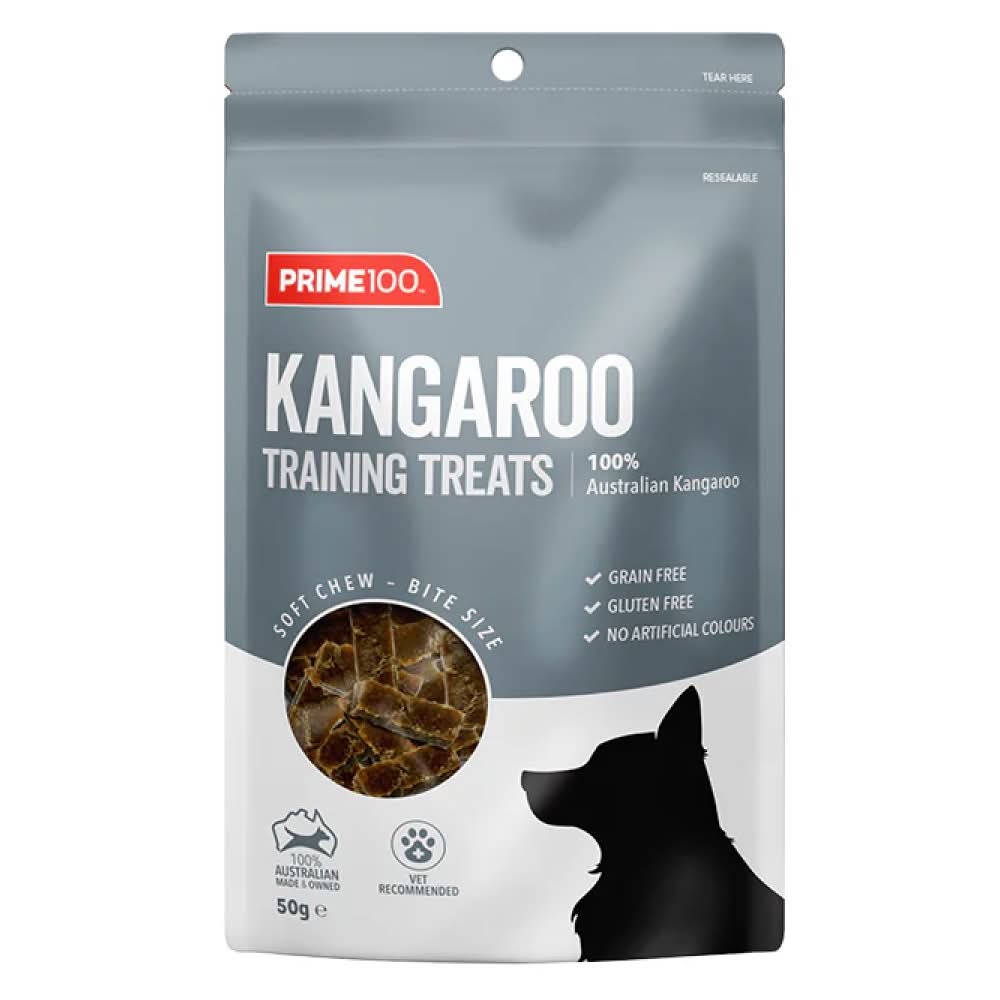
ETTs are intelligent and capable learners but have the classic terrier independence. They'll learn a command quickly and then decide whether it's worth obeying on any given occasion. Positive reinforcement with high-value food rewards is the most effective approach — they respond well to motivation but poorly to repetition or correction. Keep sessions short and varied. Recall training requires extra attention given their prey drive — a reliable recall in the presence of distractions is achievable but takes consistent work. Socialisation from puppyhood is important to prevent their natural wariness from becoming shyness or reactivity.

Suitability
ETTs suit experienced owners who appreciate terrier temperament in a compact package. They're ideal for singles or couples in apartments or small homes, retirees who want an alert and engaged companion, and anyone who values a dog with genuine personality rather than passive compliance. They're low-grooming, moderate-exercise and small enough to fit any living situation.
This is not a breed for families with young children, first-time owners who expect an easy lapdog, or households with small pets like rabbits or guinea pigs. The ETT's terrier instincts are real — prey drive, independence, selective hearing — and require an owner who understands and respects those traits. Finding a breeder in Australia is a challenge in itself. The breed is critically rare, waitlists are long, and you may need to travel interstate or import. If you're prepared for the search, you'll be rewarded with one of the most characterful and elegant toy breeds in existence.
Frequently Asked Questions
How much does an English Toy Terrier cost in Australia?
What is the difference between an English Toy Terrier and a Miniature Pinscher?
Are English Toy Terriers good apartment dogs?
Why are English Toy Terriers so rare?
Do English Toy Terriers get along with cats?



Comments
0 comments
Login to Join the Conversation 💬