


























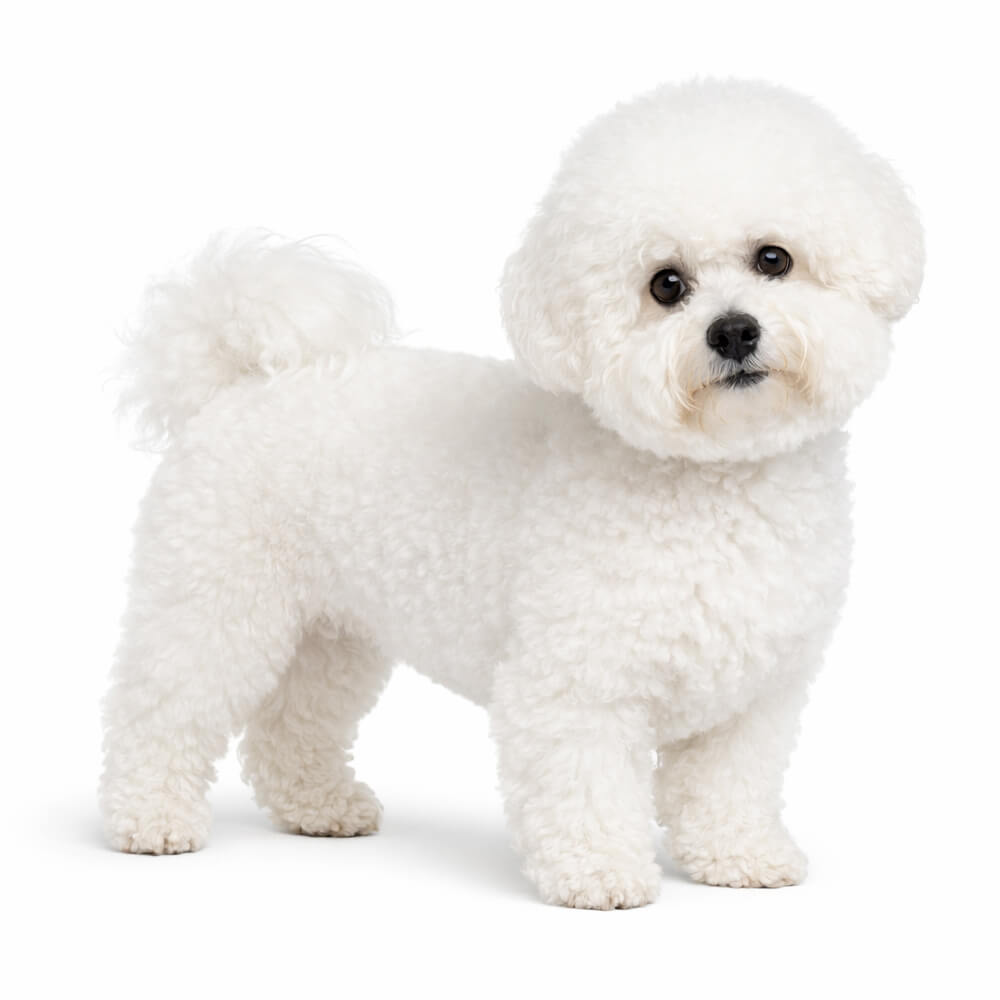

The Bichon Frisé is a small, white companion breed from the Non Sporting (AKN) or Toy (Dogs Australia) group, known for its cheerful disposition, powder-puff coat and genuine love of people. Bred for centuries as a companion, the Bichon is one of the most naturally sociable dogs you’ll find.
Bichons suit a wide range of owners — from families with children to retirees in apartments. They’re adaptable, low-shedding and remarkably sturdy for their size. What surprises most new owners is how robust their personality is beneath the fluffy exterior — Bichons are playful well into old age, have a mischievous streak, and thrive on being the centre of attention. They’re also one of the few breeds that genuinely seem to enjoy performing tricks.
History and Origin
The Bichon Frisé descends from the Barbet, a Mediterranean water spaniel, and shares ancestry with the Maltese, Bolognese and Havanese — collectively known as the Barbichon breeds. The name “Bichon Frisé” translates roughly to “curly lapdog.”
The breed gained popularity with European nobility from the 13th century onward, moving between Spain, Italy, France and Belgium as a prized companion of royal courts. French nobles particularly favoured the breed during the Renaissance, and it became a fixture in paintings of the period. When court favour faded, Bichons found a second life as street performers and circus dogs — their trainability and eagerness to please made them naturals for trick work.
The breed was nearly lost after both World Wars but was revived by French and Belgian breeders in the 1930s, with the FCI standard established in 1933. That performing history still shows in the modern Bichon — they’re theatrical, quick to learn routines, and visibly enjoy an audience.
Temperament and Personality
Bichon Frisés are cheerful, affectionate and genuinely sociable. They don’t just tolerate people — they actively seek out company and thrive on interaction. A Bichon left alone in a room will find a way to be where the people are.
With family, they’re devoted and demonstrative. They bond with the whole household rather than fixating on one person, which makes them well-suited to families. They’re playful and gentle with children, tolerant of handling, and small enough that accidental knocks during play aren’t dangerous to the child.
With strangers, Bichons are friendly and approachable. They lack the suspicion of many small breeds and rarely show aggression toward unfamiliar people. This makes them poor guard dogs but excellent therapy and companion animals.
With other dogs, Bichons are generally relaxed and sociable. They enjoy canine company and rarely show dominance or territorial behaviour. They can live comfortably in multi-dog households.
The breed’s main behavioural challenge is separation anxiety. Bichons were bred to be with people constantly, and many struggle when left alone for extended periods. Destructive behaviour, excessive barking and house-soiling are common signs. If your household is empty for long stretches during the day, this breed will find it difficult.
Common Health Conditions
Bichon Frisés are a generally healthy breed with a good lifespan, but carry several predispositions that owners should be aware of.
Patellar Luxation
A condition where the kneecap dislocates from its normal position, common in small breeds. Bichons have a moderate prevalence. Signs include intermittent skipping or hopping on a hind leg. Mild cases are managed with weight control; severe cases require surgery. Ask breeders for patella screening results.
Allergies and Atopic Dermatitis
Bichons are prone to environmental and food allergies, presenting as itchy skin, ear infections, paw licking and facial staining. The white coat makes tear and saliva staining particularly visible. Identifying triggers through elimination diets or allergy testing is the most effective long-term approach.
Bladder Stones (Urolithiasis)
The breed has a higher-than-average incidence of calcium oxalate and struvite bladder stones. Signs include straining to urinate, blood in urine and frequent attempts to urinate. Dietary management and adequate water intake help prevent recurrence. Some dogs require surgical removal.
Cataracts
Bichons are predisposed to hereditary cataracts, which can develop from a young age. A progressive cloudiness of the lens leads to reduced vision and eventually blindness if untreated. Annual eye examinations by a veterinary ophthalmologist are recommended, and reputable breeders test for this.
Dental Disease
Small breeds are disproportionately affected by periodontal disease, and Bichons are no exception. Their small jaw crowds teeth together, trapping bacteria and accelerating plaque buildup. Daily tooth brushing, dental chews and professional cleans are essential — not optional.
Pet insurance is a sensible investment for Bichons. Orthopaedic surgery, allergy management and bladder stone treatment add up. Twice-yearly vet check-ups keep dental and skin issues from escalating.


Exercise
Bichon Frisés need around 30 minutes of exercise daily. A couple of moderate walks plus indoor play sessions keep them happy. They enjoy short bursts of activity — fetch, tug, trick training — rather than long endurance walks. They’re not built for distance running or intense heat. In Australian summers, exercise early or late in the day and watch for overheating. Their white coat reflects some heat but their small body mass means they warm up quickly.
Grooming
Grooming is the Bichon’s biggest maintenance commitment. The curly double coat doesn’t shed in the traditional sense — loose hairs get trapped in the coat, which prevents furniture coverage but causes matting if not brushed regularly. Brush every two to three days minimum. Professional grooming every four to six weeks is standard for the breed. Most owners maintain the classic rounded “powder puff” clip, though a shorter puppy cut reduces daily maintenance significantly. Tear staining around the eyes is common and requires daily cleaning to prevent discolouration.


Nutrition
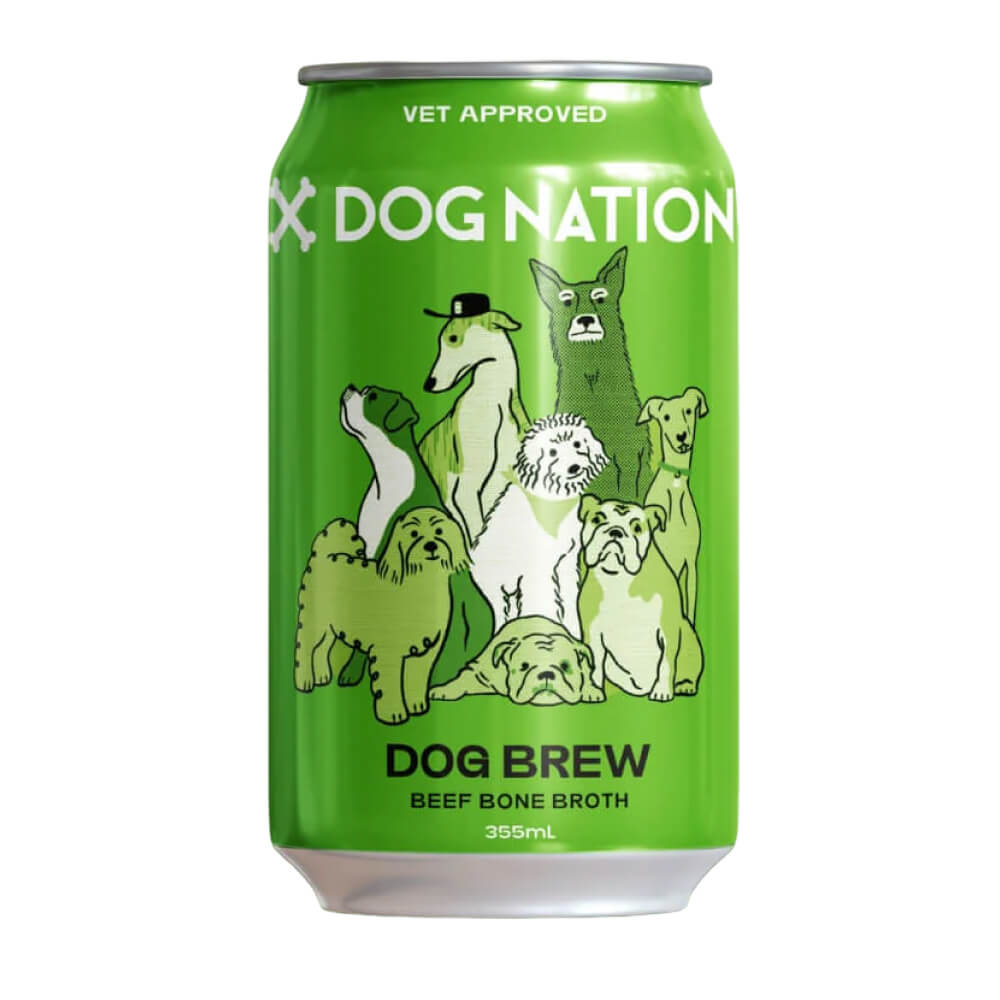
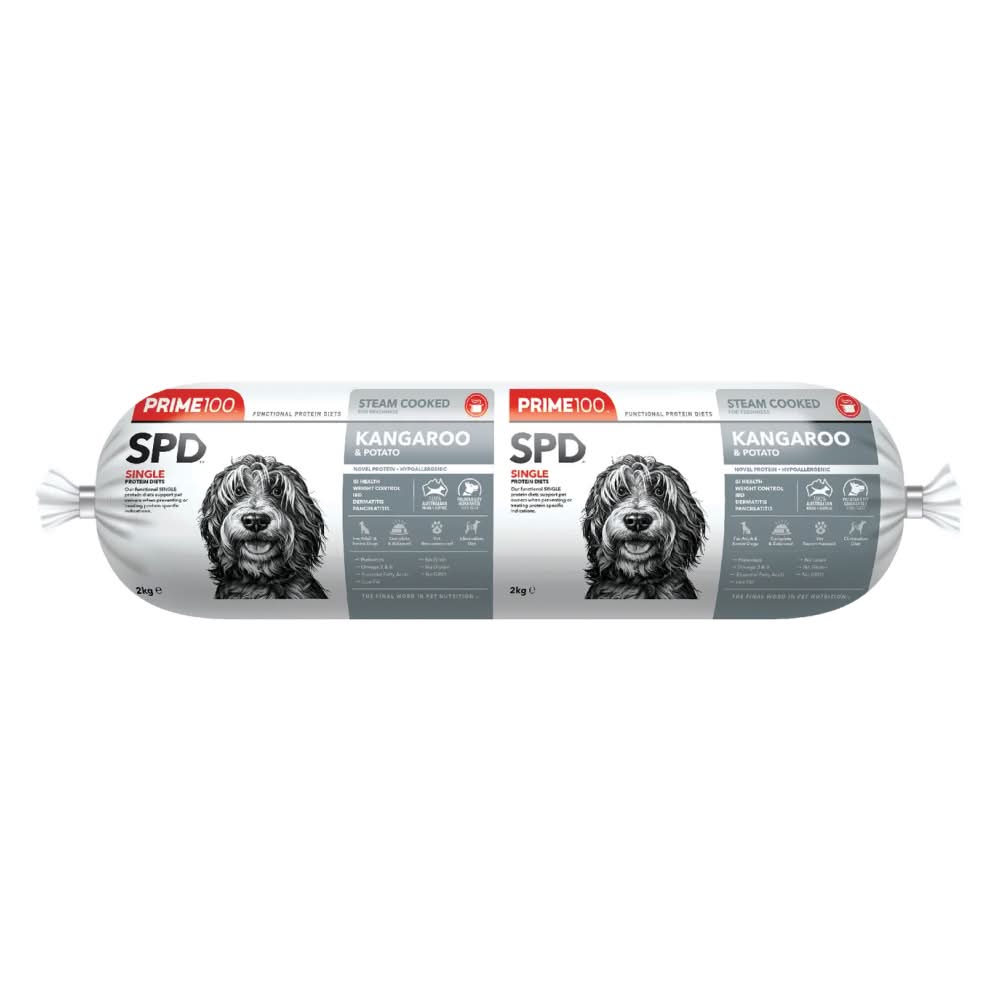
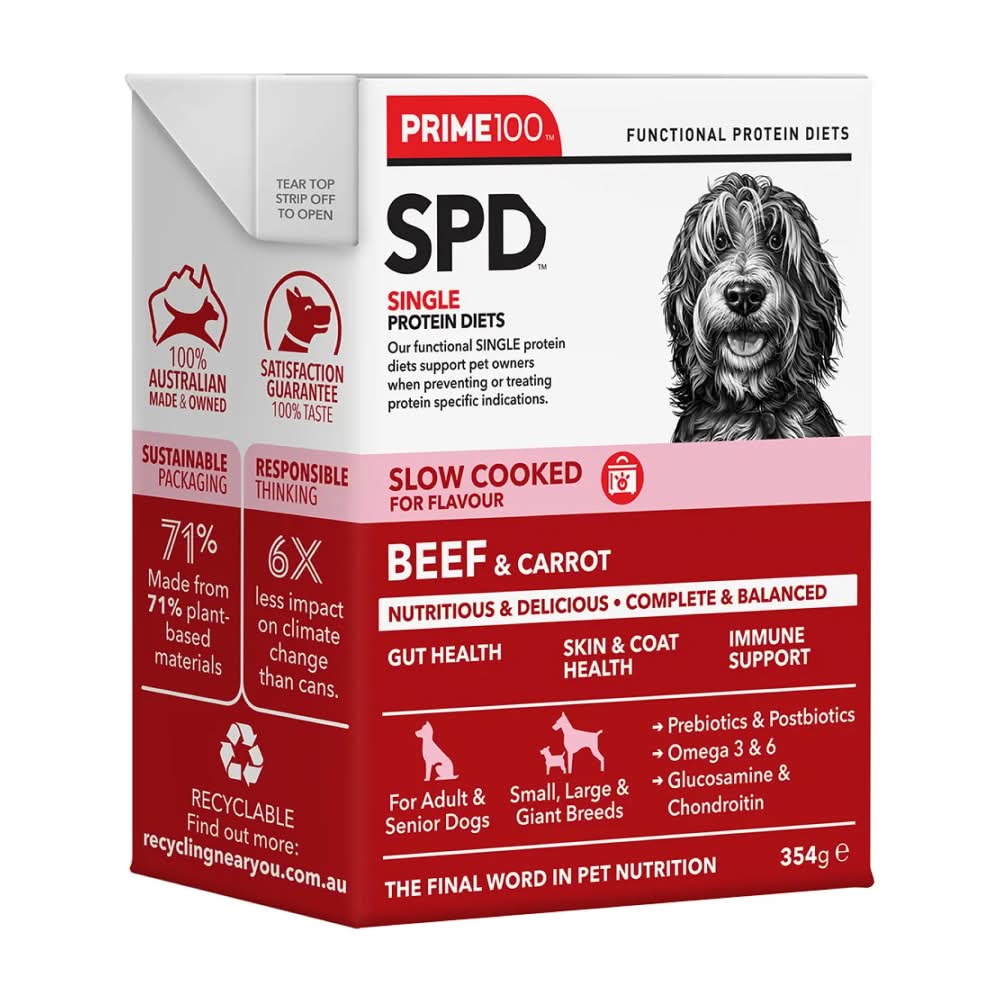
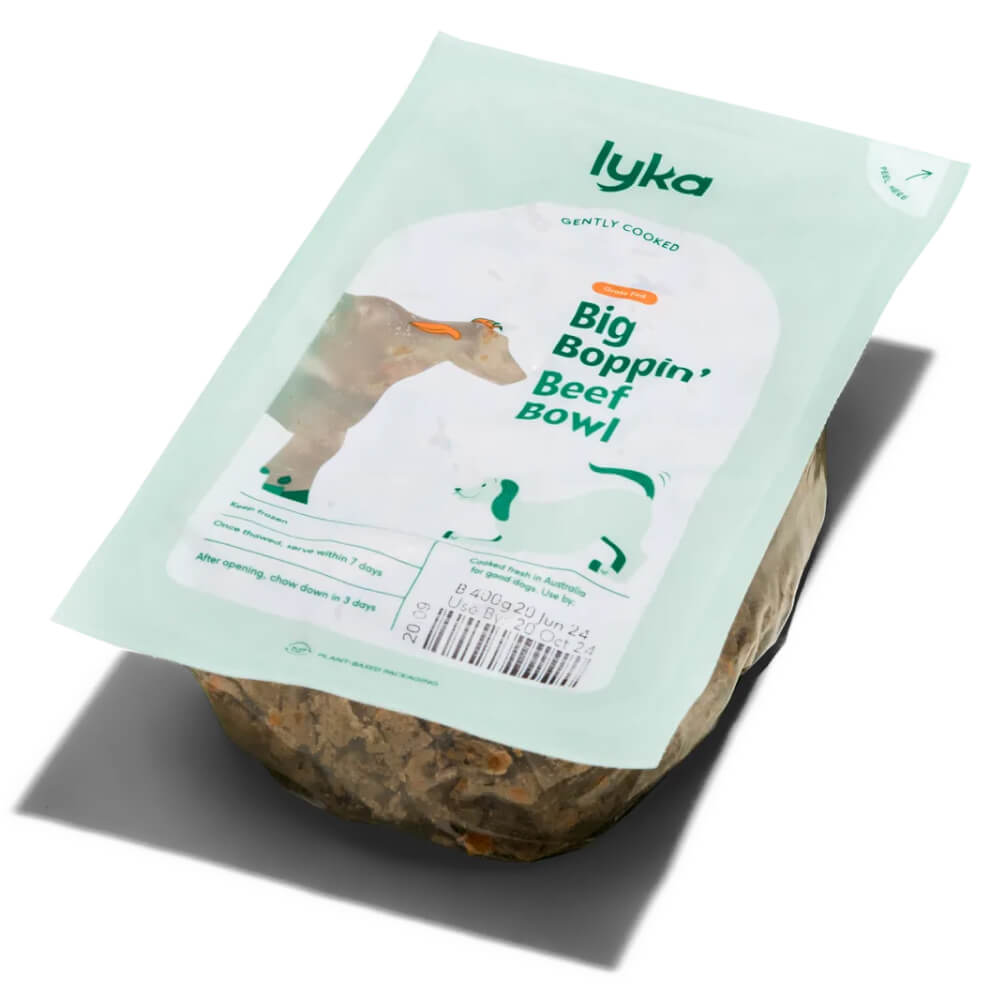
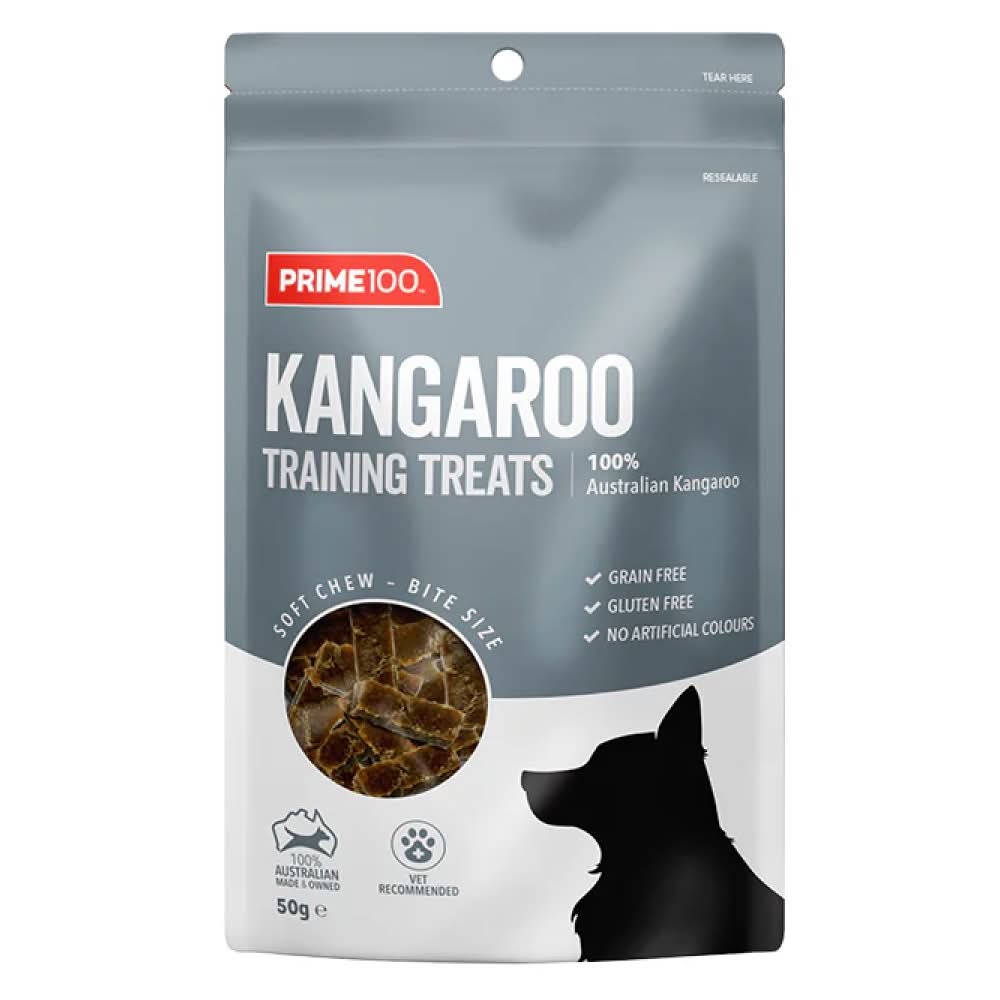
Bichons do well on a high-quality small-breed formula. Portion control is important — they gain weight easily, and excess weight worsens patellar luxation and joint stress. Two measured meals per day suits most adults. Given the breed’s predisposition to bladder stones, ensure constant access to fresh water and consider a diet that supports urinary health. Avoid high-oxalate treats if your dog has a history of calcium oxalate stones. Food sensitivities are common, so monitor for signs of dietary intolerance. See our recommended foods for Bichon Frisés below.


Training
Bichon Frisés are eager to please and respond well to positive reinforcement. They learn tricks quickly and enjoy the attention that training sessions provide. House training can be slower than average for the breed — small bladders and a tendency to avoid going outside in wet or cold weather are common hurdles. Consistency and a predictable routine solve this. The most important training priority is building tolerance for alone time. Start separation training from puppyhood with short absences and gradually extend duration. A Bichon that hasn’t learned to be alone will develop separation anxiety that’s difficult to reverse.

Suitability
Bichon Frisés suit owners who spend most of their time at home or can take their dog with them. They’re excellent apartment dogs, ideal for retirees, couples and families with children. They’re a strong choice for first-time owners — their temperament is forgiving and their size is manageable. Allergy-conscious households often consider Bichons for their low-shedding coat, though no breed is truly hypoallergenic.
This breed is not suited to households where the dog will be left alone for long periods. If everyone works full-time out of the home, a Bichon will struggle. Prospective owners must also be realistic about grooming — professional grooming every four to six weeks is a non-negotiable ongoing cost, and daily coat and dental maintenance is part of the deal. If you’re not prepared for that commitment, a lower-maintenance breed is a better fit.
Frequently Asked Questions
How much does a Bichon Frisé cost in Australia?
Do Bichon Frisés shed?
Are Bichon Frisés good for first-time dog owners?
What do Bichon Frisés usually die from?
How long do Bichon Frisés live?

Comments
0 comments
Login to Join the Conversation 💬