Fish Fresh Dog Food

Overview
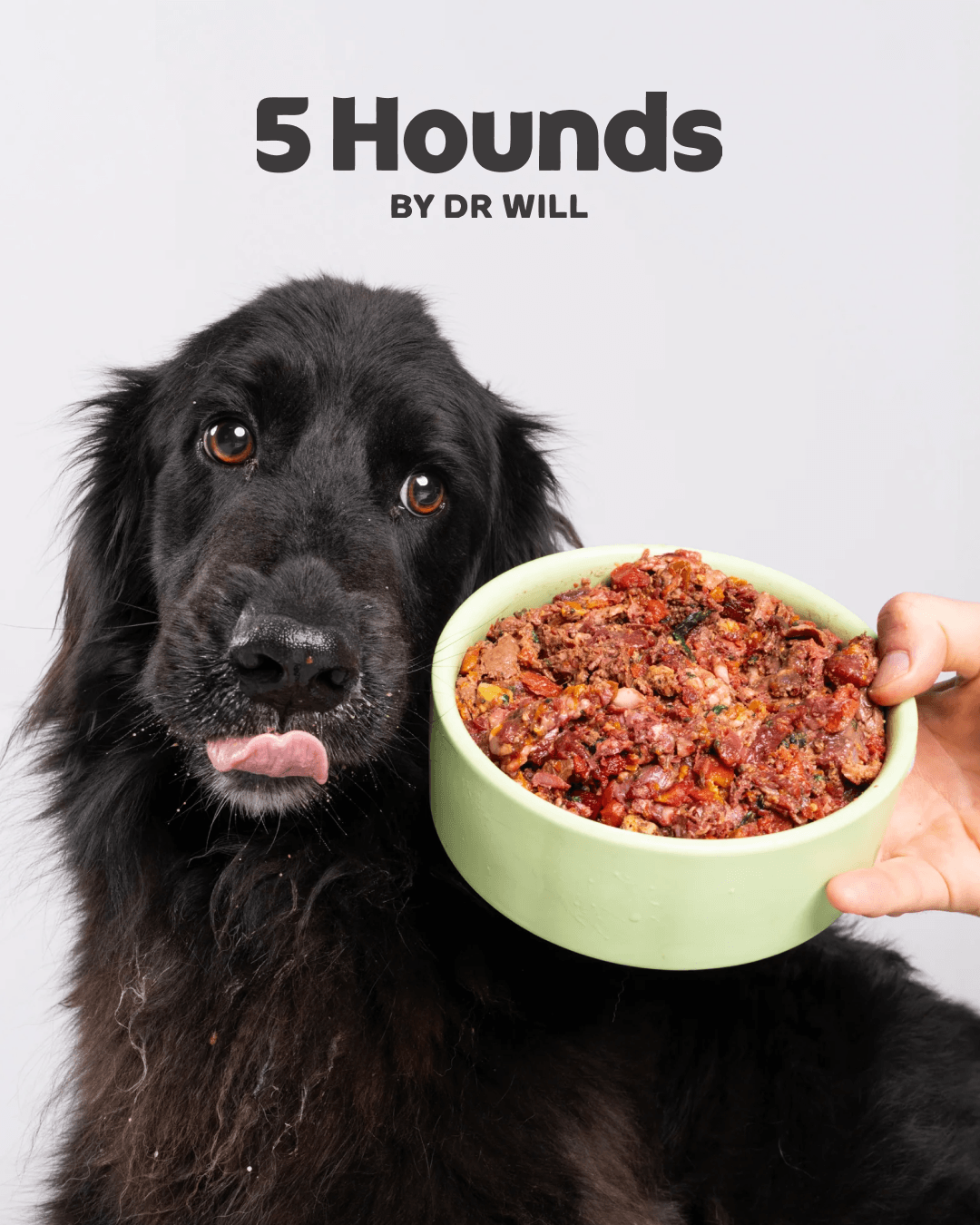
5 Hounds Fish is a lightly cooked, complete wet dog food formulated for dogs of all life stages, built around sustainably fished Australian salmon and sardines. Both proteins are rich in omega-3 fatty acids, and the recipe includes marine algae oil and walnut oil to achieve an omega-6 to omega-3 ratio of approximately 1.1:1 — notably lower than many commercial formulations. Green-lipped mussel provides additional joint support. Turmeric, ginger root, and black pepper are included as a golden paste preparation; the brand states black pepper enhances curcumin bioavailability from the turmeric. The protein fat profile is moderate at 48% protein and 25% fat on a dry matter basis. This recipe is particularly relevant for dogs with inflammatory conditions, arthritis, or skin and coat sensitivities.
Nutritional Analysis
A nutritional analysis shows how a dog food is made up of its main nutrients, such as protein, fat, fibre and other components. This helps you understand where the food’s nutrition and energy come from, and how the formula is balanced.
Ingredients
Salmon, Sweet Potato, Sardines, Carrots, Kale, Button Mushrooms, Broccoli, Green Lipped Mussel, Marine Algae Oil, Turmeric, Ginger Root, Walnut Oil, Organic Kelp Powder, Calcium Carbonate Supplement, Zinc Supplement, Black Pepper, Choline Supplement, Copper Supplement.

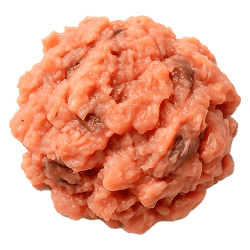
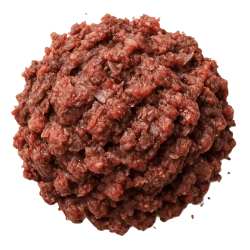
Salmo Salar, Atlantic Salmon, Pacific Salmon, Oncorhynchus Spp.
Salmon is a nutrient-rich fish sourced from cold, clean waters and is classified as an animal-derived ingredient. It is primarily included in pet food for its high-quality protein and omega-3 fatty acids, which support skin, coat, and joint health. Salmon is used in its natural form, ensuring pets benefit from its full nutritional profile and bioavailable nutrients.
Salmon is included as a high-quality protein and omega-3 fatty acid source to support skin and coat health, appealing to consumers seeking premium or functional pet foods. Its presence also enhances palatability and serves as a marketing differentiator on product labelling.

Ipomoea Batatas, Kumara, Batata, Camote
Sweet potato is a root vegetable of plant origin, valued for its rich content of complex carbohydrates, dietary fibre, and essential micronutrients such as vitamin A. In pet food, sweet potato serves primarily as a digestible energy source and supports digestive health. It is incorporated in its natural, whole form, ensuring optimal nutrient retention and palatability for companion animals.
Sweet potato is included as a cost-effective, highly digestible carbohydrate source that provides energy and dietary fibre. It also serves as a label-friendly ingredient appealing to consumers seeking natural, whole-food components in pet food.

Pilchard, Clupeidae, Etrumeus Spp., Sardinella Spp.
Sardine is a small, oily fish sourced from marine environments and classified as an animal-derived ingredient. It is primarily included in pet food for its rich content of high-quality protein and omega-3 fatty acids, which support skin, coat, and cardiovascular health. Sardine is used in its natural, whole food form, ensuring optimal nutrient availability and palatability for pets.
Sardine is included as a high-quality animal protein and omega-3 fatty acid source, supporting nutritional value and marketing appeal. Its presence can enhance the product’s label by signalling premium, whole-fish ingredients to consumers.

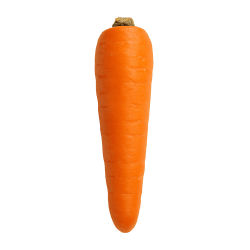
Daucus Carota, Daucus Carota Root, Daucus Carota Sativa, Wild Carrot
Carrot is a root vegetable of plant origin, widely recognised for its vibrant orange colour and natural sweetness. In pet food, carrot is included in its natural, whole form to provide dietary fibre, beta-carotene (a precursor to vitamin A), and antioxidants. Its primary benefit is supporting digestive health and immune function, while also contributing to overall palatability and nutritional diversity.
Carrot is included as a label-friendly ingredient to appeal to consumers seeking recognisable, natural components and to enhance the product’s perceived nutritional value. It may also provide a modest source of fibre and vitamins, supporting marketing claims of added health benefits.

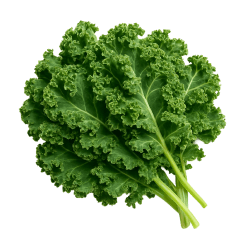
Brassica Oleracea, Borecole, Leaf Cabbage, Eru
Kale is a leafy green vegetable of plant origin, belonging to the Brassica family. It is included in pet food primarily for its rich content of vitamins, minerals, and antioxidants, supporting overall health and immune function. In pet food formulations, kale is used in its natural form, providing a source of dietary fibre and phytonutrients to optimise nutritional value.
Kale is included as a label-friendly ingredient to appeal to health-conscious consumers and enhance the perceived nutritional value of the product. It may also provide a source of vitamins and fibre, though its functional impact on pet nutrition is typically minimal at the inclusion levels used.

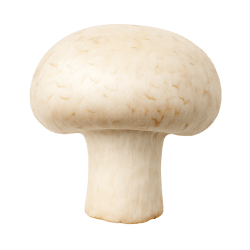
Agaricus Spp., Fungi, Edible Fungi, Champignon
Mushroom refers to the edible fruiting body of certain fungi, typically sourced from plant-based origins such as Agaricus bisporus. In pet food, mushrooms are valued for their natural content of dietary fibre, vitamins, and antioxidants, supporting immune health and overall wellbeing. Mushrooms are included in their natural, whole-food form, ensuring pets benefit from their full nutritional profile without synthetic alteration.
Mushroom is included as a functional ingredient to provide perceived health benefits, such as immune support, which can enhance the product’s marketing appeal to pet owners. It may also serve as a label-friendly addition, contributing to a premium or holistic image without significantly impacting formulation costs.

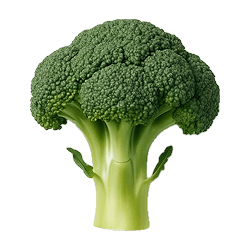
Brassica Oleracea Italica, Calabrese, Sprouting Broccoli, EATME Broccoli
Broccoli is a nutrient-rich vegetable derived from the plant species Brassica oleracea. As a plant-based ingredient, it is included in pet food primarily for its dietary fibre, vitamins, and antioxidant content, supporting digestive health and immune function. Broccoli is used in its natural form, ensuring pets benefit from its whole-food nutritional profile without synthetic alteration.
Broccoli is included as a label-friendly ingredient to appeal to health-conscious consumers and enhance the perceived nutritional value of the product. It may also contribute small amounts of fibre, vitamins, and antioxidants, supporting marketing claims of added health benefits.

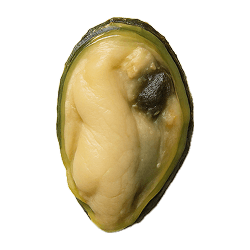
Perna Canaliculus, New Zealand Green Mussel, Greenshell Mussel, Kuku
Green lipped mussel is a marine animal ingredient sourced from the coastal waters of New Zealand. It is primarily included in pet food for its rich content of omega-3 fatty acids, glucosamine, and chondroitin, which support joint health and reduce inflammation. Green lipped mussel is used in its natural, whole form, ensuring optimal nutrient availability and bioactivity for pets.
Green lipped mussel is included as a functional ingredient to provide natural sources of omega-3 fatty acids and joint-supporting nutrients, supporting product differentiation and marketing claims related to joint health. Its presence also appeals to consumers seeking premium or holistic pet food formulations.

Schizochytrium Sp. Oil, Algal Oil, DHA Algal Oil, Schizochytrium Oil
Marine microalgae oil is a plant-derived oil extracted from microscopic marine algae. It serves as a rich, sustainable source of omega-3 fatty acids, particularly DHA, which supports cognitive and visual development in pets. Marine microalgae oil is utilised in its refined oil form, not as whole algae, to optimise purity, safety, and bioavailability of essential fatty acids in pet nutrition.
Marine microalgae oil is included as a sustainable and label-friendly source of omega-3 fatty acids, particularly DHA, to support cognitive and skin health claims. Its use allows manufacturers to appeal to environmentally conscious consumers while providing a plant-based alternative to fish oil.

Curcuma Longa, Indian Saffron, Jiang Huang, E100
Turmeric is a vibrant yellow spice derived from the root of the Curcuma longa plant, making it a plant-based ingredient. It is primarily included in pet food for its natural antioxidant and anti-inflammatory properties, supporting overall health and wellbeing. Turmeric is used in its natural powdered form, ensuring pets benefit from its active compound, curcumin, in a safe and bioavailable manner.
Turmeric is included as a label-friendly ingredient to appeal to health-conscious consumers due to its association with natural antioxidants and anti-inflammatory properties. Its presence may also support marketing claims related to holistic or functional pet foods, despite being used in small quantities with minimal direct nutritional impact for pets.

Zingiber Officinale, Zingiber Officinale Rhizome, Ginger Rhizome, Zingiberis Rhizoma
Ginger root is the rhizome of the Zingiber officinale plant, originating from the plant kingdom. It is included in pet food primarily for its natural antioxidant and digestive-supporting properties. Ginger root is used in its natural, dried, or powdered form, rather than as an extract or isolated compound, to provide its full spectrum of bioactive constituents and functional benefits.
Ginger root is included as a label-friendly ingredient to appeal to health-conscious consumers and enhance product marketability. It may also be added for its perceived digestive benefits, although its functional impact at typical inclusion rates is minimal.

Juglans Regia Seed Oil, Juglans Regia Oil, Huile De Noix, Nux Juglandis Oil
Walnut oil is a plant-derived oil extracted from the nuts of the walnut tree (Juglans regia) and is used as a source of dietary fat in dog food. It is typically added in its refined liquid form. Walnut oil provides polyunsaturated fatty acids, including omega-6 and omega-3, which support skin and coat health in dogs. When used in appropriate amounts, it is generally safe; however, excessive inclusion may contribute to an imbalanced fatty acid profile or gastrointestinal upset.
Walnut oil is included in dog food formulations primarily to provide a source of plant-based omega-3 fatty acids, which can support skin and coat health, while also serving as a premium ingredient that appeals to health-conscious consumers; however, it is more expensive than other oils, so its use is generally limited to higher-end products rather than for cost efficiency.

Seaweed Powder, Ascophyllum Nodosum Powder, Laminaria Powder, Macrocystis Pyrifera Powder
Kelp powder is a dried and ground form of sea kelp, a type of marine algae (plant origin) harvested from ocean waters. It is primarily included in pet food for its rich iodine content, supporting healthy thyroid function and metabolism. Kelp powder is used in its natural, whole-food form, ensuring optimal nutrient availability and safe consumption for pets.
Kelp powder is included as a natural source of trace minerals, iodine, and vitamins to support nutritional labelling claims and enhance the perceived health benefits of the product. Its addition also serves as a label-friendly ingredient that appeals to health-conscious consumers.

Chalk, Limestone, E170, Marble Dust
Calcium carbonate is a naturally occurring mineral compound derived from sources such as limestone or marine shells. It is primarily included in pet food as a source of calcium, essential for healthy bones, teeth, and metabolic functions. Calcium carbonate is not used in its raw mineral state; instead, it is processed into a purified, food-grade compound to optimise safety and bioavailability for pets.
Calcium carbonate is included as a cost-effective mineral supplement to provide a bioavailable source of calcium, supporting bone health and proper nutritional balance. It also functions as a pH stabiliser, contributing to product consistency and shelf stability.

Zn, E579, Zincum, CI 77947
Zinc is an essential trace mineral sourced from the earth and is vital for numerous biological functions in pets, including immune support and skin health. In pet food, zinc is not used in its natural metallic state; instead, it is utilised as a compound such as zinc sulphate or zinc chelate to optimise safety and absorption, ensuring pets receive its full nutritional benefit.
Zinc is included as an essential trace mineral to support immune function, skin health, and overall metabolic processes in pets. Its addition ensures nutritional adequacy and compliance with regulatory labelling standards for complete and balanced pet foods.

Piper Nigrum, Peppercorn, Piper Nigrum Fruit, Piper Nigrum Extract
Black pepper is a spice derived from the dried fruit of the Piper nigrum plant. Sourced from a botanical origin, it is primarily included in pet food to enhance flavour and may support nutrient absorption. Black pepper is used in its natural, ground form rather than as an extract or isolated compound, ensuring its functional properties are retained in the finished product.

Black pepper is included primarily as a label-friendly ingredient to appeal to consumers seeking natural or recognisable components. It may also serve a minor functional role in enhancing palatability or supporting the perceived health benefits of the product.

Trimethylethanolamine, E1001, Choline Base, 2-Hydroxy-N,N,N-Trimethylethanaminium
Choline is an essential nutrient of synthetic or natural origin, commonly derived from plant or animal sources. It plays a critical role in supporting brain development, liver function, and fat metabolism in pets. Choline is not used in its raw or elemental state; instead, it is typically utilised as choline chloride or choline bitartrate to ensure safety, stability, and optimal absorption in pet food formulations.
Choline is included as an essential nutrient to support normal liver function, brain development, and metabolic processes in pets. Its addition ensures nutritional adequacy and helps manufacturers meet regulatory labelling requirements for complete and balanced pet foods.

Cu, ECP, CI 77400, C.I. 77400
Copper is an essential trace mineral sourced from the earth and is vital for numerous physiological functions in pets. It primarily supports red blood cell formation, connective tissue development, and immune system health. Copper is not used in its natural metallic state; instead, it is incorporated into pet food as safe, bioavailable compounds such as copper sulphate or copper proteinate to optimise absorption and efficacy.
Copper is included as an essential trace mineral to meet nutritional requirements for dogs, supporting enzyme function and red blood cell formation. Its addition ensures compliance with regulatory standards for complete and balanced pet food labelling.
Score Card
Every product is assessed using the Dog Directory Integrity Framework, giving dog owners a clear and trustworthy way to compare products. This ensures each review reflects overall quality and formulation integrity, not just marketing claims.
- /40
- /30
- /15
- /10
- /5
- Overall ScoreScore Info
As a pet owner, you naturally want the best for your dog. From regular vet visits to nutritious meals, ensuring your furry friend is healthy and happy is always top of mind. But beyond food and exercise, supplements are becoming an increasingly popular way to support your dog’s overall well-being. In this comprehensive guide, we’ll dive into the world of dog supplements, explaining what they are, why they matter, and how to choose the right ones for your pup.
0/100

ABOUT

PRODUCT TAGS
Price Comparison
About the Brand
5 Hounds
Discover Australian-made human-grade dog meals prepared with premium, natural ingredients by veterinarians who care about your dog's longevity and wellness.


Comments
0 comments
Login or Register to Join the Conversation