




.png)


Lamb, Mint and Manuka Honey Adult Dog Dental Sticks

Overview
Bell & Bone’s Lamb, Mint and Manuka Honey Adult Dog Dental Sticks are daily chew sticks made with lamb as the first ingredient, alongside coconut, sweet potato, manuka honey and mint. Active dental ingredients include sodium tripolyphosphate and zinc sulphate, which work with the stick’s textured shape to address plaque and tartar through both mechanical abrasion and chemical action.
Formulated for adult dogs aged six months to seven years, sized to the dog’s weight bracket. The chews are a daily oral-care aid, not a substitute for veterinary dental assessment or in-clinic cleaning.
Nutritional Analysis
Ingredients
Lamb, Tapioca, Vegetable Binder, Coconut, Sweet Potato, Mint, Guar Gum, Natural Flavour, Manuka Honey, Parsley, Chia Seed, Vegetable Protein, Sodium Tripolyphosphate, Zinc Sulphate, Acacia Gum

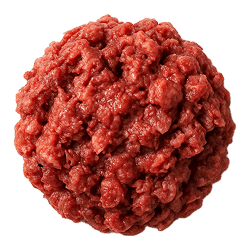
Ovis Aries, Young Sheep, Agnus, Ovine Meat
Lamb is a high-quality animal protein sourced from sheep, commonly used in premium pet foods. It provides essential amino acids, vitamins, and minerals that support muscle development and overall health. Lamb is included in its natural, whole-food form, ensuring optimal nutrient availability and palatability. Its rich nutrient profile makes it particularly beneficial for pets with sensitivities to other protein sources.
Lamb is included as a high-quality animal protein source to support muscle maintenance and overall health in pets. It also serves as a marketing differentiator, appealing to consumers seeking novel or premium protein options for their pets.
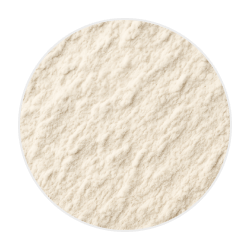
Cassava, Manioc, Yuca, Manihot Esculenta
Tapioca is a starch extracted from the root of the cassava plant, a tropical crop native to South America. As a plant-derived ingredient, its primary purpose in pet food is to provide a highly digestible source of carbohydrates and energy. Tapioca is used in its natural, processed form as a purified starch, not as whole cassava root, ensuring safety and digestibility.
Tapioca is included as a cost-effective carbohydrate source that provides energy and helps bind kibble, contributing to the desired texture and structure of the final product. Its neutral flavour and hypoallergenic properties also make it suitable for formulating diets for pets with sensitivities.

Plant-Based Binder, Botanical Binder, Vegetable-Derived Binder, Plant-Origin Binder
Vegetable binder is a plant-derived ingredient commonly sourced from vegetables such as potatoes, peas, or tapioca. Its primary function is to improve the texture and cohesiveness of pet food, ensuring kibble or wet food maintains its shape. Vegetable binders are used in their processed form, not as whole vegetables, to optimise binding properties and ensure consistent product quality and palatability.
Vegetable binder is included to improve the texture and cohesiveness of pet food products, ensuring ingredients hold together during processing and storage. It also serves as a cost-effective means to maintain product structure without relying solely on animal-based binders.
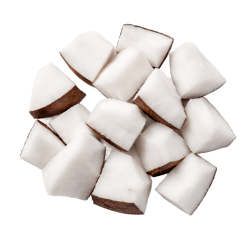
Cocos Nucifera, Cocos Nucifera Fruit, Cocos Nucifera (Plant), Cocos Nucifera (Fruit)
Coconut is a plant-derived ingredient sourced from the fruit of the coconut palm (Cocos nucifera). It is primarily included in pet food for its healthy fats, particularly medium-chain triglycerides, which support energy and skin health. Coconut is used in its natural form, such as dried or shredded flesh, ensuring pets benefit from its nutrients and dietary fibre.
Coconut is included as a label-friendly ingredient to appeal to health-conscious consumers and enhance product marketing. It may also serve as a source of dietary fibre and medium-chain fatty acids, contributing to the nutritional profile of the pet food.
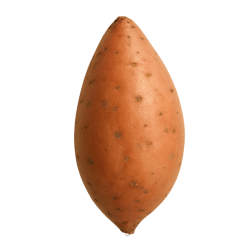
Ipomoea Batatas, Kumara, Batata, Camote
Sweet potato is a root vegetable of plant origin, valued for its rich content of complex carbohydrates, dietary fibre, and essential micronutrients such as vitamin A. In pet food, sweet potato serves primarily as a digestible energy source and supports digestive health. It is incorporated in its natural, whole form, ensuring optimal nutrient retention and palatability for companion animals.
Sweet potato is included as a cost-effective, highly digestible carbohydrate source that provides energy and dietary fibre. It also serves as a label-friendly ingredient appealing to consumers seeking natural, whole-food components in pet food.
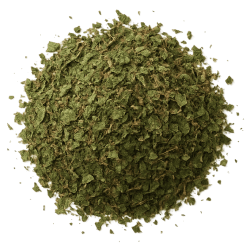
Mentha, Mentha Spp., Mentha Extract, Mentha Oil
Mint is a fragrant herb derived from the leaves of plants in the Mentha genus, originating from the plant kingdom. It is primarily included in pet food for its natural flavouring properties and potential digestive benefits. Mint is used in its natural, whole-leaf form, ensuring the retention of its aromatic oils and phytonutrients, which may support fresh breath and gastrointestinal health in pets.
Mint is included as a label-friendly ingredient to appeal to pet owners seeking natural or holistic components, and may also be intended to provide a fresh aroma or aid in breath freshening for pets. Its functional impact on pet health is generally minimal at the typical inclusion levels.
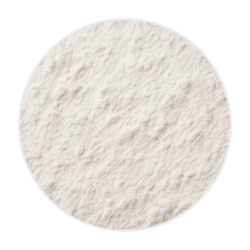
Cyamopsis Tetragonoloba Gum, E412, Guaran, Guar Flour
Guar gum is a natural polysaccharide derived from the seeds of the guar plant (Cyamopsis tetragonoloba), a legume native to India and Pakistan. It is primarily used as a thickening and stabilising agent in pet food, helping to improve texture and moisture retention. Guar gum is utilised in its processed powder form, not as whole seeds, to ensure optimal functionality and digestibility.
Guar gum is included as a cost-effective thickening and stabilising agent to improve the texture and consistency of pet food products. It also helps maintain product uniformity during storage and extends shelf life.
Natural Flavouring, Flavouring Substance, Flavouring Preparation, Flavouring Complex
Natural flavour is a food additive derived from animal or plant sources, designed to enhance the palatability of pet food. Its primary purpose is to improve taste and encourage consistent consumption. Rather than being used in its original raw form, natural flavour is typically processed and concentrated to ensure safety, stability, and uniformity in pet food formulations, while maintaining its natural origin.
Natural flavour is included to enhance palatability, encouraging pets to consume the product. It also allows manufacturers to improve taste without specifying individual flavouring agents, supporting flexible formulation and label-friendly marketing.

Leptospermum Scoparium Honey, New Zealand Tea Tree Honey, Jelly Bush Honey, Leptospermum Honey
Manuka honey is a natural sweetener derived from the nectar of the Manuka tree (Leptospermum scoparium), native to Australia and New Zealand. Sourced from plant origin, it is valued for its antimicrobial properties and as a source of natural sugars, providing energy. In pet food, Manuka honey is used in its natural form, ensuring the retention of its bioactive compounds and nutritional benefits.
Manuka honey is included as a premium, label-friendly ingredient to appeal to health-conscious consumers and enhance product marketability. It may also provide natural antimicrobial properties, supporting product preservation and perceived health benefits.
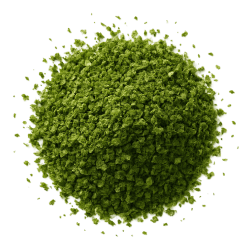
Petroselinum Crispum, Garden Parsley, Common Parsley, E461
Parsley is a leafy herb of plant origin, commonly used in pet food for its natural antioxidant properties and as a source of vitamins such as vitamin K and C. It is primarily included to support immune health and freshen breath. In pet food formulations, parsley is used in its natural, whole form, ensuring the retention of its beneficial phytonutrients and fibre content.
Parsley is included as a label-friendly ingredient to appeal to pet owners seeking natural or recognisable components in pet food. It may also be added for its perceived breath-freshening properties, though its functional impact on canine nutrition is minimal.
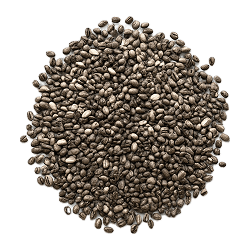
Salvia Hispanica, Salvia Hispanica Seed, Salba, Salvia Hispanica L.
Chia seed is a plant-derived ingredient sourced from the Salvia hispanica plant, native to Central and South America. It is primarily included in pet food for its rich content of omega-3 fatty acids, dietary fibre, and antioxidants, supporting skin, coat, and digestive health. Chia seed is used in its natural, whole form, ensuring optimal nutrient retention and bioavailability for pets.
Chia seed is included as a label-friendly ingredient to appeal to health-conscious consumers, as it is associated with omega-3 fatty acids and fibre. It may also provide a minor functional benefit as a source of plant-based nutrients and aid in product marketing.
Plant Protein, Protein Isolate (Plant), Plant-Based Protein, Protein Concentrate (Plant)
Vegetable protein is a plant-derived ingredient commonly sourced from legumes, grains, or seeds. It serves as an alternative protein source, supporting muscle maintenance and overall health in pets. Vegetable protein is typically processed and concentrated from its original plant form to optimise digestibility and nutrient availability. It is not used in its whole, natural state but rather as an extracted and refined protein component.
Vegetable protein is included as a cost-effective protein source to supplement or partially replace animal proteins, helping manufacturers manage production costs. It also allows for label claims regarding protein content while appealing to consumers seeking plant-based or alternative protein options.
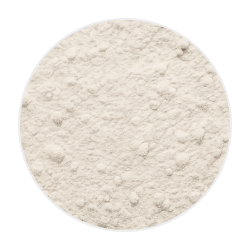
Pentapotassium Triphosphate, STPP, E451(i), Triphosphoric Acid Pentasodium Salt
Sodium tripolyphosphate is a synthetic compound derived from inorganic sources, commonly used in pet food formulations. Its primary function is to act as a preservative and to help maintain the texture and moisture of products. Sodium tripolyphosphate is not used in its natural mineral form; instead, it is utilised as a processed salt to ensure safety, stability, and optimal absorption.
Sodium tripolyphosphate is included as a functional additive to improve product texture and moisture retention, helping maintain palatability and appearance. It also acts as a preservative to extend shelf life and inhibit spoilage.
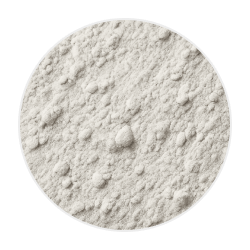
Zinc Sulphate Monohydrate, Zinc Sulphate Heptahydrate, E6, ZnSO₄
Zinc sulphate is a mineral compound derived from the element zinc, typically sourced from mined zinc ores. It is utilised in pet food as a supplemental source of zinc, an essential trace mineral that supports immune function, skin health, and enzyme activity. Zinc is not used in its natural metallic state; instead, it is provided as zinc sulphate to optimise safety and bioavailability for pets.
Zinc sulphate is included as a cost-effective and bioavailable source of the essential mineral zinc, which supports immune function and skin health in pets. Its addition ensures the product meets nutritional requirements for complete and balanced pet food labelling.
Acacia Senegal, Acacia Seyal, E414, Acacia Gum
Gum Arabic is a natural plant-derived gum obtained from the sap of Acacia trees, primarily Acacia senegal and Acacia seyal. It serves as a functional ingredient in pet food, acting as a stabiliser, emulsifier, and source of soluble dietary fibre. Gum Arabic is used in its natural, dried exudate form, ensuring safety and optimal digestibility for companion animals.
Gum Arabic is included as a stabilising and thickening agent to improve the texture and consistency of pet food products. It also helps to maintain ingredient suspension and extend shelf life, supporting product quality during storage and distribution.
About


PRODUCT TAGS

Most Tracked This Week







About the Brand



Comments
0 comments
Login to Join the Conversation 💬