






Your Dog's World, Personalised
Save your favourite products and locations, track prices, and unlock exclusive discounts — all in one place
or
Error
Verify Your Email
We've emailed a sign-in code. Enter it below to continue.
Share
Thank you! Your submission has been received!
Oops! Something went wrong while submitting the form.
Back to ExploreBig Dog Pet Food
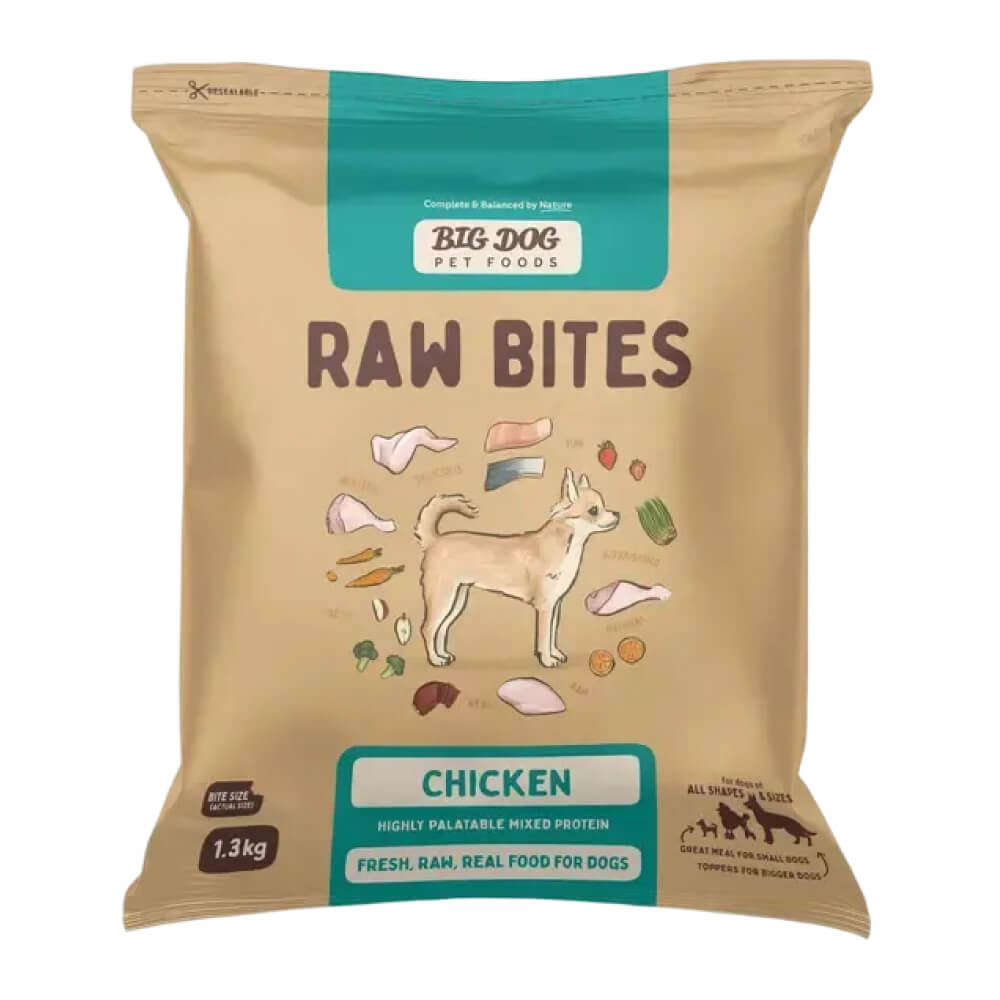
Sensitive Skin Raw Bites
1.3kg
Overview

Big Dog's Sensitive Skin Raw Bites are a multi-protein raw food in bite-sized format, formulated for dogs with skin sensitivities. Tasmanian salmon leads the recipe, providing omega-3 fatty acids, alongside turkey, pork, and organ meats from lamb and goat. The formula also includes turmeric, nettle, and dandelion for anti-inflammatory support. This is a chicken-free recipe. Designed for small dogs but can be fed to any size.


Nutritional Analysis

Protein
12.5
%
0%
Fat
13
%
0%
Fibre
1
%
0%
Ash
3
%
0%
Carbohydrates
1
%
0%
Moisture
71
%
0%
Energy
165
0
 kcal/100g

Ingredients

Tasmanian Salmon, Turkey (Meat, Crushed Bone and Cartilage), Pork (Meat, Crushed Bone and Cartilage), Seasonal Fruits and Vegetables (Apple, Green Banana, Carrot, Lettuce, Green Beans, Celery, Broccoli, Orange, Strawberries, Blueberries), Lamb (Heart, Lung, Liver, Kidney, Trachea), Goat (Heart, Liver, Lung, Kidney, Trachea), Sprouted Wheatgrass, Nettle and Dandelion Tea, Psyllium, Cold Pressed Ground Flaxseed, Goats Whey, Kelp, Turmeric, Fulvic Acid.

Ingredient images are illustrative only and may not represent the exact source or form used by manufacturers.
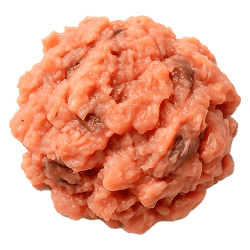
Fresh minced salmon with a moist, pink texture and visible chunks, perfect as a healthy dog food ingredient
Salmon
Salmon
Salmo Salar, Atlantic Salmon, Pacific Salmon, Oncorhynchus Spp.
Summary
Salmon is a nutrient-rich fish sourced from cold, clean waters and is classified as an animal-derived ingredient. It is primarily included in pet food for its high-quality protein and omega-3 fatty acids, which support skin, coat, and joint health. Salmon is used in its natural form, ensuring pets benefit from its full nutritional profile and bioavailable nutrients.
Why it's used?
Salmon is included as a high-quality protein and omega-3 fatty acid source to support skin and coat health, appealing to consumers seeking premium or functional pet foods. Its presence also enhances palatability and serves as a marketing differentiator on product labelling.
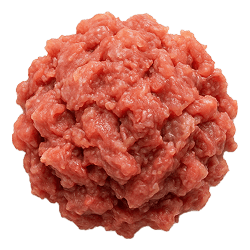
Fresh minced turkey, pinkish-red with a moist, chunky texture, suitable for healthy dog food recipes
Turkey
Turkey
Meleagris Gallopavo, Domestic Turkey, Meleagris Spp., Gallopavo
Summary
Turkey is a lean animal protein sourced from domesticated birds, commonly used in premium pet foods. It provides essential amino acids to support muscle maintenance and overall health. Turkey is included in its natural, whole food form, offering a highly digestible protein source along with important vitamins and minerals. Its use helps optimise palatability and nutritional value in pet diets.
Why it's used?
Turkey is included as a high-quality animal protein source to support muscle maintenance and overall health in pets. Its presence also serves as a label-friendly ingredient that appeals to consumers seeking premium or novel protein options.
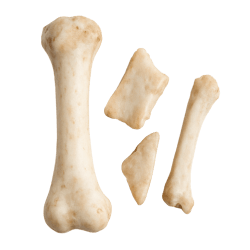
Four clean, beige turkey bone pieces with smooth texture on a white background, suitable for dog nutrition
Turkey Bone
Turkey Bone
Meleagris Gallopavo Bone, Meleagris Gallopavo Skeleton, Turkey Skeletal Tissue, Meleagris Gallopavo Os
Summary
Turkey bone is an animal-derived ingredient sourced from the skeletal remains of turkeys. It is primarily included in pet food for its role in providing essential minerals such as calcium and phosphorus, which support healthy bone development and maintenance. Turkey bone is used in its natural, ground form, allowing for safe consumption and optimal nutrient absorption by pets.
Why it's used?
Turkey bone is included as a natural source of minerals such as calcium and phosphorus, supporting nutritional balance in pet food formulations. It may also be used to enhance product labelling by highlighting whole-prey or natural ingredient claims.
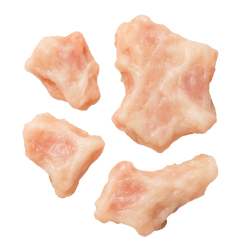
Raw turkey cartilage pieces, pale pink and firm with a bony texture, displayed as a nutritious dog food ingredient
Turkey Cartilage
Turkey Cartilage
Meleagris Gallopavo Cartilage, Gallopavo Cartilage, Turkey Sternum Cartilage, Meleagris Gallopavo Sternum Cartilage
Summary
Turkey cartilage is a natural animal-derived ingredient sourced from the connective tissues of turkeys. It is primarily included in pet food for its rich content of natural glucosamine and chondroitin, which support joint health and mobility. Turkey cartilage is used in its whole, natural form, providing a bioavailable source of these beneficial compounds for optimal pet wellbeing.
Why it's used?
Turkey cartilage is included as a natural source of glucosamine and chondroitin, which are marketed for joint health benefits. Its presence can enhance the product’s appeal to consumers seeking functional or premium ingredients for their pets.
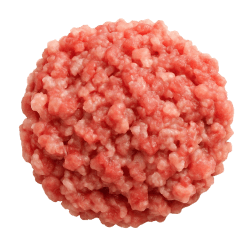
Fresh minced pork formed into a round ball, pink and white in colour with a coarse, chunky texture
Pork
Pork
Sus Scrofa Domesticus, Domestic Pig, Swine, Porcine
Summary
Pork is the meat derived from domesticated pigs and is classified as an animal-based ingredient. It serves as a high-quality source of protein and essential amino acids, supporting muscle maintenance and overall health in pets. In pet food, pork is typically used in its natural, whole form, providing both palatability and nutritional value for dogs and cats.
Why it's used?
Pork is included as a primary animal protein source to support muscle maintenance and overall nutrition in pet food formulations. It also serves as a palatable ingredient that can enhance flavour and appeal for pets.
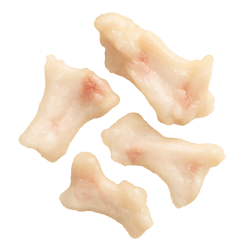
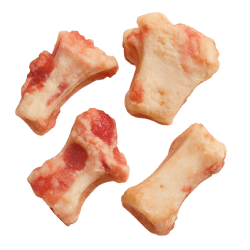
Four raw pork bone pieces with creamy white and pink marbled texture, ideal as natural dog treats or chews
Pork Bone
Pork Bone
Sus Scrofa Domesticus Bone, Porcine Bone, Swine Bone, Hog Bone
Summary
Pork bone is an animal-derived ingredient sourced from pigs, commonly included in pet foods for its rich supply of minerals such as calcium and phosphorus. Its primary purpose is to support skeletal health and proper bone development. Pork bone is used in its natural, ground form, allowing pets to benefit from its nutrients while ensuring digestibility and safety in the finished product.
Why it's used?
Pork bone is included as a natural source of minerals such as calcium and phosphorus, supporting nutritional balance in pet food formulations. It also enhances palatability and can be marketed as a label-friendly, whole-food ingredient.
Raw pork cartilage pieces, pale pink and glossy with a firm texture, ideal as natural dog treats or chews
Pork Cartilage
Pork Cartilage
Porcine Cartilage, Sus Scrofa Cartilage, Swine Cartilage, Sus Scrofa
Summary
Pork cartilage is a structural tissue derived from pigs (animal origin), commonly included in pet foods for its natural source of collagen and glucosamine, which support joint health and mobility. It is used in its natural form, providing both nutritional and functional benefits. Pork cartilage also contributes to palatability and texture, making it a valuable ingredient in premium pet diets.
Why it's used?
Pork cartilage is included as a natural source of glucosamine and chondroitin, which are marketed for joint health benefits in pets. Its presence can enhance the product’s appeal to consumers seeking functional ingredients while utilising animal by-products efficiently.
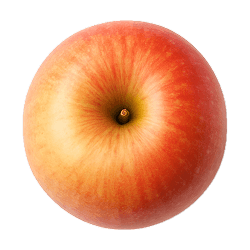
Red and yellow apple with smooth, shiny skin and a small stem, displayed whole on a plain background
Apple
Apple
Malus Domestica, Pyrus Malus, Malus Pumila, E Malus
Summary
Apple is a fruit derived from the Malus domestica tree, classified as a plant-based ingredient. It is primarily included in pet food for its dietary fibre, natural antioxidants, and vitamins, supporting digestive health and immune function. Apple is used in its natural, whole form, ensuring pets benefit from its inherent nutrients without synthetic alteration or processing into extracts or concentrates.
Why it's used?
Apple is included as a label-friendly ingredient to appeal to consumers seeking recognisable, natural components in pet food. It may also provide a modest source of fibre and natural sweetness to enhance palatability.
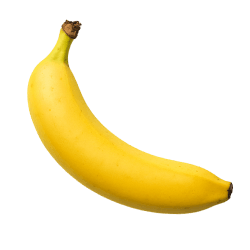
Ripe yellow banana with smooth skin and brown stem, curved and unpeeled on a plain background
Banana
Banana
Musa Spp., Musa Fruit, Musa Paradisiaca
Summary
Banana is a fruit derived from the Musa plant, classified as a plant-based ingredient. It is primarily included in pet food for its natural source of dietary fibre, vitamins, and minerals, supporting digestive health and overall wellbeing. In pet food formulations, banana is used in its natural form, ensuring pets benefit from its inherent nutrients and palatability.
Why it's used?
Banana is included as a natural source of carbohydrates, vitamins, and minerals, contributing to the nutritional profile of the product. It also serves as a label-friendly ingredient that appeals to health-conscious consumers seeking recognisable, whole-food components.
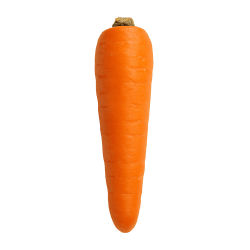
Fresh whole carrot with bright orange skin and smooth, firm texture standing upright on a plain background
Carrot
Carrot
Daucus Carota, Daucus Carota Root, Daucus Carota Sativa, Wild Carrot
Summary
Carrot is a root vegetable of plant origin, widely recognised for its vibrant orange colour and natural sweetness. In pet food, carrot is included in its natural, whole form to provide dietary fibre, beta-carotene (a precursor to vitamin A), and antioxidants. Its primary benefit is supporting digestive health and immune function, while also contributing to overall palatability and nutritional diversity.
Why it's used?
Carrot is included as a label-friendly ingredient to appeal to consumers seeking recognisable, natural components and to enhance the product’s perceived nutritional value. It may also provide a modest source of fibre and vitamins, supporting marketing claims of added health benefits.
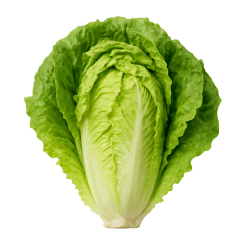
Fresh green lettuce with crisp, layered leaves and a firm stem, perfect for healthy dog-friendly salads and snacks
Lettuce
Lettuce
Lactuca Sativa, Garden Lettuce, Head Lettuce, Cos Lettuce
Summary
Lettuce is a leafy green vegetable of plant origin, commonly included in pet foods for its fibre content and low-calorie profile. It primarily supports digestive health and hydration due to its high water content. In pet food formulations, lettuce is used in its natural, whole form, providing a source of vitamins and minerals while contributing to overall dietary variety.
Why it's used?
Lettuce is included as a label-friendly ingredient to appeal to consumers seeking recognisable vegetables in pet food formulations. It provides minimal nutritional value to dogs but can serve as a low-cost bulk-adding agent.
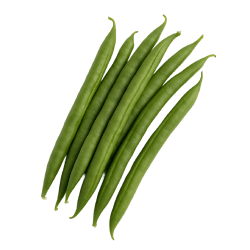
Fresh green beans with smooth, vibrant green skin and crisp texture arranged on a plain, light background
Green Beans
Green Beans
Phaseolus Vulgaris, String Beans, Snap Beans, Haricot Vert
Summary
Green beans are the immature pods of the common bean plant (Phaseolus vulgaris), originating from a plant source. They are included in pet food primarily for their dietary fibre content, which supports digestive health, and as a source of vitamins and minerals. Green beans are used in their natural, whole form, providing a minimally processed, nutrient-rich ingredient for balanced pet nutrition.
Why it's used?
Green beans are included as a label-friendly vegetable ingredient to appeal to pet owners seeking recognisable, whole-food components. They also provide a cost-effective source of fibre and bulk, supporting digestive health and satiety in pet food formulations.
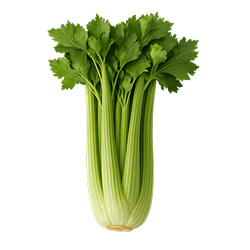
Fresh celery stalks with leafy tops, crisp green stems and vibrant colour, highlighting celery’s crunchy texture
Celery
Celery
Apium Graveolens, E416, Celeriac, Ajmoda
Summary
Celery is a plant-based ingredient derived from the stalks of the Apium graveolens plant. It is included in pet food primarily for its fibre content and as a source of vitamins and minerals, supporting digestive health and overall wellbeing. Celery is used in its natural form, ensuring pets benefit from its inherent nutrients and phytonutrients without synthetic alteration.
Why it's used?
Celery is included as a label-friendly ingredient to appeal to health-conscious consumers, enhancing the product’s perceived nutritional value. It may also contribute trace vitamins and fibre, though its functional impact on the pet’s diet is minimal.
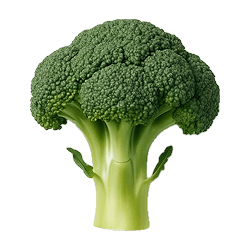
Fresh green broccoli with a thick stalk and tightly packed florets, highlighting its crisp texture and vibrant colour
Broccoli
Broccoli
Brassica Oleracea Italica, Calabrese, Sprouting Broccoli, EATME Broccoli
Summary
Broccoli is a nutrient-rich vegetable derived from the plant species Brassica oleracea. As a plant-based ingredient, it is included in pet food primarily for its dietary fibre, vitamins, and antioxidant content, supporting digestive health and immune function. Broccoli is used in its natural form, ensuring pets benefit from its whole-food nutritional profile without synthetic alteration.
Why it's used?
Broccoli is included as a label-friendly ingredient to appeal to health-conscious consumers and enhance the perceived nutritional value of the product. It may also contribute small amounts of fibre, vitamins, and antioxidants, supporting marketing claims of added health benefits.
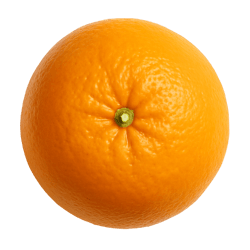
Whole orange with bright orange skin, dimpled texture and green stem, fresh and ripe, ideal for dog health benefits
Orange
Orange
Citrus Sinensis, Sweet Orange, Navel Orange, Valencia Orange
Summary
Orange is a citrus fruit of plant origin, valued for its rich vitamin C content and natural antioxidants. In pet food, orange is primarily included to support immune health and provide dietary fibre. This ingredient is used in its natural form, typically as dried or powdered orange, ensuring pets benefit from its nutrients and bioactive compounds without synthetic alteration.
Why it's used?
Orange is included as a natural source of vitamins, particularly vitamin C, and antioxidants, which can be highlighted for marketing purposes to appeal to health-conscious consumers. It may also contribute to palatability and provide a label-friendly ingredient that enhances the perceived nutritional value of the product.
Fresh strawberry with bright red skin, yellow seeds and green leafy top, showing juicy, vibrant texture
Strawberry
Strawberry
Fragaria × Ananassa, Garden Strawberry, Fragaria Ananassa, Fragaria Spp.
Summary
Strawberry is a plant-derived fruit known for its vibrant red colour and natural sweetness. In pet food, strawberry is primarily included as a source of dietary fibre, antioxidants, and vitamin C, supporting immune health and overall wellbeing. Strawberry is used in its natural, whole form, ensuring pets benefit from its full nutritional profile without synthetic alteration.
Why it's used?
Strawberry is included as a label-friendly ingredient to appeal to consumers seeking natural and recognisable components in pet food. It may also provide a minor source of antioxidants and vitamins, supporting marketing claims of added nutritional benefits.
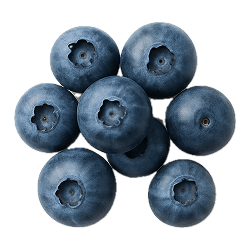
Fresh blueberries with smooth, deep blue skin and a light frosted coating, clustered together on a white background
Blueberry
Blueberry
Vaccinium Corymbosum, Vaccinium Angustifolium, Bilberry, E163
Summary
Blueberry is a small, nutrient-rich fruit of plant origin, commonly sourced from the Vaccinium genus. It is included in pet food primarily for its antioxidant properties, supporting immune health and cellular protection. Blueberry is used in its natural, whole form, ensuring pets benefit from its full spectrum of vitamins, fibre, and phytonutrients as found in fresh fruit.
Why it's used?
Blueberry is included as a label-friendly ingredient to appeal to health-conscious consumers, leveraging its reputation as a source of antioxidants. Its presence supports marketing claims of added nutritional benefits, though it is typically used in small quantities with minimal impact on the overall nutritional profile for pets.
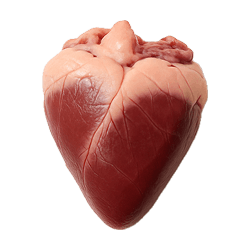
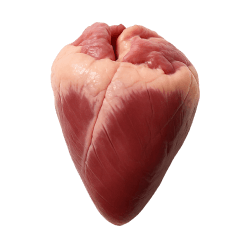
Fresh raw lamb heart with a rich red colour and smooth, glossy texture, ideal for natural dog nutrition
Lamb Heart
Lamb Heart
Ovine Heart, Sheep Heart, Ovis Aries Heart, Ovis Aries Cardiac Muscle
Summary
Lamb heart is an animal-derived ingredient sourced from the heart muscle of lambs. It is included in pet food primarily for its high-quality protein and rich supply of essential nutrients such as B vitamins, iron, and taurine, supporting muscle health and overall vitality. Lamb heart is used in its natural, whole-food form, ensuring optimal nutrient availability and palatability for pets.
Why it's used?
Lamb heart is included as a nutrient-dense organ meat to provide high-quality protein, essential amino acids, and micronutrients, supporting the product’s nutritional profile. Its inclusion also appeals to consumers seeking premium or species-appropriate ingredients in pet food formulations.
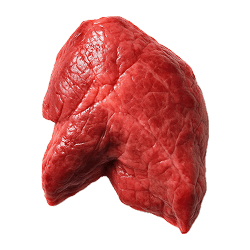
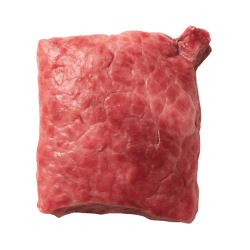
Fresh lamb lung with rich red colour, smooth surface and natural texture, ideal as a healthy dog treat ingredient
Lamb Lung
Lamb Lung
Ovine Lung, Sheep Lung, Ovis Aries Lung, Ovis Aries Pulmo
Summary
Lamb lung is an animal-derived ingredient sourced from the respiratory organ of sheep. It is primarily included in pet food for its high protein content and as a source of essential amino acids, supporting muscle maintenance and overall health. Lamb lung is used in its natural, whole-food form, providing a digestible and palatable protein option for pets.
Why it's used?
Lamb lung is included as a novel protein source to diversify amino acid profiles and appeal to consumers seeking alternative or limited-ingredient diets. It also serves as a label-friendly ingredient that can enhance product differentiation in the premium pet food market.
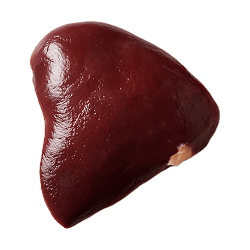
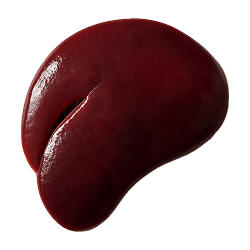
Fresh lamb liver with a rich dark red colour and smooth, glossy texture, ideal for natural dog nutrition
Lamb Liver
Lamb Liver
Ovine Liver, Sheep Liver, Ovis Aries Liver, Hepaticus Ovis
Summary
Lamb liver is an animal-derived organ meat sourced from sheep. It is highly valued in pet nutrition for its rich content of essential nutrients, including protein, vitamin A, iron, and B vitamins. Lamb liver is primarily included to support overall health, vitality, and immune function. In premium pet foods, lamb liver is used in its natural, whole food form to maximise nutrient availability and palatability.
Why it's used?
Lamb liver is included as a nutrient-dense organ meat to enhance the protein, vitamin, and mineral content of the product. It also serves as a natural palatability enhancer, making the food more appealing to pets.
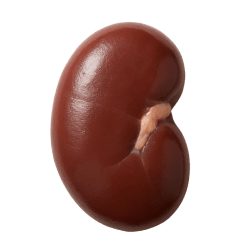
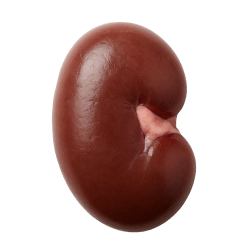
Fresh lamb kidney with a smooth, glossy reddish-brown surface and pale centre, ideal for dog nutrition
Lamb Kidney
Lamb Kidney
Ovine Kidney, Sheep Kidney, Renis Ovis, Ovis Aries Kidney
Summary
Lamb kidney is an animal-derived organ meat sourced from sheep. It is included in pet food primarily for its rich content of high-quality protein, essential vitamins such as B12, and minerals like iron and zinc, supporting overall health and vitality. Lamb kidney is used in its natural, whole-food form, providing a highly bioavailable source of nutrients for pets.
Why it's used?
Lamb kidney is included as a nutrient-dense organ meat to provide a natural source of protein, vitamins, and minerals, supporting a "whole prey" or biologically appropriate marketing position. Its inclusion can enhance the nutritional profile and appeal to consumers seeking premium, species-appropriate diets for their pets.
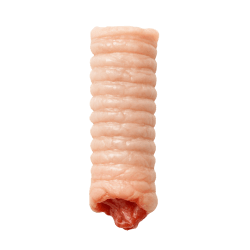
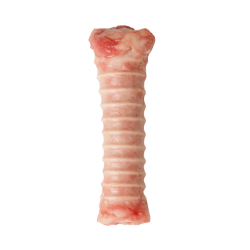
Raw lamb trachea, pale pink and ridged with a meaty texture, displayed as a natural dog treat or chew
Lamb Trachea
Lamb Trachea
Ovine Trachea, Sheep Trachea, Ovis Aries Trachea, Ovine Windpipe
Summary
Lamb trachea is an animal-derived ingredient sourced from the windpipe of lambs. It is primarily included in pet food for its natural content of glucosamine and chondroitin, which support joint health and mobility. Lamb trachea is used in its natural, whole form, providing both nutritional value and a source of natural chewing enjoyment for pets.
Why it's used?
Lamb trachea is included as a natural source of glucosamine and chondroitin, supporting joint health claims for marketing purposes. It also serves as a palatable, protein-rich ingredient that appeals to pet owners seeking minimally processed, species-appropriate components.
Raw goat heart with a glossy, deep red surface and trimmed pale fat, fresh and ideal for dog nutrition
Goat Heart
Goat Heart
Capra Hircus Heart, Caprine Heart, Capra Hircus Cardiac Muscle, Caprine Cardiac Muscle
Summary
Goat heart is an animal-derived organ meat sourced from goats. It is included in pet food primarily for its rich protein content and as a natural source of essential vitamins and minerals, such as iron, zinc, and B vitamins. Goat heart is used in its natural, whole food form, providing highly bioavailable nutrients to support muscle development and overall health in pets.
Why it's used?
Goat heart is included as a nutrient-dense organ meat, providing a natural source of protein, essential amino acids, and micronutrients to support canine health. Its use can also enhance product palatability and appeal to consumers seeking whole-prey or novel protein formulations.
Fresh goat liver, deep reddish-brown, smooth and glossy, shown whole on a plain background
Goat Liver
Goat Liver
Capra Hircus Liver, Caprine Liver, Capra Liver, Caprine Hepatic Tissue
Summary
Goat liver is an animal-derived organ meat sourced from goats. It is included in pet food primarily for its rich content of high-quality protein, essential amino acids, and vital micronutrients such as vitamin A, iron, and B vitamins. Goat liver is used in its natural, whole food form, providing a highly bioavailable source of nutrients to support overall pet health.
Why it's used?
Goat liver is included as a nutrient-dense organ meat to provide a natural source of protein, vitamins, and minerals, supporting the nutritional profile of the product. Its inclusion also enhances palatability, making the food more appealing to pets.
Fresh goat lung, pinkish-red with a smooth, slightly marbled texture, displayed as a nutritious ingredient for dogs
Goat Lung
Goat Lung
Capra Hircus Lung, Caprine Lung, Pulmo Caprae, Capra Lung
Summary
Goat lung is an animal-derived ingredient sourced from the respiratory organ of goats. It is primarily included in pet food for its high protein content and as a source of essential amino acids, supporting muscle maintenance and overall health. Goat lung is used in its natural, whole-food form, providing a novel protein option that may benefit pets with common protein sensitivities.
Why it's used?
Goat lung is included as a novel animal protein source to diversify protein options and appeal to consumers seeking alternative or hypoallergenic ingredients. It also serves as a label-friendly ingredient that can enhance product differentiation in the premium pet food market.
Fresh raw goat kidney with a smooth, glossy reddish-brown surface and pale centre, suitable for dog nutrition
Goat Kidney
Goat Kidney
Capra Hircus Kidney, Caprine Kidney, Ren Caprinum, Ren Capra Hircus
Summary
Goat kidney is an animal-derived organ meat sourced from goats. It is included in pet food primarily for its rich content of high-quality protein, essential vitamins such as B12, and minerals like iron and selenium, supporting overall health and vitality. Goat kidney is used in its natural, whole food form, providing a biologically appropriate source of nutrients for pets.
Why it's used?
Goat kidney is included as a novel animal protein source to diversify amino acid profiles and appeal to consumers seeking alternative or limited-ingredient diets. Its use can also enhance product marketing by highlighting unique or premium animal ingredients.
Raw goat trachea with a pale, ribbed tube and pinkish ends, meaty texture, ideal as a natural dog treat
Goat Trachea
Goat Trachea
Capra Hircus Trachea, Caprine Trachea, Caprine Windpipe, Capra Hircus Windpipe
Summary
Goat trachea is an animal-derived ingredient sourced from the windpipe of goats. It is primarily included in pet food for its natural content of glucosamine and chondroitin, which support joint health and mobility. Goat trachea is used in its natural, whole form, providing both nutritional benefits and a source of natural chewing enrichment for pets.
Why it's used?
Goat trachea is included as a novel protein source that provides natural glucosamine and chondroitin, supporting joint health claims for marketing differentiation. Its unique origin also appeals to consumers seeking alternative or hypoallergenic ingredients for their pets.
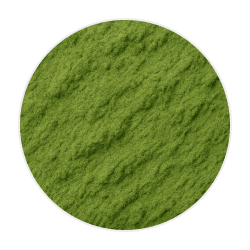
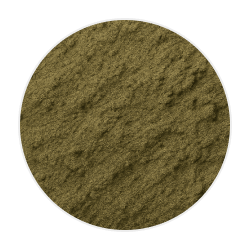
Fine green wheatgrass powder with a soft, textured surface, commonly used as a healthy dog supplement
Wheatgrass
Wheatgrass
Triticum Aestivum, Wheat Grass Juice, Young Wheat Plant, Green Wheat Shoots
Summary
Wheatgrass is the young, green shoots of the common wheat plant (Triticum aestivum), classified as a plant-based ingredient. It is primarily included in pet food for its rich supply of vitamins, minerals, and antioxidants, supporting overall health and immune function. Wheatgrass is used in its natural form, typically dried and powdered, to optimise nutrient retention and digestibility for pets.
Why it's used?
Wheatgrass is included as a label-friendly ingredient to appeal to health-conscious consumers, enhancing the perceived nutritional value of the product. It may also provide trace vitamins and antioxidants, though its functional impact on pet nutrition is minimal at typical inclusion rates.
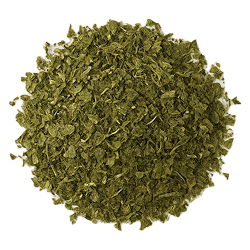
Finely chopped dried nettle leaves in a loose green pile, showing rough leafy texture for dog health benefits
Nettle
Nettle
Urtica Dioica, Stinging Nettle, Common Nettle, Urtica Spp.
Summary
Nettle is a leafy green plant ingredient derived from the stinging nettle (Urtica dioica), commonly found in temperate regions. It is included in pet food primarily for its natural source of vitamins, minerals, and antioxidants, supporting overall health and wellbeing. Nettle is used in its natural, dried form, ensuring pets benefit from its nutrients without the stinging properties present in the fresh plant.
Why it's used?
Nettle is included as a label-friendly ingredient to appeal to health-conscious consumers, leveraging its association with natural botanicals. It may also be used for its perceived functional benefits, such as providing trace nutrients or antioxidants, though its impact on pet nutrition is minimal at typical inclusion rates.
Fine, light brown dandelion powder with a soft, sandy texture, commonly used as a natural dog supplement
Dandelion
Dandelion
Taraxacum Officinale, Taraxaci Herba, Taraxaci Radix, Lion's Tooth
Summary
Dandelion is a plant-derived ingredient sourced from the leaves and roots of the Taraxacum officinale plant. It is primarily included in pet food for its natural prebiotic fibre content, which supports digestive health and beneficial gut bacteria. Dandelion is used in its natural, whole form, ensuring pets receive its full spectrum of nutrients and bioactive compounds.
Why it's used?
Dandelion is included as a label-friendly ingredient to appeal to health-conscious consumers, as it is associated with natural and holistic pet nutrition. It may also serve as a source of fibre and micronutrients, though its functional impact on the pet food is typically minimal.
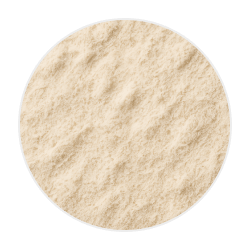
Fine, pale beige psyllium husk powder with a soft, slightly textured surface, used for dog digestive health
Psyllium Husk
Psyllium Husk
Ispaghula Husk, Plantago Ovata Husk, Blond Psyllium, Plantago Ovata
Summary
Psyllium husk is a plant-derived ingredient sourced from the outer coating of Plantago ovata seeds. It is primarily included in pet food as a soluble fibre to support digestive health and promote regular bowel movements. Psyllium husk is used in its natural form, allowing pets to benefit from its gentle bulking and water-absorbing properties, which help optimise gastrointestinal function.
Why it's used?
Psyllium husk is included as a functional fibre source to support digestive health and promote regular bowel movements in pets. It also serves as a cost-effective bulking agent to optimise stool quality and product texture.
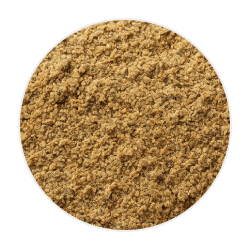
Golden-brown linseed meal with a coarse, crumbly texture, shown as a nutritious ingredient for dog food
Linseed Meal
Linseed Meal
Flaxseed Meal, Flax Meal, Linum Usitatissimum Meal, Flaxseed Cake
Summary
Linseed meal is a plant-derived ingredient produced from the ground seeds of the flax plant (Linum usitatissimum) after oil extraction. It is primarily included in pet food as a source of dietary fibre, protein, and omega-3 fatty acids, supporting digestive and skin health. Linseed meal is used in its natural, ground form to optimise nutrient availability and palatability for pets.
Why it's used?
Linseed meal is included as a cost-effective source of plant-based protein and omega-3 fatty acids, supporting nutritional labelling claims. It also serves as a fibre source to aid digestive health in pet food formulations.
Fine off-white goat whey powder with a smooth, slightly grainy texture, suitable for dog health supplements
Goat Whey
Goat Whey
Caprae Whey, Capra Whey, Capra Aegagrus Hircus Whey, Caprae Lac Whey
Summary
Goat whey is a liquid by-product derived from the cheese-making process using goat’s milk, making it an animal-origin ingredient. It is primarily included in pet food for its high-quality protein content and bioavailable nutrients, supporting muscle maintenance and overall health. Goat whey is used in its natural, liquid or dried form, ensuring optimal digestibility and nutrient retention for pets.
Why it's used?
Goat whey is included as a highly digestible protein source that can enhance the amino acid profile of the product. It may also serve as a label-friendly ingredient appealing to consumers seeking novel or alternative animal proteins.
Fine green-brown kelp powder with a soft, grainy texture, commonly used as a natural dog supplement
Kelp
Kelp
Laminaria Spp., Macrocystis Pyrifera, Ascophyllum Nodosum, Brown Seaweed
Summary
Kelp is a type of large, edible seaweed sourced from marine environments and classified as a plant-based ingredient. It is primarily included in pet food for its rich supply of natural iodine, which supports healthy thyroid function. Kelp is used in its dried, ground natural form, allowing pets to benefit from its trace minerals, vitamins, and antioxidants in a bioavailable manner.
Why it's used?
Kelp is included as a label-friendly ingredient to appeal to health-conscious consumers and enhance product marketing, as it is associated with natural sources of vitamins and minerals. It may also serve as a trace mineral supplement to support nutritional completeness in pet food formulations.
Bright yellow turmeric powder with a fine, slightly grainy texture, commonly used as a natural dog supplement
Turmeric
Turmeric
Curcuma Longa, Indian Saffron, Jiang Huang, E100
Summary
Turmeric is a vibrant yellow spice derived from the root of the Curcuma longa plant, making it a plant-based ingredient. It is primarily included in pet food for its natural antioxidant and anti-inflammatory properties, supporting overall health and wellbeing. Turmeric is used in its natural powdered form, ensuring pets benefit from its active compound, curcumin, in a safe and bioavailable manner.
Why it's used?
Turmeric is included as a label-friendly ingredient to appeal to health-conscious consumers due to its association with natural antioxidants and anti-inflammatory properties. Its presence may also support marketing claims related to holistic or functional pet foods, despite being used in small quantities with minimal direct nutritional impact for pets.
Dark brown fulvic acid powder with a fine, textured surface and subtle ridges in a circular close-up view
Fulvic Acid
Fulvic Acid
Humic Acid Fraction, Fulvate, Fulvates, Humic Substances
Summary
Fulvic acid is an organic compound derived from the decomposition of plant material, categorised as a naturally occurring substance. It is primarily included in pet food for its potential to enhance nutrient absorption and support gut health. Fulvic acid is not used in its raw, unrefined state; instead, it is utilised as a purified extract to ensure safety and bioavailability in animal diets.
Why it's used?
Fulvic acid is included as a functional additive to support nutrient absorption and gut health, aligning with consumer demand for holistic and wellness-focused pet foods. Its presence also serves as a marketing differentiator, appealing to pet owners seeking advanced or natural supplementation.

About


Manufactured
Australia
Type
Frozen Raw
Life Stage
All Life Stages
Breed Size
All Breeds
Feeding Type
Complete Meal
Processing Level
Low

PRODUCT TAGS


Grain Free
Gluten Free
Soy Free

Oops! Something went wrong...PLEASE TRY AGAIN

Most Tracked This Week


Comments

0 comments

Login to Join the Conversation 💬

Be the first to leave a comment.
Loading
Anonymous User
This is the actual comment. It's can be long or short. And must contain only text information.
(Edited)
Your comment will appear once approved by a moderator.
4 years ago
0
0
Reply
Anonymous User
This is the actual comment. It's can be long or short. And must contain only text information.
(Edited)
Your comment will appear once approved by a moderator.
2 years ago
0
0
Thank you! Your submission has been received!
Oops! Something went wrong while submitting the form.