Medium to Large Breed Adult Lamb and Vegetables Wet Dog Food

Overview
Black Hawk Medium to Large Breed Adult Lamb and Vegetables is a grain-free wet dog food served in a chicken broth. Made with lamb — a protein source rich in iron and vitamin B12 — alongside vegetables including pumpkin and peas. It is formulated to meet the complete and balanced nutritional needs of adult dogs. Intended for medium to large breed adult dogs.
Nutritional Analysis
Ingredients
Lamb, Chicken, Egg, Chicken Broth, Gelling Agents, Chicken Liver, Green Peas, Pumpkin, Vegetable Oil, Pea Protein, Vitamins and Minerals, Fructooligosaccharides, Choline Chloride, Fish Oil.

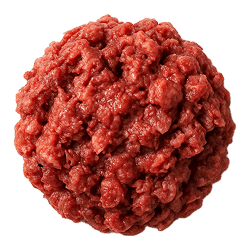
Ovis Aries, Young Sheep, Agnus, Ovine Meat
Lamb is a high-quality animal protein sourced from sheep, commonly used in premium pet foods. It provides essential amino acids, vitamins, and minerals that support muscle development and overall health. Lamb is included in its natural, whole-food form, ensuring optimal nutrient availability and palatability. Its rich nutrient profile makes it particularly beneficial for pets with sensitivities to other protein sources.
Lamb is included as a high-quality animal protein source to support muscle maintenance and overall health in pets. It also serves as a marketing differentiator, appealing to consumers seeking novel or premium protein options for their pets.

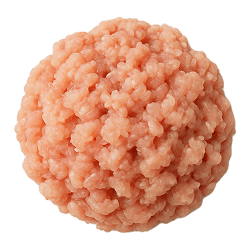
Gallus Gallus Domesticus, Poultry Meat, Domestic Fowl, Broiler Meat
Chicken is a high-quality animal protein sourced from poultry, commonly used in pet foods for its rich amino acid profile and palatability. It provides essential nutrients to support muscle maintenance and overall health. In premium pet foods, chicken is typically included in its natural, whole form, ensuring optimal nutrient availability and digestibility for pets.
Chicken is included as a primary animal protein source to meet nutritional requirements and enhance palatability for pets. Its recognisable presence on the label also appeals to consumers seeking high-quality, meat-based ingredients.

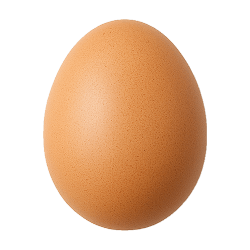
Hen Egg, Chicken Egg, Gallus Gallus Domesticus Egg, Avian Egg
Egg is an animal-derived ingredient sourced from poultry, commonly used in pet food for its high-quality protein and essential amino acids. It provides vital nutrients that support muscle development and overall health. In pet food, egg is typically included in its natural, whole form—either as dried or fresh egg—ensuring optimal digestibility and nutrient availability for pets.
Egg is included as a high-quality, bioavailable protein source to support muscle development and overall nutrition. It also enhances the product’s nutritional profile, appealing to consumers seeking premium or natural pet food options.

Chicken Stock, Gallus Gallus Domesticus Broth, Gallus Gallus Domesticus Stock, Poulet Broth
Chicken broth is a liquid derived from simmering chicken meat and bones, making it an animal-based ingredient. It is primarily included in pet food to enhance palatability and provide moisture, supporting hydration. Chicken broth is used in its natural, cooked liquid form, not as a dehydrated or powdered extract, ensuring both flavour and nutrient retention in the final product.
Chicken broth is included to enhance palatability and aroma, making the product more appealing to pets. It also serves as a label-friendly ingredient that signals quality and wholesomeness to consumers.

Stabiliser, Thickener, E Number, Hydrocolloid
Gelling agent refers to a functional ingredient, typically derived from plant or seaweed sources such as guar gum, carrageenan, or agar, used to modify the texture and consistency of pet food. Its primary purpose is to bind moisture and create a stable, palatable gel structure. Gelling agents are not used in their raw plant form but are processed and utilised as purified extracts or compounds for optimal performance and safety.
Gelling agents are included to modify the texture and consistency of pet food, ensuring a uniform and appealing product structure. They also help stabilise moisture content, which can extend shelf life and improve product handling.

Poultry Liver, Gallus Gallus Domesticus Liver, Chicken Offal, Chicken Hepatic Tissue
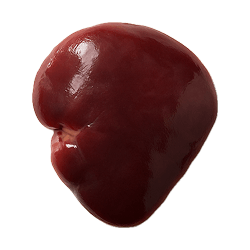
Chicken liver is an animal-derived organ meat sourced from chickens. It is included in pet food primarily for its rich content of high-quality protein, essential amino acids, and vital micronutrients such as vitamin A, iron, and B vitamins. Chicken liver is used in its natural, whole food form, providing both palatability and nutritional density to support overall pet health.
Chicken liver is included as a highly palatable and nutrient-dense protein source, providing essential vitamins and minerals to enhance the nutritional profile of the product. Its inclusion can also support marketing claims related to quality animal ingredients.

Garden Peas, Pisum Sativum, English Peas, Common Peas
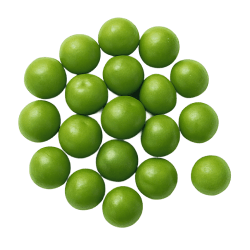
Green peas are a plant-derived ingredient sourced from the seeds of Pisum sativum. They are primarily included in pet food for their high-quality plant protein, dietary fibre, and essential micronutrients, supporting digestive health and energy. Green peas are used in their natural, whole form, ensuring pets benefit from their complete nutritional profile without synthetic alteration.
Green peas are included as a cost-effective carbohydrate and protein source that also adds bulk to the product. They are often used to support "grain-free" marketing claims and enhance label appeal for consumers.

Cucurbita Pepo, Cucurbita Maxima, Cucurbita Moschata, Pepo
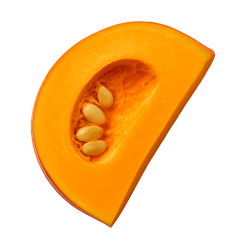
Pumpkin is a plant-derived ingredient sourced from the fruit of the Cucurbita pepo species. It is primarily included in pet food for its dietary fibre content, which supports digestive health and regularity. Pumpkin is used in its natural form, either as fresh, cooked, or dehydrated flesh, providing a source of vitamins, minerals, and antioxidants beneficial to overall wellbeing.
Pumpkin is included as a label-friendly ingredient that appeals to consumers seeking natural and recognisable components, while also serving as a cost-effective source of fibre and moisture to support digestive health and product texture. Its inclusion can enhance marketing appeal without significantly increasing formulation costs.

Edible Vegetable Oil, Edible Plant Oil, Plant Oil, Oleum Vegetabile
Vegetable oil is a plant-derived fat extracted from various seeds or fruits, such as sunflower, canola, or soybean. It serves primarily as an energy source and supports the absorption of fat-soluble vitamins in pet food. Vegetable oil is used in its refined, edible form rather than as raw plant material, ensuring safety, palatability, and optimal nutrient availability for pets.
Vegetable oil is included as a cost-effective source of dietary fat and energy, supporting palatability and contributing to the texture of the final product. It may also be used to deliver essential fatty acids and improve the appearance of the kibble.

Pisum Sativum Protein, Pea Isolate, Pea Protein Isolate, Pisum Sativum Isolate
Pea protein is a plant-derived ingredient extracted from yellow peas (Pisum sativum). It serves as a concentrated source of protein, supporting muscle maintenance and overall health in pets. Rather than using whole peas, pea protein is utilised in its isolated form to maximise protein content and digestibility. This functional ingredient is valued for its hypoallergenic properties and amino acid profile.
Pea protein is included as a cost-effective, plant-based protein source to boost overall protein content and support product labelling claims. It also serves as a functional ingredient to improve kibble texture and binding.

Micronutrients, Essential Micronutrients, Vital Nutrients, Accessory Food Factors
Vitamins are organic compounds derived from both plant and animal sources, essential for numerous metabolic and physiological functions in pets. Their primary purpose is to support immune health, vision, bone development, and cellular processes. In pet food, vitamins are not used in their natural, raw forms but are instead incorporated as stabilised compounds or premixes to ensure safety, stability, and optimal bioavailability.
Vitamins are included to ensure nutritional adequacy and meet regulatory requirements for complete and balanced pet food. They may also be added to compensate for nutrient losses during processing and storage.

Dietary Minerals, Inorganic Nutrients, Essential Minerals, Bulk Elements
Minerals are essential inorganic nutrients derived from the earth, not produced by animals or plants. They play a critical role in supporting various physiological functions, such as bone development, nerve transmission, and enzyme activity. In pet food, minerals are not used in their natural raw or metallic state; instead, they are incorporated as specific compounds (such as sulphates or chelates) to optimise safety and bioavailability.
Minerals are included to meet essential nutritional requirements for pets, supporting overall health and proper bodily functions. They are often added in precise amounts to ensure the product complies with regulatory standards and nutrient profiles.

Oligofructose, FOS, Oligofructan, E968
Fructooligosaccharides are short-chain carbohydrates derived from plant sources such as chicory root. They serve primarily as prebiotics, supporting digestive health by promoting the growth of beneficial gut bacteria. Fructooligosaccharides are not used in their whole plant form but are extracted and purified for inclusion in pet food, ensuring optimal efficacy and digestibility for companion animals.
Fructooligosaccharides are included as a prebiotic fibre to support digestive health by promoting beneficial gut bacteria. They also serve as a label-friendly functional ingredient that can enhance the perceived nutritional value of the product.

Trimethylethanolamine Chloride, Choline Monochloride, E1001, 2-Hydroxy-N,N,N-Trimethylethanaminium Chloride
Choline chloride is a synthetic compound derived from choline, an essential nutrient typically sourced from plant or animal origins. It is primarily included in pet food to support healthy brain function, liver metabolism, and cellular structure. Choline is not used in its natural state; instead, it is utilised as choline chloride to ensure stability, safety, and optimal absorption in pet diets.
Choline chloride is included as an essential nutrient to support normal liver function and brain health in pets. It is a cost-effective way to meet regulatory requirements for choline content in complete and balanced pet foods.

Fish Liver Oil, Oleum Piscis, Oleum Jecoris, Oleum Piscarium
Fish oil is a nutrient-rich oil derived from the tissues of oily fish, making it an animal-based ingredient. It is primarily included in pet food for its high content of omega-3 fatty acids, which support skin, coat, and joint health. Fish oil is utilised in a purified, liquid form rather than as whole fish, ensuring optimal absorption and safety for pets.
Fish oil is included as a source of omega-3 fatty acids to support skin, coat, and joint health, enhancing the nutritional profile of the product. Its presence also serves as a marketing point, appealing to consumers seeking functional health benefits for their pets.

.png)


Comments
0 comments
Login or Register to Join the Conversation