






Senior All Breed Dry Food

Overview
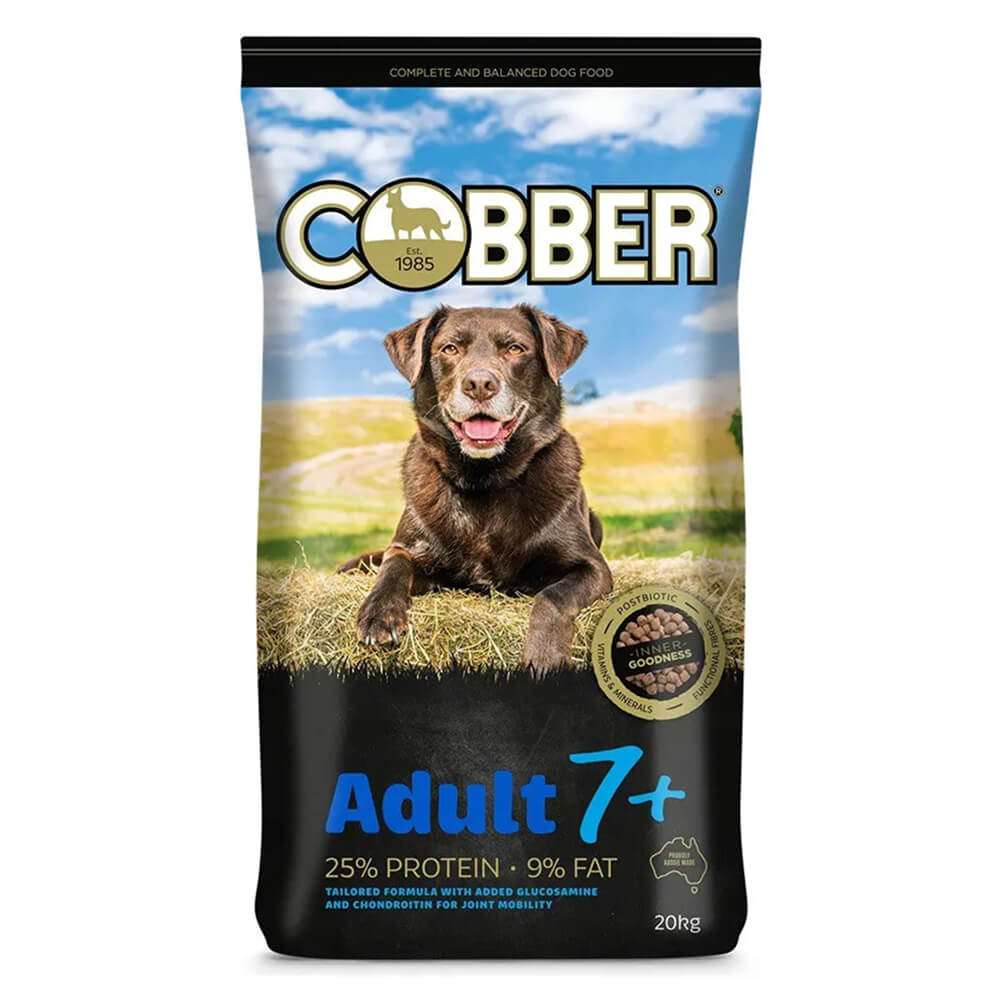
Cobber Adult 7+ is a dry dog food designed for senior dogs aged seven years and older. The formula shifts focus toward the specific needs of ageing dogs, with an emphasis on joint support and cognitive function — two areas where older dogs commonly need nutritional assistance.
It uses Australian meat alongside functional ingredients aimed at gut health and digestion, consistent with Cobber's broader range philosophy. Senior dogs often have slower metabolisms and changing digestive needs, and this formula is built with that transition in mind. Available in 20kg bags, it's a sensible option for owners looking to move their ageing dog onto a senior-specific diet from an Australian manufacturer without jumping to a veterinary prescription range.
Nutritional Analysis
A nutritional analysis shows how a dog food is made up of its main nutrients, such as protein, fat, fibre and other components. This helps you understand where the food’s nutrition and energy come from, and how the formula is balanced.
Ingredients
Meat Meals (Chicken, Beef and/or Lamb), Wholegrain Wheat, Legumes, Wholegrain Sorghum, Wholegrain Barley, Beef Tallow and/or Poultry Oil, Natural Flavour (Chicken and/or Beef), Functional Fibres (Beet Pulp, Chicory Root, Yucca Extract), Vitamins and Minerals, Fish Oil, Preservatives, Amino Acids, Yeast Extract (Postbiotics), Antioxidant, Glucosamine and Chondroitin Sulphate.

Meat Meal
Meat Meal
Rendered Meat, Meat Protein Meal, Processed Animal Protein, Animal Protein Meal
Origin
Role
Functional Benefits
Summary
Meat meal is a rendered product derived from animal tissues, excluding blood, hair, hoof, horn, hide trimmings, and contents of the stomach and rumen. It serves as a concentrated source of protein and essential amino acids, supporting muscle maintenance and overall health in pets. Meat meal is not used in its natural form; it is processed and dried to optimise nutrient density and digestibility.
Manufacturer Benefits
Meat meal is included as a concentrated protein source that provides essential amino acids while allowing manufacturers to optimise nutrient density and production efficiency. Its use also supports cost management by utilising rendered animal tissues that might otherwise go to waste.

Wholegrain Wheat
Wholegrain Wheat
Whole Wheat, Wholemeal Wheat, Triticum Aestivum, Wheat Wholemeal
Origin
Role
Functional Benefits
Summary
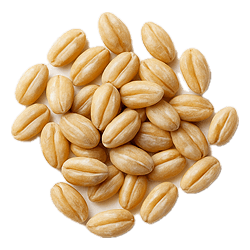
Wholegrain wheat is a cereal grain derived from the entire wheat kernel, including the bran, germ, and endosperm. Sourced from plants, it serves as a rich source of dietary fibre, complex carbohydrates, and essential nutrients, supporting digestive health and sustained energy release. In pet food, wholegrain wheat is used in its natural, unrefined form to maximise nutritional value and maintain ingredient integrity.
Manufacturer Benefits
Wholegrain wheat is included as a cost-effective carbohydrate source that provides bulk and energy to pet food formulations. Its use also appeals to consumers seeking recognisable, "whole" ingredients on product labelling.

Legumes
Legumes
Pulses, Fabaceae, Leguminosae, Fabales
Origin
Role
Functional Benefits
Summary
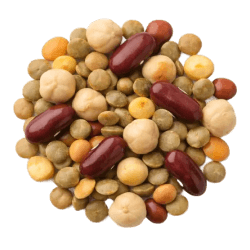
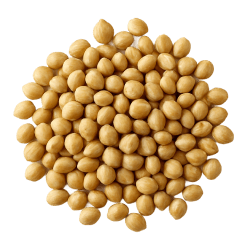
Legumes are plant-derived seeds, such as lentils, peas, and chickpeas, commonly included in pet food for their high protein and dietary fibre content. They serve as a valuable source of plant-based protein, complex carbohydrates, and essential micronutrients. Legumes are used in their natural, whole form, providing both nutritional benefits and functional support for digestive health in premium pet food formulations.
Manufacturer Benefits
Legumes are included as a cost-effective source of protein and carbohydrates, helping to reduce reliance on animal proteins and manage production costs. They also contribute dietary fibre and can improve the product’s nutritional profile for marketing purposes.

Wholegrain Sorghum
Wholegrain Sorghum
Sorghum Bicolor, Whole Grain Sorghum, Sorghum Wholegrain, Sorghum Kernel
Origin
Role
Functional Benefits
Summary
Wholegrain sorghum is a cereal grain derived from the sorghum plant, a member of the grass family. As a plant-based ingredient, it is primarily included in pet food for its complex carbohydrates, dietary fibre, and essential nutrients, supporting sustained energy and digestive health. Wholegrain sorghum is used in its natural, unrefined form, retaining its bran, germ, and endosperm for optimal nutritional value.
Manufacturer Benefits
Wholegrain sorghum is included as a cost-effective, gluten-free carbohydrate source that provides energy and dietary fibre. Its use also supports label appeal by offering a wholegrain ingredient perceived as nutritious by consumers.

Wholegrain Barley
Wholegrain Barley
Barley Grain, Hordeum Vulgare, Barley Kernel, Barley Cereal
Origin
Role
Functional Benefits
Summary
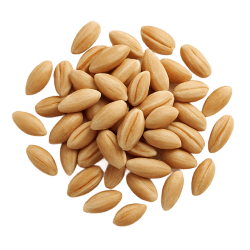
Wholegrain barley is a cereal grain derived from the barley plant (Hordeum vulgare), classified as a plant-based ingredient. It is primarily included in pet food for its high dietary fibre content, which supports digestive health, and as a source of complex carbohydrates for sustained energy. Wholegrain barley is used in its natural, unrefined form, retaining its bran, germ, and endosperm for optimal nutritional value.
Manufacturer Benefits
Wholegrain barley is included as a cost-effective carbohydrate source that provides dietary fibre and energy. Its presence also supports marketing efforts by appealing to consumers seeking wholegrain ingredients in pet food formulations.

Beef Tallow
Beef Tallow
Rendered Beef Fat, Bovine Fat, Suet, Bos Taurus Fat
Origin
Role
Functional Benefits
Summary
Beef tallow is a rendered fat derived from the fatty tissue of cattle, making it an animal-based ingredient. It serves primarily as a concentrated source of energy and essential fatty acids, supporting skin and coat health in pets. Beef tallow is used in its processed form, having been purified from raw fat to ensure safety, palatability, and optimal nutrient absorption.
Manufacturer Benefits
Beef tallow is included as a cost-effective animal fat source to enhance palatability and provide energy. It also contributes to the texture and mouthfeel of the finished product.

Poultry Oil
Poultry Oil
Rendered Poultry Fat, Gallus Spp. Oil, Chicken Fat, Avian Fat
Origin
Role
Functional Benefits
Summary
Poultry oil is a fat derived from the rendered tissues of poultry, making it an animal-based ingredient. It serves primarily as a concentrated energy source and enhances palatability in pet foods. Poultry oil is utilised in a refined, purified form rather than as a raw fat, ensuring safety, stability, and optimal absorption of essential fatty acids for pets.
Manufacturer Benefits
Poultry oil is included as a cost-effective source of animal fat, providing essential energy and enhancing palatability to encourage pet consumption. Its use also supports desirable texture and aroma in the finished product.

Natural Flavour
Natural Flavour
Natural Flavouring, Flavouring Substance, Flavouring Preparation, Flavouring Complex
Origin
Role
Functional Benefits
Summary
Natural flavour is a food additive derived from animal or plant sources, designed to enhance the palatability of pet food. Its primary purpose is to improve taste and encourage consistent consumption. Rather than being used in its original raw form, natural flavour is typically processed and concentrated to ensure safety, stability, and uniformity in pet food formulations, while maintaining its natural origin.
Manufacturer Benefits
Natural flavour is included to enhance palatability, encouraging pets to consume the product. It also allows manufacturers to improve taste without specifying individual flavouring agents, supporting flexible formulation and label-friendly marketing.

Beet Pulp
Beet Pulp
Dried Sugar Beet Pulp, Sugar Beet Fibre, Beta Vulgaris Pulp, Sugar Beet Residue
Origin
Role
Functional Benefits
Summary
Beet pulp is a fibrous by-product derived from sugar beet plants after sugar extraction. It serves as a valuable source of moderately fermentable fibre, supporting digestive health and stool quality in pets. Beet pulp is incorporated in its dried, processed form rather than as raw beet, ensuring optimal digestibility and nutrient availability for companion animals.
Manufacturer Benefits
Beet pulp is included as a cost-effective source of dietary fibre to promote digestive health and stool quality in pets. It also serves as a bulk-adding agent, helping to optimise product texture and satiety.

Chicory Root
Chicory Root
Cichorium Intybus, Chicory, Cichorium Intybus Root, Cichorium Intybus L.
Origin
Role
Functional Benefits
Summary
Chicory root is a plant-derived ingredient sourced from the root of the chicory plant (Cichorium intybus). It is primarily included in pet food for its high inulin content, a prebiotic fibre that supports digestive health and beneficial gut bacteria. Chicory root is used in its natural, dried, and ground form to optimise its functional benefits in pet nutrition.
Manufacturer Benefits
Chicory root is included as a source of inulin, a prebiotic fibre that supports digestive health and can improve stool quality. It also serves as a label-friendly ingredient that appeals to consumers seeking functional health benefits in pet food.

Yucca Extract
Yucca Extract
Yucca Schidigera Extract, Yucca Spp. Extract, Yucca Mohave Extract, Cassava Extract
Origin
Role
Functional Benefits
Summary
Yucca extract is derived from the Yucca schidigera plant, a perennial native to arid regions of North America. Primarily included in pet food for its natural saponins, yucca extract helps reduce stool odour and supports digestive health. It is utilised in a processed extract form rather than as the whole plant, ensuring consistent potency and safety for animal consumption.
Manufacturer Benefits
Yucca extract is included as a natural deodorising agent to reduce stool and urine odour, enhancing the perceived cleanliness of the pet and its environment. It also serves as a label-friendly ingredient that appeals to consumers seeking natural additives.

Vitamins
Vitamins
Micronutrients, Essential Micronutrients, Vital Nutrients, Accessory Food Factors
Origin
Role
Functional Benefits
Summary
Vitamins are organic compounds derived from both plant and animal sources, essential for numerous metabolic and physiological functions in pets. Their primary purpose is to support immune health, vision, bone development, and cellular processes. In pet food, vitamins are not used in their natural, raw forms but are instead incorporated as stabilised compounds or premixes to ensure safety, stability, and optimal bioavailability.
Manufacturer Benefits
Vitamins are included to ensure nutritional adequacy and meet regulatory requirements for complete and balanced pet food. They may also be added to compensate for nutrient losses during processing and storage.

Minerals
Minerals
Dietary Minerals, Inorganic Nutrients, Essential Minerals, Bulk Elements
Origin
Role
Functional Benefits
Summary
Minerals are essential inorganic nutrients derived from the earth, not produced by animals or plants. They play a critical role in supporting various physiological functions, such as bone development, nerve transmission, and enzyme activity. In pet food, minerals are not used in their natural raw or metallic state; instead, they are incorporated as specific compounds (such as sulphates or chelates) to optimise safety and bioavailability.
Manufacturer Benefits
Minerals are included to meet essential nutritional requirements for pets, supporting overall health and proper bodily functions. They are often added in precise amounts to ensure the product complies with regulatory standards and nutrient profiles.

Fish Oil
Fish Oil
Fish Liver Oil, Oleum Piscis, Oleum Jecoris, Oleum Piscarium
Origin
Role
Functional Benefits
Summary
Fish oil is a nutrient-rich oil derived from the tissues of oily fish, making it an animal-based ingredient. It is primarily included in pet food for its high content of omega-3 fatty acids, which support skin, coat, and joint health. Fish oil is utilised in a purified, liquid form rather than as whole fish, ensuring optimal absorption and safety for pets.
Manufacturer Benefits
Fish oil is included as a source of omega-3 fatty acids to support skin, coat, and joint health, enhancing the nutritional profile of the product. Its presence also serves as a marketing point, appealing to consumers seeking functional health benefits for their pets.

Preservatives
Preservatives
Antimicrobials, E Numbers, Food Additives, Chemical Preservatives
Origin
Role
Functional Benefits
Summary
Preservatives are compounds added to pet food to inhibit the growth of spoilage microorganisms and extend shelf life. Originating from both synthetic and natural sources, their primary function is to maintain product safety and freshness. Preservatives are not used in their raw or elemental state; instead, they are incorporated as specific compounds, such as mixed tocopherols or potassium sorbate, to optimise efficacy and safety for pets.
Manufacturer Benefits
Preservatives are included to extend the product’s shelf life by inhibiting the growth of spoilage organisms and maintaining freshness during storage and distribution. Their use helps ensure product safety and stability, reducing waste and optimising inventory management.

Amino Acids
Amino Acids
L-Amino Acids, α-Amino Acids, Proteinogenic Amino Acids, E620-E640
Origin
Role
Functional Benefits
Summary
Amino acids are organic compounds derived from both animal and plant sources, serving as the fundamental building blocks of proteins. Their primary nutritional benefit is to support muscle development, tissue repair, and overall metabolic function in pets. In pet food, amino acids are not used in their isolated natural form but are typically included as specific, bioavailable compounds to optimise absorption and efficacy.
Manufacturer Benefits
Amino acids are included to ensure the product meets essential protein and nutrient requirements for pets, supporting overall health and development. They may also be added to optimise the amino acid profile of the food, compensating for any deficiencies in the primary protein sources.

Yeast Extract
Yeast Extract
Autolysed Yeast, Yeast Autolysate, Hydrolysed Yeast, Saccharomyces Cerevisiae Extract
Origin
Role
Functional Benefits
Summary
Yeast extract is a concentrated derivative of yeast cells, typically sourced from Saccharomyces cerevisiae, a type of fungus. It is primarily included in pet food as a natural flavour enhancer and a source of B vitamins and amino acids. Rather than using whole yeast, yeast extract is utilised in its processed form to optimise nutrient availability and palatability for pets.
Manufacturer Benefits
Yeast extract is included as a palatability enhancer to improve the flavour profile of pet food, making it more appealing to animals. It may also serve as a source of nutrients such as B vitamins, supporting marketing claims of added nutritional value.

Antioxidants
Antioxidants
Antioxidant Agents, Free Radical Scavengers, E306, E321
Origin
Role
Functional Benefits
Summary
Antioxidants are compounds sourced from both plant and synthetic origins, commonly added to pet food to protect fats and oils from oxidation, thereby preserving freshness and nutritional quality. Their primary function is to neutralise free radicals, supporting cellular health. Antioxidants are not used in their raw or isolated chemical state; instead, specific forms such as mixed tocopherols or ascorbate compounds are utilised for safety and efficacy.
Manufacturer Benefits
Antioxidants are included to prevent the oxidation of fats and oils, thereby extending the product’s shelf life and maintaining nutritional quality. They also help preserve colour and flavour, supporting product stability and consumer appeal.

Glucosamine
Glucosamine
2-Amino-2-Deoxy-D-Glucose, D-Glucosamine, Chitosamine, 2-Amino-2-Deoxyglucose
Origin
Role
Functional Benefits
Summary
Glucosamine is an amino sugar compound typically derived from shellfish or produced synthetically. It is included in pet food primarily to support joint health by aiding cartilage maintenance and repair. Glucosamine is not used in its natural raw form; instead, it is utilised as a stabilised compound, such as glucosamine hydrochloride or glucosamine sulphate, to optimise safety, stability, and absorption in pets.
Manufacturer Benefits
Glucosamine is included as a functional additive to support joint health and mobility, particularly in senior or large-breed pets. Its presence also serves as a marketing feature, appealing to consumers seeking products with perceived health benefits for their pets.

Chondroitin Sulphate
Chondroitin Sulfate, Chondroitin Polysulphate, Chonsurid, Haliotis Spp. Chondroitin Sulphate
Origin
Role
Functional Benefits
Summary
Chondroitin sulphate is a compound derived from animal cartilage, commonly sourced from bovine or marine origins. It is primarily included in pet food to support joint health by aiding cartilage structure and function. Chondroitin is not used in its natural raw state; instead, it is utilised as a purified sulphated glycosaminoglycan to optimise safety, stability, and absorption in companion animals.
Manufacturer Benefits
Chondroitin sulphate is included as a functional ingredient to support joint health, appealing to consumers seeking products with perceived mobility benefits for their pets. Its presence also serves a marketing purpose by enhancing the product’s value proposition in the premium and senior pet food segments.
Ingredients Splitting
Score Card
Every product is assessed using the Dog Directory Integrity Framework, giving dog owners a clear and trustworthy way to compare products. This ensures each review reflects overall quality and formulation integrity, not just marketing claims.
- /40
- /30
- /15
- /10
- /5
- Overall ScoreScore Info
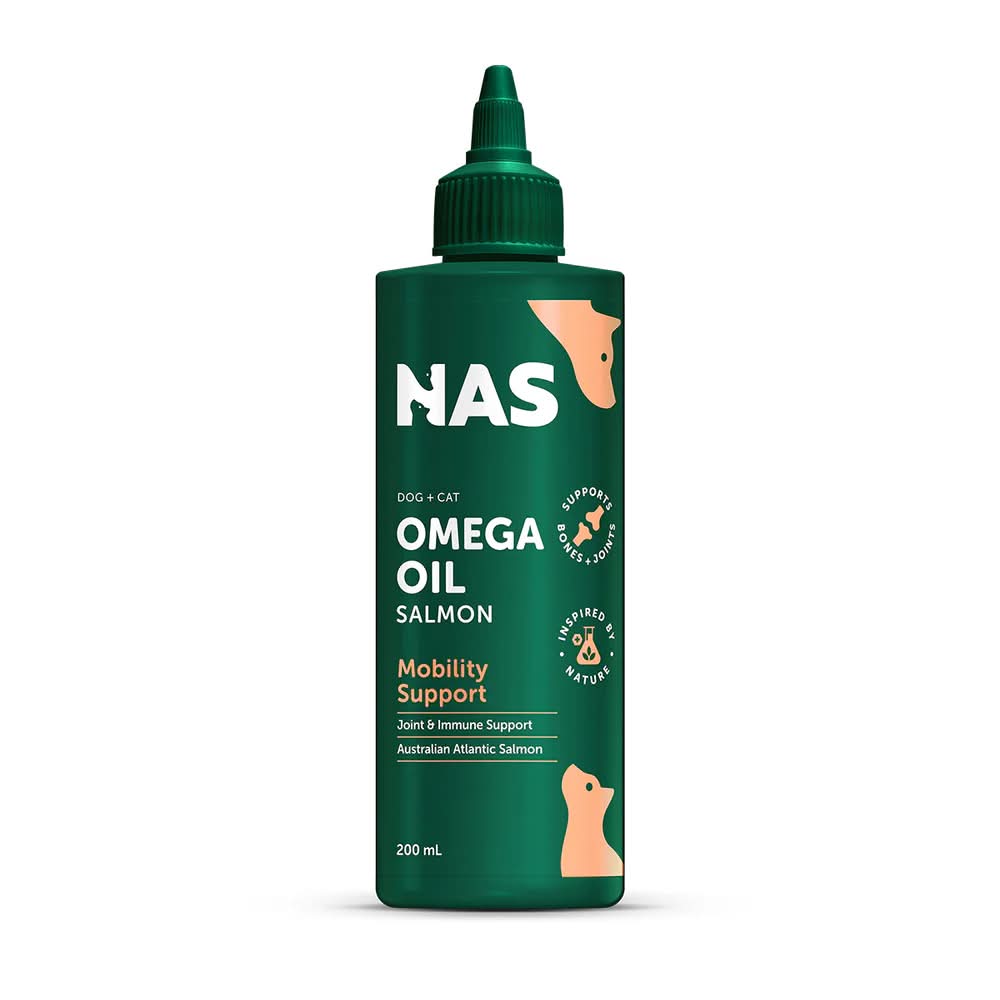
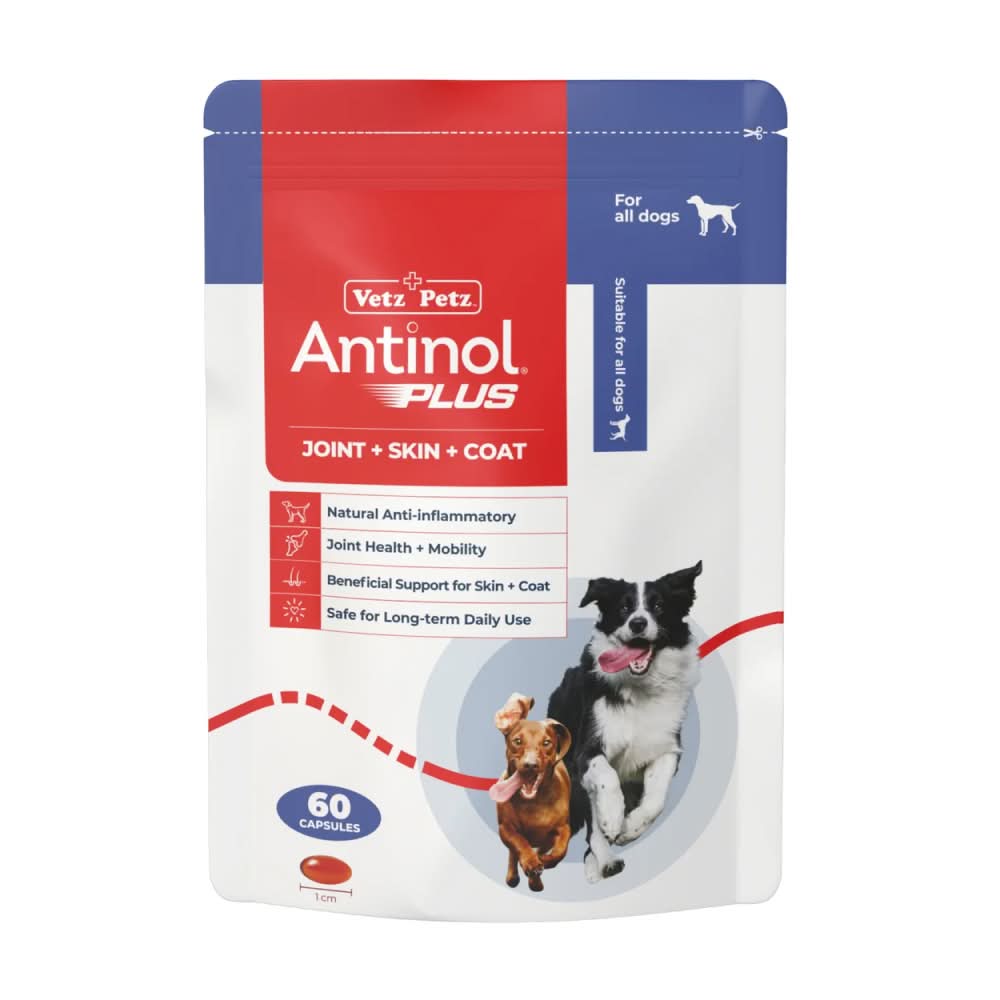
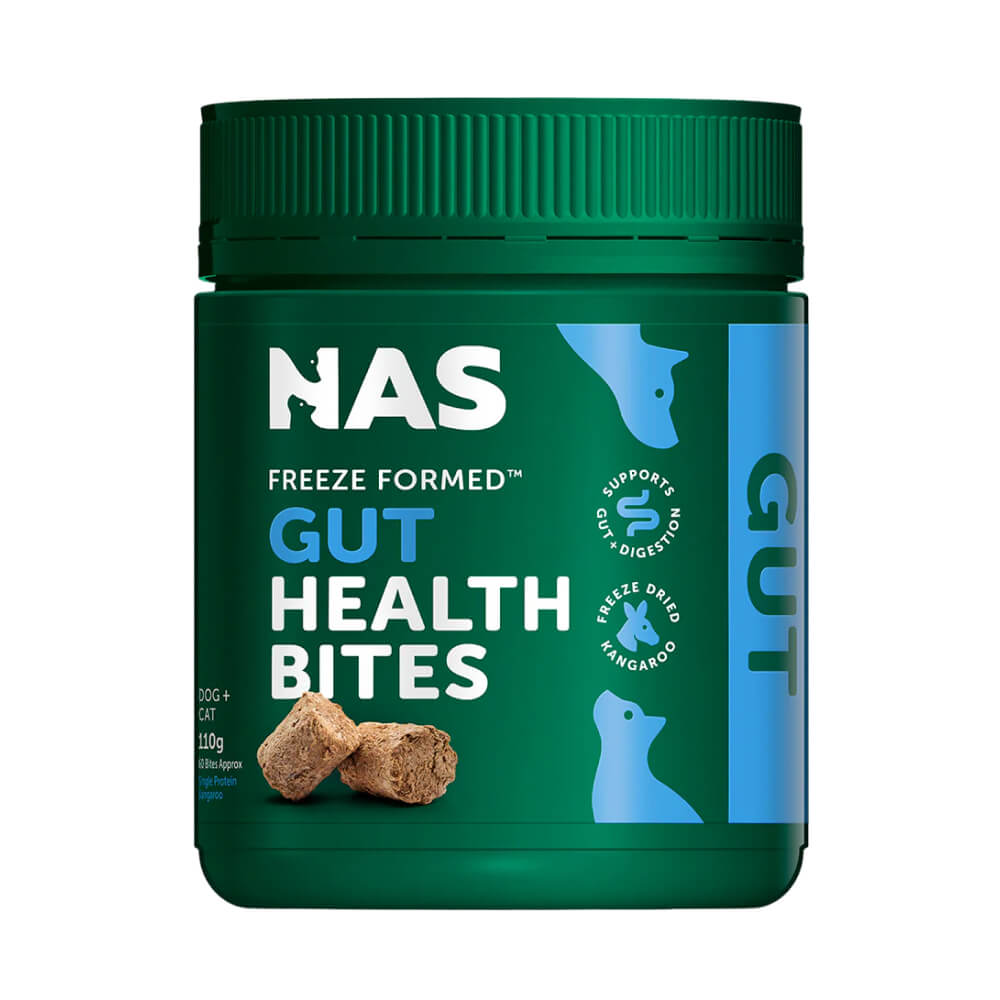
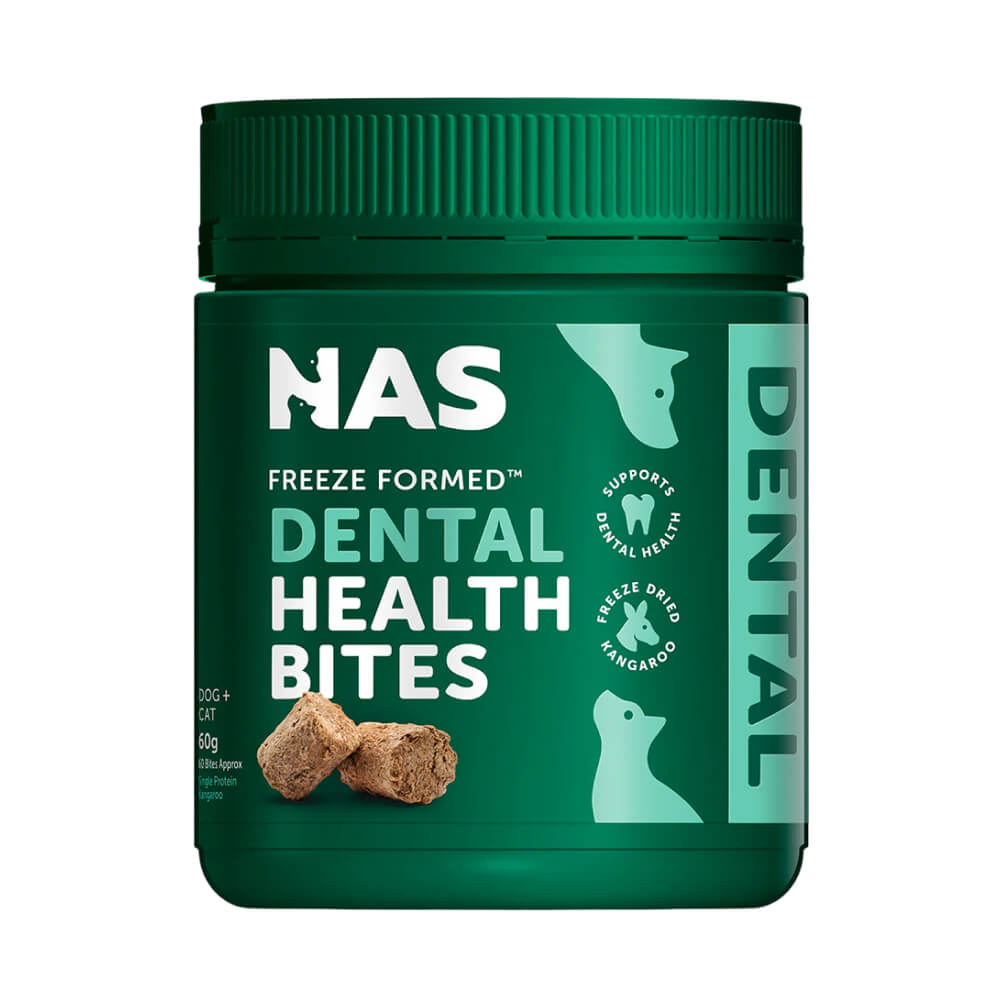
As a pet owner, you naturally want the best for your dog. From regular vet visits to nutritious meals, ensuring your furry friend is healthy and happy is always top of mind. But beyond food and exercise, supplements are becoming an increasingly popular way to support your dog’s overall well-being. In this comprehensive guide, we’ll dive into the world of dog supplements, explaining what they are, why they matter, and how to choose the right ones for your pup.
0/100

/100
ABOUT
Brand

Parent Company
Manufactured
Policy Coverage
Category
Life Stage
Breed Size
Feeding Type
Processing Level
PRODUCT TAGS
Frequently Asked Questions
What Are Dog Supplements?
Dog supplements are products specifically formulated to complement your pet’s diet. They provide essential vitamins, minerals, and other nutrients that may be missing from their food or needed in greater amounts due to specific health concerns. While most commercial dog foods are designed to be nutritionally complete, supplements can address particular health issues, support aging joints, boost immunity, and much more.
Supplements for dogs come in various forms, including pills, powders, chewables, and liquids, making it easier to incorporate them into your dog’s daily routine.
Why Do Dogs Need Supplements?
Dog supplements are products specifically formulated to complement your pet’s diet. They provide essential vitamins, minerals, and other nutrients that may be missing from their food or needed in greater amounts due to specific health concerns. While most commercial dog foods are designed to be nutritionally complete, supplements can address particular health issues, support aging joints, boost immunity, and much more.
Supplements for dogs come in various forms, including pills, powders, chewables, and liquids, making it easier to incorporate them into your dog’s daily routine.
Price Comparision
About the Brand
Cobber
Cobber provides Australian made nutrition specifically formulated to fuel the high energy requirements of working and active dogs.
The range features a variety of life stage and performance based kibble designed to support endurance, recovery, and overall vitality.
.png)


Comments
0 comments
Login or Register to Join the Conversation