






Your Dog's World, Personalised
Save your favourite products and locations, track prices, and unlock exclusive discounts — all in one place
or
Error
Verify Your Email
We've emailed a sign-in code. Enter it below to continue.
Share
Thank you! Your submission has been received!
Oops! Something went wrong while submitting the form.
Back to ExploreEureka Pet Co
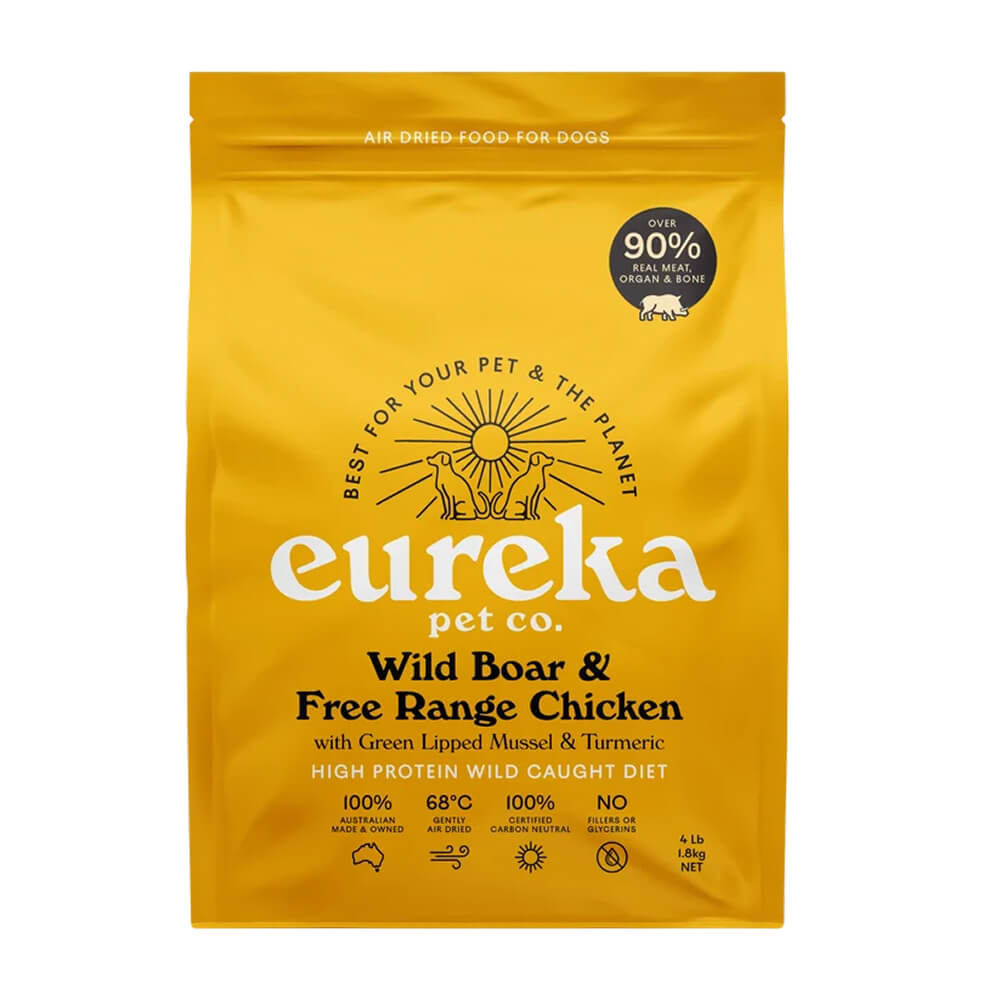
Wild Boar and Free Range Chicken
800g
1.8kg

Overview

Eureka Pet Co Wild Boar & Free Range Chicken is an Australian-made air-dried dog food pairing lean wild boar with free-range chicken, over 90% meat, organs and bone. Grain-free and complete and balanced to AAFCO standards for all life stages, it feeds as a full meal or topper.


Nutritional Analysis

Protein
37
%
0%
Fat
25
%
0%
Fibre
2
%
0%
Ash
10
%
0%
Carbohydrates
6
%
0%
Moisture
14
%
0%
Energy
511.9
0
 kcal/100g

Ingredients

Wild Boar Meat, Wild Boar Organs and Bone, Free Range Chicken Meat, Organs and Bone, Apple Fibre, Salmon Oil, Broccoli, Free Range Eggs, Chia Seed, Green Lipped Mussel, Blueberries, Organic Kelp, Sea Salt, Flaxseed, Vitamins and Minerals, Chicory Root (Inulin), Citric Acid, Rosemary Extract, Postbiotics, Lecithin, Turmeric.

Ingredient images are illustrative only and may not represent the exact source or form used by manufacturers.
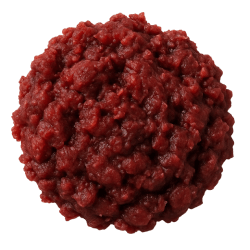
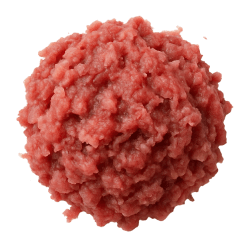
Freshly ground wild boar mince, pinkish-red with a coarse, moist texture, ideal for natural dog food
Wild Boar
Wild Boar
Sus Scrofa, Feral Pig, Eurasian Wild Pig, European Wild Boar
Summary
Wild boar is a novel animal protein sourced from free-ranging wild pigs. It is included in pet food primarily for its high-quality protein content, essential amino acids, and rich micronutrient profile, supporting muscle maintenance and overall health. Wild boar is used in its natural, whole meat form, providing a highly digestible and palatable ingredient for pets, especially those with sensitivities to common proteins.
Why it's used?
Wild boar is included as a novel protein source to differentiate the product in the market and appeal to consumers seeking unique or hypoallergenic options for their pets. Its use can also support premium positioning and justify higher price points.
Dark red, finely minced wild boar organs shaped into a moist, textured ball, ideal as nutritious dog food or treats
Wild Boar Organs
Wild Boar Organs
Sus Scrofa Organs, Feral Pig Organs, Wild Swine Organs, Sus Scrofa Viscera
Summary
Wild boar organs are nutrient-rich animal-derived ingredients sourced from the internal organs of wild boars. They provide a concentrated source of essential vitamins, minerals, and high-quality protein, supporting overall health and vitality in pets. Wild boar organs are included in their natural, whole-food form, ensuring optimal nutrient bioavailability and reflecting a biologically appropriate diet for carnivorous animals.
Why it's used?
Wild boar organs are included as a nutrient-dense protein source, providing essential vitamins and minerals to support canine health. Their inclusion also serves as a premium, novel ingredient for marketing differentiation and to appeal to consumers seeking alternative or exotic proteins.
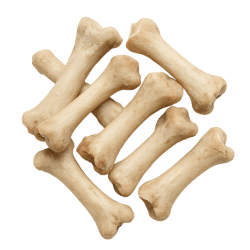
Light beige Wild Boar Bone pieces with a smooth, dense texture, stacked on a white background for dog nutrition
Wild Boar Bone
Wild Boar Bone
Sus Scrofa Bone, Sus Scrofa Domesticus Bone, Feral Pig Bone, Wild Pig Bone
Summary
Wild boar bone is an animal-derived ingredient sourced from wild boar, typically included in pet foods as a natural source of essential minerals such as calcium and phosphorus. Its primary benefit is supporting healthy bone development and maintenance. Wild boar bone is used in its natural form, ground or powdered, to optimise digestibility and nutrient absorption for pets.
Why it's used?
Wild boar bone is included as a natural source of minerals such as calcium and phosphorus, supporting nutritional balance and bone health claims. It also serves as a label-friendly ingredient that appeals to consumers seeking novel or premium protein sources.
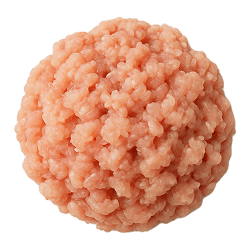
Fresh minced chicken meat shaped into a round ball, pale pink with a moist, slightly coarse texture on a plain background
Chicken Meat
Chicken Meat
Gallus Gallus Domesticus Meat, Poultry Meat, Broiler Meat, Fowl Meat
Summary
Chicken meat is a high-quality animal-derived ingredient sourced from the muscle tissue of chickens. It serves as a rich source of essential proteins and amino acids, supporting muscle development and overall health in pets. In pet food, chicken meat is used in its natural form, providing highly digestible nutrients and palatability, making it a favoured protein choice in premium formulations.
Why it's used?
Chicken meat is included as a high-quality, animal-based protein source to support muscle development and overall health in pets. Its presence also enhances palatability and serves as a label-friendly ingredient appealing to consumers seeking recognisable protein sources.
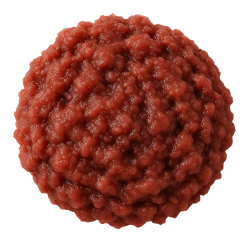
Round ball of moist, reddish chicken organs with a textured surface, prepared as nutritious dog food
Chicken Organs
Chicken Organs
Poultry Viscera, Gallus Gallus Domesticus Offal, Chicken Giblets, Poultry Offal
Summary
Chicken organs are nutrient-rich animal-derived ingredients sourced from the internal organs of chickens, such as liver, heart, and kidneys. They provide high-quality protein, essential vitamins (including A and B12), and minerals, supporting overall health and vitality in pets. Chicken organs are used in their natural, whole-food form, ensuring optimal nutrient bioavailability and palatability in premium pet food formulations.
Why it's used?
Chicken organs are included as a nutrient-dense protein source, providing essential vitamins and minerals to support pet health. Their use also allows manufacturers to utilise more of the animal, optimising ingredient efficiency and cost-effectiveness.
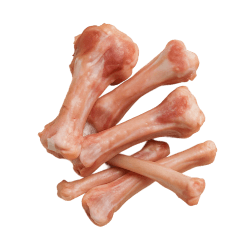
Raw chicken bone pieces with a pinkish-white colour and smooth texture, ideal as a natural dog treat or chew
Chicken Bone
Chicken Bone
Gallus Gallus Domesticus Bone, Chicken Skeletal Tissue, Poultry Bone, Gallus Bone
Summary
Chicken bone is an animal-derived ingredient sourced from poultry, typically used in pet food for its rich supply of calcium and phosphorus, which support healthy bones and teeth. It is included in a ground or finely milled form to ensure safety and digestibility. Chicken bone is not used whole but is processed to optimise nutrient availability and minimise the risk of splintering.
Why it's used?
Chicken bone is included as a natural source of minerals such as calcium and phosphorus, supporting nutritional balance in pet food formulations. It may also be used to enhance product texture and provide a label-friendly, whole-prey appeal for marketing purposes.
Fine, light beige apple fibre powder with a soft, slightly textured surface, used as a dog food supplement
Apple Fibre
Apple Fibre
Malus Domestica Fibre, Apple Pomace Fibre, Malus Domestica Dietary Fibre, E459
Summary
Apple fibre is a plant-derived ingredient sourced from the fibrous pulp of apples after juice extraction. It is primarily included in pet food to support digestive health by providing insoluble and soluble dietary fibre, which aids in healthy bowel function. Apple fibre is used in its natural form, ensuring pets benefit from its inherent nutritional properties and gentle support for gastrointestinal wellbeing.
Why it's used?
Apple fibre is included as a cost-effective source of dietary fibre to aid digestive health and improve stool quality. It also serves as a label-friendly ingredient that appeals to consumers seeking recognisable, natural components in pet food.
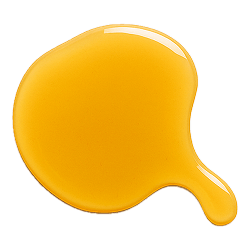
Golden orange salmon oil in a glossy, smooth puddle, showing its rich texture and fresh, vibrant appearance
Salmon Oil
Salmon Oil
Fish Oil (Salmo Spp.), Salmo Spp. Oil, Salmonidae Oil, Omega-3 Marine Oil (Salmo Spp.)
Summary
Salmon oil is a nutrient-rich oil derived from the tissues of salmon, an animal source. It is primarily included in pet food for its high content of omega-3 fatty acids, which support skin, coat, and joint health. Salmon oil is utilised in its extracted liquid form, rather than as whole fish, to optimise absorption and deliver concentrated nutritional benefits.
Why it's used?
Salmon oil is included as a source of omega-3 fatty acids to support skin and coat health, which can enhance the nutritional profile of the product. Its presence also serves as a marketing feature, appealing to consumers seeking premium or functional ingredients.
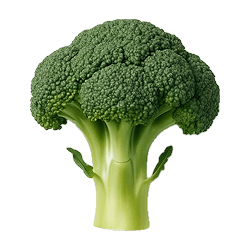
Fresh green broccoli with a thick stalk and tightly packed florets, highlighting its crisp texture and vibrant colour
Broccoli
Broccoli
Brassica Oleracea Italica, Calabrese, Sprouting Broccoli, EATME Broccoli
Summary
Broccoli is a nutrient-rich vegetable derived from the plant species Brassica oleracea. As a plant-based ingredient, it is included in pet food primarily for its dietary fibre, vitamins, and antioxidant content, supporting digestive health and immune function. Broccoli is used in its natural form, ensuring pets benefit from its whole-food nutritional profile without synthetic alteration.
Why it's used?
Broccoli is included as a label-friendly ingredient to appeal to health-conscious consumers and enhance the perceived nutritional value of the product. It may also contribute small amounts of fibre, vitamins, and antioxidants, supporting marketing claims of added health benefits.
Whole brown egg with smooth shell and natural texture, oval-shaped, a nutritious egg ingredient for dogs
Egg
Egg
Hen Egg, Chicken Egg, Gallus Gallus Domesticus Egg, Avian Egg
Summary
Egg is an animal-derived ingredient sourced from poultry, commonly used in pet food for its high-quality protein and essential amino acids. It provides vital nutrients that support muscle development and overall health. In pet food, egg is typically included in its natural, whole form—either as dried or fresh egg—ensuring optimal digestibility and nutrient availability for pets.
Why it's used?
Egg is included as a high-quality, bioavailable protein source to support muscle development and overall nutrition. It also enhances the product’s nutritional profile, appealing to consumers seeking premium or natural pet food options.
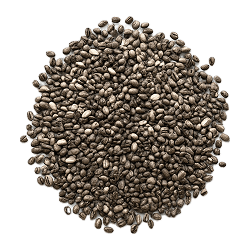
Pile of small, glossy black and white chia seed scattered on a plain background, showing their oval shape and smooth texture
Chia Seed
Chia Seed
Salvia Hispanica, Salvia Hispanica Seed, Salba, Salvia Hispanica L.
Summary
Chia seed is a plant-derived ingredient sourced from the Salvia hispanica plant, native to Central and South America. It is primarily included in pet food for its rich content of omega-3 fatty acids, dietary fibre, and antioxidants, supporting skin, coat, and digestive health. Chia seed is used in its natural, whole form, ensuring optimal nutrient retention and bioavailability for pets.
Why it's used?
Chia seed is included as a label-friendly ingredient to appeal to health-conscious consumers, as it is associated with omega-3 fatty acids and fibre. It may also provide a minor functional benefit as a source of plant-based nutrients and aid in product marketing.
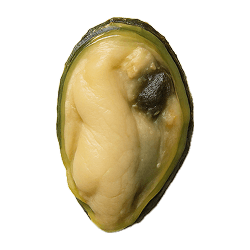
Whole green lipped mussel with creamy flesh and green-edged shell, close up as a dog health supplement ingredient
Green Lipped Mussel
Green Lipped Mussel
Perna Canaliculus, New Zealand Green Mussel, Greenshell Mussel, Kuku
Summary
Green lipped mussel is a marine animal ingredient sourced from the coastal waters of New Zealand. It is primarily included in pet food for its rich content of omega-3 fatty acids, glucosamine, and chondroitin, which support joint health and reduce inflammation. Green lipped mussel is used in its natural, whole form, ensuring optimal nutrient availability and bioactivity for pets.
Why it's used?
Green lipped mussel is included as a functional ingredient to provide natural sources of omega-3 fatty acids and joint-supporting nutrients, supporting product differentiation and marketing claims related to joint health. Its presence also appeals to consumers seeking premium or holistic pet food formulations.
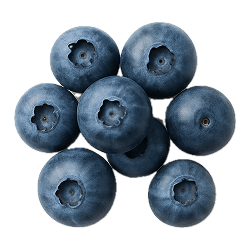
Fresh blueberries with smooth, deep blue skin and a light frosted coating, clustered together on a white background
Blueberry
Blueberry
Vaccinium Corymbosum, Vaccinium Angustifolium, Bilberry, E163
Summary
Blueberry is a small, nutrient-rich fruit of plant origin, commonly sourced from the Vaccinium genus. It is included in pet food primarily for its antioxidant properties, supporting immune health and cellular protection. Blueberry is used in its natural, whole form, ensuring pets benefit from its full spectrum of vitamins, fibre, and phytonutrients as found in fresh fruit.
Why it's used?
Blueberry is included as a label-friendly ingredient to appeal to health-conscious consumers, leveraging its reputation as a source of antioxidants. Its presence supports marketing claims of added nutritional benefits, though it is typically used in small quantities with minimal impact on the overall nutritional profile for pets.
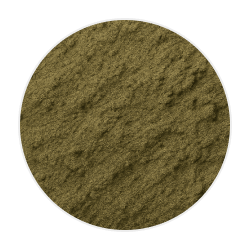
Fine green-brown kelp powder with a soft, grainy texture, commonly used as a natural dog supplement
Kelp
Kelp
Laminaria Spp., Macrocystis Pyrifera, Ascophyllum Nodosum, Brown Seaweed
Summary
Kelp is a type of large, edible seaweed sourced from marine environments and classified as a plant-based ingredient. It is primarily included in pet food for its rich supply of natural iodine, which supports healthy thyroid function. Kelp is used in its dried, ground natural form, allowing pets to benefit from its trace minerals, vitamins, and antioxidants in a bioavailable manner.
Why it's used?
Kelp is included as a label-friendly ingredient to appeal to health-conscious consumers and enhance product marketing, as it is associated with natural sources of vitamins and minerals. It may also serve as a trace mineral supplement to support nutritional completeness in pet food formulations.
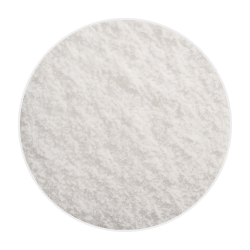
Fine white sea salt in a small circular pile, slightly grainy texture, displayed on a plain background
Sea Salt
Sea Salt
Solar Salt, Marine Salt, Sodium Chloride, Sal Marinum
Summary
Sea salt is a mineral ingredient derived from the evaporation of seawater. It is primarily included in pet food to provide essential electrolytes, such as sodium and chloride, which support hydration and nerve function. Sea salt is not used in its raw crystalline form but is refined and utilised as a food-grade compound to ensure safety, palatability, and optimal nutrient absorption.
Why it's used?
Sea salt is included as a palatability enhancer to improve flavour and encourage pet consumption. It may also function as a mineral source and assist in product preservation.
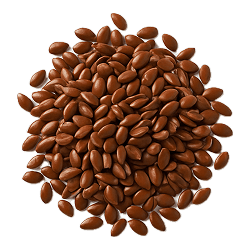
Brown linseed seeds with a glossy, smooth surface and oval shape, piled together on a white background
Linseed
Linseed
Flaxseed, Linum Usitatissimum, Flax, Flaxseed Oil
Summary
Linseed, also known as flaxseed, is a plant-derived ingredient sourced from the seeds of the flax plant (Linum usitatissimum). It is primarily included in pet food for its high content of omega-3 fatty acids and dietary fibre, supporting skin health and digestion. Linseed is used in its natural, whole or ground form to optimise nutrient availability and functional benefits.
Why it's used?
Linseed is included as a source of omega-3 fatty acids and dietary fibre, supporting skin and coat health as well as digestive function. Its presence also allows manufacturers to market the product as containing plant-based nutrients and functional ingredients.
Too vague to identify
Vitamins
Vitamins
Micronutrients, Essential Micronutrients, Vital Nutrients, Accessory Food Factors
Summary
Vitamins are organic compounds derived from both plant and animal sources, essential for numerous metabolic and physiological functions in pets. Their primary purpose is to support immune health, vision, bone development, and cellular processes. In pet food, vitamins are not used in their natural, raw forms but are instead incorporated as stabilised compounds or premixes to ensure safety, stability, and optimal bioavailability.
Why it's used?
Vitamins are included to ensure nutritional adequacy and meet regulatory requirements for complete and balanced pet food. They may also be added to compensate for nutrient losses during processing and storage.
Too vague to identify
Minerals
Minerals
Dietary Minerals, Inorganic Nutrients, Essential Minerals, Bulk Elements
Summary
Minerals are essential inorganic nutrients derived from the earth, not produced by animals or plants. They play a critical role in supporting various physiological functions, such as bone development, nerve transmission, and enzyme activity. In pet food, minerals are not used in their natural raw or metallic state; instead, they are incorporated as specific compounds (such as sulphates or chelates) to optimise safety and bioavailability.
Why it's used?
Minerals are included to meet essential nutritional requirements for pets, supporting overall health and proper bodily functions. They are often added in precise amounts to ensure the product complies with regulatory standards and nutrient profiles.
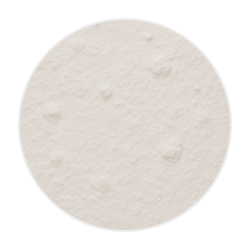
Fine off-white chicory root inulin powder with a slightly grainy texture, used in Australian dog supplements
Chicory Root Inulin
Chicory Root Inulin
Inulin, Cichorium Intybus Root Extract, Oligofructose, E413
Summary
Chicory root inulin is a plant-derived soluble fibre extracted from the root of the chicory plant (Cichorium intybus). It is primarily included in pet food to support digestive health by promoting beneficial gut bacteria and improving stool quality. Rather than using the whole root, inulin is utilised in its purified form to optimise its prebiotic benefits and ensure consistent, safe inclusion in formulations.
Why it's used?
Chicory root inulin is included as a prebiotic fibre to support digestive health and promote beneficial gut bacteria in pets. It also serves as a label-friendly ingredient that appeals to health-conscious consumers seeking functional benefits in pet food.
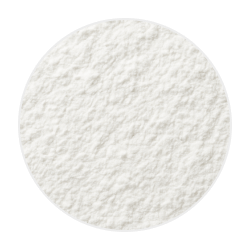
Citric acid as a fine white powder with a slightly grainy texture, commonly used in dog health supplements
Citric Acid
Citric Acid
2-Hydroxypropane-1,2,3-Tricarboxylic Acid, E330, 3-Carboxy-3-Hydroxypentanedioic Acid, Monohydrate Citric Acid
Summary
Citric acid is an organic compound derived primarily from citrus fruits, though it is commonly produced via fermentation for commercial use. Its main purpose in pet food is as a natural preservative and acidity regulator, helping to maintain freshness and inhibit spoilage. Citric acid is not used in its raw, crystalline form but is incorporated as a purified, food-grade compound to ensure safety and efficacy.
Why it's used?
Citric acid is included as a preservative to enhance product stability and extend shelf life by inhibiting microbial growth. It may also be used to adjust acidity, optimising flavour and maintaining the quality of the final product.
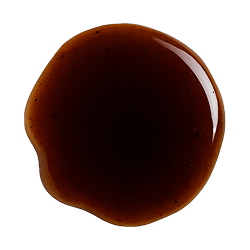
Dark brown, glossy drop of rosemary extract with a smooth texture on a plain background
Rosemary Extract
Rosemary Extract
Rosmarinus Officinalis Extract, E392, Rosemary Oleoresin, Rosmarinus Officinalis Leaf Extract
Summary
Rosemary extract is a plant-derived ingredient obtained from the leaves of the rosemary herb (Rosmarinus officinalis). It is primarily included in pet food as a natural antioxidant, helping to preserve fats and oils and extend shelf life. Rosemary extract is used in its natural form, ensuring the retention of its beneficial compounds without chemical alteration.
Why it's used?
Rosemary extract is included as a natural preservative to help extend shelf life by inhibiting oxidation of fats and oils. It also serves as a label-friendly ingredient that appeals to consumers seeking natural additives.
Too vague to identify
Postbiotics
Postbiotics
Metabiotics, Paraprobiotics, Fermented Bacterial Lysates, Non-Viable Microbial Biomass
Summary
Postbiotics are bioactive compounds produced during the fermentation of dietary fibres by beneficial bacteria, originating from microbial sources. They are included in pet food to support gut health, immune function, and overall wellbeing. Postbiotics are not used in their natural, live microbial form; instead, they are incorporated as inactivated bacterial metabolites or cell components to ensure stability and efficacy in the final product.
Why it's used?
Postbiotics are included to support digestive health and immune function by providing beneficial microbial metabolites without the need for live bacteria. Their addition allows manufacturers to promote gut health benefits while ensuring product stability and extended shelf life.
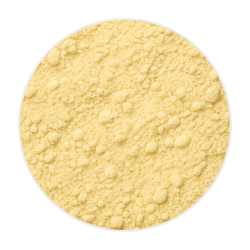
Fine yellow lecithin powder with a slightly grainy texture, commonly used as a supplement ingredient for dogs
Lecithin
Lecithin
Phosphatidylcholine, E322, Soybean Phospholipid, Egg Phospholipid
Summary
Lecithin is a naturally occurring compound derived from plant or animal sources, commonly soybeans or egg yolks. It serves as an emulsifier, helping to blend fats and water in pet food, thereby improving texture and nutrient absorption. Lecithin is not used in its raw form; instead, it is processed and purified to ensure safety, stability, and optimal functionality in pet nutrition.
Why it's used?
Lecithin is included as an emulsifier to improve the texture and consistency of pet food, ensuring fats and water-based ingredients blend smoothly. It may also be used to enhance product stability and shelf life.
Bright yellow turmeric powder with a fine, slightly grainy texture, commonly used as a natural dog supplement
Turmeric
Turmeric
Curcuma Longa, Indian Saffron, Jiang Huang, E100
Summary
Turmeric is a vibrant yellow spice derived from the root of the Curcuma longa plant, making it a plant-based ingredient. It is primarily included in pet food for its natural antioxidant and anti-inflammatory properties, supporting overall health and wellbeing. Turmeric is used in its natural powdered form, ensuring pets benefit from its active compound, curcumin, in a safe and bioavailable manner.
Why it's used?
Turmeric is included as a label-friendly ingredient to appeal to health-conscious consumers due to its association with natural antioxidants and anti-inflammatory properties. Its presence may also support marketing claims related to holistic or functional pet foods, despite being used in small quantities with minimal direct nutritional impact for pets.

About


Manufactured
Australia
Type
Air Dried
Life Stage
All Life Stages
Breed Size
All Breeds
Feeding Type
Complete Meal
Processing Level
Moderate

PRODUCT TAGS


Grain Free
Gluten Free
Dairy Free

Oops! Something went wrong...PLEASE TRY AGAIN

Most Tracked This Week

About the Brand

Eureka Pet Co

Feed a high-protein, air-dried diet with nothing your dog doesn't need. Explore Eureka Pet Co's Australian-made food, treats and supplements, made from wild-caught and free-range protein with no fillers or preservatives, and certified carbon neutral.


Comments

0 comments

Login to Join the Conversation 💬

Be the first to leave a comment.
Loading
Anonymous User
This is the actual comment. It's can be long or short. And must contain only text information.
(Edited)
Your comment will appear once approved by a moderator.
4 years ago
0
0
Reply
Anonymous User
This is the actual comment. It's can be long or short. And must contain only text information.
(Edited)
Your comment will appear once approved by a moderator.
2 years ago
0
0
Thank you! Your submission has been received!
Oops! Something went wrong while submitting the form.