Chicken Biscuit Bones Puppy Treats

Overview
Howl Yes Chicken Biscuit Bones Puppy Treats are Australian-made biscuit treats shaped like bones and made with chicken. They are suited for use as a training reward or everyday treat for young dogs. Intended for puppies.
Ingredients
Wheat Flour, Chicken Meal, Sugar, Tallow, Salt, Amino Acids, Vitamins & Minerals, Natural Colours, Natural Preservatives

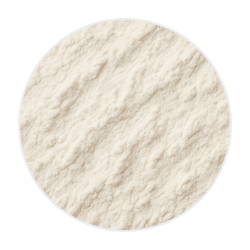
Triticum Aestivum Flour, White Flour, Plain Flour, All-Purpose Flour
Wheat flour is a finely milled powder derived from the grinding of wheat grains, a plant-based ingredient commonly used in pet foods. Its primary purpose is to provide a source of carbohydrates for energy, as well as some protein and dietary fibre. Wheat flour is utilised in its natural form, making it a functional ingredient for binding and texture in pet food formulations.
Wheat flour is included as a cost-effective carbohydrate source that provides bulk and energy to pet food formulations. It also serves as a functional binding agent, helping to improve texture and product consistency.

Rendered Chicken, Chicken Protein Meal, Dehydrated Gallus Gallus Domesticus, Rendered Gallus Gallus Domesticus
Chicken meal is a concentrated protein ingredient derived from rendered, clean chicken flesh and skin, excluding feathers, heads, feet, and entrails. Sourced from animal origin, it serves as a highly digestible protein source, supporting muscle maintenance and overall health in pets. Chicken meal is not used in its natural whole form but is processed and dried to optimise nutrient density and shelf stability.
Chicken meal is included as a concentrated protein source that provides essential amino acids for pet health while allowing manufacturers to optimise protein content cost-effectively. Its low moisture content also contributes to improved product stability and shelf life.

Sucrose, Saccharose, E955, Beta-D-Fructofuranosyl Alpha-D-Glucopyranoside
Sugar is a simple carbohydrate derived primarily from plant sources such as sugar cane or sugar beet. It serves as a readily available energy source, supporting metabolic processes and palatability in pet foods. Sugar is incorporated in its natural, refined form rather than as a raw plant material, ensuring consistency and digestibility for pets while enhancing the taste of the final product.
Sugar is included as a cost-effective palatability enhancer to improve taste and encourage consumption. It may also serve as a minor preservative to help stabilise certain formulations.

Rendered Animal Fat, Beef Fat, Suet, Bovine Fat
Tallow is a rendered fat derived primarily from beef or mutton, making it an animal-based ingredient. It serves as a concentrated source of energy and provides essential fatty acids that support skin and coat health in pets. Tallow is used in its processed form, having been purified from raw animal fat to ensure safety, palatability, and optimal nutrient availability in pet food formulations.
Tallow is included as a cost-effective animal fat source to provide energy and enhance palatability in pet food formulations. Its use also contributes to desirable texture and mouthfeel, supporting product acceptance by pets.

Sodium Chloride, NaCl, Table Salt, E535
Salt is a mineral ingredient derived from the combination of sodium and chloride, typically sourced from natural deposits or seawater. It is primarily included in pet food to support electrolyte balance, nerve function, and hydration. Salt is not used in its raw mineral form but is utilised as sodium chloride, a purified compound, to ensure safety, palatability, and optimal absorption in pets.
Salt is included as a palatability enhancer to improve taste and encourage consumption, and also functions as a preservative to help extend product shelf life. Its use allows manufacturers to optimise flavour while maintaining product stability.

L-Amino Acids, α-Amino Acids, Proteinogenic Amino Acids, E620-E640
Amino acids are organic compounds derived from both animal and plant sources, serving as the fundamental building blocks of proteins. Their primary nutritional benefit is to support muscle development, tissue repair, and overall metabolic function in pets. In pet food, amino acids are not used in their isolated natural form but are typically included as specific, bioavailable compounds to optimise absorption and efficacy.
Amino acids are included to ensure the product meets essential protein and nutrient requirements for pets, supporting overall health and development. They may also be added to optimise the amino acid profile of the food, compensating for any deficiencies in the primary protein sources.

Micronutrients, Essential Micronutrients, Vital Nutrients, Accessory Food Factors
Vitamins are organic compounds derived from both plant and animal sources, essential for numerous metabolic and physiological functions in pets. Their primary purpose is to support immune health, vision, bone development, and cellular processes. In pet food, vitamins are not used in their natural, raw forms but are instead incorporated as stabilised compounds or premixes to ensure safety, stability, and optimal bioavailability.
Vitamins are included to ensure nutritional adequacy and meet regulatory requirements for complete and balanced pet food. They may also be added to compensate for nutrient losses during processing and storage.

Dietary Minerals, Inorganic Nutrients, Essential Minerals, Bulk Elements
Minerals are essential inorganic nutrients derived from the earth, not produced by animals or plants. They play a critical role in supporting various physiological functions, such as bone development, nerve transmission, and enzyme activity. In pet food, minerals are not used in their natural raw or metallic state; instead, they are incorporated as specific compounds (such as sulphates or chelates) to optimise safety and bioavailability.
Minerals are included to meet essential nutritional requirements for pets, supporting overall health and proper bodily functions. They are often added in precise amounts to ensure the product complies with regulatory standards and nutrient profiles.

Colouring, Colour Additive, Food Colour, E Number (if specific)
Natural colour refers to pigments derived from natural sources such as plants, animals, or minerals, used to enhance the visual appeal of pet food. Its primary purpose is to provide consistent and attractive colouring without synthetic additives. Natural colours are typically utilised in their extracted or processed forms, rather than as whole foods, to ensure stability, safety, and uniformity in the final product.
Natural colour is included to enhance the visual appeal of the pet food, making it more attractive to consumers without affecting nutritional value. It serves a marketing function by supporting a label-friendly ingredient list.

Bio-Preservative, Biopreservative, E234, Nisin
Natural preservatives are substances derived from plant or mineral origins, incorporated into pet food to inhibit spoilage and extend shelf life. Their primary function is to prevent the growth of harmful microbes and oxidation of fats, thereby maintaining product safety and quality. Natural preservatives are typically used in their extracted or concentrated forms, rather than as whole foods, to optimise efficacy and ensure consistent preservation.

Natural preservatives are included to extend product shelf life and maintain freshness without relying on synthetic additives. Their use supports consumer demand for more label-friendly, naturally derived ingredients.


.png)


Comments
0 comments
Login or Register to Join the Conversation