







Beef Feast Canned Dog Food

Overview
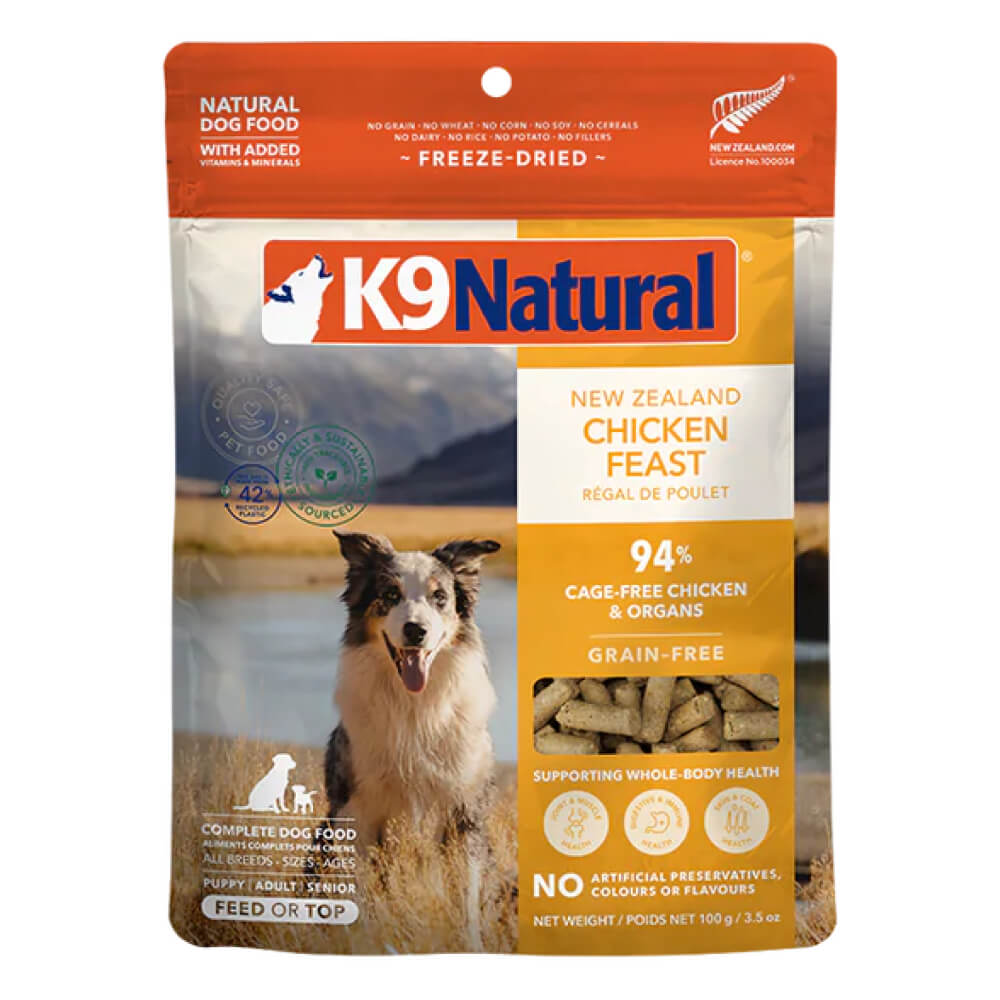
K9 Natural Beef Feast Canned Dog Food is a complete and balanced wet diet made in New Zealand from 94% grass-fed, grass-finished beef and organs. Blended with fresh New Zealand water for natural hydration, it contains no gelling agents, fillers, or artificial additives. Grain-free and ready to serve, it is suitable for dogs at all life stages, with the exception of large-breed puppies yet to reach full size.
Nutritional Analysis
Ingredients
Beef, Water Sufficient for Processing, Beef Tripe, Beef Liver, Beef Kidney, Beef Heart, Beef Blood, Eggs, Beef Spleen, Sunflower Oil, Flaxseed Flakes, Ground Beef Bone, Brown Kelp, New Zealand Green Mussel, Pumpkin, Broccoli, Cauliflower, Cabbage, Dried Kelp, Apples, Pears, Salt, Vitamin E Supplement, Zinc Proteinate, Iron Proteinate, Magnesium Oxide, Selenium Yeast, Copper Proteinate, Manganese Proteinate, Beta-Carotene, Thiamine Mononitrate, Vitamin D3 Supplement.

Bovine Meat, Bos Taurus, Ox Meat, Cow Meat
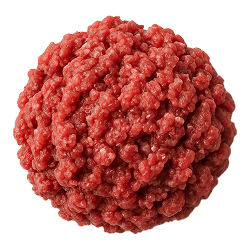
Beef is the muscle meat derived from cattle, categorised as an animal-based ingredient. It serves as a rich source of high-quality protein, essential amino acids, iron, and B vitamins, supporting muscle maintenance and overall health in pets. In premium pet foods, beef is typically included in its natural, whole-food form, ensuring optimal nutrient availability and palatability.
Beef is included as a primary animal protein source to meet nutritional requirements and enhance palatability for pets. Its presence also serves as a marketing advantage, appealing to consumers seeking recognisable, high-quality ingredients.

Aqua, Purified Water, Distilled Water, Deionised Water
Water is a vital ingredient sourced from natural origins and is essential for all living organisms. In pet food, water serves primarily to hydrate, aid in ingredient processing, and ensure proper texture and palatability. It is used in its natural, purified form, not chemically altered, to optimise moisture content and support the overall health and wellbeing of pets.
Water is included as a processing aid to facilitate mixing and extrusion during manufacturing. It also helps achieve the desired texture and moisture content in the final product.

Cattle Stomach, Bovine Stomach, Bovine Tripe, Bos Taurus Stomach
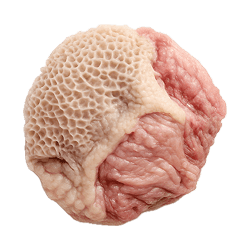
Beef tripe is the edible stomach lining of cattle, classified as an animal-derived ingredient. It is valued in pet food for its high protein content and rich supply of essential nutrients, including vitamins and minerals that support overall health. Beef tripe is incorporated in its natural, whole-food form, providing both palatability and nutritional benefits to companion animals.
Beef tripe is included as a highly palatable animal protein source to enhance flavour and encourage consumption. It also serves as a label-friendly ingredient that appeals to consumers seeking natural, meat-based components in pet food.

Bovine Liver, Bos Taurus Liver, Ox Liver, Cattle Liver
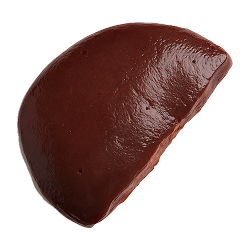
Beef liver is an animal-derived organ meat sourced from cattle, valued for its rich nutrient profile. It serves as a concentrated source of high-quality protein, essential vitamins such as A and B12, and minerals like iron and zinc. In pet food, beef liver is used in its natural, whole-food form, providing both palatability and significant nutritional benefits to support overall health.
Beef liver is included as a nutrient-dense organ meat to enhance the protein, vitamin, and mineral content of the product. It also serves as a natural palatability enhancer, improving flavour to increase acceptance by pets.

Bovine Kidney, Bos Taurus Kidney, Ox Kidney, E1104
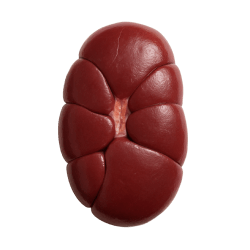
Beef kidney is an organ meat derived from cattle and is classified as an animal-based ingredient. It is a rich source of high-quality protein, essential vitamins such as B12, and minerals including iron and zinc, supporting overall health and vitality in pets. Beef kidney is used in its natural, whole-food form, providing bioavailable nutrients and contributing to a balanced, species-appropriate diet.
Beef kidney is included as a nutrient-dense organ meat to provide high-quality protein, essential vitamins, and minerals, supporting the nutritional profile of the product. Its inclusion also appeals to consumers seeking species-appropriate, whole-prey ingredients in pet food formulations.

Bovine Heart, Bos Taurus Heart, Heart (Bovine), Bos Taurus
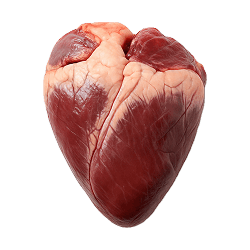
Beef heart is a nutrient-dense organ meat derived from cattle and classified as an animal-based ingredient. It is primarily included in pet food for its high-quality protein, essential amino acids, and rich supply of vitamins and minerals such as iron and B vitamins. Beef heart is used in its natural, whole food form, providing both nutritional value and palatability for pets.
Beef heart is included as a nutrient-dense organ meat to provide a natural source of protein, essential amino acids, and micronutrients, supporting the product’s nutritional profile. Its inclusion also appeals to consumers seeking whole-prey or biologically appropriate diets for their pets.

Bovine Blood, Bos Taurus Blood, Cattle Blood, E957
Beef blood is an animal-derived ingredient sourced from cattle, typically collected during the slaughtering process. It is primarily included in pet food for its rich protein content and as a natural source of essential minerals such as iron. Beef blood is used in its natural, liquid or dried form, providing highly bioavailable nutrients to support muscle development and overall vitality in pets.
Beef blood is included as a highly digestible source of animal protein and essential minerals, supporting nutritional value and amino acid profile. It also enhances palatability, making the product more appealing to pets.

Hen Egg, Chicken Egg, Gallus Gallus Domesticus Egg, Avian Egg
Egg is an animal-derived ingredient sourced from poultry, commonly used in pet food for its high-quality protein and essential amino acids. It provides vital nutrients that support muscle development and overall health. In pet food, egg is typically included in its natural, whole form—either as dried or fresh egg—ensuring optimal digestibility and nutrient availability for pets.
Egg is included as a high-quality, bioavailable protein source to support muscle development and overall nutrition. It also enhances the product’s nutritional profile, appealing to consumers seeking premium or natural pet food options.

Bovine Spleen, Bos Taurus Spleen, Spleen (Bovine), Spleen (Bos Taurus)
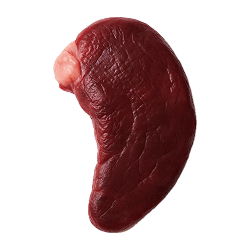
Beef spleen is an animal-derived organ meat sourced from cattle. It is included in pet food primarily for its rich content of protein, iron, and essential vitamins such as B12, supporting healthy blood and energy metabolism. Beef spleen is used in its natural, whole-food form, providing a highly bioavailable source of nutrients for optimal pet health.
Beef spleen is included as a nutrient-dense organ meat to enhance the protein and micronutrient profile of the product. Its use also supports marketing claims of whole-prey or biologically appropriate diets, appealing to consumers seeking natural, species-appropriate ingredients.

Helianthus Annuus Seed Oil, Helianthus Annuus Oil, E471, Vegetable Oil (Helianthus Annuus)
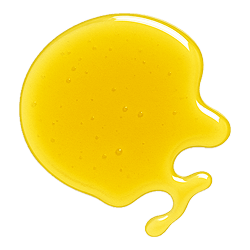
Sunflower oil is a plant-derived oil extracted from the seeds of the sunflower (Helianthus annuus). It serves as a valuable source of energy and provides essential fatty acids, particularly linoleic acid, which supports skin and coat health in pets. Sunflower oil is utilised in its refined liquid form, not as whole seeds, to optimise digestibility and nutrient availability in pet food formulations.
Sunflower oil is included as a cost-effective source of unsaturated fats to provide essential fatty acids that support skin and coat health. It also enhances palatability and contributes to the overall energy content of the pet food.

Flaxseed Flakes, Flax Flakes, Linum Usitatissimum Flakes, Flaxseed Meal
Linseed flakes are derived from the seeds of the flax plant (Linum usitatissimum), a plant-based ingredient. They are included in pet food primarily as a source of dietary fibre and omega-3 fatty acids, supporting digestive health and skin condition. Linseed flakes are used in their natural, whole food form, ensuring the retention of their nutritional properties and bioavailability.
Linseed flakes are included as a cost-effective source of omega-3 fatty acids and dietary fibre, supporting nutritional claims and digestive health. They also serve as a label-friendly ingredient that appeals to health-conscious consumers.

Beef Bone Meal, Bovine Bone Meal, Bos Taurus Bone, Rendered Beef Bone
Ground beef bone is an animal-derived ingredient produced by finely grinding the bones of cattle. It serves primarily as a natural source of essential minerals, including calcium and phosphorus, which support skeletal health in pets. In pet food, ground beef bone is used in its natural, whole form, ensuring optimal mineral bioavailability while contributing to balanced nutrition and dental health.
Ground beef bone is included as a natural source of calcium and phosphorus, supporting nutritional labelling claims for bone-derived minerals. It also serves as a cost-effective way to utilise by-products from beef processing, optimising ingredient use.

Ascophyllum Nodosum, Laminaria Spp., Macrocystis Pyrifera, Fucus Vesiculosus
Brown kelp is a type of large, edible seaweed sourced from marine plant species. It is primarily included in pet food for its rich supply of natural iodine, which supports healthy thyroid function and metabolism. Brown kelp is used in its natural, dried form, ensuring pets benefit from its full spectrum of minerals, vitamins, and antioxidants as found in nature.
Brown kelp is included as a natural source of trace minerals, iodine, and antioxidants, supporting nutritional labelling claims and appealing to health-conscious consumers. It may also serve as a label-friendly ingredient to enhance product marketability.

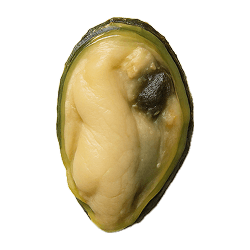
Perna Canaliculus, New Zealand Green Mussel, Greenshell Mussel, Kuku
Green lipped mussel is a marine animal ingredient sourced from the coastal waters of New Zealand. It is primarily included in pet food for its rich content of omega-3 fatty acids, glucosamine, and chondroitin, which support joint health and reduce inflammation. Green lipped mussel is used in its natural, whole form, ensuring optimal nutrient availability and bioactivity for pets.
Green lipped mussel is included as a functional ingredient to provide natural sources of omega-3 fatty acids and joint-supporting nutrients, supporting product differentiation and marketing claims related to joint health. Its presence also appeals to consumers seeking premium or holistic pet food formulations.

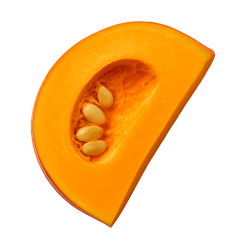
Cucurbita Pepo, Cucurbita Maxima, Cucurbita Moschata, Pepo
Pumpkin is a plant-derived ingredient sourced from the fruit of the Cucurbita pepo species. It is primarily included in pet food for its dietary fibre content, which supports digestive health and regularity. Pumpkin is used in its natural form, either as fresh, cooked, or dehydrated flesh, providing a source of vitamins, minerals, and antioxidants beneficial to overall wellbeing.
Pumpkin is included as a label-friendly ingredient that appeals to consumers seeking natural and recognisable components, while also serving as a cost-effective source of fibre and moisture to support digestive health and product texture. Its inclusion can enhance marketing appeal without significantly increasing formulation costs.

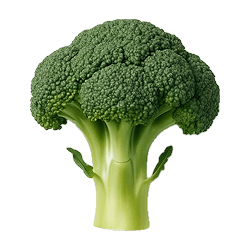
Brassica Oleracea Italica, Calabrese, Sprouting Broccoli, EATME Broccoli
Broccoli is a nutrient-rich vegetable derived from the plant species Brassica oleracea. As a plant-based ingredient, it is included in pet food primarily for its dietary fibre, vitamins, and antioxidant content, supporting digestive health and immune function. Broccoli is used in its natural form, ensuring pets benefit from its whole-food nutritional profile without synthetic alteration.
Broccoli is included as a label-friendly ingredient to appeal to health-conscious consumers and enhance the perceived nutritional value of the product. It may also contribute small amounts of fibre, vitamins, and antioxidants, supporting marketing claims of added health benefits.

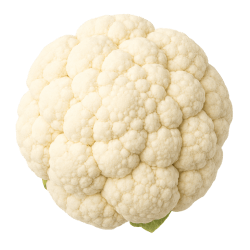
Brassica Oleracea, Brassica Oleracea Var. Botrytis, Eru, Flowering Cabbage
Cauliflower is a cruciferous vegetable of plant origin, commonly included in pet food for its rich content of dietary fibre, vitamins, and antioxidants. Its primary benefit is to support digestive health and provide essential micronutrients. In pet food formulations, cauliflower is used in its natural, whole form, ensuring pets receive its full nutritional profile without synthetic alteration.
Cauliflower is included as a label-friendly vegetable to appeal to health-conscious consumers and enhance product marketing. It may also serve as a source of dietary fibre and micronutrients, contributing to the perceived nutritional value of the pet food.

Brassica Oleracea, White Cabbage, Headed Cabbage, E509
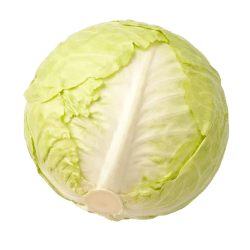
Cabbage is a leafy vegetable of plant origin, commonly included in pet foods for its dietary fibre, vitamins, and antioxidants. It supports digestive health and provides essential micronutrients. In pet food formulations, cabbage is used in its natural form, typically chopped or dried, to retain its nutritional value and contribute to overall wellbeing in a balanced diet.
Cabbage is included as a label-friendly vegetable to appeal to health-conscious consumers and enhance the perceived nutritional value of the product. It may also serve as a cost-effective source of fibre and micronutrients.

Kombu, Saccharina Japonica, Laminaria Japonica, Kelp Powder
Dried kelp is a type of seaweed sourced from marine plants, commonly harvested from ocean waters. It is included in pet food primarily as a natural source of iodine, which supports healthy thyroid function, as well as providing trace minerals and antioxidants. Dried kelp is used in its natural, dehydrated form, ensuring the retention of its nutritional properties for optimal pet health.
Dried kelp is included as a label-friendly ingredient to appeal to health-conscious consumers and enhance product marketing, while also providing trace minerals that can support nutritional claims. Its addition has minimal impact on palatability or product cost.

Malus Domestica, Pyrus Malus, Malus Pumila, E Malus
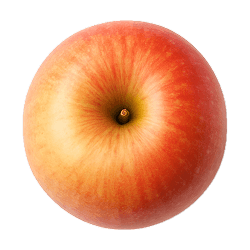
Apple is a fruit derived from the Malus domestica tree, classified as a plant-based ingredient. It is primarily included in pet food for its dietary fibre, natural antioxidants, and vitamins, supporting digestive health and immune function. Apple is used in its natural, whole form, ensuring pets benefit from its inherent nutrients without synthetic alteration or processing into extracts or concentrates.
Apple is included as a label-friendly ingredient to appeal to consumers seeking recognisable, natural components in pet food. It may also provide a modest source of fibre and natural sweetness to enhance palatability.

Pyrus Communis, European Pear, Bartlett Pear, Williams Pear
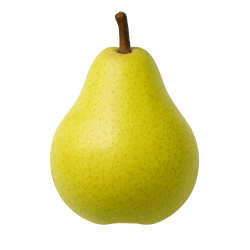
Pear is a plant-derived fruit included in pet food for its natural source of dietary fibre, vitamins, and antioxidants, supporting digestive health and overall wellbeing. It is primarily valued for its gentle fibre content, which aids healthy digestion. Pear is used in its natural form, ensuring pets benefit from its whole-food nutrients without synthetic alteration or processing into extracts or concentrates.
Pear is included as a label-friendly ingredient to appeal to consumers seeking natural and recognisable components in pet food. It may also provide a modest source of fibre and natural sugars to support palatability.

Sodium Chloride, NaCl, Table Salt, E535
Salt is a mineral ingredient derived from the combination of sodium and chloride, typically sourced from natural deposits or seawater. It is primarily included in pet food to support electrolyte balance, nerve function, and hydration. Salt is not used in its raw mineral form but is utilised as sodium chloride, a purified compound, to ensure safety, palatability, and optimal absorption in pets.
Salt is included as a palatability enhancer to improve taste and encourage consumption, and also functions as a preservative to help extend product shelf life. Its use allows manufacturers to optimise flavour while maintaining product stability.

Tocopherol, Alpha-Tocopherol, E307, D-Alpha-Tocopherol
Vitamin E is a fat-soluble vitamin derived from plant sources such as vegetable oils, nuts, and seeds. It functions primarily as an antioxidant, helping to protect cell membranes from oxidative damage and supporting immune health. In pet food, Vitamin E is not used in its natural raw form but is typically utilised as a stabilised compound, such as tocopherol acetate, to optimise safety and absorption.
Vitamin E is included as a natural antioxidant to help preserve the freshness and stability of fats and oils in the product, thereby extending shelf life. It also serves as a label-friendly nutrient that appeals to consumers seeking added health benefits for their pets.

Zinc Proteinate Chelate, Zinc Protein Chelate, Zinc Amino Acid Chelate, Zinc Protein Complex
Zinc proteinate is a chelated mineral compound derived from the binding of zinc, an essential trace element, with amino acids or proteins. Sourced from mineral origins, it is included in pet food to support immune function, skin health, and enzyme activity. Zinc is not used in its raw metallic state; instead, it is utilised as zinc proteinate to optimise absorption and bioavailability in pets.
Zinc proteinate is included as a bioavailable source of the essential mineral zinc, supporting optimal nutrient absorption and overall health in pets. Its chelated form enhances stability and efficacy compared to inorganic zinc sources, aligning with nutritional labelling requirements.

Ferric Proteinate, Ferrous Proteinate, Iron Protein Chelate, Iron Protein Complex
Iron proteinate is a chelated mineral compound derived from iron bound to amino acids or proteins, typically of animal or plant origin. It is included in pet food to provide a bioavailable source of iron, which is essential for oxygen transport and energy metabolism. Iron is not used in its natural metallic state; instead, it is utilised as iron proteinate to optimise absorption and safety.
Iron proteinate is included as a bioavailable source of iron to support essential physiological functions in pets. Its chelated form enhances mineral absorption and allows for precise nutrient labelling to meet regulatory and marketing requirements.

Magnesia, E530, Magnesium(II) Oxide, Calcined Magnesia
Magnesium oxide is an inorganic compound derived from the mineral magnesium, typically sourced from natural deposits. It is utilised in pet food as a supplemental source of magnesium, an essential mineral that supports nerve, muscle, and bone health. Rather than its raw metallic form, magnesium is provided as magnesium oxide to optimise safety, stability, and bioavailability for pets.
Magnesium oxide is included as a cost-effective mineral supplement to ensure adequate magnesium levels in the diet, supporting essential metabolic functions. Its use allows manufacturers to meet nutritional requirements efficiently without significantly impacting product cost or palatability.

Saccharomyces Cerevisiae Enriched With Selenium, Selenium-Enriched Yeast, Selenised Yeast, Selenium-Fortified Yeast
Selenium yeast is a bioavailable form of the essential trace mineral selenium, derived from Saccharomyces cerevisiae yeast cultured in selenium-rich media. It is included in pet food to support antioxidant defences, immune function, and overall cellular health. Selenium is not used in its natural metallic state; instead, it is utilised as an organic compound within yeast to optimise safety and absorption.
Selenium yeast is included as a bioavailable source of the essential trace mineral selenium, supporting nutritional adequacy and compliance with regulatory labelling requirements. Its organic form is often preferred for its stability and enhanced absorption compared to inorganic selenium sources.

Copper Amino Acid Chelate, Copper Chelate, Copper(II) Proteinate, Cupric Proteinate
Copper proteinate is a chelated mineral compound derived from the binding of copper, an essential trace element, with amino acids or proteins. Sourced from mineral origins, it is included in pet food to support vital functions such as red blood cell formation and enzyme activity. Copper is not used in its raw metallic state but is instead utilised as copper proteinate to optimise absorption and safety.
Copper proteinate is included as a bioavailable source of the essential trace mineral copper, supporting metabolic and enzymatic functions in pets. Its chelated form enhances absorption compared to inorganic copper sources, optimising nutritional efficacy in the finished product.

Manganese Amino Acid Chelate, Manganese Chelated Protein, Manganese Protein Chelate, Manganese Protein Complex
Manganese proteinate is a chelated mineral compound derived from the binding of manganese, an essential trace element, with amino acids or proteins. Sourced from mineral origins, it is utilised in pet food to support bone development, enzyme function, and metabolic processes. Unlike raw metallic manganese, manganese proteinate is used for its enhanced bioavailability and safety, optimising absorption and nutritional efficacy in pets.
Manganese proteinate is included as a bioavailable source of the essential trace mineral manganese, supporting metabolic and skeletal health in pets. Its chelated form optimises nutrient absorption and allows for precise labelling of added minerals.

Provitamin A, E160a, All-Trans-Beta-Carotene, CI 40800
Beta carotene is a plant-derived pigment and precursor to vitamin A, commonly sourced from carrots and other colourful vegetables. Its primary nutritional benefit is supporting vision, immune function, and antioxidant defence. In pet food, beta carotene is utilised in its extracted or purified form rather than as whole vegetables, ensuring consistent potency and bioavailability for optimal health outcomes.
Beta carotene is included as a natural source of vitamin A and as a colour-enhancing agent to improve the visual appeal of the product. Its presence also allows for label-friendly marketing, appealing to consumers seeking natural additives.

Vitamin B1 Mononitrate, Nitrate Salt of Thiamine, E101a, Thiamin Mononitrate
Thiamine mononitrate is a synthetic, water-soluble form of vitamin B1, derived from chemical synthesis rather than natural sources. It is added to pet food to support energy metabolism and proper nervous system function. Thiamine is not used in its natural state; instead, the mononitrate compound is utilised for stability, safety, and optimal absorption in formulated diets.
Thiamine mononitrate is included as a stable, cost-effective source of vitamin B1 to meet nutritional requirements and ensure product labelling compliance. Its synthetic form maintains potency during processing and storage, supporting both product stability and regulatory standards.

Cholecalciferol, Colecalciferol, Calciol, E671
Vitamin D3, also known as cholecalciferol, is a fat-soluble vitamin of animal origin commonly derived from lanolin or fish oil. It plays a crucial role in regulating calcium and phosphorus metabolism, supporting healthy bone development in pets. Vitamin D3 is not used in its natural form but is instead utilised as a stabilised compound to ensure safety, efficacy, and optimal absorption in pet food formulations.
Vitamin D3 is included to ensure the finished product meets established nutritional requirements for canine health, supporting bone development and calcium regulation. Its addition allows manufacturers to guarantee consistent vitamin content regardless of natural variation in raw materials.

.png)


Comments
0 comments
Login or Register to Join the Conversation