







Adult with Kangaroo and Vegetables Wet Food

Overview
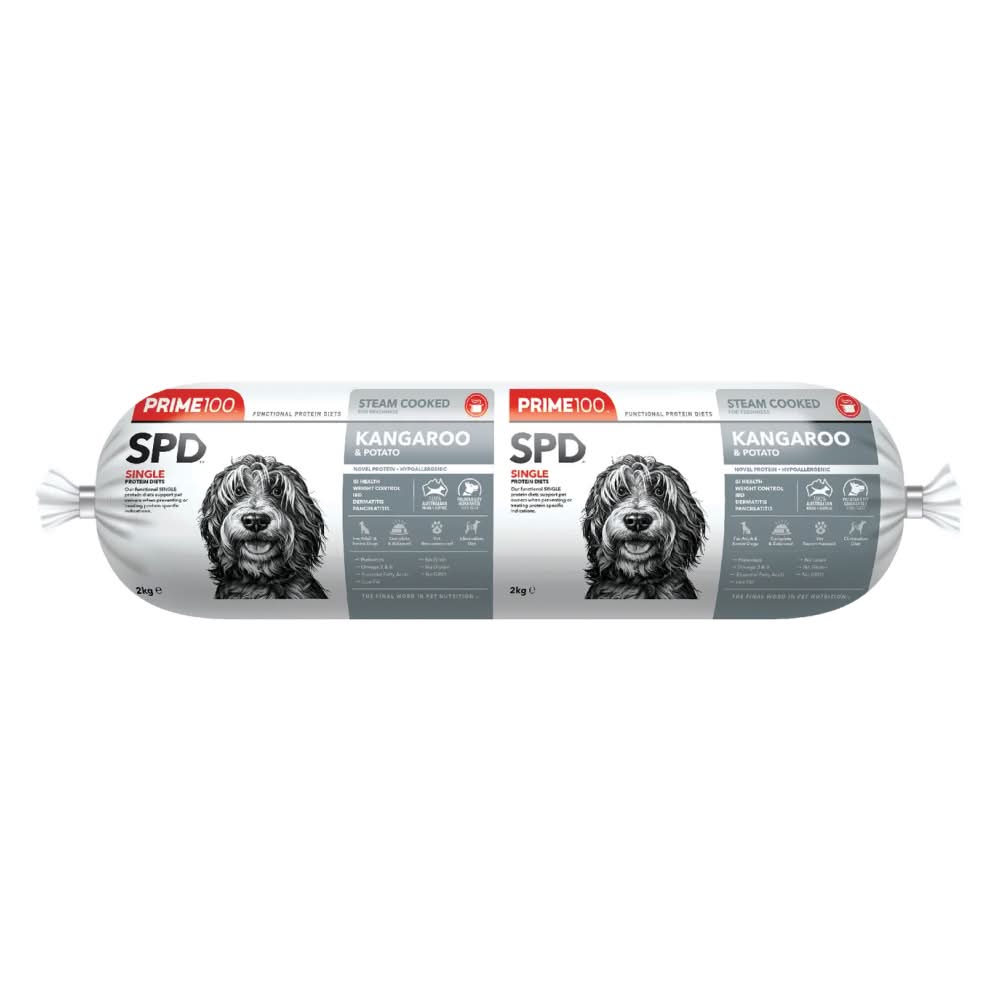
Optimum Adult with Kangaroo and Vegetables Wet Food is a grain-free wet meal for adult dogs, served as a soft, ready-to-feed loaf. Real meat is combined with vegetables and plant fibre for an everyday wet meal with added kangaroo. Suitable for adult dogs as a standalone meal or as a topper for dry food. Contains chicken; not appropriate for elimination trials or for dogs with poultry sensitivities.
Nutritional Analysis
Ingredients
Meat (Including Chicken and/or Kangaroo and/or Beef and/or Sheep and/or Pork), Vegetables, Plant Fibre, Gelling Agents, Vitamins and Minerals, Flavour, Plant Extracts.

Animal Flesh, Muscle Tissue, Animal Protein, Skeletal Muscle
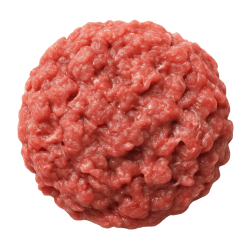
Meat refers to the edible muscle tissue derived from animals, commonly sourced from species such as chicken, beef, or lamb. It serves as a high-quality source of protein, essential amino acids, and vital nutrients like iron and B vitamins, supporting muscle maintenance and overall health. In pet food, meat is used in its natural form, ensuring optimal nutrient availability and palatability for pets.
Meat is included as a primary protein source to support essential amino acid requirements and overall nutritional value in pet food. Its presence also enhances palatability, making the product more appealing to pets.

Plant Vegetables, Edible Plants, Edible Plant Matter, Edible Plant Material
Vegetables are plant-derived ingredients sourced from various edible parts such as roots, stems, leaves, and fruits. They are included in pet food primarily to provide dietary fibre, essential vitamins, minerals, and phytonutrients that support overall health and digestion. Vegetables are typically used in their natural, whole form, ensuring pets receive the full spectrum of their nutritional benefits.
Vegetables are included as a source of vitamins, minerals, and dietary fibre, supporting nutritional balance and digestive health. They also serve as a label-friendly ingredient, appealing to consumers seeking natural and recognisable components in pet food.

Dietary Fibre, Fibre, Roughage, Plant Dietary Fibre
Plant fibres are derived from various plant sources and are included in pet food primarily to support digestive health and promote optimal stool quality. These fibres function as both soluble and insoluble types, aiding in gut motility and beneficial microbiota. Plant fibres are used in their natural form, ensuring pets receive the functional benefits of whole, unrefined plant material.
Plant fibres are included as a cost-effective source of dietary fibre to support digestive health and stool quality in pets. They also serve as a bulk-adding agent, helping to optimise product texture and satiety while maintaining a desirable price point.

Stabiliser, Thickener, E Number, Hydrocolloid
Gelling agent refers to a functional ingredient, typically derived from plant or seaweed sources such as guar gum, carrageenan, or agar, used to modify the texture and consistency of pet food. Its primary purpose is to bind moisture and create a stable, palatable gel structure. Gelling agents are not used in their raw plant form but are processed and utilised as purified extracts or compounds for optimal performance and safety.
Gelling agents are included to modify the texture and consistency of pet food, ensuring a uniform and appealing product structure. They also help stabilise moisture content, which can extend shelf life and improve product handling.

Micronutrients, Essential Micronutrients, Vital Nutrients, Accessory Food Factors
Vitamins are organic compounds derived from both plant and animal sources, essential for numerous metabolic and physiological functions in pets. Their primary purpose is to support immune health, vision, bone development, and cellular processes. In pet food, vitamins are not used in their natural, raw forms but are instead incorporated as stabilised compounds or premixes to ensure safety, stability, and optimal bioavailability.
Vitamins are included to ensure nutritional adequacy and meet regulatory requirements for complete and balanced pet food. They may also be added to compensate for nutrient losses during processing and storage.

Dietary Minerals, Inorganic Nutrients, Essential Minerals, Bulk Elements
Minerals are essential inorganic nutrients derived from the earth, not produced by animals or plants. They play a critical role in supporting various physiological functions, such as bone development, nerve transmission, and enzyme activity. In pet food, minerals are not used in their natural raw or metallic state; instead, they are incorporated as specific compounds (such as sulphates or chelates) to optimise safety and bioavailability.
Minerals are included to meet essential nutritional requirements for pets, supporting overall health and proper bodily functions. They are often added in precise amounts to ensure the product complies with regulatory standards and nutrient profiles.

Flavouring, Flavouring Substance, Flavouring Agent, Flavouring Preparation
Flavours are additives derived from various sources, including animal, plant, or synthetic origins, designed to enhance the palatability of pet food. Their primary purpose is to improve taste and encourage consistent consumption. Flavours are not used in their natural, raw state; instead, they are formulated as specific compounds or extracts to ensure safety, stability, and uniformity in pet food products.
Flavours are included to enhance palatability, encouraging pets to consume the product. They also allow manufacturers to maintain consistent taste profiles despite variations in raw ingredient quality.

Botanical Extracts, Herbal Extracts, Phytochemical Extracts, Plant-Derived Extracts
Plant extracts are concentrated substances derived from various parts of plants, such as leaves, roots, or seeds. Sourced from botanical origins, they are included in pet food primarily for their bioactive compounds, which may support antioxidant activity, flavour, or digestive health. Plant extracts are not used in their whole, natural form but are instead utilised as refined concentrates to optimise efficacy and consistency.
Plant extracts are included to provide natural sources of flavour, colour, or antioxidants, enhancing palatability and product appeal. They may also serve as label-friendly ingredients to support marketing claims of naturalness or added health benefits.
.png)


Comments
0 comments
Login or Register to Join the Conversation