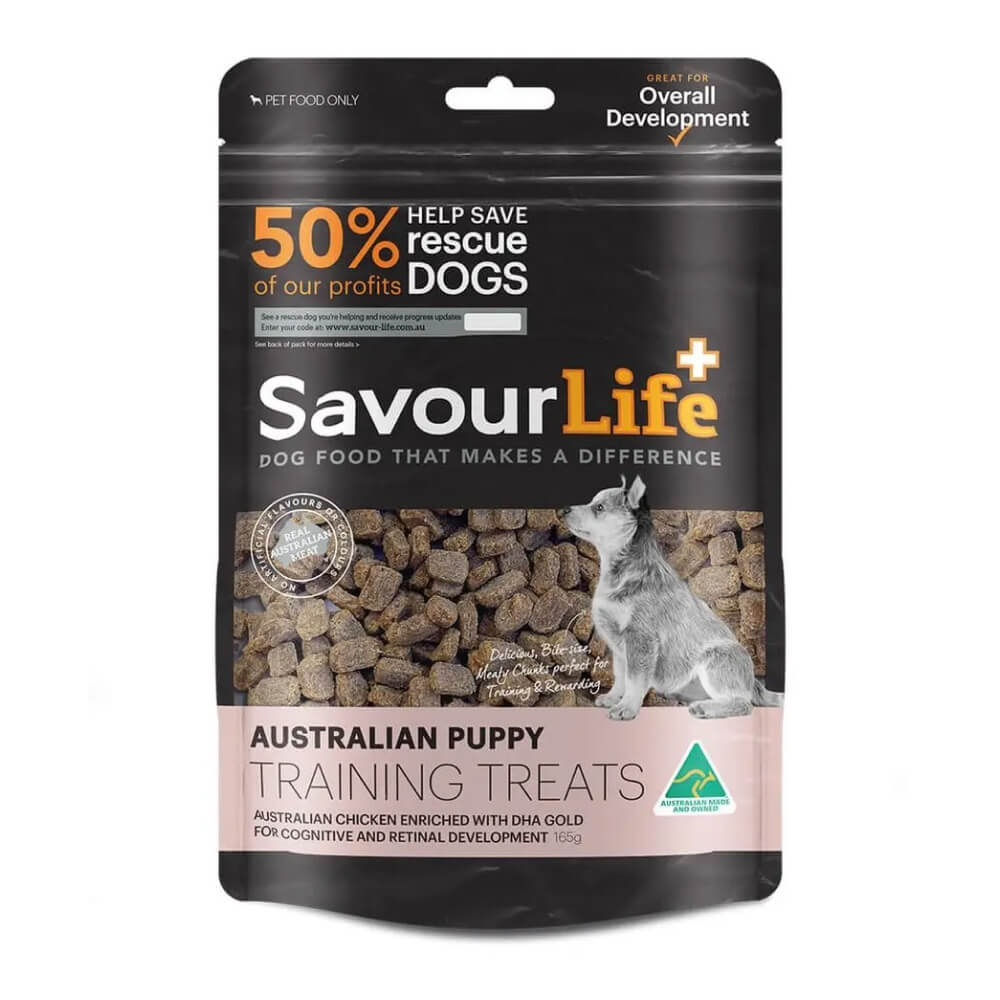
Australian Chicken Training Puppy Treats

Overview
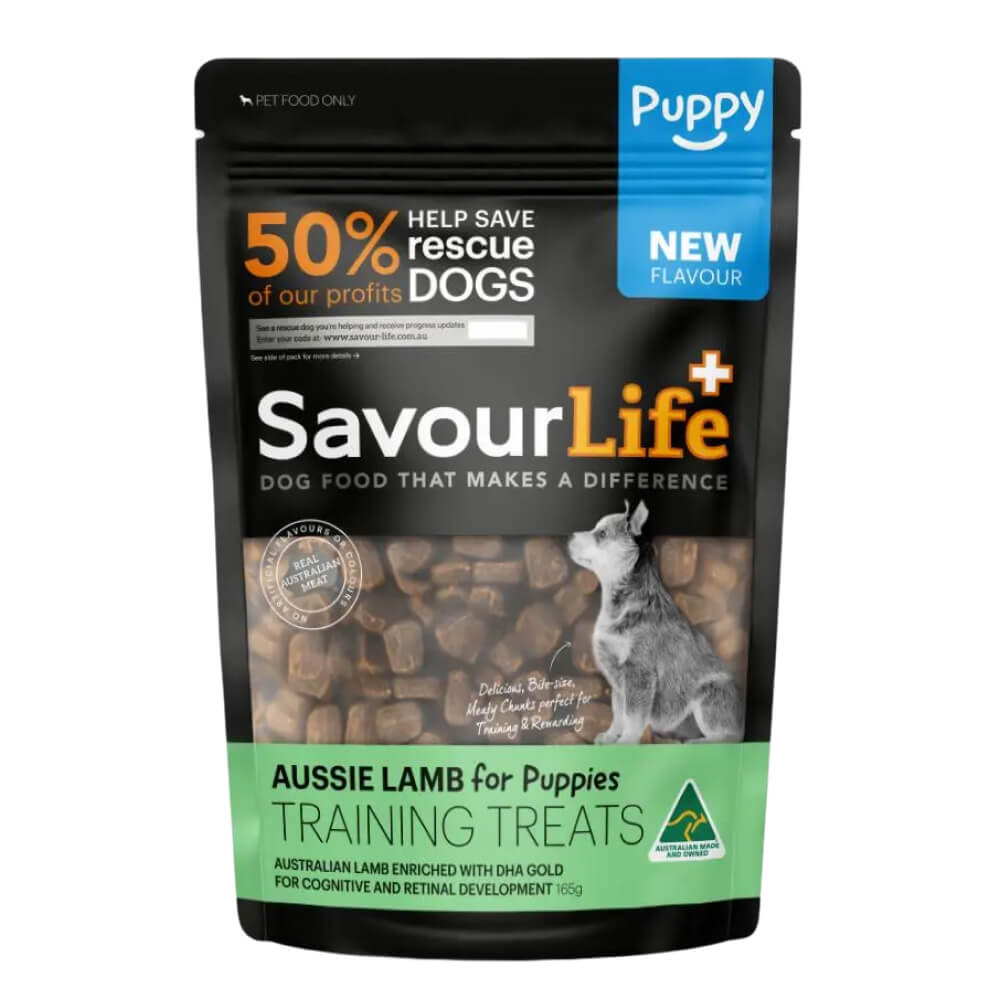
SavourLife Australian Chicken Training Treats for Puppies are bite-sized, Australian-made rewards made with single-protein chicken and added DHA. Soft and low-fuss, they're built for rewarding young dogs through training.
Nutritional Analysis
Ingredients
Chicken, Flour (Chickpea, Rice), Tapioca, Coconut Glycerine, Sweet Potato, Salt, Vitamins and Minerals, Vanilla Flavour, Preservatives, DHA Gold, Lecithin, Natural Antioxidants, Natural Colour (Caramel).

Gallus Gallus Domesticus, Poultry Meat, Domestic Fowl, Broiler Meat
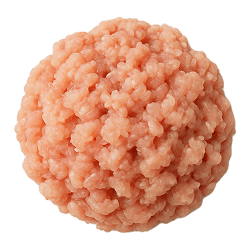
Chicken is a high-quality animal protein sourced from poultry, commonly used in pet foods for its rich amino acid profile and palatability. It provides essential nutrients to support muscle maintenance and overall health. In premium pet foods, chicken is typically included in its natural, whole form, ensuring optimal nutrient availability and digestibility for pets.
Chicken is included as a primary animal protein source to meet nutritional requirements and enhance palatability for pets. Its recognisable presence on the label also appeals to consumers seeking high-quality, meat-based ingredients.

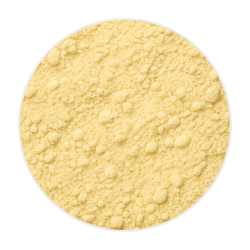
Gram Flour, Besan, Garbanzo Bean Flour, Cicer Arietinum Flour
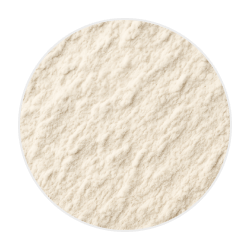
Chickpea flour is a plant-derived ingredient made by grinding dried chickpeas (Cicer arietinum) into a fine powder. It serves as a source of protein, dietary fibre, and complex carbohydrates, supporting digestive health and energy levels in pets. Chickpea flour is used in its natural form, providing a gluten-free alternative to traditional grain flours in premium pet food formulations.
Chickpea flour is included as a cost-effective, plant-based protein and carbohydrate source that can help optimise product texture and nutritional profile. It also serves as a label-friendly ingredient appealing to consumers seeking grain-free or alternative protein options.

Ground Rice, Oryza Sativa Flour, Rice Powder, Oryza Sativa
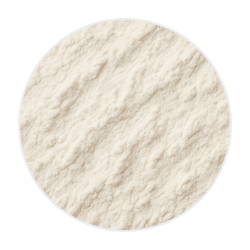
Rice flour is a finely milled powder derived from whole or broken rice grains, making it a plant-based ingredient. It is primarily used as a carbohydrate source, providing easily digestible energy and aiding in kibble structure. Rice flour is incorporated in its natural, ground form, not as a raw grain, to optimise digestibility and palatability in pet food formulations.
Rice flour is included as a cost-effective, easily digestible carbohydrate source that provides energy and helps create a desirable texture in pet food. Its neutral flavour and hypoallergenic properties also make it suitable for sensitive pets and appealing in marketing as a gentle ingredient.

Cassava, Manioc, Yuca, Manihot Esculenta
Tapioca is a starch extracted from the root of the cassava plant, a tropical crop native to South America. As a plant-derived ingredient, its primary purpose in pet food is to provide a highly digestible source of carbohydrates and energy. Tapioca is used in its natural, processed form as a purified starch, not as whole cassava root, ensuring safety and digestibility.
Tapioca is included as a cost-effective carbohydrate source that provides energy and helps bind kibble, contributing to the desired texture and structure of the final product. Its neutral flavour and hypoallergenic properties also make it suitable for formulating diets for pets with sensitivities.

Glycerin, Glycerol, Glycerine, E422
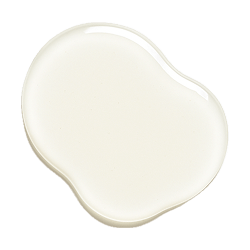
Coconut glycerol is a plant-derived ingredient obtained from the fats of coconuts through hydrolysis. It serves primarily as a humectant, helping to retain moisture in pet food and improve texture. Rather than being used in its raw, natural state, coconut glycerol is utilised in its purified, processed form to ensure safety, stability, and optimal absorption in companion animal diets.
Coconut glycerol is included as a humectant to help retain moisture and improve the texture of pet food products. It also serves as a cost-effective ingredient to enhance palatability and extend shelf life.

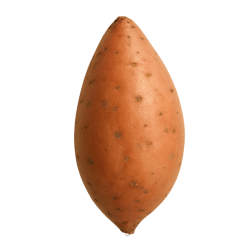
Ipomoea Batatas, Kumara, Batata, Camote
Sweet potato is a root vegetable of plant origin, valued for its rich content of complex carbohydrates, dietary fibre, and essential micronutrients such as vitamin A. In pet food, sweet potato serves primarily as a digestible energy source and supports digestive health. It is incorporated in its natural, whole form, ensuring optimal nutrient retention and palatability for companion animals.
Sweet potato is included as a cost-effective, highly digestible carbohydrate source that provides energy and dietary fibre. It also serves as a label-friendly ingredient appealing to consumers seeking natural, whole-food components in pet food.

Sodium Chloride, NaCl, Table Salt, E535
Salt is a mineral ingredient derived from the combination of sodium and chloride, typically sourced from natural deposits or seawater. It is primarily included in pet food to support electrolyte balance, nerve function, and hydration. Salt is not used in its raw mineral form but is utilised as sodium chloride, a purified compound, to ensure safety, palatability, and optimal absorption in pets.
Salt is included as a palatability enhancer to improve taste and encourage consumption, and also functions as a preservative to help extend product shelf life. Its use allows manufacturers to optimise flavour while maintaining product stability.
Micronutrients, Essential Micronutrients, Vital Nutrients, Accessory Food Factors
Vitamins are organic compounds derived from both plant and animal sources, essential for numerous metabolic and physiological functions in pets. Their primary purpose is to support immune health, vision, bone development, and cellular processes. In pet food, vitamins are not used in their natural, raw forms but are instead incorporated as stabilised compounds or premixes to ensure safety, stability, and optimal bioavailability.
Vitamins are included to ensure nutritional adequacy and meet regulatory requirements for complete and balanced pet food. They may also be added to compensate for nutrient losses during processing and storage.
Dietary Minerals, Inorganic Nutrients, Essential Minerals, Bulk Elements
Minerals are essential inorganic nutrients derived from the earth, not produced by animals or plants. They play a critical role in supporting various physiological functions, such as bone development, nerve transmission, and enzyme activity. In pet food, minerals are not used in their natural raw or metallic state; instead, they are incorporated as specific compounds (such as sulphates or chelates) to optimise safety and bioavailability.
Minerals are included to meet essential nutritional requirements for pets, supporting overall health and proper bodily functions. They are often added in precise amounts to ensure the product complies with regulatory standards and nutrient profiles.

Vanilla Flavouring, Natural Vanilla Flavour, Natural Vanilla Flavouring, Vanilla Extract
Vanilla flavour is a plant-derived ingredient typically sourced from vanilla beans or synthesised to mimic the natural aroma and taste. Its primary purpose in pet food is to enhance palatability, encouraging consistent consumption. Vanilla flavour is not used in its raw, whole form; instead, it is incorporated as an extract or flavouring compound to ensure safety, stability, and uniformity in the final product.
Vanilla flavour is included to enhance palatability, making the product more appealing to pets. It also serves as a label-friendly ingredient that can improve consumer perception without significantly impacting nutritional value.
Antimicrobials, E Numbers, Food Additives, Chemical Preservatives
Preservatives are compounds added to pet food to inhibit the growth of spoilage microorganisms and extend shelf life. Originating from both synthetic and natural sources, their primary function is to maintain product safety and freshness. Preservatives are not used in their raw or elemental state; instead, they are incorporated as specific compounds, such as mixed tocopherols or potassium sorbate, to optimise efficacy and safety for pets.
Preservatives are included to extend the product’s shelf life by inhibiting the growth of spoilage organisms and maintaining freshness during storage and distribution. Their use helps ensure product safety and stability, reducing waste and optimising inventory management.

Schizochytrium Sp., Algal Oil (Schizochytrium Sp.), Docosahexaenoic Acid (Schizochytrium Sp.), Microalgal DHA (Schizochytrium Sp.)
DHA Gold™ is a plant-derived ingredient sourced from the microalgae Schizochytrium sp. It is primarily included in pet food as a rich source of docosahexaenoic acid (DHA), an omega-3 fatty acid essential for cognitive development and visual health. Rather than using whole algae, DHA Gold™ is utilised as a refined oil extract to optimise bioavailability and ensure consistent quality.
DHA Gold™ is included as a concentrated source of docosahexaenoic acid (DHA), an omega-3 fatty acid, to support cognitive development and visual function in pets. Its use allows manufacturers to make label claims regarding brain and eye health, enhancing product appeal to health-conscious consumers.

Phosphatidylcholine, E322, Soybean Phospholipid, Egg Phospholipid
Lecithin is a naturally occurring compound derived from plant or animal sources, commonly soybeans or egg yolks. It serves as an emulsifier, helping to blend fats and water in pet food, thereby improving texture and nutrient absorption. Lecithin is not used in its raw form; instead, it is processed and purified to ensure safety, stability, and optimal functionality in pet nutrition.
Lecithin is included as an emulsifier to improve the texture and consistency of pet food, ensuring fats and water-based ingredients blend smoothly. It may also be used to enhance product stability and shelf life.
Tocopherol, Mixed Tocopherols, E306, Rosemary Extract
Natural antioxidant refers to a substance, typically derived from plant sources, that helps protect pet food from oxidative damage and spoilage. Its primary function is to preserve freshness and extend shelf life by inhibiting the oxidation of fats and oils. In pet food, natural antioxidants are used in their natural form, ensuring safety and effective absorption without the need for chemical modification.
Natural antioxidants are included to help preserve the freshness and stability of pet food by slowing the oxidation of fats and oils, thereby extending shelf life. They also serve as a label-friendly alternative to synthetic preservatives, appealing to consumers seeking more natural ingredients.

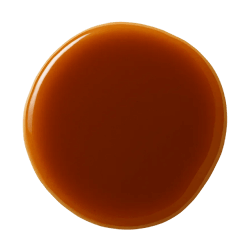
Caramel Colour, Caramel Color, E150, INS 150
Natural caramel colour is a plant-derived food additive produced by heating carbohydrates, such as sugar, under controlled conditions. Its primary purpose in pet food is to impart a rich brown hue, enhancing visual appeal without affecting nutritional value. Rather than being used in its raw form, caramel colour is a processed ingredient, ensuring consistency, safety, and stability in the final product.
Natural caramel colour is included as a cost-effective colouring agent to standardise the appearance of pet food and enhance its visual appeal for consumers. It does not contribute nutritional value but supports consistent product presentation and marketability.

.png)


Comments
0 comments
Login to Join the Conversation 💬