Australian Peanut Butter Flavour Bikkie Bites Dog Treats

Overview
SavourLife Australian Peanut Butter Flavour Bikkie Bites are small, oven-baked Australian-made biscuits with a peanut butter flavour. Sized for smaller dogs or frequent rewards, they're a crunchy complementary treat.
Nutritional Analysis
Ingredients
Stoneground Wheat, Peanut Butter, Canola Oil, Sugar, Salt, Linseed, Apple Puree, Glucosamine, Citric Acid, White Distilled Vinegar, Natural Antioxidants and Rosemary Extract.

Wholemeal Wheat, Whole Wheat, Triticum Aestivum, Wholegrain Wheat
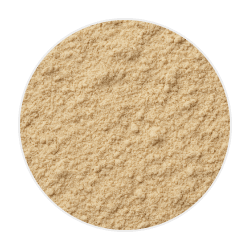
Stoneground wheat is a cereal grain derived from the whole wheat kernel, milled using traditional stone grinding methods. As a plant-based ingredient, it retains the bran, germ, and endosperm, providing dietary fibre, protein, and essential micronutrients. Stoneground wheat is used in its natural, whole food form, contributing to digestive health and sustained energy release in pet food formulations.
Stoneground wheat is included as a cost-effective carbohydrate source that provides bulk and energy to pet food formulations. Its use also appeals to consumers seeking less-processed, label-friendly ingredients.

Groundnut Paste, Arachis Hypogaea Paste, Nut Paste, Groundnut Butter
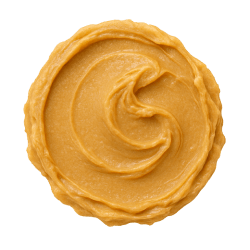
Peanut butter is a plant-derived spread made from ground, roasted peanuts. Sourced from legumes, it is included in pet food primarily for its palatability, healthy fats, and protein content. Peanut butter is used in its natural form, though often without added salt or sugar, to provide energy and support skin and coat health while enhancing flavour and texture in pet diets.
Peanut butter is included as a palatability enhancer to improve taste and encourage consumption, particularly in treats and specialty products. It also serves as a label-friendly ingredient that appeals to pet owners seeking familiar, human-grade components.

Rapeseed Oil, Brassica Napus Oil, Brassica Rapa Oil, E471 (when derived from canola)
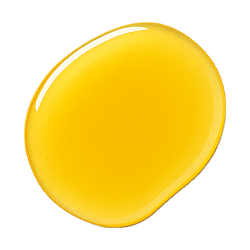
Canola oil is a plant-derived oil extracted from the seeds of the canola plant (Brassica napus). It serves as a valuable source of energy and provides essential fatty acids, particularly omega-3 and omega-6, which support skin and coat health in pets. Canola oil is used in its refined, food-grade form to ensure safety, palatability, and optimal nutrient absorption.
Canola oil is included as a cost-effective source of fat and essential fatty acids, supporting energy density and skin and coat health in pet food formulations. It also contributes to product palatability and helps optimise texture.

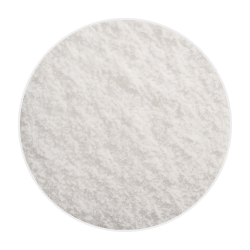
Sucrose, Saccharose, E955, Beta-D-Fructofuranosyl Alpha-D-Glucopyranoside
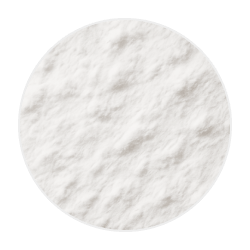
Sugar is a simple carbohydrate derived primarily from plant sources such as sugar cane or sugar beet. It serves as a readily available energy source, supporting metabolic processes and palatability in pet foods. Sugar is incorporated in its natural, refined form rather than as a raw plant material, ensuring consistency and digestibility for pets while enhancing the taste of the final product.
Sugar is included as a cost-effective palatability enhancer to improve taste and encourage consumption. It may also serve as a minor preservative to help stabilise certain formulations.

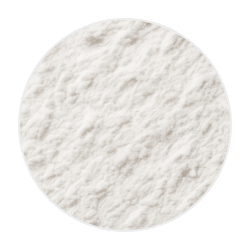
Sodium Chloride, NaCl, Table Salt, E535
Salt is a mineral ingredient derived from the combination of sodium and chloride, typically sourced from natural deposits or seawater. It is primarily included in pet food to support electrolyte balance, nerve function, and hydration. Salt is not used in its raw mineral form but is utilised as sodium chloride, a purified compound, to ensure safety, palatability, and optimal absorption in pets.
Salt is included as a palatability enhancer to improve taste and encourage consumption, and also functions as a preservative to help extend product shelf life. Its use allows manufacturers to optimise flavour while maintaining product stability.

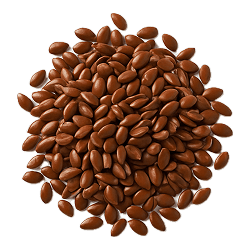
Flaxseed, Linum Usitatissimum, Flax, Flaxseed Oil
Linseed, also known as flaxseed, is a plant-derived ingredient sourced from the seeds of the flax plant (Linum usitatissimum). It is primarily included in pet food for its high content of omega-3 fatty acids and dietary fibre, supporting skin health and digestion. Linseed is used in its natural, whole or ground form to optimise nutrient availability and functional benefits.
Linseed is included as a source of omega-3 fatty acids and dietary fibre, supporting skin and coat health as well as digestive function. Its presence also allows manufacturers to market the product as containing plant-based nutrients and functional ingredients.

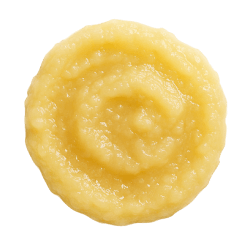
Apple Pulp, Malus Domestica Puree, Malus Domestica Pulp, Puréed Apple
Apple puree is a plant-derived ingredient made by cooking and blending apples into a smooth consistency. It is primarily included in pet food as a source of dietary fibre, natural sugars, and beneficial phytonutrients, supporting digestive health and palatability. Apple puree is used in its natural form, ensuring the retention of its nutritional value and natural antioxidants for optimal pet wellbeing.
Apple puree is included as a label-friendly ingredient to appeal to consumers seeking recognisable, natural components, and it also provides a source of fibre and natural sweetness to enhance palatability. Its inclusion may support marketing claims related to fruit content and overall product quality.

2-Amino-2-Deoxy-D-Glucose, D-Glucosamine, Chitosamine, 2-Amino-2-Deoxyglucose
Glucosamine is an amino sugar compound typically derived from shellfish or produced synthetically. It is included in pet food primarily to support joint health by aiding cartilage maintenance and repair. Glucosamine is not used in its natural raw form; instead, it is utilised as a stabilised compound, such as glucosamine hydrochloride or glucosamine sulphate, to optimise safety, stability, and absorption in pets.
Glucosamine is included as a functional additive to support joint health and mobility, particularly in senior or large-breed pets. Its presence also serves as a marketing feature, appealing to consumers seeking products with perceived health benefits for their pets.

2-Hydroxypropane-1,2,3-Tricarboxylic Acid, E330, 3-Carboxy-3-Hydroxypentanedioic Acid, Monohydrate Citric Acid
Citric acid is an organic compound derived primarily from citrus fruits, though it is commonly produced via fermentation for commercial use. Its main purpose in pet food is as a natural preservative and acidity regulator, helping to maintain freshness and inhibit spoilage. Citric acid is not used in its raw, crystalline form but is incorporated as a purified, food-grade compound to ensure safety and efficacy.
Citric acid is included as a preservative to enhance product stability and extend shelf life by inhibiting microbial growth. It may also be used to adjust acidity, optimising flavour and maintaining the quality of the final product.

Distilled Vinegar, Spirit Vinegar, Grain Vinegar, Acetic Acid Solution
White distilled vinegar is a liquid derived from the fermentation of grain-based ethanol, making it a plant-origin ingredient. It is primarily included in pet food as a natural preservative and to help regulate pH levels, supporting food safety and shelf life. White distilled vinegar is used in its natural, diluted liquid form, not as concentrated acetic acid, ensuring safe and effective application.
White distilled vinegar is included as a natural preservative to help inhibit the growth of bacteria and mould, thereby extending product shelf life. It may also be used to adjust pH levels, supporting food safety and stability.
Tocopherol, Mixed Tocopherols, E306, Rosemary Extract
Natural antioxidant refers to a substance, typically derived from plant sources, that helps protect pet food from oxidative damage and spoilage. Its primary function is to preserve freshness and extend shelf life by inhibiting the oxidation of fats and oils. In pet food, natural antioxidants are used in their natural form, ensuring safety and effective absorption without the need for chemical modification.
Natural antioxidants are included to help preserve the freshness and stability of pet food by slowing the oxidation of fats and oils, thereby extending shelf life. They also serve as a label-friendly alternative to synthetic preservatives, appealing to consumers seeking more natural ingredients.

Rosmarinus Officinalis Extract, E392, Rosemary Oleoresin, Rosmarinus Officinalis Leaf Extract
Rosemary extract is a plant-derived ingredient obtained from the leaves of the rosemary herb (Rosmarinus officinalis). It is primarily included in pet food as a natural antioxidant, helping to preserve fats and oils and extend shelf life. Rosemary extract is used in its natural form, ensuring the retention of its beneficial compounds without chemical alteration.
Rosemary extract is included as a natural preservative to help extend shelf life by inhibiting oxidation of fats and oils. It also serves as a label-friendly ingredient that appeals to consumers seeking natural additives.

.png)


Comments
0 comments
Login to Join the Conversation 💬