Puppy with Australian Chicken Raw Dog Food

Overview
SavourLife Puppy with Australian Chicken is a raw frozen food for growing puppies, built on single-protein Australian chicken. A grain-free complete meal for owners raising puppies on a natural raw diet.
Nutritional Analysis
Ingredients
Chicken (Meat, Finely Ground Bone and Cartilage, Heart, Liver, Necks and Skin), Apples, Carrots, Pumpkins, Vitamins, Minerals and Amino Acids, Flaxseed, Tomato, Alfalfa, Blueberries, Broccoli, Probiotics, Sea Salt, DHA Gold.

Gallus Gallus Domesticus Meat, Poultry Meat, Broiler Meat, Fowl Meat
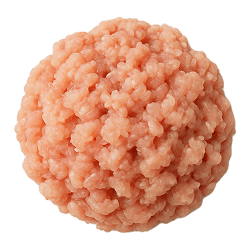
Chicken meat is a high-quality animal-derived ingredient sourced from the muscle tissue of chickens. It serves as a rich source of essential proteins and amino acids, supporting muscle development and overall health in pets. In pet food, chicken meat is used in its natural form, providing highly digestible nutrients and palatability, making it a favoured protein choice in premium formulations.
Chicken meat is included as a high-quality, animal-based protein source to support muscle development and overall health in pets. Its presence also enhances palatability and serves as a label-friendly ingredient appealing to consumers seeking recognisable protein sources.

Chicken Bone Meal, Chicken Bone Powder, Gallus Gallus Domesticus Bone Meal, Gallus Gallus Domesticus Bone Powder
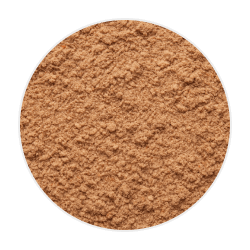
Ground chicken bone is a finely milled animal-derived ingredient sourced from whole chicken bones. It serves primarily as a natural source of essential minerals, particularly calcium and phosphorus, which support healthy bone development and maintenance in pets. Ground chicken bone is used in its natural form, ensuring optimal bioavailability of nutrients while maintaining a species-appropriate, minimally processed profile.
Ground chicken bone is included as a natural source of calcium and phosphorus to support skeletal health in pets. It also serves as a label-friendly ingredient that appeals to consumers seeking minimally processed, whole-food components.

Gallus Gallus Cartilage, Chicken Sternum Cartilage, Avian Cartilage, Gallus Cartilage
Chicken cartilage is a connective tissue derived from the joints and bones of chickens (animal origin). It is primarily included in pet food as a natural source of glucosamine and chondroitin, which support joint health and mobility. Chicken cartilage is used in its natural form, providing bioavailable nutrients that help maintain healthy cartilage and connective tissue in pets.
Chicken cartilage is included as a natural source of glucosamine and chondroitin, which are marketed for joint health benefits. Its presence also allows manufacturers to highlight the use of whole-animal ingredients, appealing to consumers seeking minimally processed or "natural" pet foods.

Gallus Gallus Domesticus Heart, Poultry Heart, Chicken Offal Heart, Gallus Heart
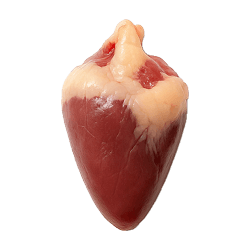
Chicken heart is an animal-derived ingredient sourced from the heart muscle of chickens. It is primarily included in pet food for its rich protein content and as a natural source of essential vitamins and minerals, such as iron and B vitamins. Chicken heart is used in its natural, whole-food form, providing highly bioavailable nutrients to support overall health and vitality in pets.
Chicken heart is included as a nutrient-dense organ meat to provide high-quality protein, essential amino acids, and micronutrients, supporting the nutritional profile of the product. Its inclusion also appeals to consumers seeking species-appropriate, whole-prey ingredients in pet food formulations.

Poultry Liver, Gallus Gallus Domesticus Liver, Chicken Offal, Chicken Hepatic Tissue
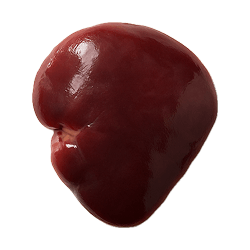
Chicken liver is an animal-derived organ meat sourced from chickens. It is included in pet food primarily for its rich content of high-quality protein, essential amino acids, and vital micronutrients such as vitamin A, iron, and B vitamins. Chicken liver is used in its natural, whole food form, providing both palatability and nutritional density to support overall pet health.
Chicken liver is included as a highly palatable and nutrient-dense protein source, providing essential vitamins and minerals to enhance the nutritional profile of the product. Its inclusion can also support marketing claims related to quality animal ingredients.

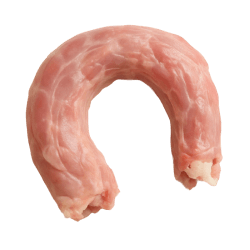
Poultry Neck, Gallus Gallus Domesticus Neck, Broiler Neck, Hen Neck
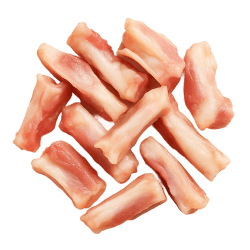
Chicken neck is an animal-derived ingredient sourced from the necks of chickens. It is primarily included in pet food for its high-quality protein, natural calcium, and phosphorus content, supporting muscle development and bone health. Chicken neck is used in its natural, whole form, providing both nutritional value and a natural source of chewing enrichment for pets.
Chicken neck is included as a cost-effective animal protein and calcium source, contributing essential nutrients while utilising by-products from poultry processing. Its inclusion can also enhance palatability and appeal to consumers seeking recognisable, whole-food ingredients.

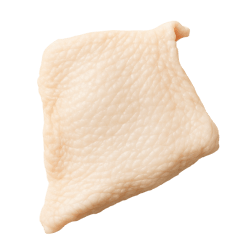
Poultry Skin, Gallus Gallus Domesticus Skin, Chicken Dermis, E401a
Chicken skin is the outer layer of poultry, derived from animal origin, and is included in pet food for its high content of energy-rich fats and essential fatty acids. It supports skin and coat health while enhancing palatability. Chicken skin is used in its natural form, providing a source of animal-based nutrients and contributing to the overall nutritional profile of premium pet foods.
Chicken skin is included as a cost-effective source of animal fat and protein, enhancing palatability and contributing to the energy content of the product. Its use also supports desirable texture and mouthfeel in pet food formulations.

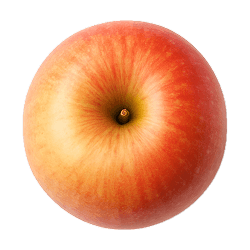
Malus Domestica, Pyrus Malus, Malus Pumila, E Malus
Apple is a fruit derived from the Malus domestica tree, classified as a plant-based ingredient. It is primarily included in pet food for its dietary fibre, natural antioxidants, and vitamins, supporting digestive health and immune function. Apple is used in its natural, whole form, ensuring pets benefit from its inherent nutrients without synthetic alteration or processing into extracts or concentrates.
Apple is included as a label-friendly ingredient to appeal to consumers seeking recognisable, natural components in pet food. It may also provide a modest source of fibre and natural sweetness to enhance palatability.

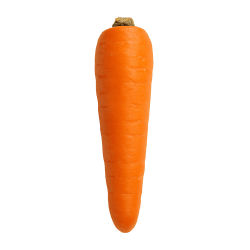
Daucus Carota, Daucus Carota Root, Daucus Carota Sativa, Wild Carrot
Carrot is a root vegetable of plant origin, widely recognised for its vibrant orange colour and natural sweetness. In pet food, carrot is included in its natural, whole form to provide dietary fibre, beta-carotene (a precursor to vitamin A), and antioxidants. Its primary benefit is supporting digestive health and immune function, while also contributing to overall palatability and nutritional diversity.
Carrot is included as a label-friendly ingredient to appeal to consumers seeking recognisable, natural components and to enhance the product’s perceived nutritional value. It may also provide a modest source of fibre and vitamins, supporting marketing claims of added health benefits.

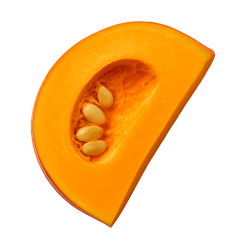
Cucurbita Pepo, Cucurbita Maxima, Cucurbita Moschata, Pepo
Pumpkin is a plant-derived ingredient sourced from the fruit of the Cucurbita pepo species. It is primarily included in pet food for its dietary fibre content, which supports digestive health and regularity. Pumpkin is used in its natural form, either as fresh, cooked, or dehydrated flesh, providing a source of vitamins, minerals, and antioxidants beneficial to overall wellbeing.
Pumpkin is included as a label-friendly ingredient that appeals to consumers seeking natural and recognisable components, while also serving as a cost-effective source of fibre and moisture to support digestive health and product texture. Its inclusion can enhance marketing appeal without significantly increasing formulation costs.
Micronutrients, Essential Micronutrients, Vital Nutrients, Accessory Food Factors
Vitamins are organic compounds derived from both plant and animal sources, essential for numerous metabolic and physiological functions in pets. Their primary purpose is to support immune health, vision, bone development, and cellular processes. In pet food, vitamins are not used in their natural, raw forms but are instead incorporated as stabilised compounds or premixes to ensure safety, stability, and optimal bioavailability.
Vitamins are included to ensure nutritional adequacy and meet regulatory requirements for complete and balanced pet food. They may also be added to compensate for nutrient losses during processing and storage.
Dietary Minerals, Inorganic Nutrients, Essential Minerals, Bulk Elements
Minerals are essential inorganic nutrients derived from the earth, not produced by animals or plants. They play a critical role in supporting various physiological functions, such as bone development, nerve transmission, and enzyme activity. In pet food, minerals are not used in their natural raw or metallic state; instead, they are incorporated as specific compounds (such as sulphates or chelates) to optimise safety and bioavailability.
Minerals are included to meet essential nutritional requirements for pets, supporting overall health and proper bodily functions. They are often added in precise amounts to ensure the product complies with regulatory standards and nutrient profiles.
L-Amino Acids, α-Amino Acids, Proteinogenic Amino Acids, E620-E640
Amino acids are organic compounds derived from both animal and plant sources, serving as the fundamental building blocks of proteins. Their primary nutritional benefit is to support muscle development, tissue repair, and overall metabolic function in pets. In pet food, amino acids are not used in their isolated natural form but are typically included as specific, bioavailable compounds to optimise absorption and efficacy.
Amino acids are included to ensure the product meets essential protein and nutrient requirements for pets, supporting overall health and development. They may also be added to optimise the amino acid profile of the food, compensating for any deficiencies in the primary protein sources.

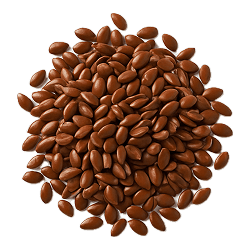
Flaxseed, Linum Usitatissimum, Flax, Flaxseed Oil
Linseed, also known as flaxseed, is a plant-derived ingredient sourced from the seeds of the flax plant (Linum usitatissimum). It is primarily included in pet food for its high content of omega-3 fatty acids and dietary fibre, supporting skin health and digestion. Linseed is used in its natural, whole or ground form to optimise nutrient availability and functional benefits.
Linseed is included as a source of omega-3 fatty acids and dietary fibre, supporting skin and coat health as well as digestive function. Its presence also allows manufacturers to market the product as containing plant-based nutrients and functional ingredients.

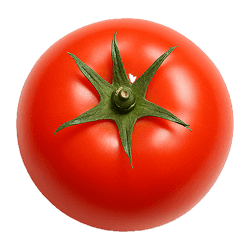
Solanum Lycopersicum, Lycopersicon Esculentum, E620, Love Apple
Tomato is a fruit derived from the Solanum lycopersicum plant, commonly included in pet food for its natural antioxidant content, particularly lycopene and vitamin C. Its primary benefit is supporting immune health and providing dietary fibre. In pet food, tomato is used in its natural form, ensuring the retention of its nutritional properties and bioactive compounds for optimal health benefits.
Tomato is included as a source of vitamins, antioxidants, and fibre, supporting the nutritional profile of the product for marketing appeal. It also serves as a label-friendly ingredient that resonates with health-conscious consumers.

Lucerne, Medicago Sativa, Lucerne Grass, Purple Medick
Alfalfa is a nutrient-rich plant ingredient derived from the Medicago sativa species, commonly used in premium pet foods. It serves as a natural source of dietary fibre, vitamins, and minerals, supporting digestive health and overall wellbeing. Alfalfa is included in its natural, dried form, ensuring pets benefit from its full spectrum of nutrients without synthetic alteration.
Alfalfa is included as a cost-effective source of plant protein, fibre, and micronutrients, contributing to the nutritional profile of the product. It also serves as a label-friendly ingredient that appeals to consumers seeking natural or wholesome additions in pet food.

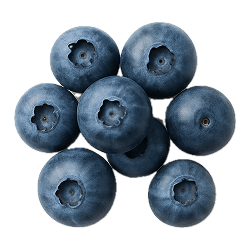
Vaccinium Corymbosum, Vaccinium Angustifolium, Bilberry, E163
Blueberry is a small, nutrient-rich fruit of plant origin, commonly sourced from the Vaccinium genus. It is included in pet food primarily for its antioxidant properties, supporting immune health and cellular protection. Blueberry is used in its natural, whole form, ensuring pets benefit from its full spectrum of vitamins, fibre, and phytonutrients as found in fresh fruit.
Blueberry is included as a label-friendly ingredient to appeal to health-conscious consumers, leveraging its reputation as a source of antioxidants. Its presence supports marketing claims of added nutritional benefits, though it is typically used in small quantities with minimal impact on the overall nutritional profile for pets.

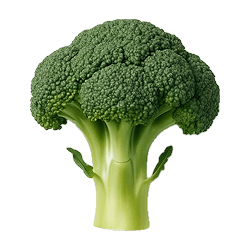
Brassica Oleracea Italica, Calabrese, Sprouting Broccoli, EATME Broccoli
Broccoli is a nutrient-rich vegetable derived from the plant species Brassica oleracea. As a plant-based ingredient, it is included in pet food primarily for its dietary fibre, vitamins, and antioxidant content, supporting digestive health and immune function. Broccoli is used in its natural form, ensuring pets benefit from its whole-food nutritional profile without synthetic alteration.
Broccoli is included as a label-friendly ingredient to appeal to health-conscious consumers and enhance the perceived nutritional value of the product. It may also contribute small amounts of fibre, vitamins, and antioxidants, supporting marketing claims of added health benefits.

Live Microorganisms, Beneficial Bacteria, Lactic Acid Bacteria, Bifidobacterium Spp.
Probiotics are live microorganisms, typically derived from beneficial bacterial strains, that are added to pet food to support digestive health and maintain a balanced gut microbiome. Their primary function is to promote healthy digestion and enhance immune function. Probiotics are not used in their natural, raw state but are carefully cultured and stabilised to ensure viability and efficacy when incorporated into pet food formulations.
Probiotics are included to support digestive health and promote a balanced gut microbiome in pets, which can be a key marketing point for health-conscious consumers. Their addition also allows manufacturers to differentiate products in a competitive market by highlighting functional health benefits.

Solar Salt, Marine Salt, Sodium Chloride, Sal Marinum
Sea salt is a mineral ingredient derived from the evaporation of seawater. It is primarily included in pet food to provide essential electrolytes, such as sodium and chloride, which support hydration and nerve function. Sea salt is not used in its raw crystalline form but is refined and utilised as a food-grade compound to ensure safety, palatability, and optimal nutrient absorption.
Sea salt is included as a palatability enhancer to improve flavour and encourage pet consumption. It may also function as a mineral source and assist in product preservation.

Schizochytrium Sp., Algal Oil (Schizochytrium Sp.), Docosahexaenoic Acid (Schizochytrium Sp.), Microalgal DHA (Schizochytrium Sp.)
DHA Gold™ is a plant-derived ingredient sourced from the microalgae Schizochytrium sp. It is primarily included in pet food as a rich source of docosahexaenoic acid (DHA), an omega-3 fatty acid essential for cognitive development and visual health. Rather than using whole algae, DHA Gold™ is utilised as a refined oil extract to optimise bioavailability and ensure consistent quality.
DHA Gold™ is included as a concentrated source of docosahexaenoic acid (DHA), an omega-3 fatty acid, to support cognitive development and visual function in pets. Its use allows manufacturers to make label claims regarding brain and eye health, enhancing product appeal to health-conscious consumers.

.png)


Comments
0 comments
Login to Join the Conversation 💬