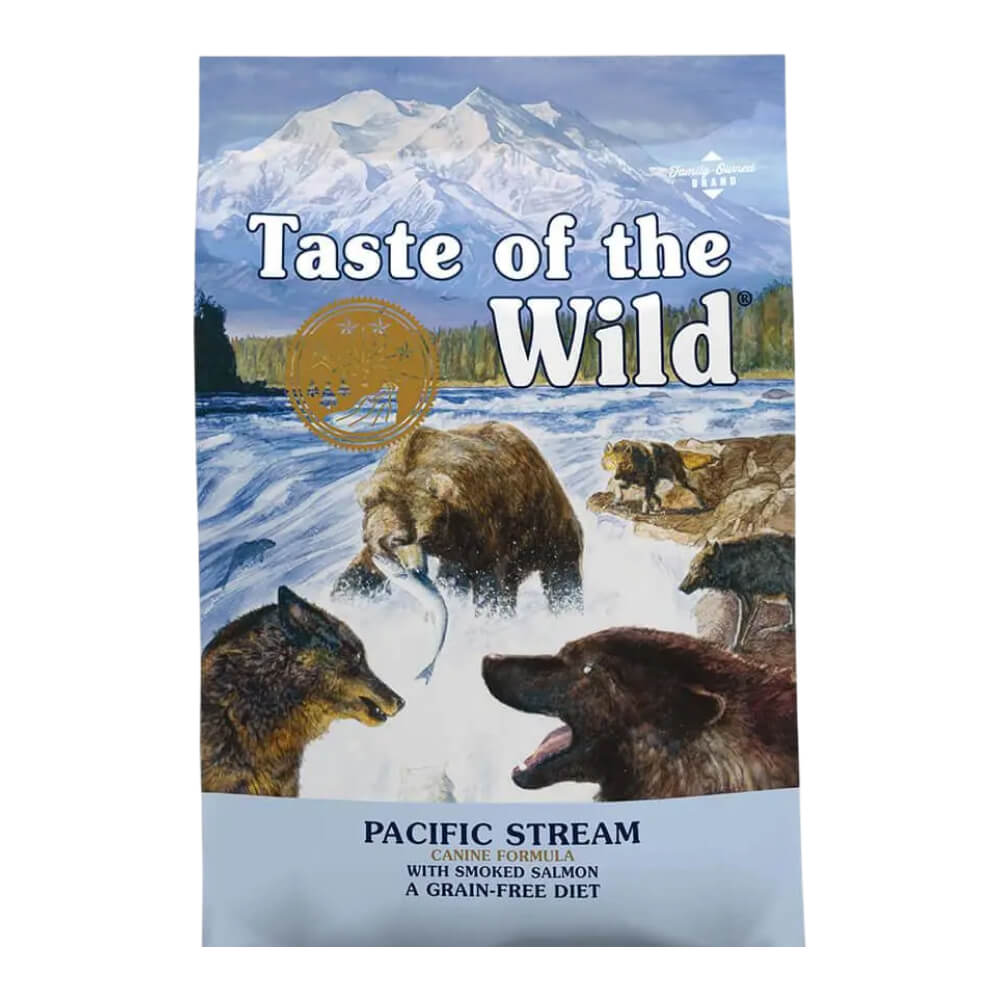
Appalachian Valley Small Breed Dry Dog Food

Overview
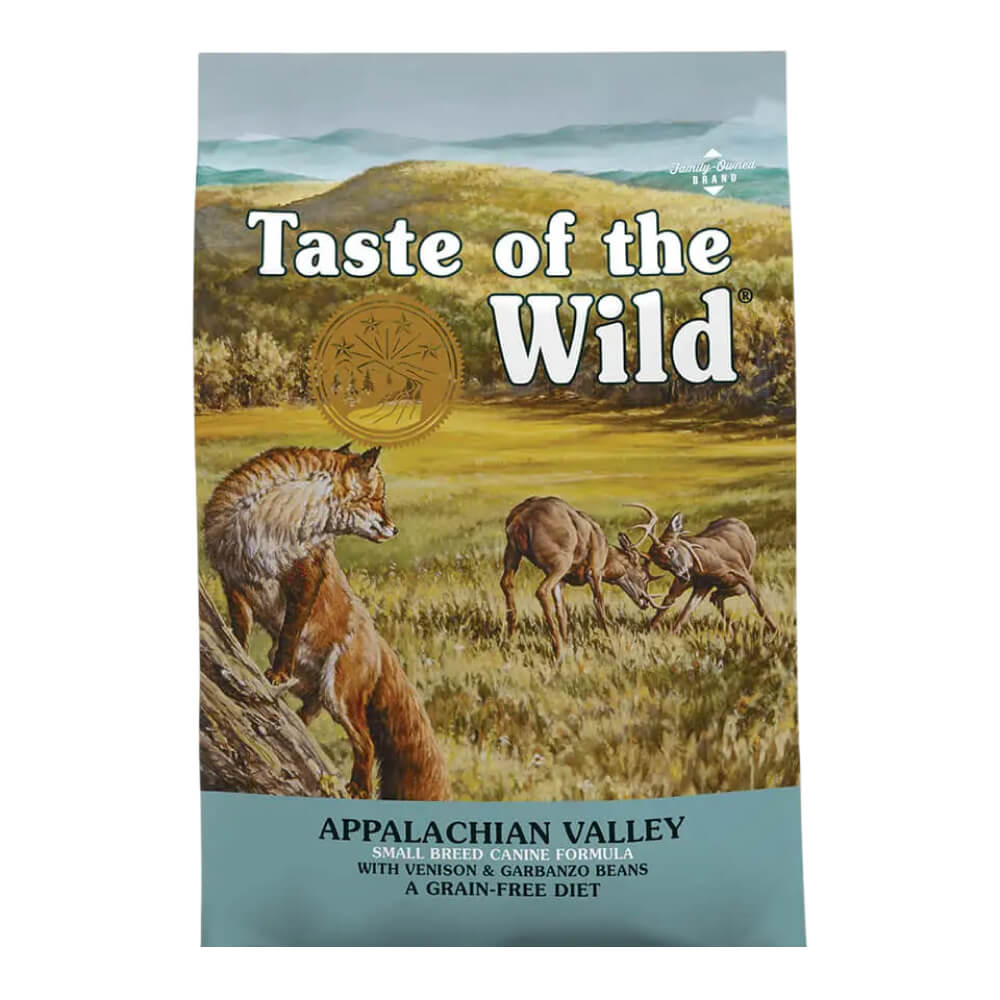
Taste of the Wild Appalachian Valley Small Breed is a grain-free dry dog food for small-breed adults. A multi-protein blend of red meat, poultry and fish in a small kibble, with K9 strain probiotics and prebiotic chicory root for digestive support. Formulated to AAFCO maintenance standards. Not appropriate for elimination trials.
Nutritional Analysis
Ingredients
Venison, Lamb Meat Meal, Garbanzo Beans, Peas, Lentils, Pea Protein, Canola Oil, Egg Products, Duck Meal, Pea Flour, Tomato Pomace, Ocean Fish Meal, Minerals, Dried Chicory Roots, Tomatoes, Blueberries, Raspberries, Yucca Schidigera Extract.

Deer Meat, Cervidae Meat, Game Meat, Cervus Spp.
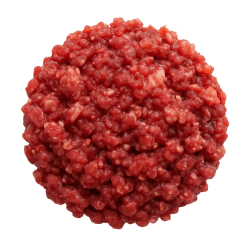
Venison is the meat derived from deer, making it an animal-based protein source. It is prized for its lean profile and high-quality amino acids, supporting muscle maintenance and overall health in pets. In pet food, venison is used in its natural, whole-food form, providing a novel protein option that may benefit pets with sensitivities to more common meats.
Venison is included as a novel, high-quality protein source to appeal to consumers seeking premium or hypoallergenic pet food options. Its use can support marketing claims related to limited ingredient diets and alternative proteins.

Rendered Lamb Meal, Ovis Aries Meal, Dehydrated Lamb Protein, Ovis Aries Rendered Meal
Lamb meat meal is a concentrated protein ingredient derived from lamb, an animal source, by rendering and drying lamb meat. It serves as a rich source of high-quality protein and essential amino acids, supporting muscle maintenance and overall health in pets. Unlike fresh lamb, lamb meat meal is not used in its natural form but is processed to optimise nutrient density and digestibility.
Lamb meat meal is included as a concentrated protein source to support muscle maintenance and overall nutrition in pet food formulations. Its use also allows manufacturers to market the product as containing a novel or premium animal protein, appealing to consumers seeking alternative or hypoallergenic options.

Chickpeas, Cicer Arietinum, Bengal Gram, Egyptian Pea
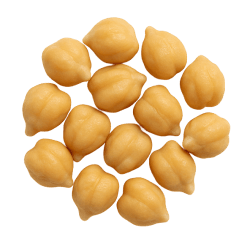
Garbanzo beans, also known as chickpeas, are a plant-derived legume commonly included in pet foods. They provide a valuable source of plant-based protein, dietary fibre, and essential micronutrients, supporting digestive health and sustained energy. Garbanzo beans are used in their natural, whole form, ensuring pets benefit from their complete nutritional profile without the need for further processing or chemical modification.
Garbanzo beans are included as a cost-effective, label-friendly source of plant-based protein and carbohydrates, helping to optimise nutrient content while appealing to consumers seeking grain-free or alternative ingredient options. They also contribute to product texture and bulk.

Pisum Sativum, Garden Pea, Green Pea, Field Pea
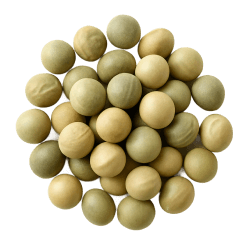
Peas are a plant-derived ingredient sourced from the seeds of the Pisum sativum plant. They are primarily included in pet food for their high protein content, dietary fibre, and essential micronutrients, supporting digestive health and energy. Peas are used in their natural, whole form, ensuring the retention of their nutritional value and functional benefits within the finished product.
Peas are included as a cost-effective source of protein, fibre, and carbohydrates, helping to optimise nutritional content while supporting product texture. They also serve as a label-friendly ingredient that appeals to consumers seeking grain-free or plant-based options.

Lens Culinaris, Lens Esculenta, Masoor, Eiwitrijke Peulvruchten
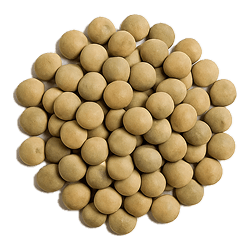
Lentils are edible seeds from the legume plant, commonly cultivated for human and animal consumption. As a plant-based ingredient, lentils are valued for their high protein, dietary fibre, and essential micronutrient content. In pet food, lentils are primarily included to support protein levels and digestive health. Lentils are used in their natural, whole form, providing a minimally processed source of nutrition.
Lentils are included as a cost-effective source of plant-based protein and carbohydrates, helping to meet nutritional requirements while managing production costs. They also serve as a label-friendly ingredient that appeals to consumers seeking grain-free or high-protein pet food options.

Pisum Sativum Protein, Pea Isolate, Pea Protein Isolate, Pisum Sativum Isolate
Pea protein is a plant-derived ingredient extracted from yellow peas (Pisum sativum). It serves as a concentrated source of protein, supporting muscle maintenance and overall health in pets. Rather than using whole peas, pea protein is utilised in its isolated form to maximise protein content and digestibility. This functional ingredient is valued for its hypoallergenic properties and amino acid profile.
Pea protein is included as a cost-effective, plant-based protein source to boost overall protein content and support product labelling claims. It also serves as a functional ingredient to improve kibble texture and binding.

Rapeseed Oil, Brassica Napus Oil, Brassica Rapa Oil, E471 (when derived from canola)
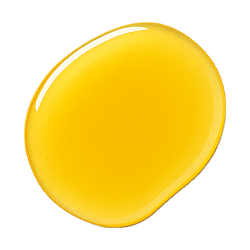
Canola oil is a plant-derived oil extracted from the seeds of the canola plant (Brassica napus). It serves as a valuable source of energy and provides essential fatty acids, particularly omega-3 and omega-6, which support skin and coat health in pets. Canola oil is used in its refined, food-grade form to ensure safety, palatability, and optimal nutrient absorption.
Canola oil is included as a cost-effective source of fat and essential fatty acids, supporting energy density and skin and coat health in pet food formulations. It also contributes to product palatability and helps optimise texture.

Dried Egg, Liquid Egg, Frozen Egg, Ovum Gallus Gallus
Egg product is a nutrient-rich ingredient derived from whole eggs, typically sourced from hens. It serves as a high-quality animal protein, providing essential amino acids, vitamins, and minerals to support overall pet health. In pet food, egg product is used in a processed, pasteurised form rather than raw, ensuring safety, digestibility, and consistent nutritional value for pets.
Egg product is included as a high-quality, highly digestible protein source to support essential amino acid requirements in pet food. It also enhances palatability and can improve the nutritional profile for marketing purposes.

Rendered Duck Protein, Rendered Duck Meat, Rendered Anas Spp. Protein, Rendered Anas Spp. Meat
Duck meal is a concentrated protein ingredient derived from rendered duck, an animal source. It is produced by removing most of the moisture and fat from duck meat, resulting in a nutrient-dense powder. Duck meal is primarily included in pet foods to provide high-quality protein and essential amino acids. Unlike whole duck, it is utilised in a processed, dehydrated form to optimise nutrient density and digestibility.
Duck meal is included as a concentrated protein source to support muscle maintenance and overall nutrition, offering a cost-effective alternative to whole duck meat. Its use also allows for consistent nutrient levels and improved product labelling appeal.

Ground Pea, Pisum Sativum Flour, Pea Meal, Pisum Sativum Powder
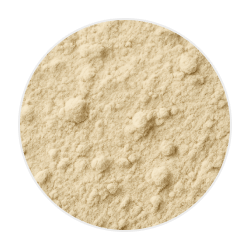
Pea flour is a plant-derived ingredient made by grinding dried peas into a fine powder. It serves as a source of plant protein, dietary fibre, and complex carbohydrates, supporting digestive health and energy levels in pets. Pea flour is used in its natural form, retaining the nutritional benefits of whole peas while providing a functional, gluten-free alternative to traditional grain flours.
Pea flour is included as a cost-effective carbohydrate and protein source that helps optimise product texture and bulk. It also serves as a label-friendly ingredient appealing to consumers seeking grain-free or plant-based options.

Tomato Pulp, Tomato Residue, Tomato Presscake, Solanum Lycopersicum Pomace
Tomato pomace is a by-product derived from the processing of tomatoes (plant origin), consisting of skins, pulp, and seeds. It is primarily included in pet food as a source of dietary fibre to support digestive health. Tomato pomace is used in its natural, dried form, providing both soluble and insoluble fibres, as well as beneficial phytonutrients, to optimise gastrointestinal function in pets.
Tomato pomace is included as a cost-effective source of dietary fibre and antioxidants, contributing to stool quality and digestive health. It also serves as a bulk-adding agent, helping to optimise product texture and manufacturing efficiency.

Fish Meal, Marine Fish Meal, Pelagic Fish Meal, Fishmeal (Marine Origin)
Ocean fish meal is a concentrated protein ingredient derived from whole ocean-caught fish or fish trimmings, making it an animal-based product. It is primarily included in pet food for its high-quality protein and essential omega-3 fatty acids, supporting muscle maintenance and skin health. Ocean fish meal is not used in its natural whole form but is processed and dried to optimise digestibility and nutrient availability.
Ocean fish meal is included as a concentrated protein and omega-3 fatty acid source, supporting nutritional requirements and product labelling claims. It also serves as a palatability enhancer, making the food more appealing to pets.

Dietary Minerals, Inorganic Nutrients, Essential Minerals, Bulk Elements
Minerals are essential inorganic nutrients derived from the earth, not produced by animals or plants. They play a critical role in supporting various physiological functions, such as bone development, nerve transmission, and enzyme activity. In pet food, minerals are not used in their natural raw or metallic state; instead, they are incorporated as specific compounds (such as sulphates or chelates) to optimise safety and bioavailability.
Minerals are included to meet essential nutritional requirements for pets, supporting overall health and proper bodily functions. They are often added in precise amounts to ensure the product complies with regulatory standards and nutrient profiles.

Cichorium Intybus Root, Cichorium Intybus Root (Dried), Chicory Root (Dried), Cichorium Intybus
Dried chicory root is a plant-derived ingredient sourced from the root of the chicory plant (Cichorium intybus). It is primarily included in pet food for its high inulin content, a prebiotic fibre that supports digestive health and beneficial gut bacteria. Dried chicory root is used in its natural, whole form, providing a functional and nutritional benefit to pet diets.
Dried chicory root is included as a source of prebiotic fibre to support digestive health and optimise gut microbiota. It also serves as a label-friendly ingredient that appeals to health-conscious consumers.

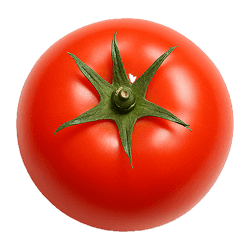
Solanum Lycopersicum, Lycopersicon Esculentum, E620, Love Apple
Tomato is a fruit derived from the Solanum lycopersicum plant, commonly included in pet food for its natural antioxidant content, particularly lycopene and vitamin C. Its primary benefit is supporting immune health and providing dietary fibre. In pet food, tomato is used in its natural form, ensuring the retention of its nutritional properties and bioactive compounds for optimal health benefits.
Tomato is included as a source of vitamins, antioxidants, and fibre, supporting the nutritional profile of the product for marketing appeal. It also serves as a label-friendly ingredient that resonates with health-conscious consumers.

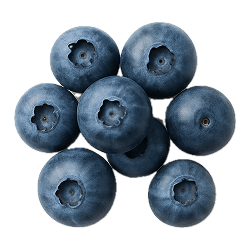
Vaccinium Corymbosum, Vaccinium Angustifolium, Bilberry, E163
Blueberry is a small, nutrient-rich fruit of plant origin, commonly sourced from the Vaccinium genus. It is included in pet food primarily for its antioxidant properties, supporting immune health and cellular protection. Blueberry is used in its natural, whole form, ensuring pets benefit from its full spectrum of vitamins, fibre, and phytonutrients as found in fresh fruit.
Blueberry is included as a label-friendly ingredient to appeal to health-conscious consumers, leveraging its reputation as a source of antioxidants. Its presence supports marketing claims of added nutritional benefits, though it is typically used in small quantities with minimal impact on the overall nutritional profile for pets.

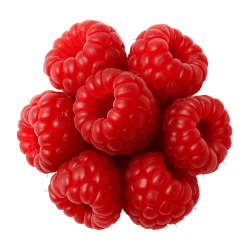
Rubus Idaeus, European Red Raspberry, Red Raspberry, Rubus Idaeus Fruit
Raspberry is a small, red fruit derived from the plant Rubus idaeus, belonging to the plant kingdom. It is primarily included in pet food for its natural antioxidant content, particularly vitamin C and polyphenols, which support immune health. Raspberry is used in its whole, natural form, providing dietary fibre and phytonutrients to optimise overall wellbeing in pets.
Raspberry is included as a label-friendly ingredient to appeal to health-conscious consumers, leveraging its association with antioxidants and natural nutrition. Its presence supports marketing claims of added fruits, though it is typically used in small quantities with minimal functional impact on the pet food itself.

Yucca Extract, Yucca schidigera, Yucca Spp., Cassava Extract
Yucca Schidigera Extract is a plant-derived ingredient sourced from the Yucca schidigera plant native to arid regions of North America. It is primarily included in pet food to help reduce stool odour by binding ammonia and other waste gases. Rather than using the whole plant, a concentrated extract is utilised to optimise its functional benefits and ensure consistent efficacy.
Yucca Schidigera Extract is included to reduce stool odour by binding ammonia and other waste gases, thereby improving the perceived cleanliness of the pet and its environment. It also serves as a label-friendly ingredient that appeals to consumers seeking natural additives.

About

.png)


Comments
0 comments
Login or Register to Join the Conversation