Your Dog's World, Personalised
Save your favourite products and locations, track prices, and unlock exclusive discounts — all in one place
or
Error
Verify Your Email
We've emailed a sign-in code. Enter it below to continue.
Share
Thank you! Your submission has been received!
Oops! Something went wrong while submitting the form.
Back to ExploreTrue Blue
Outback Aussie Game Dry Dog Food

Overview

True Blue Outback Aussie Game Dry Dog Food is an Australian-made dry kibble built around a mix of native and farmed Australian proteins: boar, kangaroo, beef and chicken. Formulated to meet AAFCO nutrient profiles for all life stages, with added DHA omega-3 and prebiotics for skin, coat and gut support. The grain-inclusive recipe is not appropriate for single-protein elimination diets and is not suitable for poultry-sensitive dogs.


Nutritional Analysis

Protein
30
%
0%
Fat
20
%
0%
Energy
380
0
 kcal/100g

Ingredients

Meat & Animal Derivatives (Boar, Kangaroo, Beef, Chicken), Whole Grain Cereals & Cereal Derivatives (Sorghum, Wheat, Bran), Vegetables (Peas, Beans), Prebiotics (Beet Pulp And Chicory Root), Sea Salt, Vitamins, Minerals, DHA Gold, Algimun®, Natural Antioxidants.

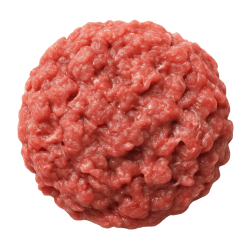
Ingredient images are illustrative only and may not represent the exact source or form used by manufacturers.
Fresh raw meat ball with a rich red colour and coarse, moist texture, perfect as a nutritious dog food ingredient
Meat
Meat
Animal Flesh, Muscle Tissue, Animal Protein, Skeletal Muscle
Summary
Meat refers to the edible muscle tissue derived from animals, commonly sourced from species such as chicken, beef, or lamb. It serves as a high-quality source of protein, essential amino acids, and vital nutrients like iron and B vitamins, supporting muscle maintenance and overall health. In pet food, meat is used in its natural form, ensuring optimal nutrient availability and palatability for pets.
Why it's used?
Meat is included as a primary protein source to support essential amino acid requirements and overall nutritional value in pet food. Its presence also enhances palatability, making the product more appealing to pets.
Too vague to identify
Animal Derivatives
Animal Derivatives
Animal By-Products, Animal-Based Ingredients, Animal-Origin Ingredients, Animal-Derived Substances
Summary
Animal derivatives are ingredients sourced from various parts of animals, including meat, organs, and by-products not typically consumed by humans. They provide essential proteins, fats, vitamins, and minerals, supporting overall health and energy in pets. Animal derivatives are not used in their raw, unprocessed state; instead, they are rendered or processed to ensure safety, digestibility, and optimal nutrient availability.
Why it's used?
Animal derivatives are included as a cost-effective protein source, utilising by-products from meat processing to maximise resource efficiency. They also contribute essential nutrients while helping manufacturers meet regulatory labelling requirements for pet food.
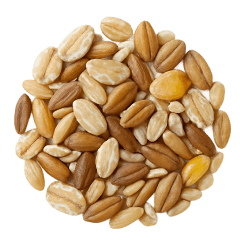
Mixed wholegrain cereals in brown and gold tones with varied oval shapes and textures, suitable for dog nutrition
Wholegrain Cereals
Wholegrain Cereals
Cereal Grains, Cereal Wholegrains, Whole Cereal Grains, Triticum Aestivum Spp.
Summary
Wholegrain cereals are plant-derived ingredients that include the entire grain kernel—bran, germ, and endosperm—commonly sourced from wheat, oats, or barley. They are primarily included in pet food for their dietary fibre, energy, and essential nutrients. Wholegrain cereals are used in their natural, unrefined form, ensuring the retention of their full nutritional profile for optimal health benefits.
Why it's used?
Wholegrain cereals are included as a cost-effective source of carbohydrates and dietary fibre, contributing to product bulk and energy content. They also appeal to consumers seeking recognisable, "wholesome" ingredients on the label.
Too vague to identify
Cereal Derivatives
Cereal Derivatives
Cereal Products, Cereal-Based Ingredients, Cereal Fractions, Cereal Spp.
Summary
Cereal derivatives are processed ingredients obtained from cereals such as wheat, rice, barley, or maize, and may include flours, starches, brans, or other fractions. They are not used in their raw form; instead, they are supplied as milled grains, cereal flours, or by-products from cereal processing. Cereal derivatives provide carbohydrates, dietary fibre, and some protein, contributing to the energy content and texture of dog food. When included at appropriate levels, they are generally safe, but excessive inclusion may reduce the overall protein quality or digestibility of the diet.
Why it's used?
Cereal derivatives are commonly included in Australian dog food formulations because they are an inexpensive source of bulk and energy, helping manufacturers reduce production costs, though they may offer limited nutritional value compared to higher-quality ingredients.
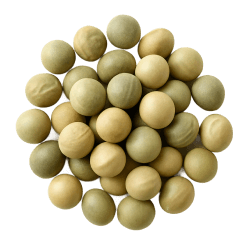
Round green and yellow peas with a smooth, shiny texture, piled together as a common dog food ingredient
Peas
Peas
Pisum Sativum, Garden Pea, Green Pea, Field Pea
Summary
Peas are a plant-derived ingredient sourced from the seeds of the Pisum sativum plant. They are primarily included in pet food for their high protein content, dietary fibre, and essential micronutrients, supporting digestive health and energy. Peas are used in their natural, whole form, ensuring the retention of their nutritional value and functional benefits within the finished product.
Why it's used?
Peas are included as a cost-effective source of protein, fibre, and carbohydrates, helping to optimise nutritional content while supporting product texture. They also serve as a label-friendly ingredient that appeals to consumers seeking grain-free or plant-based options.
Too vague to identify
Beans
Beans
Phaseolus Vulgaris, Haricot, Navy Bean, Common Bean
Summary
Beans are edible seeds from various leguminous plants, commonly sourced from species such as Phaseolus and Vigna. They are included in pet food primarily for their high protein content, dietary fibre, and essential micronutrients. Beans are used in their natural, whole form, providing a plant-based source of energy and supporting digestive health through their complex carbohydrates and prebiotic fibres.
Why it's used?
Beans are included as a cost-effective source of plant-based protein and dietary fibre, contributing to the nutritional profile of the product. They may also serve as a bulk-adding agent, helping to optimise texture and reduce reliance on more expensive animal proteins.
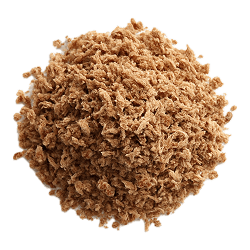
Light brown, shredded beet pulp with a dry, coarse texture, shown loose in a pile for dog food nutrition
Beet Pulp
Beet Pulp
Dried Sugar Beet Pulp, Sugar Beet Fibre, Beta Vulgaris Pulp, Sugar Beet Residue
Summary
Beet pulp is a fibrous by-product derived from sugar beet plants after sugar extraction. It serves as a valuable source of moderately fermentable fibre, supporting digestive health and stool quality in pets. Beet pulp is incorporated in its dried, processed form rather than as raw beet, ensuring optimal digestibility and nutrient availability for companion animals.
Why it's used?
Beet pulp is included as a cost-effective source of dietary fibre to promote digestive health and stool quality in pets. It also serves as a bulk-adding agent, helping to optimise product texture and satiety.
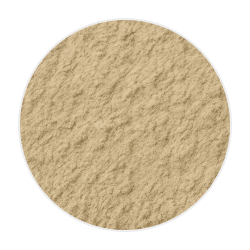
Fine beige chicory root powder with a soft, smooth texture, used as a natural supplement for dog food
Chicory Root
Chicory Root
Cichorium Intybus, Chicory, Cichorium Intybus Root, Cichorium Intybus L.
Summary
Chicory root is a plant-derived ingredient sourced from the root of the chicory plant (Cichorium intybus). It is primarily included in pet food for its high inulin content, a prebiotic fibre that supports digestive health and beneficial gut bacteria. Chicory root is used in its natural, dried, and ground form to optimise its functional benefits in pet nutrition.
Why it's used?
Chicory root is included as a source of inulin, a prebiotic fibre that supports digestive health and can improve stool quality. It also serves as a label-friendly ingredient that appeals to consumers seeking functional health benefits in pet food.
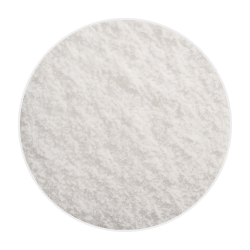
Fine white sea salt in a small circular pile, slightly grainy texture, displayed on a plain background
Sea Salt
Sea Salt
Solar Salt, Marine Salt, Sodium Chloride, Sal Marinum
Summary
Sea salt is a mineral ingredient derived from the evaporation of seawater. It is primarily included in pet food to provide essential electrolytes, such as sodium and chloride, which support hydration and nerve function. Sea salt is not used in its raw crystalline form but is refined and utilised as a food-grade compound to ensure safety, palatability, and optimal nutrient absorption.
Why it's used?
Sea salt is included as a palatability enhancer to improve flavour and encourage pet consumption. It may also function as a mineral source and assist in product preservation.
Too vague to identify
Vitamins
Vitamins
Micronutrients, Essential Micronutrients, Vital Nutrients, Accessory Food Factors
Summary
Vitamins are organic compounds derived from both plant and animal sources, essential for numerous metabolic and physiological functions in pets. Their primary purpose is to support immune health, vision, bone development, and cellular processes. In pet food, vitamins are not used in their natural, raw forms but are instead incorporated as stabilised compounds or premixes to ensure safety, stability, and optimal bioavailability.
Why it's used?
Vitamins are included to ensure nutritional adequacy and meet regulatory requirements for complete and balanced pet food. They may also be added to compensate for nutrient losses during processing and storage.
Too vague to identify
Minerals
Minerals
Dietary Minerals, Inorganic Nutrients, Essential Minerals, Bulk Elements
Summary
Minerals are essential inorganic nutrients derived from the earth, not produced by animals or plants. They play a critical role in supporting various physiological functions, such as bone development, nerve transmission, and enzyme activity. In pet food, minerals are not used in their natural raw or metallic state; instead, they are incorporated as specific compounds (such as sulphates or chelates) to optimise safety and bioavailability.

Why it's used?
Minerals are included to meet essential nutritional requirements for pets, supporting overall health and proper bodily functions. They are often added in precise amounts to ensure the product complies with regulatory standards and nutrient profiles.
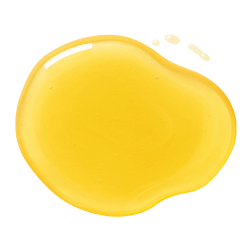
Golden yellow DHA Gold™ oil droplet with a smooth, glossy finish on white, used in dog health supplements
DHA Gold™
DHA Gold™
Schizochytrium Sp., Algal Oil (Schizochytrium Sp.), Docosahexaenoic Acid (Schizochytrium Sp.), Microalgal DHA (Schizochytrium Sp.)
Summary
DHA Gold™ is a plant-derived ingredient sourced from the microalgae Schizochytrium sp. It is primarily included in pet food as a rich source of docosahexaenoic acid (DHA), an omega-3 fatty acid essential for cognitive development and visual health. Rather than using whole algae, DHA Gold™ is utilised as a refined oil extract to optimise bioavailability and ensure consistent quality.
Why it's used?
DHA Gold™ is included as a concentrated source of docosahexaenoic acid (DHA), an omega-3 fatty acid, to support cognitive development and visual function in pets. Its use allows manufacturers to make label claims regarding brain and eye health, enhancing product appeal to health-conscious consumers.
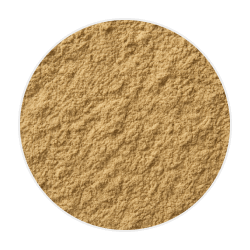
Fine, light brown Algimun® powder with a smooth, even texture, commonly used as a dog supplement ingredient
Algimun®
Algimun®
Yeast Cell Wall, Saccharomyces Cerevisiae, Algal Beta-Glucans, Ulva Lactuca
Summary
Algimun® is a proprietary blend derived from marine algae, specifically designed for use in pet nutrition. Sourced from natural seaweed (plant origin), it is included for its functional benefits in supporting immune health and digestive function. Algimun® is not used in its raw seaweed form but is processed into a standardised extract to optimise bioavailability and efficacy in pet food formulations.
Why it's used?
Algimun® is included as a functional additive to support immune health and digestive function in pets, leveraging its bioactive compounds derived from marine algae. Its presence allows manufacturers to market the product as scientifically advanced and supportive of overall pet wellbeing.
Too vague to identify
Natural Antioxidant
Natural Antioxidant
Tocopherol, Mixed Tocopherols, E306, Rosemary Extract
Summary
Natural antioxidant refers to a substance, typically derived from plant sources, that helps protect pet food from oxidative damage and spoilage. Its primary function is to preserve freshness and extend shelf life by inhibiting the oxidation of fats and oils. In pet food, natural antioxidants are used in their natural form, ensuring safety and effective absorption without the need for chemical modification.
Why it's used?
Natural antioxidants are included to help preserve the freshness and stability of pet food by slowing the oxidation of fats and oils, thereby extending shelf life. They also serve as a label-friendly alternative to synthetic preservatives, appealing to consumers seeking more natural ingredients.
About


Manufactured
Australia
Type
Kibble
Life Stage
All Life Stages
Breed Size
All Breeds
Feeding Type
Complete Meal
Processing Level
High

PRODUCT TAGS


Dairy Free
Soy Free

Oops! Something went wrong...PLEASE TRY AGAIN

Most Tracked This Week

About the Brand

True Blue

True Blue is Australian-made, Australian-owned pet food built for dogs that work hard and deserve to eat well. Find a stockist near you and see what genuine Aussie know-how looks like in a bowl.

Comments

0 comments

Login to Join the Conversation 💬

Be the first to leave a comment.
Loading
Anonymous User
This is the actual comment. It's can be long or short. And must contain only text information.
(Edited)
Your comment will appear once approved by a moderator.
4 years ago
0
0
Reply
Anonymous User
This is the actual comment. It's can be long or short. And must contain only text information.
(Edited)
Your comment will appear once approved by a moderator.
2 years ago
0
0
Thank you! Your submission has been received!
Oops! Something went wrong while submitting the form.