Your Dog's World, Personalised
Save your favourite products and locations, track prices, and unlock exclusive discounts — all in one place
or
Error
Verify Your Email
We've emailed a sign-in code. Enter it below to continue.
Share
Thank you! Your submission has been received!
Oops! Something went wrong while submitting the form.
Back to ExploreVitaPet
Chicken Chunky Casserole Wet Dog Food

Overview

VitaPet Wet Dog Food – Chicken is a grain-free, chunky casserole-style wet food for adult dogs, formulated with veterinarians and designed primarily as a kibble topper or mixed-feeding addition rather than a standalone diet. It leads with real chicken and includes vegetables for fibre. A convenient multipack format makes it practical for everyday mixed feeding.


Nutritional Analysis

Protein
8
%
0%
Fat
3
%
0%
Energy
106
0
 kcal/100g

Ingredients

Chicken (Meat and Liver), Chicken Broth, Egg, Modified Tapioca Starch, Carrot, Potato, Vegetable Oil, Pea Protein, Essential Vitamins & Minerals, Guar Gum, Salt, Choline Chloride, Fish Oil.

Ingredient images are illustrative only and may not represent the exact source or form used by manufacturers.

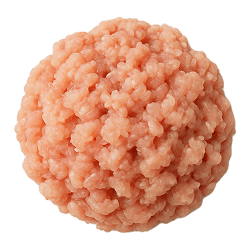
Fresh minced chicken meat shaped into a round ball, pale pink with a moist, slightly coarse texture on a plain background
Chicken Meat
Chicken Meat
Gallus Gallus Domesticus Meat, Poultry Meat, Broiler Meat, Fowl Meat
Summary
Chicken meat is a high-quality animal-derived ingredient sourced from the muscle tissue of chickens. It serves as a rich source of essential proteins and amino acids, supporting muscle development and overall health in pets. In pet food, chicken meat is used in its natural form, providing highly digestible nutrients and palatability, making it a favoured protein choice in premium formulations.
Why it's used?
Chicken meat is included as a high-quality, animal-based protein source to support muscle development and overall health in pets. Its presence also enhances palatability and serves as a label-friendly ingredient appealing to consumers seeking recognisable protein sources.
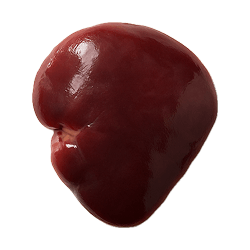
Fresh chicken liver with a smooth, glossy dark reddish-brown surface, ideal for healthy dog treats and nutrition
Chicken Liver
Chicken Liver
Poultry Liver, Gallus Gallus Domesticus Liver, Chicken Offal, Chicken Hepatic Tissue
Summary
Chicken liver is an animal-derived organ meat sourced from chickens. It is included in pet food primarily for its rich content of high-quality protein, essential amino acids, and vital micronutrients such as vitamin A, iron, and B vitamins. Chicken liver is used in its natural, whole food form, providing both palatability and nutritional density to support overall pet health.
Why it's used?
Chicken liver is included as a highly palatable and nutrient-dense protein source, providing essential vitamins and minerals to enhance the nutritional profile of the product. Its inclusion can also support marketing claims related to quality animal ingredients.
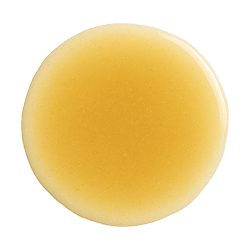
Golden, clear chicken broth with a smooth, glossy texture forming a round puddle on a white background
Chicken Broth
Chicken Broth
Chicken Stock, Gallus Gallus Domesticus Broth, Gallus Gallus Domesticus Stock, Poulet Broth
Summary
Chicken broth is a liquid derived from simmering chicken meat and bones, making it an animal-based ingredient. It is primarily included in pet food to enhance palatability and provide moisture, supporting hydration. Chicken broth is used in its natural, cooked liquid form, not as a dehydrated or powdered extract, ensuring both flavour and nutrient retention in the final product.
Why it's used?
Chicken broth is included to enhance palatability and aroma, making the product more appealing to pets. It also serves as a label-friendly ingredient that signals quality and wholesomeness to consumers.
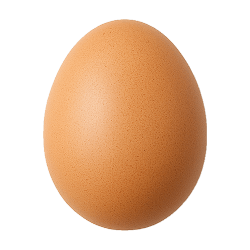
Whole brown egg with smooth shell and natural texture, oval-shaped, a nutritious egg ingredient for dogs
Egg
Egg
Hen Egg, Chicken Egg, Gallus Gallus Domesticus Egg, Avian Egg
Summary
Egg is an animal-derived ingredient sourced from poultry, commonly used in pet food for its high-quality protein and essential amino acids. It provides vital nutrients that support muscle development and overall health. In pet food, egg is typically included in its natural, whole form—either as dried or fresh egg—ensuring optimal digestibility and nutrient availability for pets.
Why it's used?
Egg is included as a high-quality, bioavailable protein source to support muscle development and overall nutrition. It also enhances the product’s nutritional profile, appealing to consumers seeking premium or natural pet food options.
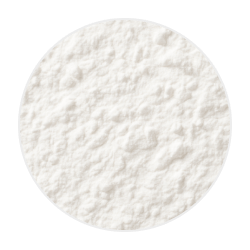
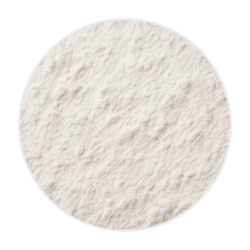
Fine white powdery tapioca starch with a soft, fluffy texture, commonly used as a dog food ingredient
Tapioca Starch
Tapioca Starch
Cassava Starch, Manioc Starch, Yucca Starch, Manihot Esculenta Starch
Summary
Tapioca starch is a carbohydrate extracted from the root of the cassava plant, a tropical tuber native to South America. Primarily, it serves as a highly digestible energy source and a natural thickening agent in pet food. Tapioca starch is used in its natural, processed form, not as a whole food, to optimise texture and palatability while supporting digestive health.
Why it's used?
Tapioca starch is included as a cost-effective carbohydrate source that provides bulk and texture to pet food formulations. It also serves as a binding agent, helping to improve kibble structure and stability.
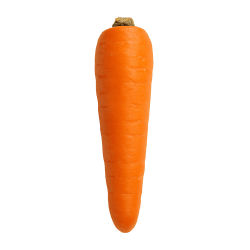
Fresh whole carrot with bright orange skin and smooth, firm texture standing upright on a plain background
Carrot
Carrot
Daucus Carota, Daucus Carota Root, Daucus Carota Sativa, Wild Carrot
Summary
Carrot is a root vegetable of plant origin, widely recognised for its vibrant orange colour and natural sweetness. In pet food, carrot is included in its natural, whole form to provide dietary fibre, beta-carotene (a precursor to vitamin A), and antioxidants. Its primary benefit is supporting digestive health and immune function, while also contributing to overall palatability and nutritional diversity.
Why it's used?
Carrot is included as a label-friendly ingredient to appeal to consumers seeking recognisable, natural components and to enhance the product’s perceived nutritional value. It may also provide a modest source of fibre and vitamins, supporting marketing claims of added health benefits.
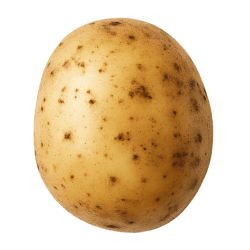
Whole potato with light brown skin, dark spots and rough texture, commonly used as a dog food ingredient
Potato
Potato
Solanum Tuberosum, Irish Potato, White Potato, Eirinn Potato
Summary
Potato is a starchy tuber derived from the plant Solanum tuberosum, commonly cultivated for both human and animal consumption. In pet food, potato serves primarily as a source of digestible carbohydrates and dietary fibre, supporting energy needs and digestive health. Potato is included in its natural, whole food form, providing a hypoallergenic alternative to common grains in premium pet diets.
Why it's used?
Potato is included as a cost-effective carbohydrate source that provides energy and bulk to pet food formulations. It also serves as a grain-free alternative to traditional fillers, appealing to consumers seeking grain-free options.
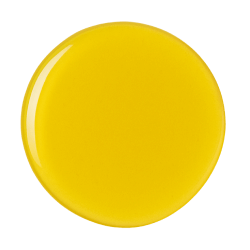
Bright yellow vegetable oil in a smooth, glossy puddle on a plain background, highlighting its liquid texture
Vegetable Oil
Vegetable Oil
Edible Vegetable Oil, Edible Plant Oil, Plant Oil, Oleum Vegetabile
Summary
Vegetable oil is a plant-derived fat extracted from various seeds or fruits, such as sunflower, canola, or soybean. It serves primarily as an energy source and supports the absorption of fat-soluble vitamins in pet food. Vegetable oil is used in its refined, edible form rather than as raw plant material, ensuring safety, palatability, and optimal nutrient availability for pets.
Why it's used?
Vegetable oil is included as a cost-effective source of dietary fat and energy, supporting palatability and contributing to the texture of the final product. It may also be used to deliver essential fatty acids and improve the appearance of the kibble.
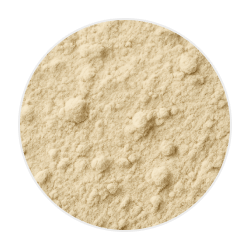
Light beige pea protein powder with a fine, slightly clumpy texture, commonly used in dog food and supplements
Pea Protein
Pea Protein
Pisum Sativum Protein, Pea Isolate, Pea Protein Isolate, Pisum Sativum Isolate
Summary
Pea protein is a plant-derived ingredient extracted from yellow peas (Pisum sativum). It serves as a concentrated source of protein, supporting muscle maintenance and overall health in pets. Rather than using whole peas, pea protein is utilised in its isolated form to maximise protein content and digestibility. This functional ingredient is valued for its hypoallergenic properties and amino acid profile.
Why it's used?
Pea protein is included as a cost-effective, plant-based protein source to boost overall protein content and support product labelling claims. It also serves as a functional ingredient to improve kibble texture and binding.
Too vague to identify
Vitamins
Vitamins
Micronutrients, Essential Micronutrients, Vital Nutrients, Accessory Food Factors
Summary
Vitamins are organic compounds derived from both plant and animal sources, essential for numerous metabolic and physiological functions in pets. Their primary purpose is to support immune health, vision, bone development, and cellular processes. In pet food, vitamins are not used in their natural, raw forms but are instead incorporated as stabilised compounds or premixes to ensure safety, stability, and optimal bioavailability.
Why it's used?
Vitamins are included to ensure nutritional adequacy and meet regulatory requirements for complete and balanced pet food. They may also be added to compensate for nutrient losses during processing and storage.
Too vague to identify
Minerals
Minerals
Dietary Minerals, Inorganic Nutrients, Essential Minerals, Bulk Elements
Summary
Minerals are essential inorganic nutrients derived from the earth, not produced by animals or plants. They play a critical role in supporting various physiological functions, such as bone development, nerve transmission, and enzyme activity. In pet food, minerals are not used in their natural raw or metallic state; instead, they are incorporated as specific compounds (such as sulphates or chelates) to optimise safety and bioavailability.
Why it's used?
Minerals are included to meet essential nutritional requirements for pets, supporting overall health and proper bodily functions. They are often added in precise amounts to ensure the product complies with regulatory standards and nutrient profiles.
Fine off-white guar gum powder with a soft, slightly textured surface, commonly used as a thickener in dog food
Guar Gum
Guar Gum
Cyamopsis Tetragonoloba Gum, E412, Guaran, Guar Flour
Summary
Guar gum is a natural polysaccharide derived from the seeds of the guar plant (Cyamopsis tetragonoloba), a legume native to India and Pakistan. It is primarily used as a thickening and stabilising agent in pet food, helping to improve texture and moisture retention. Guar gum is utilised in its processed powder form, not as whole seeds, to ensure optimal functionality and digestibility.
Why it's used?
Guar gum is included as a cost-effective thickening and stabilising agent to improve the texture and consistency of pet food products. It also helps maintain product uniformity during storage and extends shelf life.
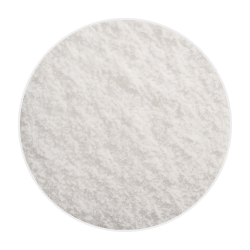
Fine white salt granules in a circular pile on a plain background, showing a powdery, smooth texture
Salt
Salt
Sodium Chloride, NaCl, Table Salt, E535
Summary
Salt is a mineral ingredient derived from the combination of sodium and chloride, typically sourced from natural deposits or seawater. It is primarily included in pet food to support electrolyte balance, nerve function, and hydration. Salt is not used in its raw mineral form but is utilised as sodium chloride, a purified compound, to ensure safety, palatability, and optimal absorption in pets.
Why it's used?
Salt is included as a palatability enhancer to improve taste and encourage consumption, and also functions as a preservative to help extend product shelf life. Its use allows manufacturers to optimise flavour while maintaining product stability.
Fine, off-white choline chloride powder with a slightly grainy texture, commonly used in dog supplements
Choline Chloride
Choline Chloride
Trimethylethanolamine Chloride, Choline Monochloride, E1001, 2-Hydroxy-N,N,N-Trimethylethanaminium Chloride
Summary
Choline chloride is a synthetic compound derived from choline, an essential nutrient typically sourced from plant or animal origins. It is primarily included in pet food to support healthy brain function, liver metabolism, and cellular structure. Choline is not used in its natural state; instead, it is utilised as choline chloride to ensure stability, safety, and optimal absorption in pet diets.
Why it's used?
Choline chloride is included as an essential nutrient to support normal liver function and brain health in pets. It is a cost-effective way to meet regulatory requirements for choline content in complete and balanced pet foods.
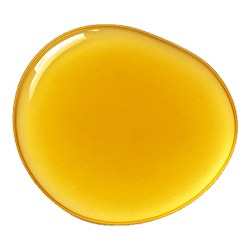
Golden yellow fish oil droplet with a glossy, smooth texture on a white background, highlighting its purity and quality
Fish Oil
Fish Oil
Fish Liver Oil, Oleum Piscis, Oleum Jecoris, Oleum Piscarium
Summary
Fish oil is a nutrient-rich oil derived from the tissues of oily fish, making it an animal-based ingredient. It is primarily included in pet food for its high content of omega-3 fatty acids, which support skin, coat, and joint health. Fish oil is utilised in a purified, liquid form rather than as whole fish, ensuring optimal absorption and safety for pets.
Why it's used?
Fish oil is included as a source of omega-3 fatty acids to support skin, coat, and joint health, enhancing the nutritional profile of the product. Its presence also serves as a marketing point, appealing to consumers seeking functional health benefits for their pets.

About


Brand
VitaPet
Company
Manufactured
Thailand
Type
Pouch
Life Stage
Adult, Senior
Breed Size
All Breeds
Feeding Type
Complete Meal
Processing Level
High

PRODUCT TAGS


Grain Free
Gluten Free
Dairy Free
Soy Free

Oops! Something went wrong...PLEASE TRY AGAIN

Most Tracked This Week

About the Brand

VitaPet

Vitapet provides a comprehensive range of everyday pet care products including nutritious dry food and a popular selection of real meat treats. Explore their range of life stage specific meals and reward based snacks to find the right balance for your dog’s daily routine.


Comments

0 comments

Login to Join the Conversation 💬

Be the first to leave a comment.
Loading
Anonymous User
This is the actual comment. It's can be long or short. And must contain only text information.
(Edited)
Your comment will appear once approved by a moderator.
4 years ago
0
0
Reply
Anonymous User
This is the actual comment. It's can be long or short. And must contain only text information.
(Edited)
Your comment will appear once approved by a moderator.
2 years ago
0
0
Thank you! Your submission has been received!
Oops! Something went wrong while submitting the form.