






Chicken with Orchard Fruits Steam Dried Dog Food

Overview
Ziwi Peak Steam Dried Chicken with Orchard Fruits Recipe for Dogs is a premium dry diet featuring ethically sourced chicken from New Zealand.

This formula uses a two stage process involving micro steaming and gentle air drying to preserve nutritional value for dogs of all life stages. The recipe incorporates orchard fruits and chicory root to provide natural sources of fibre and prebiotics for digestive support. It also includes functional additions such as green mussels and fish oil to promote joint health and overall wellbeing without the use of artificial fillers. This food is presented as crunchy pillow shaped bites that can be used as a complete meal or a nutritious topper for other diets.
Ziwi Peak Steam Dried Chicken with Orchard Fruits Recipe for Dogs is available in various pack sizes and occupies a premium position in the Australian market.
Nutritional Analysis
Ingredients
Chicken, Chicken Liver, Chicken Necks, Dried Egg White, Chicken Bone, Dried Green Peas, Dried Green Lentils, Dried Quinoa, Chicken Fat, Chicken Cartilage, Dried Apple Pomace, Natural Flavour, Apple, Pear, Kiwifruit, Blueberries, Persimmons, Fish Oil, Chicken Heart, Minerals (Dipotassium Phosphate, Magnesium Sulphate, Zinc Amino Acid Complex, Iron Amino Acid Complex, Copper Amino Acid Complex, Selenium Yeast, Manganese Amino Acid Complex), Dried Chicory Root, Choline Chloride, Preservative (Citric Acid, Mixed Tocopherols), Dried Kelp, Salt, Vitamins (Vitamin E Supplement, Thiamine Mononitrate, Calcium Pantothenate, Riboflavin, Pyridoxine Hydrochloride, Vitamin B12 Supplement, Vitamin D3 Supplement), Rosemary Extract.

Gallus Gallus Domesticus, Poultry Meat, Domestic Fowl, Broiler Meat
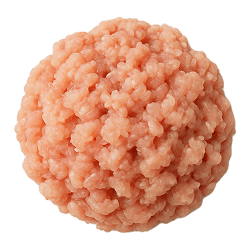
Chicken is a high-quality animal protein sourced from poultry, commonly used in pet foods for its rich amino acid profile and palatability. It provides essential nutrients to support muscle maintenance and overall health. In premium pet foods, chicken is typically included in its natural, whole form, ensuring optimal nutrient availability and digestibility for pets.
Chicken is included as a primary animal protein source to meet nutritional requirements and enhance palatability for pets. Its recognisable presence on the label also appeals to consumers seeking high-quality, meat-based ingredients.

Poultry Liver, Gallus Gallus Domesticus Liver, Chicken Offal, Chicken Hepatic Tissue
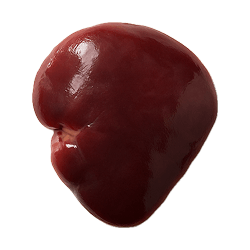
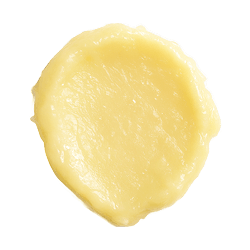
Chicken liver is an animal-derived organ meat sourced from chickens. It is included in pet food primarily for its rich content of high-quality protein, essential amino acids, and vital micronutrients such as vitamin A, iron, and B vitamins. Chicken liver is used in its natural, whole food form, providing both palatability and nutritional density to support overall pet health.
Chicken liver is included as a highly palatable and nutrient-dense protein source, providing essential vitamins and minerals to enhance the nutritional profile of the product. Its inclusion can also support marketing claims related to quality animal ingredients.

Poultry Neck, Gallus Gallus Domesticus Neck, Broiler Neck, Hen Neck
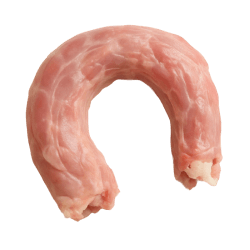
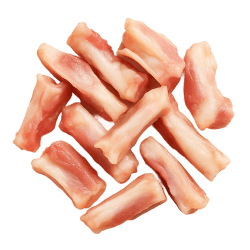
Chicken neck is an animal-derived ingredient sourced from the necks of chickens. It is primarily included in pet food for its high-quality protein, natural calcium, and phosphorus content, supporting muscle development and bone health. Chicken neck is used in its natural, whole form, providing both nutritional value and a natural source of chewing enrichment for pets.
Chicken neck is included as a cost-effective animal protein and calcium source, contributing essential nutrients while utilising by-products from poultry processing. Its inclusion can also enhance palatability and appeal to consumers seeking recognisable, whole-food ingredients.

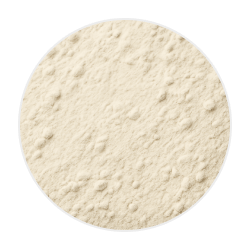
Egg Albumen Powder, Egg White Powder, Albumen Powder, E1105
Dried egg white is a high-quality animal-derived ingredient produced by dehydrating the albumen of hen eggs. It serves as an excellent source of highly digestible protein, supporting muscle maintenance and overall health in pets. Dried egg white is used in its natural form, simply processed to remove moisture, ensuring optimal shelf stability and nutrient retention without altering its fundamental composition.
Dried egg white is included as a highly digestible, animal-based protein source that supports muscle maintenance and overall nutrition. Its use also allows for precise protein content control and contributes to product texture without significantly impacting flavour.

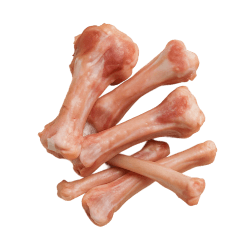
Gallus Gallus Domesticus Bone, Chicken Skeletal Tissue, Poultry Bone, Gallus Bone
Chicken bone is an animal-derived ingredient sourced from poultry, typically used in pet food for its rich supply of calcium and phosphorus, which support healthy bones and teeth. It is included in a ground or finely milled form to ensure safety and digestibility. Chicken bone is not used whole but is processed to optimise nutrient availability and minimise the risk of splintering.
Chicken bone is included as a natural source of minerals such as calcium and phosphorus, supporting nutritional balance in pet food formulations. It may also be used to enhance product texture and provide a label-friendly, whole-prey appeal for marketing purposes.

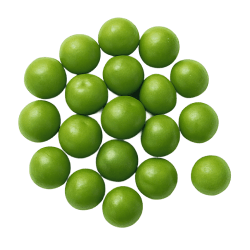
Garden Peas, Pisum Sativum, English Peas, Common Peas
Green peas are a plant-derived ingredient sourced from the seeds of Pisum sativum. They are primarily included in pet food for their high-quality plant protein, dietary fibre, and essential micronutrients, supporting digestive health and energy. Green peas are used in their natural, whole form, ensuring pets benefit from their complete nutritional profile without synthetic alteration.
Green peas are included as a cost-effective carbohydrate and protein source that also adds bulk to the product. They are often used to support "grain-free" marketing claims and enhance label appeal for consumers.

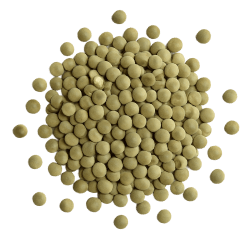
Lens Culinaris, Brown Lentils, Whole Lentils, Lentille Verte
Green lentils are edible seeds derived from the legume plant Lens culinaris, making them a plant-based ingredient. They are primarily included in pet food for their high protein content, dietary fibre, and complex carbohydrates, supporting digestive health and sustained energy. Green lentils are used in their natural, whole form, ensuring pets benefit from their full nutritional profile without chemical alteration.
Green lentils are included as a cost-effective plant-based protein and carbohydrate source, helping to meet nutritional requirements while supporting product affordability. They also contribute fibre and are considered a label-friendly ingredient appealing to health-conscious consumers.

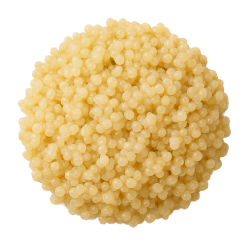
Chenopodium Quinoa, Keen-Wah, Goosefoot, Chenopodiaceae Quinoa
Quinoa is a plant-derived seed originating from the Andean region, valued for its high protein content and balanced amino acid profile. In pet food, quinoa serves as a nutrient-dense carbohydrate source, providing dietary fibre, vitamins, and minerals. It is incorporated in its natural, whole form, ensuring optimal nutrient retention and digestibility for pets.
Quinoa is included as a premium, label-friendly ingredient to appeal to health-conscious consumers seeking alternative grains. It also serves as a digestible carbohydrate source, contributing protein and fibre to the formulation.

Poultry Fat, Gallus Gallus Domesticus Fat, Rendered Chicken Fat, Chicken Oil
Chicken fat is an animal-derived ingredient obtained from rendering chicken tissue. It serves primarily as a concentrated source of energy and essential fatty acids, supporting skin and coat health in pets. Chicken fat is used in its natural rendered form, not as a raw or unprocessed fat, ensuring palatability and digestibility while providing a stable, high-quality lipid source in pet food formulations.
Chicken fat is included as a highly digestible source of animal fat, providing essential fatty acids and enhancing the palatability of the product. It also contributes to the energy content of the food in a cost-effective manner.

Gallus Gallus Cartilage, Chicken Sternum Cartilage, Avian Cartilage, Gallus Cartilage
Chicken cartilage is a connective tissue derived from the joints and bones of chickens (animal origin). It is primarily included in pet food as a natural source of glucosamine and chondroitin, which support joint health and mobility. Chicken cartilage is used in its natural form, providing bioavailable nutrients that help maintain healthy cartilage and connective tissue in pets.
Chicken cartilage is included as a natural source of glucosamine and chondroitin, which are marketed for joint health benefits. Its presence also allows manufacturers to highlight the use of whole-animal ingredients, appealing to consumers seeking minimally processed or "natural" pet foods.

Natural Flavouring, Flavouring Substance, Flavouring Preparation, Flavouring Complex
Natural flavour is a food additive derived from animal or plant sources, designed to enhance the palatability of pet food. Its primary purpose is to improve taste and encourage consistent consumption. Rather than being used in its original raw form, natural flavour is typically processed and concentrated to ensure safety, stability, and uniformity in pet food formulations, while maintaining its natural origin.
Natural flavour is included to enhance palatability, encouraging pets to consume the product. It also allows manufacturers to improve taste without specifying individual flavouring agents, supporting flexible formulation and label-friendly marketing.

Malus Domestica, Pyrus Malus, Malus Pumila, E Malus
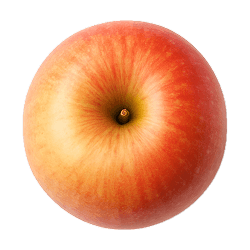
Apple is a fruit derived from the Malus domestica tree, classified as a plant-based ingredient. It is primarily included in pet food for its dietary fibre, natural antioxidants, and vitamins, supporting digestive health and immune function. Apple is used in its natural, whole form, ensuring pets benefit from its inherent nutrients without synthetic alteration or processing into extracts or concentrates.
Apple is included as a label-friendly ingredient to appeal to consumers seeking recognisable, natural components in pet food. It may also provide a modest source of fibre and natural sweetness to enhance palatability.

Pyrus Communis, European Pear, Bartlett Pear, Williams Pear
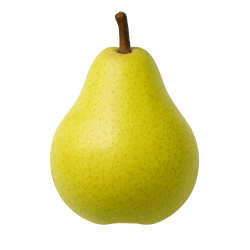
Pear is a plant-derived fruit included in pet food for its natural source of dietary fibre, vitamins, and antioxidants, supporting digestive health and overall wellbeing. It is primarily valued for its gentle fibre content, which aids healthy digestion. Pear is used in its natural form, ensuring pets benefit from its whole-food nutrients without synthetic alteration or processing into extracts or concentrates.
Pear is included as a label-friendly ingredient to appeal to consumers seeking natural and recognisable components in pet food. It may also provide a modest source of fibre and natural sugars to support palatability.

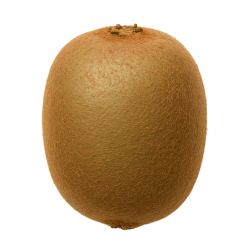
Chinese Gooseberry, Actinidia Deliciosa, Yang Tao, Mihou Tao
Kiwifruit is a nutrient-rich fruit derived from the Actinidia deliciosa plant, commonly grown in New Zealand and Australia. It is included in pet food primarily for its high vitamin C content, dietary fibre, and antioxidant properties, supporting immune health and digestion. Kiwifruit is used in its natural, whole form, ensuring pets benefit from its complete nutritional profile.
Kiwifruit is included as a label-friendly ingredient to appeal to health-conscious consumers, leveraging its association with antioxidants and vitamins. Its addition may also provide a minor source of dietary fibre and micronutrients, though its functional impact on pet nutrition is typically limited at the inclusion levels used.

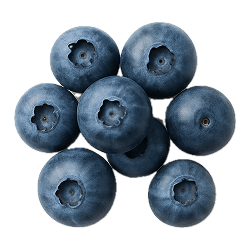
Vaccinium Corymbosum, Vaccinium Angustifolium, Bilberry, E163
Blueberry is a small, nutrient-rich fruit of plant origin, commonly sourced from the Vaccinium genus. It is included in pet food primarily for its antioxidant properties, supporting immune health and cellular protection. Blueberry is used in its natural, whole form, ensuring pets benefit from its full spectrum of vitamins, fibre, and phytonutrients as found in fresh fruit.
Blueberry is included as a label-friendly ingredient to appeal to health-conscious consumers, leveraging its reputation as a source of antioxidants. Its presence supports marketing claims of added nutritional benefits, though it is typically used in small quantities with minimal impact on the overall nutritional profile for pets.

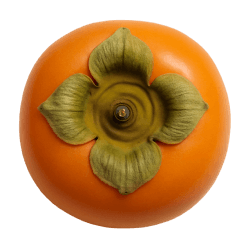
Diospyros Kaki, Kaki Fruit, Japanese Persimmon, Diospyros Spp.
Persimmon is a fruit derived from the Diospyros genus, classified as a plant-based ingredient. It is included in pet food primarily for its natural source of dietary fibre, vitamins, and antioxidants, supporting digestive health and immune function. Persimmon is used in its natural, whole food form, ensuring pets benefit from its inherent nutrients without synthetic alteration.
Persimmon is included as a label-friendly fruit ingredient to appeal to health-conscious consumers and enhance product marketing. It may also provide a natural source of fibre and antioxidants, supporting the product’s nutritional profile.

Fish Liver Oil, Oleum Piscis, Oleum Jecoris, Oleum Piscarium
Fish oil is a nutrient-rich oil derived from the tissues of oily fish, making it an animal-based ingredient. It is primarily included in pet food for its high content of omega-3 fatty acids, which support skin, coat, and joint health. Fish oil is utilised in a purified, liquid form rather than as whole fish, ensuring optimal absorption and safety for pets.
Fish oil is included as a source of omega-3 fatty acids to support skin, coat, and joint health, enhancing the nutritional profile of the product. Its presence also serves as a marketing point, appealing to consumers seeking functional health benefits for their pets.

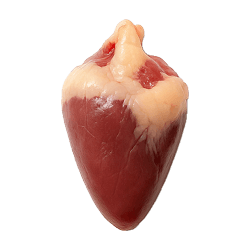
Gallus Gallus Domesticus Heart, Poultry Heart, Chicken Offal Heart, Gallus Heart
Chicken heart is an animal-derived ingredient sourced from the heart muscle of chickens. It is primarily included in pet food for its rich protein content and as a natural source of essential vitamins and minerals, such as iron and B vitamins. Chicken heart is used in its natural, whole-food form, providing highly bioavailable nutrients to support overall health and vitality in pets.
Chicken heart is included as a nutrient-dense organ meat to provide high-quality protein, essential amino acids, and micronutrients, supporting the nutritional profile of the product. Its inclusion also appeals to consumers seeking species-appropriate, whole-prey ingredients in pet food formulations.

Dipotassium Hydrogen Phosphate, Potassium Phosphate Dibasic, E340(ii), DKP
Dipotassium phosphate is a mineral-based ingredient derived from the combination of potassium and phosphate, typically sourced as a white, water-soluble salt. It is primarily included in pet food as a source of essential phosphorus and potassium, supporting energy metabolism and cellular function. Rather than its raw mineral forms, dipotassium phosphate is utilised as a purified compound to ensure safety, stability, and optimal nutrient absorption.
Dipotassium phosphate is included as a functional mineral salt to regulate pH and improve the stability of the product, helping to maintain texture and extend shelf life. It may also serve as a source of potassium and phosphorus, supporting nutritional labelling requirements.

Epsom Salt, Magnesium Sulfate Heptahydrate, E518, Bitter Salt
Magnesium sulphate is an inorganic compound derived from the mineral epsomite, providing a source of magnesium, an essential mineral for nerve, muscle, and metabolic functions in pets. It is primarily included to support electrolyte balance and overall physiological health. Magnesium sulphate is not used in its natural mineral form but is instead utilised as a purified compound to ensure safety and optimal absorption.
Magnesium sulphate is included as a source of the essential mineral magnesium, supporting nutritional adequacy in pet food formulations. It may also serve as a processing aid to optimise ingredient blending and product consistency.

Zinc Amino Acid Chelate, Zinc Amino Acid Ligand, Zinc Amino Acid Bound, Zinc Amino Acid Coordination Complex
Zinc Amino Acid Complex is a chelated mineral ingredient derived from the binding of zinc, an essential trace element, with amino acids. This form is not used in its natural metallic state but is instead utilised as a compound to enhance bioavailability and absorption. Its primary purpose is to support immune function, skin health, and overall metabolic processes in pets.
Zinc Amino Acid Complex is included to provide a bioavailable source of zinc, supporting essential metabolic and immune functions in pets. Its chelated form optimises nutrient absorption and allows for precise labelling of added minerals.

Iron Chelated Amino Acids, Amino Acid Chelated Iron, Iron Amino Acid Chelate, Iron Proteinates
Iron Amino Acid Complex is a mineral ingredient derived from iron bound to amino acids, enhancing its bioavailability for pets. Its primary purpose is to support healthy red blood cell formation and oxygen transport. Unlike raw or metallic iron, it is not used in its natural state but is instead utilised as a chelated compound to optimise safety and absorption in pet diets.
Iron Amino Acid Complex is included as a bioavailable source of iron to support essential physiological functions in pets, such as oxygen transport and energy metabolism. Its chelated form may also enhance nutrient absorption and allow for more precise labelling of mineral content.

Copper Amino Acid Chelate, Copper Amino Acid Ligand, Copper Amino Acid Bound, Copper Amino Acid Complexes
Copper Amino Acid Complex is a chelated mineral ingredient derived from copper bound to amino acids, typically of synthetic origin. It is included in pet food to provide an essential trace mineral that supports enzyme function, immune health, and red blood cell formation. Copper is not used in its raw metallic state; instead, it is utilised as a complex for improved safety and bioavailability.
Copper amino acid complex is included as a bioavailable source of the essential trace mineral copper, supporting metabolic and enzymatic functions in pets. Its chelated form optimises nutrient absorption and allows for precise formulation to meet nutritional requirements.

Saccharomyces Cerevisiae Enriched With Selenium, Selenium-Enriched Yeast, Selenised Yeast, Selenium-Fortified Yeast
Selenium yeast is a bioavailable form of the essential trace mineral selenium, derived from Saccharomyces cerevisiae yeast cultured in selenium-rich media. It is included in pet food to support antioxidant defences, immune function, and overall cellular health. Selenium is not used in its natural metallic state; instead, it is utilised as an organic compound within yeast to optimise safety and absorption.
Selenium yeast is included as a bioavailable source of the essential trace mineral selenium, supporting nutritional adequacy and compliance with regulatory labelling requirements. Its organic form is often preferred for its stability and enhanced absorption compared to inorganic selenium sources.

Manganese Amino Acid Chelate, Manganese Proteinate, Manganese Glycinate, Manganese Bisglycinate Chelate
Manganese Amino Acid Complex is a chelated mineral ingredient derived from the combination of manganese, an essential trace element, with amino acids. It is included in pet food to support bone development, enzyme function, and antioxidant defence. Unlike raw metallic manganese, this form is utilised as a complex to enhance safety, bioavailability, and absorption in the animal’s body.
Manganese amino acid complex is included as a bioavailable source of the essential trace mineral manganese, supporting metabolic and skeletal health in pets. Its chelated form optimises nutrient absorption and allows for precise labelling of added minerals.

Cichorium Intybus, Chicory, Cichorium Intybus Root, Cichorium Intybus L.
Chicory root is a plant-derived ingredient sourced from the root of the chicory plant (Cichorium intybus). It is primarily included in pet food for its high inulin content, a prebiotic fibre that supports digestive health and beneficial gut bacteria. Chicory root is used in its natural, dried, and ground form to optimise its functional benefits in pet nutrition.
Chicory root is included as a source of inulin, a prebiotic fibre that supports digestive health and can improve stool quality. It also serves as a label-friendly ingredient that appeals to consumers seeking functional health benefits in pet food.

Trimethylethanolamine Chloride, Choline Monochloride, E1001, 2-Hydroxy-N,N,N-Trimethylethanaminium Chloride
Choline chloride is a synthetic compound derived from choline, an essential nutrient typically sourced from plant or animal origins. It is primarily included in pet food to support healthy brain function, liver metabolism, and cellular structure. Choline is not used in its natural state; instead, it is utilised as choline chloride to ensure stability, safety, and optimal absorption in pet diets.
Choline chloride is included as an essential nutrient to support normal liver function and brain health in pets. It is a cost-effective way to meet regulatory requirements for choline content in complete and balanced pet foods.

2-Hydroxypropane-1,2,3-Tricarboxylic Acid, E330, 3-Carboxy-3-Hydroxypentanedioic Acid, Monohydrate Citric Acid
Citric acid is an organic compound derived primarily from citrus fruits, though it is commonly produced via fermentation for commercial use. Its main purpose in pet food is as a natural preservative and acidity regulator, helping to maintain freshness and inhibit spoilage. Citric acid is not used in its raw, crystalline form but is incorporated as a purified, food-grade compound to ensure safety and efficacy.
Citric acid is included as a preservative to enhance product stability and extend shelf life by inhibiting microbial growth. It may also be used to adjust acidity, optimising flavour and maintaining the quality of the final product.

Tocopherols, E306, Natural Tocopherols Concentrate, D-Alpha Tocopherol Concentrate
Mixed tocopherols are a blend of compounds derived from plant oils, primarily functioning as a source of vitamin E. Their main purpose in pet food is to act as natural antioxidants, helping to preserve the freshness of fats and oils. Rather than being used in their isolated, pure form, mixed tocopherols are incorporated as stabilised extracts to optimise safety, efficacy, and nutrient retention.
Mixed tocopherols are included as a natural preservative to extend shelf life by slowing the oxidation of fats and oils in pet food. They are often used as a label-friendly alternative to synthetic preservatives to appeal to consumer preferences for natural ingredients.

Laminaria Spp., Macrocystis Pyrifera, Ascophyllum Nodosum, Brown Seaweed
Kelp is a type of large, edible seaweed sourced from marine environments and classified as a plant-based ingredient. It is primarily included in pet food for its rich supply of natural iodine, which supports healthy thyroid function. Kelp is used in its dried, ground natural form, allowing pets to benefit from its trace minerals, vitamins, and antioxidants in a bioavailable manner.
Kelp is included as a label-friendly ingredient to appeal to health-conscious consumers and enhance product marketing, as it is associated with natural sources of vitamins and minerals. It may also serve as a trace mineral supplement to support nutritional completeness in pet food formulations.

Sodium Chloride, NaCl, Table Salt, E535
Salt is a mineral ingredient derived from the combination of sodium and chloride, typically sourced from natural deposits or seawater. It is primarily included in pet food to support electrolyte balance, nerve function, and hydration. Salt is not used in its raw mineral form but is utilised as sodium chloride, a purified compound, to ensure safety, palatability, and optimal absorption in pets.
Salt is included as a palatability enhancer to improve taste and encourage consumption, and also functions as a preservative to help extend product shelf life. Its use allows manufacturers to optimise flavour while maintaining product stability.

Tocopherol, Alpha-Tocopherol, E307, D-Alpha-Tocopherol
Vitamin E is a fat-soluble vitamin derived from plant sources such as vegetable oils, nuts, and seeds. It functions primarily as an antioxidant, helping to protect cell membranes from oxidative damage and supporting immune health. In pet food, Vitamin E is not used in its natural raw form but is typically utilised as a stabilised compound, such as tocopherol acetate, to optimise safety and absorption.
Vitamin E is included as a natural antioxidant to help preserve the freshness and stability of fats and oils in the product, thereby extending shelf life. It also serves as a label-friendly nutrient that appeals to consumers seeking added health benefits for their pets.

Vitamin B1 Mononitrate, Nitrate Salt of Thiamine, E101a, Thiamin Mononitrate
Thiamine mononitrate is a synthetic, water-soluble form of vitamin B1, derived from chemical synthesis rather than natural sources. It is added to pet food to support energy metabolism and proper nervous system function. Thiamine is not used in its natural state; instead, the mononitrate compound is utilised for stability, safety, and optimal absorption in formulated diets.
Thiamine mononitrate is included as a stable, cost-effective source of vitamin B1 to meet nutritional requirements and ensure product labelling compliance. Its synthetic form maintains potency during processing and storage, supporting both product stability and regulatory standards.

D-Calcium Pantothenate, E315, Pantothenic Acid Calcium Salt, Calcium D-Pantothenate
Calcium pantothenate is a synthetic compound derived from pantothenic acid, a water-soluble B vitamin (vitamin B5) of plant or animal origin. It is primarily included in pet food to support energy metabolism and maintain healthy skin and coat. Rather than using pantothenic acid in its natural form, calcium pantothenate is utilised for its stability, safety, and enhanced bioavailability in pet nutrition.
Calcium pantothenate is included as a stable, bioavailable source of vitamin B5 to meet nutritional requirements and support labelling claims of complete and balanced nutrition. Its use ensures consistent vitamin content throughout the product’s shelf life.

Vitamin B2, E101, Lactoflavin, 7,8-Dimethyl-10-Ribityl Isoalloxazine
Riboflavin, also known as vitamin B2, is a water-soluble vitamin of synthetic origin commonly added to pet foods. It plays a crucial role in energy metabolism and supports healthy skin, eyes, and nervous system function. Riboflavin is not used in its natural form but is typically utilised as a synthesised compound to ensure stability, safety, and optimal absorption in pet diets.
Riboflavin is included as an essential vitamin to meet nutritional requirements and ensure regulatory compliance for complete and balanced pet food labelling. Its addition helps optimise the product’s nutrient profile without significantly impacting cost or palatability.

Vitamin B6, E300, Pyridoxine HCl, Pyridoxine Monohydrochloride
Pyridoxine hydrochloride is a synthetic, water-soluble form of vitamin B6, derived from chemical synthesis rather than natural sources. It is added to pet foods to support protein metabolism, nervous system health, and immune function. Unlike naturally occurring vitamin B6 in foods, pyridoxine is utilised in its hydrochloride salt form to ensure stability, safety, and optimal absorption in companion animals.
Pyridoxine hydrochloride is included as a cost-effective, stable source of vitamin B6 to ensure nutritional adequacy and meet regulatory labelling requirements. Its addition helps manufacturers guarantee consistent vitamin content throughout the product’s shelf life.

Cobalamin, Cyanocobalamin, Hydroxocobalamin, Methylcobalamin
Vitamin B12 is a water-soluble vitamin of animal origin, essential for nerve function and red blood cell formation in pets. It is primarily included in pet food to support energy metabolism and overall vitality. Vitamin B12 is not used in its natural, raw form but is instead utilised as a specific compound, such as cyanocobalamin, to ensure stability, safety, and optimal absorption.
Vitamin B12 is included as an essential nutrient to support metabolic and neurological functions in pets, ensuring the product meets established nutritional standards. Its addition helps manufacturers achieve complete and balanced labelling claims.

Cholecalciferol, Colecalciferol, Calciol, E671
Vitamin D3, also known as cholecalciferol, is a fat-soluble vitamin of animal origin commonly derived from lanolin or fish oil. It plays a crucial role in regulating calcium and phosphorus metabolism, supporting healthy bone development in pets. Vitamin D3 is not used in its natural form but is instead utilised as a stabilised compound to ensure safety, efficacy, and optimal absorption in pet food formulations.
Vitamin D3 is included to ensure the finished product meets established nutritional requirements for canine health, supporting bone development and calcium regulation. Its addition allows manufacturers to guarantee consistent vitamin content regardless of natural variation in raw materials.

Rosmarinus Officinalis Extract, E392, Rosemary Oleoresin, Rosmarinus Officinalis Leaf Extract
Rosemary extract is a plant-derived ingredient obtained from the leaves of the rosemary herb (Rosmarinus officinalis). It is primarily included in pet food as a natural antioxidant, helping to preserve fats and oils and extend shelf life. Rosemary extract is used in its natural form, ensuring the retention of its beneficial compounds without chemical alteration.
Rosemary extract is included as a natural preservative to help extend shelf life by inhibiting oxidation of fats and oils. It also serves as a label-friendly ingredient that appeals to consumers seeking natural additives.
Score Card
Every product is assessed using the Dog Directory Integrity Framework, giving dog owners a clear and trustworthy way to compare products. This ensures each review reflects overall quality and formulation integrity, not just marketing claims.
- /40
- /30
- /15
- /10
- /5
- Overall ScoreScore Info
As a pet owner, you naturally want the best for your dog. From regular vet visits to nutritious meals, ensuring your furry friend is healthy and happy is always top of mind. But beyond food and exercise, supplements are becoming an increasingly popular way to support your dog’s overall well-being. In this comprehensive guide, we’ll dive into the world of dog supplements, explaining what they are, why they matter, and how to choose the right ones for your pup.
0/100

About
PRODUCT TAGS
About the Brand
ZIWI Peak
ZIWI Peak provides ultra-premium, New Zealand made pet nutrition through a unique air-drying process that preserves the benefits of raw food in a convenient form. Explore their range of high protein recipes and ethically sourced treats to see how a nutrient dense diet can support your dog’s peak condition.


Comments
0 comments
Login or Register to Join the Conversation