






















You've probably seen the words "complete and balanced" on your dog's food bag without thinking twice. But that little phrase carries a lot of weight. It's the difference between a meal that covers every nutritional base and one that's only part of the picture. Here's what Australian dog owners actually need to know.

In Short:
Complete and Balanced dog food provides every nutrient your dog needs as a sole diet.
Complementary dog food — like treats, toppers, and mixers — doesn't.
In Australia, labelling standards under AS 5812 guide how these terms are used, though compliance remains voluntary. Knowing the difference helps you avoid accidentally underfeeding essential nutrients or over-relying on treats and toppers as meals.
What Does "Complete and Balanced" Dog Food Actually Mean?
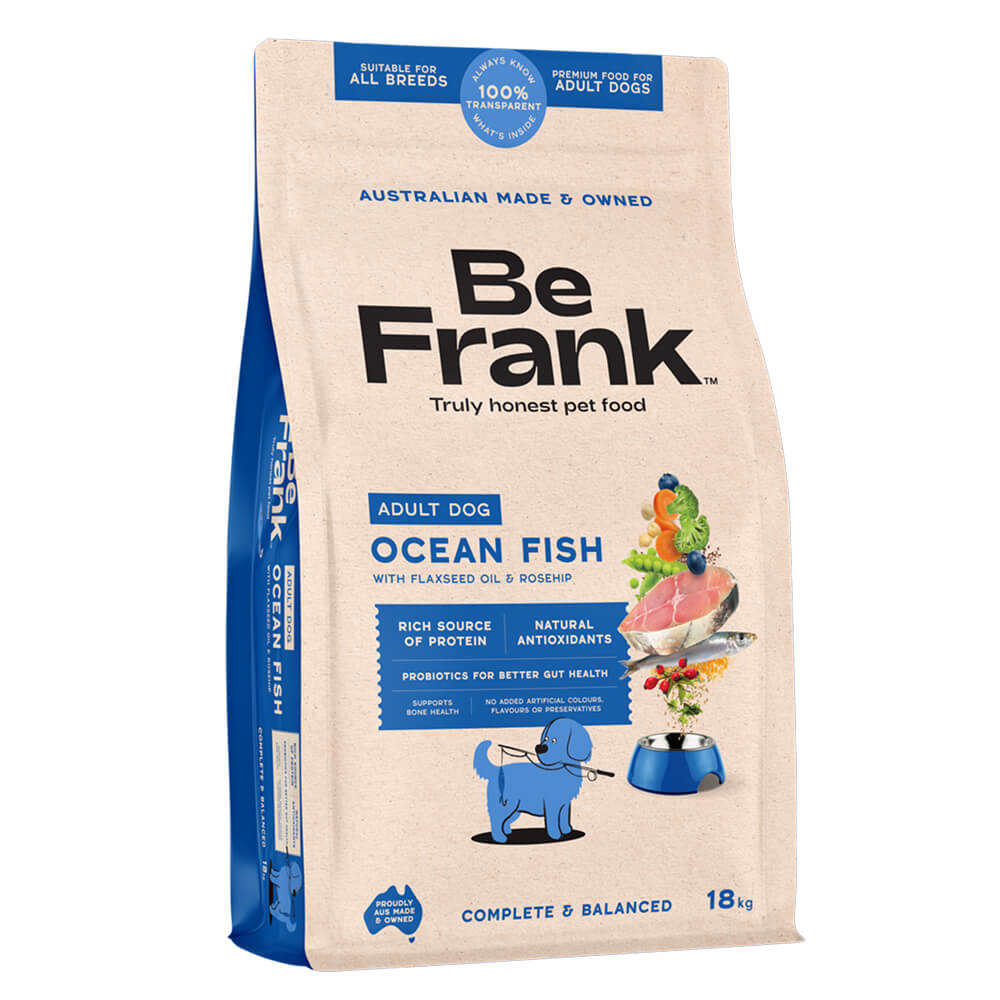
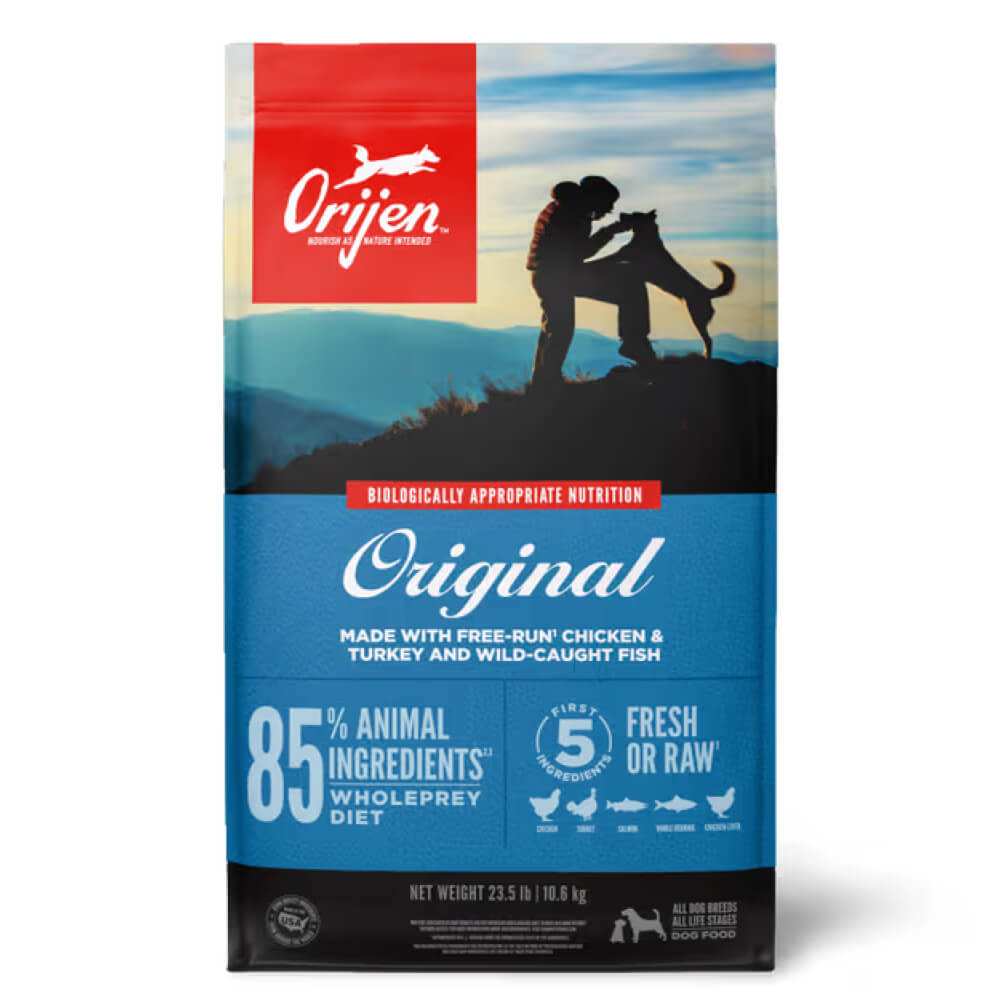
A dog food labelled "complete and balanced" is formulated to provide every nutrient your dog requires — protein, fat, carbohydrates, vitamins, and minerals — in the right amounts and ratios. In theory, your dog could eat nothing else and still meet all of their dietary needs.
These foods are developed against internationally recognised nutritional guidelines, most commonly those published by AAFCO (Association of American Feed Control Officials) or FEDIAF (the European Pet Food Industry Federation). In Australia, the Pet Food Industry Association of Australia (PFIAA) aligns its guidance under the Australian Standard AS 5812 with both of these frameworks.
There are two ways a manufacturer can back up a "complete and balanced" claim. The first is formulation, where a laboratory analysis confirms the food meets the established nutrient profiles. The second is through feeding trials, where real dogs are fed the food over a set period (typically 26 weeks for adult maintenance) and monitored for health outcomes. Feeding trials are generally considered the stronger form of validation, though both methods are accepted.
A complete and balanced food should also state which life stage it's suitable for. The recognised life stages are:
- Growth and Reproduction — for puppies, pregnant dogs, and nursing mothers
- Adult Maintenance — for fully grown adult dogs
- All Life Stages — meets the nutritional requirements for both growth and adult maintenance
This matters because a puppy's nutritional needs are different to an adult dog's. A food designed for adult maintenance may not provide enough calcium, phosphorus, or protein for a growing pup — and feeding the wrong life stage long-term can lead to real problems.
Looking for a complete and balanced dog food? Our product directory lets you compare ingredients, prices, and retailers across hundreds of Australian dog foods — all in one place.
What Does "Complementary" Dog Foof Mean?
Complementary dog food is anything that isn't nutritionally complete on its own. It might contribute energy, flavour, or specific nutrients, but it's not designed to be your dog's entire diet.
According to the PFIAA, complementary foods are not complete and may or may not contribute significantly to a dog's daily energy intake. They must always be fed alongside other foods to deliver complete nutrition.
Complementary foods show up in a few common forms:
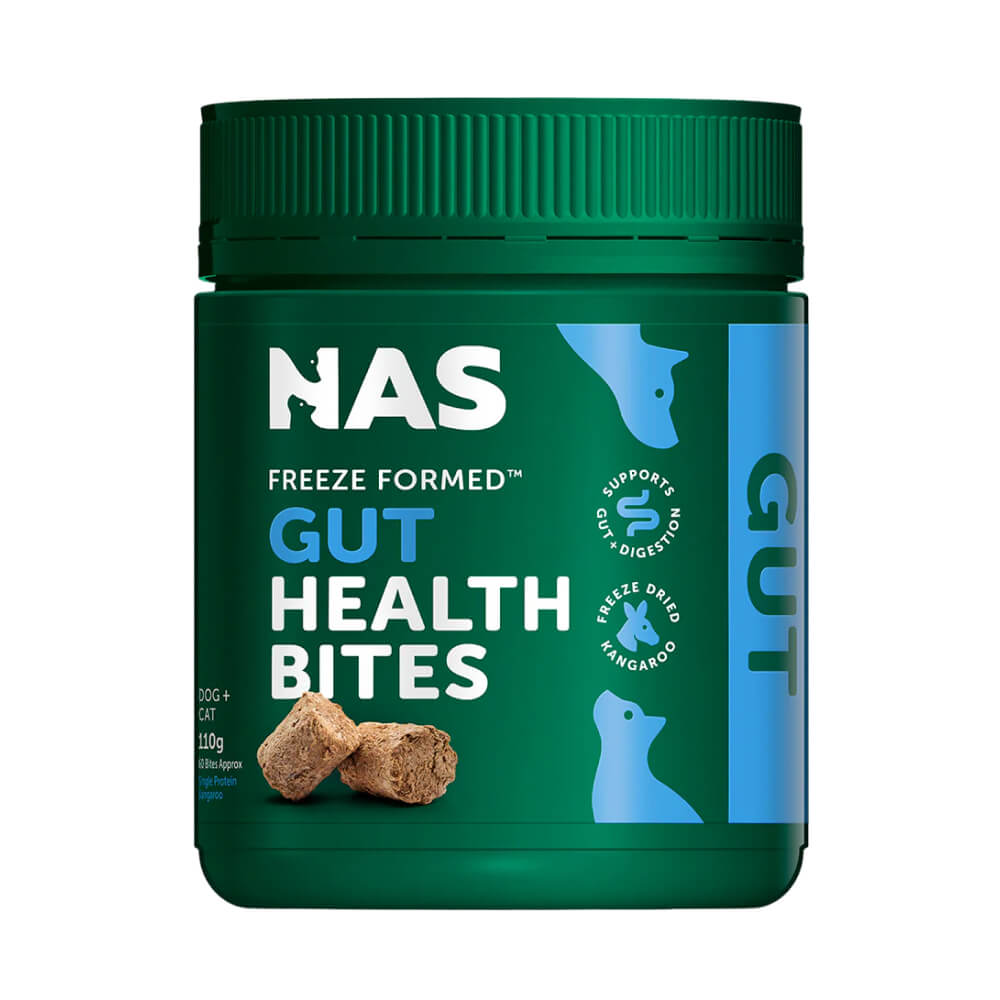
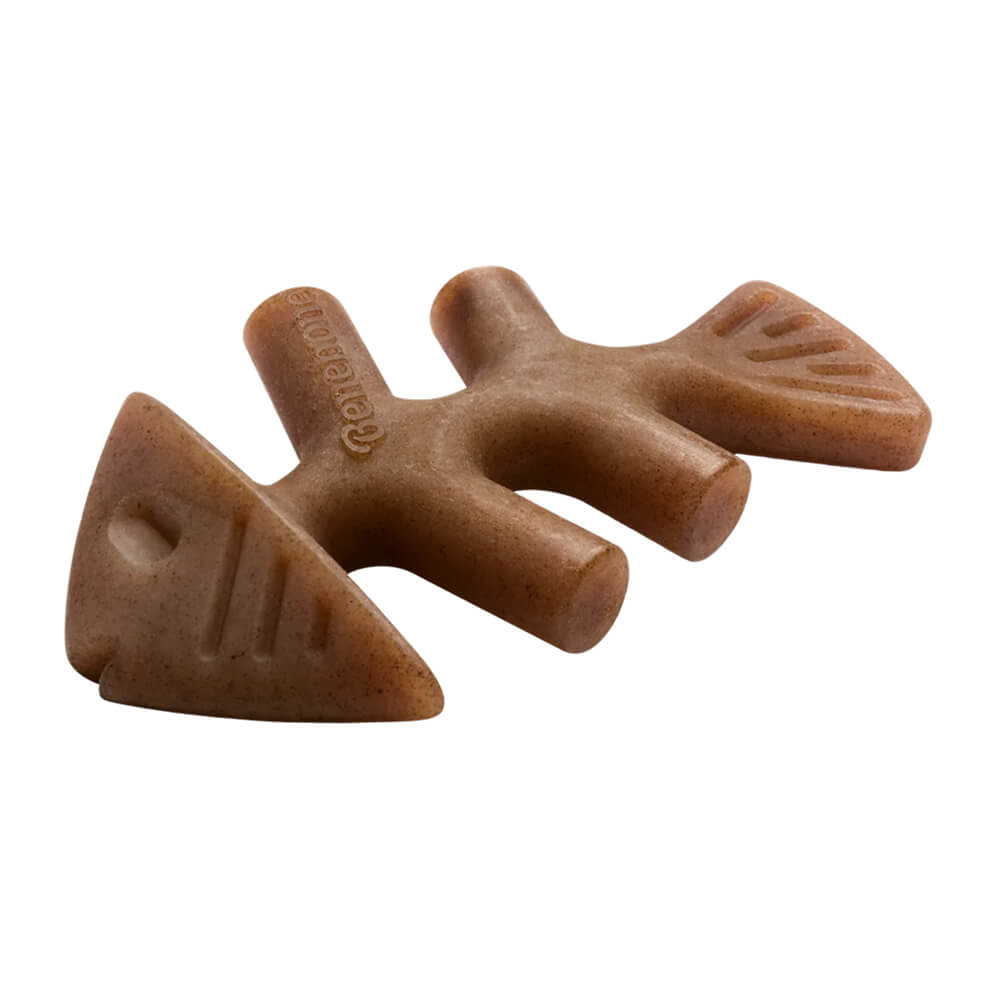
- Treats, snacks, and chews — the most common type
- Toppers and mixers — designed to be added to a complete meal
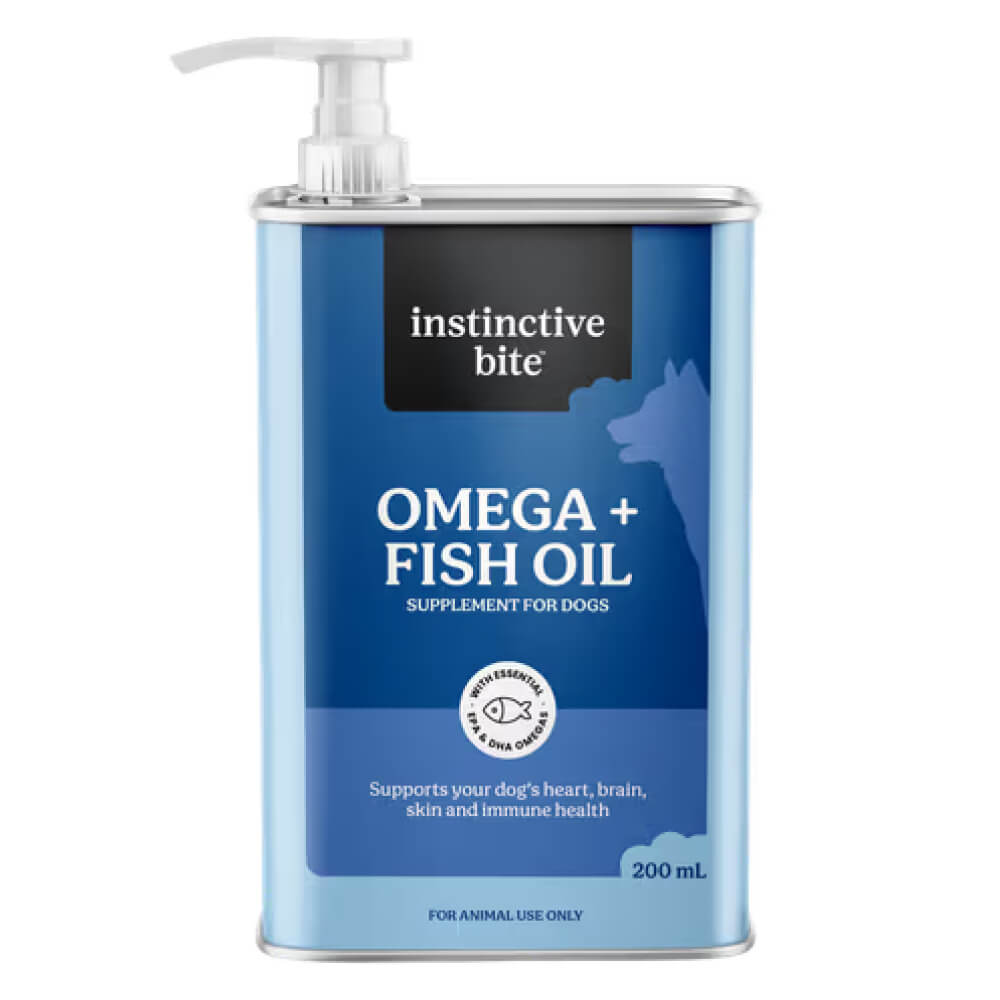
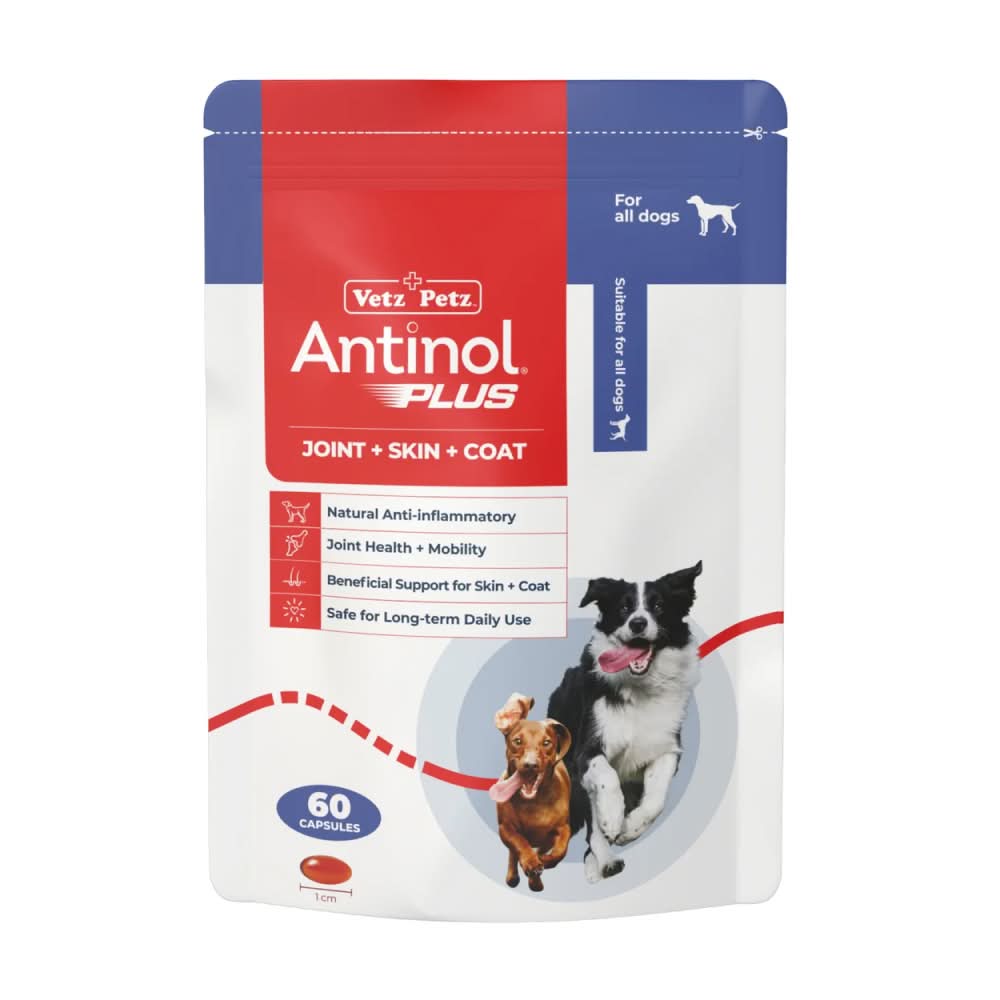
- Supplements — targeting specific nutrients like joint support or skin health
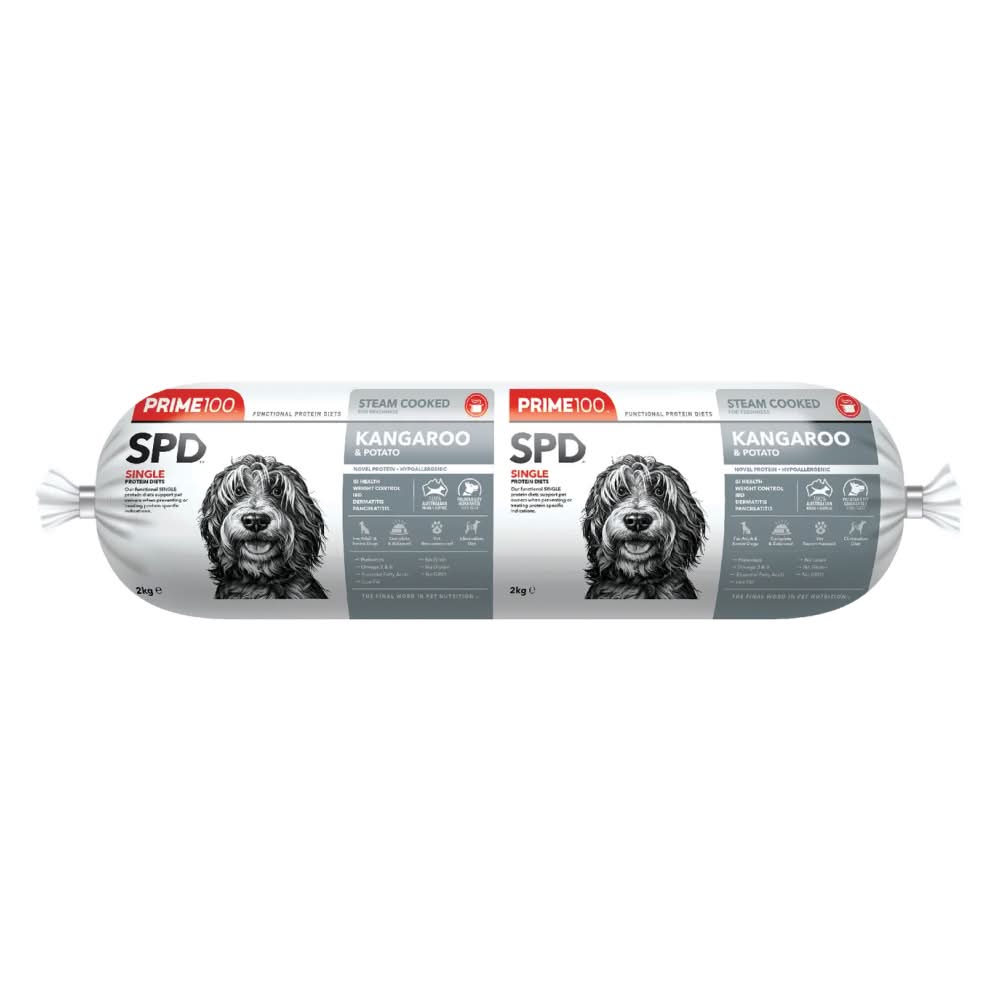
- Wet food sachets — some are complementary rather than complete (always check the label)
The key distinction is simple: a complementary food is not a meal replacement. If your dog ate nothing but treats and toppers, they'd likely end up with nutritional gaps — even if they seemed perfectly happy about it.

Why This Matters for Your Dog
The practical risk here isn't dramatic. Most dog owners aren't feeding their dogs exclusively on treats. But the line can blur in a few common scenarios.
Over-relying on toppers. Some owners use wet food toppers or broths as a significant portion of their dog's meal. If those toppers are complementary rather than complete, your dog may be getting less balanced nutrition than you think.
Treat creep. The general guideline from the PFIAA and most veterinary bodies is that treats should make up no more than 10% of your dog's daily energy intake. It's easy to exceed this, especially with training treats, dental chews, and the odd table scrap.
Mixing wet and dry food. This is perfectly fine — and even encouraged for variety — as long as both products are labelled "complete and balanced." Problems arise when one of the products is actually complementary, and the owner hasn't noticed.
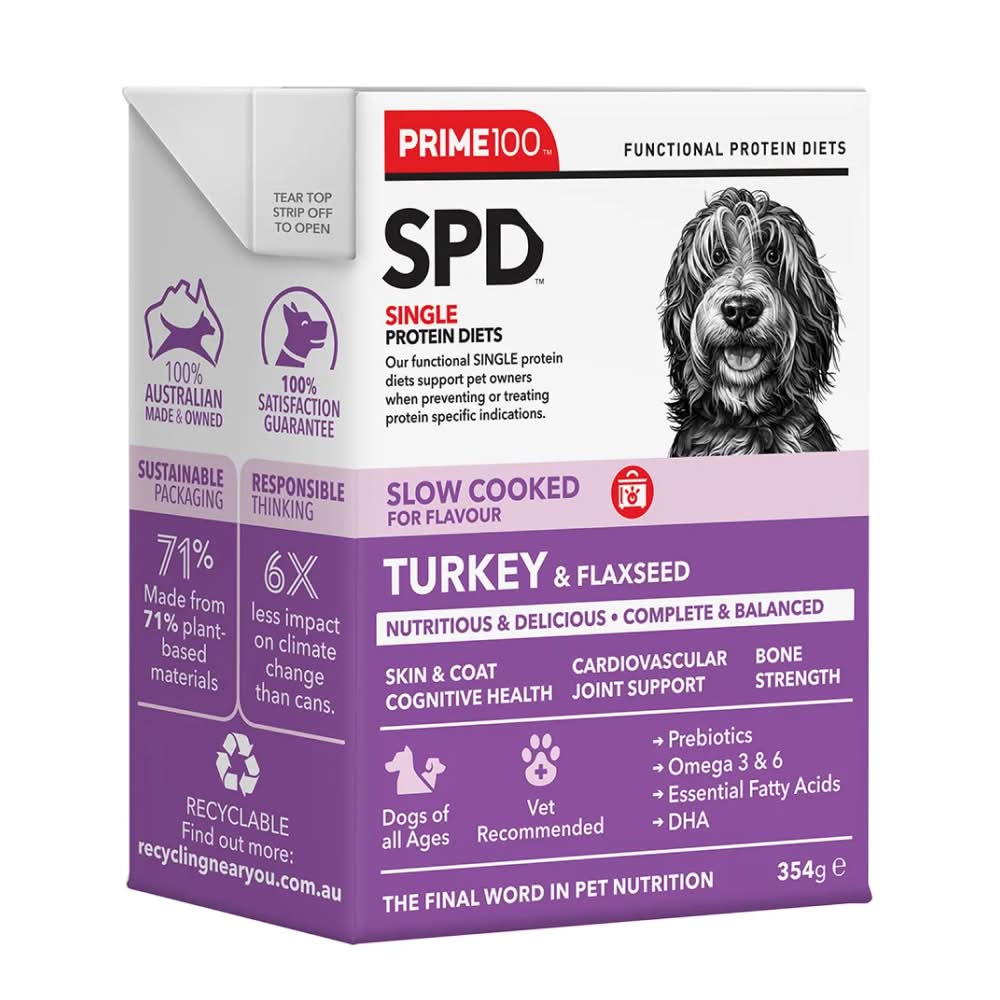
Assuming all wet food is complete. Not all wet food pouches or trays are formulated as complete meals. Some are explicitly designed as complementary — they're there to add flavour or moisture to a dry food base, not to stand alone.
How to Check the Label in Australia
In Australia, the labelling guidance under AS 5812 requires that pet food labels state whether the product provides a complete and balanced diet for a specific life stage, or whether it's intended to be fed with other foods.
Here's what to look for:
On complete and balanced dog food, you'll typically see a statement along the lines of: "This food provides complete and balanced nutrition for [life stage], formulated to meet the nutritional levels established by AAFCO/FEDIAF guidelines."
On complementary dog food, you should see wording like: "This is a complementary food, to be used as a reward or training aid, to accompany a healthy, complete and balanced diet."
The PFIAA also recommends that complementary food labels include guidance on how much to feed and a reminder not to overfeed.
A few things worth noting about the Australian context:
- AS 5812 is currently a voluntary standard, not a legal requirement. However, PFIAA members — who produce over 90% of commercially sold pet food in Australia by volume — are encouraged to comply with it.
- There is no mandatory government regulation specifically governing pet food safety or labelling in Australia. The RSPCA, the Australian Veterinary Association (AVA), and the PFIAA have jointly called for mandatory standards, but as of 2025, this hasn't been legislated.
- The Australian Competition and Consumer Commission (ACCC) can act on misleading labelling under general consumer law, but pet food doesn't fall under the same framework as human food.
This means that while most major brands follow robust standards, smaller or imported products may not. Reading the label carefully is your best line of defence.
What About Raw Feeding and Home-Cooked Diets?
If you're feeding a commercial raw diet, the same rules apply — check whether it's labelled as complete and balanced or complementary. Many raw food brands sell both types, and the distinction isn't always obvious from the packaging.
For home-cooked diets, there's no label to check. If you're preparing your dog's meals from scratch, it's worth consulting a veterinary nutritionist to make sure the diet covers all essential nutrients. Dogs have specific requirements for things like calcium, zinc, and certain B vitamins that are difficult to meet without careful planning.
Looking for a complete and balanced raw dog food? Our product directory lets you compare ingredients, prices, and retailers across hundreds of Australian dog foods — all in one place.
The Bottom Line
"Complete and balanced" means the food is a full meal. "Complementary" means it's not. That's the core of it.
For most Australian dog owners buying from reputable brands, your dog's main food will already be complete and balanced. The main thing to watch is how much of the diet is made up of complementary products — treats, toppers, and extras — and whether those are quietly displacing the balanced nutrition your dog actually needs.
When in doubt, flip the bag over and read the nutritional adequacy statement. It's the most useful three seconds you'll spend in the pet food aisle.
Frequently Asked Questions
Is complementary dog food bad for my dog?
No, complementary food isn't harmful — it's just not nutritionally complete on its own. Treats, toppers, and mixers are all fine as part of your dog's diet, as long as their primary food is labelled "complete and balanced." The general recommendation is that complementary foods make up no more than 10% of your dog's daily calorie intake.
How do I know if my dog's food is complete and balanced in Australia?
Check the label for a nutritional adequacy statement. Complete and balanced foods will reference recognised guidelines from AAFCO or FEDIAF and state which life stage the food is suitable for. In Australia, products made by PFIAA members should comply with the Australian Standard AS 5812, which requires this information on the label.
Is Australian dog food required to meet safety standards?
Not by law. The Australian Standard for Manufacturing and Marketing of Pet Food (AS 5812) is a voluntary industry standard, not a legal requirement. However, PFIAA members — responsible for over 90% of pet food sold in Australia — are strongly encouraged to comply and can be independently audited against it. As of 2025, advocacy groups including the RSPCA and AVA continue to push for mandatory regulation.
Can I feed my dog only wet food?
Yes, as long as the wet food is labelled "complete and balanced" for your dog's life stage. Not all wet foods meet this standard — some are formulated as complementary products designed to accompany dry food. Always check the label before relying on wet food as your dog's sole diet.
What's the difference between AAFCO and PFIAA standards?
AAFCO is a US-based organisation that sets nutrient profiles and feeding trial protocols for pet food. The PFIAA is Australia's pet food industry body, and its labelling guidance under AS 5812 aligns with both AAFCO and European (FEDIAF) standards. Neither organisation directly regulates or approves individual products — they provide the frameworks that manufacturers follow.
Sources and References:
- Pet Food Industry Association of Australia (PFIAA) — pfiaa.com.au
- Australian Standard AS 5812:2017 — Manufacturing and Marketing of Pet Food
- Association of American Feed Control Officials (AAFCO) — aafco.org
- RSPCA Australia — rspca.org.au
- Australian Government Senate Inquiry: Regulatory Approaches to Ensure the Safety of Pet Food (2018)









Comments
0 comments
Login to Join the Conversation 💬