
























Raw chicken is one of the most divisive topics in dog nutrition. Some swear by it, others say it's dangerous. Here's what the evidence tells us.
In Short:
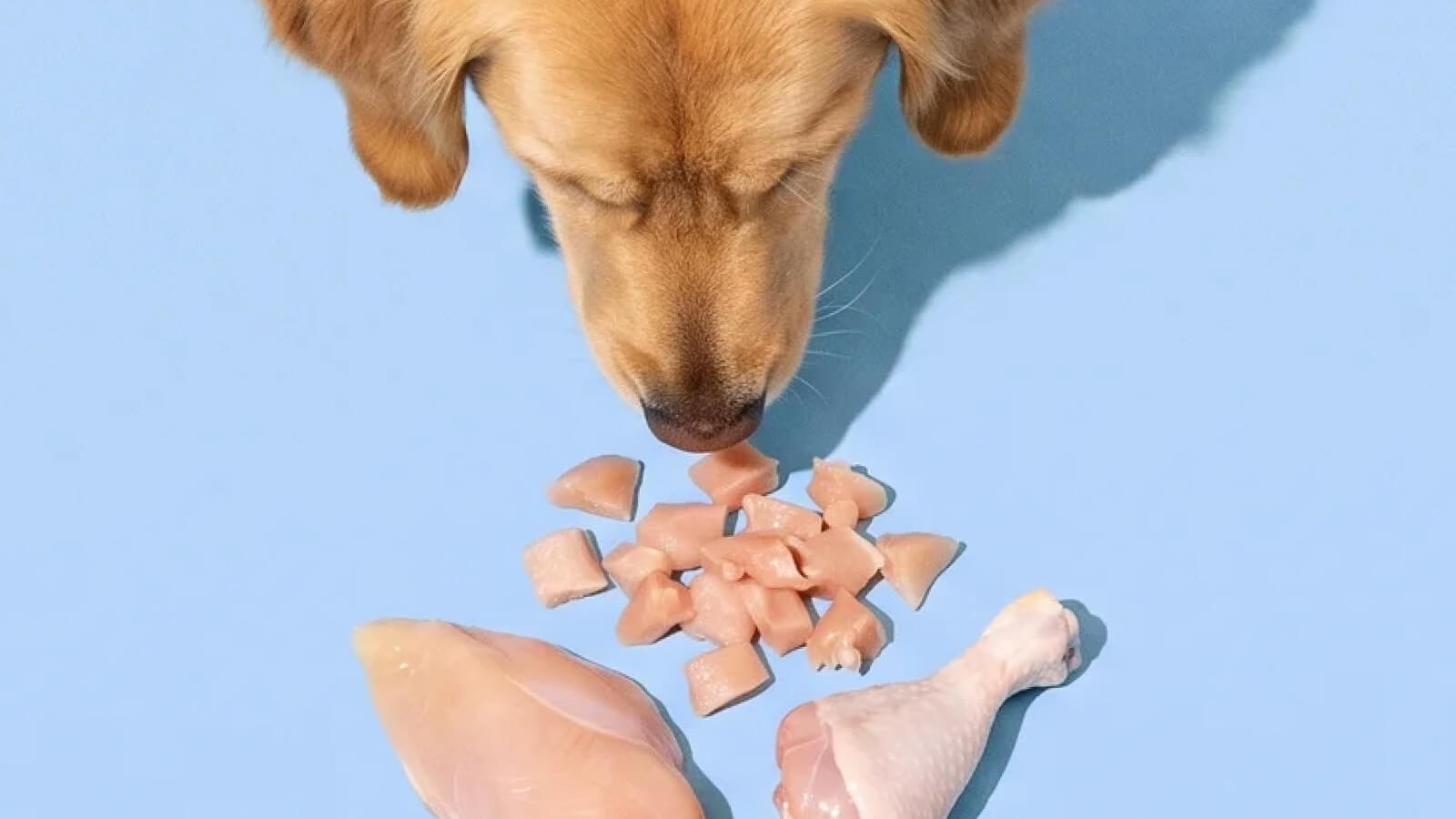
Dogs can eat raw chicken, but it carries real risks. Raw chicken commonly contains Salmonella and Campylobacter, which may not make your dog visibly sick but can be shed in their saliva and faeces — posing a health risk to humans in the household.
Research from the University of Melbourne also links raw chicken necks to a paralytic condition called APN in dogs. If you choose to feed raw, source human-grade chicken and maintain strict hygiene.

The Short Answer
Dogs can eat raw chicken — their digestive systems are more equipped to handle raw meat than ours. But "can" doesn't mean "should" for every dog or every household.
Raw chicken carries a risk of bacterial contamination, most commonly Salmonella and Campylobacter. While healthy adult dogs often handle these bacteria without getting sick, they can still shed the bacteria in their saliva and faeces, which poses a risk to humans in the household — especially children, elderly people, and anyone with a weakened immune system.
This is a topic where vets, raw feeding advocates, and dog owners often disagree. Let's look at both sides.
The Risks of Feeding Raw Chicken
Bacterial contamination is the primary concern. Studies in Australia have found Salmonella and Campylobacter on a significant percentage of raw chicken products sold at retail. When you feed this to your dog, you're introducing those bacteria into your home.
Your dog may not show symptoms, but they can carry and spread the bacteria. This means contaminated food bowls, lick spots on furniture, and faeces that need careful handling.
There's also a well-documented link between raw chicken consumption in dogs and a condition called APN (acute polyradiculoneuritis), sometimes compared to Guillain-Barré syndrome in humans. Research from the University of Melbourne found that dogs fed raw chicken necks had a significantly higher risk of developing this paralytic condition.
Raw chicken bones present a separate issue. While raw bones are softer than cooked bones and less likely to splinter, they can still cause choking, tooth fractures, or digestive blockages in some dogs.
The Case for Raw Chicken
Raw feeding advocates argue that dogs evolved as scavengers and carnivores, and their digestive systems are designed to handle raw meat. They point to shorter digestive tracts and higher stomach acidity compared to humans.
Supporters of raw diets often report shinier coats, cleaner teeth, better energy levels, and smaller, firmer stools in their dogs. Many Australian pet owners include raw chicken as part of a balanced raw feeding program.
The key distinction is between feeding raw chicken as part of a carefully planned diet versus tossing your dog random scraps of uncooked chicken. A proper raw diet requires attention to nutritional balance, sourcing, and hygiene.
What Australian Vets Generally Recommend
Most Australian veterinary bodies advise caution with raw diets. The Australian Veterinary Association has raised concerns about both the bacterial risk to pets and the public health risk to humans living with raw-fed dogs.
That said, some vets are supportive of raw feeding when it's done properly — with appropriate food safety practices, balanced nutrition, and veterinary guidance.
If you're considering feeding raw chicken, talk to your vet. If you decide to go ahead, source human-grade chicken, handle it with the same hygiene standards you'd use for your own meals, and wash your dog's bowls thoroughly after every feed.
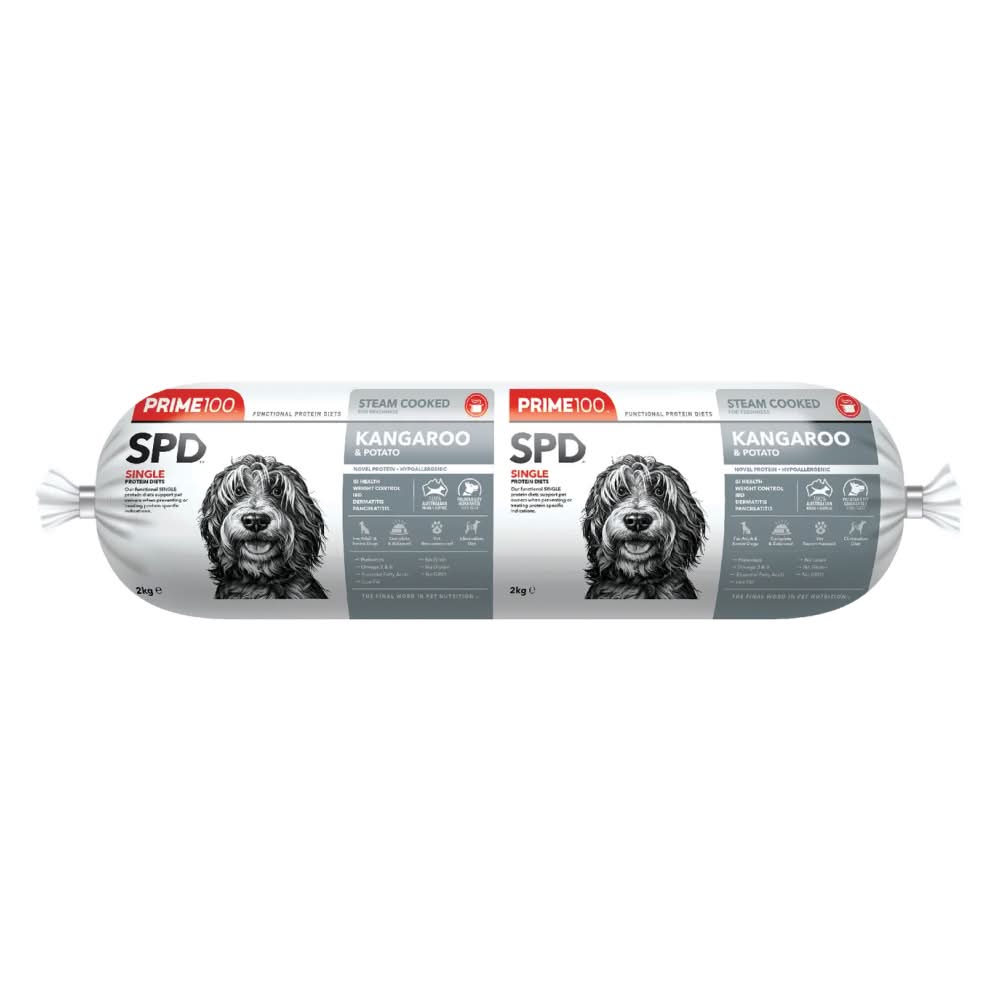
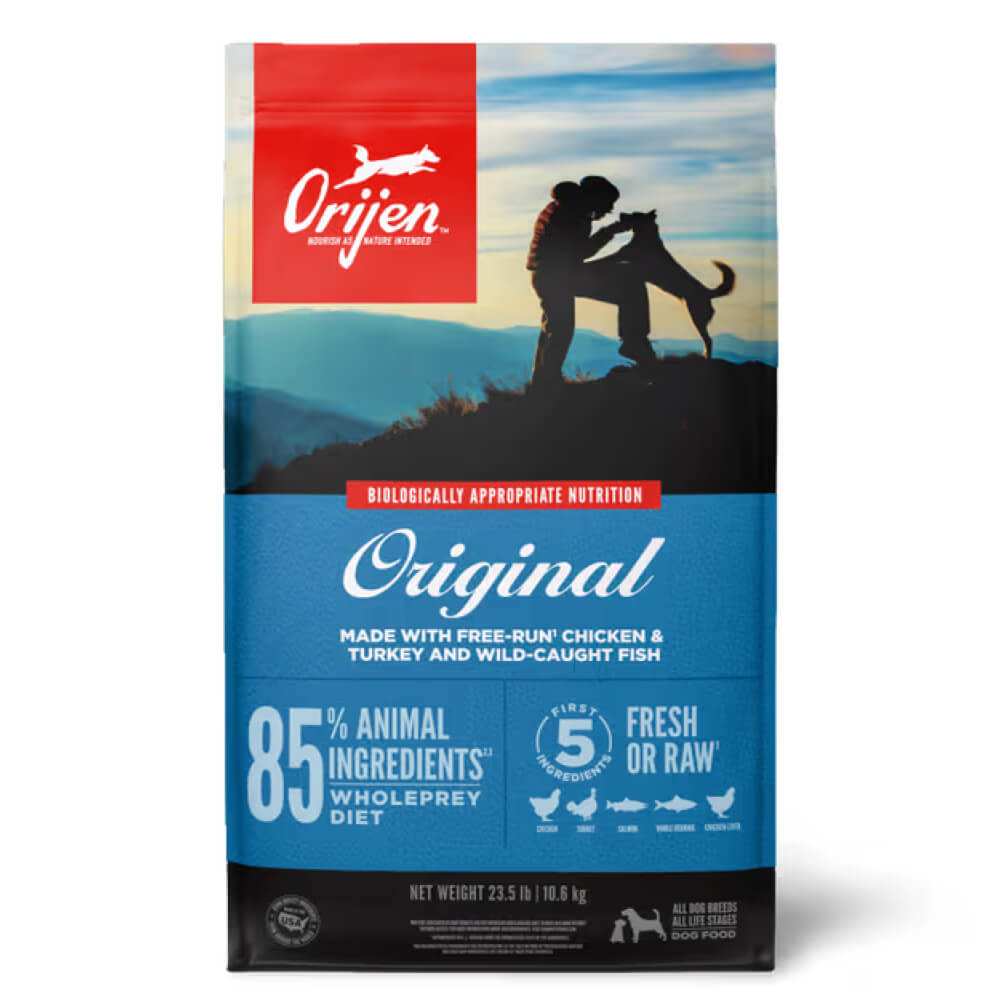
If raw feeding isn't for you, a quality dry food is a safe and balanced alternative. Check out our guide to the Best Dry Dog Food in Australia.
Frequently Asked Questions
Can dogs eat raw chicken bones?
Can raw chicken make my dog sick?
Is raw chicken better than kibble for dogs?
Can I mix raw chicken with dry dog food?
How do I safely handle raw chicken for my dog?






Comments
0 comments
Login to Join the Conversation 💬