


.png)
















Your vet has told you your dog has kidney disease and prescribed k/d. You're probably worried — and you have questions about what the diet actually does, whether it will help, and what your dog's life looks like going forward. Here's what you need to know about k/d and how it fits into managing your dog's condition.
In Short:
Hill's k/d is a prescription kidney care diet designed to reduce the workload on damaged kidneys by restricting phosphorus, moderating protein, and supporting overall kidney function. It's prescribed for dogs with chronic kidney disease (CKD) and is one of the most evidence-backed interventions for extending quality of life in kidney patients. A k/d + j/d version exists for dogs with concurrent joint problems.
We compare live prices from Petstock, Petbarn, and more — check the product card below for today's best offer.
Featured Products:


What Is Hill's k/d and Why Does Kidney Disease Require a Special Diet?
Chronic kidney disease means your dog's kidneys have lost some of their ability to filter waste products from the blood. The kidneys can't regenerate — once function is lost, it doesn't come back. The goal of treatment shifts to protecting the remaining kidney function and keeping your dog comfortable for as long as possible.
This is where diet becomes one of the most important tools your vet has. Standard dog food contains levels of phosphorus and protein that healthy kidneys handle easily, but damaged kidneys can't process them efficiently. The result is a buildup of waste products in the blood that makes your dog feel unwell — reduced appetite, nausea, lethargy, and eventually more serious complications.
k/d is formulated to reduce this burden. By carefully controlling what goes in, you reduce what the kidneys need to deal with — which slows the progression of damage and keeps your dog feeling better for longer.
How k/d Supports Dogs with Chronic Kidney Disease
k/d works through several mechanisms, all designed to take pressure off the kidneys.
Phosphorus restriction is the single most important dietary change in CKD. As kidney function declines, phosphorus builds up in the blood, which accelerates further kidney damage and causes secondary problems including bone mineral loss. k/d significantly reduces phosphorus intake compared to regular food. Clinical studies consistently show that phosphorus restriction slows CKD progression — it's one of the most well-evidenced dietary interventions in veterinary medicine.
Moderate protein restriction reduces the amount of nitrogenous waste the kidneys need to excrete. k/d doesn't eliminate protein — your dog still needs it for muscle maintenance — but provides a carefully calculated amount that meets nutritional requirements without overloading the kidneys. The protein that is included is high quality, meaning more of it is used by the body and less becomes waste.
Enhanced omega-3 fatty acids (EPA and DHA) support kidney blood flow and have anti-inflammatory effects that help protect remaining kidney tissue. The omega-3 levels in k/d are significantly higher than in standard dog food.
Controlled sodium levels help manage blood pressure, which is commonly elevated in dogs with CKD. High blood pressure further damages the kidneys, so keeping it in check is part of the overall management strategy.
Added B-vitamins compensate for increased urinary losses. Dogs with CKD lose water-soluble vitamins through their dilute urine more rapidly than healthy dogs.
Understanding CKD Stages — When Does Your Dog Start k/d?
Veterinarians use the IRIS (International Renal Interest Society) staging system to classify CKD severity, ranging from Stage 1 (early, often no symptoms) to Stage 4 (advanced disease with significant clinical signs).
Most vets recommend starting k/d at Stage 2 or early Stage 3, when blood work shows kidney values are consistently elevated but the dog is still relatively stable. Starting the diet at this point gives the best chance of slowing progression — waiting until late-stage disease means the kidneys have already lost significant function.
Some vets may recommend k/d at Stage 1 if there are other indicators of kidney stress, such as protein in the urine or persistent dehydration. Others may wait until Stage 2 is clearly established. Your vet's recommendation will be based on your dog's specific blood work, urinalysis results, and clinical signs.
The key point is that k/d works best when started before the kidneys are severely compromised. It's not a rescue diet for end-stage disease — it's a long-term management tool that preserves what's left.
k/d + j/d — For Dogs with Kidney Disease and Joint Problems
CKD is most common in older dogs, and older dogs often have joint problems too. Hill's makes a k/d + j/d combination that provides kidney support alongside elevated EPA for joint health.
This combination is useful because you can't simply add a joint supplement to k/d without potentially upsetting the carefully controlled mineral balance. The combination formula is designed to deliver both benefits without compromising either one.
If your senior dog has CKD and is showing signs of stiffness or reduced mobility, the combination formula avoids having to choose between kidney management and joint comfort. Ask your vet whether this version is appropriate for your dog's stage of disease.
Wet vs Dry k/d — Why Moisture Matters for Kidney Dogs
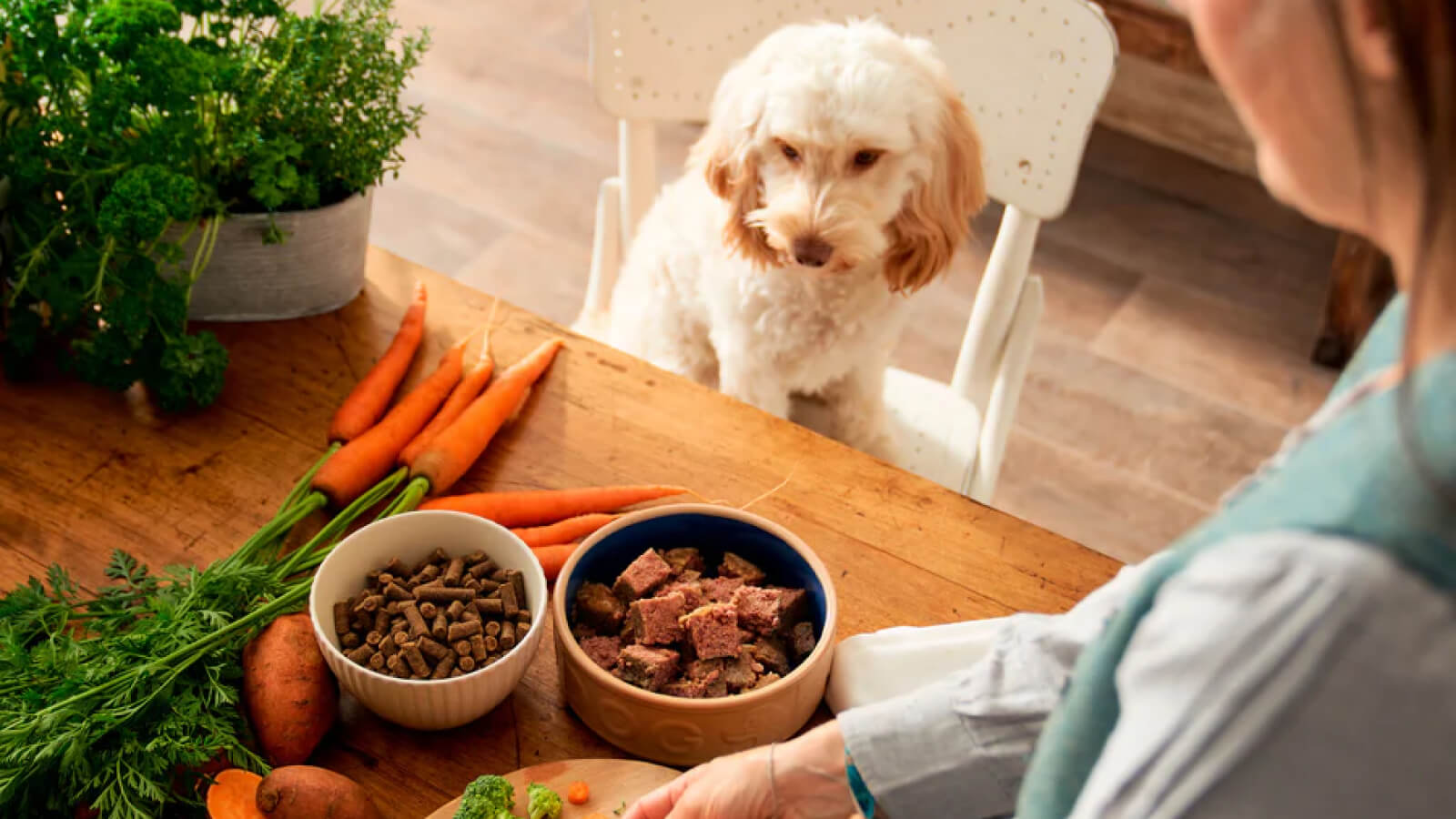
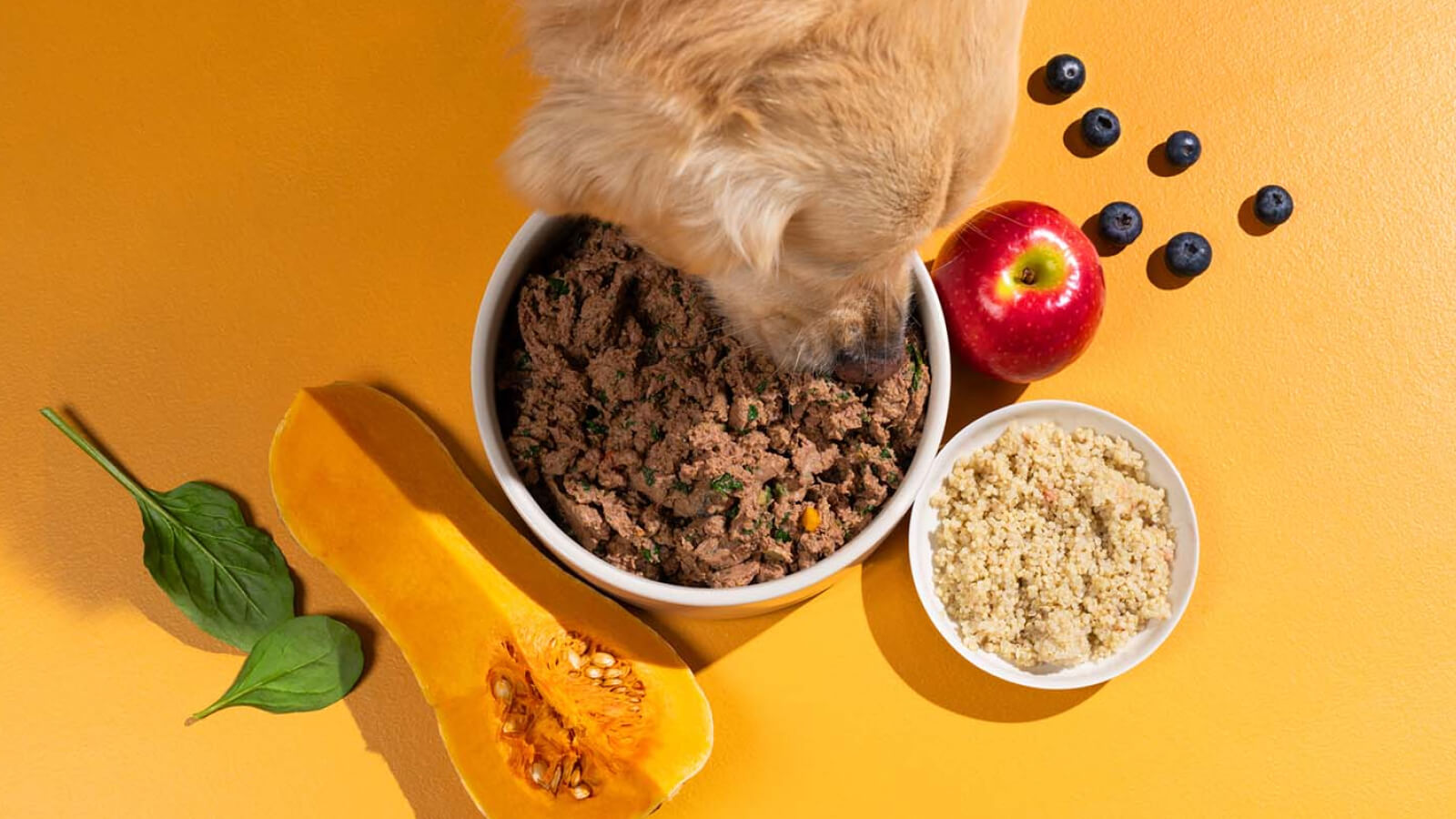
Both wet and dry k/d are available, and for kidney patients specifically, the wet formula has an important advantage: hydration.
Dogs with CKD produce dilute urine — their kidneys can't concentrate it properly — which means they lose more water than healthy dogs. Dehydration worsens kidney function and makes dogs feel worse. Increasing water intake is one of the simplest ways to support a kidney patient at home.
Wet k/d is roughly 80% moisture, which delivers a significant amount of water with every meal. Many vets recommend feeding wet k/d exclusively, or at least incorporating it into the daily diet, for this reason. Some owners add extra water to the wet food as well.
If your dog strongly prefers dry food, that's still fine — k/d dry is fully formulated for kidney support. Just make sure fresh water is always available and consider ways to encourage drinking, like pet water fountains or multiple bowls throughout the house. Adding water or low-sodium broth to the dry kibble is another practical option.
Tips for Picky Eaters — Getting CKD Dogs to Eat k/d
Loss of appetite is one of the most common challenges with CKD. The buildup of waste products causes nausea, and dogs that once ate eagerly may become reluctant or refuse food entirely. On top of that, prescription diets have a different taste and smell from regular food, which can be off-putting during the transition.
A gradual transition over ten to fourteen days is essential — mix increasing amounts of k/d with decreasing amounts of the old food. With CKD dogs, go slower than you would with a healthy dog. Appetite is fragile, and pushing too fast can create negative associations with the new food.
Warming the food slightly releases more aroma and can stimulate appetite. Microwave wet food for a few seconds (check it's not too hot) or add warm water to dry kibble. Some dogs respond well to hand feeding or to smaller, more frequent meals rather than two large ones.
If your dog refuses k/d entirely, tell your vet. There are appetite stimulants that can help during the transition period, and some anti-nausea medications may be appropriate depending on your dog's blood work. The worst outcome is a CKD dog that stops eating altogether — getting some nutrition in, even imperfectly, is better than nothing.
Don't add high-phosphorus foods to make k/d more appealing. Things like cheese, deli meats, and organ meats will undermine the whole point of the diet. Your vet can suggest safe toppers if needed.
How Long Do Dogs Stay on k/d?
k/d is typically a lifelong diet once CKD is diagnosed. Kidney disease doesn't resolve — it's a progressive condition that requires ongoing management. The diet is one of the cornerstones of that management, alongside regular monitoring, hydration support, and any medications your vet prescribes.
Your vet will schedule regular check-ups — usually every three to six months, or more frequently if your dog's condition is unstable — to monitor kidney values through blood work and urinalysis. These results guide any adjustments to treatment, including portion sizes and additional interventions.
The goal isn't to cure CKD — it's to slow progression and maintain quality of life for as long as possible. Dogs started on k/d at an early stage often do well for months to years. The diet buys time, and that time matters.
Where to Buy Hill's k/d Kidney Care in Australia
Hill's k/d Kidney Care requires a vet recommendation before purchase. Available through veterinary clinics and authorised online retailers including Pet Circle, PetStock, and Petbarn. Prices vary between stores — you can compare current prices on the Dog Directory to find the best deal.
Frequently Asked Questions
Why can't I just feed less protein with regular food instead of switching to k/d?
CKD management isn't just about reducing protein. k/d simultaneously restricts phosphorus, controls sodium, adds omega-3s, and includes extra B-vitamins — all calibrated to specific levels based on clinical research. Simply reducing protein in a regular diet doesn't address the other factors and may actually create nutritional deficiencies.
How quickly will I see a difference after starting k/d?
Most owners notice improved energy and appetite within two to four weeks. Blood work improvements — particularly phosphorus levels — may show up at the next scheduled check, usually four to six weeks after starting. The long-term benefit of slowing disease progression isn't visible day-to-day but is confirmed through stable or slowly declining kidney values over months.
My dog was diagnosed with early CKD but seems completely normal. Does she really need a prescription diet?
Yes — this is actually the best time to start. CKD is often silent in early stages, and by the time symptoms appear, significant function has been lost. Starting k/d early gives the best chance of preserving remaining kidney function. It's protective, not reactive.
Can I mix k/d with regular food?
This isn't recommended. The mineral and protein levels in k/d are precisely calibrated, and adding regular food — which has higher phosphorus and protein — undermines the dietary management. If you need to transition gradually, that's fine, but the goal is to get to 100% k/d.
Is k/d suitable for dogs without kidney disease?
k/d is specifically formulated for kidney patients. Healthy dogs don't need the phosphorus and protein restrictions, and feeding k/d long-term to a healthy dog isn't appropriate. If you have multiple dogs, feed them separately to ensure the CKD dog gets k/d and the others get their regular food.
My dog with CKD is also overweight. Can she eat k/d?
CKD management takes priority, and k/d should remain the primary diet. However, discuss weight management with your vet — they may adjust portion sizes or explore whether the k/d + j/d formula (which has joint benefits) or other strategies can address both concerns without compromising kidney care.
How do I know if k/d is working?
Regular blood work is the primary indicator. Stable or slowly declining kidney values (BUN, creatinine, SDMA) and controlled phosphorus levels indicate the diet is doing its job. Clinically, maintained appetite, energy, and body condition are positive signs. Your vet will track these metrics at each check-up.
Can I give treats to my dog on k/d?
Standard treats are often high in phosphorus and protein, which is counterproductive. Hill's makes kidney-friendly treats, and your vet can suggest other safe options. Whatever you give, it should be factored into the daily dietary plan and shouldn't exceed 10% of total intake.
My dog drinks a lot of water on k/d. Is that normal?
Increased thirst and urination are symptoms of CKD, not side effects of the diet. Dogs with kidney disease can't concentrate their urine effectively, so they drink more to compensate. Always provide unlimited access to fresh water — restricting water intake in a CKD dog is dangerous.
What happens if CKD progresses despite k/d?
k/d slows progression but can't stop it entirely. If kidney values worsen, your vet may add medications (phosphorus binders, anti-nausea drugs, blood pressure medication, or subcutaneous fluids) alongside the diet. The dietary management remains important at every stage — it continues to reduce the burden on whatever kidney function remains.







Comments
0 comments
Login to Join the Conversation 💬