


























In Short:
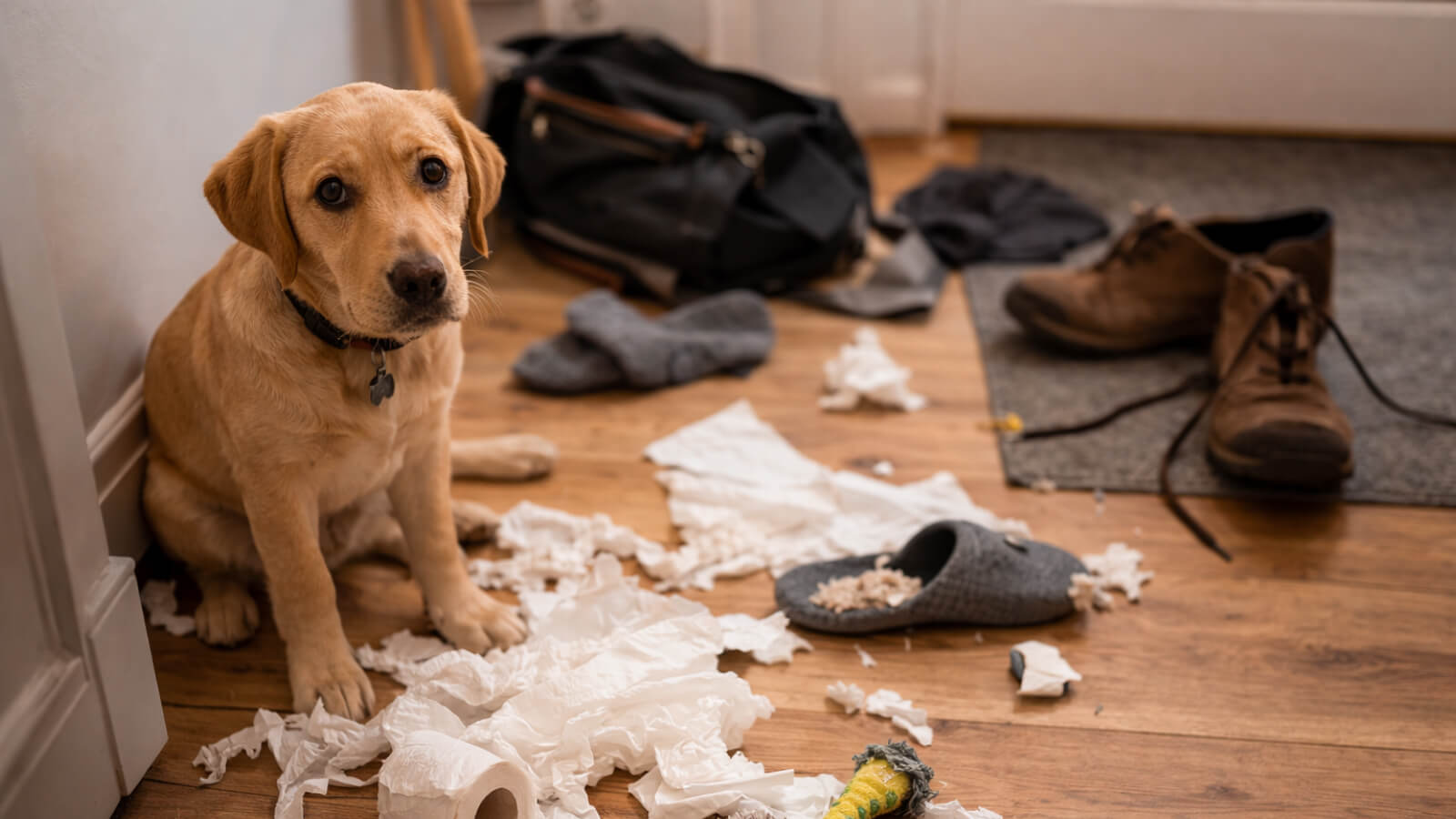
Separation anxiety is one of the most common behavioural issues in Australian dogs, thought to affect roughly one in every four to six pets. It occurs when a dog becomes genuinely distressed at being left alone, often resulting in destructive behaviour, excessive barking, toileting inside, or attempts to escape. It's not naughtiness — it's a stress response.
Treatment involves gradually teaching your dog to feel safe alone through desensitisation and counterconditioning, combined with exercise, enrichment and routine. A daily calming supplement like the Leadr Settle Chew can support your dog's nervous system alongside training.

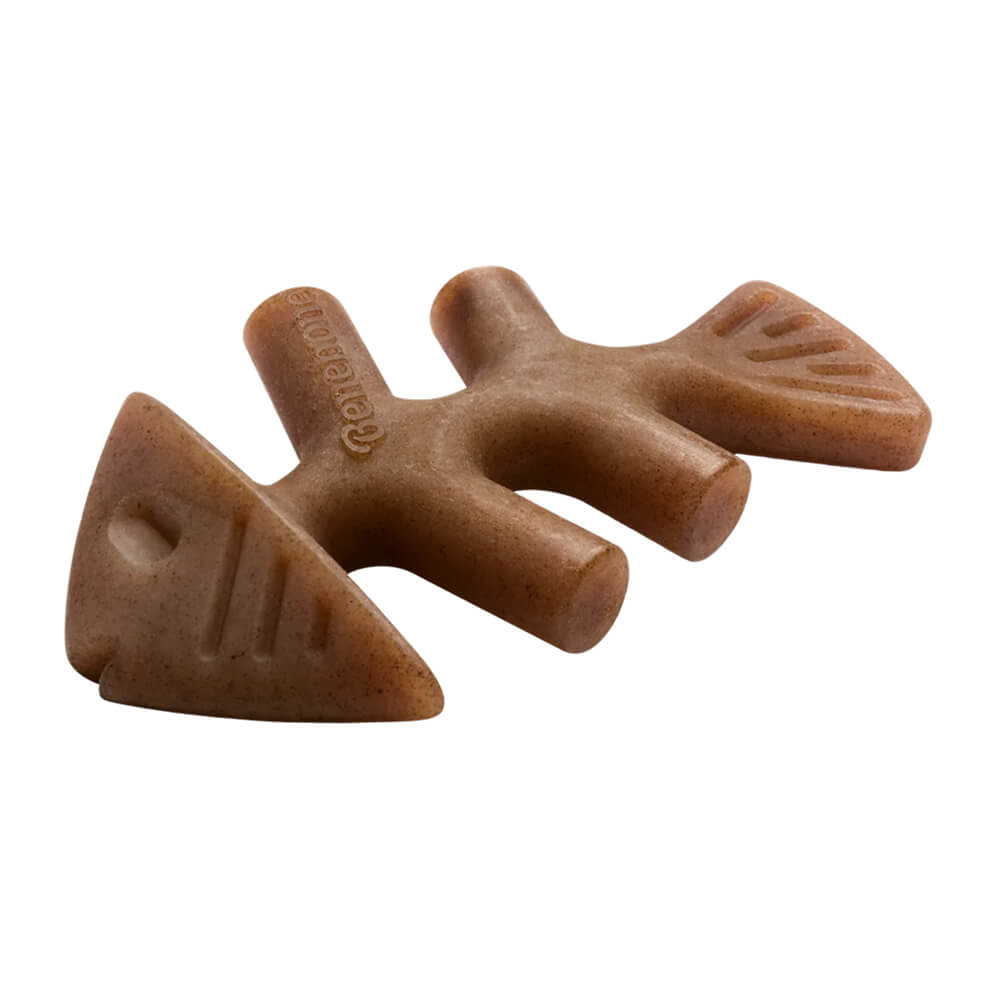
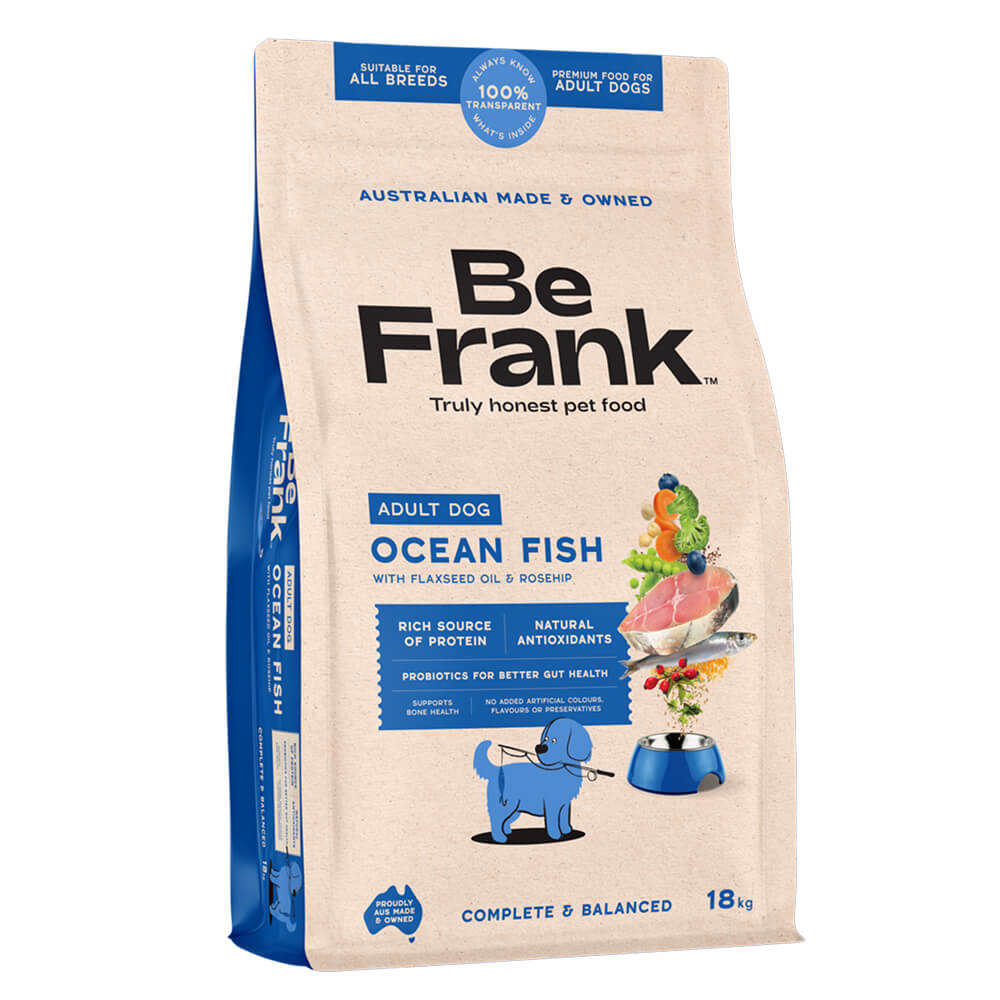
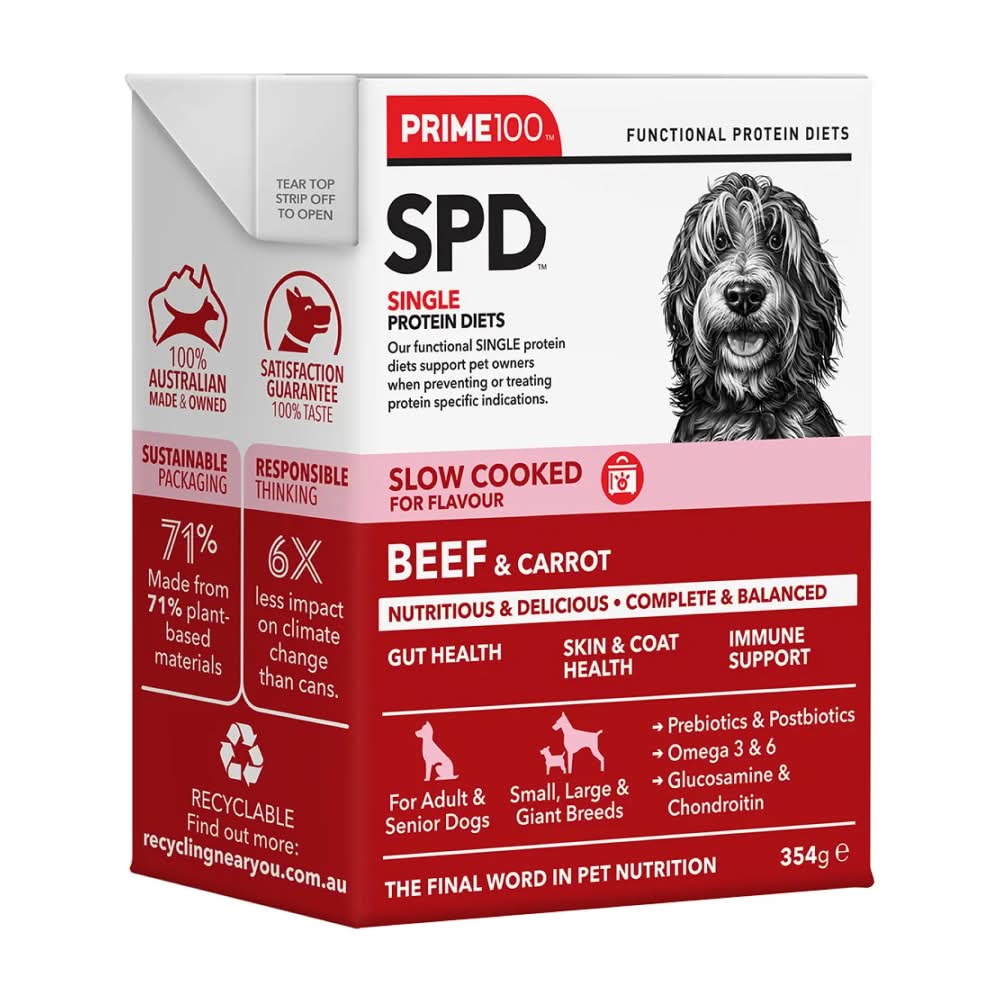
Featured Products:
What Is Separation Anxiety?
Separation anxiety is a recognised behavioural condition in which a dog experiences genuine distress when separated from their owner or primary caregiver. It's not your dog being disobedient or deliberately destructive — it's a panic response triggered by being left alone.
Dogs are inherently social animals. In the wild, they would never be separated from their pack. While most domestic dogs learn to tolerate time alone, some struggle significantly — particularly if they haven't been gradually exposed to it, or if something has disrupted their sense of security.
It's worth noting that separation anxiety exists on a spectrum. Some dogs experience mild unease — restlessness, reduced appetite while alone — while others go into a full-blown panic state that can include self-harm, property destruction and prolonged vocalisations. Both ends of the spectrum deserve attention.
What Causes Separation Anxiety in Dogs?
There's rarely a single cause. Separation anxiety usually develops from a combination of factors, and understanding what's driving it is an important first step toward helping your dog.
Lack of Early Socialisation
Puppies that aren't gradually introduced to short periods of being alone can struggle with independence as adults. If a puppy goes from constant companionship to being left for a full workday, the sudden shift can trigger lasting anxiety around separation.
Changes in Routine or Household
Dogs thrive on predictability. A change in work schedule, a family member moving out, a new baby, moving house, or even returning to the office after an extended period at home can unsettle a dog that was previously coping fine. This was particularly common in Australia post-COVID, as dogs that had grown used to their owners being home full-time were suddenly left alone again.
Rehoming or Shelter History
Dogs that have been surrendered, rehomed or spent time in a shelter are statistically more likely to develop separation anxiety. The experience of losing their primary attachment figure can create a deep-seated fear that it will happen again.
Traumatic Experiences While Alone
A bad experience that occurs when a dog is home alone — a severe thunderstorm, a break-in, construction noise, or even a negative encounter with another animal — can create an association between being alone and feeling unsafe.
Breed and Genetics
Some dogs are simply more predisposed to anxiety than others. Research has identified over 130 genetic variations associated with behavioural disorders and temperament in dogs. While any breed can develop separation anxiety, certain breeds that form particularly strong bonds with their owners may be more vulnerable.
Over-Attachment
When owners unintentionally reinforce a dog's dependency — through constant physical contact, dramatic departures, or highly emotional greetings — it can heighten the dog's reliance on their presence. That said, recent research suggests the issue may be less about attachment to a specific person and more about a dog's general inability to cope alone, regardless of who's around.
Signs Your Dog Has Separation Anxiety
The key distinction is that these behaviours happen only (or primarily) when you're not home. If your dog exhibits the same behaviours while you're present, something else may be going on.
Common signs include:
- Excessive barking, howling or whining that starts when you leave or shortly after
- Destructive behaviour directed at doors, windows, door frames or escape routes
- Toileting inside despite being house-trained
- Pacing or restlessness — often repetitive, back-and-forth movement
- Escape attempts — scratching at doors, jumping at windows, digging under fences
- Drooling, panting or trembling when they notice you preparing to leave
- Refusal to eat or drink while you're away
- Overly intense greetings when you return — far beyond normal excitement
One of the best things you can do is set up a camera or use your phone to record your dog while you're out. Many owners are surprised by what they see — subtle signs like constant pacing or quiet whimpering that go unnoticed can reveal just how much their dog is struggling.
When Should You See a Vet or Behaviourist?
It's important to rule out medical causes first. Toileting inside can be a sign of urinary tract infections or gastrointestinal issues. Destructive chewing might be related to dental pain. A vet check is always a sensible starting point.
Beyond that, you should seek professional help if:
- Your dog is injuring themselves in escape attempts
- The behaviour is severe — sustained panic, self-harm, property damage
- Your dog's anxiety is worsening over time despite your efforts
- You're receiving noise complaints or facing tenancy issues
- You're feeling overwhelmed and unsure where to start
A veterinary behaviourist can develop a tailored behaviour modification plan, and in severe cases, your vet may recommend short-term medication alongside training to help your dog reach a state where they're able to learn. Medication alone won't solve the underlying issue — it works best as part of a broader approach that addresses both the symptoms and the cause.
How to Help Your Dog With Separation Anxiety
There's no overnight fix for separation anxiety, but with patience and consistency, most dogs can improve significantly. Here are the core strategies that work.
Gradual Desensitisation
This is the gold standard for treating separation anxiety. The idea is to slowly teach your dog that being alone is safe by building up the duration in very small increments.
Start by leaving for just a few seconds, then returning calmly. Gradually extend the time — seconds become minutes, minutes become longer stretches. The critical rule is to progress at your dog's pace. If they show signs of stress, you've moved too fast and need to take it back a step. Most anxious behaviour occurs within the first 40 minutes of being alone, so building up to that threshold is where the real work happens.
Break Your Departure Cues
Dogs are incredibly perceptive. They learn that picking up keys, putting on shoes, or grabbing a bag means you're about to leave — and the anxiety starts before you've even walked out the door. You can weaken these associations by performing departure cues without actually leaving. Pick up your keys and sit down. Put on your coat and watch TV. Over time, these signals become less predictive and less triggering.
Keep Arrivals and Departures Low-Key
Dramatic goodbyes and excited homecomings reinforce the idea that your departure is a big event. Aim to ignore your dog for 15–20 minutes before you leave and wait until they've settled before calmly greeting them when you return. This helps reduce the emotional contrast between you being home and you being away.
Exercise Before You Leave
A tired dog is a calmer dog. A solid walk or play session in the morning before you head out helps burn off energy and can make your dog more inclined to rest while you're away. Regular exercise has also been shown to reduce anxiety disorders in dogs more broadly.
Provide Mental Stimulation
Enrichment toys, puzzle feeders, stuffed Kongs, lick mats, and long-lasting chews can keep your dog occupied and create a positive association with your departure. Rotate the toys to keep things interesting, and save the highest-value items exclusively for when you're away.
Create a Safe Space
Many anxious dogs seek out a den-like space when stressed. A quiet, comfortable area — ideally an internal room with minimal outside noise — stocked with their bed, favourite toys and some background noise (radio or TV) can help them feel more secure. If your dog already has a go-to spot when they're stressed, work with that rather than against it.
Avoid Punishment
This is crucial. Punishing a dog for anxiety-driven behaviour will only increase their distress. They aren't misbehaving out of spite — they're panicking. Punishment damages trust and can significantly worsen the problem.

Supporting Your Dog With a Calming Supplement
While training and routine form the foundation of managing separation anxiety, many Australian dog owners are turning to natural calming supplements as an additional layer of support.
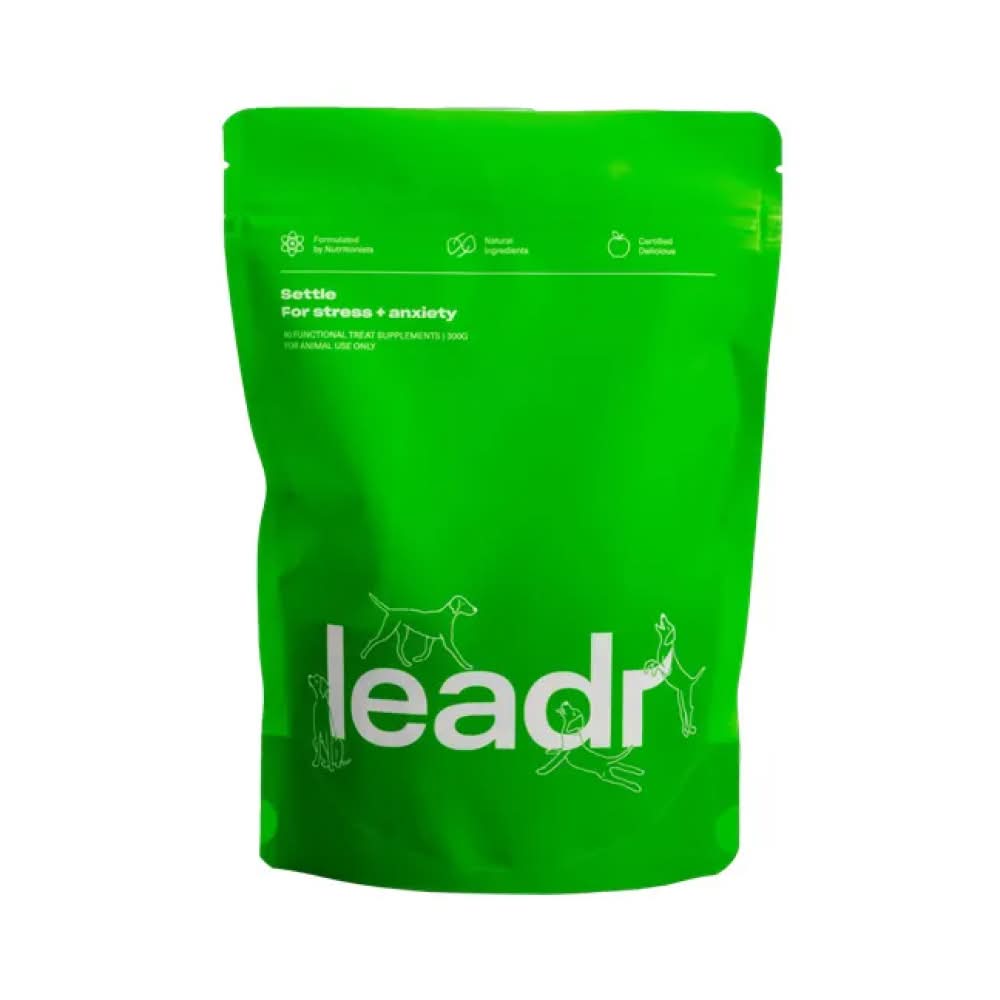
This is where we recommend the Leadr Settle Chew.
What Is Leadr Settle?
Settle is a daily soft chew formulated to support dogs experiencing stress and anxiety. It's designed to be given consistently over time — not as a one-off quick fix — to help regulate your dog's nervous system and promote calmer behaviour.
What's In It
Settle uses a combination of clinically studied, natural active ingredients:
- KSM-66® Ashwagandha — A standardised root extract that has been used in traditional Ayurvedic medicine for thousands of years. A randomised, placebo-controlled trial found that ashwagandha supplementation in dogs was associated with significant reductions in cortisol levels compared to placebo. KSM-66® is the most clinically studied ashwagandha extract available.
- L-Tryptophan — An essential amino acid involved in the production of serotonin, which plays a key role in mood and nervous system regulation. Research has shown that L-tryptophan supplementation can reduce stress-related behaviours in dogs, including barking, marking and aggression.
- Relora® (Magnolia Bark and Phellodendron) — A patented herbal extract combination that has been clinically trialled for its ability to reduce fear and anxiety in dogs.
- Hemp Seed Powder — A plant-based source of essential fatty acids and nutrients that supports overall wellbeing.
- Vitamin B6 and B12 — B vitamins that play a role in neurotransmitter production and nervous system function.
- Kelp — A natural source of minerals and trace elements that supports general health.

Why We Recommend It
- Clinically studied ingredients — not just marketing claims, but ingredients backed by published research
- Australian-made with human-grade, natural ingredients
- Kangaroo-based chew — hypoallergenic protein that suits dogs with food sensitivities
- Free from artificial colours, flavours, fillers, grains, soy and preservatives
- Sustainable, refillable packaging
- 30-day money-back guarantee
Leadr recommends three to four months of consistent daily use for best results, which aligns with how natural adaptogens like ashwagandha work — they build up in the system over time rather than providing instant sedation.
Supplements are not a replacement for behavioural training or veterinary advice. It works best as part of a broader approach that includes desensitisation, routine, exercise and enrichment. Always consult your vet before introducing any new supplement, particularly if your dog is on existing medication.
Frequently Asked Questions
Can separation anxiety in dogs be cured?
With consistent training, routine and the right support, most dogs with separation anxiety can improve significantly. Mild to moderate cases often respond well to desensitisation and environmental management. Severe cases may require a combination of behaviour modification and veterinary-prescribed medication. It's rarely an overnight fix, but with patience, the vast majority of dogs can learn to feel safe alone.
How long can I leave a dog with separation anxiety alone?
This depends entirely on where your dog is in their training. In the early stages of desensitisation, you may only be able to leave for seconds or minutes at a time. The goal is to gradually build up duration without triggering a panic response. As a general guide, most adult dogs shouldn't be left alone for more than four to six hours, anxiety or not.
Will getting another dog help with separation anxiety?
It depends on the individual dog. If your dog simply needs company of any kind to feel secure, a second pet may help. However, if the anxiety is specifically tied to being separated from you — rather than being alone in general — another dog won't solve the problem. It's never a good idea to get a second dog purely as a treatment for anxiety, as you may end up with two anxious dogs.
Do calming supplements actually work for dog anxiety?
Natural calming supplements containing ingredients like ashwagandha, L-tryptophan and magnolia bark have shown promise in clinical studies for reducing stress-related behaviours in dogs. They work best when used consistently over several weeks as part of a broader management plan that includes training and enrichment. They're not sedatives and won't knock your dog out — they support the nervous system to help your dog cope more effectively with stress.
Is my dog's destructive behaviour actually separation anxiety or just boredom?
The key difference is context. Separation anxiety-driven destruction tends to be focused on exit points — doors, windows, gates — and is accompanied by other stress signals like vocalisation, toileting and pacing. Boredom-related destruction is usually more generalised (chewing random household items) and isn't paired with signs of genuine distress. Setting up a camera while you're out is the most reliable way to tell the difference.
Worried about your dog's behaviour when you're not home? Browse our product directory to find calming supplements, enrichment toys and more to support your anxious pup.








Comments
0 comments
Login to Join the Conversation 💬