


.png)
















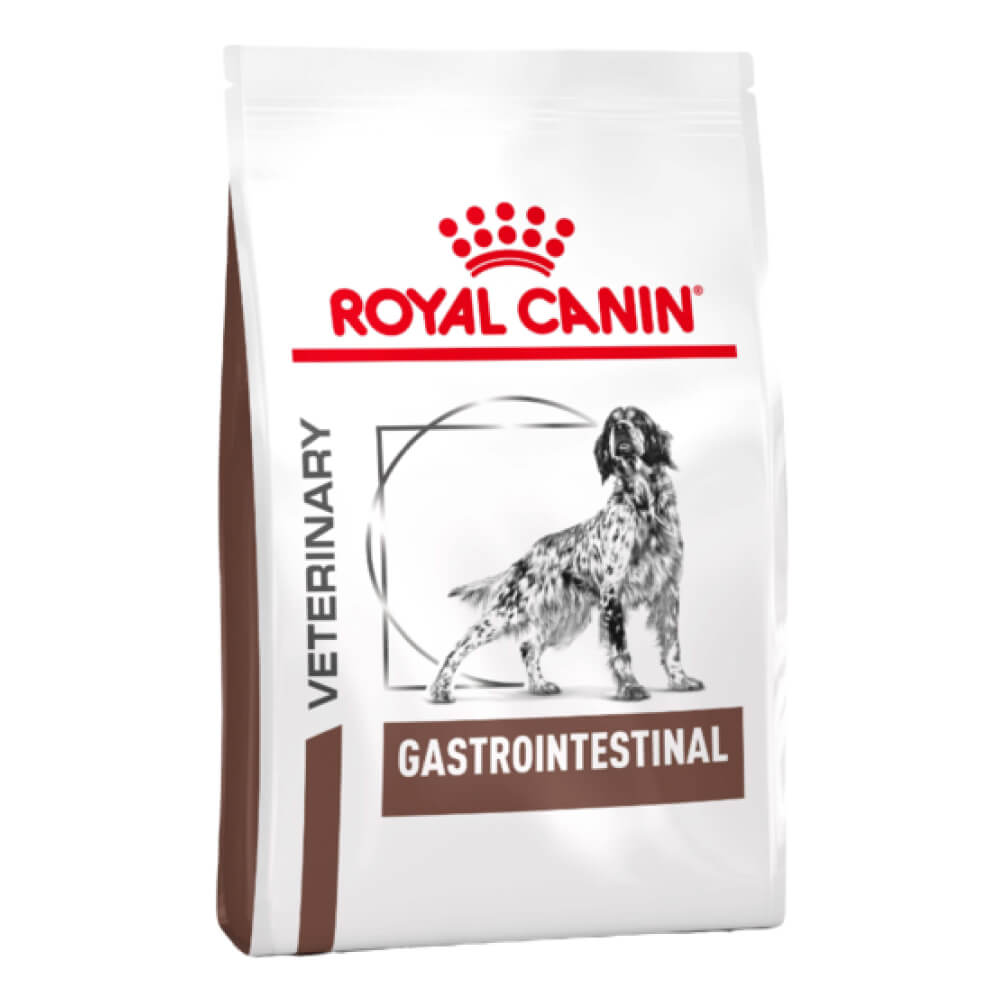
Watching your dog deal with ongoing stomach problems is stressful. If your vet has recommended Royal Canin Gastrointestinal, you are probably wondering which formula is right and what to expect. Here is the straightforward breakdown.
In Short:
Royal Canin Gastrointestinal is a veterinary diet designed for dogs with digestive issues like chronic diarrhoea, vomiting, and inflammatory bowel disease. The range includes a standard formula, a Low Fat option for pancreatitis, a High Fibre formula for colitis, and a Puppy version.
Prices vary between Australian retailers, so it pays to compare before you buy. Dog Directory shows prices across stores on one page.


Why Vets Prescribe Royal Canin Gastrointestinal
When a dog has ongoing digestive problems, regular food often makes things worse. Standard kibble is not formulated to be gentle on an inflamed gut, and it does not contain the specific nutrients a recovering digestive system needs.
Royal Canin Gastrointestinal is built differently. It uses highly digestible proteins and carbohydrates that are easier for a compromised gut to process. It also includes prebiotics to support the gut microbiome and an adapted fat content depending on the formula.
Your vet might prescribe it for acute episodes — a sudden bout of diarrhoea or vomiting — or as a long-term management diet for chronic conditions like IBD.
The Four Royal Canin Gastrointestinal Formulas Explained
The range is not one-size-fits-all. Each formula targets a different digestive condition, and your vet will recommend the one that matches your dog's diagnosis.
Standard Gastrointestinal
The core formula. Designed for dogs with acute or chronic diarrhoea, vomiting, or inflammatory bowel disease. It delivers highly digestible protein and energy to support recovery while reducing the workload on the gut.
This is the most commonly prescribed option in the range. If your vet has simply said "put your dog on Royal Canin Gastrointestinal" without specifying a variant, this is typically what they mean.
Gastrointestinal Low Fat
The go-to formula for dogs with pancreatitis or hyperlipidaemia. Pancreatitis is an inflammation of the pancreas, and fat is the main dietary trigger. This formula reduces fat content significantly while maintaining digestibility and energy levels.
If your dog has had a pancreatitis episode, your vet will almost certainly recommend the Low Fat version rather than the standard formula. It is available in both dry kibble and wet food formats.
Gastrointestinal High Fibre
Formulated for dogs with colitis and fibre-responsive bowel conditions. The increased fibre content supports healthy stool formation and helps regulate bowel movements.
This is not for every digestive issue. Your vet will prescribe High Fibre specifically when your dog's condition responds to increased dietary fibre — typically large bowel problems rather than small bowel issues.
Gastrointestinal Puppy
Young dogs with sensitive digestive systems need different nutritional support than adults. This formula provides the same digestive benefits as the standard Gastrointestinal diet but with the energy levels, protein, and micronutrients that growing puppies require.
If your puppy has recurring stomach upsets, this is what your vet will likely reach for before trying any adult formula.

How Long Your Dog Needs to Stay on It
This depends entirely on what is going on. For acute episodes like a sudden bout of gastro, your vet might only prescribe it for two to four weeks while your dog recovers.
For chronic conditions like IBD or recurrent pancreatitis, it could become your dog's permanent diet. Your vet will reassess at follow-up appointments and may trial a transition back to regular food down the track. Some dogs stay on Gastrointestinal for life.
Royal Canin Gastrointestinal vs Hill's i/d
Hill's Prescription Diet i/d is the main competitor in this space. Both target the same conditions — digestive issues, IBD, and recovery from gut problems. Hill's also offers a Low Fat version for pancreatitis.
The differences come down to formulation details and sometimes palatability. Some dogs prefer one over the other, and some vets have a preference based on their clinical experience. We have a detailed side-by-side comparison if you want to see exactly how the two stack up.
Finding the Best Price in Australia
Royal Canin Gastrointestinal is not cheap — especially if your dog is on it long-term. A 12kg bag of the standard formula typically sits between $100 and $160 depending on the retailer, and prices can swing by $20 or more between stores for the exact same product.
Dog Directory compares prices across Australian online pet stores so you can find the cheapest option without checking every site yourself.
Frequently Asked Questions
Is Royal Canin Gastrointestinal good for dogs with pancreatitis?
Royal Canin Gastrointestinal Low Fat is specifically formulated for dogs with pancreatitis. The reduced fat content minimises the risk of triggering another episode. The standard Gastrointestinal formula has a higher fat content and is not suitable for pancreatitis — make sure your vet specifies which version your dog needs.
Can I buy Royal Canin Gastrointestinal without a prescription in australia?
Most Australian online pet retailers sell Royal Canin Gastrointestinal without requiring a physical prescription. However, it is a veterinary diet designed for specific conditions. Feeding it to a healthy dog is not recommended because the nutrient ratios are tailored for compromised digestive systems, not general maintenance.
How do I transition my dog to Royal Canin Gastrointestinal?
Your vet will typically recommend a gradual transition over five to seven days, mixing increasing amounts of the new food with decreasing amounts of the old food. In acute cases where your dog is actively unwell, your vet may recommend switching immediately. Always follow your vet's specific instructions for your dog's situation.
What is the difference between Royal Canin Gastrointestinal and Gastrointestinal Low Fat?
The standard formula is designed for general digestive issues like diarrhoea, vomiting, and IBD. The Low Fat version has significantly reduced fat content and is specifically formulated for pancreatitis and hyperlipidaemia. They target different conditions, so your vet will prescribe the one that matches your dog's diagnosis. Do not swap between them without veterinary guidance.
Can puppies eat Royal Canin Gastrointestinal Adult Formula?
Royal Canin makes a dedicated Gastrointestinal Puppy formula for young dogs with digestive issues. Adult formulas do not contain the right balance of energy, protein, and micronutrients that growing puppies need. If your puppy has stomach problems, ask your vet about the Puppy-specific version rather than using the adult formula.











Comments
0 comments
Login to Join the Conversation 💬