



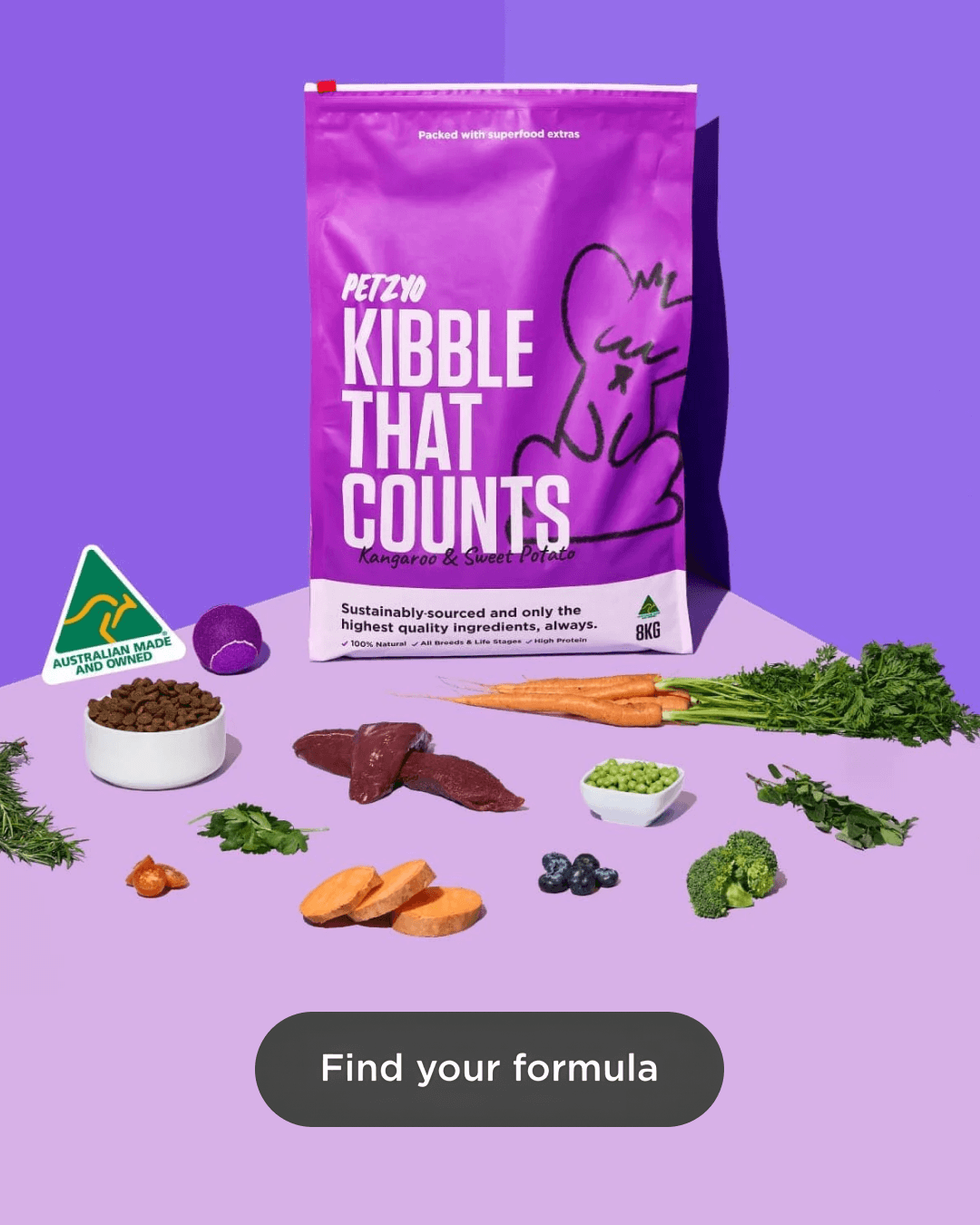






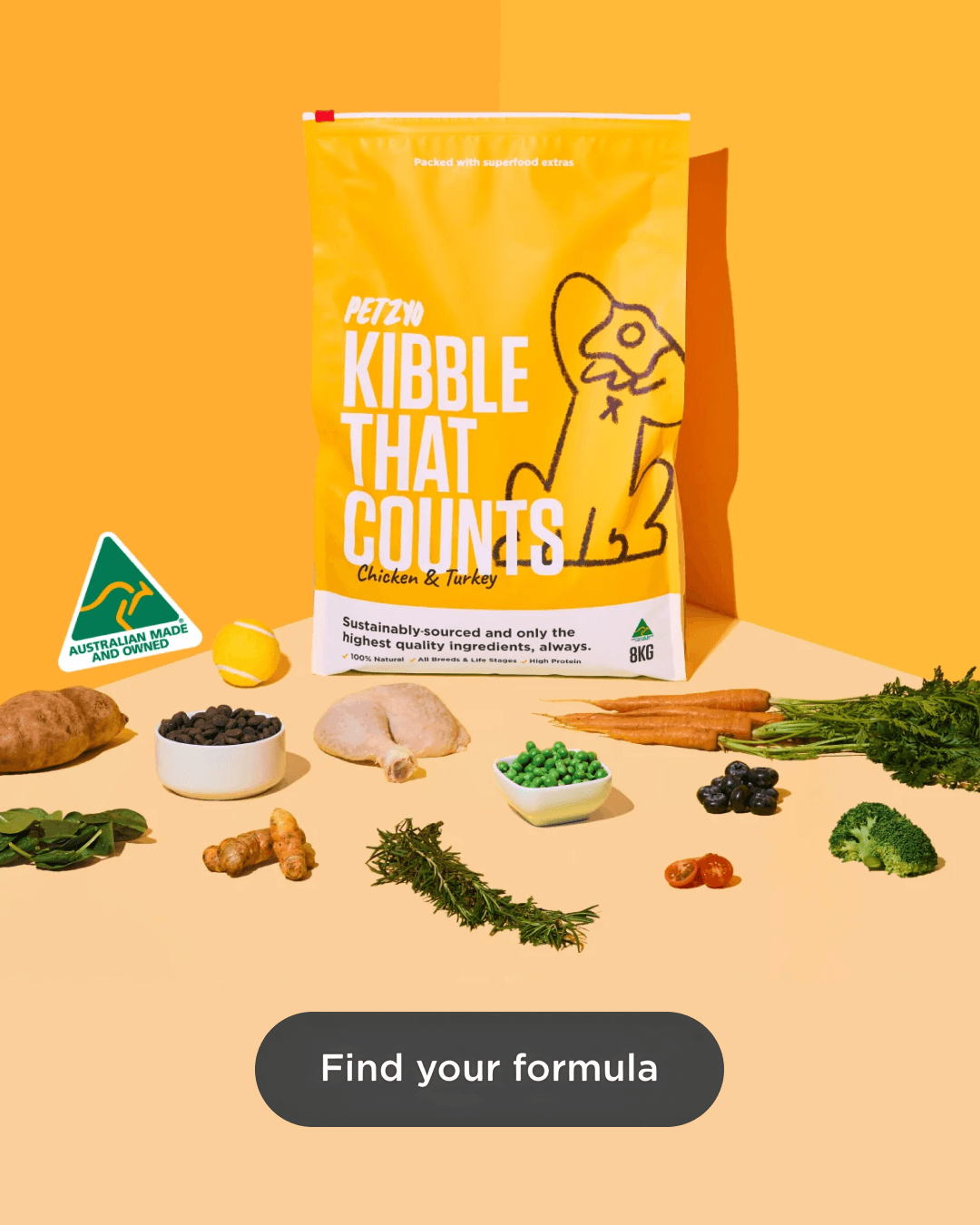







Kibble gets a bad rap in some corners of the internet. But is dry dog food actually harmful, or is it more nuanced than that? Here's what we know.
In Short:
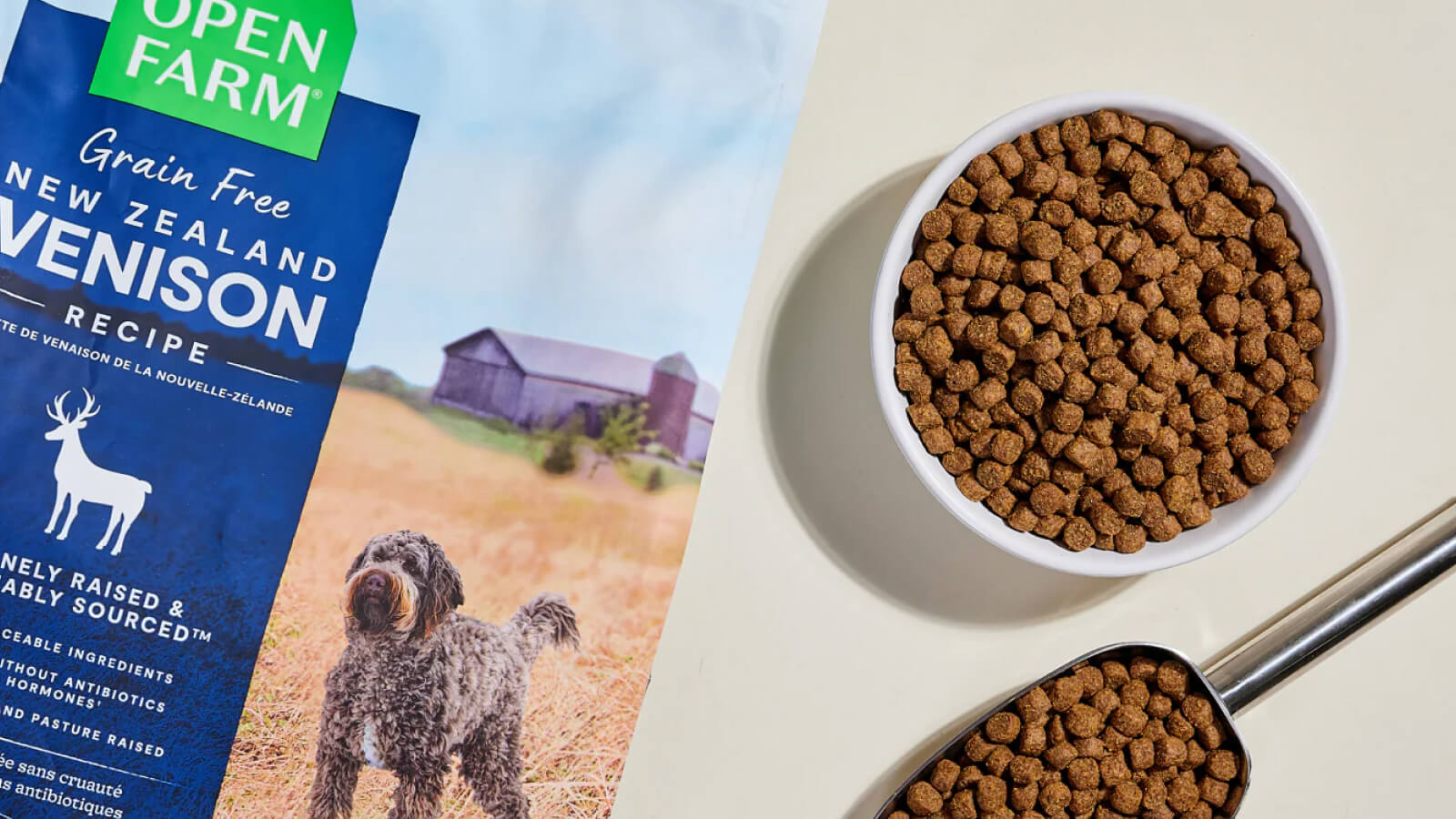
No, kibble isn't inherently bad for dogs. A high-quality dry food that meets AAFCO or AS 5812 nutritional standards provides complete, balanced nutrition. The real issue is quality — avoid brands with vague ingredients, cheap fillers as the primary ingredient, and no nutritional compliance statement.
Good kibble is convenient, consistent, and cost-effective.

The Short Answer
No, kibble isn't inherently bad for dogs. Millions of dogs around the world live long, healthy lives on dry food. But not all kibble is created equal, and that's where the nuance comes in.
A high-quality dry food that meets AAFCO or AS 5812 nutritional standards will provide complete and balanced nutrition for most dogs. A cheap, filler-heavy kibble with vague ingredients and no nutritional statement is a different story.
The question isn't really "is kibble bad?" It's "is this specific kibble good enough?"
Where the Anti-Kibble Argument Comes From
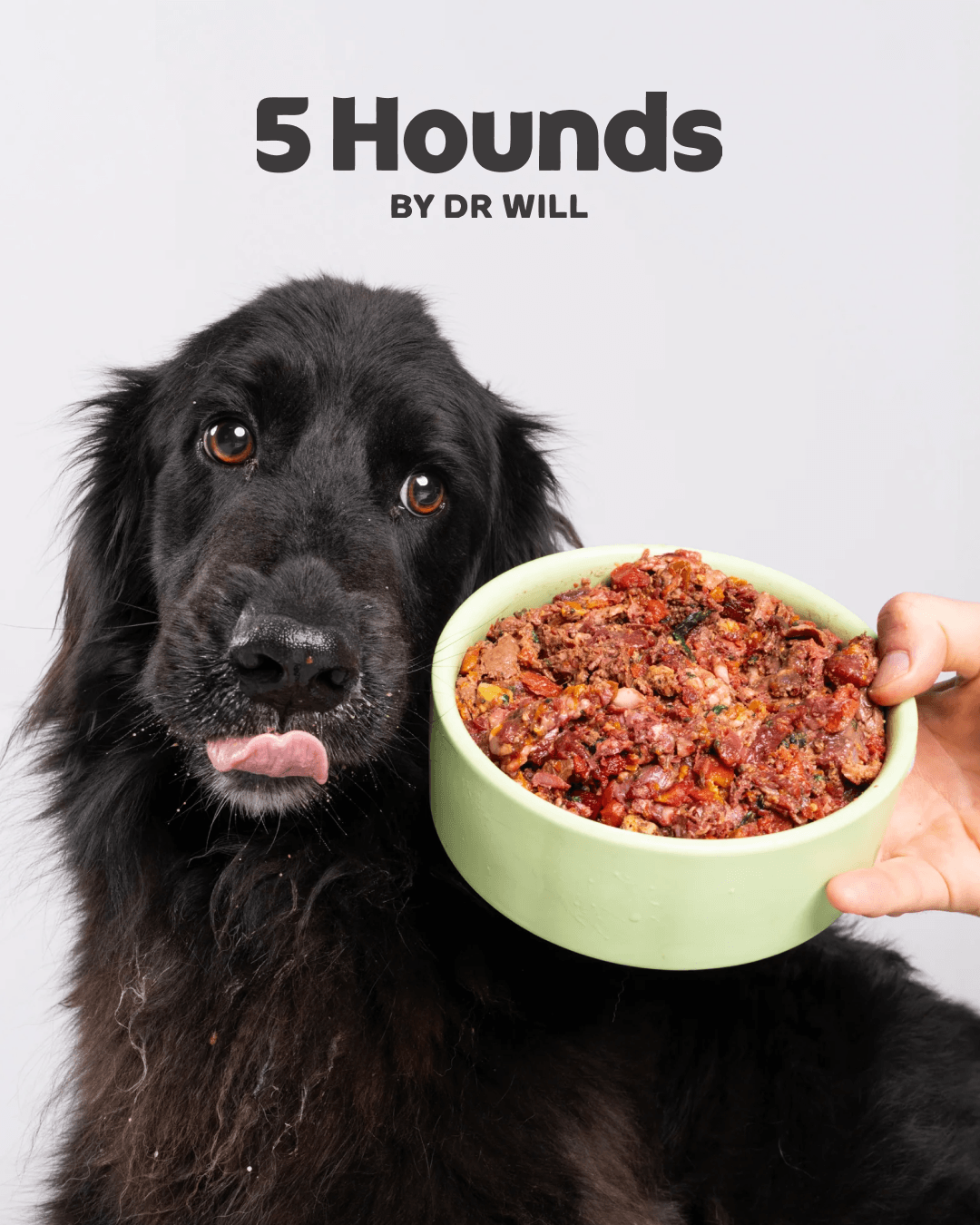
Much of the kibble backlash comes from the raw feeding community. Their core argument is that dogs evolved to eat raw meat, and processed dry food is too far removed from a natural diet.
There's some logic there. Kibble is heavily processed. The extrusion process involves high heat, which can reduce some nutrient levels. Manufacturers compensate by adding vitamins and minerals back in, but critics argue this isn't the same as getting nutrients from whole food sources.
Another concern is the high carbohydrate content of many kibble brands. Dogs don't have a nutritional requirement for carbohydrates, and some formulas use grains or legumes as the primary ingredient to keep costs down.
These are fair points. But they apply to low-quality kibble, not dry food as a category
What Kibble Does Well
Dry food has genuine advantages that are easy to overlook in the debate.
Convenience and shelf stability are obvious ones. Kibble doesn't need refrigeration, is easy to portion, and stores well. For most Australian households, this matters.
Dental health is another. The mechanical action of chewing kibble can help reduce plaque and tartar buildup. It's not a substitute for dental care, but it's a benefit wet food and raw diets don't offer in the same way.
Consistency matters too. A reputable kibble brand that meets AS 5812 delivers the same nutritional profile in every batch. With raw feeding, nutritional balance depends entirely on the owner getting the ratios right, which is harder than it sounds.
Cost is also a factor. Quality kibble is significantly cheaper per serve than a properly balanced raw diet.
What to Watch Out For in Kibble
The real risk with kibble isn't the format — it's the quality.
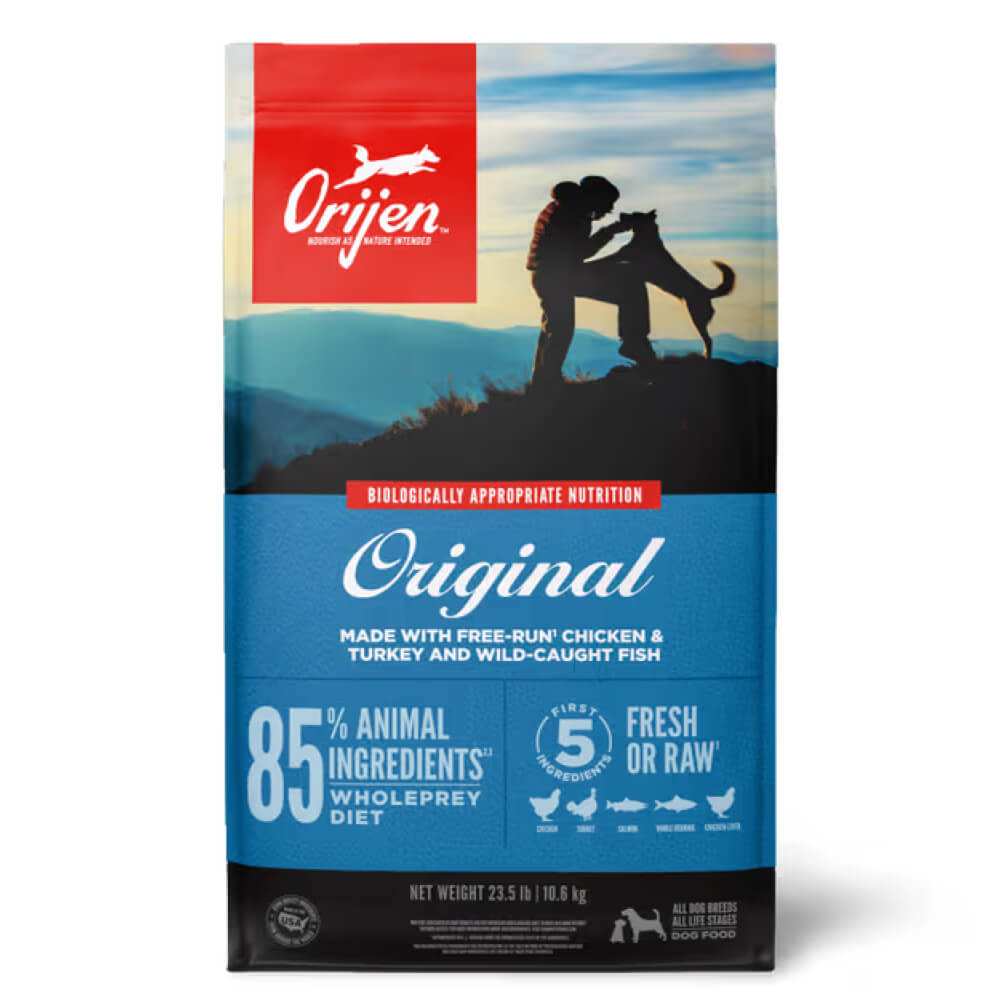
Avoid products where grains or legumes are the first ingredient. Look for a named animal protein at the top of the list. Check for an AAFCO or AS 5812 compliance statement.
Be cautious of grain-free formulas. The FDA in the United States has investigated a potential link between grain-free diets high in legumes and a heart condition called dilated cardiomyopathy (DCM) in dogs. The research is ongoing, but it's worth noting.
Watch for artificial preservatives, colours, and flavours. These are signs of a manufacturer cutting corners. Natural preservatives like mixed tocopherols are the standard in quality brands.
Frequently Asked Questions
Is raw food better than kibble for dogs?
Can dogs live a long life on kibble?
Is wet food better than dry food for dogs?
Does kibble cause cancer in dogs?
Is grain-free kibble better for dogs?
Should I add anything to my dog's kibble?







Comments
0 comments
Login to Join the Conversation 💬