


















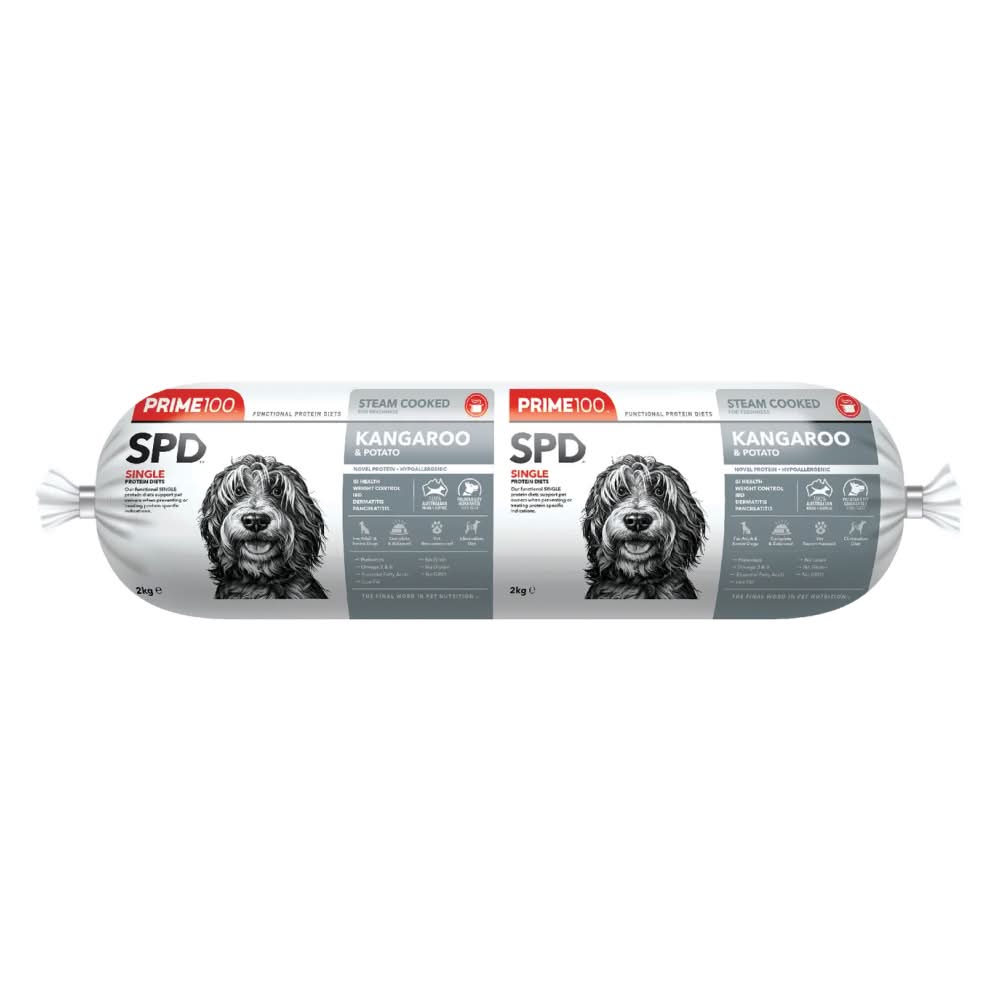






It's one of the most polarising debates in dog nutrition. Grain-free food sounds healthier, but is it? And could it actually be doing your dog more harm than good?

In Short:
Grain-free dog food sales have surged, but the science doesn't support it as a better choice for most dogs. True grain allergies are rare — most food allergies in dogs are triggered by proteins like beef, dairy, and chicken.
Meanwhile, the FDA has investigated a potential link between certain grain-free diets high in legumes and a serious heart condition called dilated cardiomyopathy.
For most dogs, grain-inclusive food is perfectly safe and nutritionally sound.
Compare grain-free dog food prices on the Dog Directory.

The Rise of Grain-Free
Grain-free dog food has gone from niche to mainstream in a remarkably short time. Between 2012 and 2016, sales in the United States alone increased by 221%. By 2024, an estimated 40% of dogs in the US were eating grain-free diets.
Australia has followed a similar trajectory. Walk down the pet food aisle at any supermarket or pet store and you'll see "grain-free" splashed across packaging like a badge of honour.
The appeal makes intuitive sense. Wolves don't eat wheat. Dogs descended from wolves. Therefore dogs shouldn't eat grains. Right?
Not quite.
Comparing dog food brands and ingredients? Browse the Dog Directory for Australian dog food options, reviews, and price comparisons.
The Wolf Argument Doesn't Hold Up
It's true that dogs descended from wolves. But domestication has changed them — including their digestive systems.
One of the key genetic differences between dogs and wolves is that dogs have significantly more copies of the gene responsible for starch digestion. This adaptation evolved alongside thousands of years of living with grain-eating humans.
In other words, most dogs are well equipped to digest grains. They've literally evolved to do it.
That doesn't mean every dog thrives on every grain. But the blanket claim that grains are "unnatural" or harmful for dogs isn't supported by the science of canine evolution or modern veterinary nutrition.
The Allergy Myth
This is the big one. Many dog owners switch to grain-free food because they believe their dog is allergic to grains.
Here's what the research actually shows: true food allergies affect a relatively small percentage of dogs. And when they do occur, the most common triggers are animal proteins — not grains.
A widely cited 2016 review published in BMC Veterinary Research found that the most frequent allergens in dogs with confirmed food reactions were beef (34%), dairy (17%), chicken (15%), and wheat (13%). Lamb came in at 5%.
One review found that only about 1% of food-allergic dogs actually react to grains specifically.
Gluten sensitivity in dogs is exceedingly rare. It's been documented in Irish Setters through a genetic condition similar to coeliac disease, but it's not a widespread concern across breeds.
The bottom line: if your dog has itchy skin, ear infections, or gut issues, grains are a possible culprit — but beef, dairy, or chicken are statistically far more likely to be the cause.

The Only Way to Diagnose a Food Allergy
This is worth its own section because it's so commonly misunderstood.
You cannot diagnose a food allergy through a blood test, a saliva test, or a hair analysis. Despite what some companies sell, these tests are not considered reliable by veterinary dermatologists.
The gold standard is an elimination diet trial, supervised by a vet. Your dog eats a single, controlled diet (usually a prescription hydrolysed protein or novel protein formula) for eight to twelve weeks. If symptoms resolve, the original ingredients are reintroduced one at a time to identify the trigger.
It's slow and requires discipline. But it's the only method that actually works.
Switching to grain-free without doing this process doesn't tell you anything — because you've changed multiple ingredients at once, and the grains may not have been the problem.
The Heart Disease Concern
In July 2018, the US Food and Drug Administration began investigating reports of dilated cardiomyopathy (DCM) in dogs eating certain diets — many of them grain-free.
DCM is a serious heart condition where the heart muscle weakens and can no longer pump blood effectively. It had traditionally been seen mainly in genetically predisposed breeds like Dobermans, Boxers, and Great Danes. But the FDA was now seeing it in breeds with no known genetic risk.
By November 2022, the FDA had received 1,382 reports of DCM in dogs. More than 90% of the diets involved were grain-free. And 93% contained peas and/or lentils as primary ingredients.
It's important to be precise here: the concern isn't about the absence of grains. It's about what replaces them.
It's About the Legumes, Not the Grains
When you remove grains from a dog food formula, something else has to take their place to provide structure, energy, and fibre. In most grain-free products, that something is legumes — peas, lentils, chickpeas — and potatoes.
Researchers at Tufts University found that the inclusion of peas represented the greatest difference between diets associated with DCM and those that weren't.
The exact mechanism is still being studied. One hypothesis involves taurine — an amino acid critical for heart function. Some legume-heavy diets may interfere with taurine synthesis or absorption, though taurine deficiency doesn't appear to explain all cases.
Other emerging research points to the possible role of legumes in altering gut bacteria and nutrient absorption in ways that affect cardiac health over time.
The encouraging news is that many dogs with diet-associated DCM have improved — and in some cases fully recovered — after switching to a grain-inclusive diet and receiving appropriate treatment.
What the FDA Actually Said
The FDA hasn't issued a recall or a ban on grain-free foods. In December 2022, the agency said it would stop publishing public updates unless meaningful new science emerged.
Some people interpreted this as the FDA closing the case. That's not what happened.
Veterinary researchers at institutions like Tufts University and the University of Florida have continued studying the link. A 2025 narrative review confirmed that many apparently healthy dogs eating grain-free diets showed early-stage cardiac changes, reinforcing the concern.
One veterinary cardiologist noted that while overall DCM reports had decreased — possibly due to diet reformulations and greater public awareness — cases were still being reported at a rate of roughly one every three days as recently as late 2022.
So When Is Grain-Free Appropriate?
There are legitimate reasons to feed a grain-free diet. But they're narrower than most people assume.
If your dog has a confirmed grain allergy diagnosed through a proper elimination diet trial, then yes — avoiding that specific grain makes sense. Work with your vet to choose a formula that's nutritionally complete and doesn't rely heavily on legumes as a replacement.
Some dogs with specific medical conditions may benefit from lower-carbohydrate diets, which can overlap with grain-free options. Again, this should be guided by a veterinarian.
For the vast majority of dogs, however, there's no nutritional advantage to going grain-free. Whole grains like brown rice, oats, and barley provide valuable fibre, B vitamins, and sustained energy. They're well tolerated by most dogs and have a long track record of safe use in commercial pet food.
What to Look For Instead
Rather than fixating on whether a food contains grains, focus on overall quality.
Look for foods that have undergone feeding trials — not just formulated to meet nutritional standards on paper, but actually tested on real dogs. The label will tell you which method was used.
Check that the manufacturer employs a qualified veterinary nutritionist. The World Small Animal Veterinary Association (WSAVA) publishes guidelines for evaluating pet food companies, and these are a useful starting point.
Pay attention to the ingredient list beyond the headline claims. A grain-free label tells you what's been removed. It doesn't tell you whether what replaced it is better, worse, or potentially risky.
And if your dog is doing well on a grain-inclusive diet — good coat, healthy weight, solid digestion, plenty of energy — there's no reason to change it based on marketing trends.
Comparing dog food brands and ingredients? Browse the Dog Directory for Australian dog food options, reviews, and price comparisons.
The Bottom Line
Grain-free dog food isn't inherently better. For most dogs, it's unnecessary. And for some, it may carry risks that aren't worth taking.
The grain-free movement was built largely on a misunderstanding of canine evolution and an overestimation of how common grain allergies actually are. Meanwhile, the potential link between high-legume grain-free diets and heart disease is a genuine concern that's still being actively researched.
If you're unsure about what to feed your dog, your vet is always the best starting point. Not the pet store shelf. Not a Facebook group. Not a celebrity endorsement on a bag of kibble.
Your dog doesn't need a trendy diet. They need a complete, balanced one.
Frequently Asked Questions
Is grain-free dog food actually healthier for dogs?
For the vast majority of dogs, no. Grains like rice, oats, and barley are well tolerated and provide valuable nutrients. Grain-free diets were popularised by marketing trends rather than veterinary science. Unless your dog has a diagnosed grain allergy, there's no proven health benefit to removing grains from their diet.
Can grain-free dog food cause heart problems in dogs?
The FDA has investigated a potential link between certain grain-free diets — particularly those high in peas, lentils, and other legumes — and dilated cardiomyopathy (DCM), a serious heart condition. Over 1,300 cases were reported by late 2022. Research is ongoing, but many vets now recommend caution with high-legume grain-free formulas.
Are dogs actually allergic to grains?
True grain allergies in dogs are uncommon. Research shows that the most frequent food allergens in dogs are animal proteins like beef, dairy, and chicken. One review found that only about 1% of food-allergic dogs react specifically to grains. A vet-supervised elimination diet is the only reliable way to diagnose a food allergy.
What should I feed my dog instead of grain-free food?
A high-quality, nutritionally complete grain-inclusive diet is a safe choice for most dogs. Look for brands that use feeding trials, employ veterinary nutritionists, and follow WSAVA guidelines. Whole grains like brown rice, oats, and barley are excellent sources of fibre and energy for dogs.
Should I switch my dog off grain-free food?
If your dog is currently eating a grain-free diet — especially one with peas, lentils, or legumes listed among the first ingredients — it's worth discussing with your vet. They may recommend an echocardiogram to check heart function, particularly for breeds not typically prone to DCM. A gradual transition to a grain-inclusive formula is generally straightforward.









Comments
0 comments
Login to Join the Conversation 💬