























The BARF diet has gone from fringe idea to mainstream conversation among Australian dog owners. But what does it actually involve, what are the real benefits, and what should you watch out for? Here's a straightforward look at what BARF means for your dog.
In Short:
BARF stands for Biologically Appropriate Raw Food. It's a raw feeding approach built on unprocessed meat, bones, organs, and vegetables.
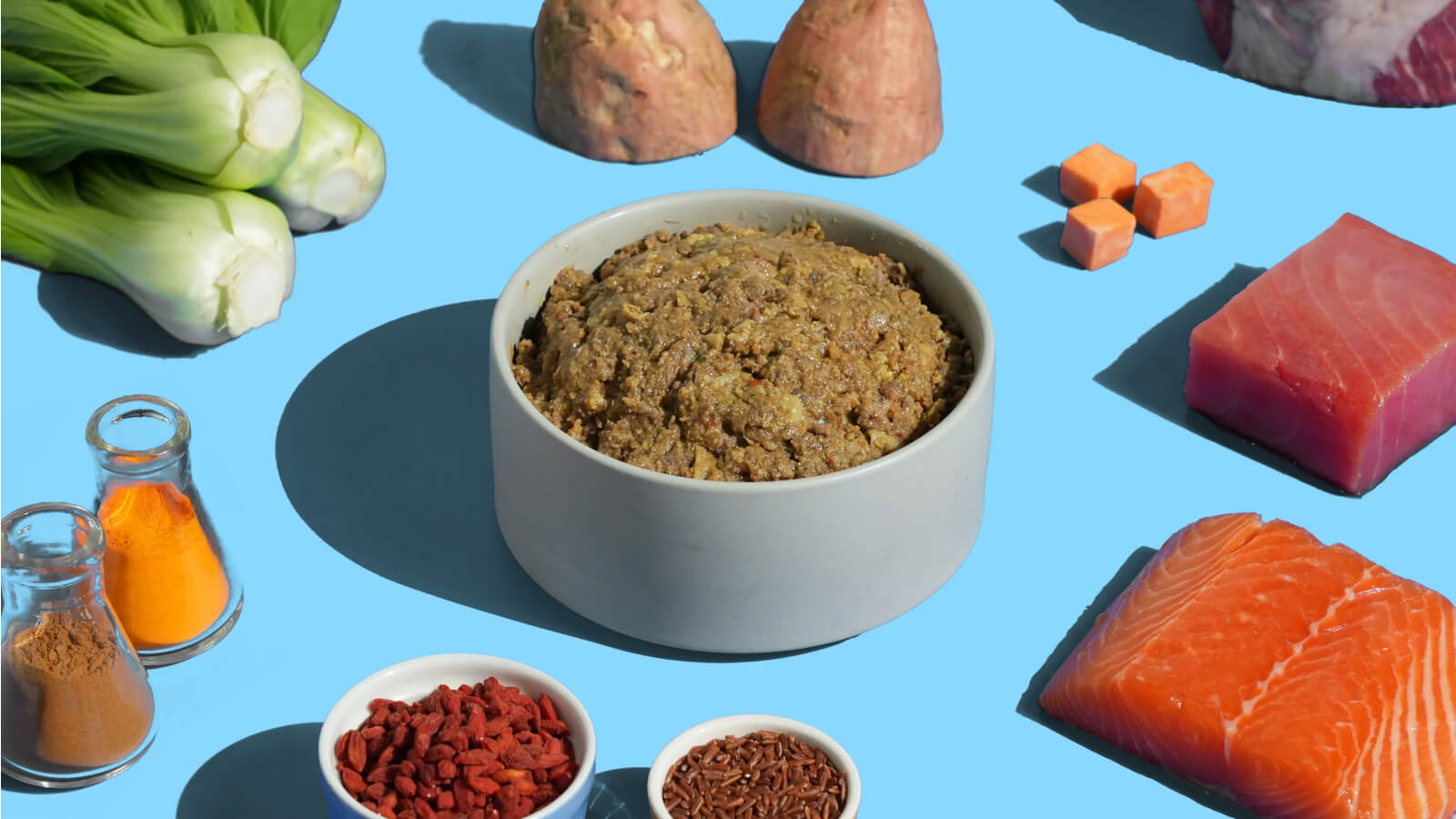
A standard BARF diet follows a rough ratio of whole, unprocessed ingredients:
70% Muscle Meat — the primary protein source
10% Raw Edible Bone — provides calcium and phosphorus
5% Liver — a key source of vitamin A and B vitamins
5% Other Organs — kidney, spleen, or other secreting organs
7% Vegetables — blended or lightly processed for digestibility
2–3% Seeds, Nuts, or Fruit — for additional vitamins and minerals

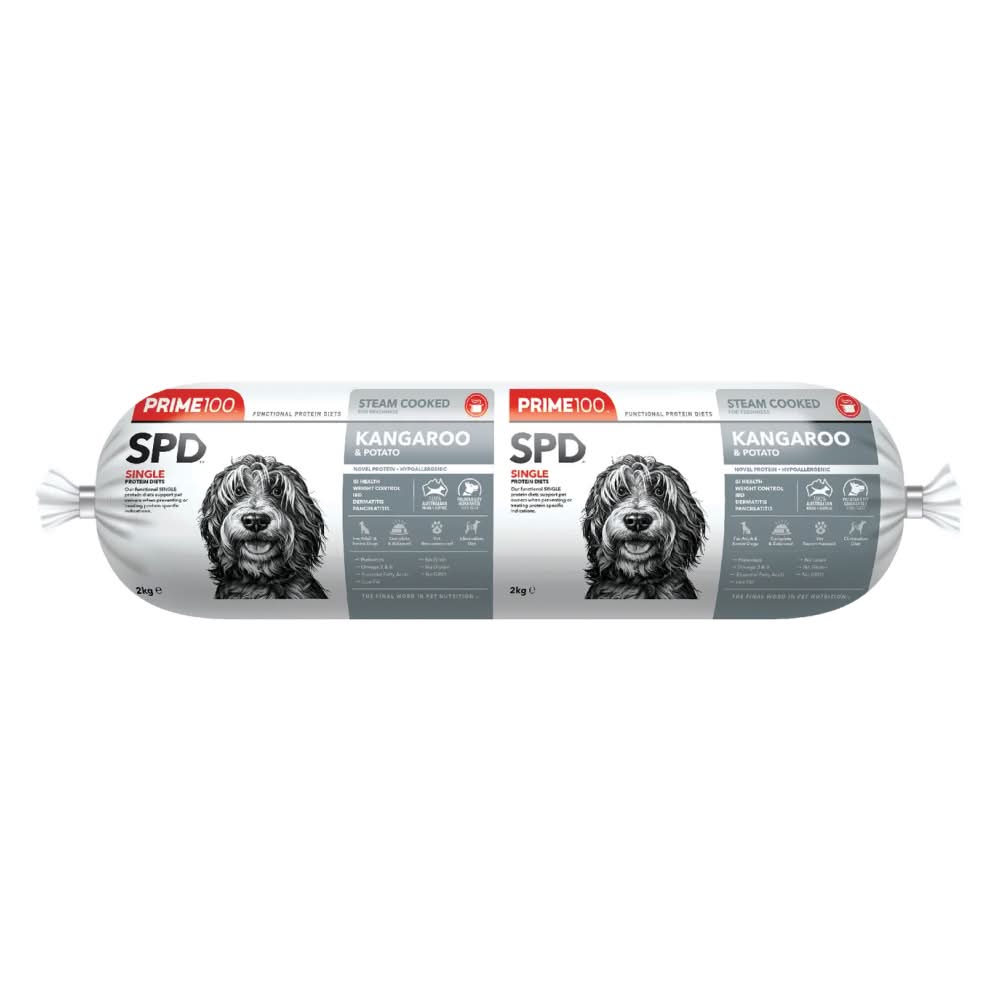
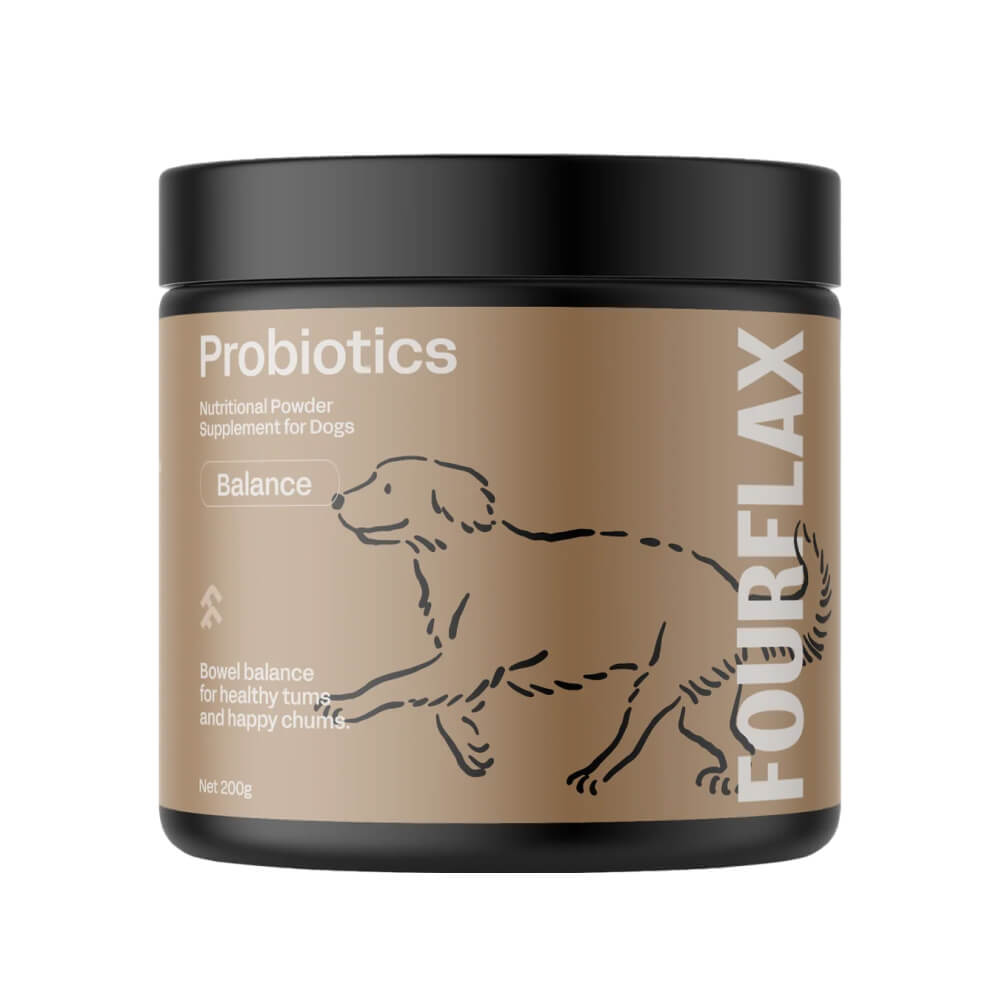
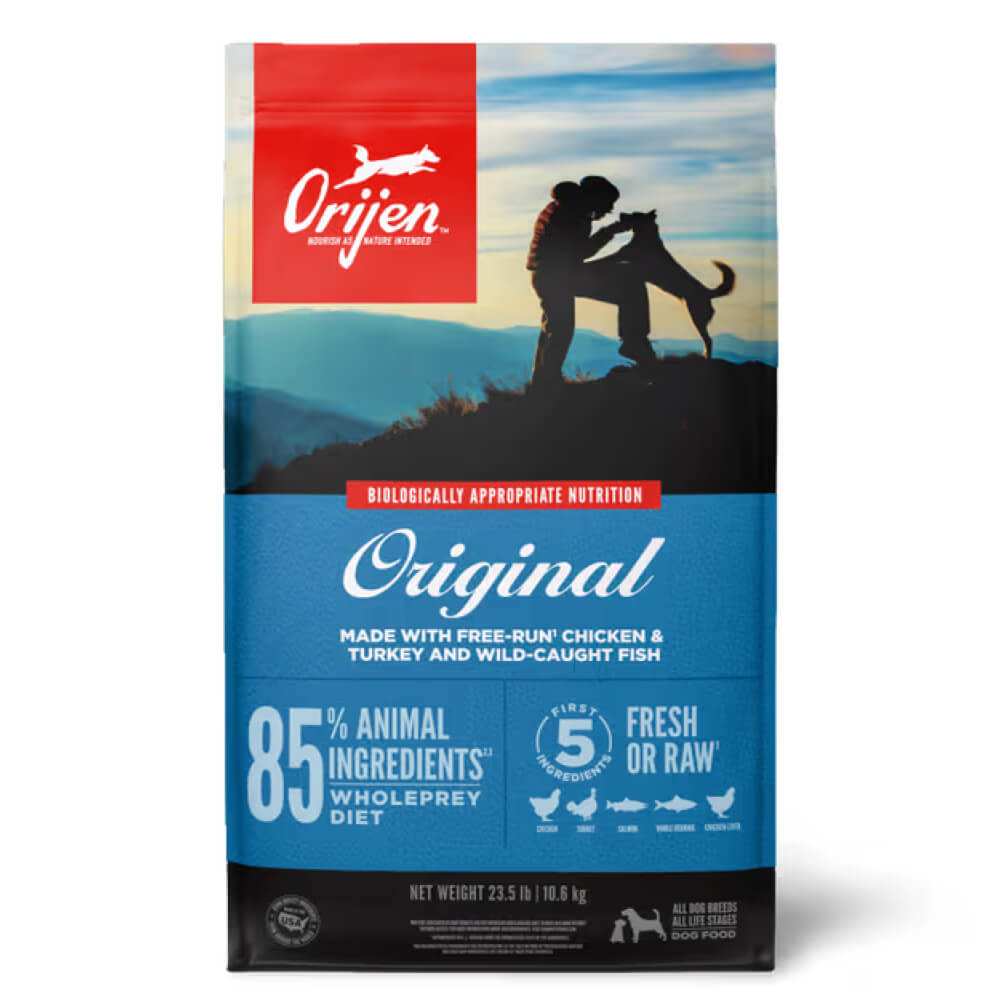
Featured Products:

Where Did BARF Come From?
BARF stands for Biologically Appropriate Raw Food (also sometimes expanded as Bones and Raw Food). The concept was developed by Australian veterinarian Dr Ian Billinghurst, who introduced the approach in his 1993 book Give Your Dog a Bone.
His argument was simple: dogs evolved eating raw meat, bones, and plant matter long before commercial kibble existed. Feeding them a diet that mimics what their ancestors ate — rather than heavily processed food — would better serve their biology.
Since then, the BARF movement has grown significantly across Australia, New Zealand, the UK, Europe, and North America. A growing number of Australian commercial raw food brands now produce pre-made BARF meals, making the diet more accessible than ever.
What Does a BARF Diet Include?
A standard BARF diet follows a rough ratio of whole, unprocessed ingredients:
- 70% Muscle Meat — the primary protein source
- 10% Raw Edible Bone — provides calcium and phosphorus
- 5% Liver — a key source of vitamin A and B vitamins
- 5% Other Organs — kidney, spleen, or other secreting organs
- 7% Vegetables — blended or lightly processed for digestibility
- 2–3% Seeds, Nuts, or Fruit — for additional vitamins and minerals
Some BARF feeders also include eggs, oily fish, and small amounts of dairy. The goal is to approximate the nutritional profile of whole prey while incorporating plant-based foods to fill any gaps.
The diet excludes grains, processed foods, artificial additives, and cooked bones (which can splinter and cause injury).
What Are the Reported Benefits?
Owners who feed BARF commonly report improvements in their dog's coat condition, skin health, energy levels, stool quality, and dental hygiene. Chewing raw meaty bones can help reduce plaque and tartar buildup compared to soft commercial diets.
There's also evidence that raw diets tend to be more digestible than some commercial kibbles, which may contribute to smaller, firmer stools and reduced gas.
However, it's worth noting that much of the evidence for these benefits is anecdotal or based on owner-reported outcomes. A 2025 review in Veterinary Sciences noted that many claimed benefits are difficult to separate from the effects of simply feeding a higher-quality, higher-protein diet — regardless of whether it's raw or cooked. The shinier coat, for example, may be a result of higher fat content rather than the food being uncooked.
What Are the Risks?
The BARF diet isn't without genuine concerns, and these are worth understanding before making the switch.
Bacterial Contamination
Raw meat can carry pathogens including Salmonella, E. coli, and Campylobacter. Research has consistently found that raw pet food carries a higher bacterial load than processed alternatives. This is a risk not just for your dog, but for humans in the household — particularly children, elderly family members, or anyone with a compromised immune system. Strict hygiene when handling, storing, and serving raw food is essential.
Nutritional Imbalance
Getting the ratios right in a homemade BARF diet is harder than it looks. Studies have found that many published BARF recipes contain errors — commonly too little calcium, incorrect calcium-to-phosphorus ratios, or excessive vitamin D. Puppies and pregnant dogs are especially vulnerable to imbalances, with cases of nutritional osteodystrophy documented in puppies fed poorly formulated raw diets.
Bone-Related Injuries
While raw bones are softer and safer than cooked bones, they can still cause fractured teeth, choking, or gastrointestinal blockages in some dogs. Supervision is important.
Parasites
Raw meat may contain parasites. Freezing meat at -17°C to -20°C for at least seven days before feeding can reduce this risk, though it doesn't eliminate it entirely.
Commercial BARF vs Homemade
If you're considering BARF, one of the biggest decisions is whether to buy pre-made meals or prepare them yourself.
Commercial BARF meals from reputable Australian brands are formulated to meet nutritional guidelines and are prepared under food safety standards. They take the guesswork out of ratios and sourcing, which significantly reduces the risk of nutritional imbalance.
Homemade BARF gives you full control over ingredients and quality, but it requires a solid understanding of canine nutritional requirements. If you go this route, consulting a veterinary nutritionist is strongly recommended — not just a blog recipe.
Is BARF Right for Your Dog?
There's no single correct way to feed a dog, and BARF isn't inherently better or worse than a well-formulated commercial diet. What matters is that whatever you feed is nutritionally complete, safe, and appropriate for your dog's life stage and health needs.
BARF can work well for many dogs, but it requires more effort, knowledge, and care than opening a bag of kibble. If you're interested in trying it, start with a reputable commercial raw food brand, transition gradually over two weeks, and talk to your vet — especially if your dog is a puppy, pregnant, elderly, or has existing health conditions.
Looking for simple BARF options? Our product directory lets you filter by diet type, protein source, and brand to find the right raw food for your dog.
Frequently Asked Questions
Is the BARF diet safe for puppies?
It can be, but puppies have very specific nutritional requirements — particularly around calcium and phosphorus ratios — that are easy to get wrong with a homemade raw diet. If you want to feed a puppy raw, use a commercially formulated BARF product designed for growth, and consult your vet.
Can I mix BARF with kibble?
Opinions vary. Some raw feeding advocates recommend against mixing raw and kibble in the same meal, as they digest at different rates. Others, including some veterinary nutritionists, consider it safe. If you choose to mix, do so gradually and monitor your dog's digestion.
How much does BARF feeding cost in Australia?
It depends on the protein source, brand, and your dog's size. Commercial BARF meals in Australia typically range from $5–$15 per day for a medium-sized dog. Homemade BARF can be cheaper if you source meat in bulk, but factor in the time and knowledge required.
Do vets recommend the BARF diet?
Veterinary opinion is divided. Most mainstream veterinary bodies, including the Australian Veterinary Association, acknowledge the risks around bacteria and nutritional balance. Some individual vets support raw feeding when done properly. The key is ensuring the diet is complete, balanced, and safely handled.
Where did the BARF diet originate?
The BARF diet was developed in Australia by veterinarian Dr Ian Billinghurst, who published his foundational book Give Your Dog a Bone in 1993. Australia remains one of the strongest markets for raw feeding, with numerous local brands producing commercial BARF products.
Sources and References:
- Dr Ian Billinghurst — drianbillinghurst.com
- Royal Canin Academy — Advantages, Drawbacks and Risks of Raw Feeding
- Freeman, L.M. et al. — Current Knowledge About the Risks and Benefits of Raw Meat-Based Diets, Journal of the American Veterinary Medical Association (2013)
- Veterinary Sciences — Current Evidence on Raw Meat Diets in Pets (2025)
- Four Paws Australia — The BARF Diet
- PFIAA — pfiaa.com.au









Comments
0 comments
Login to Join the Conversation 💬