




























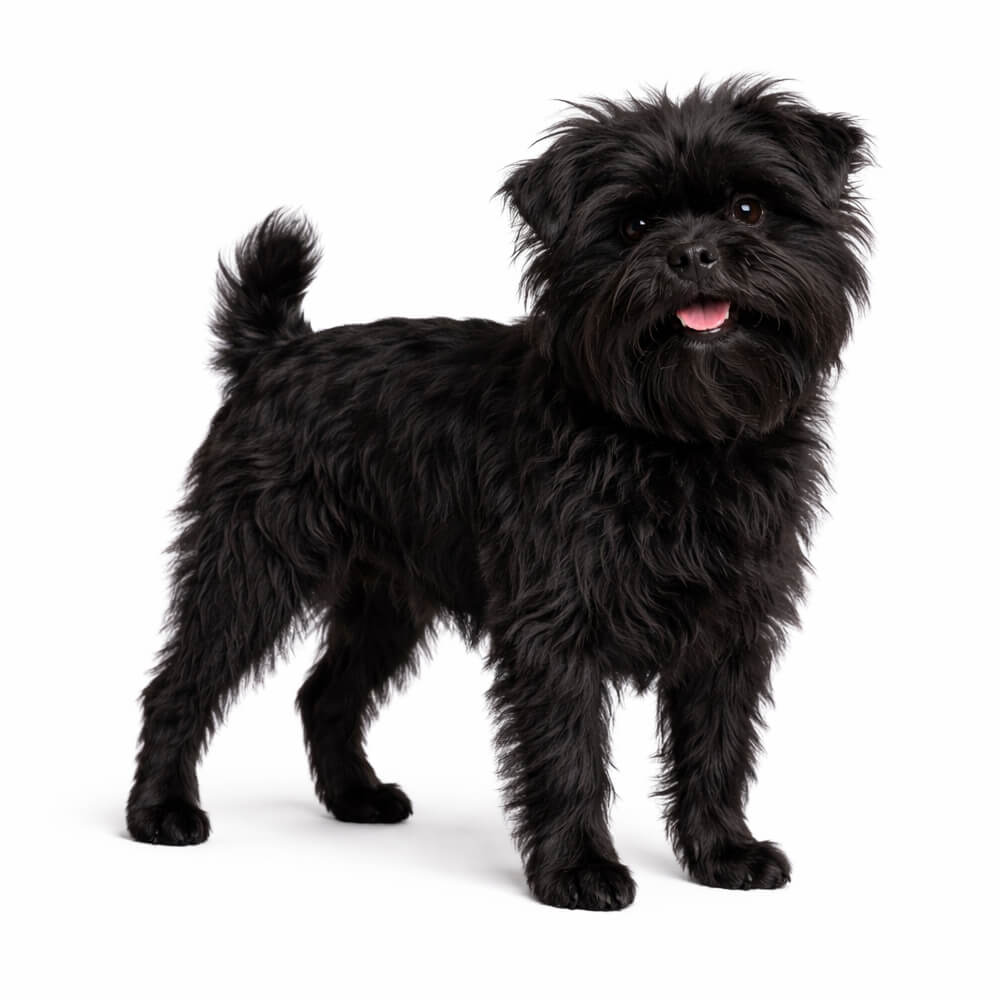

The Affenpinscher is a small, wiry terrier-type dog from Germany — compact, confident, and considerably more combative than its 3–6 kg frame suggests. The name translates roughly to "monkey-dog," a reference to the flat, expressive face framed by a rough mane of fur that's become the breed's signature look.
They're not lapdogs. Affenpinschers are curious, bold, and opinionated, with a stubborn streak that keeps even experienced owners on their toes. The upside of that same personality is a dog that's genuinely entertaining to live with — engaged, mischievous, and loyal to its household without being clingy. A good fit for owners who want character in a small package, and a poor fit for anyone expecting quiet compliance.
History and Origin
The Affenpinscher originates from 17th-century Germany, initially bred as a ratter in kitchens, stables, and shops. Compact, fearless, and quick enough to hunt vermin in tight spaces, they were practical working dogs before they became fashionable companions.
By the 19th century, German breeders had refined the type into a smaller, more consistent companion dog without fully removing the working temperament underneath. The AKC recognised the breed in 1936, though it remained obscure outside Europe for most of the 20th century. A Best in Show win at Westminster in 2013 briefly spiked interest globally, but the Affenpinscher remains genuinely rare in Australia.
That ratter background still runs close to the surface. The same tenacity bred in for vermin control is why today's Affenpinscher will take on a dog three times its size without hesitation and why recall in the presence of small animals should never be fully trusted.
Temperament and Personality
Affenpinschers are confident to the point of fearlessness, which is both their most entertaining quality and their most manageable challenge. They don't read their own size accurately, and they apply that same boldness to strangers, larger dogs, and situations that most small breeds would retreat from.
With family they're loyal and affectionate, though they express that affection on their own terms rather than by demand. They aren't velcro dogs — they'll engage when they want to and disengage when they don't, and they respect households that understand that distinction. They bond closely but don't catastrophise being alone the way more anxious toy breeds do.
With children, the picture requires honesty. Affenpinschers tolerate calm, respectful older children reasonably well, but they'll push back against rough handling. They are not a breed that accepts being grabbed, chased, or treated as a toy — and their response is likely to be a snap rather than a retreat. Families with young children should look elsewhere.
With other dogs, they're typically manageable but unpredictable around unfamiliar animals, particularly those that trigger prey instinct. Early socialisation is essential and doesn't fully override the underlying terrier wiring.
Common Health Conditions
The Affenpinscher is generally a hardy breed with a lifespan of 12 to 15 years, but a small cluster of conditions appears with enough frequency to warrant attention.
Brachycephalic Obstructive Airway Syndrome (BOAS) — Like all flat-faced breeds, Affenpinschers can experience restricted airflow due to narrowed nostrils, an elongated soft palate, or a narrow trachea. Severity varies significantly between individuals. Snoring, noisy breathing, and heat intolerance are common signs. Dogs with pronounced symptoms should be assessed for corrective surgery. Always avoid exercise in high heat or humidity, particularly in Australian summers.
Hip Dysplasia — More common in Affenpinschers than their size would suggest. Abnormal joint development causes pain, stiffness, and progressive mobility loss. Signs include reluctance to jump, a changed gait, or difficulty rising after rest. Weight management and joint supplementation slow progression; severe cases may require surgical intervention.
Patellar Luxation — Kneecaps slipping from their groove is common across small breeds and present in Affenpinschers. Intermittent skipping or hind leg-carrying during or after activity is the usual sign. Annual vet assessment is standard, and most cases are managed conservatively unless grading is severe.
Legg-Calvé-Perthes Disease — A condition specific to small breeds in which the head of the femur degenerates due to reduced blood supply, causing hip pain and lameness. Typically presents in young dogs under 12 months. Surgical removal of the affected bone (femoral head ostectomy) is the standard treatment and produces good outcomes.
Cardiac Issues — Mitral valve disease and other cardiac conditions occur in the breed at above-average rates in older dogs. Annual cardiac auscultation as part of routine vet checks from middle age onward is sound practice.
Pet insurance taken out before any pre-existing conditions develop is worth the cost with this breed — the potential for surgical intervention across several of these conditions adds up quickly.


Exercise
Affenpinschers need moderate daily exercise — a couple of solid 20-minute walks plus off-lead time in a secure area covers it. Their energy is intense in bursts rather than sustained, and they tire more quickly than their attitude implies. In Australian summers, their flat face makes them genuinely heat-sensitive: exercise early morning or evening, never in the middle of the day, and watch for heavy panting or gum colour changes as early warning signs of heat stress.
Grooming
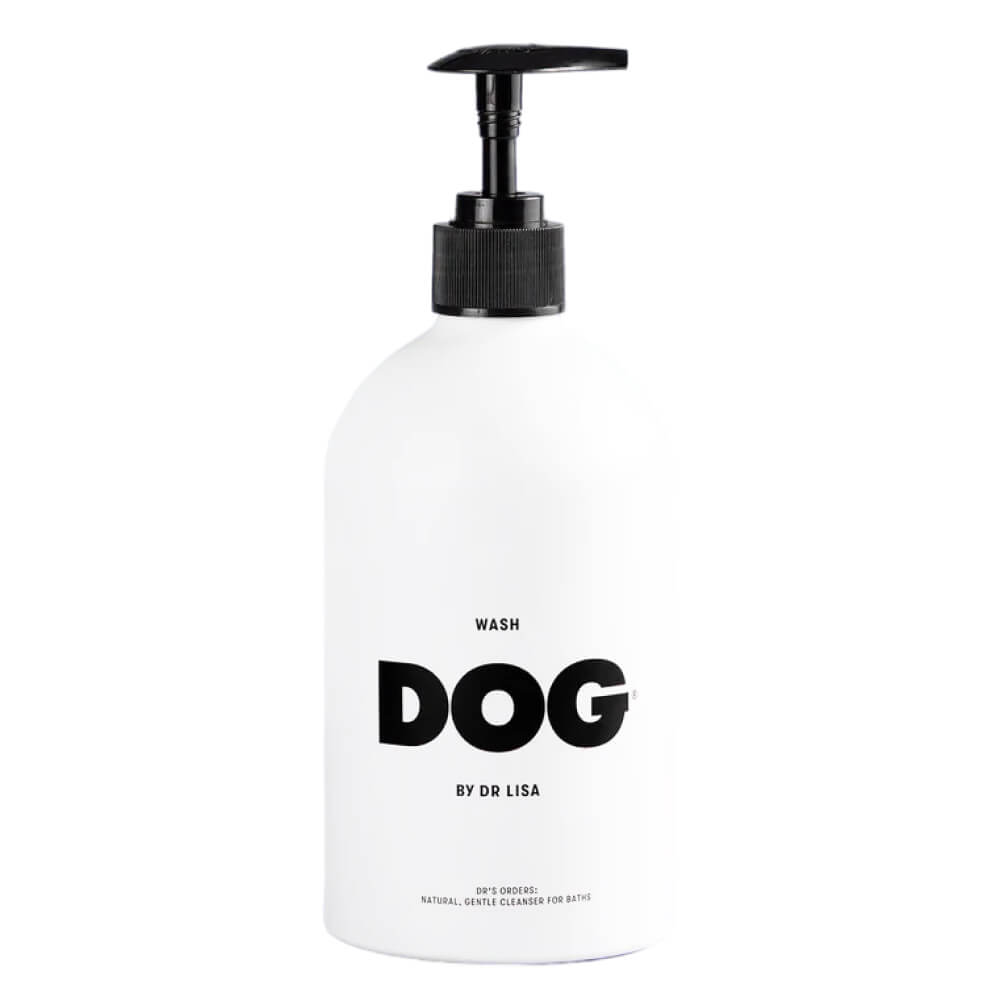
The wiry, dense coat needs brushing two to three times a week to prevent matting, with a full strip or clip every few months to maintain the correct harsh texture. Unlike smooth-coated dogs, Affenpinschers shed minimally — but the trade-off is a coat that mats without regular attention. The beard and mane around the face trap food and debris and need more frequent spot cleaning. Professional grooming every six to eight weeks is practical for most owners.


Nutrition
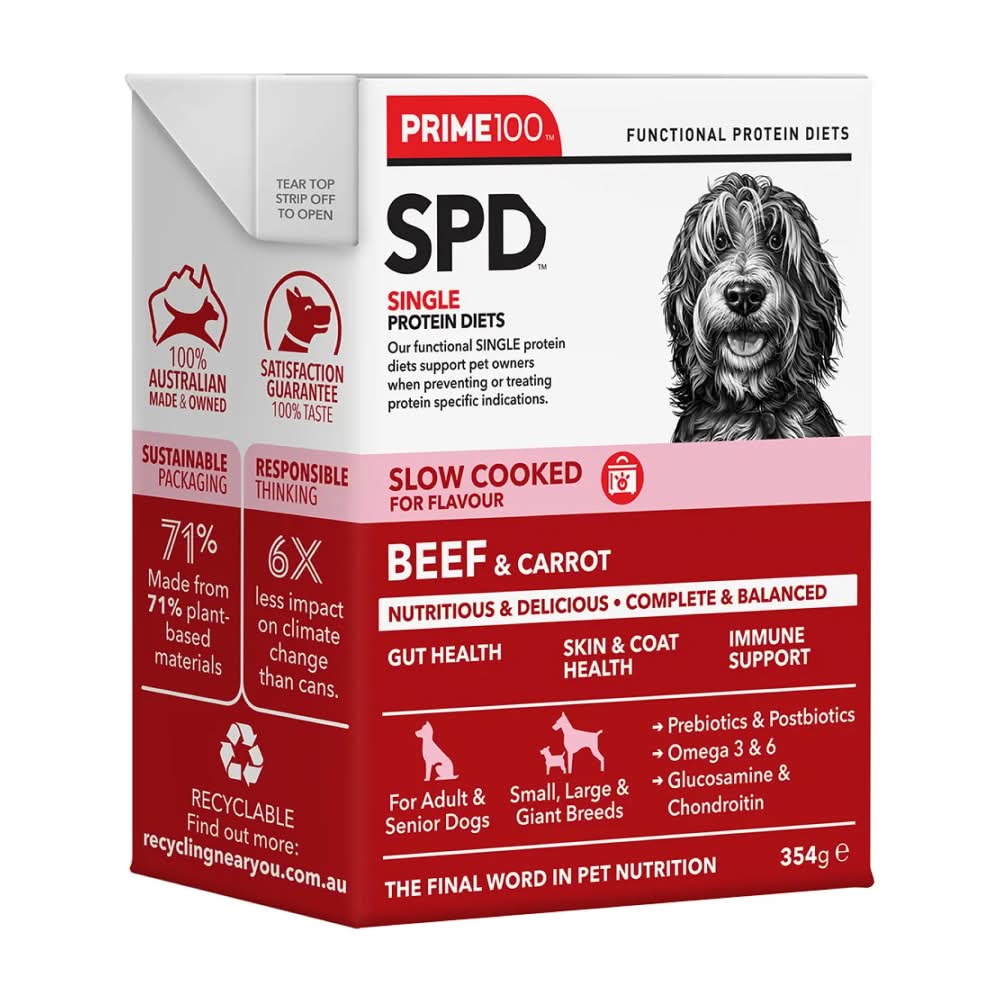
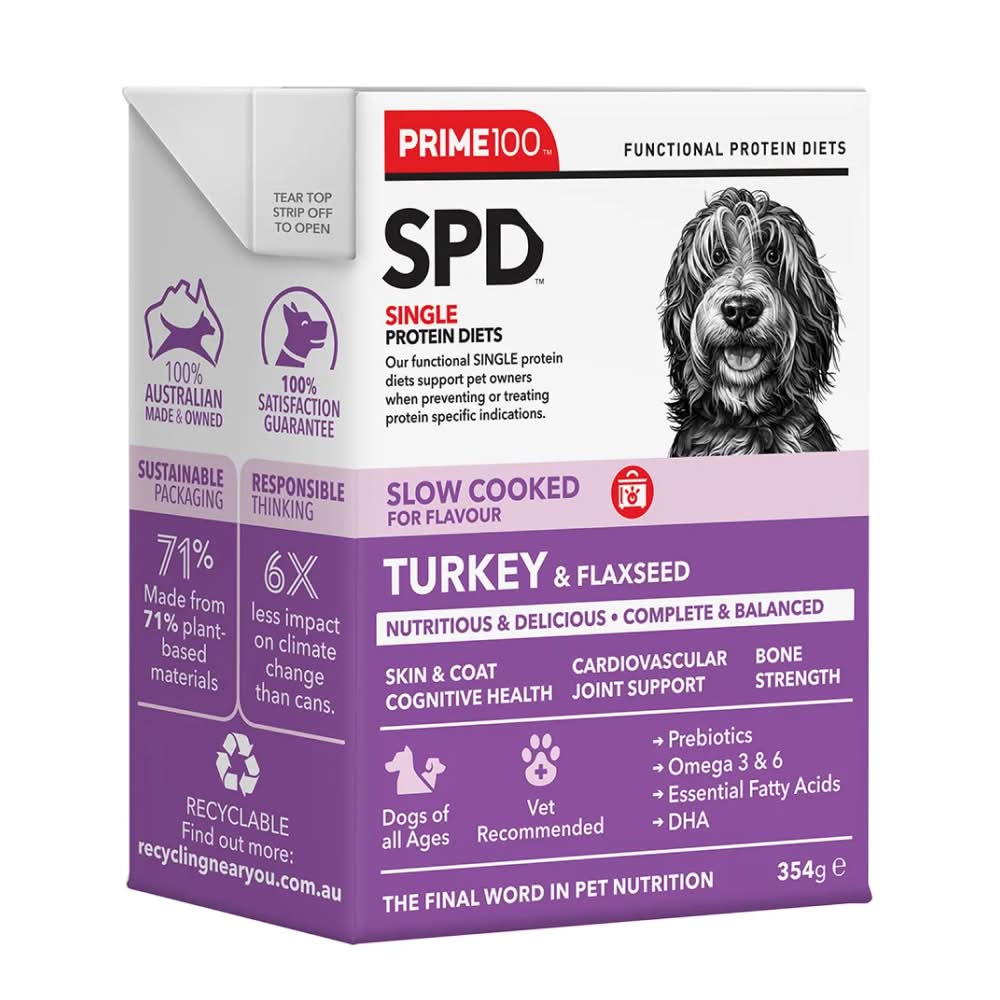
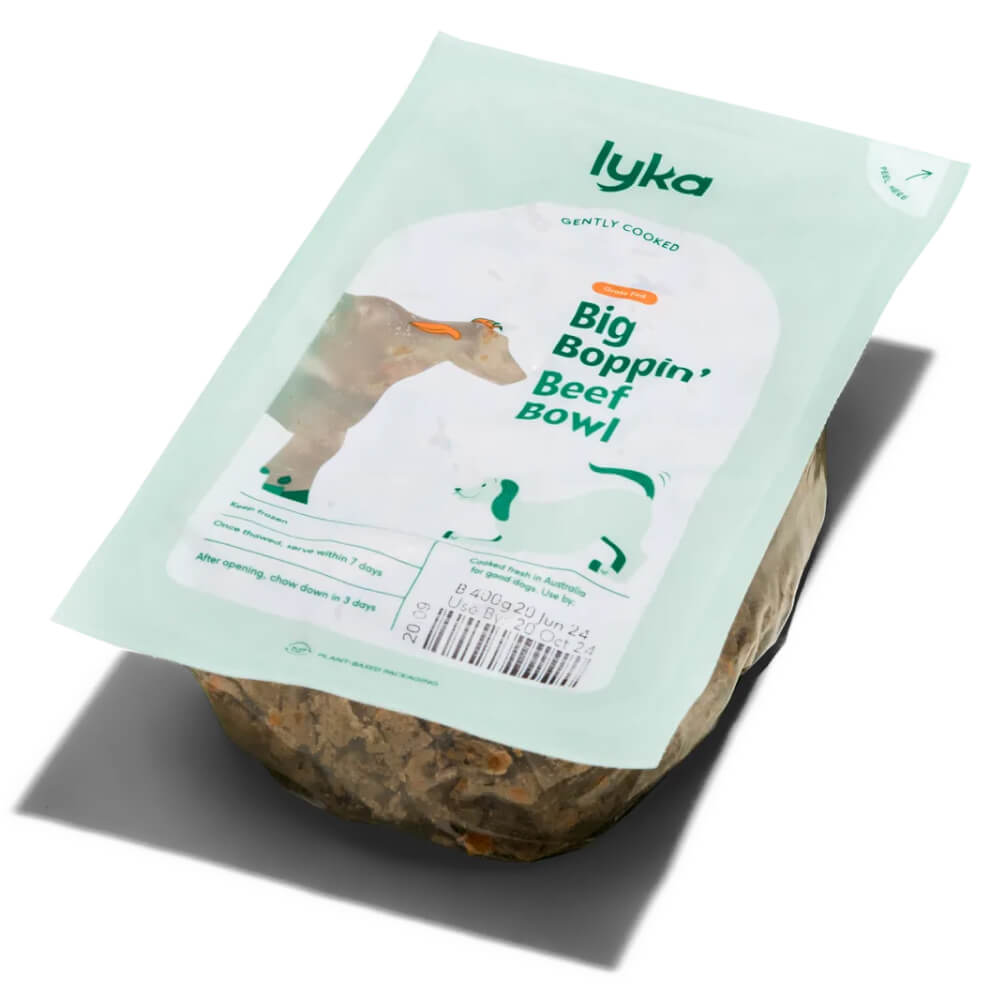
A high-quality small breed dry food with animal protein as the primary ingredient suits most adults. Portion control matters — Affenpinschers are not self-regulators and will eat past satiety if given the opportunity, and weight gain amplifies both joint and airway issues. Avoid bowl designs that require the dog to reach deep — their flat face makes feeding position more relevant than it is for longer-muzzled breeds. See our recommended foods for Affenpinschers below.


Training
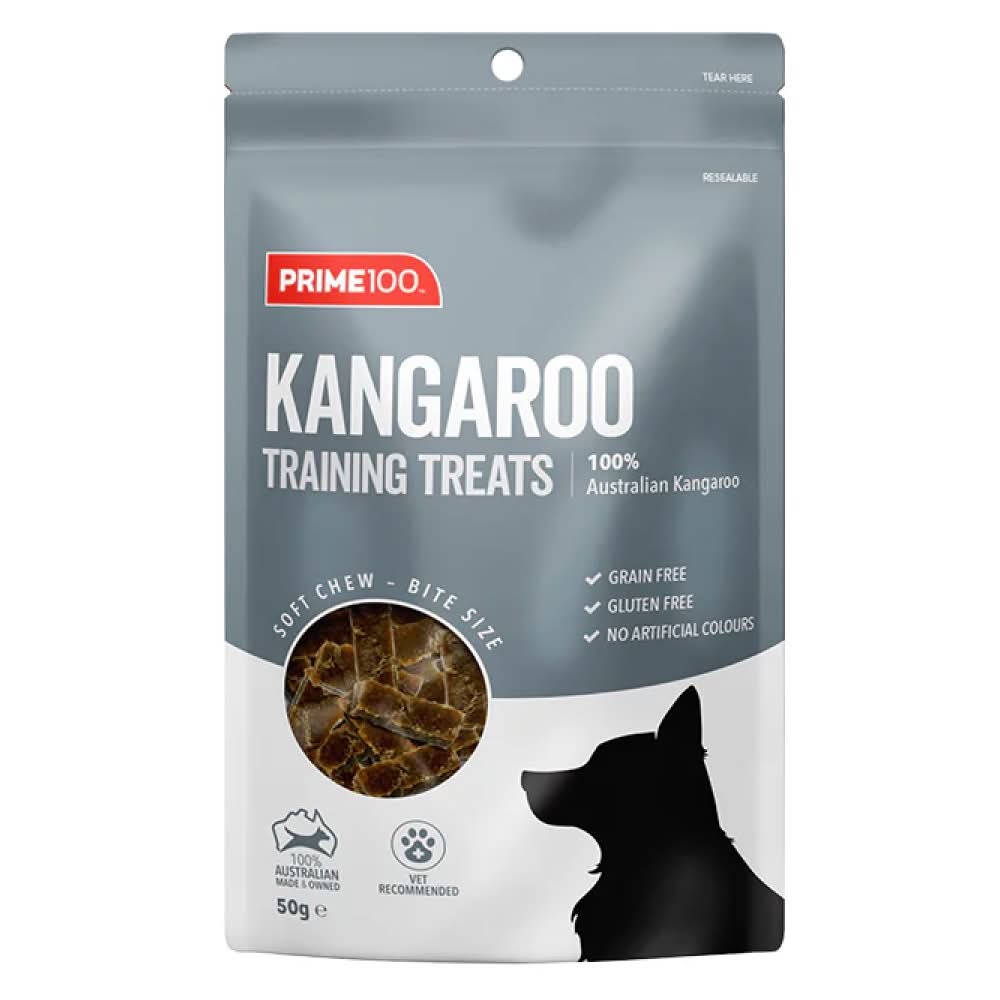
Affenpinschers are intelligent and will learn quickly when motivated, but they have an independent streak that makes compliance feel optional to them. Short sessions with high-value food rewards work far better than repetition or correction. They respond poorly to harsh handling — firmness without aggression is the right register. Socialisation from puppyhood is critical given their tendency toward dog-directed boldness; early, repeated exposure to other dogs in controlled settings shapes better adult behaviour than any amount of training later on.

Suitability
Affenpinschers are well-suited to adults and older-children households who want a small dog with genuine personality — confident, low-shedding, moderately active, and compact enough for apartment living. They're a solid choice for experienced small-dog owners who understand that terrier-type independence requires a consistent training approach, not just patience.
They're a harder fit for first-time owners expecting an easy, compliant small dog, and a poor match for families with toddlers or chaotic households. The flat face makes Australian summer management non-negotiable, the grooming commitment is real, and their combative tendencies around other animals require ongoing management rather than a one-time socialisation effort. Go in knowing the breed fully — on paper they look manageable, but the personality is larger than the size implies.
Frequently Asked Questions
How much does an Affenpinscher cost in Australia?
Do Affenpinschers bark a lot?
Are Affenpinschers good family dogs?
How much grooming does an Affenpinscher need?
How long do Affenpinschers live?

Comments
0 comments
Login to Join the Conversation 💬