































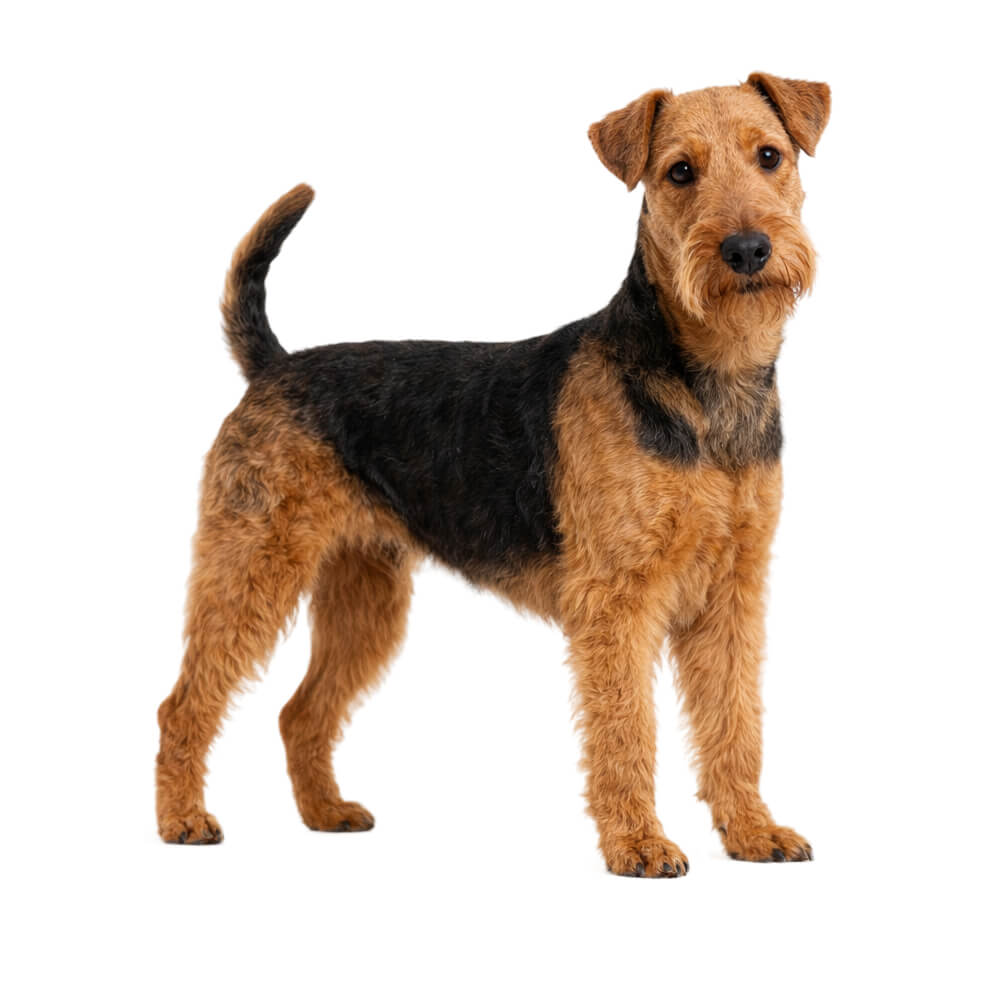

The Airedale Terrier is the largest of all terrier breeds, developed in Yorkshire, England, to hunt otters and rats along river valleys. Known as the "King of Terriers," the Airedale combines the tenacity of a working terrier with the size and versatility of a utility dog.
Airedales served as messenger dogs, guard dogs, and Red Cross dogs in both World Wars — and that working intelligence hasn't gone anywhere. They're confident, loyal, and endlessly entertaining, but they're not a dog for passive owners. This breed thinks for itself, and it needs an owner who can match that energy without trying to crush it.
History and Origin
The Airedale Terrier was developed in the Aire Valley of Yorkshire, England, in the mid-1800s. Working-class men crossed the now-extinct Old English Black and Tan Terrier with the Otterhound to produce a versatile dog large enough to hunt otters in rivers but still game enough to go to ground after rats.
The result was a tough, intelligent dog that quickly proved useful far beyond ratting. Airedales were adopted by police forces, used as wartime messenger and ambulance dogs, and employed as guard dogs on farms and estates. Their versatility earned them the "King of Terriers" title that has stuck ever since.
Airedales arrived in Australia in the early 1900s and were used on rural properties as general-purpose working dogs. The breed remains uncommon in Australia compared to the UK, which makes finding a registered breeder more of a project. That rarity hasn't diminished their reputation — owners who know the breed tend to be fiercely loyal to it.
Temperament and Personality
Airedales are confident, intelligent, and independent. They approach life with a boldness that's unmistakably terrier, but their size means they back it up. This is a dog with presence — they walk into a room and own it.
With family, they're loyal and affectionate without being clingy. They enjoy being around their people but don't tend toward separation anxiety the way smaller terriers do. They're playful well into adulthood and have a dry, almost deliberate sense of humour that Airedale owners talk about constantly.
They're generally good with children, especially older kids who can handle a robust, energetic dog. They're patient but won't tolerate being pestered, and their size means accidental knockdowns happen with toddlers.
With other dogs, Airedales can be dominant. Same-sex aggression is a known trait, and they won't back down from a confrontation. Early and ongoing socialisation is essential. Their prey drive is strong — small animals, including cats, are at risk unless the dog is raised with them from puppyhood.
One thing to know going in: Airedales are independent thinkers. They'll assess a command and decide whether it's worth following. This isn't defiance — it's terrier intelligence. Owners who find this frustrating should consider a more biddable breed.
Common Health Conditions
Airedales are a moderately healthy breed, but their size and structure bring a specific set of conditions to watch for. Responsible breeders screen for the most serious ones, and early intervention makes a significant difference.
Hip Dysplasia
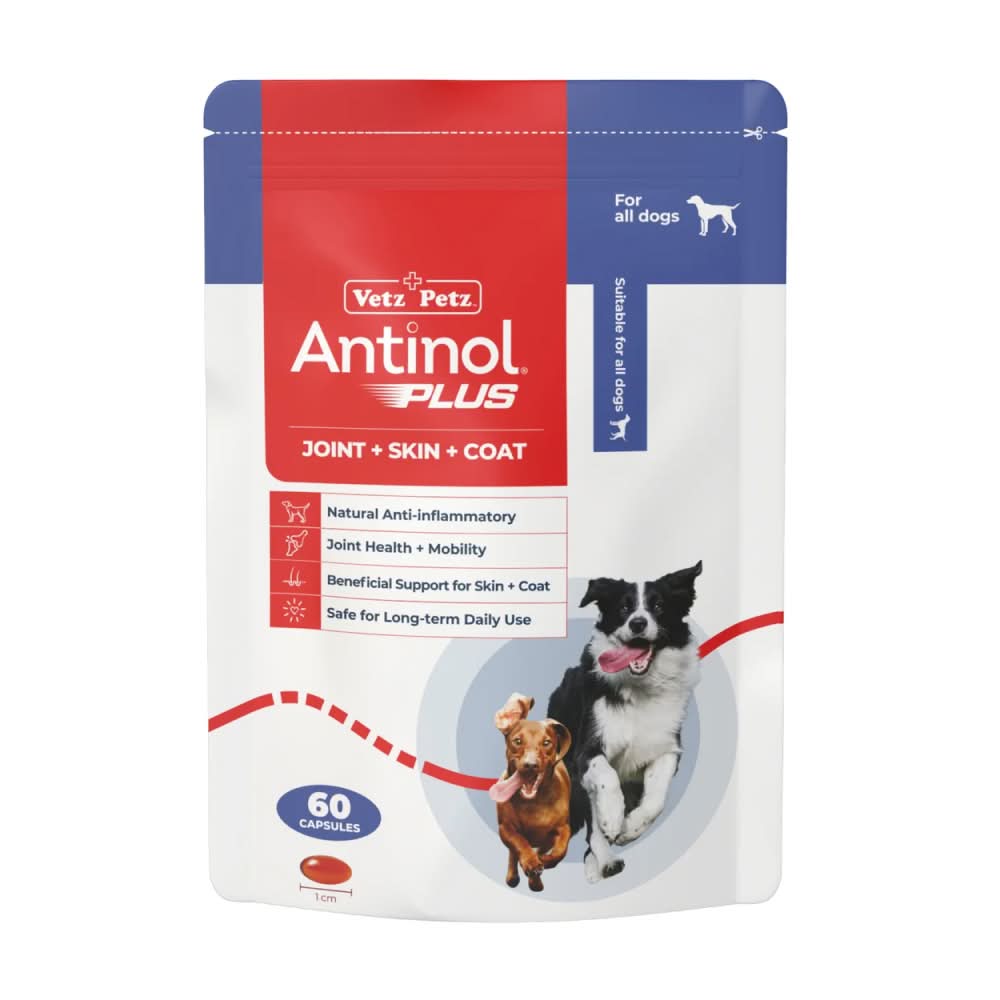
The hip joint doesn't form correctly, leading to arthritis and pain over time. Airedales are moderately predisposed due to their size. Signs include stiffness after rest, reluctance to climb stairs, and a bunny-hopping gait. Management includes weight control, anti-inflammatories, and in severe cases, surgical intervention.
Gastric Dilatation-Volvulus (Bloat)
The stomach fills with gas and can twist on itself — a life-threatening emergency. Deep-chested breeds like Airedales are at higher risk. Feed two smaller meals instead of one large one, avoid exercise immediately after eating, and learn the signs: restlessness, unproductive retching, and a distended abdomen. This is a vet emergency, not a wait-and-see situation.
Hypothyroidism
The thyroid gland underproduces hormones, leading to weight gain, lethargy, and coat changes. Airedales are one of the more commonly affected breeds. A routine blood test diagnoses it, and daily medication manages it well.
Skin Allergies and Dermatitis
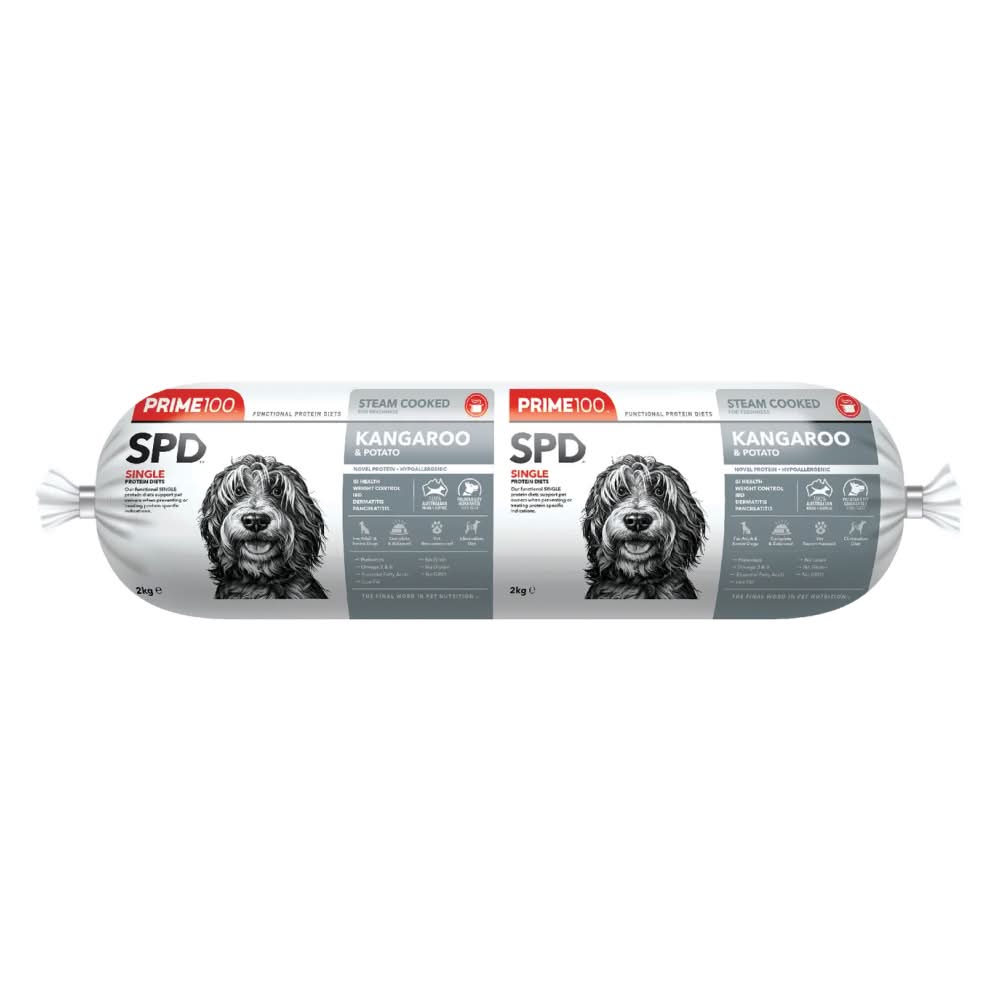
The wiry coat can trap allergens, and some Airedales develop environmental or food-related skin issues. Signs include persistent scratching, hot spots, and ear infections. Identifying and managing triggers is key — sometimes a diet change is all that's needed.
Progressive Retinal Atrophy (PRA)
A degenerative eye condition that leads to gradual vision loss. Reputable breeders screen for this. Night blindness is usually the first sign. There's no cure, but affected dogs adapt well with a consistent home environment.
Pet insurance is worth taking out early. Hip surgery and bloat treatment are expensive, and the breed's size means vet costs trend higher than average.


Exercise
Airedales need one to two hours of exercise daily. They're athletic dogs that enjoy long walks, hiking, swimming, and active play. A quick stroll around the block won't cut it — they need genuine physical and mental engagement.
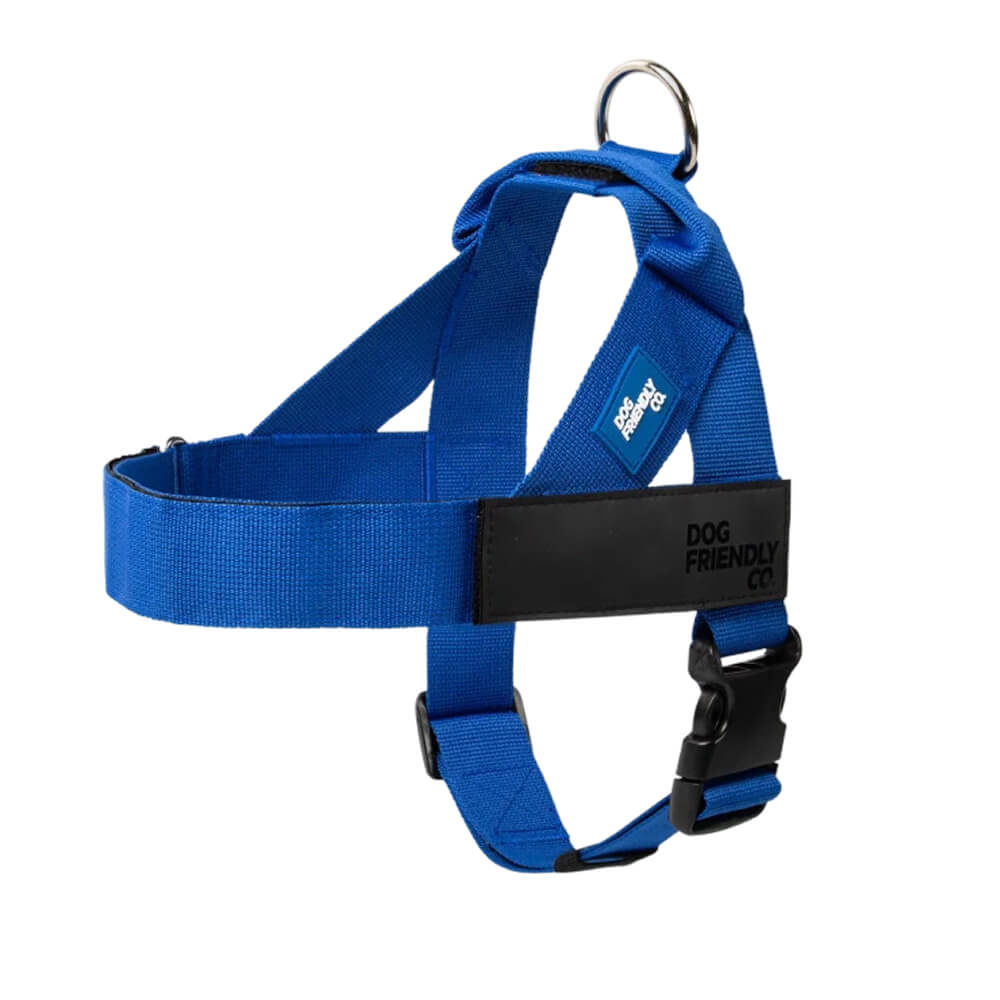
They excel at dog sports including agility, obedience trials, and tracking. Off-lead exercise should be in fenced areas only, as their prey drive makes recall unreliable around wildlife. In Australian heat, exercise early or late and ensure access to water and shade.

Grooming
The wiry double coat needs regular attention. Brush two to three times a week and hand-strip two to four times a year to maintain the correct coat texture. Most pet owners opt for clipping instead, which is easier but softens the coat over time.
Airedales are low-shedding, which makes them a better option for people with mild allergies. Ears need regular checking — the folded ear flap can trap moisture and lead to infections. Professional grooming every six to eight weeks keeps them looking sharp.



Nutrition
Feed a high-quality formula suited to medium-large active breeds. Airedales have good appetites and will overeat if given the chance, so measured portions and consistent meal times matter. Two meals a day reduces bloat risk compared to one large feed.
Avoid foods with excessive fillers. Given the breed's predisposition to skin issues, some owners find grain-free or limited-ingredient diets help. See our recommended foods for Airedale Terriers below.



Training
Airedales are highly intelligent but selectively obedient. They learn quickly and get bored even faster. Training needs to be engaging, varied, and reward-based. Repetitive drills will be met with creative non-compliance.
Firmness without harshness is the key. Airedales respect confident, consistent owners and will test boundaries with anyone who isn't. Early socialisation with other dogs is critical to manage the breed's dominant tendencies. Puppy classes followed by ongoing training produce the best results.



Suitability
Airedales suit active, experienced owners who enjoy a dog with personality and independence. They're excellent for families with older children, people who hike or run, and anyone who wants a versatile, intelligent companion that doesn't need to be told what to do every five minutes. They can manage apartment living if exercise needs are consistently met, but a house with a secure yard is ideal.
They're not the right breed for first-time owners, sedentary households, or anyone who wants a dog that simply follows commands. Multi-pet homes need careful management — the prey drive is real. Grooming costs are ongoing, and their size means vet bills, food, and insurance all sit at the higher end. If you want a terrier with the presence and capability of a much larger dog, the Airedale delivers.
Frequently Asked Questions
How much does an Airedale Terrier cost in Australia?
Are Airedale Terriers hypoallergenic?
Are Airedale Terriers good with other dogs?
What's the difference between an Airedale Terrier and a Welsh Terrier?
How long do Airedale Terriers live?




Comments
0 comments
Login to Join the Conversation 💬