




.png)





















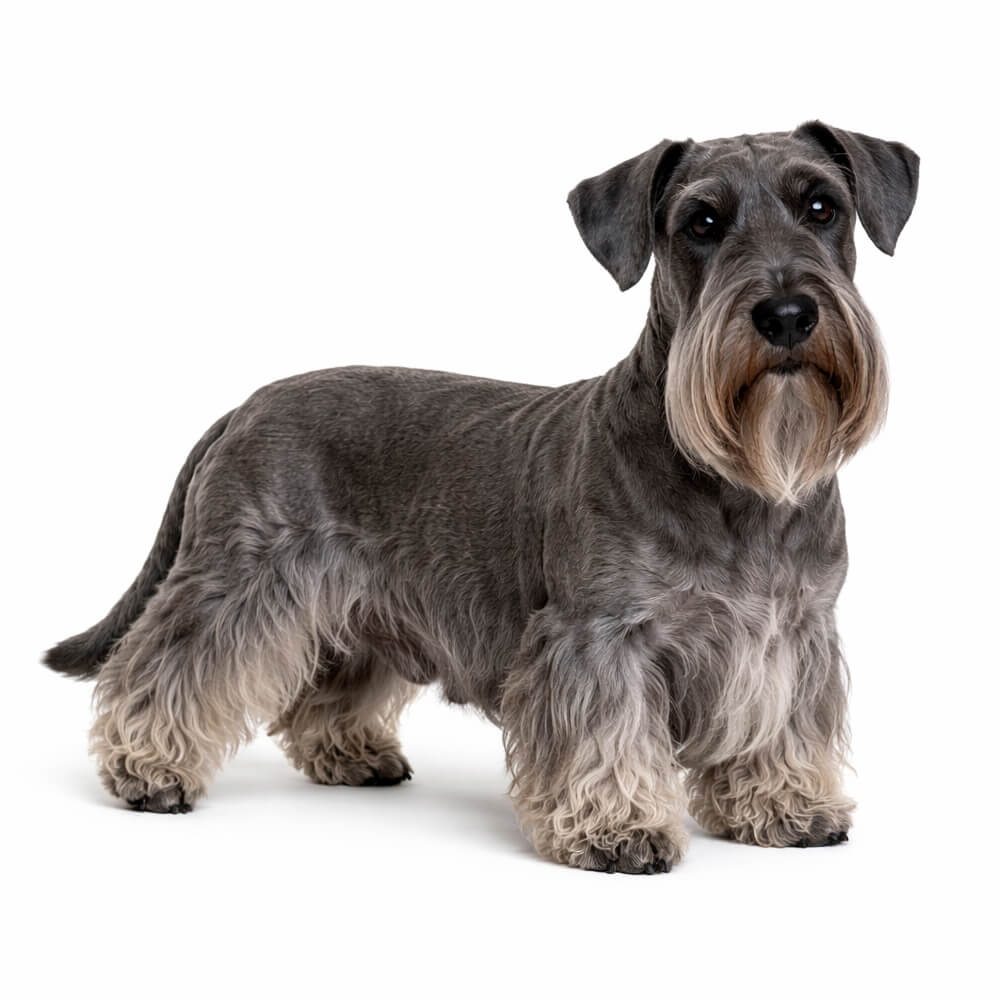

The Cesky Terrier is a small, calm Czech-bred terrier developed in 1949 to work as a pack hunter in Bohemian forests. Created by Czech breeder František Horák, it's a deliberately gentler terrier — bred to handle game without the dog-aggression that plagues most terrier breeds.
Cesky Terriers are one of the rarest registered breeds in Australia, with only a handful of breeders nationally. They're also one of the few terriers genuinely suited to multi-dog households and gentler family environments. The unusual silky coat sets them apart visually, and their measured temperament sets them apart in personality. If you've never heard of them, you're not alone — but they're worth knowing about.
History and Origin
The Cesky Terrier was created in the late 1940s by František Horák, a Czech breeder and lifelong hunter who wanted a terrier that could work in packs without the dog-aggression typical of British terrier breeds. Working terriers had been used in Czechoslovakia for centuries, but most carried too much fight to coexist with hounds and other terriers on a hunt. Horák bred Sealyham Terriers with Scottish Terriers and applied careful selection over multiple generations to produce a calmer working dog.
The first Cesky Terrier was registered in 1949, and the breed was officially recognised by the FCI in 1963. Horák continued refining the breed personally for decades, lending his name and reputation to its development. Despite a strong working background, Cesky Terriers never achieved widespread popularity outside Eastern Europe.
The breed remains rare in Australia. Only a small number of registered breeders work with the Cesky here, and waitlists are typically long. Dogs Australia recognises the breed in the Terrier group, but population numbers are low enough that finding a puppy may require interstate travel or import. Their calm temperament and manageable size suit Australian apartment and suburban living well.
Temperament and Personality
Cesky Terriers are one of the calmest breeds in the terrier group. They have all the courage and focus of their working ancestors, but the breed was specifically developed to remove the hyper-reactive edge that defines many other terriers. The result is a thoughtful, even-tempered dog that's easier to live with than most of its cousins.
With family, they're affectionate and bonded without being overwhelming. They want to be near their people without insisting on constant attention. They're patient with children and one of the more reliable terriers for family households, though their small size still means careful supervision with very young kids.
Around strangers, they're reserved rather than effusive. They observe new people before deciding to engage, and they take time to warm up to visitors. They're not noisy — Ceskies bark less than nearly any other terrier breed, which makes them well-suited to neighbourhoods where excessive barking is an issue.
With other dogs, they're remarkably tolerant. The breed was specifically engineered for pack work, so canine sociability is genetic. They handle multi-dog households, dog parks, and busy walks without the same-sex aggression or selectivity common in other terriers. Prey drive is moderate — present but more manageable than in Jack Russells or Fox Terriers.
The Cesky's defining quirk is just how un-terrier-like they can be. Owners coming from other terrier breeds often comment on how restrained the Cesky is — alert but rarely frantic, watchful but rarely paranoid, and capable of settling for hours when there's nothing to do.
Common Health Conditions
Cesky Terriers are generally healthy with a long average lifespan, but the breed has a small gene pool due to its rarity. This makes responsible breeding and health screening particularly important.
Scottie Cramp (Cesky Cramp)
A neurological condition where exercise or stress triggers temporary hyperflexion or stiffness in the limbs. The dog remains conscious and recovers within minutes. It's not painful and doesn't reduce lifespan, but affected dogs should avoid extreme exertion. Documented in the breed and inherited.
Patellar Luxation
Common in small breeds. The kneecap displaces from its groove, causing intermittent skipping or lameness. Mild cases respond to weight management and joint support; severe cases need surgical correction.
Cardiac Conditions
Mitral valve disease and other heart issues occur in older Ceskies. Annual cardiac auscultation from middle age catches early changes. Echocardiograms are recommended for breeding dogs.
Eye Conditions
Cataracts and progressive retinal atrophy are documented. Annual eye examinations through a veterinary ophthalmologist help catch issues early, and reputable breeders screen breeding stock.
Hip Dysplasia
Less common in this small breed but documented. Hip scoring of breeding dogs is standard practice and reduces incidence in future litters.
Pet insurance is advisable, particularly given the small population means specialist care for genetic conditions can require travel to capital city referral clinics.


Exercise
Cesky Terriers need 30 to 45 minutes of daily exercise, less than most working terrier breeds. Brisk walks, garden time, and moderate play satisfy their needs. They're happy hiking companions for short to moderate distances but don't demand the high-intensity exercise that Jack Russells or Border Terriers do.
Mental stimulation through training games, scent work, or food puzzles complements physical exercise well. They're well-suited to owners who want an active small dog without a relentless energy demand.
Grooming
The Cesky's distinctive long, soft coat needs regular maintenance. Most owners clip the breed every six to eight weeks to maintain the traditional silhouette — short on the body, longer on the legs, beard, and eyebrows. Between clips, brush two to three times a week to prevent tangles, particularly in the longer leg furnishings.
The coat doesn't shed much, but it does require commitment to keep tidy. Allergy sufferers often tolerate Ceskies better than heavy-shedding breeds. Check ears weekly and trim nails monthly.



Nutrition
Feed a high-quality small breed formula appropriate for moderate activity. Ceskies aren't typically food-driven, but they can gain weight in older age if portions aren't adjusted. Two meals a day works well, with treats kept in proportion to total daily calories.
Joint and cardiac support supplements may be appropriate from middle age — discuss with your vet. See our recommended foods for Cesky Terriers below.


Training
Cesky Terriers are intelligent and notably more biddable than most terriers. They respond well to positive reinforcement and don't have the stubborn streak that frustrates owners of other terrier breeds. Short, varied sessions work best.
Their calmer nature makes them suitable for first-time terrier owners who'd find a Jack Russell or Fox Terrier overwhelming. Recall is more reliable than in most terriers thanks to lower prey drive, though always train recall in controlled environments first.



Suitability
Cesky Terriers suit owners who want a terrier's character without the typical terrier intensity. They're excellent for first-time terrier owners, multi-dog households, families with respectful children, and apartment dwellers. Their calm nature, manageable exercise demands, and quiet disposition make them one of the most adaptable terrier breeds for Australian urban living.
They're not the right breed if you want a high-energy working terrier or a guard dog — Ceskies are too friendly and too quiet for either role. The grooming commitment is real, with professional clipping every six to eight weeks. Most importantly, finding one is genuinely difficult in Australia and the upfront cost is high. If you can locate a reputable breeder and accept the grooming requirement, you'll get an unusually calm, pleasant terrier with rare-breed appeal.
Frequently Asked Questions
How much does a Cesky Terrier cost in Australia?
Are Cesky Terriers easy to find in Australia?
Are Cesky Terriers good with other dogs?
How much grooming does a Cesky Terrier need?
How long do Cesky Terriers live?

Comments
0 comments
Login to Join the Conversation 💬