

































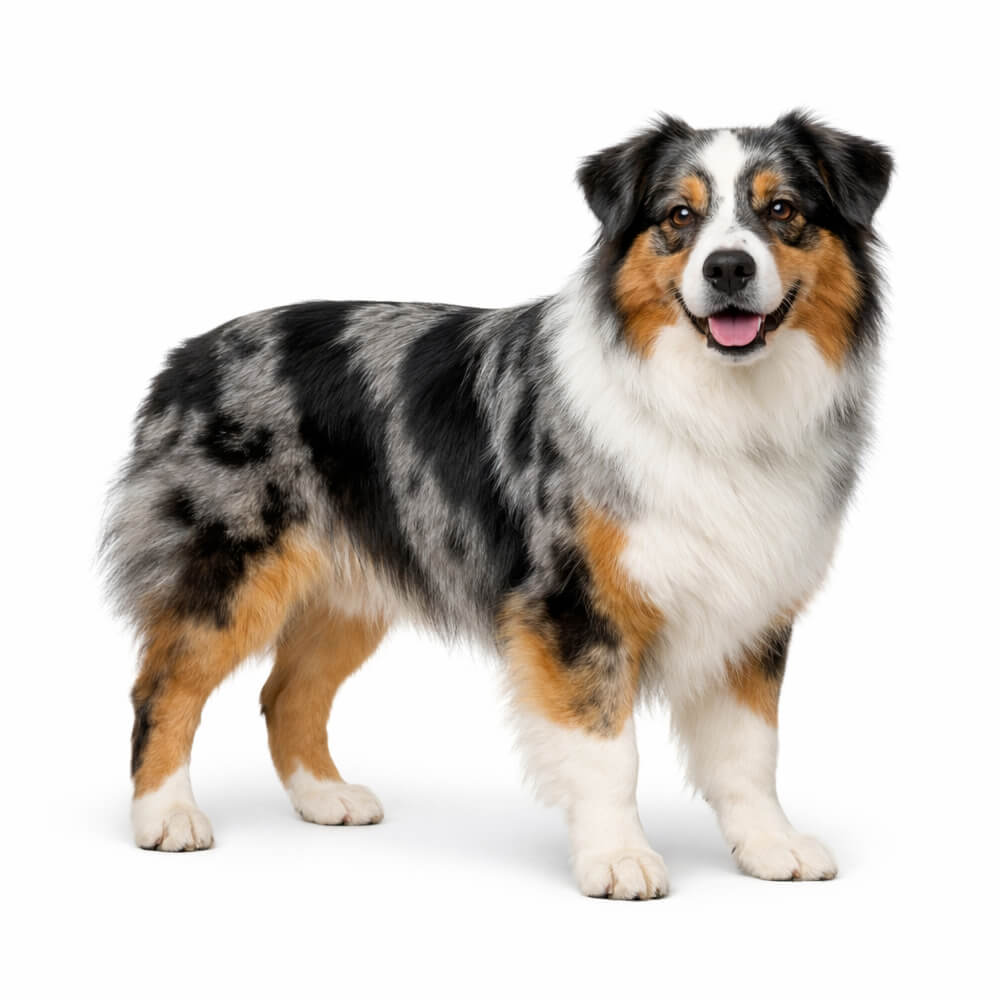

The Australian Shepherd is a medium-sized, high-energy herding breed known for its intelligence, striking merle coat patterns and intense loyalty to its people. Despite the name, the breed was developed in the western United States — not Australia.
Aussies thrive with active owners who can match their mental and physical drive. They bond deeply with their household and want to be involved in everything, from morning runs to evening couch time. Left without a job or adequate stimulation, they'll invent their own — and you probably won't love the result. One thing first-time owners rarely expect: many Australian Shepherds have a strong herding instinct that extends to children, other pets and even passing joggers.
History and Origin
The Australian Shepherd's name is one of the great misnomers in the dog world. The breed was developed in the ranching country of the western United States during the 1800s, refined by Basque shepherds who had migrated via Australia — which is likely where the name stuck.
These dogs were bred to work livestock in rough, open terrain. Ranchers valued them for their stamina, trainability and ability to think independently when out of sight of the handler. The breed's versatility saw it move beyond cattle and sheep work into rodeo performance, where its agility made it a crowd favourite across the American West.
That working heritage is still visible in the modern Australian Shepherd. The sharp focus, the need to move, the instinct to control the movement of anything nearby — all of it traces back to generations of ranch work. Owners who understand this history tend to get along with the breed far better than those who expect a relaxed companion.
Temperament and Personality
Australian Shepherds are driven, affectionate and remarkably tuned in to their owners. They read body language and routine changes faster than most breeds, which makes them excellent working and sport dogs — but also means they notice when something's off.
With family, Aussies are loyal to the point of velcro. They follow their people from room to room and genuinely dislike being left out of household activity. This isn't a breed that thrives in the backyard while life happens indoors.
Around children, they're generally good — playful, patient and protective. The caveat is their herding instinct. Some Aussies will nip at the heels of running children or try to "round up" younger kids. It's manageable with early training, but it's worth knowing going in.
With other dogs, most Australian Shepherds are sociable, particularly if socialised early. They can be pushy with less confident dogs, though, and their play style leans physical. Introductions to cats and smaller animals should be supervised — prey drive varies between individuals.
Energy-wise, this is a breed that runs hot. A quick walk around the block won't cut it. Aussies need genuine physical exercise and mental engagement daily. Agility, fetch, obedience training, puzzle feeders — anything that makes them think and move. When their needs are met, they settle beautifully. When they're not, expect barking, destructiveness and anxious behaviour.
Common Health Conditions
Australian Shepherds are generally a robust breed, but they carry several genetic predispositions that owners and breeders should be aware of. Responsible screening reduces risk significantly.
Hip Dysplasia
A developmental condition where the hip joint doesn't form properly, leading to pain, lameness and arthritis over time. Australian Shepherds are moderately predisposed. Maintaining a healthy weight, avoiding high-impact exercise in puppies and feeding a joint-supportive diet all help. Ask your breeder for hip scores.
Elbow Dysplasia
Similar to hip dysplasia but affecting the front legs. Signs include front-leg lameness, stiffness after rest or reluctance to exercise. It's less common than hip dysplasia in the breed but still worth screening for.
Progressive Retinal Atrophy (PRA)
A group of inherited eye diseases that cause gradual vision loss and can lead to blindness. Australian Shepherds are a known carrier breed. DNA testing is available, and reputable breeders screen before mating.
Epilepsy
Idiopathic epilepsy is more common in Australian Shepherds than in many other breeds. Seizures typically begin between one and five years of age. The condition is manageable with medication in most cases, but requires ongoing veterinary oversight.
MDR1 Gene Mutation
A significant percentage of Australian Shepherds carry the MDR1 (Multi-Drug Resistance 1) gene mutation, which makes them dangerously sensitive to certain common medications, including some parasite preventatives. A simple DNA test identifies carriers — every Aussie owner should know their dog's MDR1 status.
Pet insurance is worth considering early, particularly given the breed's eye and joint predispositions. Regular vet check-ups twice a year help catch issues before they escalate.


Exercise
Australian Shepherds need one to two hours of genuine exercise daily — and that means more than a leashed walk. Off-lead running, fetch, agility, herding trials or swimming all suit the breed well. Under-exercised Aussies become anxious, vocal and destructive. In the Australian heat, shift sessions to early morning or evening and always carry water.
Grooming
The double coat is medium-length and weather-resistant, with heavier feathering around the chest, legs and rear. Shedding sits in the moderate-to-high range year-round, with heavier blows in spring and autumn. Brush two to three times a week as a baseline — daily during seasonal coat changes. Regular ear checks and nail trims round out the routine.



Nutrition
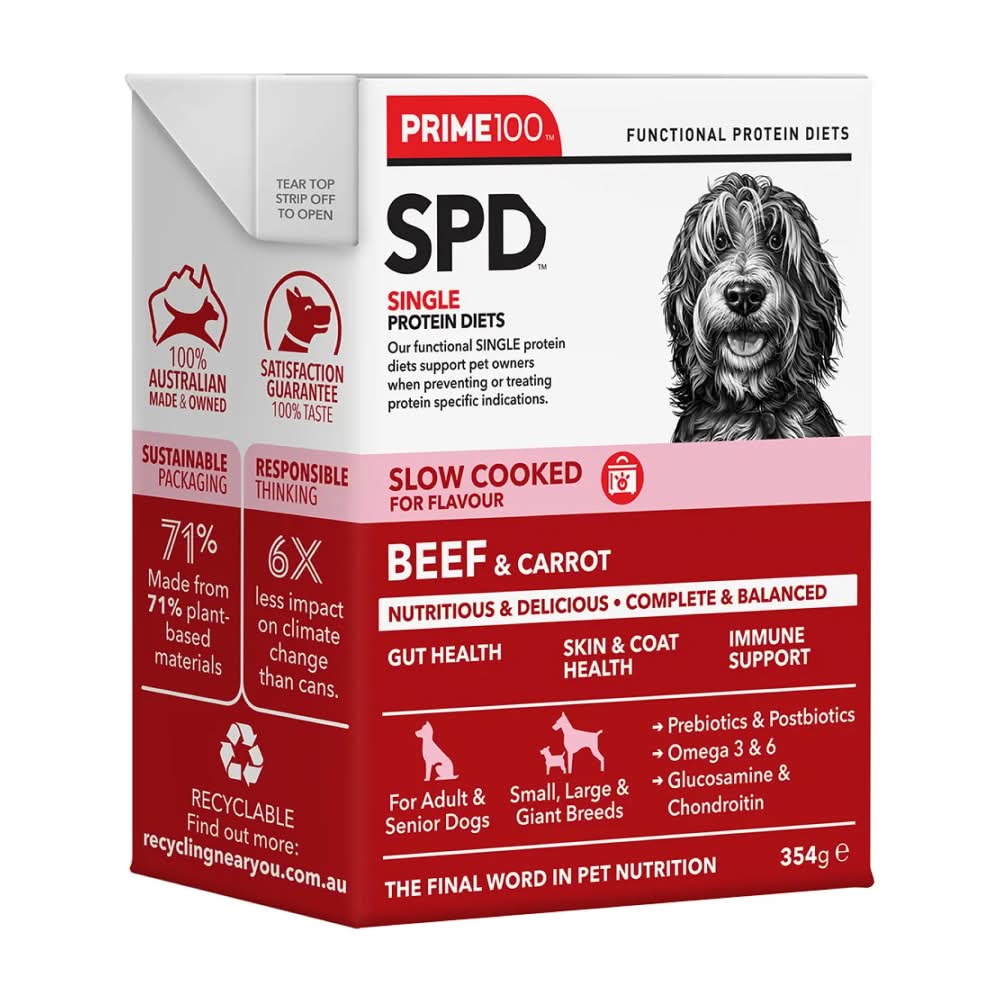
Australian Shepherds do well on a high-quality, protein-rich diet appropriate to their activity level. Active dogs may need a performance formula; less active house dogs should be monitored for weight gain. Joint-supportive ingredients (glucosamine, omega-3 fatty acids) are a smart addition given the breed's hip and elbow predispositions. Avoid overfeeding puppies — rapid growth increases joint stress. See our recommended foods for Australian Shepherds below.



Training
Aussies are one of the most trainable breeds going. They respond quickly to positive reinforcement and genuinely enjoy learning new tasks. The challenge isn't motivation — it's keeping things interesting. Repetitive drills bore them, so vary your sessions and introduce new commands regularly. Early socialisation is critical, especially around children, smaller animals and unfamiliar dogs. Channel the herding instinct into structured activities rather than trying to suppress it entirely.

Suitability
Australian Shepherds suit active individuals, families with older children and anyone with the time and space to keep a working breed engaged. A house with a secure yard is ideal. They excel with owners who run, hike, cycle or compete in dog sports — and they'll happily join you for all of it.
This is not a breed for sedentary households, long-hours-away-from-home lifestyles or first-time owners who want something low-maintenance. Aussies need daily exercise, mental stimulation and close human contact. Apartment living is a poor fit regardless of how many walks you do — the breed needs room to move. Grooming and vet costs are moderate, but potential health screening (hips, eyes, MDR1) adds to the upfront investment if buying from a breeder.
Frequently Asked Questions
How much does an Australian Shepherd cost in Australia?
Do Australian Shepherds shed a lot?
Are Australian Shepherds good for first-time owners?
What is the MDR1 gene mutation in Australian Shepherds?
How long do Australian Shepherds live?

Comments
0 comments
Login to Join the Conversation 💬