




.png)










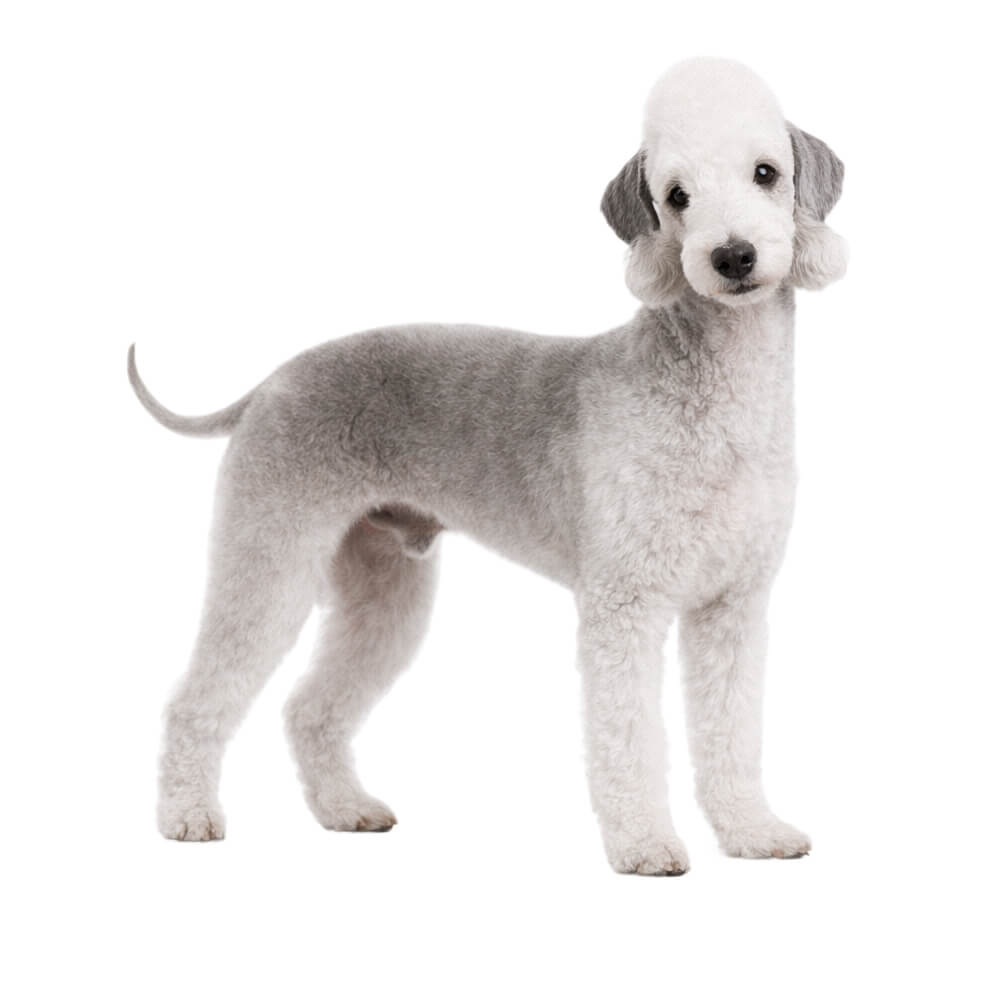

The Bedlington Terrier is a small-to-medium terrier from northern England, instantly recognisable by its lamb-like coat and arched back. Don't be fooled by the soft look — this is a true terrier with speed, prey drive, and quiet intensity.
Bedlingtons were originally bred to hunt vermin in the mining towns of Northumberland, and they were fast enough to course rabbits alongside Whippets. Today they're one of the most underrated companion breeds in Australia — low-shedding, calm indoors, athletic outdoors, and far tougher than their grooming suggests. The surprise isn't how gentle they are at home. It's how quickly they switch on when something moves.
History and Origin
The Bedlington Terrier was developed in the mining town of Bedlington in Northumberland, England, in the early 1800s. Miners and nail-makers bred these dogs to hunt rats, rabbits, and other vermin. Early Bedlingtons were crossed with Whippets for speed and Dandie Dinmonts for tenacity, producing a dog that could go to ground and course in the open.
By the mid-1800s, the breed had moved from the mines into the show ring. The distinctive lamb trim was developed for conformation showing, but the working instincts remained fully intact underneath. The breed was one of the earliest terrier breeds to be formally recognised.
Bedlingtons are rare in Australia, with a small but dedicated breeding community. Finding a registered breeder requires patience, and waitlists are common. The breed's rarity means most Australians have never seen one in person — which makes owning one a conversation starter at every park visit.
Temperament and Personality
Bedlingtons are gentle, affectionate, and calmer than most terrier breeds — at least indoors. They're content to lounge on the couch and don't have the restless, always-on energy of a Jack Russell or Fox Terrier. But take them outside, and the terrier switch flips.
With family, they're loyal and deeply attached. They bond closely with their people and can be sensitive to mood and tone. They're good with children and patient enough for family life, though they prefer older kids who respect their space.
Around strangers, they're reserved but not aggressive. They won't rush to greet everyone at the door, but they warm up once they've assessed the situation. They're watchful without being excessively vocal — a rarity in the terrier group.
With other dogs, Bedlingtons can be selective. They're not typically the instigators, but they won't back down if challenged. Same-sex aggression is present in some lines. Their prey drive is strong — small animals, including cats in unfamiliar settings, are at genuine risk.
The breed's defining quirk is the contrast between appearance and reality. They look like lambs. They move like Whippets. And when they lock onto prey, the speed and focus are startling. Owners who expect a decorative lapdog are in for a surprise.
Common Health Conditions
Bedlington Terriers are generally healthy, but the breed has one standout genetic condition that every owner and buyer must understand. Responsible breeders screen for it, and a DNA test exists.
Copper Toxicosis
This is the breed's signature health concern. A genetic mutation causes the liver to accumulate copper rather than excrete it normally. Over time, copper builds to toxic levels, causing liver damage, jaundice, and potentially liver failure. A DNA test identifies carriers and affected dogs. Never buy a Bedlington puppy without seeing the parents' copper toxicosis test results. Affected dogs are managed with a low-copper diet and medication, but prevention through tested breeding is the priority.
Patellar Luxation
The kneecap slips out of its groove — moderately common in small-to-medium terrier breeds. Signs include intermittent skipping or lameness on a hind leg. Mild cases are managed with weight control; severe cases require surgery.
Retinal Dysplasia
An eye condition where the retina develops abnormally. It can range from mild (no impact on vision) to severe (retinal detachment and blindness). Breeding dogs should have eye examinations through a veterinary ophthalmologist.
Renal Cortical Hypoplasia
A condition where the kidneys don't develop fully, leading to early-onset kidney failure. It's uncommon but documented in the breed. Symptoms include increased thirst and urination. Routine blood work helps detect kidney issues early.
Pet insurance is worth taking out early, particularly for liver and kidney cover. Copper toxicosis management is lifelong if diagnosed, and specialist vet care adds up.


Exercise
Forty-five minutes a day suits most adult Bedlingtons. They enjoy brisk walks, free running in fenced areas, and games that let them use their speed. They're surprisingly athletic and love a good sprint — the Whippet heritage shows when they open up.
Off-lead exercise must be in secure, fenced spaces. Their prey drive is real, and a Bedlington in pursuit of a rabbit is not coming back on recall. In Australian heat, exercise early or late — they handle warmth better than many breeds thanks to their single-layer coat, but midday sun is still best avoided.
Grooming
The Bedlington's linty coat doesn't shed, but it grows continuously and mats if neglected. Professional grooming every six to eight weeks is essential to maintain the breed's distinctive shape. Between clips, brush two to three times a week to prevent tangles.
The non-shedding coat makes Bedlingtons a strong option for allergy sufferers. Ears need regular attention — the hair inside the ear canal should be kept trimmed to prevent moisture buildup and infections. Budget for professional grooming as a fixed ongoing cost.



Nutrition
Feed a high-quality formula appropriate for small-to-medium active breeds. The critical dietary consideration for Bedlingtons is copper content. If your dog is a carrier or affected by copper toxicosis, work with your vet to source a low-copper diet. Avoid foods with high copper levels, including organ meats and some shellfish-based supplements.
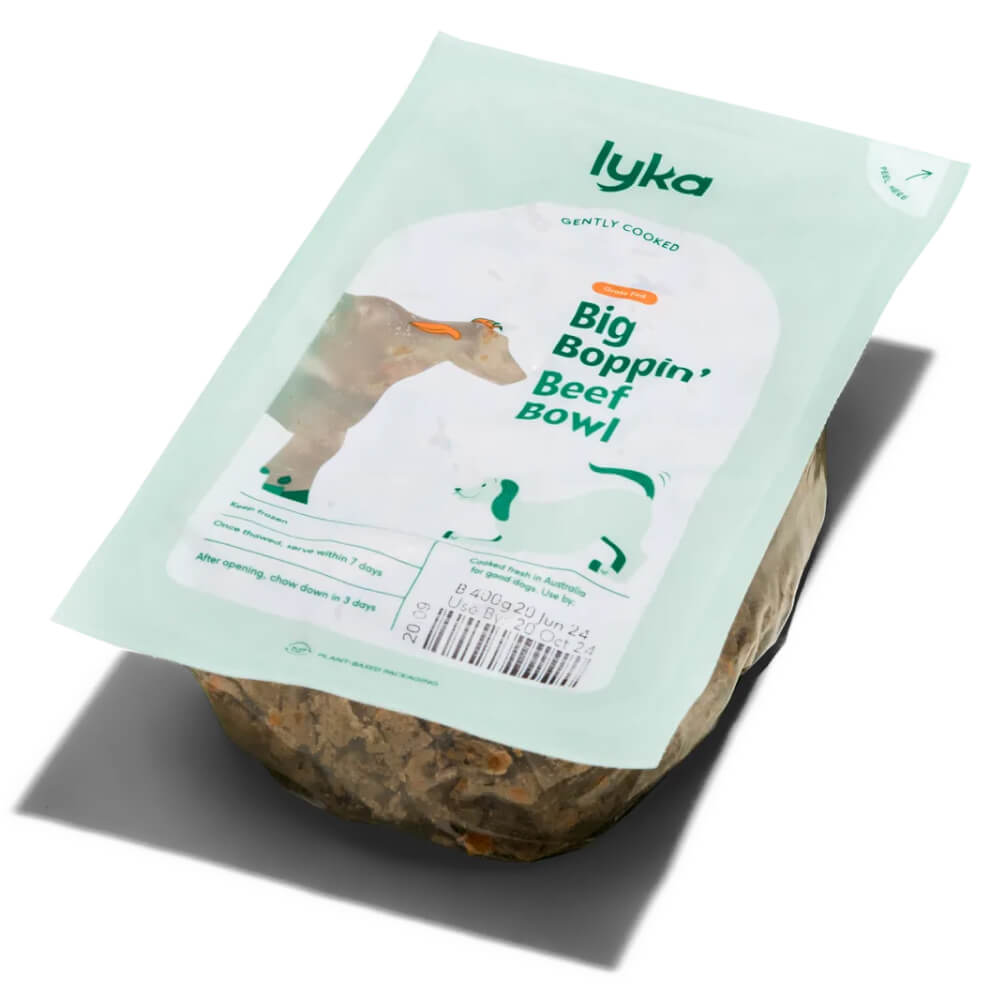
For unaffected dogs, standard high-quality nutrition works well. Two meals a day for adults keeps energy levels stable. See our recommended foods for Bedlington Terriers below.


Training
Bedlingtons are intelligent and learn quickly, but they have a terrier's independent streak. They respond best to positive reinforcement with variety — repetitive drills lose their attention. Short, engaging sessions produce better results than long, structured ones.
They're less stubborn than many terrier breeds and generally easier to train than an Airedale or Bull Terrier. Early socialisation with other dogs is important to manage the breed's selective tendencies. Recall training should start early, with realistic expectations around prey drive.

Suitability
Bedlingtons suit owners who want a terrier with an off-switch — athletic and engaged outdoors, calm and affectionate indoors. They're excellent for apartments, allergy sufferers, and families with older children. Their low-shedding coat and moderate exercise needs make them one of the most practical terrier breeds for Australian living.
They're not ideal if you want a low-grooming dog — the coat needs professional maintenance every six to eight weeks, and that's a non-negotiable cost. The breed is rare in Australia, so finding a puppy takes planning. Most importantly, copper toxicosis testing is essential — never buy from a breeder who doesn't test. If you can work with those requirements, you'll get a loyal, intelligent, and genuinely unique companion.
Frequently Asked Questions
How much does a Bedlington Terrier cost in Australia?
Are Bedlington Terriers hypoallergenic?
What does an ungroomed Bedlington Terrier look like?
Are Bedlington Terriers good with other dogs?
How long do Bedlington Terriers live?

Comments
0 comments
Login to Join the Conversation 💬