
































The American Cocker Spaniel is a compact gundog breed developed in the United States, best known for its long, silky coat, expressive eyes, and eager, affectionate temperament. They're one of the most popular companion breeds in Australia, particularly with families and first-time owners.
Don't let the show-dog appearance fool you — Cockers are genuinely athletic dogs with real gundog roots. Under all that coat is a breed that loves to run, retrieve, and work. They're happiest with owners who give them daily exercise and treat their grooming as non-negotiable, not optional.
History and Origin
The American Cocker Spaniel shares ancestry with the English Cocker Spaniel, both descending from spaniel-type hunting dogs brought to America from England in the 1800s. By the early 20th century, American breeders had developed a distinctly different type — smaller in frame, with a rounder head, shorter muzzle, and the longer, more profuse coat that defines the breed today.
The split from the English Cocker became official when the American Kennel Club recognised them as separate breeds in 1946. American breeders prioritised the show ring, which shaped the coat and structure into something quite removed from its working origins.
That hunting drive didn't disappear entirely. American Cockers still have a natural nose, a retrieving instinct, and more energy than their glamorous coat suggests. Owners who dismiss this tend to end up with a bored, destructive dog.
Temperament and Personality
American Cocker Spaniels are genuinely affectionate dogs — not just with their person, but with the whole household. They're sociable, people-oriented, and tend to follow their family from room to room. Separation anxiety is a real risk with this breed if alone time isn't introduced gradually from puppyhood.
They're excellent with children and tolerant of other dogs, which makes them a natural fit for busy family homes. They're not guard dogs — strangers are usually greeted with enthusiasm, not suspicion.
Cockers are sensitive dogs. Harsh corrections land badly and can make them withdrawn or anxious. They respond far better to positive reinforcement, and because they're genuinely eager to please, training usually goes well when that approach is used consistently.
One quirk worth knowing: some American Cockers can be prone to "rage syndrome" — a rare but documented condition involving unpredictable aggression. It's not representative of the breed as a whole, but it's a reason to buy from a reputable breeder with health-tested lines.
Common Health Conditions
American Cocker Spaniels are a relatively healthy breed within their size range, but several conditions appear with enough frequency that prospective owners should know them before buying.
Progressive Retinal Atrophy (PRA) — A hereditary condition causing gradual degeneration of the retina, eventually leading to blindness. There are no early symptoms — night vision loss is often the first sign. DNA testing of breeding dogs can identify carriers, so always ask breeders for PRA clearance certificates.
Cataracts — American Cockers have one of the highest rates of hereditary cataracts of any breed. They can develop in young dogs, not just older ones. Annual eye examinations by a veterinary ophthalmologist are strongly recommended.
Ear Infections — Those long, heavy ears trap moisture and restrict airflow, creating ideal conditions for bacterial and yeast infections. Weekly ear checks and cleaning after swimming or bathing are essential, not optional.
Hip Dysplasia — Malformation of the hip joint leading to pain and arthritis over time. Weight management and appropriate exercise load during puppyhood help reduce impact. Ask breeders for hip scores on both parents.
Autoimmune Haemolytic Anaemia (AIHA) — A serious condition in which the immune system attacks the dog's own red blood cells. American Cockers are notably predisposed. Signs include lethargy, pale gums, and rapid breathing — it requires urgent veterinary attention.
Sebaceous Adenitis — An inflammatory skin condition affecting the sebaceous glands, causing scaling, hair loss, and a musty odour. It's manageable but not curable.
Given the range of inherited conditions, pet insurance taken out before any symptoms appear is a sound investment. Annual vet check-ups with an eye exam are worth building into the routine.


Exercise
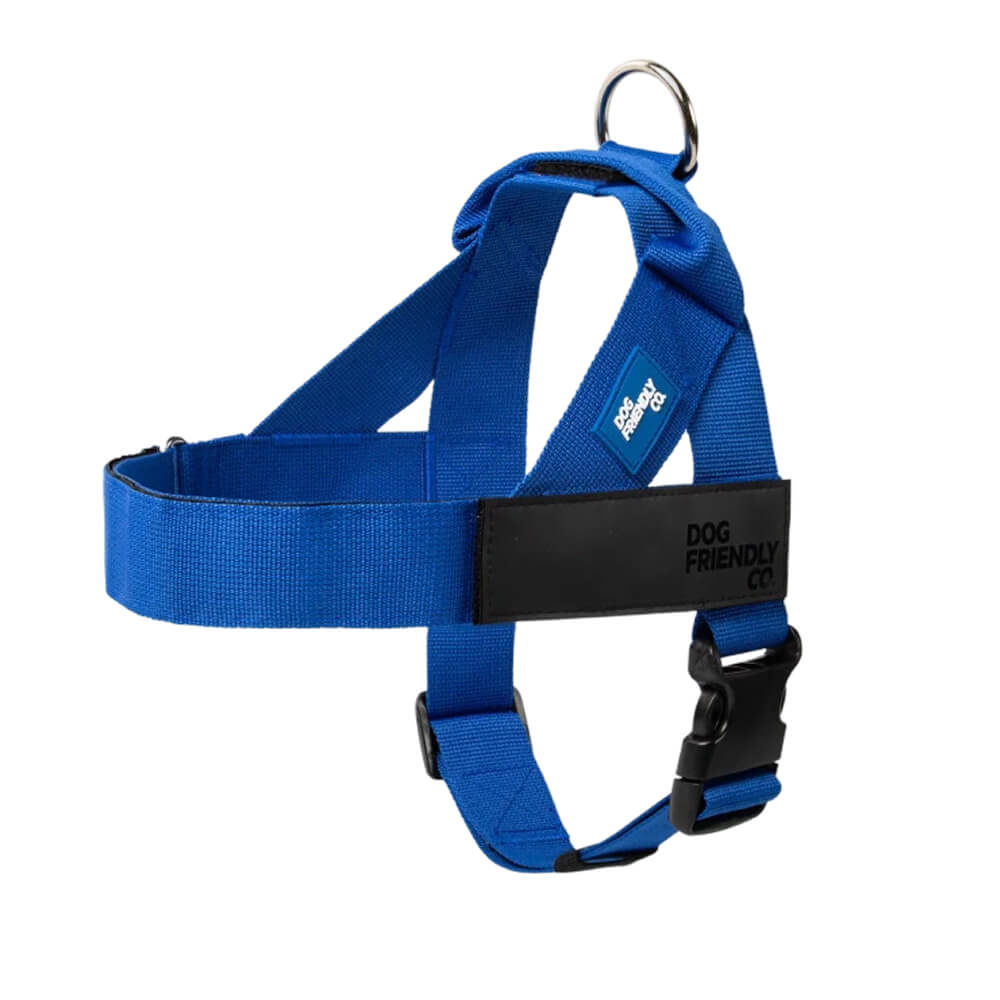
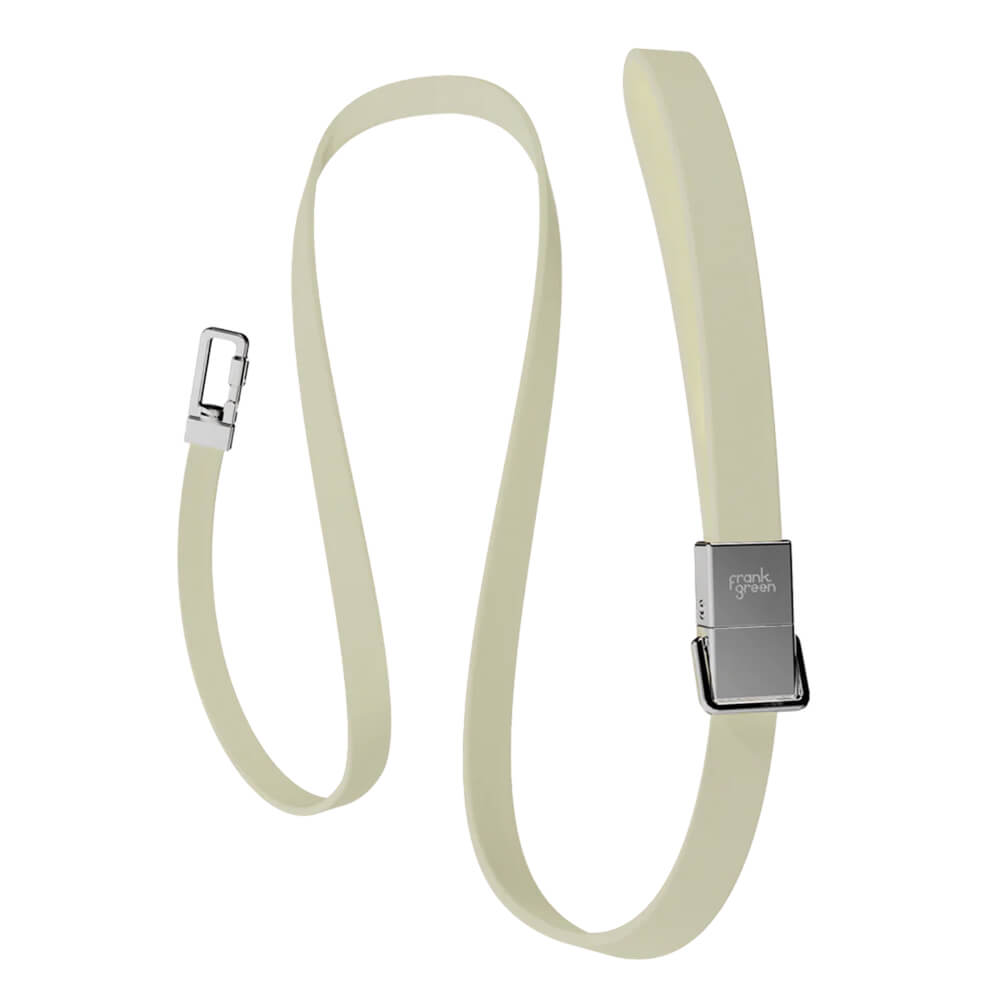
American Cockers need around 45 minutes of exercise daily — a solid walk plus some off-lead time if possible. They enjoy sniff-heavy walks and fetch, and have more stamina than their size suggests. Skip exercise consistently and you'll end up with an anxious, destructive dog. They're not a breed that does well with a quick lap around the block.

Grooming
That coat is high-maintenance — full stop. Professional grooming every 6–8 weeks is standard, with brushing at home at least three times a week to prevent mats. The ears need weekly cleaning to prevent infections, and the skin folds around the muzzle need regular checking. Budget for grooming as a fixed ongoing cost before you commit to the breed.



Nutrition
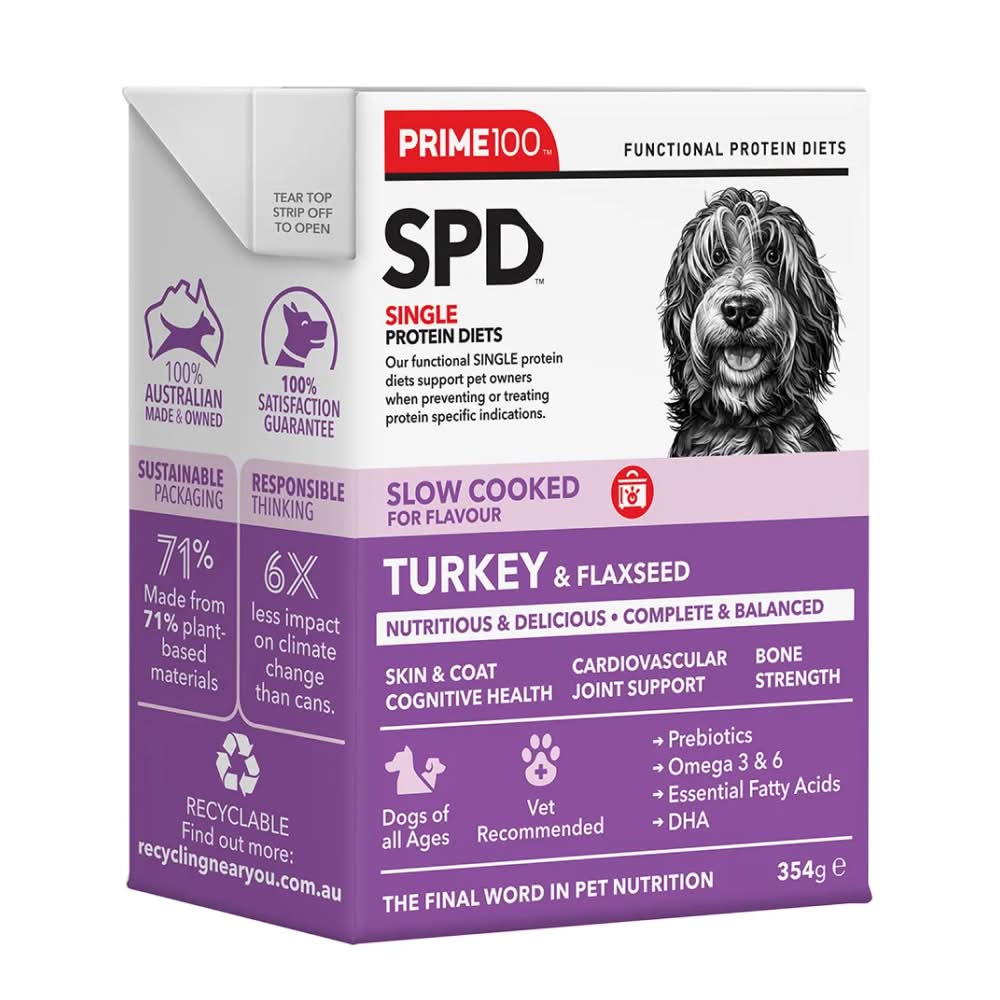
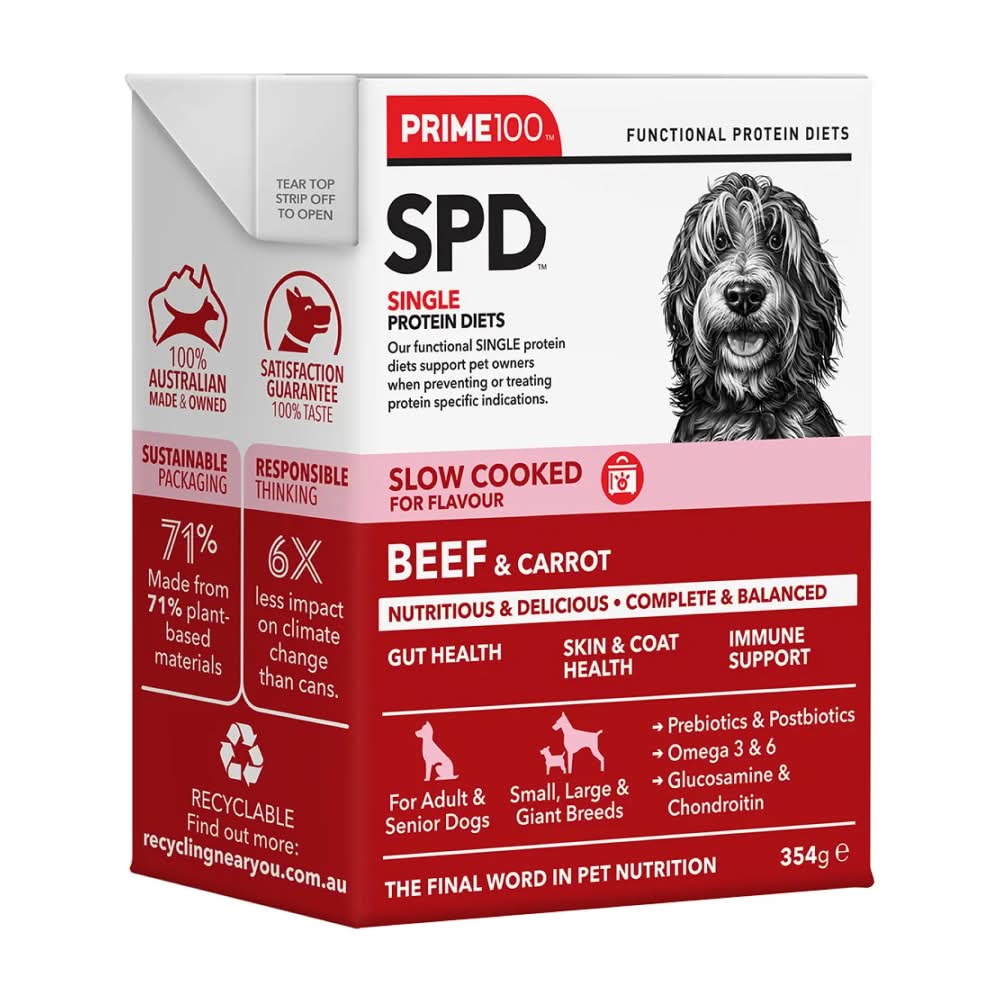
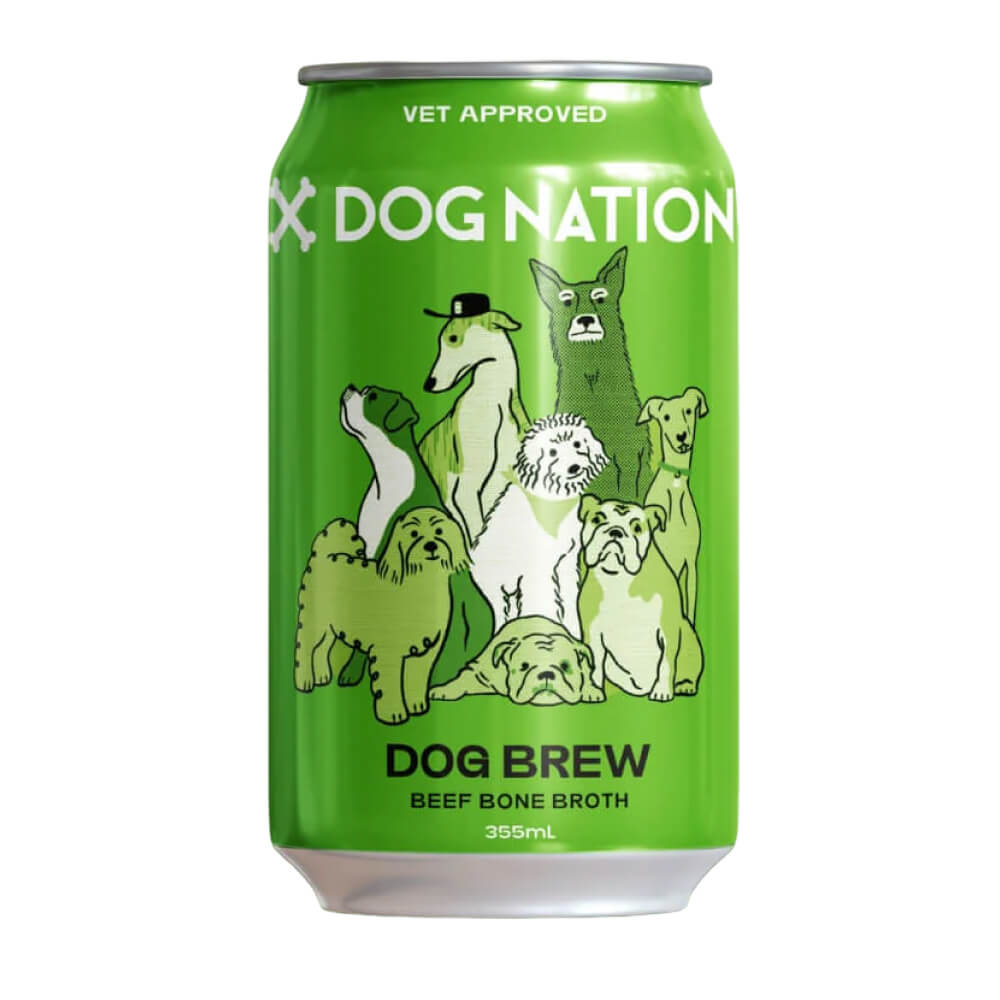
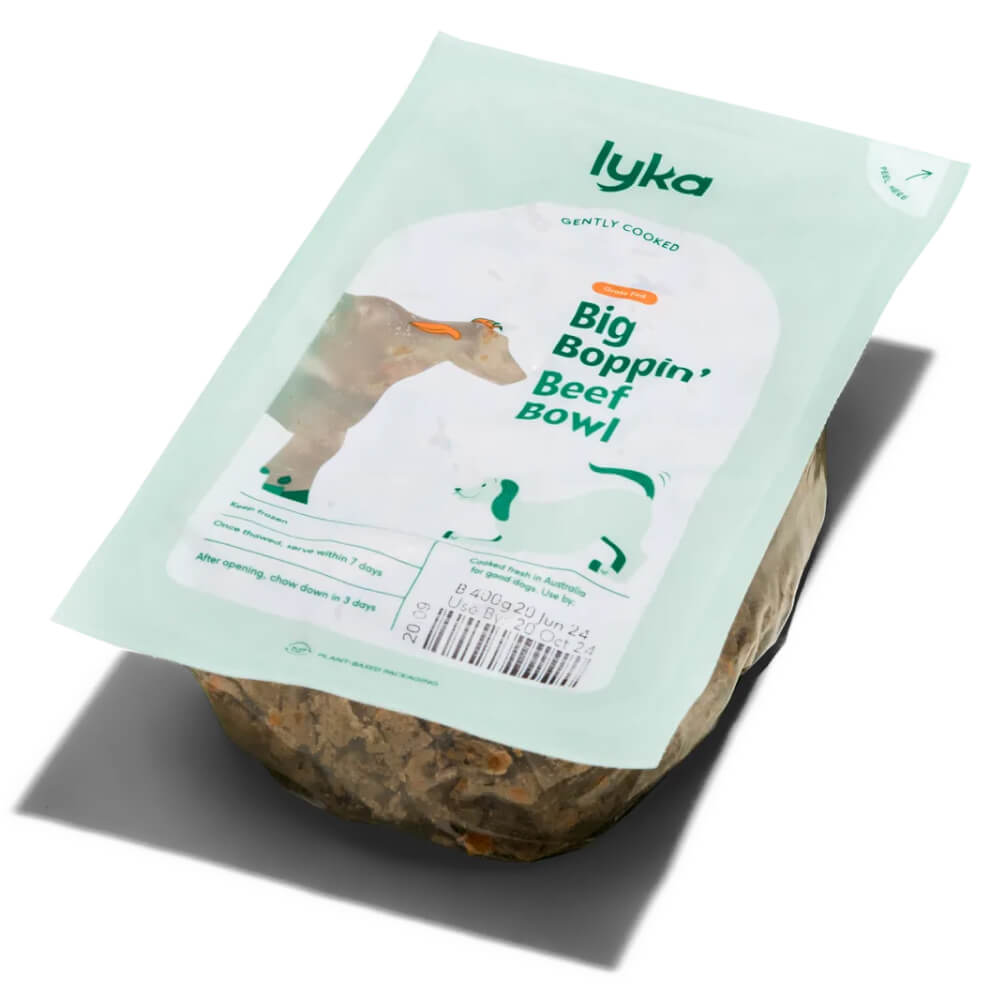
American Cockers are prone to weight gain, so portion control matters from the start. A high-quality adult formula for small-to-medium breeds works well for most dogs. Some lines are sensitive to high-fat diets, which can trigger pancreatitis, so it's worth monitoring. Omega-3 supplementation supports both coat condition and joint health. See our recommended foods for American Cocker Spaniels below.

Training
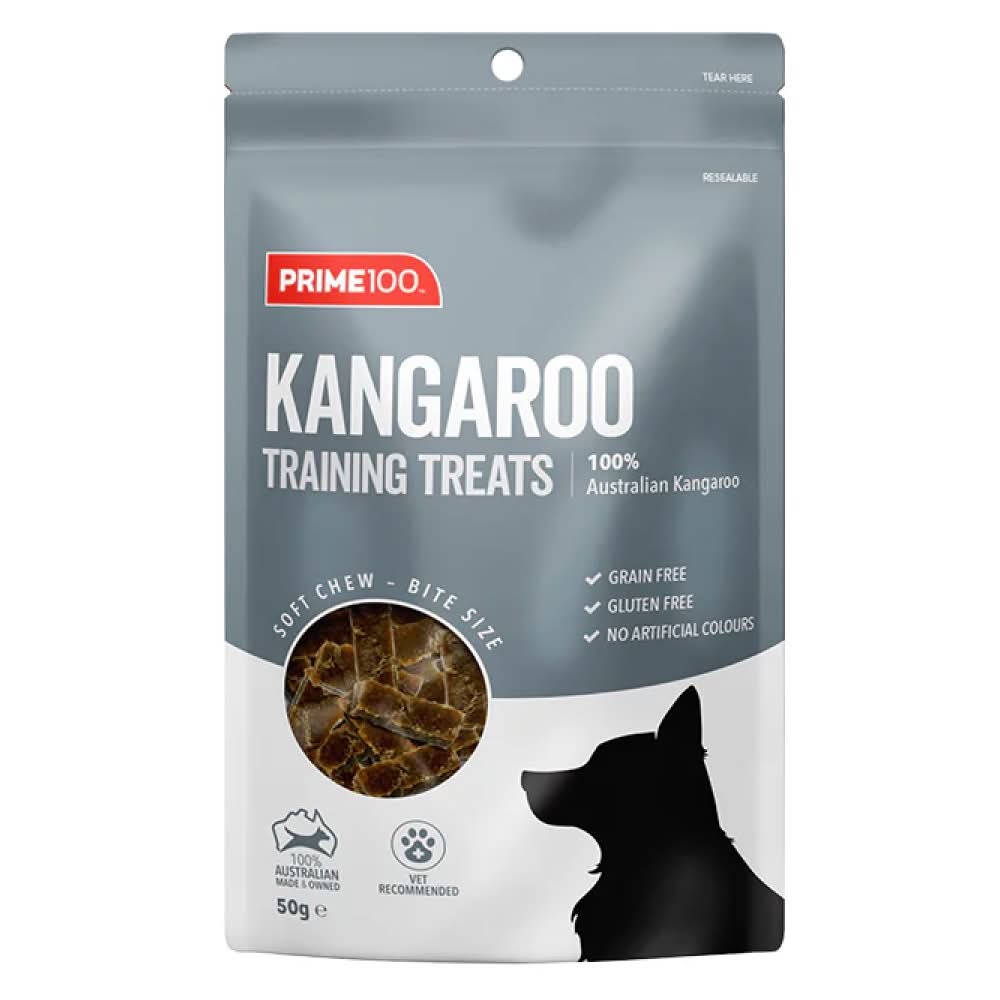
American Cockers are easy to train — eager to please, food-motivated, and quick to pick up new commands. Keep sessions short and positive; they disengage fast if things become repetitive or harsh. Early socialisation is important, as under-socialised dogs can become nervous or noise-reactive. Puppy school followed by basic obedience is a solid foundation.


Suitability
American Cockers suit households that can commit to consistent grooming and daily exercise. They're a good match for families with children, people who work from home, and owners with prior dog experience — though their trainability makes them accessible for attentive first-timers too.
They're not a good fit for owners who want a low-maintenance dog. The coat alone will cost real time and money to maintain properly. And while they can manage apartment living with sufficient exercise, their anxiety risk means long hours left alone daily doesn't work. If your lifestyle involves regular travel or extended work hours without a dog-care plan, this isn't the breed.
Frequently Asked Questions
How much does an American Cocker Spaniel cost in Australia?
Do American Cocker Spaniels bark a lot?
Can an American Cocker Spaniel live in an apartment?
What's the difference between an American and English Cocker Spaniel?
How long do American Cocker Spaniels live?





Comments
0 comments
Login to Join the Conversation 💬