





















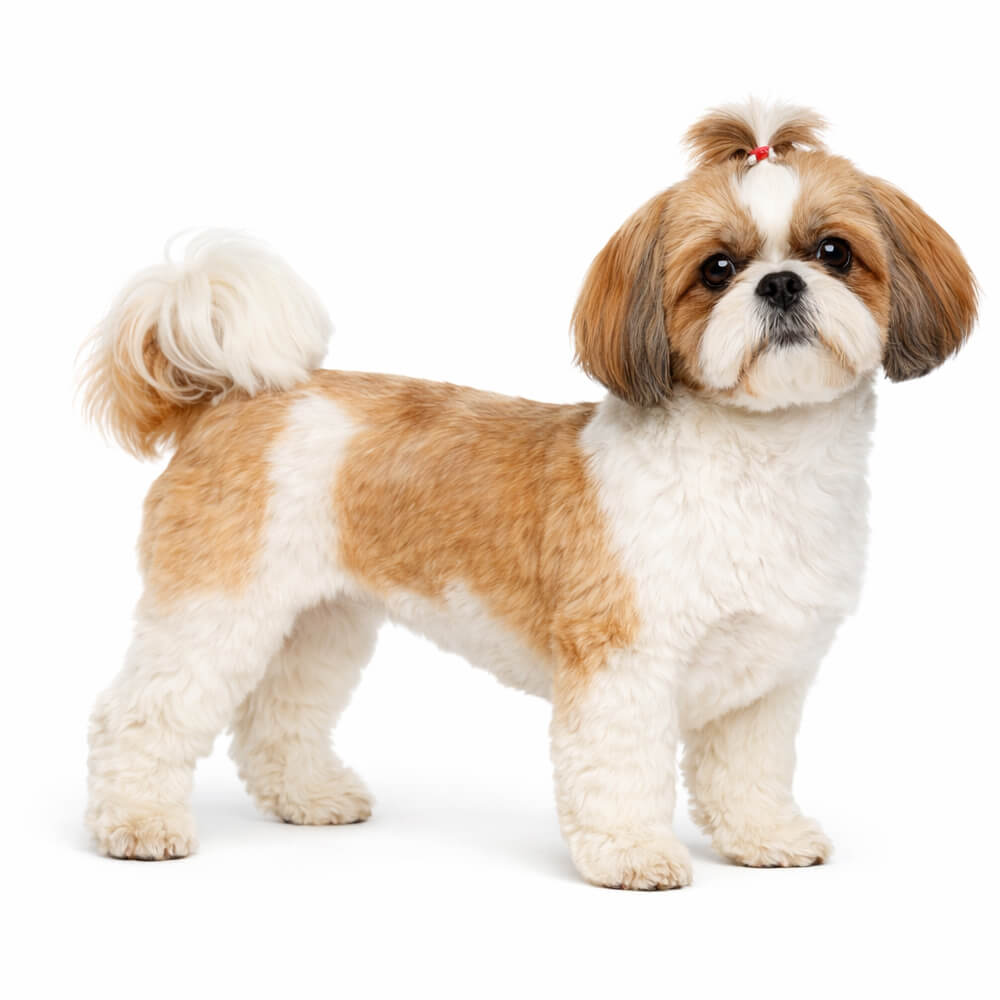

The Shih Tzu is a small, sturdy companion breed with ancient roots in Chinese and Tibetan royalty. Known for its flowing double coat, flat face and confident personality, the Shih Tzu was bred exclusively for companionship — and it excels at the job.
Shih Tzus are affectionate, outgoing and surprisingly robust for their size. They suit a wide range of households and are one of the most popular small breeds in Australia. What many owners don’t expect is how independent-minded these dogs can be. The Shih Tzu was raised in imperial palaces, and that regal self-assurance hasn’t faded — they’ll follow your lead, but only when it suits them.
History and Origin
The Shih Tzu’s origins trace back to the Tibetan Plateau, where small companion dogs were bred by Tibetan monks and gifted to Chinese emperors as prized tributes. The breed was refined in the Chinese imperial court, particularly during the Ming and Qing dynasties, where Shih Tzus lived in the palace and were treated as treasured companions.
The name translates roughly to "lion dog" — a reference to the breed’s resemblance to the guardian lions of Chinese Buddhist mythology. Despite the fierce name, there’s nothing guard-dog about the Shih Tzu. It was bred purely for human company, and every generation reinforced that purpose.
The breed nearly disappeared during the Chinese Revolution in the early 20th century. A small number of dogs were exported to England and Scandinavia, and the entire modern Shih Tzu population traces back to just 14 foundation dogs. That narrow genetic base is one reason health screening matters with this breed.
Temperament and Personality
Shih Tzus are friendly, confident and happiest when they’re with people. They’re not clingy in the way some companion breeds are — they enjoy attention but also have an independent streak that gives them a dignified, almost cat-like quality.
With family, Shih Tzus are affectionate and loyal. They’re content to sit on a lap, follow you around the house or entertain themselves with a toy. They adapt well to different household routines and don’t demand constant interaction, though they do want to be nearby.
Around children, Shih Tzus are generally patient and gentle. They’re sturdier than many toy breeds, which makes them better suited to family life. Supervision is still important with young children — their prominent eyes are vulnerable to accidental pokes, and rough handling can cause a snappy reaction.
With other dogs, Shih Tzus are typically sociable and easy-going. They’re rarely aggressive or dominant and tend to get along well in multi-pet households, including with cats. Their laid-back nature makes introductions straightforward.
Energy-wise, Shih Tzus are low. A short daily walk and some indoor playtime satisfy most. They’re not built for long hikes or intense exercise, and their brachycephalic (flat-faced) structure means they overheat easily. They’re natural apartment dogs and genuinely content with a calm, indoor lifestyle.
Common Health Conditions
Shih Tzus carry several health predispositions linked to their flat face, prominent eyes and compact build. Understanding these conditions is essential for responsible ownership.
Brachycephalic Obstructive Airway Syndrome (BOAS)
The Shih Tzu’s flat face creates narrowed nostrils and a compressed airway, leading to noisy breathing, snoring and reduced heat tolerance. Severity varies — some dogs manage well, others struggle in warm weather or during exercise. Weight management is critical, as excess fat worsens airway restriction. In severe cases, surgical correction can improve quality of life. Australian summers pose a real risk for brachycephalic breeds.
Keratoconjunctivitis Sicca (Dry Eye)
A condition where the tear glands don’t produce enough moisture, leading to chronic eye irritation, discharge and potential corneal damage. Shih Tzus are one of the most commonly affected breeds. It’s manageable with daily eye drops but requires lifelong treatment.
Patellar Luxation
The kneecap slips out of its normal position, causing intermittent lameness. Common in small breeds including Shih Tzus. Mild cases need only weight management; severe cases may require surgery.
Progressive Retinal Atrophy (PRA)
An inherited eye condition causing gradual vision loss. DNA testing identifies carriers. The breed’s prominent eyes make regular eye exams particularly important.
Dental Disease
Shih Tzus are highly prone to dental overcrowding, tartar buildup and gum disease. Their small, sometimes undershot jaws create tight tooth spacing. Regular brushing, dental chews and professional cleaning prevent painful extractions.
Intervertebral Disc Disease (IVDD)
While less common than in Dachshunds, Shih Tzus carry a moderate predisposition to disc problems. Avoid excessive jumping and maintain a healthy weight to reduce spinal stress.
Pet insurance is a sensible investment for Shih Tzus, particularly for eye and airway conditions. Regular vet check-ups twice a year catch early signs before they escalate.


Exercise
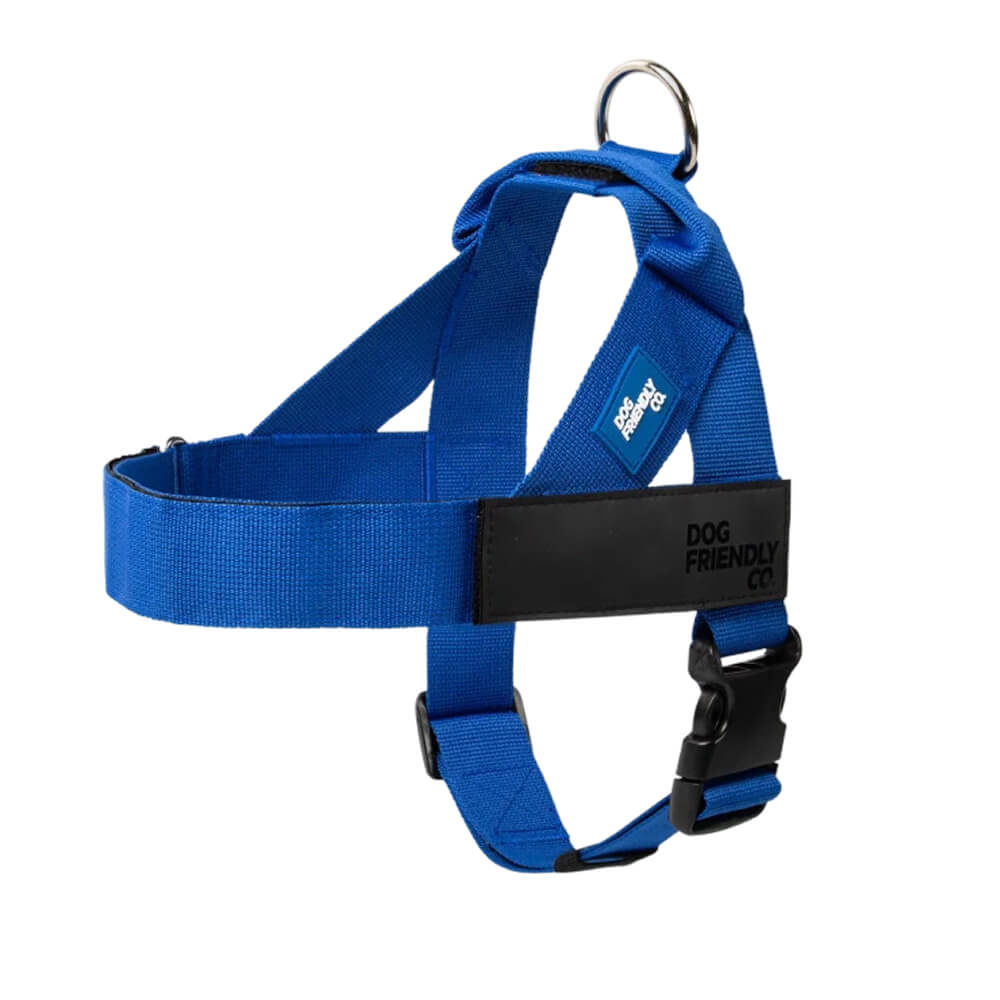
Shih Tzus need around 30 minutes of exercise daily. A short walk and some indoor playtime keep them happy. They’re not built for endurance or speed, and their brachycephalic structure means they overheat quickly. In Australian summers, walk only in the cool of early morning or late evening — and skip the walk entirely on extreme heat days. Air-conditioned indoor play is a safer alternative during heatwaves.
Grooming
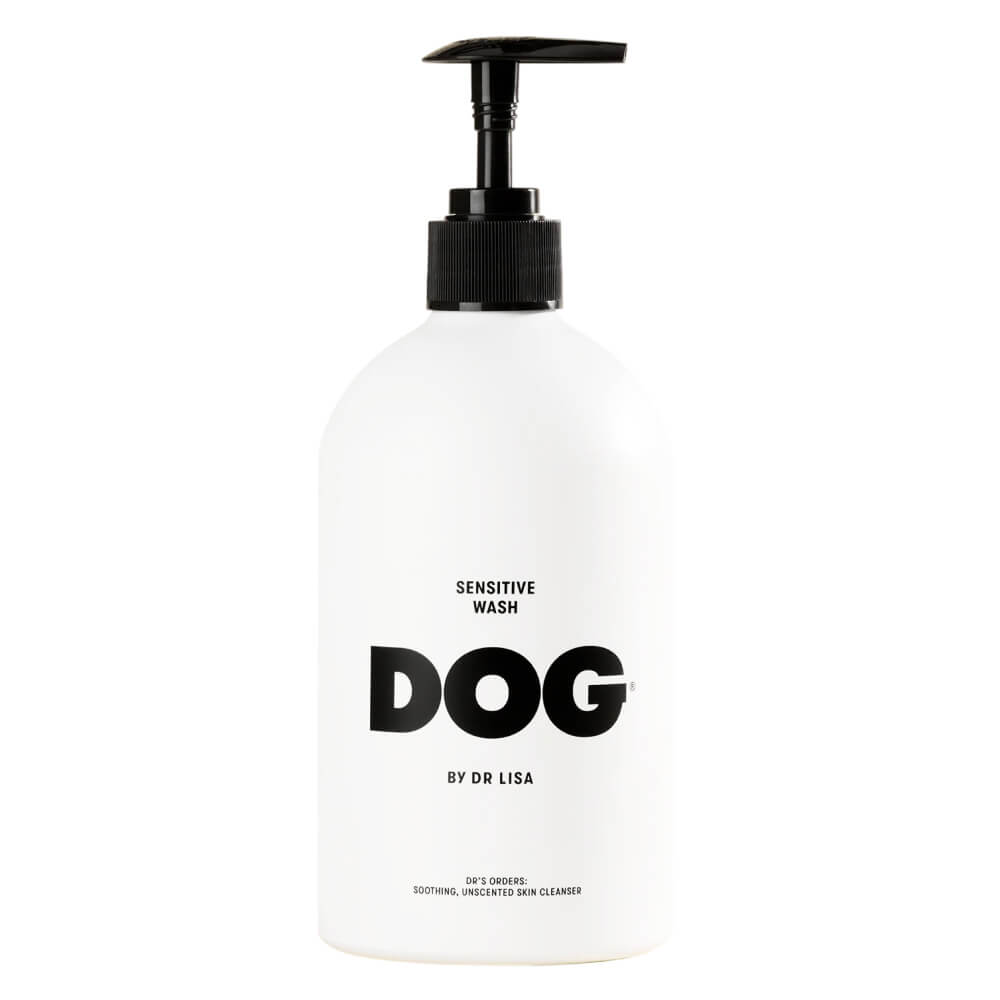
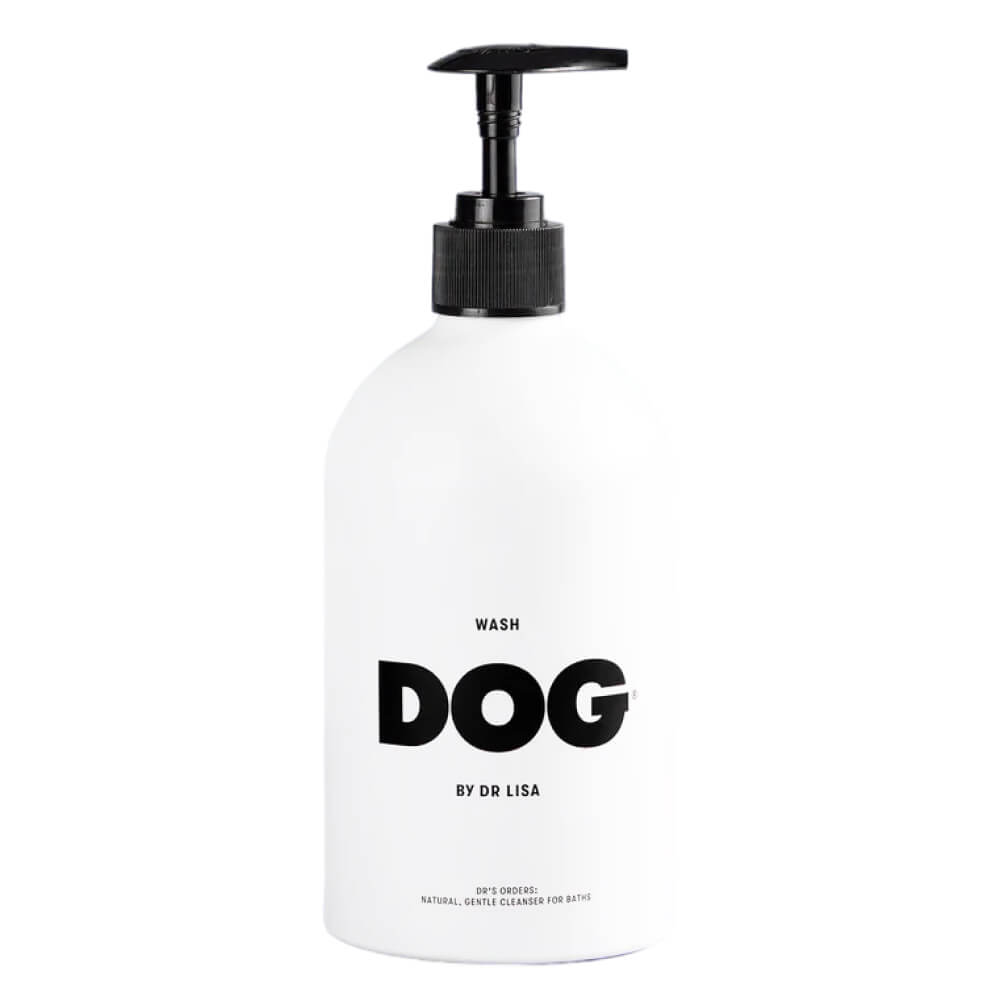
The Shih Tzu’s long, flowing double coat is the breed’s most demanding feature. Left long, it requires daily brushing to prevent matting and tangling. Most companion owners opt for a shorter "puppy cut" trimmed every six to eight weeks, which dramatically reduces daily maintenance. Eye care is a daily task — clean around the eyes to prevent tear staining and irritation. Ears should be checked weekly, and dental care (brushing several times a week) is essential given the breed’s predisposition to dental disease.


Nutrition
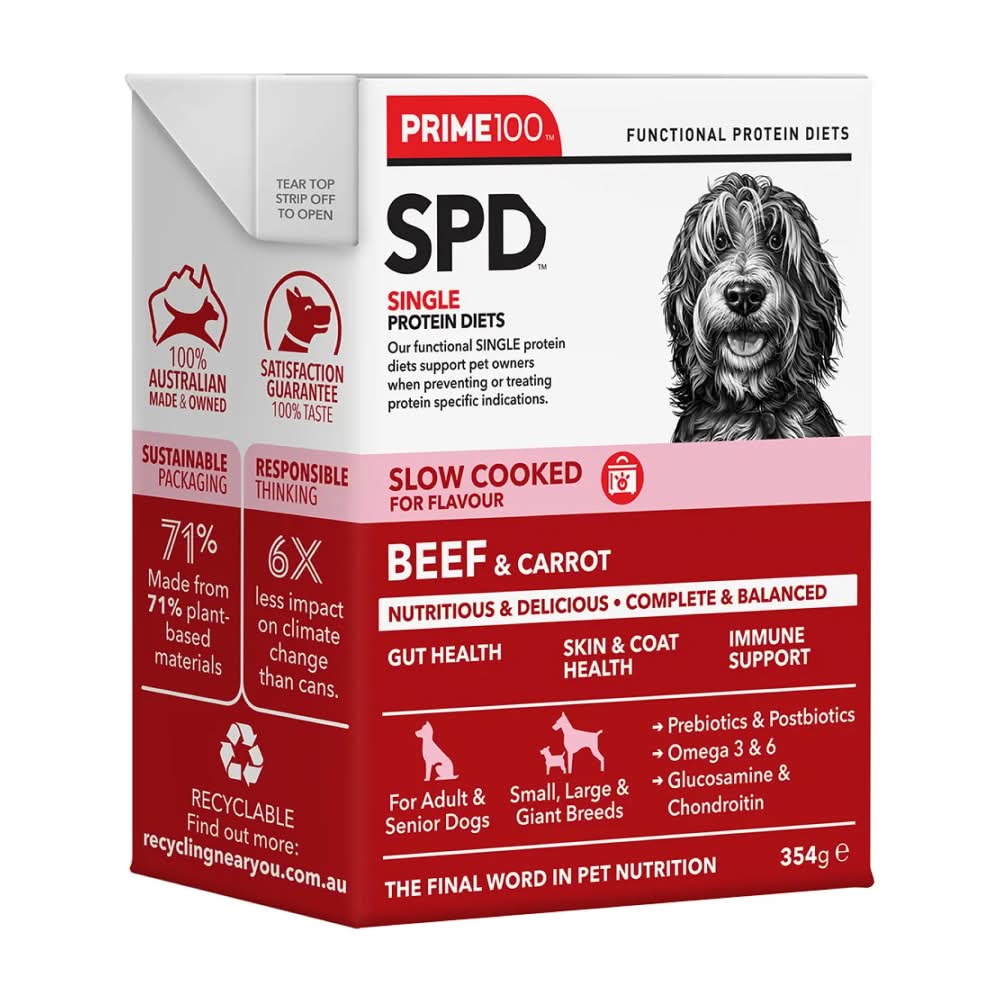
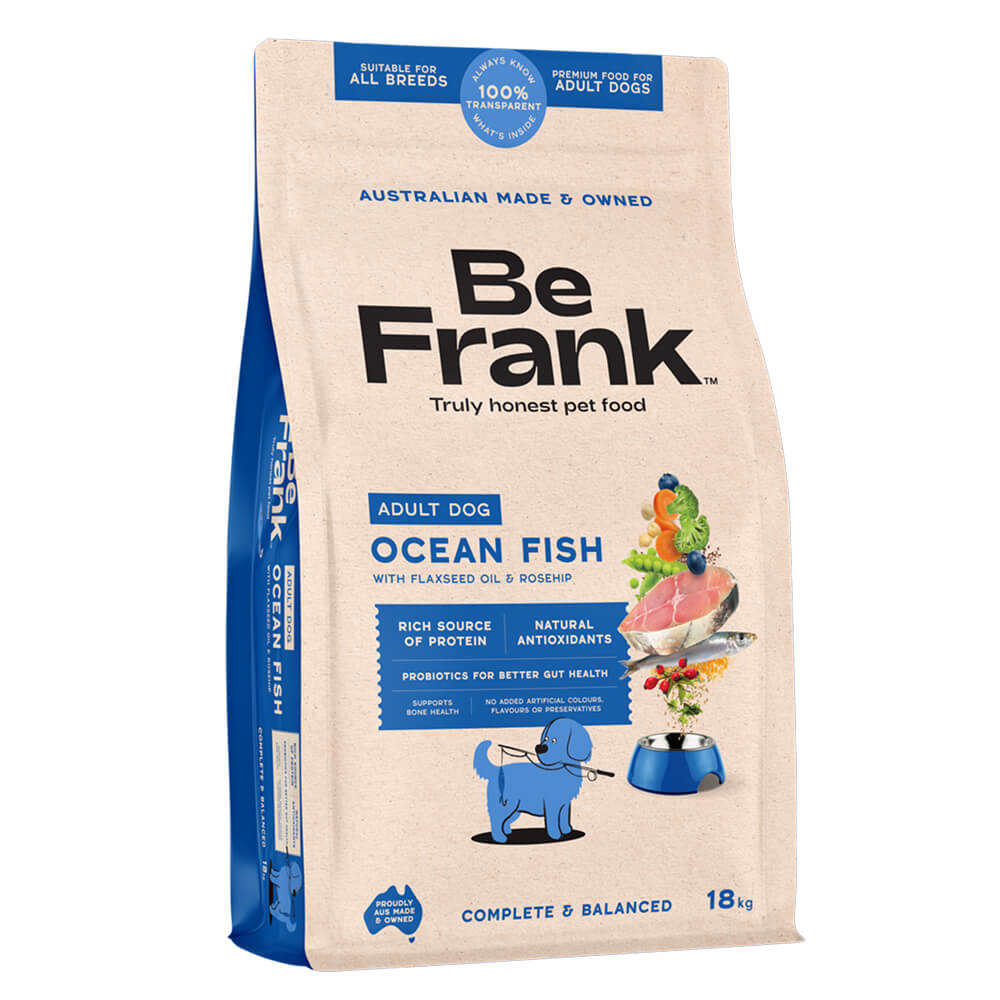
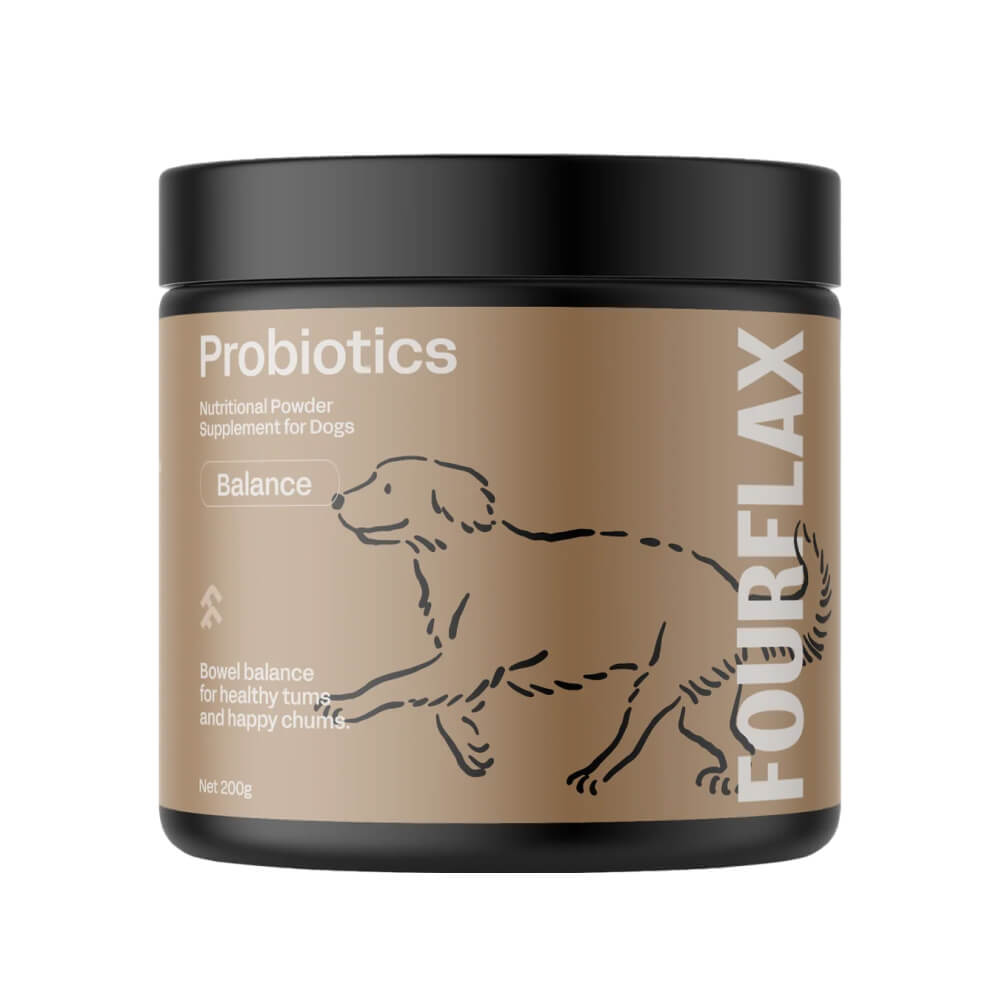
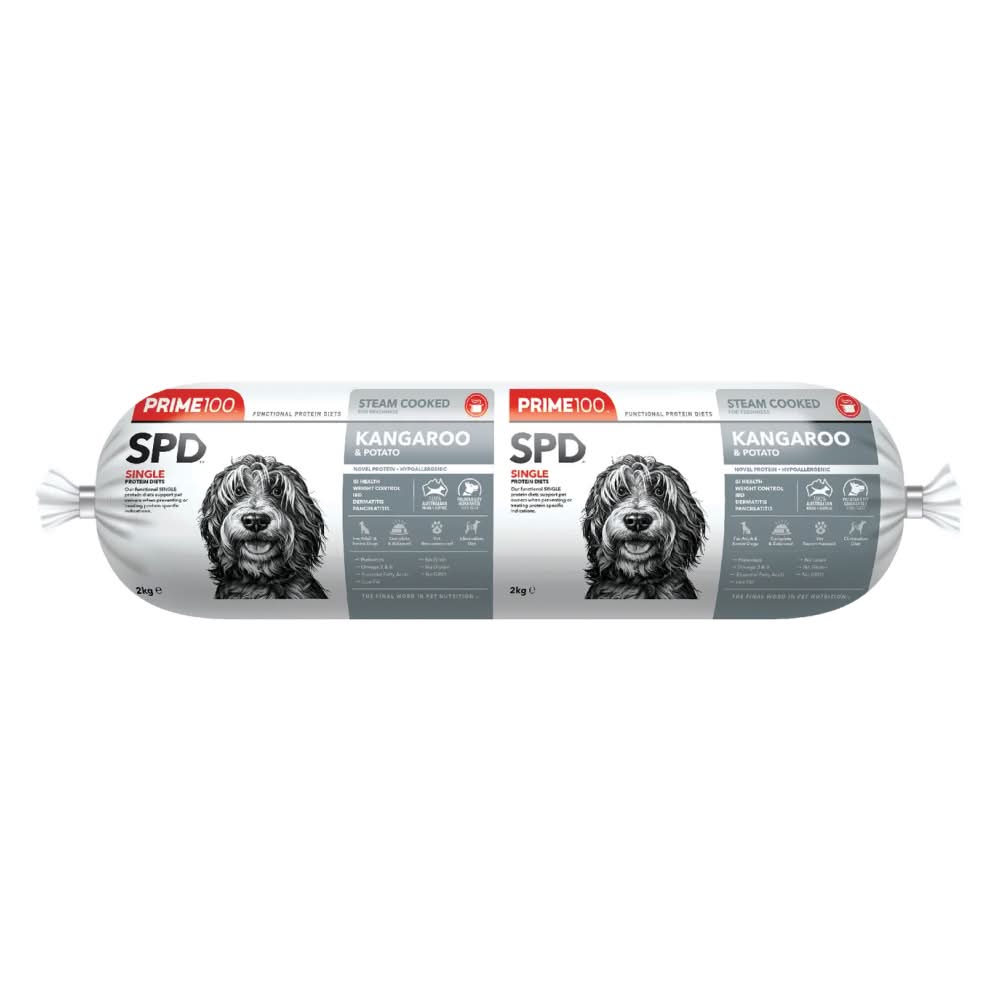
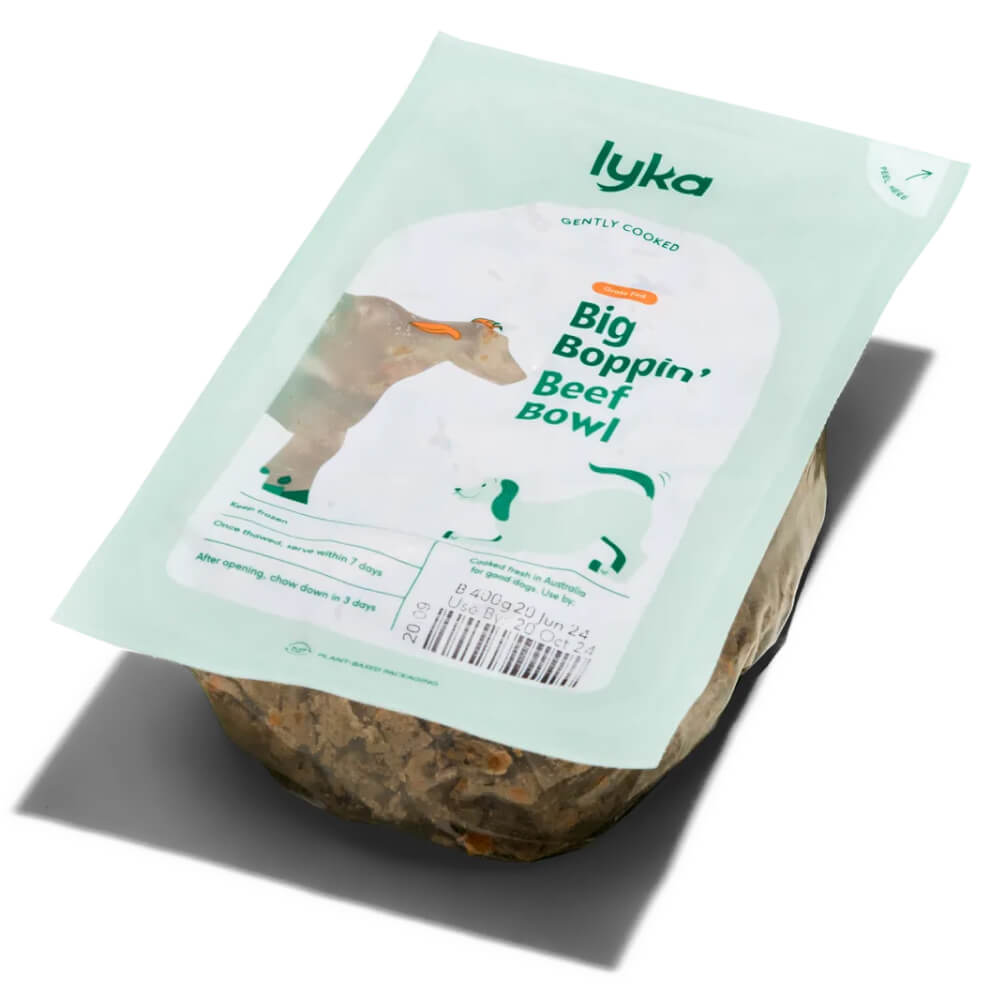
Shih Tzus need a high-quality diet formulated for small breeds. They gain weight easily, and extra weight worsens both brachycephalic breathing and joint issues. Feed measured portions and avoid excessive treats. Dental-friendly kibble and chews help manage oral health. For dogs with dry eye or skin sensitivities, omega-3 fatty acid supplementation can support coat and eye health. See our recommended foods for Shih Tzus below.


Training
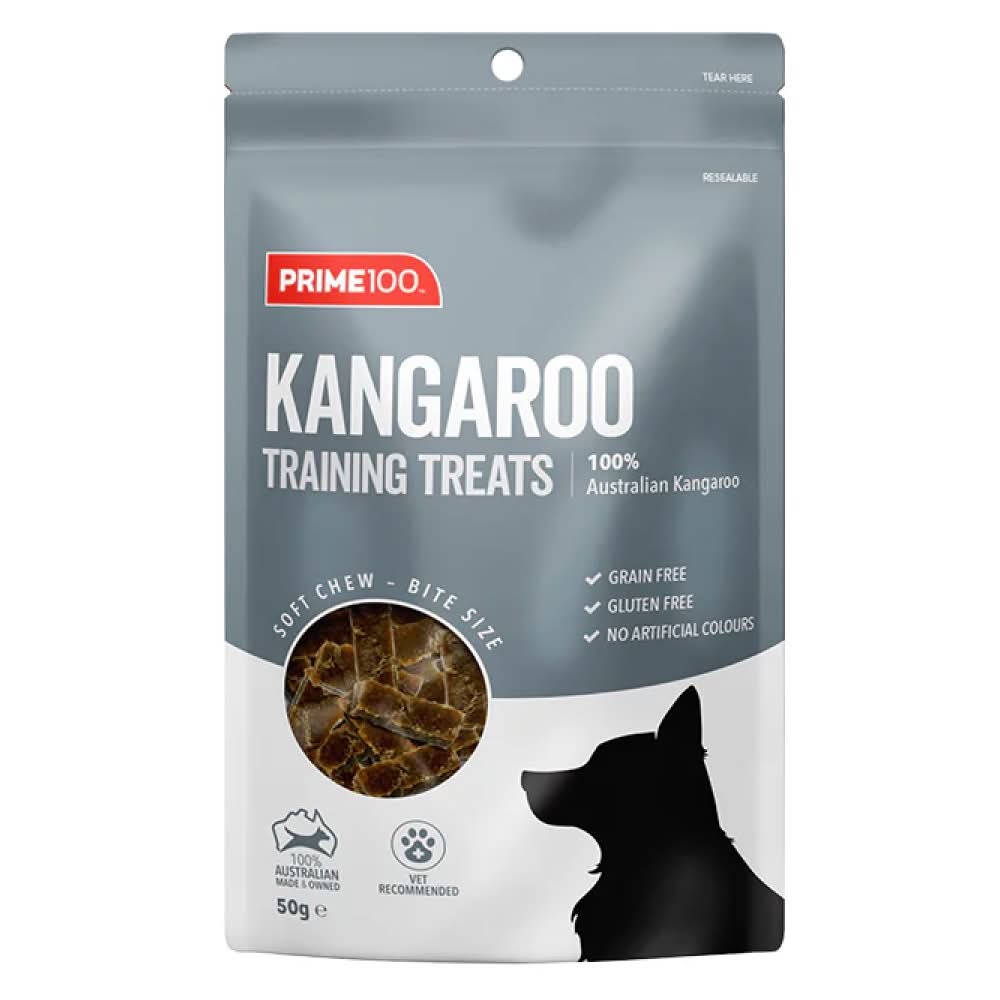
Shih Tzus are intelligent but have an independent streak that makes training a patience exercise. They’re not defiant — they simply don’t have the eager-to-please drive of a Poodle or Labrador. Use positive reinforcement with high-value rewards and keep sessions short and upbeat. Housetraining can be slower than average with this breed; consistency and routine are key. Early socialisation is straightforward — Shih Tzus are naturally friendly and curious. The main training focus should be on managing stubbornness and building reliable recall.


Suitability
Shih Tzus suit apartment dwellers, retirees, families with older children and anyone after a calm, affectionate companion that doesn’t need much exercise. They’re one of the most adaptable small breeds and fit comfortably into most living situations. Their low energy and sociable nature make them excellent dogs for first-time owners.
The main commitments are grooming and health management. The coat — whether kept long or clipped short — needs regular attention. Eye care, dental care and managing heat exposure are ongoing responsibilities. If you live in a particularly hot part of Australia, factor in air conditioning as a genuine necessity during summer. Beyond that, few breeds are as easy-going, friendly and consistently pleasant to live with as the Shih Tzu.
Frequently Asked Questions
How much does a Shih Tzu cost in Australia?
Do Shih Tzus shed?
Are Shih Tzus good for first-time owners?
Can Shih Tzus handle Australian heat?
How long do Shih Tzus live?


Comments
0 comments
Login to Join the Conversation 💬