































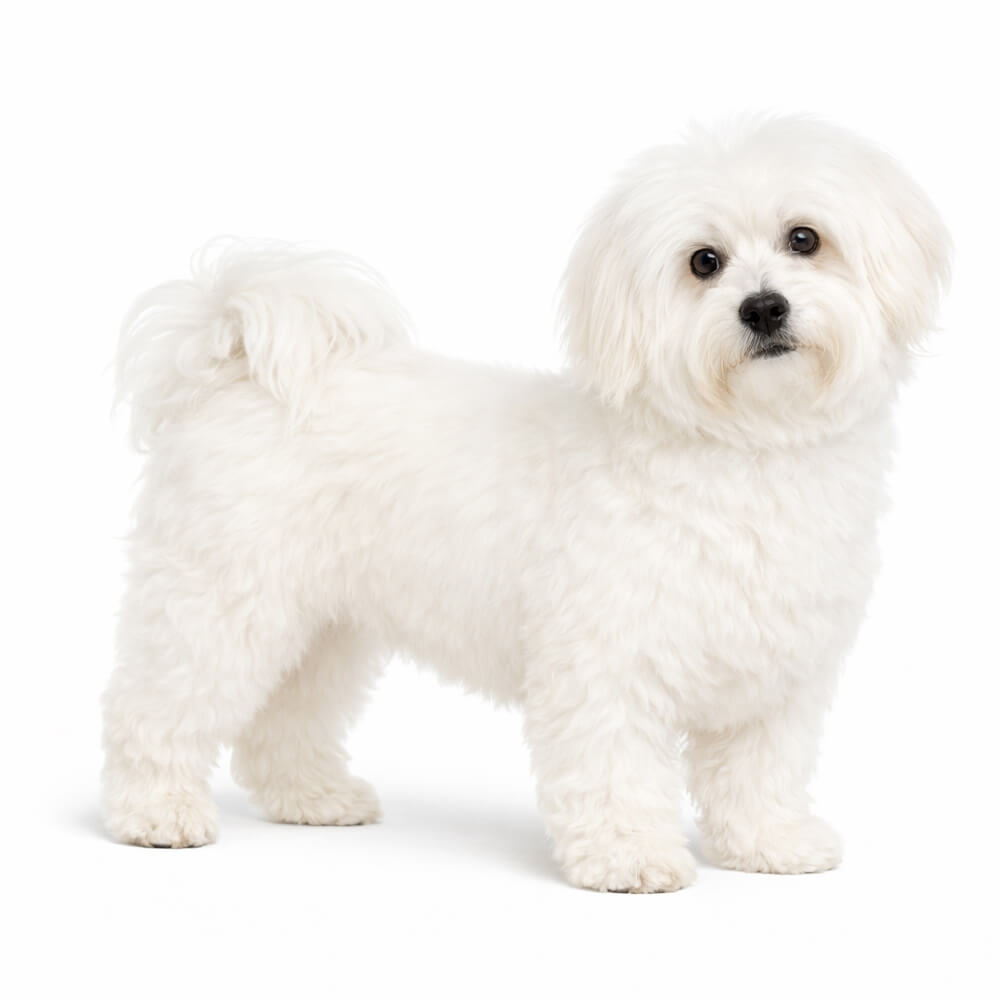

The Coton de Tulear is a small, cheerful companion breed from Madagascar, named for its distinctive cotton-textured white coat and the port city of Tulear where it was historically found. Classified in the Non Sporting group under the ANKC, the Coton is bred purely for companionship.
Cotons are clownish, affectionate and remarkably adaptable. They follow their owners with an almost obsessive devotion and have an unusual habit of vocalising with grunts, growls and what can only be described as "talking" — a running commentary that's unique to the breed. In Australia, they remain genuinely rare, which means waitlists for puppies are long and breeders are few. That rarity also means most Australians have never encountered one in person, which is a shame — the Coton's temperament is one of the best in the toy-companion category.
History and Origin
The Coton de Tulear originated in Madagascar, likely descending from small white dogs brought to the island by European sailors and traders several centuries ago. The breed's ancestors are thought to include Bichon-type dogs from the Canary Islands and Tenerife, which mixed with local Madagascan dogs to create a distinct island breed. The Coton became a favourite of Madagascan nobility and was so prized that at one point a royal decree restricted ownership to the ruling class.
The breed remained virtually unknown outside Madagascar until the 1960s and 1970s, when French visitors brought dogs back to Europe. French breeders established the first formal breeding programmes and the FCI recognised the breed in 1970. The name translates roughly to "Cotton of Tulear" — Tulear (now Toliara) being the port city on Madagascar's southwest coast where the breed was most commonly found.
In Australia, the Coton de Tulear is recognised by the ANKC under the Non Sporting group. Numbers remain very small — registered breeders are limited and most Australian owners have imported dogs or purchased from the handful of established local kennels. That aristocratic Madagascan heritage still shows in the breed's bearing — Cotons carry themselves with a confidence and composure that belies their small size.
Temperament and Personality
Cotons are happy, sociable and genuinely funny dogs. They have an expressive, clownish personality that endears them to everyone they meet. They're the kind of breed that actively tries to make you laugh — repeating behaviours that get a reaction and playing to an audience with visible enthusiasm.
With family, Cotons are deeply devoted and affectionate. They bond strongly with the entire household rather than fixating on one person, and they want to be involved in everything. They'll follow you from room to room, sit on your lap while you work, and sleep pressed against you at night. They're emotionally intuitive — sensitive to their owner's mood and responsive to tone of voice.
With children, Cotons are patient, gentle and tolerant. They're one of the better small breeds for families because they're sturdy enough to handle moderate play and don't snap or show irritability. They actively enjoy children's company and energy. With other dogs and pets, Cotons are friendly, non-territorial and easy-going. They lack aggression and prey drive in any meaningful degree.
The breed's defining quirk is its vocalisations. Cotons grunt, groan, make a distinctive "roo-roo" sound and produce a range of noises that owners describe as talking. This isn't barking — it's a conversational habit that's unique to the breed. They're also known for walking on their hind legs and "dancing" when excited, which is charming the first thousand times and still charming after that.
Common Health Conditions
The Coton de Tulear is a generally healthy breed with a long lifespan, but several conditions are worth knowing about before purchasing.
Luxating Patella
The kneecap slips out of its groove, causing intermittent lameness or a characteristic skipping gait. Common in small breeds including the Coton. Mild cases are managed with weight control and exercise modification. Severe cases — where the kneecap dislocates frequently or won't return to position — require surgical correction. Breeders should have breeding stock assessed for patellar stability.
Progressive Retinal Atrophy (PRA)
An inherited degenerative eye condition that leads to progressive vision loss. A DNA test is available for the Coton-specific PRA mutation, and responsible breeders should test all breeding stock. Signs include difficulty seeing in low light, progressing to daytime vision impairment. There is no treatment, but affected dogs adapt well to vision loss in familiar environments.
Hip Dysplasia
Unusual in a breed this small, but documented in the Coton. The hip joint develops abnormally, causing pain, lameness and eventually arthritis. Screening via hip scoring is available. Management includes weight control, anti-inflammatory medication and, in severe cases, surgery.
Heart Murmurs
Some Cotons develop mitral valve murmurs as they age. Regular cardiac auscultation during vet check-ups helps detect changes early. Most age-related murmurs are mild and managed conservatively, but progression should be monitored.
Allergies
Cotons can be prone to skin allergies, including food sensitivities and environmental allergens. Signs include itching, ear infections and hot spots. Identifying and managing triggers is key — an elimination diet may be needed for food-related allergies.
Pet insurance is sensible for any breed, though the Coton's generally robust health means claims are less frequent than for some toy breeds. Annual vet check-ups with dental, cardiac and eye assessments are recommended.


Exercise
Cotons need 30 to 45 minutes of daily exercise. Moderate walks, free play in a secure yard and interactive games suit the breed well. They're surprisingly agile and enjoy fetch, tug and puzzle toys. They adapt easily to their owner's activity level — happy with a longer walk one day and a shorter one the next. In Australian heat, exercise in the cooler parts of the day. Cotons are not a high-energy breed, but they do need consistent daily activity to prevent boredom and maintain a healthy weight.


Grooming
The Coton's cotton-textured coat is its defining feature and its biggest maintenance commitment. Daily brushing is essential to prevent matting — the coat tangles easily, particularly behind the ears, under the legs and around the collar area. Use a pin brush or wide-tooth comb and work through the coat section by section. Many owners opt for a shorter "puppy clip" to reduce grooming time, which is perfectly practical for a pet Coton. Professional grooming every six to eight weeks keeps the coat manageable. Bathing every two to three weeks is typical. Despite the long coat, Cotons shed very little — loose hair stays trapped in the coat rather than falling onto furniture.



Nutrition
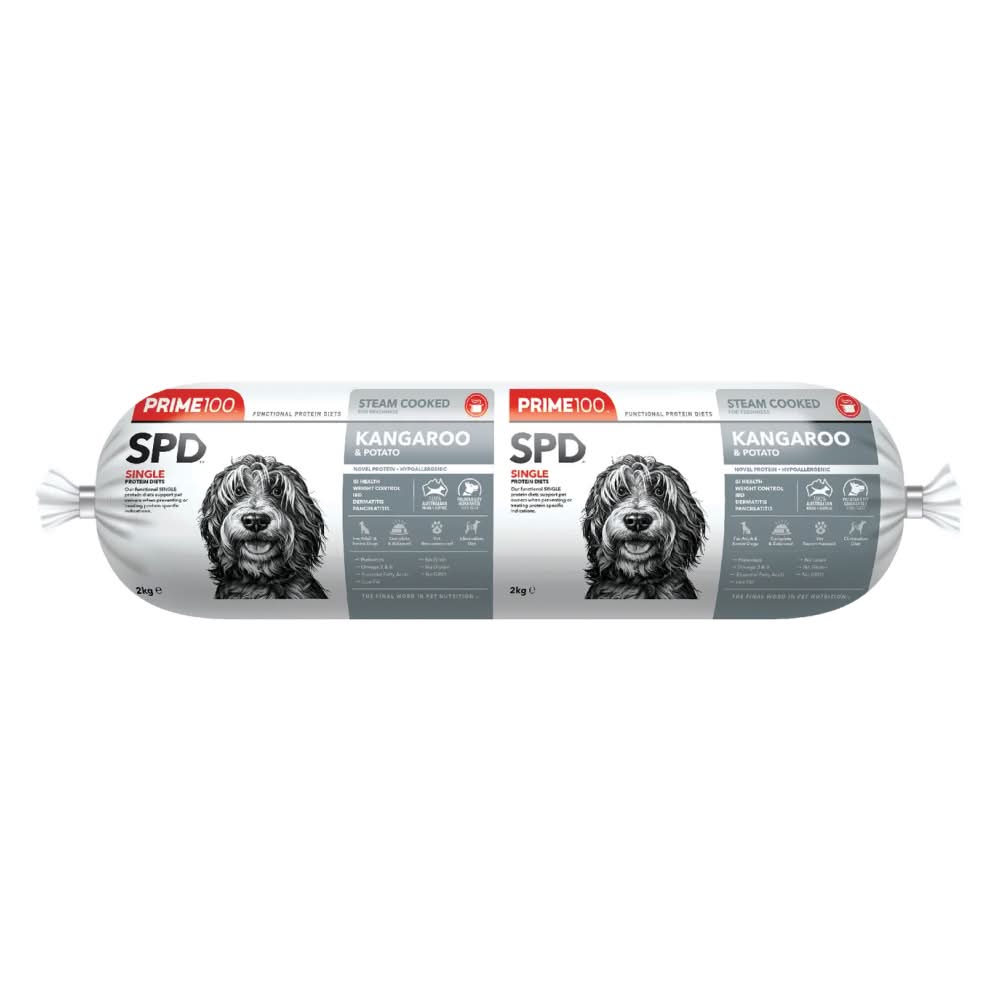
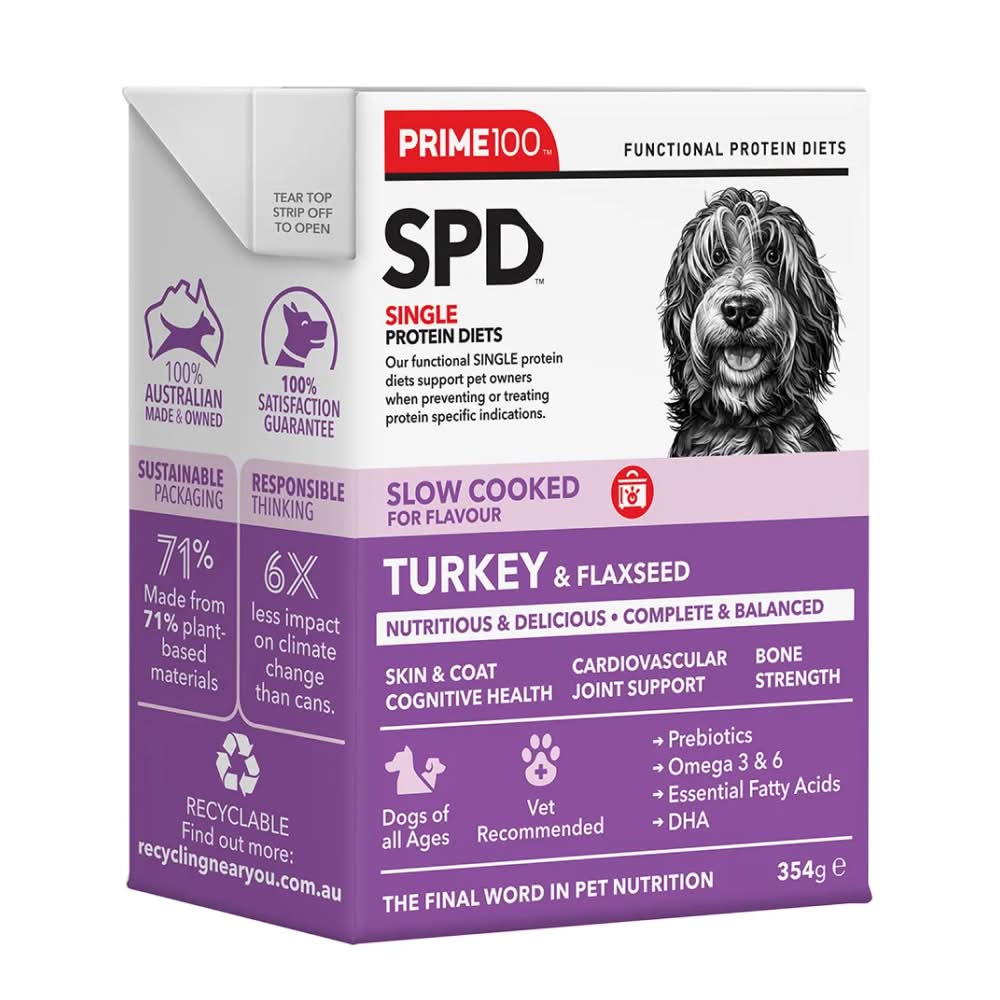
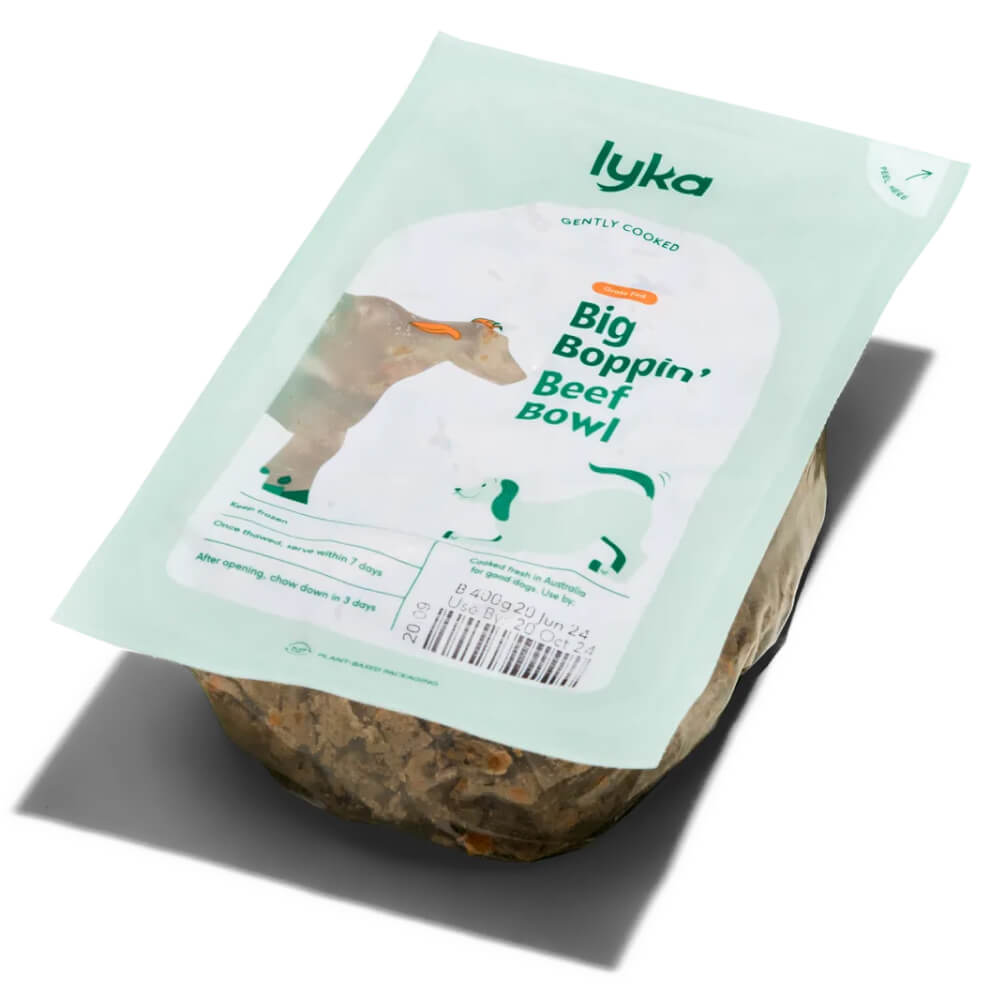
Cotons do well on a high-quality small-breed formula. They're not particularly prone to obesity, but their small size means portions must be measured carefully. Two meals per day suits most adults. Given the breed's predisposition to allergies, a limited-ingredient diet may be worth considering if skin or digestive issues emerge. Omega-3 fatty acids support coat and skin health. Dental care is important — small breeds are prone to periodontal disease, so dental chews and regular tooth brushing help. See our recommended foods for Coton de Tulears below.

Training
Cotons are eager to please and respond beautifully to positive reinforcement. They're one of the easier small breeds to train — quick to learn commands, food-motivated and keen to cooperate. House training is straightforward by small-breed standards. Their intelligence and desire to perform make them good candidates for trick training, which also provides mental stimulation. Socialisation is easy — Cotons take to new people, environments and animals naturally. The only training consideration is building tolerance for alone time, as the breed's strong attachment can lead to separation anxiety if independence isn't encouraged from puppyhood.



Suitability
Cotons suit a wide range of households. They're excellent for families with children, retirees, couples and singles who want an affectionate, low-shedding companion. They thrive in apartments and houses alike, they're friendly with other pets, and their moderate exercise needs make them manageable for most lifestyles. If you want a dog that's genuinely fun to live with — cheerful, engaged and endlessly charming — the Coton delivers.
The barriers are practical. Cotons are rare in Australia, so finding a registered breeder takes patience and puppies are expensive. The coat requires daily grooming or regular professional clipping — this is a non-negotiable commitment, not something you can skip. Separation anxiety is a real risk if the dog is left alone for extended periods. If you work long hours away from home and can't take your dog with you, a Coton will struggle. Budget for grooming costs and be prepared to wait for the right puppy from a health-tested breeder.
Frequently Asked Questions
How much does a Coton de Tulear cost in Australia?
Are Coton de Tulears hypoallergenic?
Are Coton de Tulears good with children?
How long do Coton de Tulears live?
How do you pronounce Coton de Tulear?

Comments
0 comments
Login to Join the Conversation 💬