

































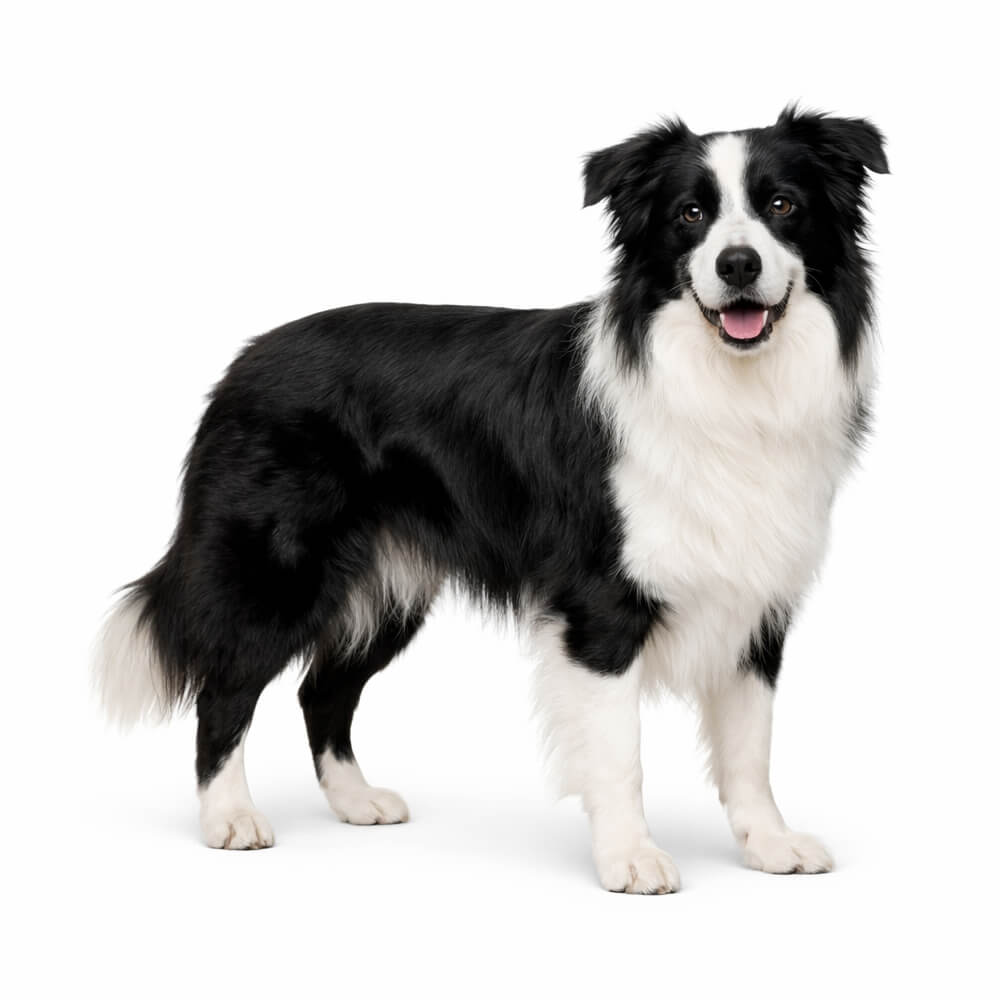

The Border Collie is a medium-sized herding breed widely regarded as the most intelligent dog in the world. Bred in the Scottish-English borderlands to work sheep, it combines razor-sharp instincts with an almost obsessive work ethic.
Border Collies are not casual pets. They bond intensely with their owners and need a genuine outlet for their energy and intelligence every single day. When that need is met, they're extraordinary companions — responsive, loyal and endlessly capable. What catches many first-time owners off guard is the stare. Border Collies use a fixed, low-crouching gaze to control livestock, and they'll turn it on children, other dogs and even the household cat without a second thought.
History and Origin
The Border Collie originated in the hill country along the border between Scotland and England, where it was developed over centuries to herd sheep across vast, rugged terrain. The breed's name reflects that geography directly.
Unlike many herding breeds that use barking or nipping to move stock, the Border Collie was selected for its "eye" — an intense, crouching stare that controls sheep through pressure alone. A dog named Old Hemp, born in 1893, is considered the foundation sire of the modern breed. He was quiet, powerful and utterly effective on the field, and virtually every working Border Collie today traces back to his line.
The breed arrived in Australia early and found a natural home on sheep and cattle stations. Australian working lines remain some of the strongest in the world. That heritage shows in the modern companion Border Collie: the drive to control movement, the need for a task, and the frustration that surfaces when there's nothing to do.
Temperament and Personality
Border Collies are intense, perceptive and deeply bonded to their handler. They don't just learn commands — they anticipate them. This makes them exceptional in obedience, agility, flyball and herding trials, but it also means they notice every change in routine and react to it.
With family, they're affectionate but often single-person dogs. A Border Collie will usually pick one member of the household as their primary person and orient their world around them. They're loyal to the broader family, but the bond with their chosen handler is something else entirely.
Around children, Border Collies are generally good, though the herding instinct needs managing. They may nip at running kids or attempt to round them up, especially younger children who move unpredictably. It's not aggression — it's instinct — but it needs redirecting early.
With other dogs, most Border Collies are social enough if raised alongside them. They can be intense in play, though, and some individuals develop fixation behaviours — staring down other dogs or obsessively controlling their movement. Early socialisation helps, but the instinct runs deep.
Energy-wise, this is one of the highest-drive breeds in existence. A walk won't satisfy a Border Collie. They need running, retrieving, problem-solving and ideally a structured job. Without it, they'll channel that energy into destructive behaviour, excessive barking or neurotic repetitive patterns like shadow chasing.
Common Health Conditions
Border Collies are a generally healthy breed with a solid lifespan, but they carry a handful of genetic conditions that responsible owners should screen for.
Hip Dysplasia
A malformation of the hip joint that leads to arthritis and pain over time. Border Collies are moderately predisposed. Keep puppies lean, avoid repetitive high-impact exercise before skeletal maturity, and always ask breeders for hip scores.
Collie Eye Anomaly (CEA)
A congenital condition affecting the development of the eye, ranging from mild (no vision impact) to severe (retinal detachment). DNA testing identifies carriers. Reputable breeders screen both parents before mating.
Epilepsy
Idiopathic epilepsy occurs at a higher rate in Border Collies than in most breeds. Seizures typically present between one and five years of age. The condition is manageable with medication but requires ongoing veterinary monitoring.
Trapped Neutrophil Syndrome (TNS)
A rare but serious inherited immune deficiency specific to Border Collies. Affected puppies have a compromised immune system and rarely survive beyond a few months. A DNA test exists and should be standard practice for breeders.
Osteochondritis Dissecans (OCD)
A joint condition where cartilage separates from the underlying bone, typically in the shoulder. Active, fast-growing puppies are most at risk. Controlled exercise and appropriate nutrition during growth reduce the likelihood.
Pet insurance is a smart move for Border Collies given the range of hereditary conditions. Twice-yearly vet check-ups help catch early signs before they become costly problems.


Exercise
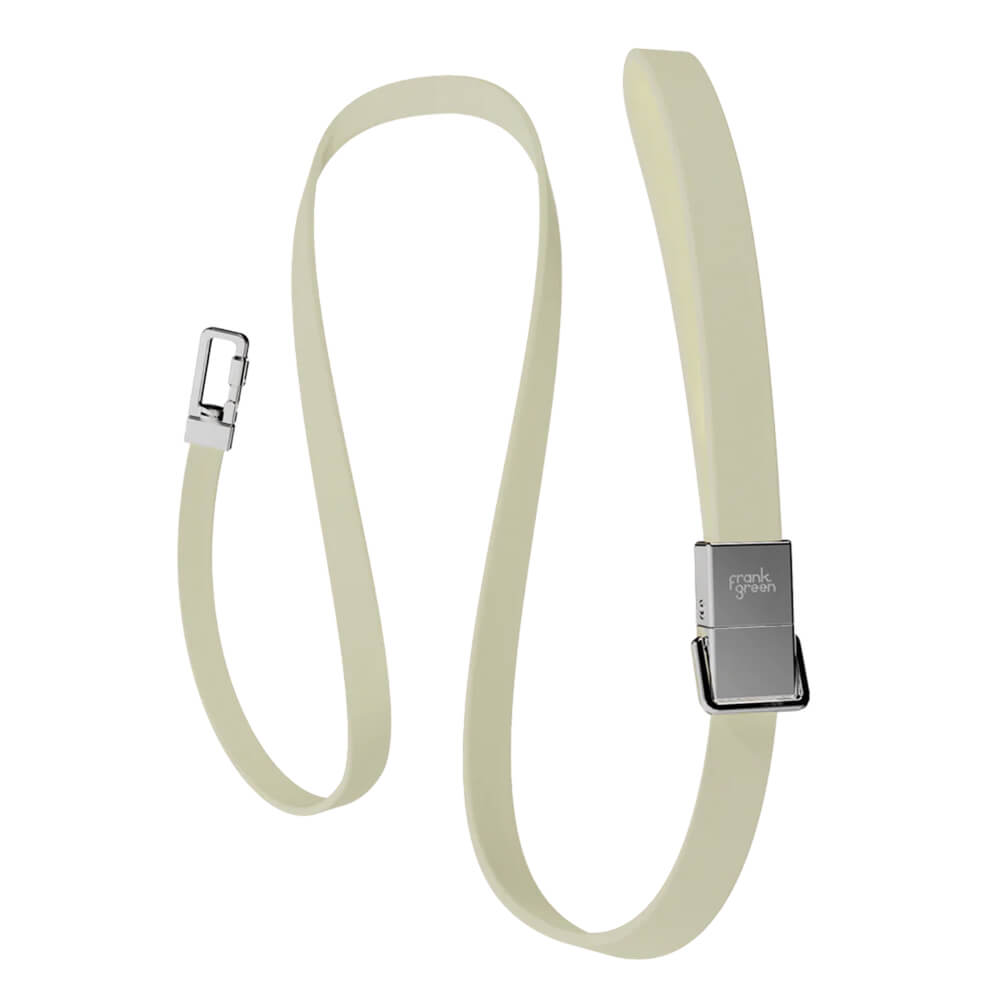
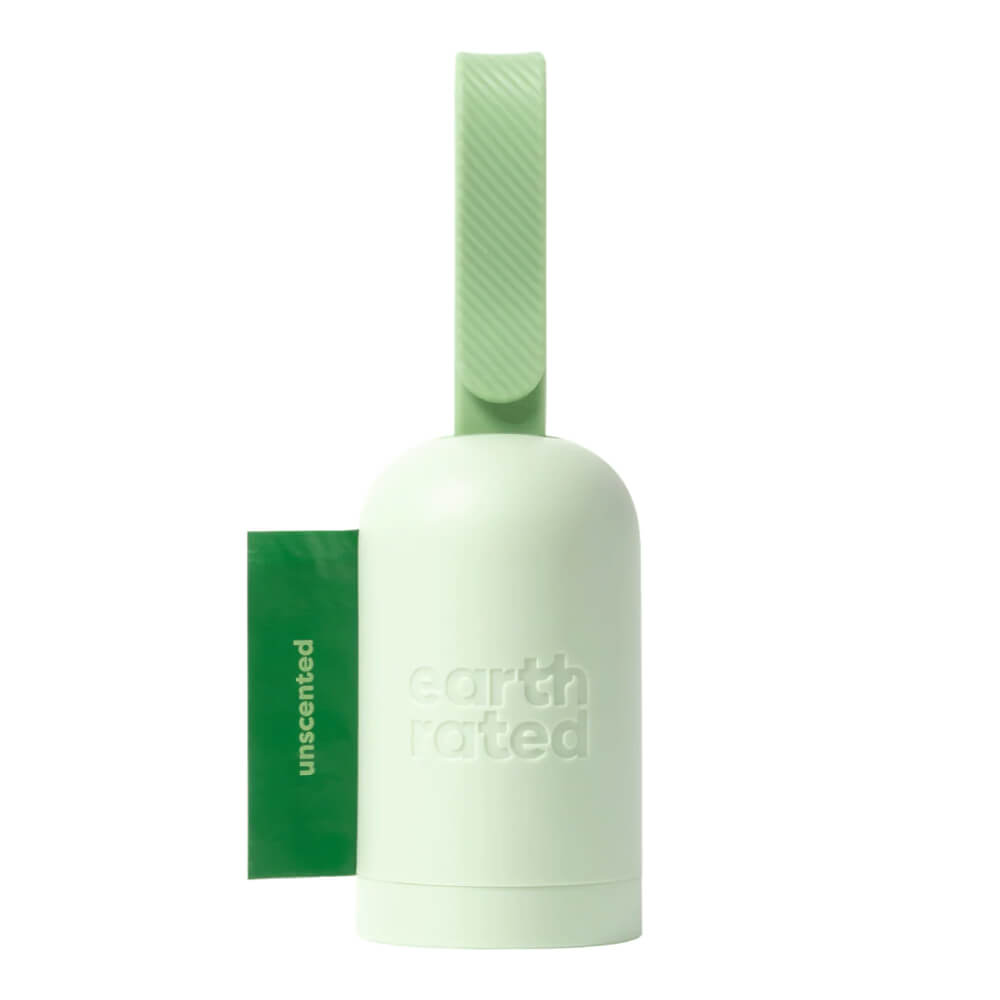
Border Collies need one to two hours of hard exercise daily — and that means running, not walking. Off-lead time in a secure area, fetch, frisbee, agility courses or herding work all suit the breed. Mental exercise matters just as much: puzzle toys, scent games and training sessions keep their brains occupied. In Australian summers, exercise early or late to avoid heat stress.
Grooming
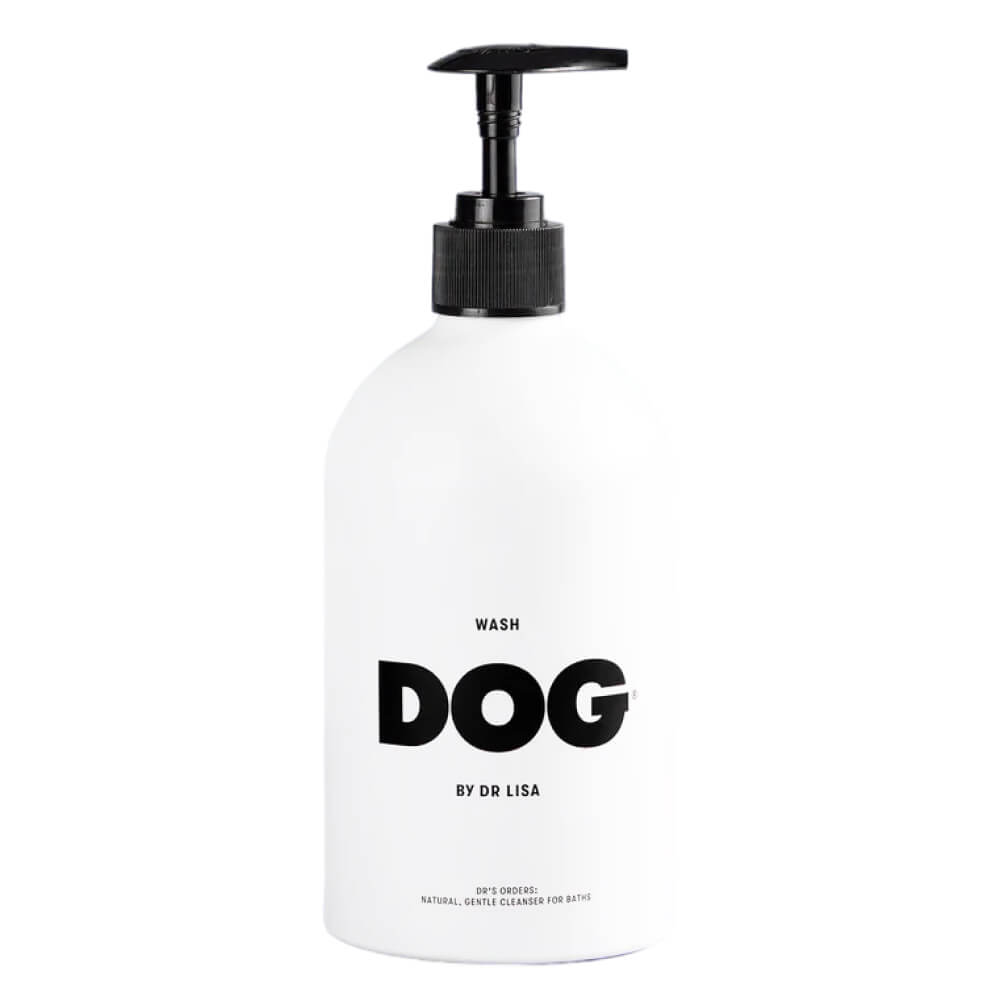
Border Collies come in two coat varieties: rough (longer, feathered) and smooth (shorter, coarser). Both are double-coated and shed at a moderate-to-high level year-round, with heavier blows in spring and autumn. Brush two to three times a week — daily during coat changes. Check ears regularly, particularly in rough-coated dogs where debris can accumulate.


Nutrition
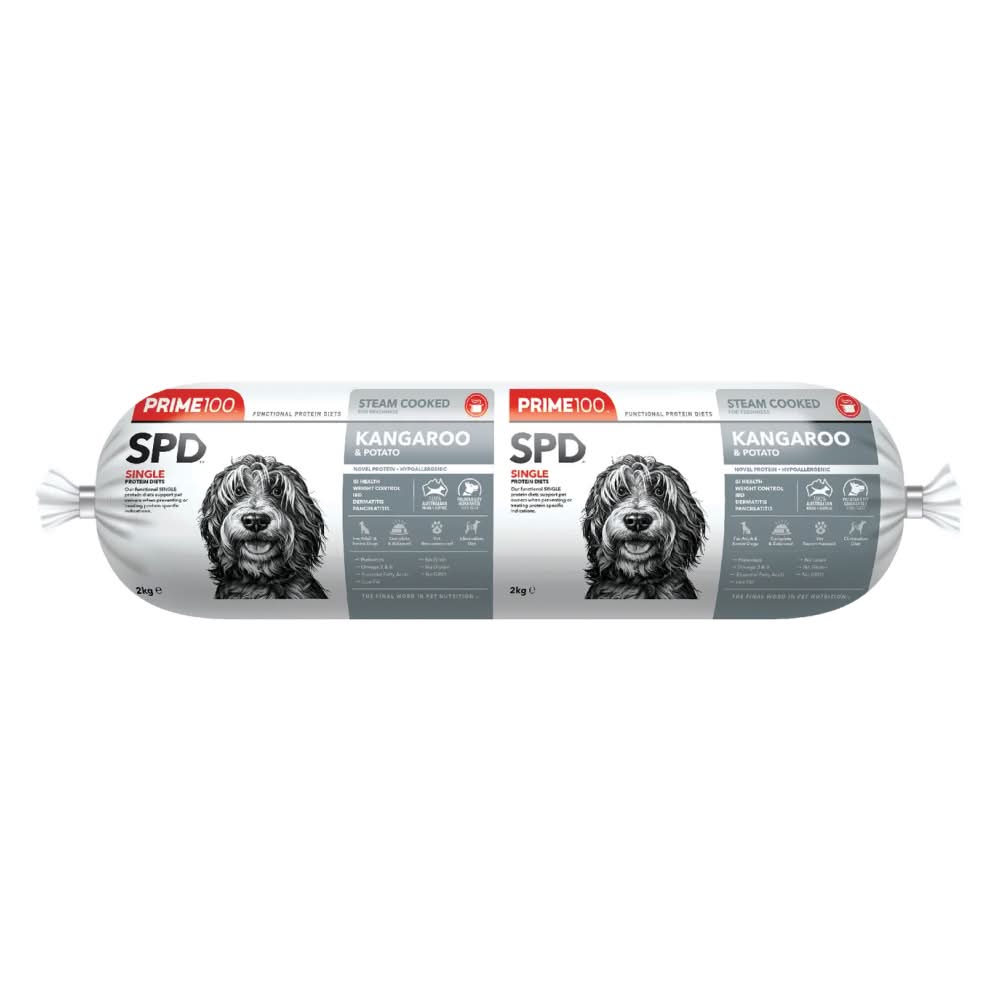
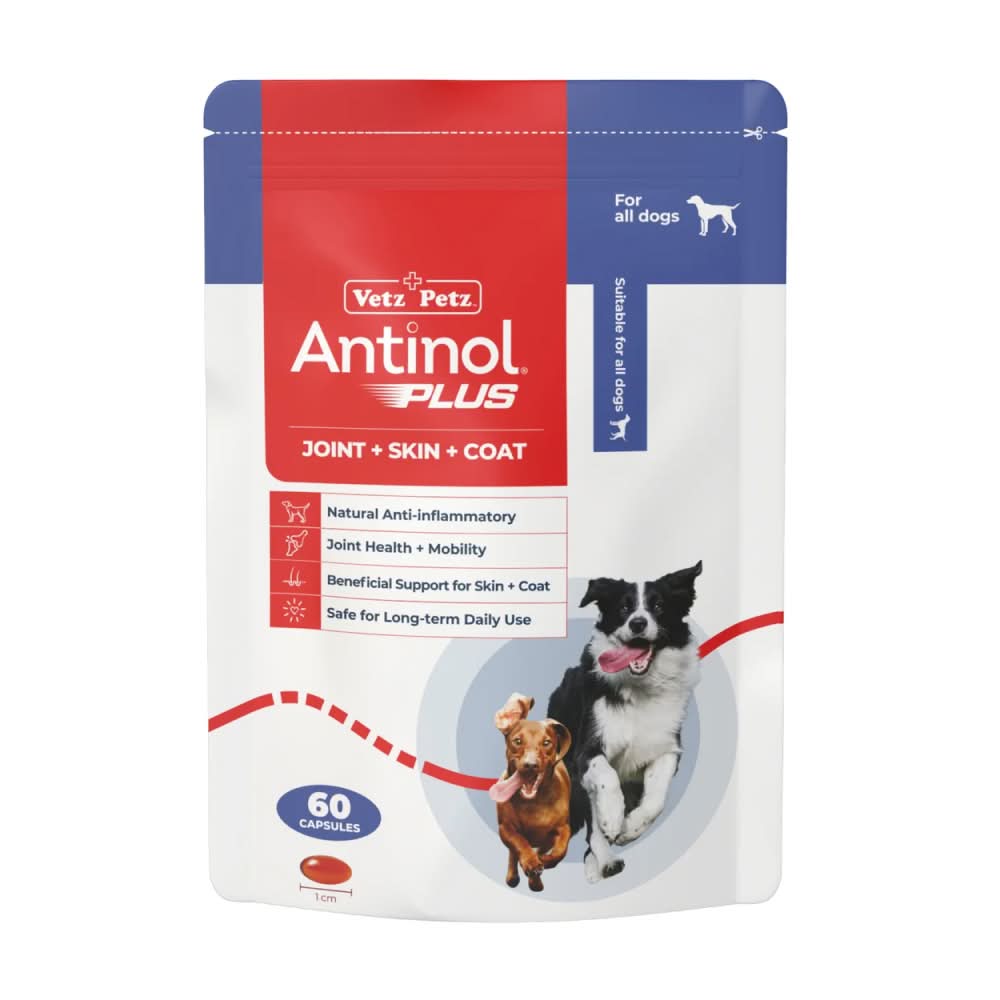
A high-quality, protein-rich diet suits the Border Collie's active metabolism. Working or sport dogs may need a performance formula; companion dogs should be fed to maintain a lean body condition. Joint-supportive supplements (glucosamine, omega-3s) are worth considering given the breed's hip predisposition. Avoid overfeeding puppies — rapid weight gain increases skeletal stress during growth. See our recommended foods for Border Collies below.


Training
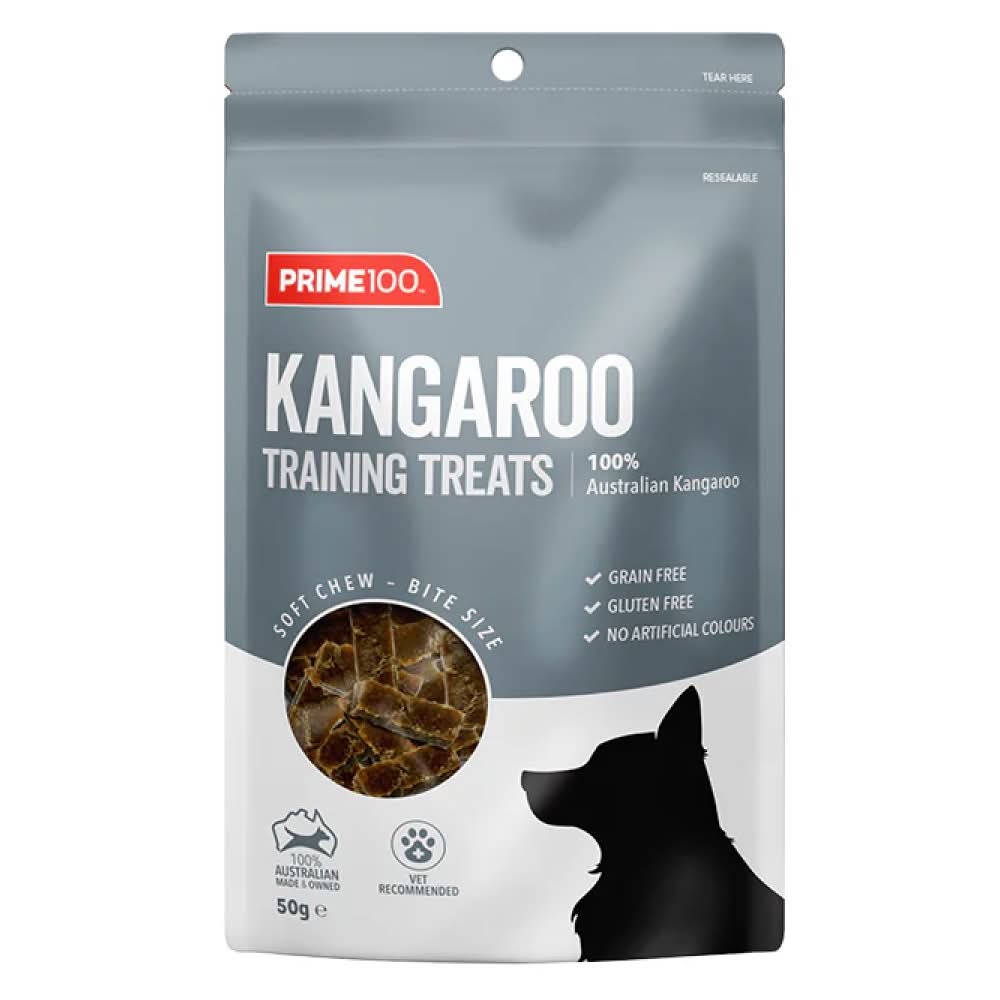
Border Collies are arguably the most trainable breed alive. They learn fast, retain well and thrive on structured sessions. The key is variety — they get bored with repetition and will start freelancing if sessions become predictable. Use positive reinforcement, keep training short and engaging, and introduce new challenges regularly. Socialisation from puppyhood is essential, particularly around children and smaller animals. Channel the herding drive into sport or structured work rather than trying to eliminate it.


Suitability
Border Collies suit experienced, active owners who genuinely enjoy training and spending time outdoors with their dog. A house with a secure yard is the minimum — acreage or regular access to open space is ideal. They're brilliant partners for runners, hikers, hobby farmers and anyone involved in dog sports.
This is not a breed for casual dog owners, sedentary households or anyone who works long hours away from home. Border Collies left without stimulation develop serious behavioural problems — barking, destructiveness, anxiety and obsessive behaviours. Apartment living is not appropriate regardless of exercise provision. First-time owners should think carefully: the breed's intelligence is a gift, but it demands constant engagement in return.
Frequently Asked Questions
How much does a Border Collie cost in Australia?
Do Border Collies shed a lot?
Are Border Collies good with children?
Can Border Collies live in apartments?
How long do Border Collies live?


Comments
0 comments
Login to Join the Conversation 💬