





























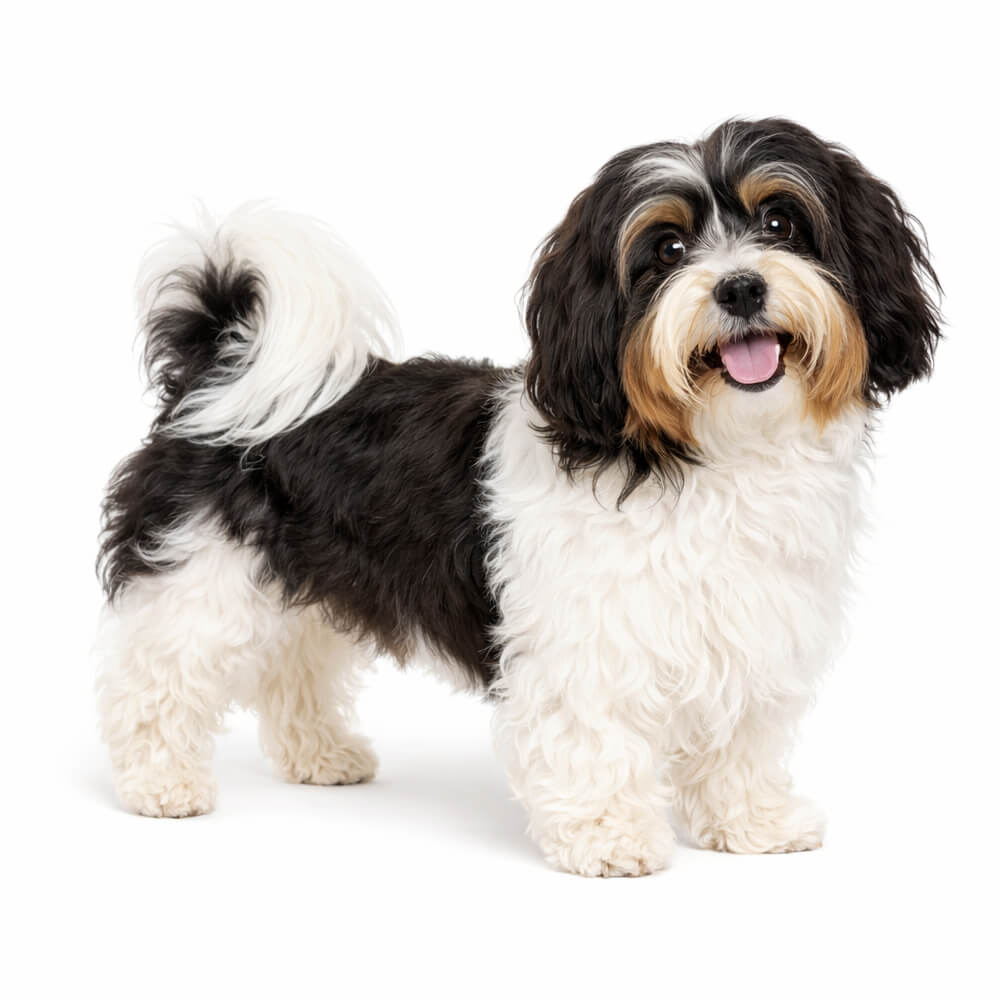

The Havanese is a small, sturdy toy breed from Cuba — the country's only native breed and its national dog. Classified in the Toys group by the ANKC, the Havanese is a Bichon-family companion breed known for its long, silky coat, springy gait and irrepressibly cheerful temperament.
Havanese are outgoing, playful and remarkably adaptable. They thrive on human company and have an unusual gift for reading the room — energetic when you want to play, calm when you need quiet. What catches most people off guard is how sturdy and athletic they are for a toy breed. Havanese are not fragile lapdogs. They're solidly built, surprisingly agile and will happily keep up on a long walk or a game of fetch in the park.
History and Origin
The Havanese descends from the now-extinct Blanquito de la Habana (Little White Dog of Havana), which itself descended from Bichon-type dogs brought to Cuba by Spanish settlers in the 16th and 17th centuries. These small white dogs were crossed with other toy breeds over the centuries, developing into the Havanese — a breed perfectly adapted to Cuban life as a companion of the island's aristocracy.
By the 18th and 19th centuries, the Havanese was the favoured lapdog of wealthy Cuban families. The breed nearly vanished after the Cuban Revolution in 1959, when many breeding dogs were left behind as families fled to the United States. A small number of Havanese were brought out by Cuban émigrés, and American breeders rebuilt the breed from this tiny founding population during the 1970s and 1980s.
The Havanese has since become one of the fastest-growing companion breeds worldwide. In Australia, numbers have grown steadily over the past two decades, and registered breeders are now established in most states. That Cuban heritage — bred for companionship in a warm climate — makes the Havanese a natural fit for Australian conditions, and their sociable temperament translates well to the Australian outdoor lifestyle.
Temperament and Personality
Havanese are cheerful, affectionate and genuinely sociable. They like people — not just their owner, but everyone. They greet visitors with enthusiasm, approach strangers without suspicion and carry themselves with a confident friendliness that makes them one of the easiest toy breeds to live with in social situations.
With family, Havanese are devoted and attentive. They bond with the whole household rather than fixating on one person, and they want to be included in everything. They'll follow you around the house, sit on your lap while you work and position themselves wherever the action is. They're emotionally perceptive — responsive to tone, mood and body language in a way that makes them feel like genuine companions rather than pets.
With children, Havanese are patient, playful and tolerant. Their sturdy build makes them more resilient than most toy breeds, and they actively enjoy children's energy and games. They're one of the best toy breeds for families. With other dogs and pets, they're friendly, non-territorial and easy-going. They lack aggression and meaningful prey drive.
The breed's signature behaviour is the "Havanese greeting" — a full-body wiggle combined with a bouncing, springy gait that looks like the dog is performing for an audience. They're also known for their "velcro dog" tendency, following their owner from room to room with visible devotion. Separation anxiety is the breed's main behavioural challenge — Havanese don't cope well with extended time alone and will become vocal and distressed if left for long periods.
Common Health Conditions
The Havanese is a generally healthy breed with a long lifespan, but several conditions are documented and worth understanding before purchasing.
Patellar Luxation
The kneecap slips out of its groove, causing intermittent lameness or a skipping gait. Common in toy breeds and one of the more frequently reported orthopaedic conditions in Havanese. Mild cases are managed with weight control and joint supplements. Severe cases require surgical correction. Breeders should have breeding stock assessed for patellar stability.
Progressive Retinal Atrophy (PRA)
An inherited degenerative eye condition leading to progressive vision loss. A DNA test is available for the Havanese-specific mutation (prcd-PRA), and responsible breeders test all breeding stock. Signs include difficulty seeing in low light, progressing to complete vision loss. There is no treatment, but affected dogs adapt well in familiar environments.
Chondrodysplasia (CDDY/CDPA)
A skeletal condition linked to dwarfism genes that can cause shortened limbs and intervertebral disc disease (IVDD). DNA testing is available. Dogs carrying two copies of the CDDY gene are at higher risk of disc problems. Breeders should screen for this and inform buyers of their puppy's genetic status.
Cataracts
Havanese are predisposed to hereditary cataracts, which can appear at a young age. Regular eye examinations — ideally annually — help detect changes early. Surgical removal is effective if cataracts significantly impair vision.
Heart Murmurs
Some Havanese develop mitral valve murmurs as they age. Regular cardiac auscultation during annual vet check-ups helps detect changes early. Most murmurs are mild and managed conservatively, but progression should be monitored.
Liver Shunts (Portosystemic Shunt)
A congenital condition where blood bypasses the liver, preventing proper toxin filtration. Signs include poor growth, disorientation after meals and urinary issues. Diagnosis requires blood tests and imaging. Mild cases are managed with diet; severe cases need surgery. Uncommon but documented in the breed.
Pet insurance is sensible for Havanese. Annual vet check-ups should include eye examination, patellar assessment and cardiac auscultation as standard.


Exercise
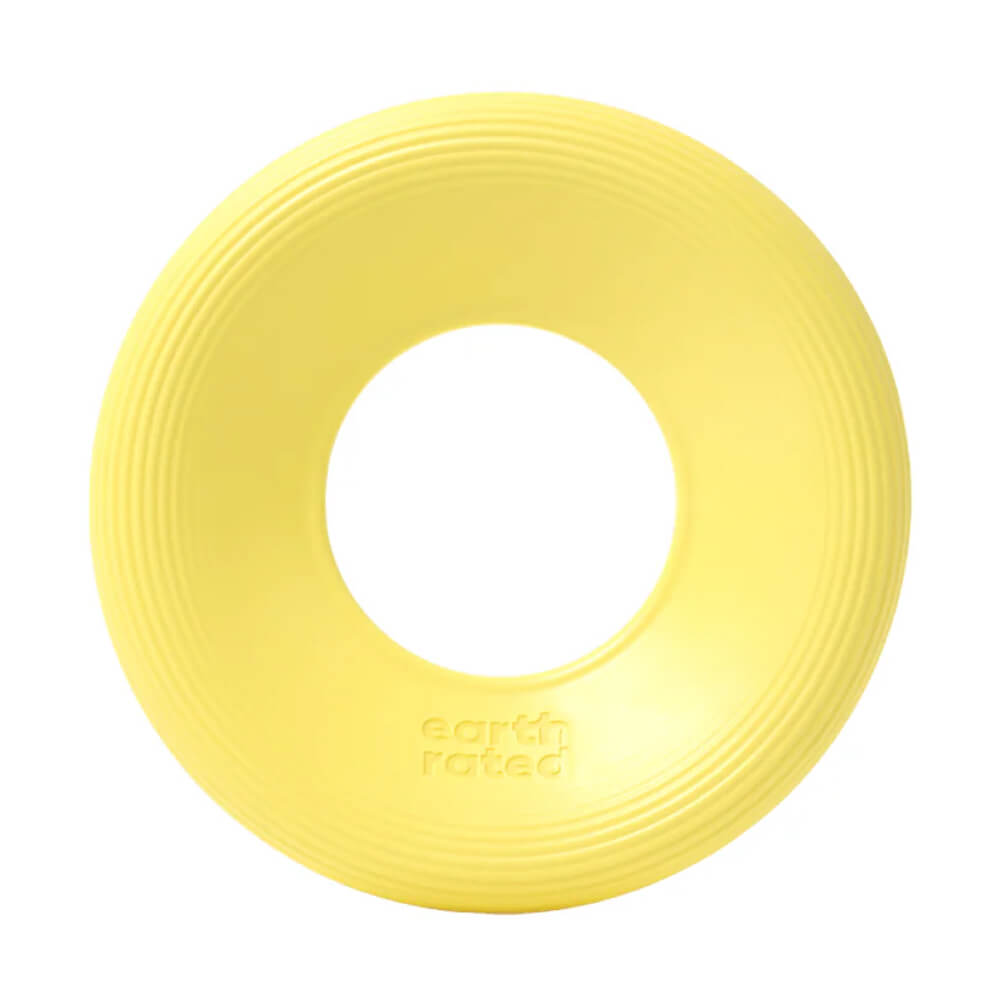
Havanese need 30 to 45 minutes of daily exercise. Moderate walks, off-lead play in a secure area and interactive games suit the breed well. They're more athletic than most toy breeds and genuinely enjoy fetch, agility-style games and long walks. They adapt well to their owner's activity level — happy with a longer outing one day and a shorter one the next. In Australian heat, exercise in the cooler parts of the day. Their double coat provides some insulation but they can overheat during intense activity in summer.
Grooming
The Havanese coat is the breed's biggest maintenance commitment. The long, silky double coat tangles easily and requires daily brushing to prevent matting — particularly behind the ears, under the legs and around the collar area. Many pet owners opt for a shorter "puppy clip" trimmed every six to eight weeks, which dramatically reduces daily grooming time while keeping the dog comfortable. Show coats require significantly more work. Despite the long coat, Havanese shed very little — loose hair stays trapped in the coat rather than falling onto furniture, which is one of the breed's key selling points for allergy-conscious owners. Bathing every two to three weeks keeps the coat clean and manageable.



Nutrition
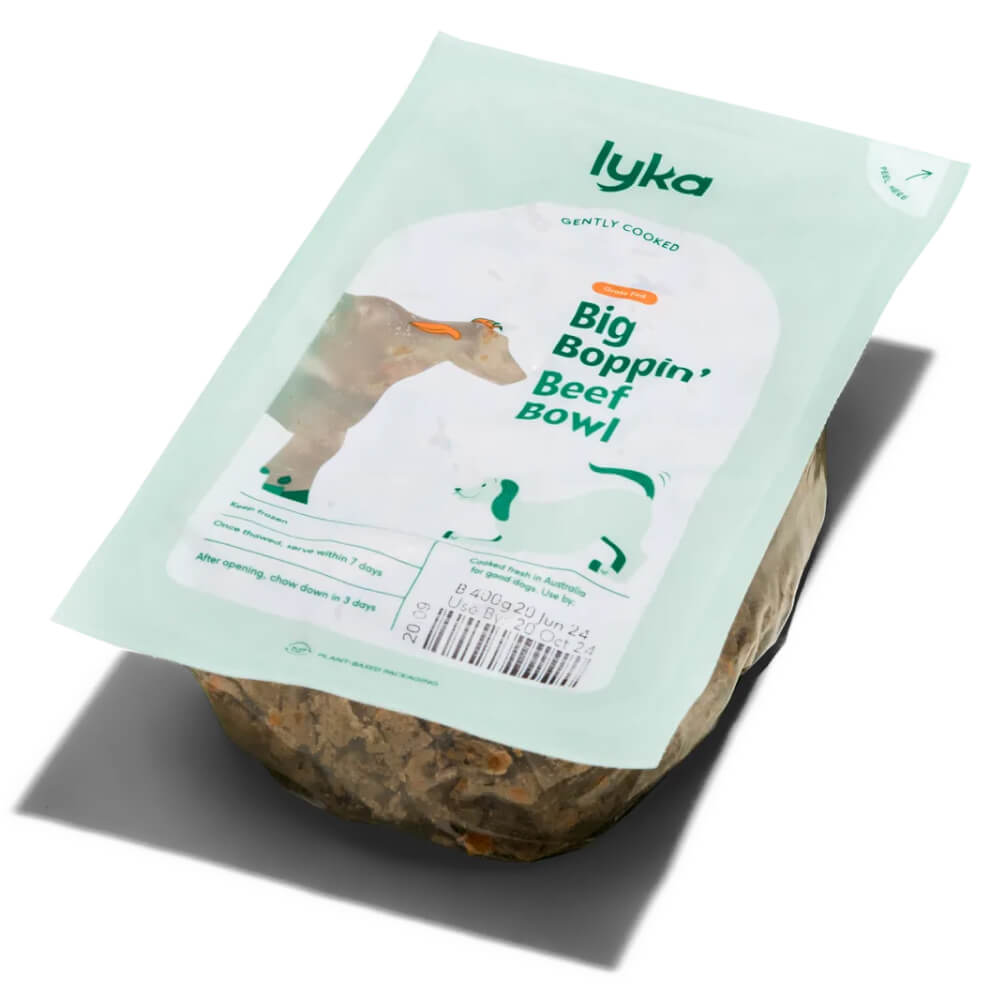
Havanese do well on a high-quality small-breed formula. They're not particularly prone to obesity, but their small size means portions must be carefully measured — even modest overfeeding shows quickly on a dog this size. Two meals per day suits most adults. Joint-supportive nutrients (glucosamine, omega-3 fatty acids) are worth prioritising given the patellar luxation predisposition. Dental care is important — small breeds are prone to periodontal disease, so dental chews and daily tooth brushing help prevent tooth loss. See our recommended foods for Havanese below.

Training
Havanese are one of the easiest toy breeds to train. They're eager to please, food-motivated and responsive to positive reinforcement. They learn commands quickly, enjoy the training process and are natural candidates for trick training and agility. House training is straightforward by small-breed standards. Socialisation is easy — Havanese take to new people, environments and animals naturally. The breed's main training focus should be building tolerance for alone time. Separation anxiety is a genuine breed trait, and independence must be taught from puppyhood through gradually extended separations.


Suitability
Havanese suit a remarkably wide range of households. They're one of the best toy breeds for families with children, excellent for retirees and couples, and adaptable to apartments, townhouses and houses with yards. They're friendly with other pets, moderate in exercise needs and low-shedding. If you want a cheerful, sociable companion that's genuinely fun to live with, the Havanese is hard to fault.
The barriers are grooming and separation anxiety. The coat requires daily brushing or regular professional clipping — there's no low-maintenance option with a Havanese coat. If you're not willing to commit to grooming, this isn't your breed. Separation anxiety is a breed-wide reality — if you work long hours away from home without the option to take your dog, a Havanese will struggle. They're not suited to households where the dog is alone for the bulk of the day. Budget for grooming costs, pet insurance and a breeder who tests for PRA, patellar luxation and CDDY.
Frequently Asked Questions
How much does a Havanese cost in Australia?
Are Havanese hypoallergenic?
Do Havanese bark a lot?
How long do Havanese live?
What is a Havanese puppy clip?


Comments
0 comments
Login to Join the Conversation 💬