


























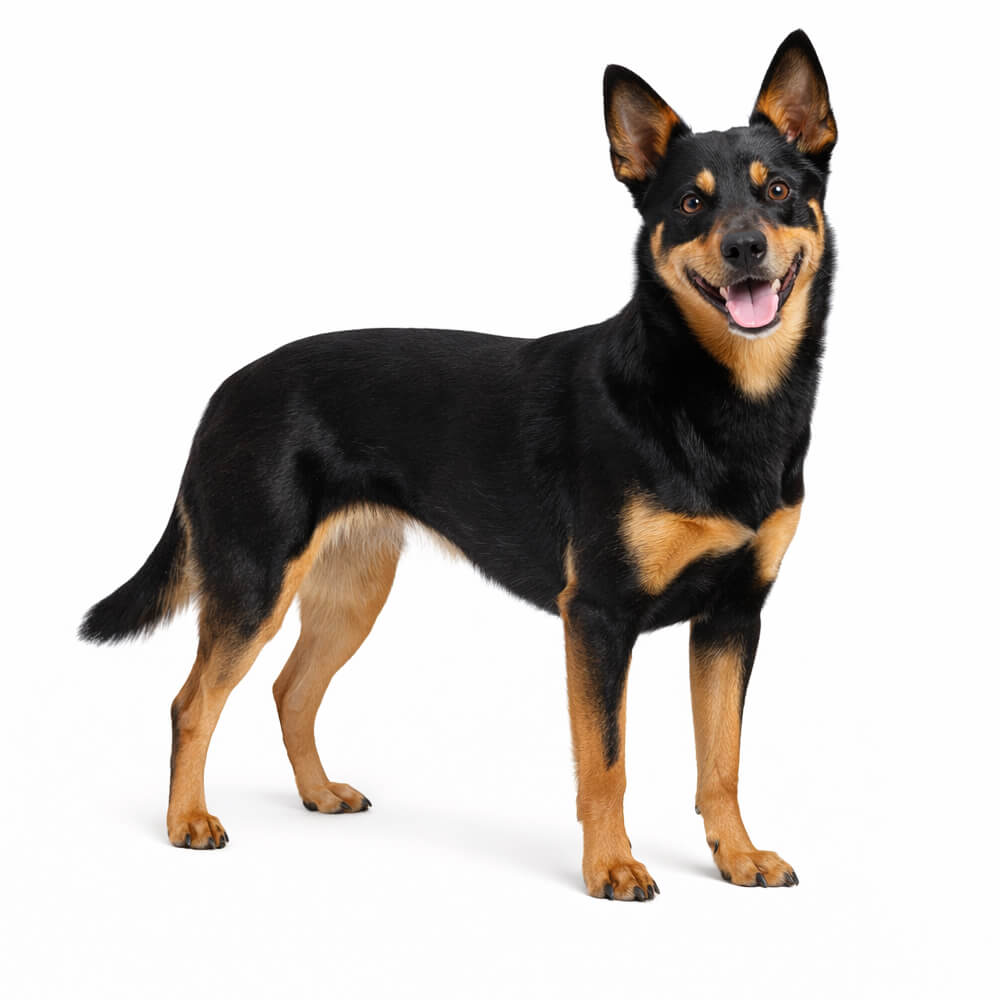

The Australian Kelpie is a medium-sized, high-drive working dog developed in Australia to muster livestock across vast station country. Built for endurance rather than size, the Kelpie is one of the most capable herding breeds in the world.
Kelpies are fiercely intelligent and independent. They thrive when they have a job — whether that's working sheep on a rural property or running agility courses in suburban Melbourne. What surprises many owners is just how much mental stimulation these dogs demand. A physically tired Kelpie with nothing to think about will still find ways to cause chaos. They're also famous for running across the backs of sheep in tightly packed yards — a skill no other breed replicates.
History and Origin
The Australian Kelpie was developed in the late 1800s to meet a uniquely Australian challenge: mustering enormous mobs of sheep across open, unforgiving terrain with minimal human help. The breed's foundation stock came from imported British working collies, selectively bred for stamina, heat tolerance and independent thinking.
A black-and-tan female named Kelpie, owned by Jack Gleeson, is widely credited as the breed's namesake. Early breeders weren't interested in appearance — they selected entirely for working ability. The result was a dog that could cover 50 kilometres or more in a day, work in extreme heat, and make decisions without waiting for handler commands.
That history is inseparable from the modern Kelpie's personality. The independence, the relentless drive, the refusal to sit still — all of it was bred in deliberately. Kelpies remain the backbone of the Australian sheep and cattle industry, and even companion-bred Kelpies carry that working intensity.
Temperament and Personality
Kelpies are sharp, driven and wired to work. They process their environment constantly and react to movement instinctively. This makes them exceptional working dogs but demanding companions for anyone who underestimates the breed's needs.
With their handler, Kelpies are loyal and responsive. They tend to bond strongly with one person and take direction from them above anyone else. They're not typically "cuddly" dogs — affection from a Kelpie looks more like close proximity, eye contact and readiness to work together.
Around children, Kelpies require supervision. Their herding instinct is strong and they will nip at running kids, chase bicycles and try to control movement in the household. This isn't aggression, but it can frighten young children and needs firm, consistent redirection from an early age.
With other dogs, Kelpies are variable. Some are social and playful; others are intense and controlling. They can be reactive toward unfamiliar dogs, particularly if under-socialised. Early and ongoing exposure to different dogs and environments is essential — not optional.
Energy-wise, the Kelpie sits at the extreme end. This is a breed that was built to work all day in 40-degree heat. A morning walk won't come close to meeting their needs. They need running, retrieving, problem-solving and ideally a structured task. Without adequate outlet, Kelpies develop barking, digging, escape behaviour and anxiety.
Common Health Conditions
Australian Kelpies are a hardy, robust breed shaped by generations of working selection. Health issues are fewer than in many purebreds, but a few genetic conditions are worth knowing about.
Hip Dysplasia
A developmental condition where the hip joint forms improperly, leading to arthritis and mobility issues. Kelpies are moderately predisposed, particularly in heavier or fast-growing individuals. Keep puppies lean, manage exercise intensity during growth, and ask breeders for hip scores.
Cerebellar Abiotrophy (CA)
A progressive neurological condition that affects coordination and balance. It's specific to certain Kelpie lines and symptoms typically appear between six weeks and six months of age. A DNA test is available and should be standard for breeding stock.
Progressive Retinal Atrophy (PRA)
An inherited eye condition causing gradual vision loss. Kelpies are a known carrier breed. DNA testing identifies carriers before breeding, and reputable breeders screen routinely.
Luxating Patella
The kneecap slips out of its normal position, causing intermittent lameness. It's more common in smaller Kelpies and can range from mild to surgically significant. Maintaining a healthy weight reduces stress on the joint.
Collie Eye Anomaly (CEA)
A congenital eye condition inherited from the breed's collie ancestry. Severity ranges from minor (no vision impact) to serious (retinal detachment). DNA testing and eye exams identify affected dogs.
Pet insurance is a sensible investment for Kelpies, particularly for orthopaedic and eye conditions. Regular vet check-ups catch early signs and keep costs manageable.


Exercise
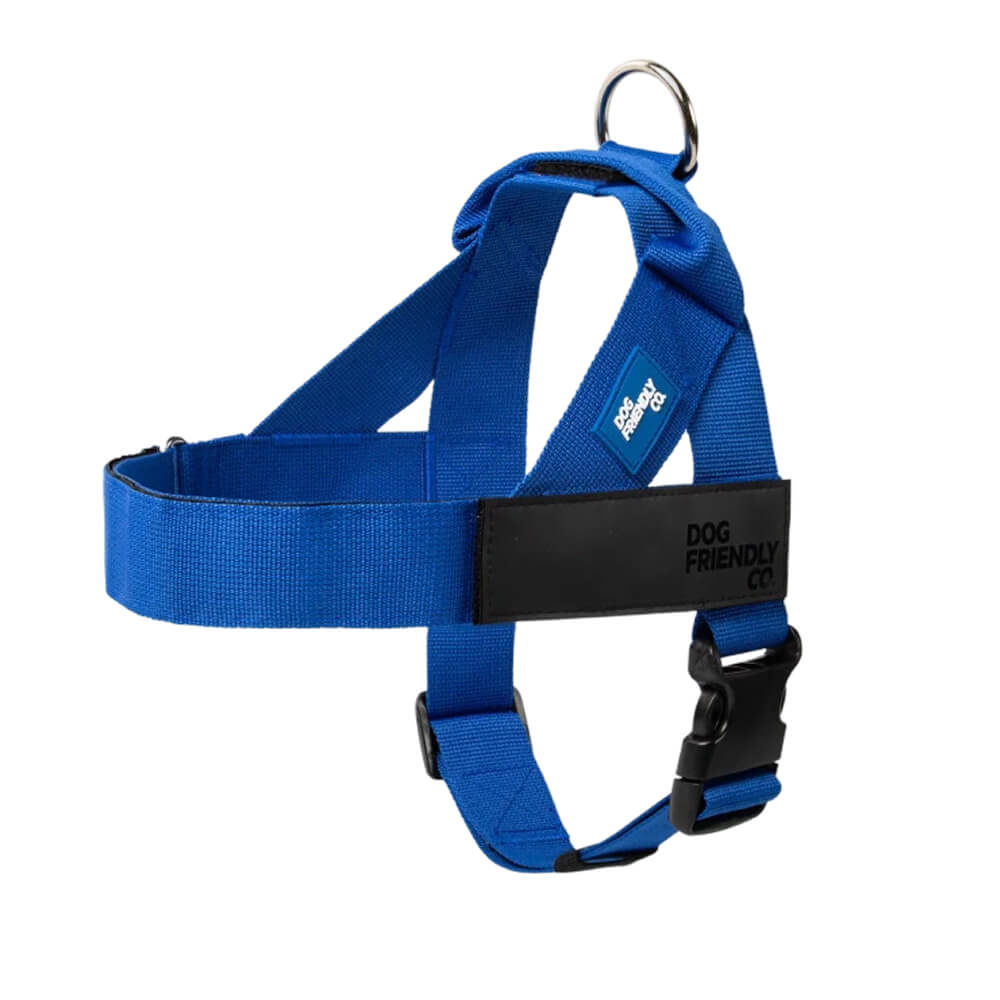
Kelpies need a minimum of one to two hours of intense exercise daily, and many will happily take more. Running, swimming, fetch, agility, herding work and scent games all suit the breed. A leashed walk is a warm-up, not the workout. In Australian heat, exercise early morning or late evening and ensure access to water and shade at all times.
Grooming
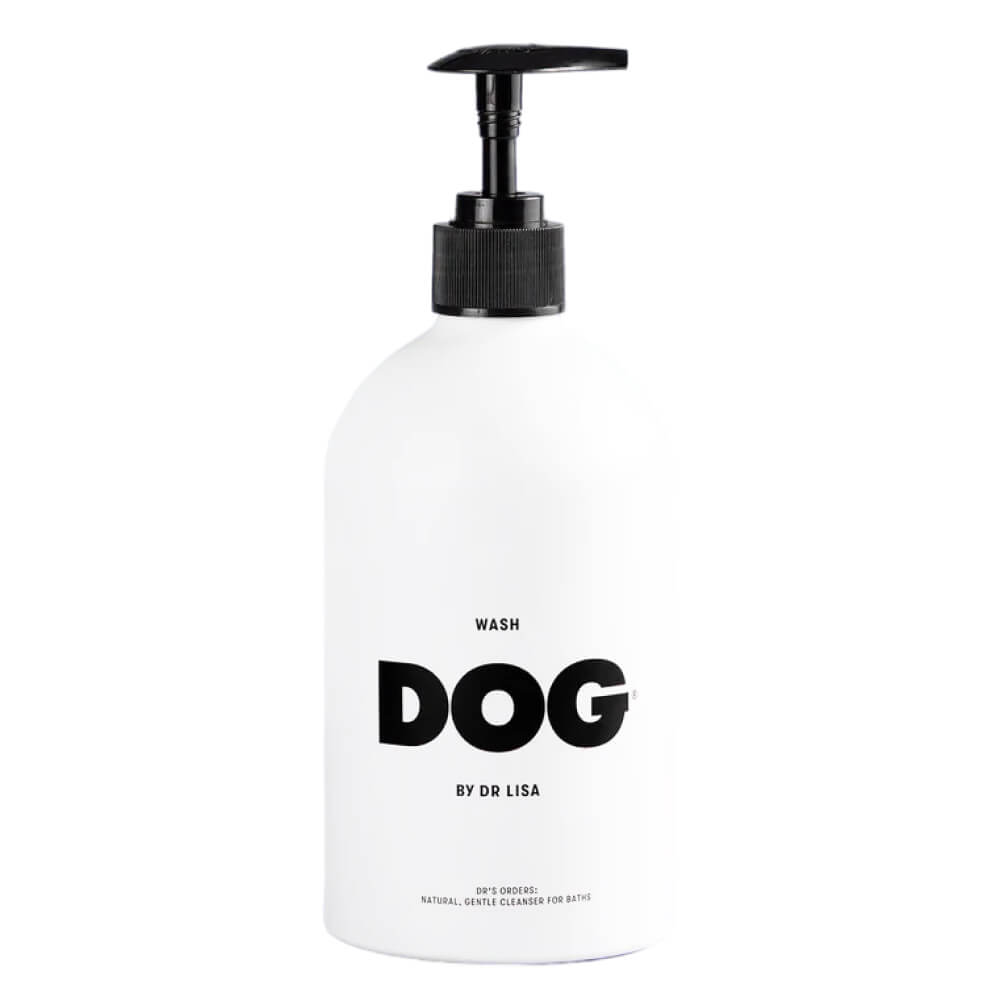
The short, smooth double coat is low-maintenance compared to longer-coated working breeds. Kelpies shed at a moderate level year-round with seasonal increases in spring and autumn. A weekly brush keeps the coat healthy and manages loose hair. Beyond that, regular nail trims, ear checks and the occasional bath are all that's needed.


Nutrition
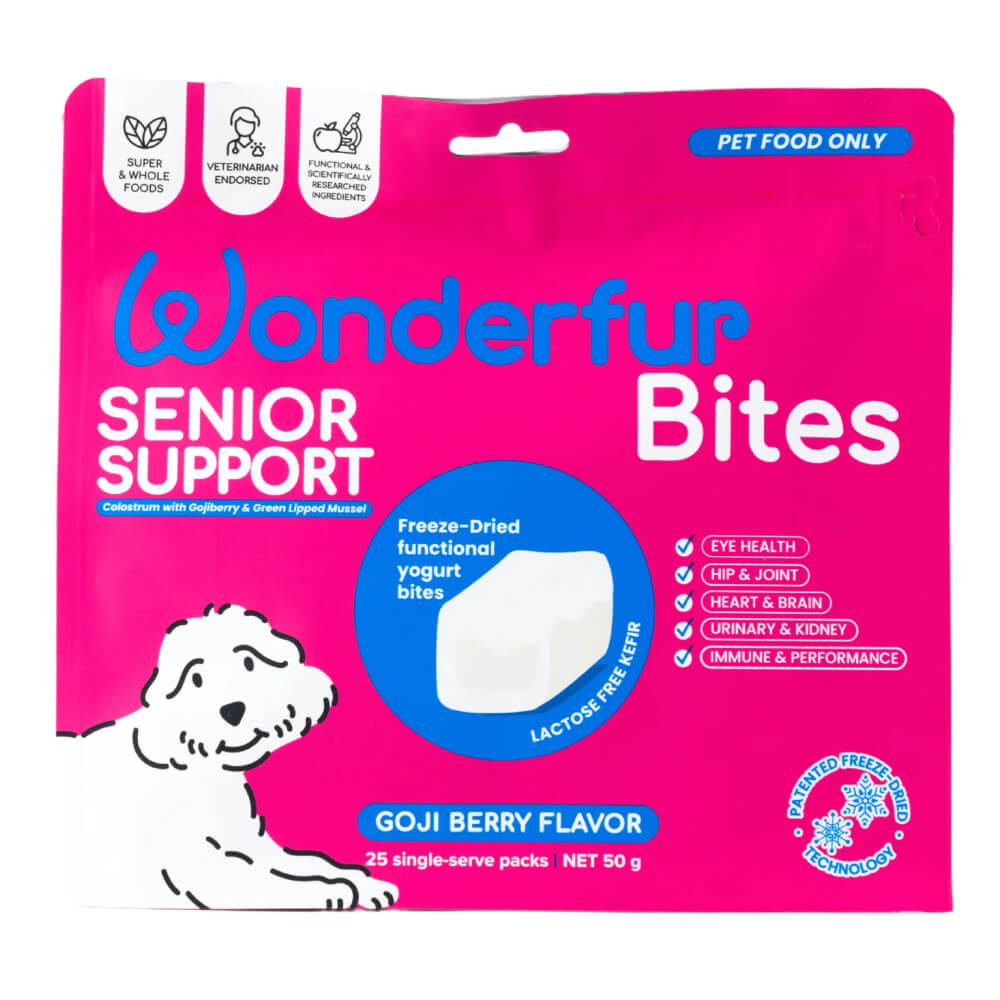
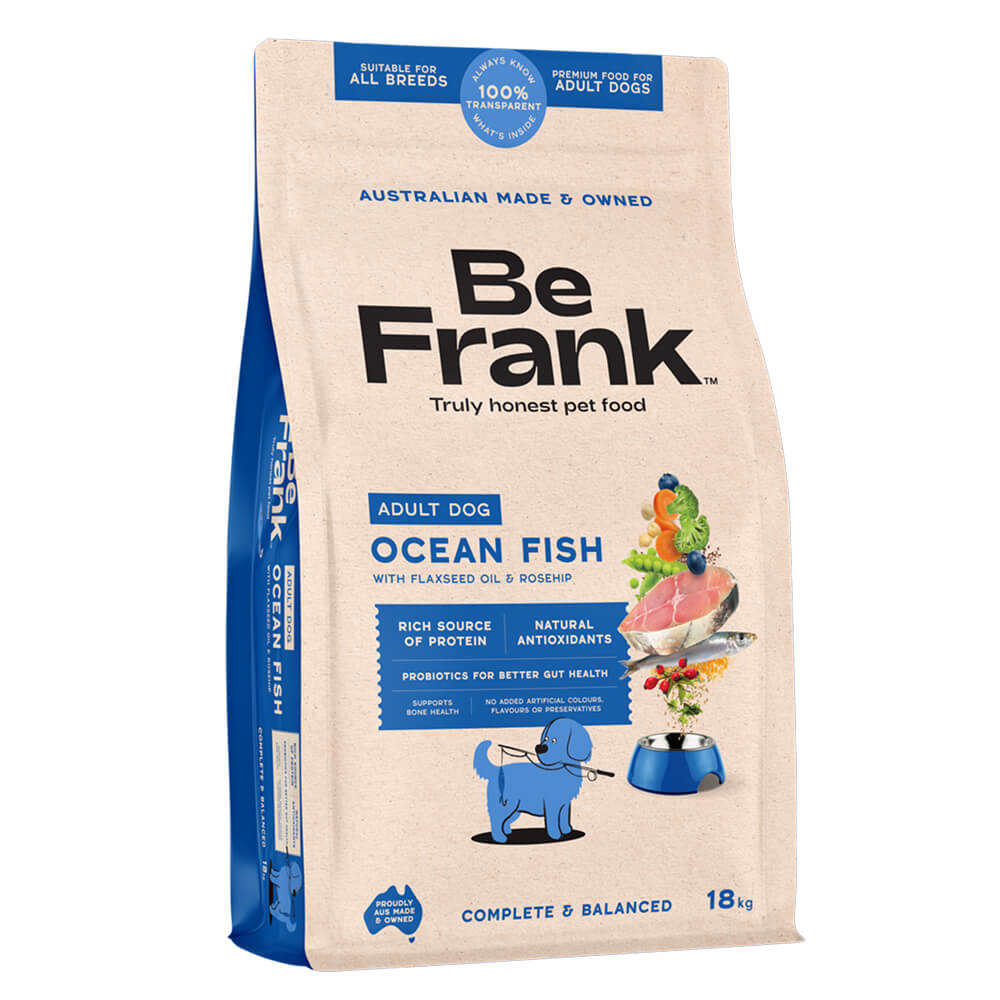
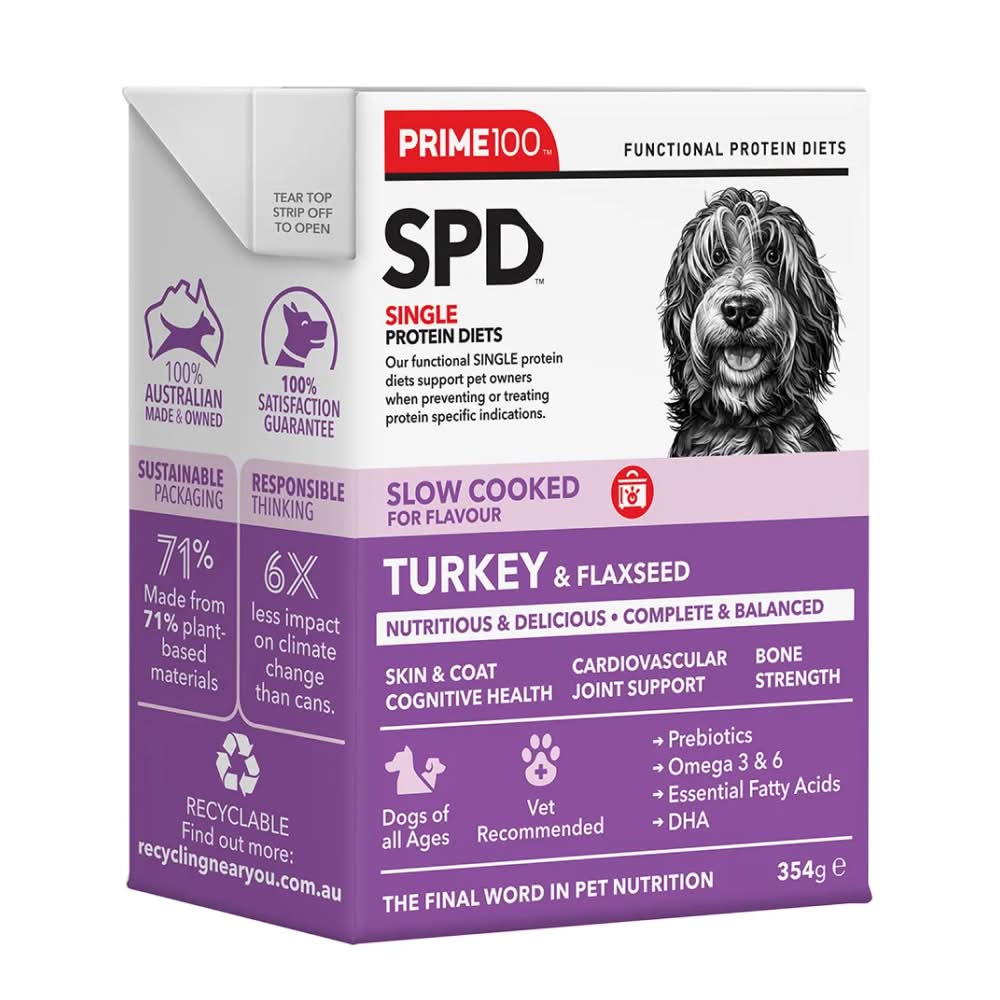
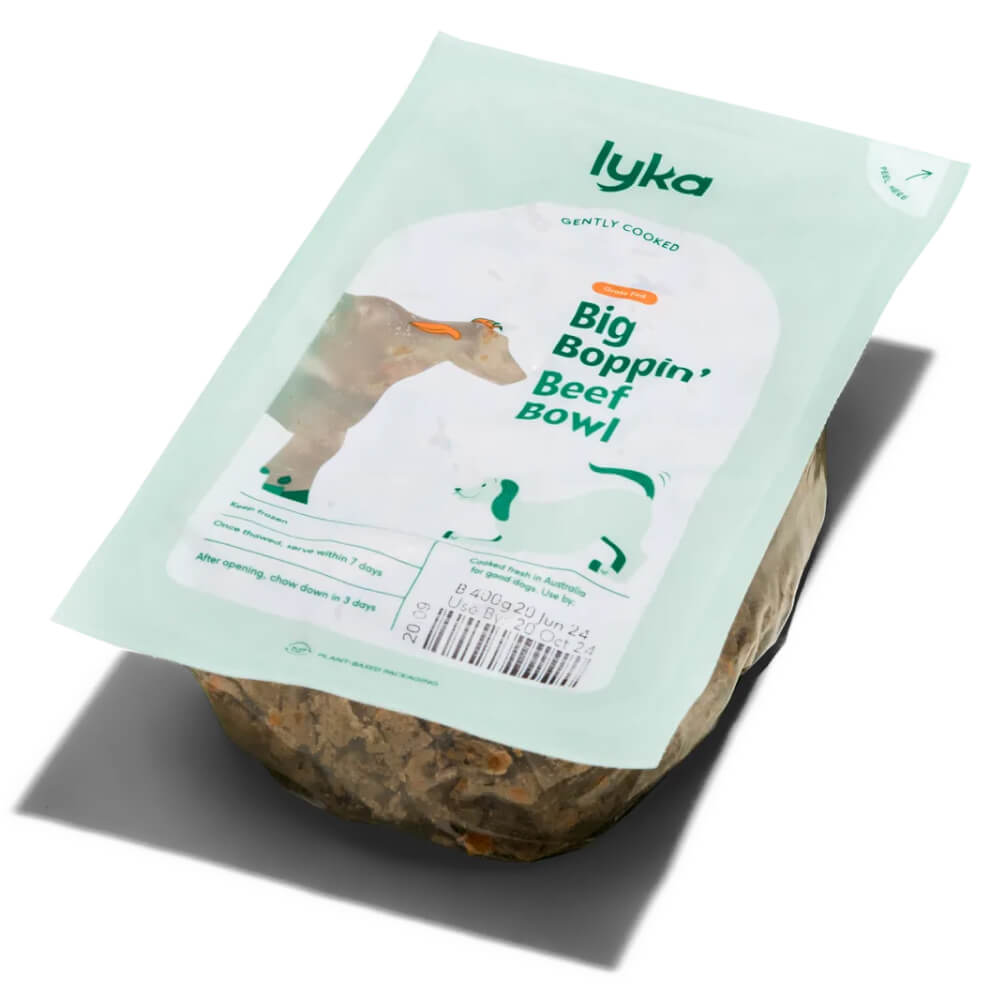
Kelpies do well on a high-quality, protein-rich diet matched to their activity level. Working Kelpies may need a performance formula; companion dogs should be fed to maintain a lean, athletic body condition. Given the breed's joint predispositions, joint-supportive supplements (glucosamine, omega-3 fatty acids) are worth including. Avoid free-feeding — Kelpies are generally good self-regulators, but some will overeat if given the chance. See our recommended foods for Australian Kelpies below.

Training
Kelpies are highly trainable but not always easy to train. They learn fast and respond well to positive reinforcement, but their independence means they'll question commands that don't make sense to them. Keep sessions varied, purposeful and short. Repetitive drilling bores them quickly. Early socialisation is critical — particularly with children, other dogs and urban environments if the dog won't be living on a farm. The herding instinct can't be trained out, but it can be channelled into structured activities.


Suitability
Kelpies suit active, experienced owners who understand working breeds. They're ideal for rural properties, hobby farms, and anyone involved in herding trials, agility or dog sports. If you run, cycle or hike daily and want a dog that can match your pace, a Kelpie is a strong contender.
This breed is not for first-time dog owners, sedentary households or anyone who works long hours away from home. Kelpies left alone without stimulation become destructive, vocal and anxious. Apartment living is completely unsuitable. Even a house with a yard won't cut it without daily structured exercise and mental engagement. If you want a low-maintenance companion, look elsewhere — the Kelpie is a partnership, not a pet.
Frequently Asked Questions
How much does an Australian Kelpie cost in Australia?
Are Kelpies good family dogs?
How much exercise does a Kelpie need?
Do Kelpies bark a lot?
How long do Australian Kelpies live?

Comments
0 comments
Login to Join the Conversation 💬