




.png)


















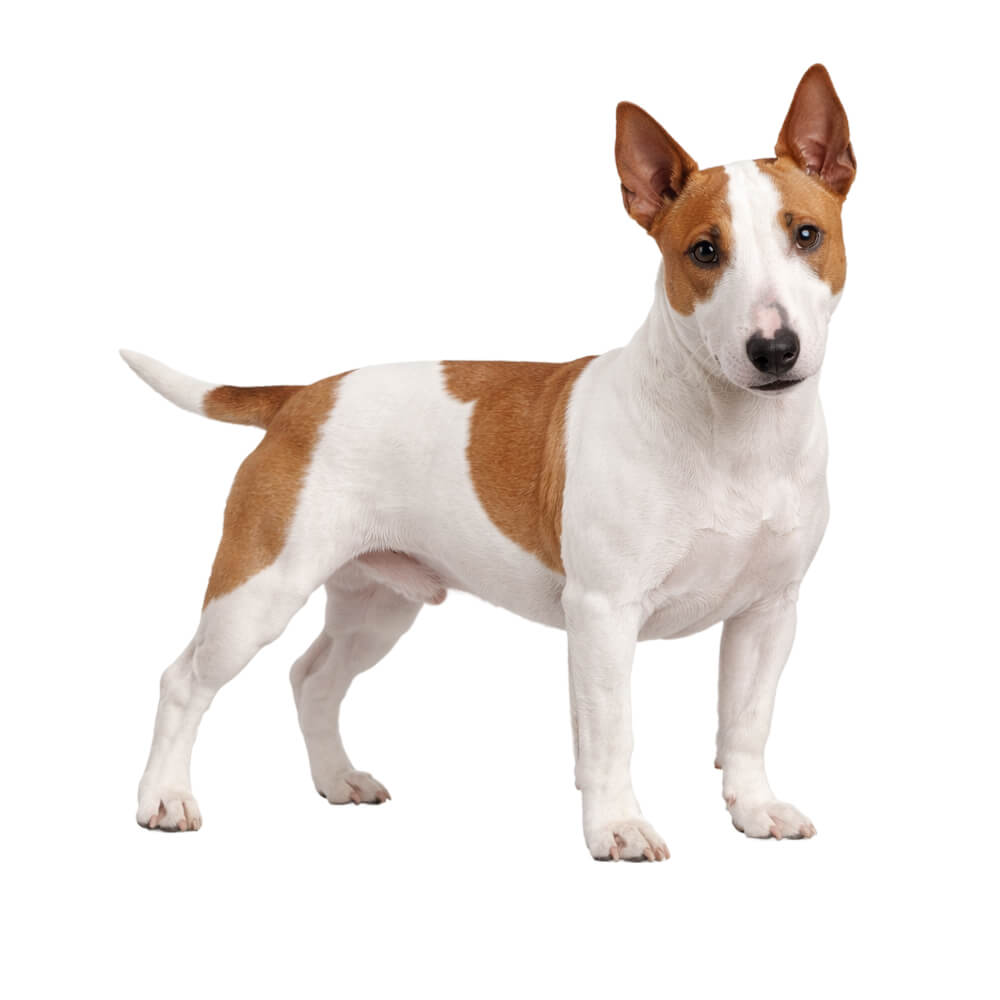

The Miniature Bull Terrier is a smaller version of the standard Bull Terrier, sharing the same egg-shaped head, muscular build, and clownish personality. Standing under 35.5cm at the shoulder, it packs the full Bull Terrier temperament into roughly half the body weight.
This isn't a different breed in character — just in size. Mini Bull Terriers have the same energy, stubbornness, and devotion as their standard counterparts in a more manageable frame. The challenge is that some owners underestimate how much terrier comes with that smaller body. They're still Bull Terriers — they just fit on your lap while proving it.
History and Origin
The Miniature Bull Terrier was developed in England by selectively breeding the smallest standard Bull Terriers. The goal was to retain the breed's distinctive appearance and temperament while producing a dog better suited to companion life and vermin control in confined spaces.
Miniature Bull Terriers were recognised as a separate breed by the Kennel Club in 1939, though they share the same ancestry as the standard variety — James Hinks' crosses of Bulldogs, White English Terriers, and Dalmatians in 1830s Birmingham. The miniaturisation process was straightforward: breed the runts together, select for type, and establish the smaller size as consistent.
The breed has a modest but dedicated following in Australia. Breeders are fewer than for the standard Bull Terrier, and waitlists for puppies can be long. The Mini Bull Terrier's appeal in Australia is growing, particularly among apartment dwellers and urban families who want the Bull Terrier experience without the space demands of a 30-kilo dog.
Temperament and Personality
Mini Bull Terriers are energetic, mischievous, and completely devoted to their people. They have the same oversized personality as the standard variety — confident, playful, and entirely convinced they're the centre of the universe. If you've met a standard Bull Terrier, shrink the body but keep the attitude.
With family, they're intensely bonded and affectionate. They want physical contact and will insert themselves into every activity. They're sturdy enough for families with children, though their enthusiasm can overwhelm very young kids. They don't always understand their own strength, even at their smaller size.
Around strangers, they're generally friendly and curious. They'll approach new people with confidence rather than caution. Poorly socialised individuals can be reactive, but the breed's natural inclination is toward sociability.
With other dogs, they can be selective. Same-sex aggression occurs, consistent with the broader Bull Terrier type. Early socialisation with a variety of dogs is essential. They can coexist well in multi-dog households when properly introduced, but they won't tolerate being bullied.
The Mini Bull Terrier shares the standard's famous zoomies — sudden, frantic bursts of running that happen without warning. At 12 kilos, the furniture damage is more manageable, but the chaos factor is identical.
Common Health Conditions
Miniature Bull Terriers share many of the standard Bull Terrier's health concerns, plus one significant breed-specific condition. Health screening is essential before purchase.
Primary Lens Luxation (PLL)
The lens of the eye detaches from its supporting ligaments, causing pain and potentially rapid vision loss — and Miniature Bull Terriers have one of the highest breed predispositions. A DNA test identifies carriers and affected dogs, so never buy a Mini Bull Terrier puppy without seeing PLL test results for both parents. This is non-negotiable. Early detection and surgical intervention can save the eye.
Deafness
As with standard Bull Terriers, white Miniatures have a higher incidence of congenital deafness. BAER testing identifies hearing status from five weeks of age. Unilateral deafness (one ear) is more common than bilateral, and many unilaterally deaf dogs live normal lives.
Heart Disease
Mitral valve disease and subaortic stenosis occur in the breed. Signs include exercise intolerance and coughing. Cardiac screening via echocardiogram is recommended for breeding dogs. Early detection allows for medical management.
Hereditary Nephritis (Kidney Disease)
The same kidney condition seen in standard Bull Terriers. Progressive kidney damage leads to renal failure if undetected. Routine urine protein testing (UPC ratio) catches early signs. Discuss monitoring schedules with your vet.
Patellar Luxation
The kneecap slips out of position — more common in the Miniature than the standard variety due to their smaller frame. Signs include intermittent skipping on a hind leg. Mild cases are managed with weight control; severe cases need surgery.
Pet insurance is essential for this breed. PLL surgery, cardiac monitoring, and kidney management are expensive, and the Miniature's health screening requirements make ongoing vet costs higher than average.


Exercise
Forty-five minutes to an hour of daily exercise suits most Mini Bull Terriers. They're active and athletic for their size and enjoy brisk walks, fetch, tug games, and free running in fenced areas. They have more energy than their compact size suggests.
Mental stimulation is critical — bored Mini Bull Terriers are destructive Mini Bull Terriers. Puzzle toys, training games, and rotating activities keep them engaged. Off-lead exercise should be in enclosed spaces, since prey drive and selective hearing make recall unreliable in open areas. In Australian heat, exercise during cooler parts of the day.
Grooming
The short coat is low-maintenance. A weekly brush with a rubber mitt removes loose hair and stimulates the skin. They shed moderately year-round with a heavier blow at seasonal changes.
White Mini Bull Terriers need sun protection on exposed skin areas — nose, ears, and belly. Pet-safe sunscreen is essential for outdoor time in Australian UV. Ears should be checked weekly, and nails kept trimmed. Their compact build means they're close to the ground, so check for grass seeds between toes after walks in long grass.



Nutrition
Feed a high-quality small-to-medium breed formula with adequate protein. Mini Bull Terriers gain weight easily, and excess weight stresses their joints, particularly the knees. Measured portions and two meals a day prevent overeating.
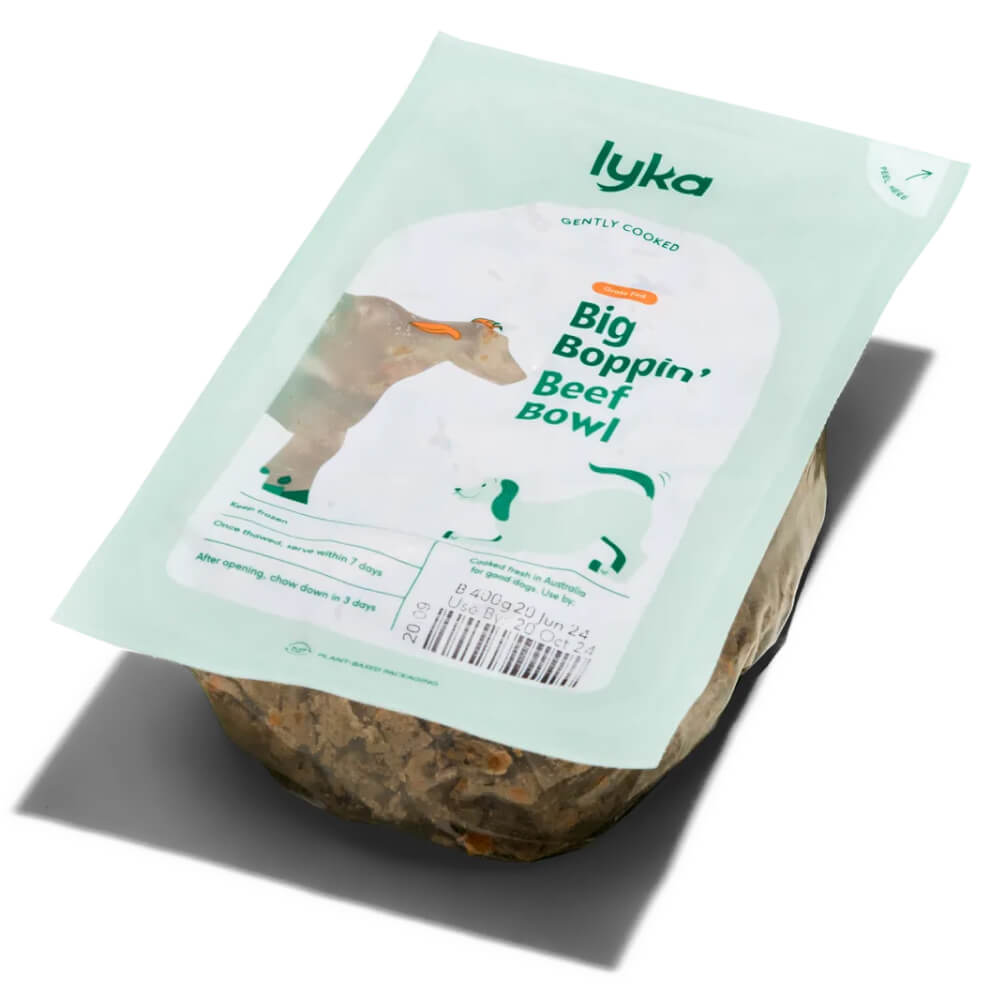
For dogs with skin sensitivities, limited-ingredient diets help. Given the breed's kidney predisposition, discuss appropriate nutrition and hydration strategies with your vet. Avoid excessive treats — they're food-motivated and will convince you they're starving. See our recommended foods for Miniature Bull Terriers below.

Training
Mini Bull Terriers are intelligent and wilful — identical to the standard in this regard. They learn quickly but apply their own judgement about whether a command is worth following. Training needs to be consistent, engaging, and rewards-based. Short sessions with variety work far better than repetitive drills.
Start early. A 12-kilo Mini Bull Terrier pulling on-lead is easier to manage than a 30-kilo standard, but the stubbornness is the same. Impulse control, lead manners, and socialisation with other dogs should begin in puppyhood. A confident, consistent owner who sets clear boundaries gets the best results.

Suitability
Mini Bull Terriers suit owners who love the Bull Terrier personality but want a more manageable size. They're better for apartments than the standard variety, excellent for active families with older children, and a solid choice for experienced dog owners who enjoy a breed with character. Their smaller size makes them physically easier to handle, transport, and accommodate.
They're not a good choice for first-time owners, passive handlers, or anyone looking for an easy, biddable companion. The health screening requirements are significant — PLL, hearing, heart, and kidney tests are all essential, and buying from an unscreened breeder is asking for expensive problems. Vet costs and insurance tend to run higher than average for the breed. If you can commit to the health management and enjoy a dog that will test your patience while making you laugh, the Mini Bull Terrier delivers everything the standard does in a smaller, more apartment-friendly package.
Frequently Asked Questions
How much does a Miniature Bull Terrier cost in Australia?
What's the difference between a Miniature Bull Terrier and a standard Bull Terrier?
Do Miniature Bull Terriers have more health problems than the standard?
Are Miniature Bull Terriers good for apartments?
How long do Miniature Bull Terriers live?


Comments
0 comments
Login to Join the Conversation 💬