






































The Golden Retriever is a medium-to-large gundog breed developed in Scotland in the mid-1800s, renowned for its patient temperament, trainability, and strong bond with people. They're one of the most popular dog breeds in Australia — and for good reason.
What sets them apart isn't just friendliness — it's consistency. Golden Retrievers are reliably gentle with children, tolerant with other dogs, and genuinely easy to train. That predictability is what makes them a top choice for families, first-time owners, and working roles from disability assistance to search and rescue.
History and Origin
The Golden Retriever was developed in the Scottish Highlands by Dudley Marjoribanks (later Lord Tweedmouth) from the 1860s onwards. His breeding records — unusually well-preserved — show a cross between a yellow Flat-coated Retriever and a Tweed Water Spaniel, with later additions of Irish Setter and Bloodhound. The goal was a retrieving dog with a soft mouth, strong nose, and the temperament to work closely with a handler all day.
The breed was recognised by The Kennel Club in England in 1911 and arrived in Australia in the early 20th century. It quickly moved from working gundog to family companion, where its temperament proved just as effective in a suburban backyard as it did in a Scottish hunting estate.
That working history matters for modern owners. Golden Retrievers were bred to retrieve over long distances, work in water, and take direction — which explains both their trainability and their need for consistent physical and mental engagement.
Temperament and Personality
Golden Retrievers are genuinely good-natured dogs — not just with their immediate family, but with almost everyone they meet. Strangers, children, other dogs, and cats are typically greeted with enthusiasm rather than wariness. It makes them poor guard dogs and outstanding companions.
They're deeply people-oriented and don't do well with prolonged isolation. Separation anxiety is a real risk if alone time isn't introduced gradually and consistently from puppyhood. A Golden left alone for long stretches will find ways to entertain itself — usually involving your furniture or garden.
They mature slowly. Golden Retrievers often retain puppy-like energy and impulsiveness well into their second or third year. This is endearing to some owners and exhausting to others — it's worth knowing going in.
One underappreciated trait is their mouthy nature. Retrievers carry things — it's what they were bred for. Most Golden pups go through an extended phase of picking up everything within reach. Channelling this into fetch and retrieve games is far more effective than trying to suppress it.
Common Health Conditions
Golden Retrievers are a breed with a well-documented set of inherited health conditions. Buying from health-tested breeding lines is not a luxury — it meaningfully reduces the risk of the most serious issues.
Hip and Elbow Dysplasia — Malformation of the hip and/or elbow joints, causing pain and arthritis as the dog ages. Both conditions are heritable and common in the breed. Always ask breeders for scored hip and elbow results on both parents — this is non-negotiable for a breed this size.
Cancer — Golden Retrievers have one of the highest cancer rates of any breed, with studies suggesting over 60% of Golden Retrievers in some populations will develop cancer in their lifetime. Haemangiosarcoma, lymphoma, and mast cell tumours are the most common types. Regular vet checks become increasingly important from middle age.
Skin Allergies/Atopic Dermatitis — Environmental and food allergies are extremely common in the breed. Signs include persistent scratching, paw licking, recurring ear infections, and inflamed skin. Management typically involves identifying triggers, dietary adjustments, and in some cases, long-term medication.
Subaortic Stenosis (SAS) — A heritable heart condition causing a narrowing below the aortic valve. Severity varies — mild cases may be managed, severe cases significantly shorten lifespan. Cardiac screening of breeding dogs reduces but doesn't eliminate the risk.
Progressive Retinal Atrophy (PRA) — Hereditary vision loss that progresses to blindness. DNA testing can identify affected dogs and carriers — ask breeders for current clearances.
Hypothyroidism — An underactive thyroid causing weight gain, lethargy, and coat changes. Common in middle-aged to older Goldens and manageable with daily medication once diagnosed.
Pet insurance is particularly worth considering for this breed given the cancer risk. Taking out a policy before any symptoms appear avoids the exclusions that come with pre-existing conditions.


Exercise
Golden Retrievers need one to two hours of exercise daily. They suit active households — long walks, swimming, fetch, and trail runs all work well and tap into their natural retrieving instinct. They're athletic dogs that handle the Australian outdoors well, though they need shade and water access in hot weather. A tired Golden is a well-behaved Golden; an under-exercised one is not.

Grooming
That double coat sheds year-round, with heavier coat blows in spring and autumn. Brushing two to three times a week keeps shedding manageable and prevents matting around the ears and chest. Professional grooming every 8–10 weeks helps, but isn't strictly necessary if home brushing is consistent. Ear checks are important — the floppy ears trap moisture and are prone to infection, particularly in dogs that swim regularly.



Nutrition
Golden Retrievers have a legendary appetite and are highly prone to obesity, which accelerates joint deterioration. Portion control from puppyhood is essential — free-feeding is not a good approach with this breed. Large-breed puppy formulas during growth help manage bone and joint development. Omega-3 supplementation supports coat condition, skin health, and joint function. See our recommended foods for Golden Retrievers below.



Training
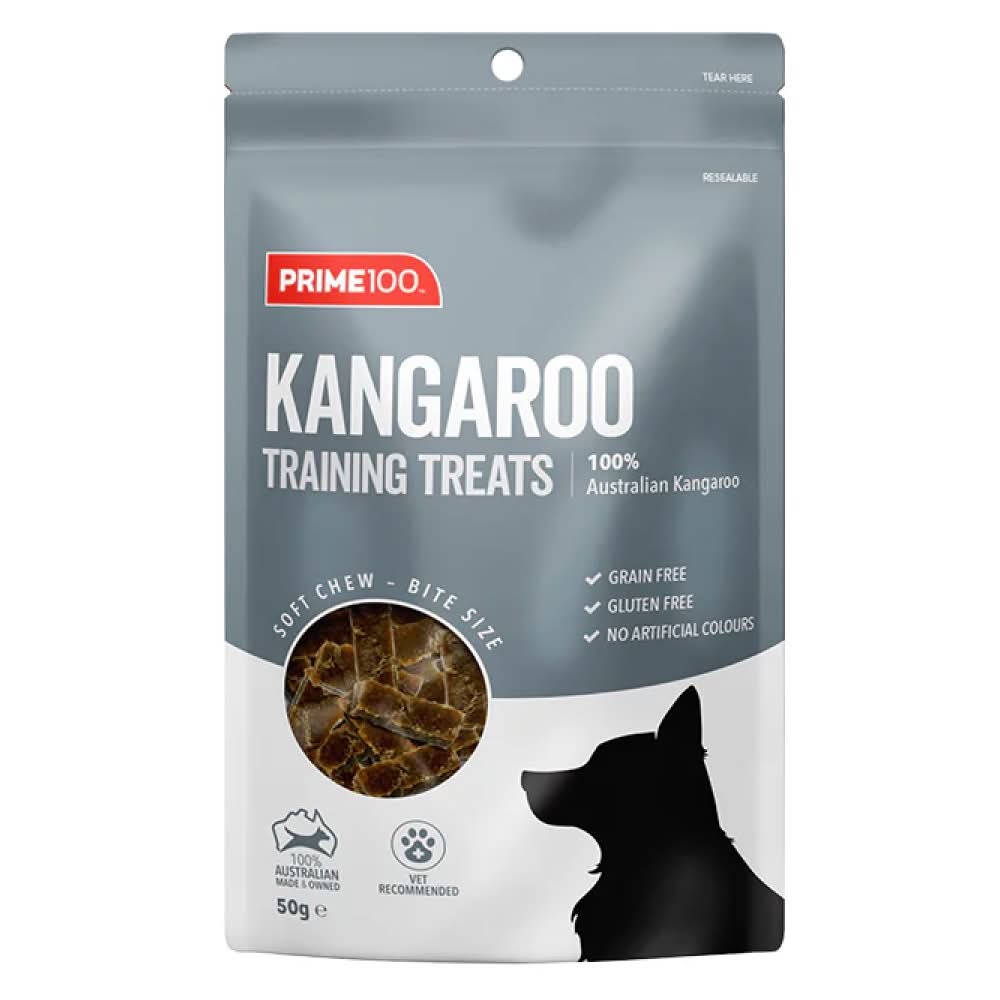
Golden Retrievers are among the easiest breeds to train — food-motivated, handler-focused, and quick to learn. They excel in obedience, agility, and scent work. The main challenge is their slow maturity; training consistency during the boisterous adolescent phase (roughly 8–24 months) is where most owners struggle. Puppy school followed by ongoing obedience work keeps them mentally engaged and socially sharp.


Suitability
Golden Retrievers suit families, active individuals, and first-time owners who can commit to daily exercise and consistent training through a long, energetic puppyhood. They're adaptable enough to live in larger apartments if exercise needs are genuinely met, though a house with a yard is a more natural fit.
They're not suited to owners who want a low-maintenance or independent dog. Goldens need company, exercise, and mental stimulation every day — not most days. Grooming is ongoing, vet costs can be significant given the breed's health profile, and that slow maturity means you're managing an enthusiastic, oversized puppy for longer than you might expect. Go in with realistic expectations and they're one of the most rewarding breeds you can own.
Frequently Asked Questions
How much does a Golden Retriever cost in Australia?
Do Golden Retrievers shed a lot?
Golden Retriever vs Labrador — which is better for a family?
Are Golden Retrievers prone to cancer?
Are white or cream Golden Retrievers a different breed?




Comments
0 comments
Login to Join the Conversation 💬