


























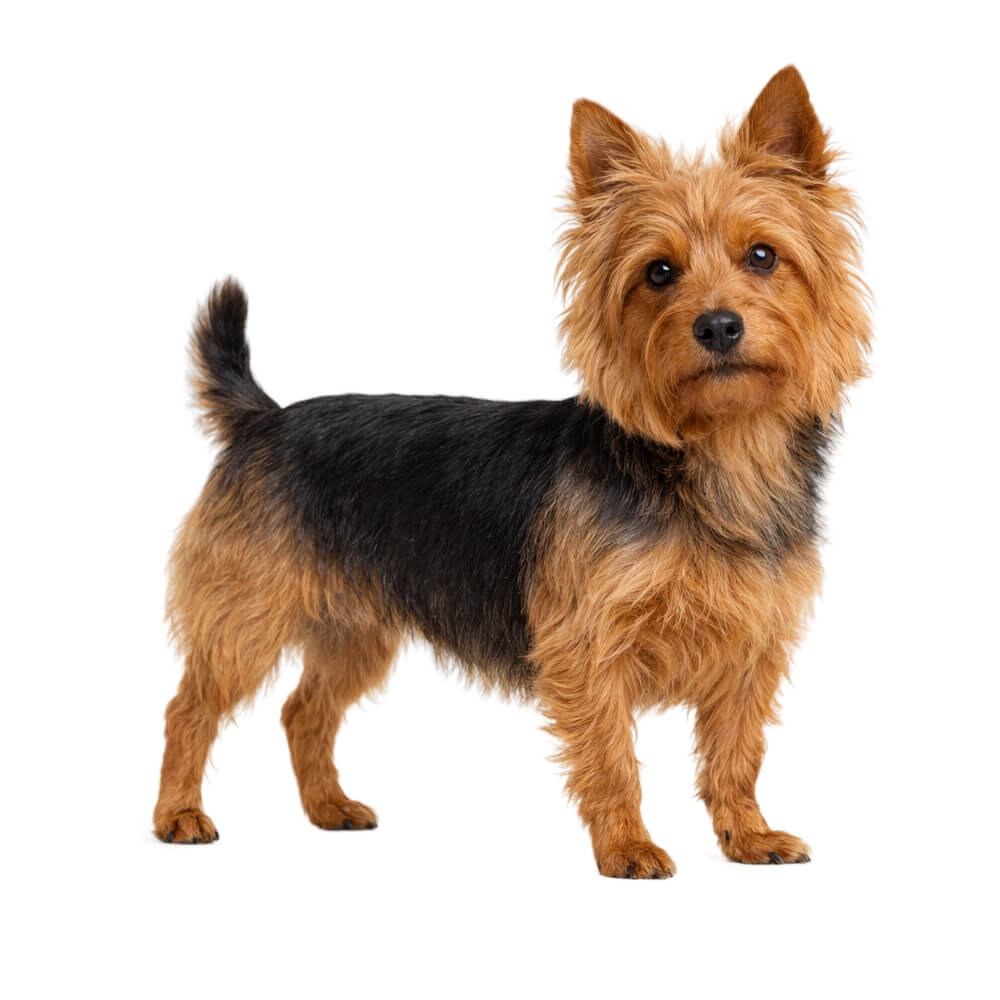

The Australian Terrier is a small, sturdy working terrier developed in Australia to hunt snakes and rodents in harsh outback conditions. It was the first breed to be recognised as native to Australia and remains one of the country's most distinctive companion dogs.
Don't mistake the compact frame for a soft house dog. Aussie Terriers are tough, alert, and full of working drive — they were bred to survive conditions that would test breeds twice their size. They're loyal to their family, surprisingly low-maintenance for a terrier, and adapt well to both apartments and rural properties. The breed's rough coat and weatherproof build are a direct result of being developed for the Australian climate, not a show ring.
History and Origin
The Australian Terrier was developed in the early 1800s by crossing several British terrier breeds brought to Australia by settlers. Rough-coated Terriers, Dandie Dinmonts, Skye Terriers, and Yorkshire Terriers all contributed to the foundation stock. The goal was a small, tough dog that could handle snakes, rats, and vermin on farms and in mines.
The breed was first shown in Melbourne in 1868 as the "Australian Rough-Coated Terrier" and was officially recognised by the Kennel Club in London in 1933. It holds the distinction of being the first Australian breed to gain international recognition.
That working heritage is still visible today. Australian Terriers are alert watchdogs with a strong prey drive and zero tolerance for rodents. They were built for Australian conditions from the ground up — heat-tolerant, hardy, and independent enough to work without constant direction.
Temperament and Personality
Australian Terriers are spirited, loyal, and surprisingly affectionate for a breed developed to work independently. They attach strongly to their family and want to be part of daily life. This isn't a dog you leave in the yard — they'll dig under the fence or bark until someone pays attention.
With family, they're warm and entertaining. They have a natural sense of humour and will actively try to make you laugh. They're good with children old enough to handle a small dog respectfully, and they're robust enough to cope with a bit of rough play.
Around strangers, they're alert and vocal. They make excellent watchdogs and will announce every visitor, delivery driver, and passing cat. That barking instinct needs early management in apartment settings.
With other dogs, they can be assertive — particularly with dogs of the same sex. Early socialisation helps, but the terrier instinct to stand their ground doesn't fully switch off. Small animals are not safe around this breed. If it moves and it's smaller than them, they'll chase it. That's not a training gap — it's centuries of selective breeding doing exactly what it was designed to do.
Common Health Conditions
Australian Terriers are a generally healthy breed with fewer inherited conditions than many purebreds. Their working origins and relatively small gene pool in Australia mean breeders have been proactive about screening, but there are still conditions to watch for.
Patellar Luxation
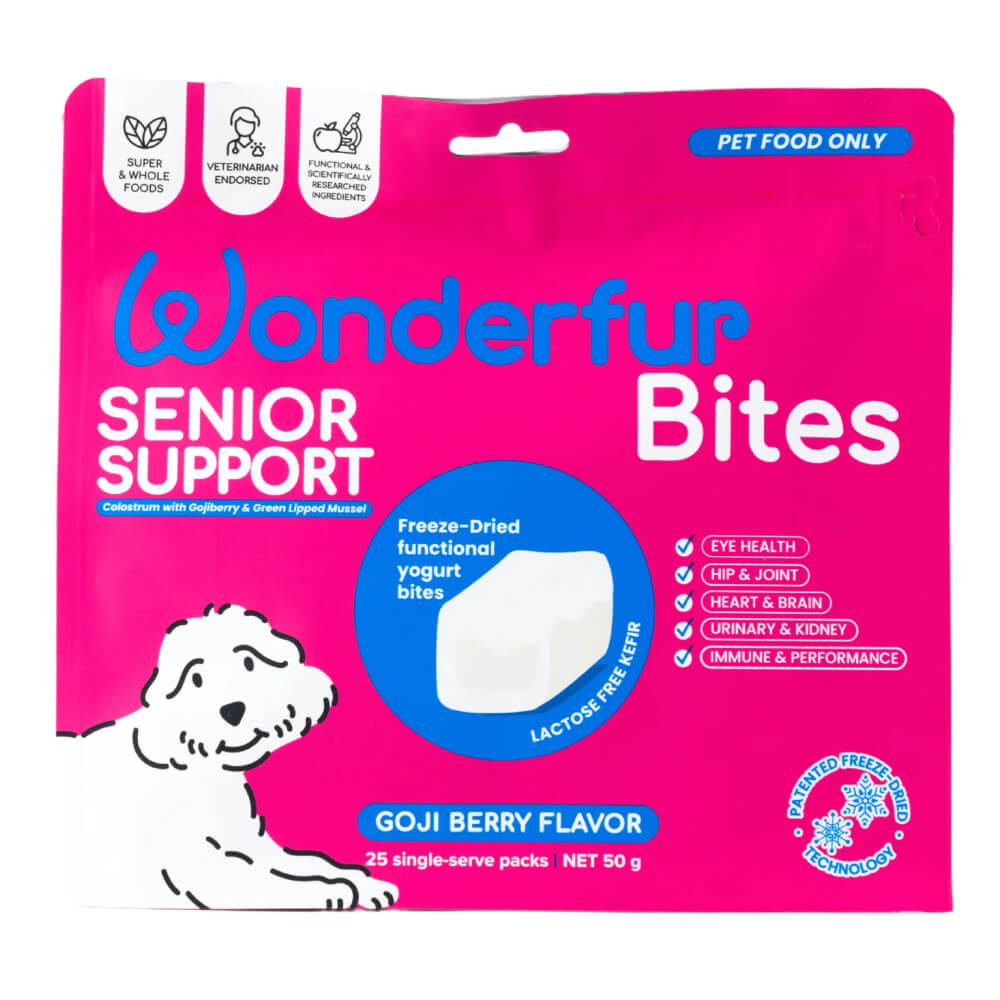
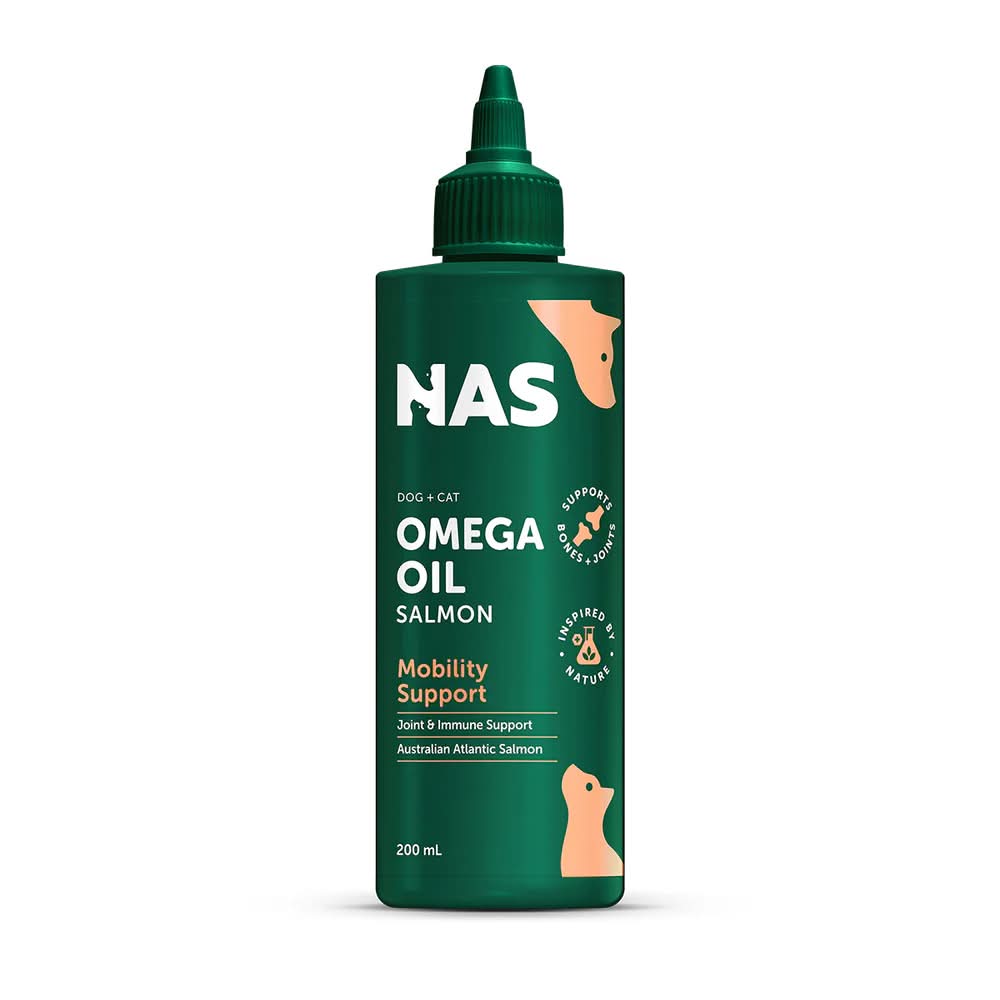
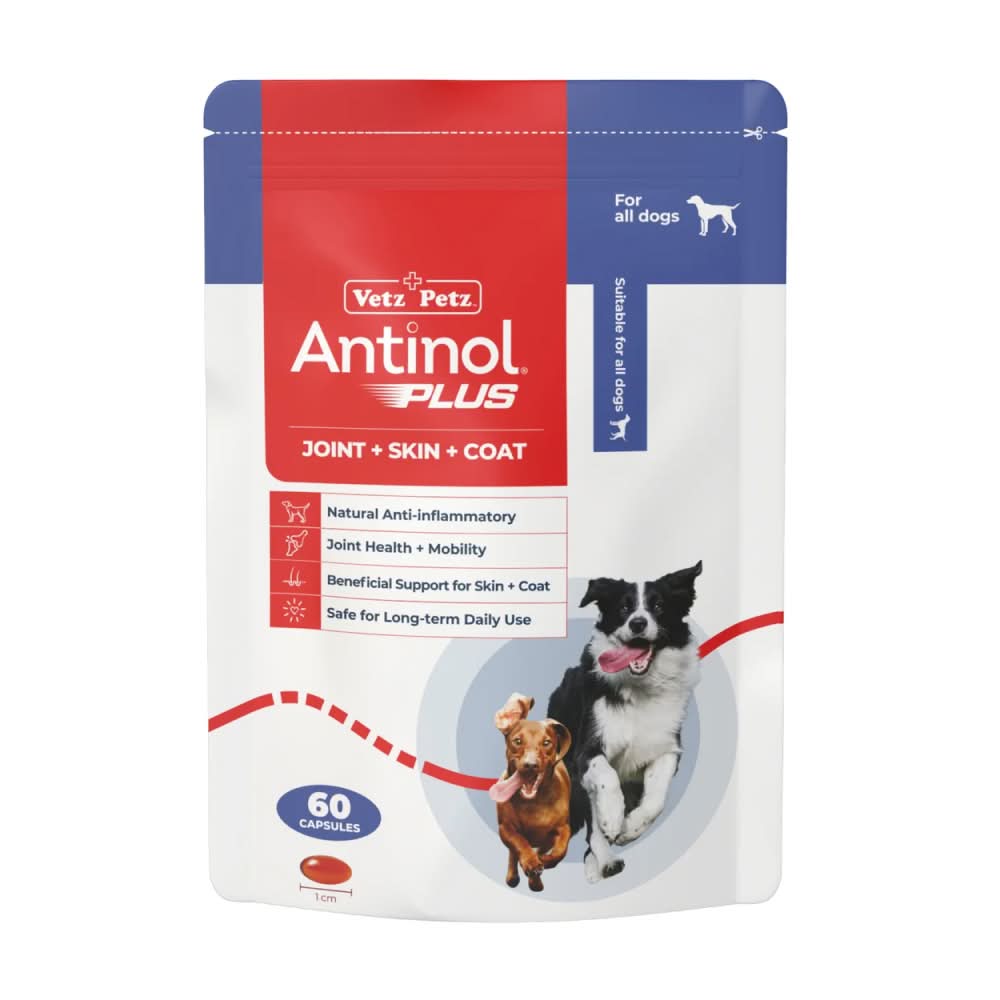
The kneecap slips out of alignment — common in small breeds. Australian Terriers are moderately predisposed. Watch for skipping on a back leg or reluctance to jump. Weight management and joint supplements help mild cases; surgery is needed for severe grades.
Diabetes Mellitus
Australian Terriers have one of the highest breed predispositions to diabetes. Signs include increased thirst, frequent urination, and weight loss despite normal appetite. Early diagnosis through routine blood work is important. Management involves insulin injections and a consistent diet.
Allergies and Skin Conditions
The breed can be prone to contact dermatitis and flea allergy dermatitis, particularly in warmer parts of Australia. Regular flea prevention and monitoring for itching, redness, or hot spots are essential. Some dogs develop food sensitivities that show up as skin issues.
Legg-Calvé-Perthes Disease
The blood supply to the femoral head deteriorates, causing hip pain and lameness. It typically presents in young dogs under twelve months. Surgical removal of the affected bone is the standard treatment, and most dogs recover well.
Thyroid Issues
Hypothyroidism can occur in the breed, leading to weight gain, lethargy, and coat changes. A simple blood test diagnoses it, and daily medication manages it effectively.
Pet insurance is a sensible investment for this breed, particularly given the diabetes risk. Routine vet checks every six to twelve months help catch conditions early.


Exercise
Thirty to forty-five minutes a day suits most Australian Terriers. A couple of walks plus some backyard play or a game of fetch keeps them happy. They're active but not hyperactive — they'll settle indoors once they've had their exercise.
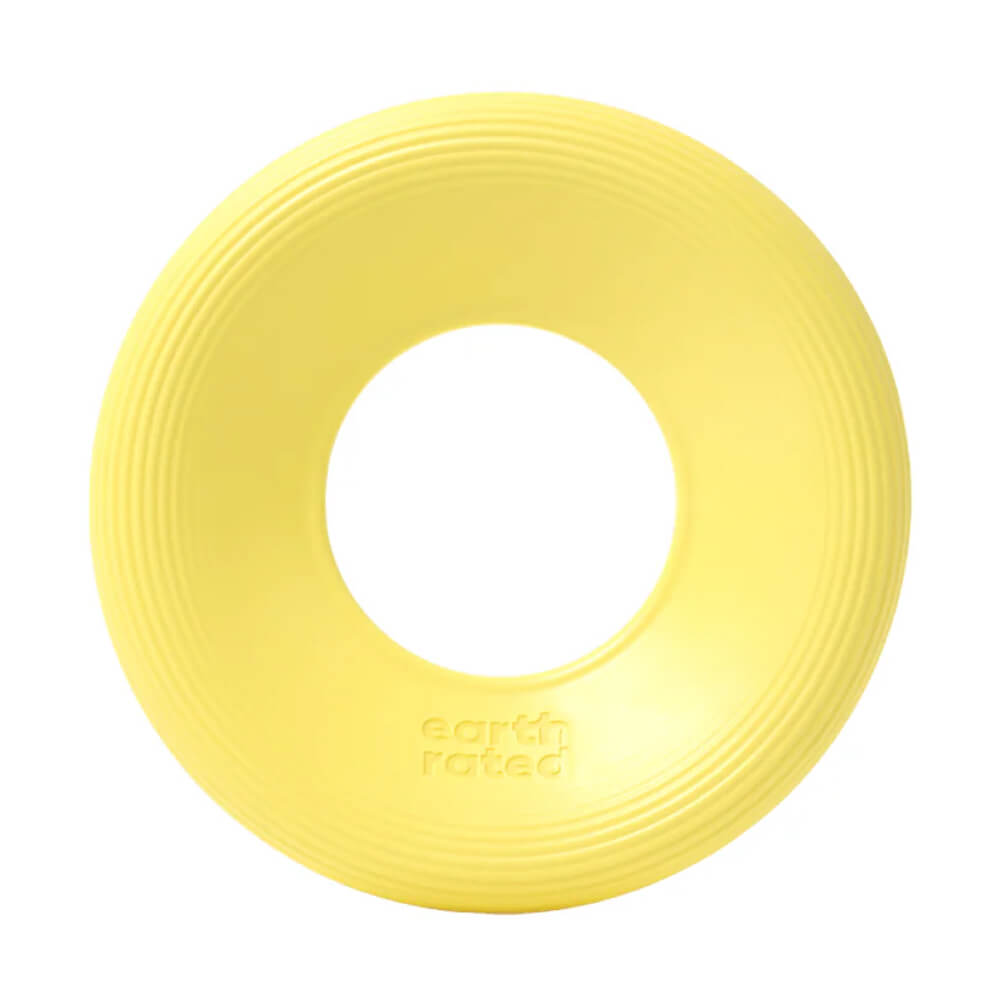
They enjoy mental challenges as much as physical ones. Puzzle toys, scent games, and short training sessions tap into the terrier brain. Off-lead exercise should be in fenced areas only — their prey drive means they'll bolt after anything that moves.
Grooming
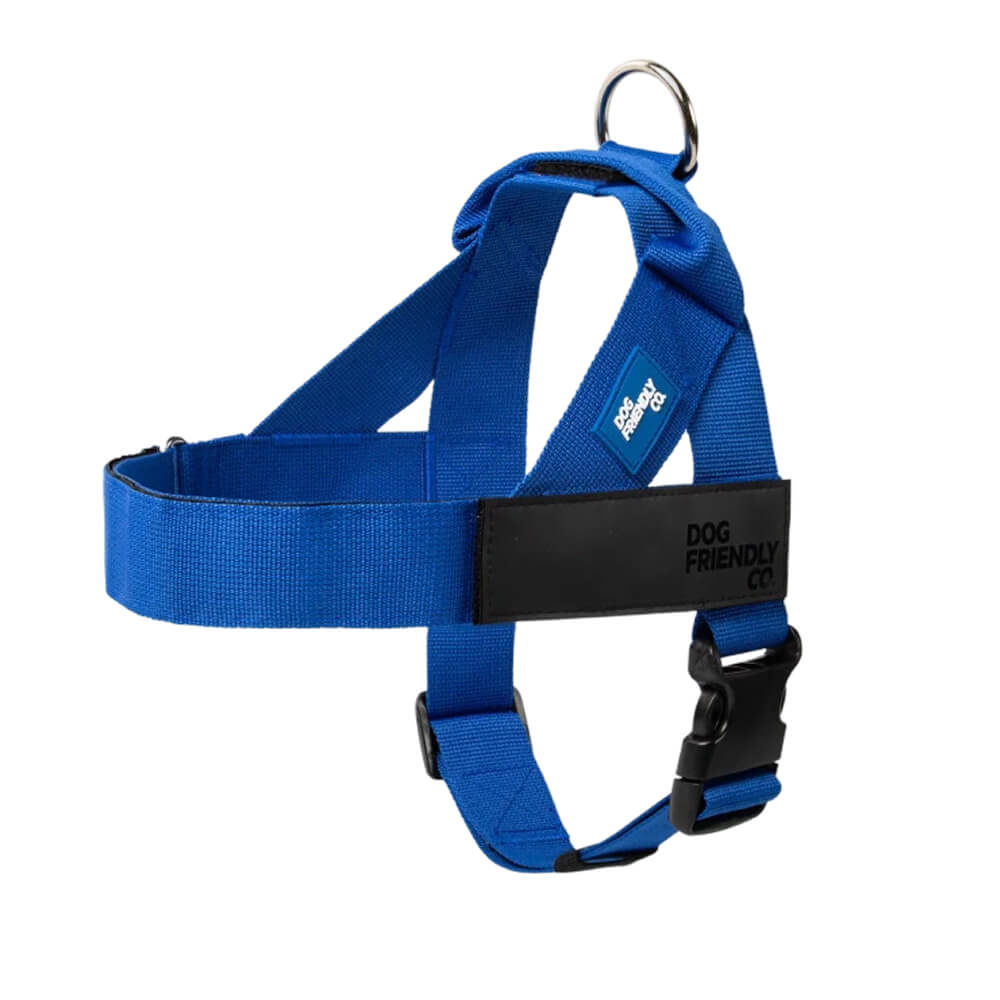
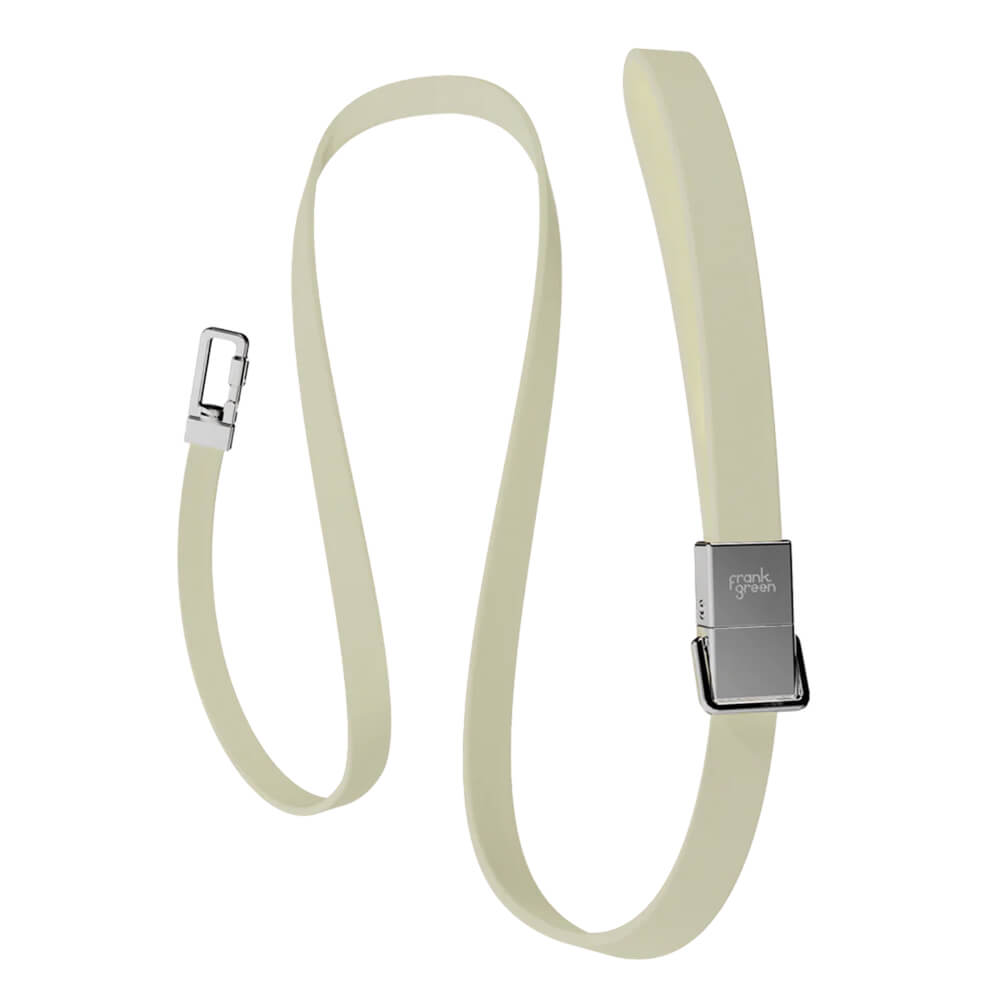
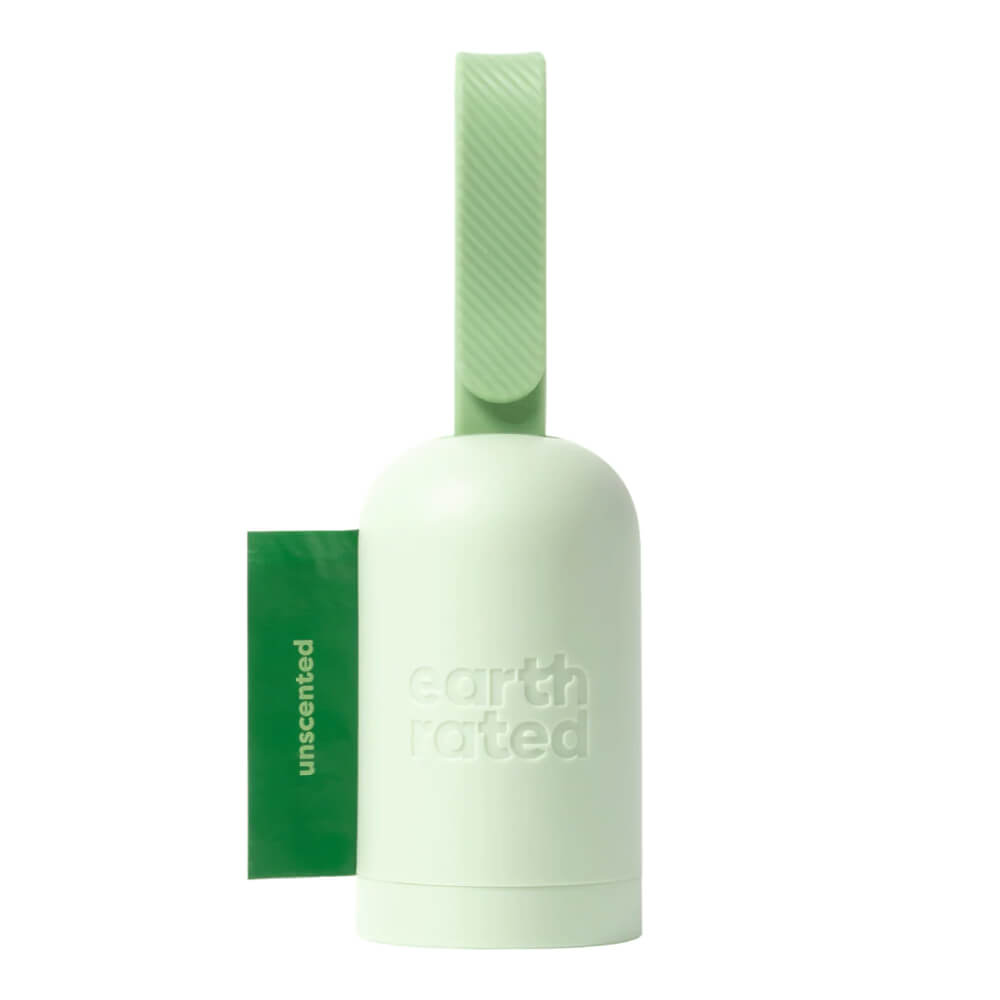
The harsh double coat is surprisingly low-maintenance. A brush two to three times a week prevents matting, and the coat naturally resists dirt. Hand-stripping a couple of times a year keeps the texture correct, though most pet owners opt for a light trim instead.
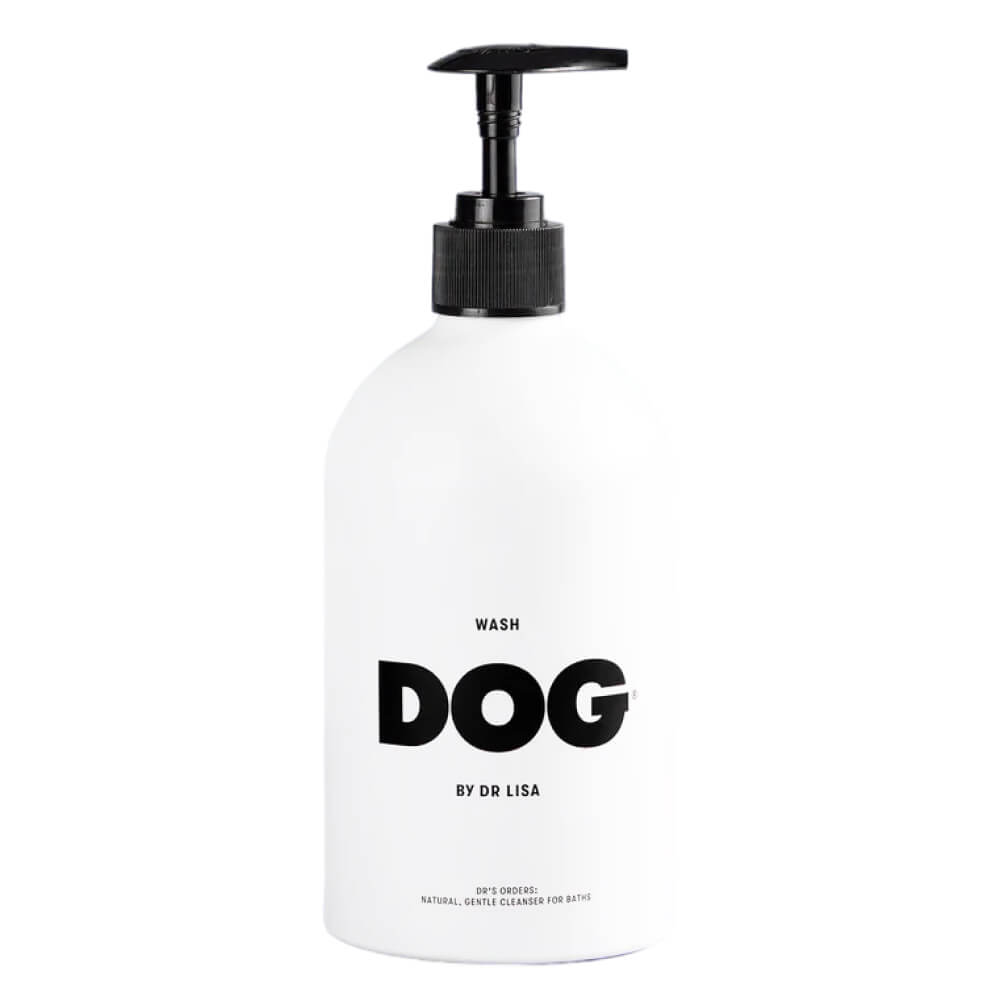
They don't need frequent baths — the coat's natural oils do most of the work. Check ears weekly and keep nails trimmed. The coat sheds lightly year-round with a more noticeable blow during seasonal changes.


Nutrition
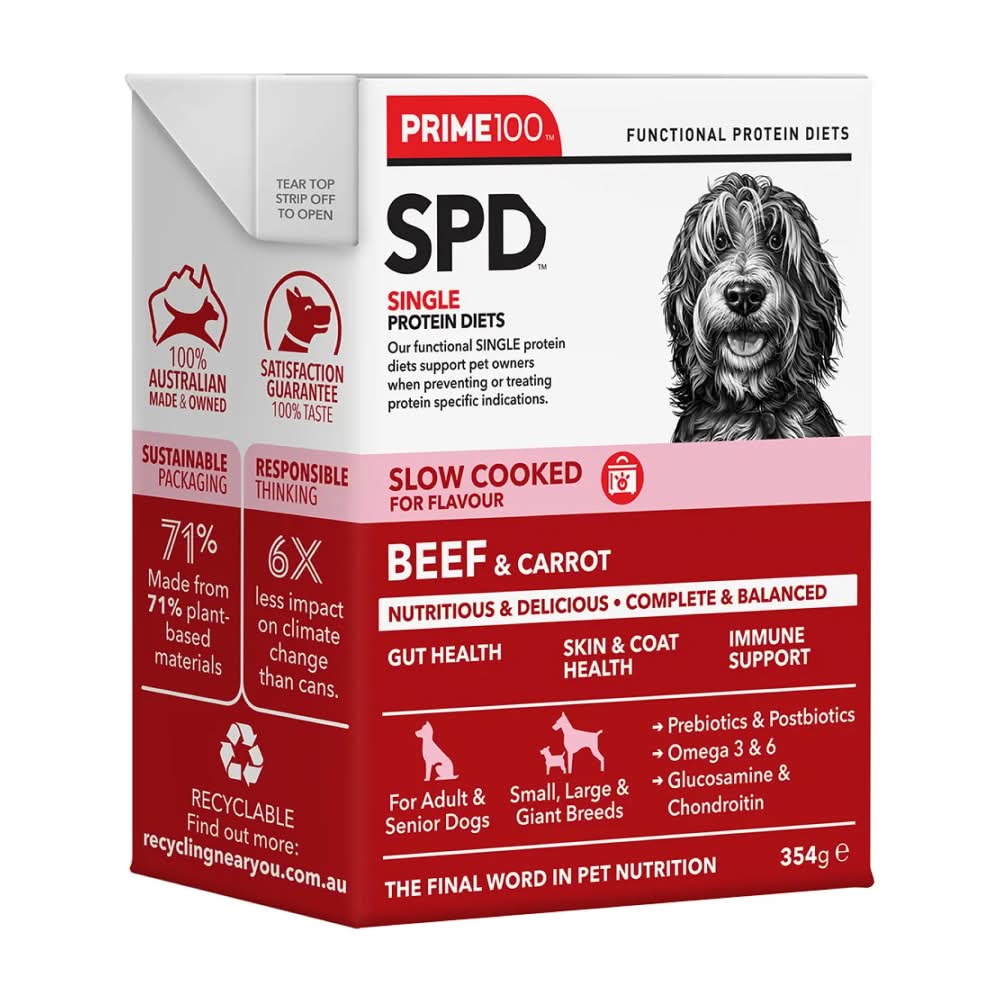
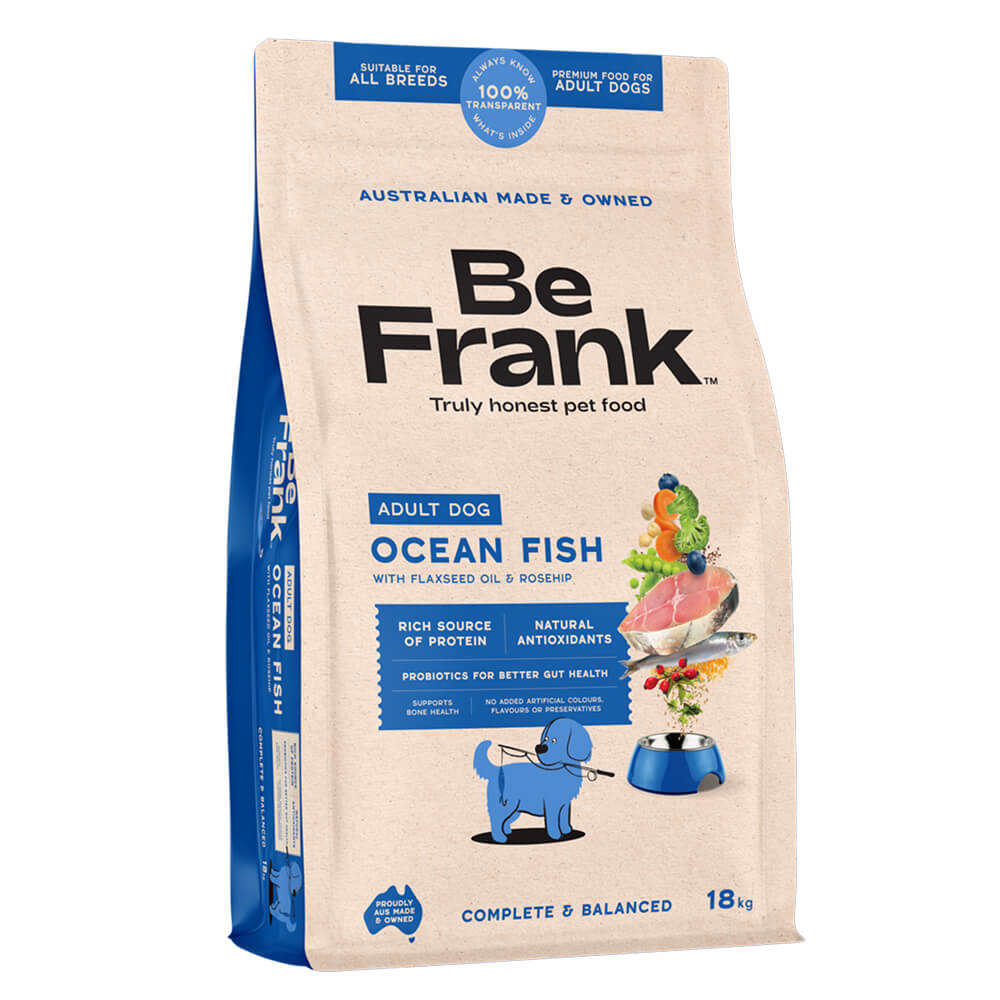
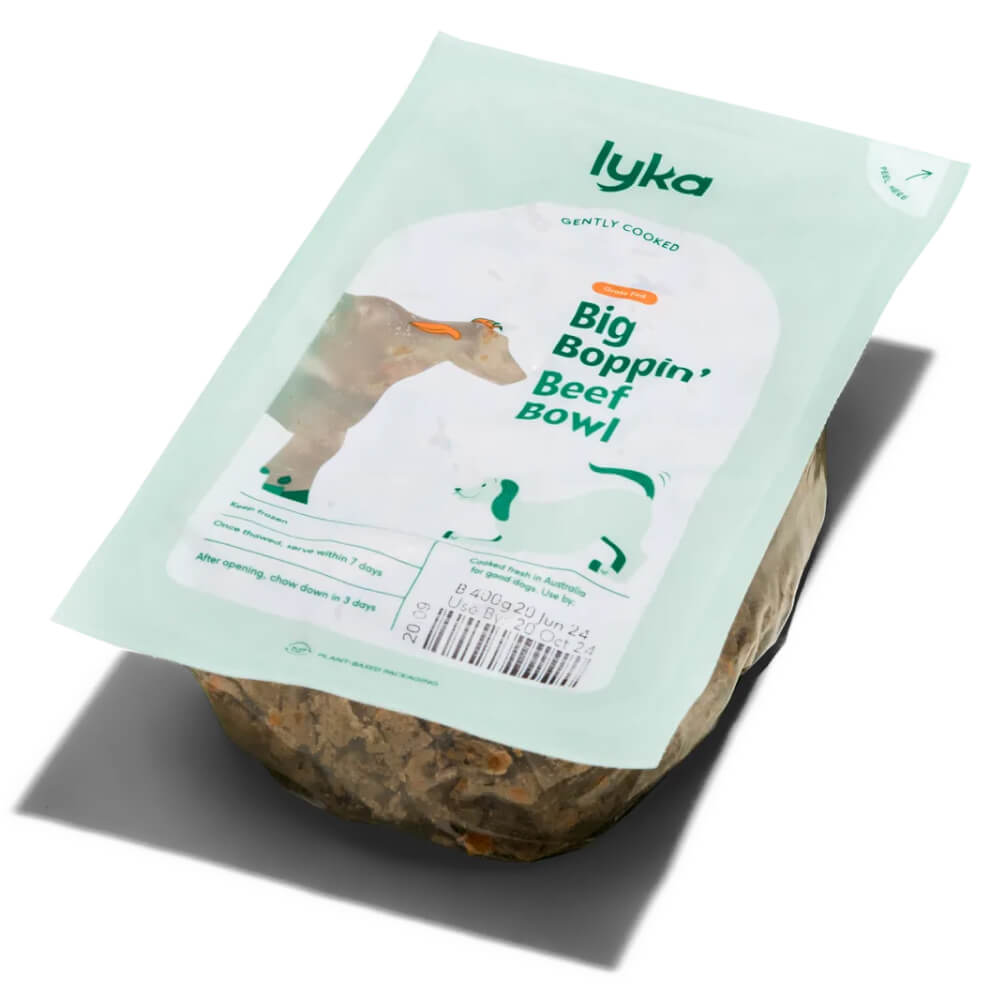
Feed a high-quality small-breed formula appropriate for their age and activity level. Given the breed's predisposition to diabetes, avoid foods with excessive carbohydrates and fillers. Consistent meal times and measured portions matter more with this breed than most.
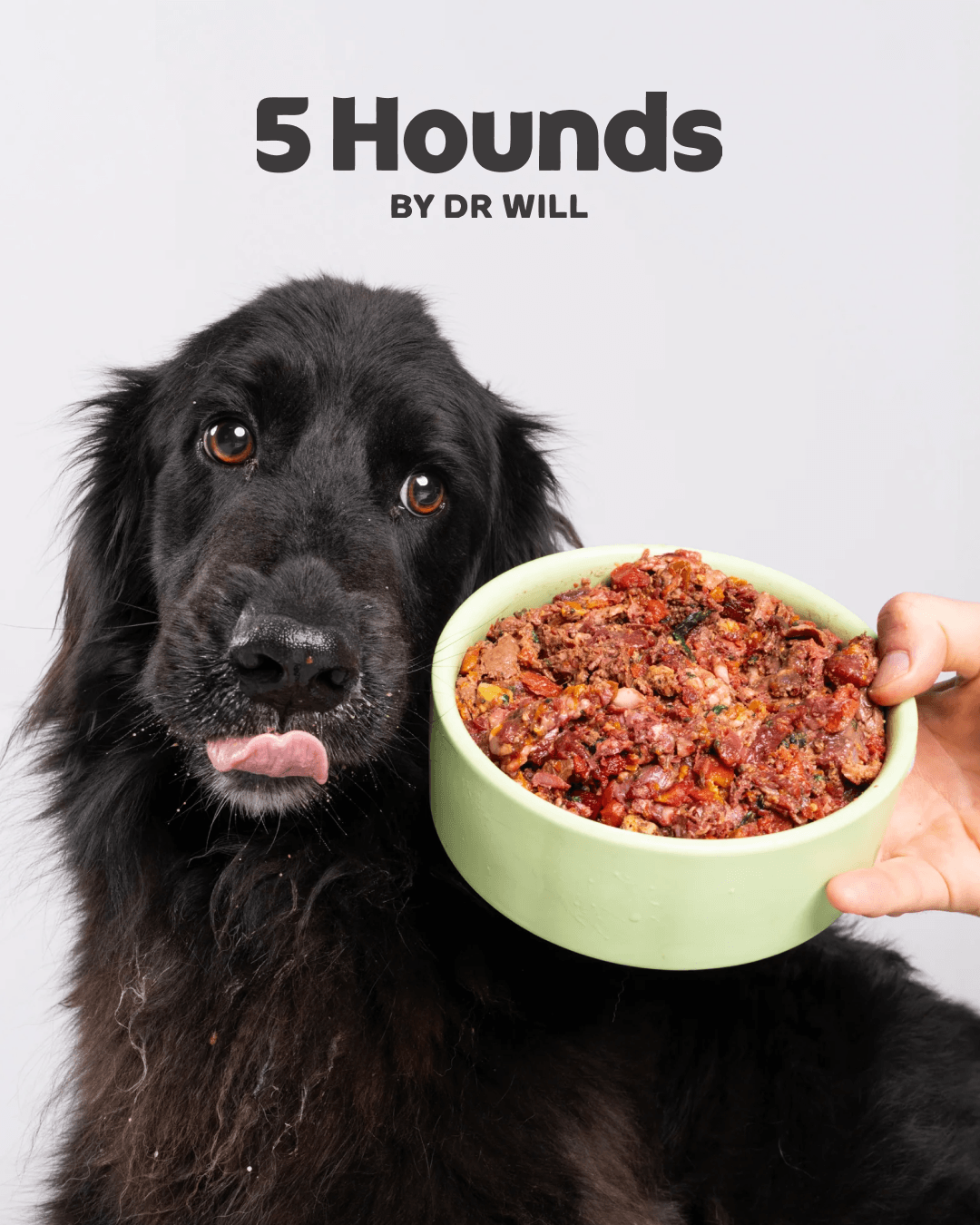
Obesity increases diabetes risk significantly, so keep treats in check and monitor body condition regularly. Two meals a day works well for adults. See our recommended foods for Australian Terriers below.

Training
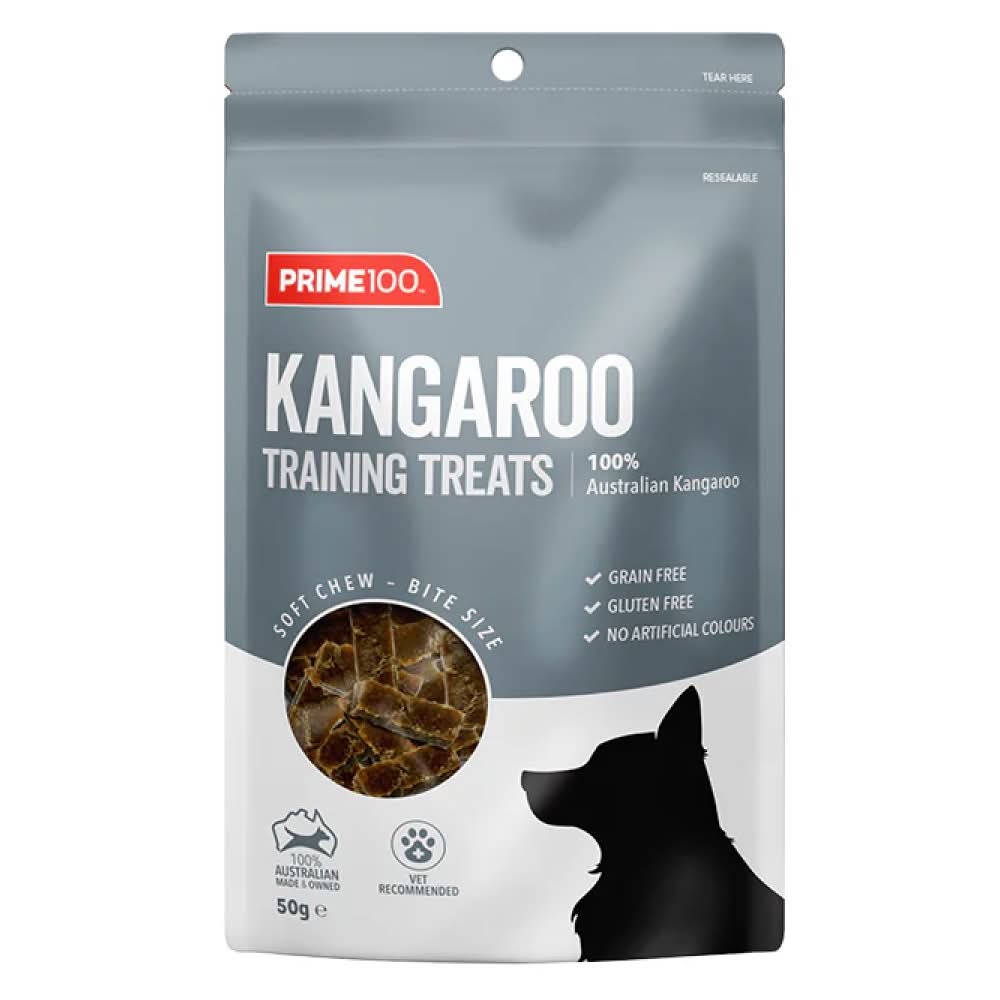
Australian Terriers are intelligent and willing to please, but they're terriers — they have their own ideas. Positive reinforcement with variety works best. Repetitive drills bore them, and bored terriers become creative in ways you won't enjoy.
Early socialisation is critical, especially with other dogs and small animals. Recall training should start early, though expecting bombproof recall around wildlife is optimistic for any terrier. Housetraining is usually straightforward compared to other small breeds.

Suitability
Australian Terriers suit owners who want a small, robust dog with real personality. They're excellent for apartments with regular exercise, retirees who want an active companion, and families with older children. Their low grooming demands and manageable exercise needs make them one of the more practical terrier breeds.
They're not ideal for homes with cats, rabbits, or other small pets unless raised together from puppyhood — and even then, supervision is wise. They need company and don't do well left alone all day. If you want a quiet, passive lapdog, look elsewhere. This is a terrier with a working history, and it behaves like one.
Frequently Asked Questions
How much does an Australian Terrier cost in Australia?
What is the difference between an Australian Terrier and a Silky Terrier?
Are Australian Terriers good for first-time owners?
Do Australian Terriers shed a lot?
How long do Australian Terriers live?

Comments
0 comments
Login to Join the Conversation 💬