




























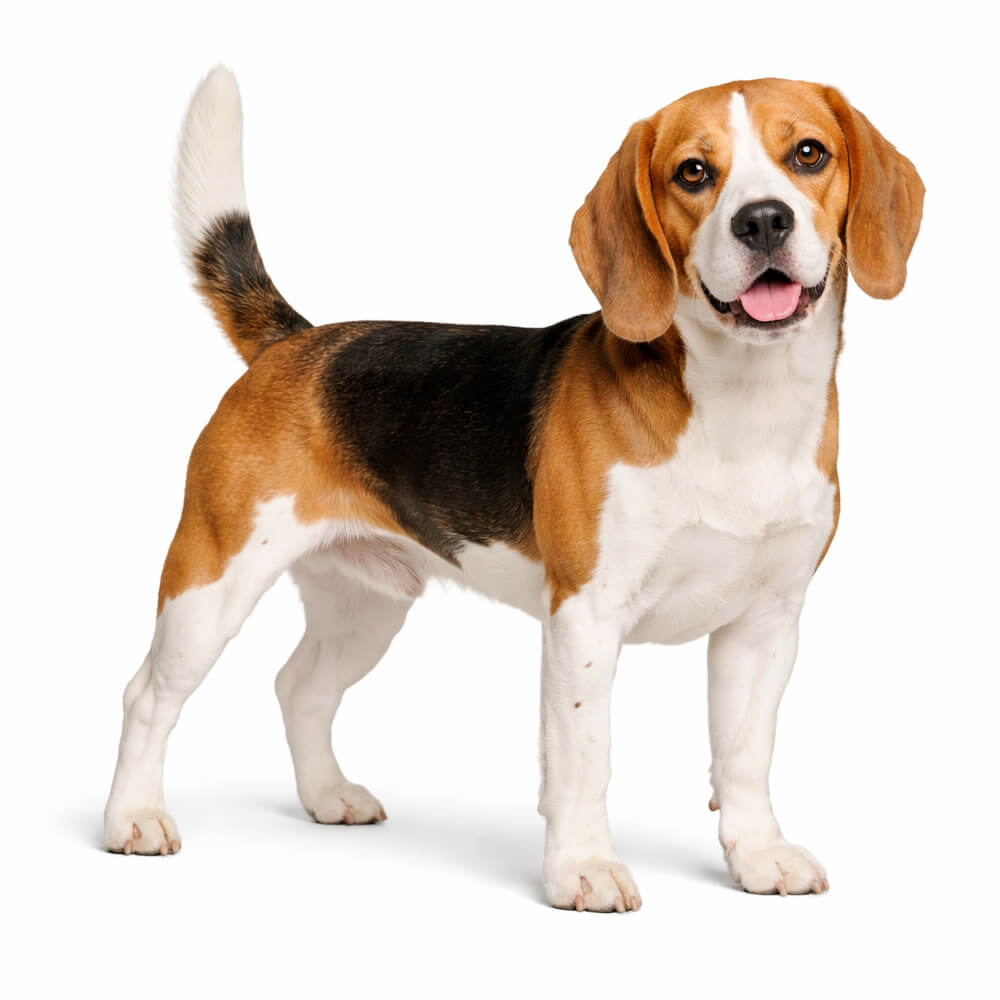

The Beagle is a compact, sturdy scent hound originally bred to hunt in packs, weighing 8–14 kg and standing 33–40 cm at the shoulder. They're one of Australia's most popular family breeds — friendly, curious, and genuinely good-natured — but the same nose that made them exceptional hunters is the source of most of their challenging behaviours.
When a Beagle picks up a scent, the brain effectively switches off. Recall disappears. Fences become a puzzle to solve. That's not disobedience — it's the breed doing exactly what it was built to do. Understanding that distinction before you bring one home changes everything about how you manage and train them.
History and Origin
Scent hounds resembling the Beagle appear in English records as far back as the 11th century, used to hunt hare and rabbit on foot ahead of hunters. The modern breed was consolidated in England during the 1800s, when breeders standardised the type into a compact, pack-oriented hound that could work all day in the field without tiring.
The breed arrived in Australia with European settlers and found an immediate fit with the local landscape and hunting culture. By the mid-20th century, Beagles had transitioned almost entirely from field work into family life — a shift that happened faster than the instincts underneath could follow. That working pack heritage explains the baying, the digging, the nose-down tunnel vision on walks, and the deep discomfort with being left alone. These aren't personality flaws. They're a working dog's attributes in a domestic context.
Temperament and Personality
Beagles are genuinely one of the more pleasant breeds to live with — even-tempered, sociable, rarely aggressive, and patient enough with children to have earned their family-dog reputation honestly. They're pack animals by nature, which means they get along with most other dogs and actively benefit from canine company.
The challenges are specific and predictable. The nose runs the show. On a walk, a Beagle following a scent trail is not interested in you, commands, treats, or traffic. Off-lead in an unsecured area is a genuine risk — not because they're badly trained, but because the breed's response to scent is that hardwired. Secure fencing isn't optional; it's the baseline.
Baying is the other reality check. Beagles don't just bark — they bay, a loud, melodic howl designed to carry across open fields and communicate with the pack. It's triggered by boredom, separation anxiety, or excitement, and it carries. Neighbours in close proximity will have opinions about it. Under-exercised, under-stimulated Beagles bay more. The solution is management, not correction.
With family they're affectionate and social without being overwhelming. They attach broadly rather than intensely — friendly to the household, warm with visitors — which makes them poor guard dogs and excellent companions. They do poorly with extended isolation, and a Beagle left alone for long hours will typically express that through noise, digging, or creative escape attempts.
Common Health Conditions
Beagles are generally a robust breed with a lifespan of 12 to 15 years, but several conditions appear with enough regularity to warrant attention before ownership.
Obesity — The most prevalent and preventable health issue in the breed. Beagles are food-motivated to a degree that overrides most self-regulation — they will eat until it's gone, regardless of quantity. Even modest excess weight accelerates joint deterioration, worsens spinal issues, and shortens lifespan. Portion control using a measuring cup (not estimation), limited treats, and consistent exercise are non-negotiable across the dog's entire life.
Intervertebral Disc Disease (IVDD) — Beagles are predisposed to disc herniation, particularly in the cervical and thoracic spine. Signs include neck or back pain, reluctance to jump, changes in gait, or in severe cases, hind limb weakness or paralysis. Weight management is the most effective preventive measure. Sudden onset of neurological signs is a veterinary emergency.
Epilepsy — Idiopathic epilepsy is one of the more common neurological conditions in the breed. Onset typically occurs between one and five years. Seizure presentations range from full tonic-clonic episodes to brief focal events — facial twitching, sudden disorientation, or staring. Most dogs manage well long-term on anticonvulsant medication once diagnosed.
Hypothyroidism — Underactive thyroid function presents gradually — weight gain, lethargy, coat thinning, cold intolerance — and is frequently attributed to ageing before a diagnosis is made. A routine thyroid panel in annual blood work from middle age onward catches it early; daily oral medication manages it effectively once confirmed.
Cherry Eye — Prolapse of the third eyelid gland is relatively common in Beagles, presenting as a pink-red mass in the inner corner of the eye. It's not immediately painful but requires surgical correction to prevent chronic irritation and dry eye. If caught early, outcomes are excellent.
Hip Dysplasia — Abnormal hip joint development causes progressive discomfort and mobility loss. Signs include a changed gait, reluctance to exercise, or stiffness after rest. Weight management is the most accessible preventive measure; moderate, low-impact exercise maintains muscle support around the joint.
Pet insurance is worth taking out early for this breed — the combination of potential spinal, neurological, and joint interventions can add up significantly.


Exercise
Beagles need at least 45 to 60 minutes of exercise daily, and mental stimulation matters as much as physical output. Scent work, puzzle feeders, and nose games satisfy the breed at a neurological level that walking alone doesn't reach. All off-lead exercise must happen in a fully secured area — no exceptions. A Beagle that catches a scent on an open oval is gone, and recall training, however solid at home, frequently doesn't survive contact with an interesting smell. In Australian summers, exercise early or late — Beagles are not heat-sensitive to the same degree as flat-faced breeds, but sustained midday exertion in high humidity still carries risk.
Grooming
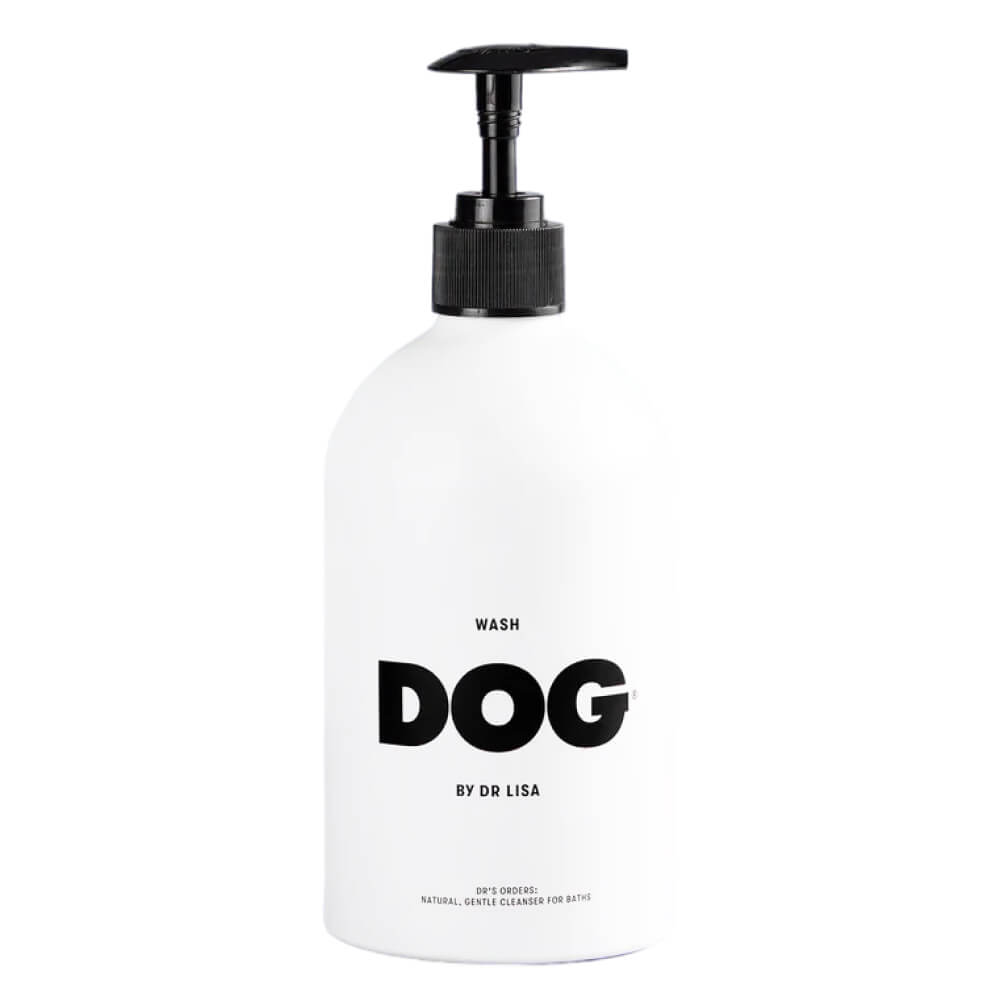
The short, dense double coat is low-maintenance by most standards — a weekly brush keeps shedding under control and the coat in good condition. Shedding is moderate and year-round, with heavier seasonal drops in spring and autumn. Ears are the grooming priority: the Beagle's long, floppy ears restrict airflow and create warm, moist conditions ideal for bacterial and yeast infections. Weekly ear checks and cleaning with a vet-approved solution are essential. Nails every three to four weeks, teeth brushed several times a week.


Nutrition
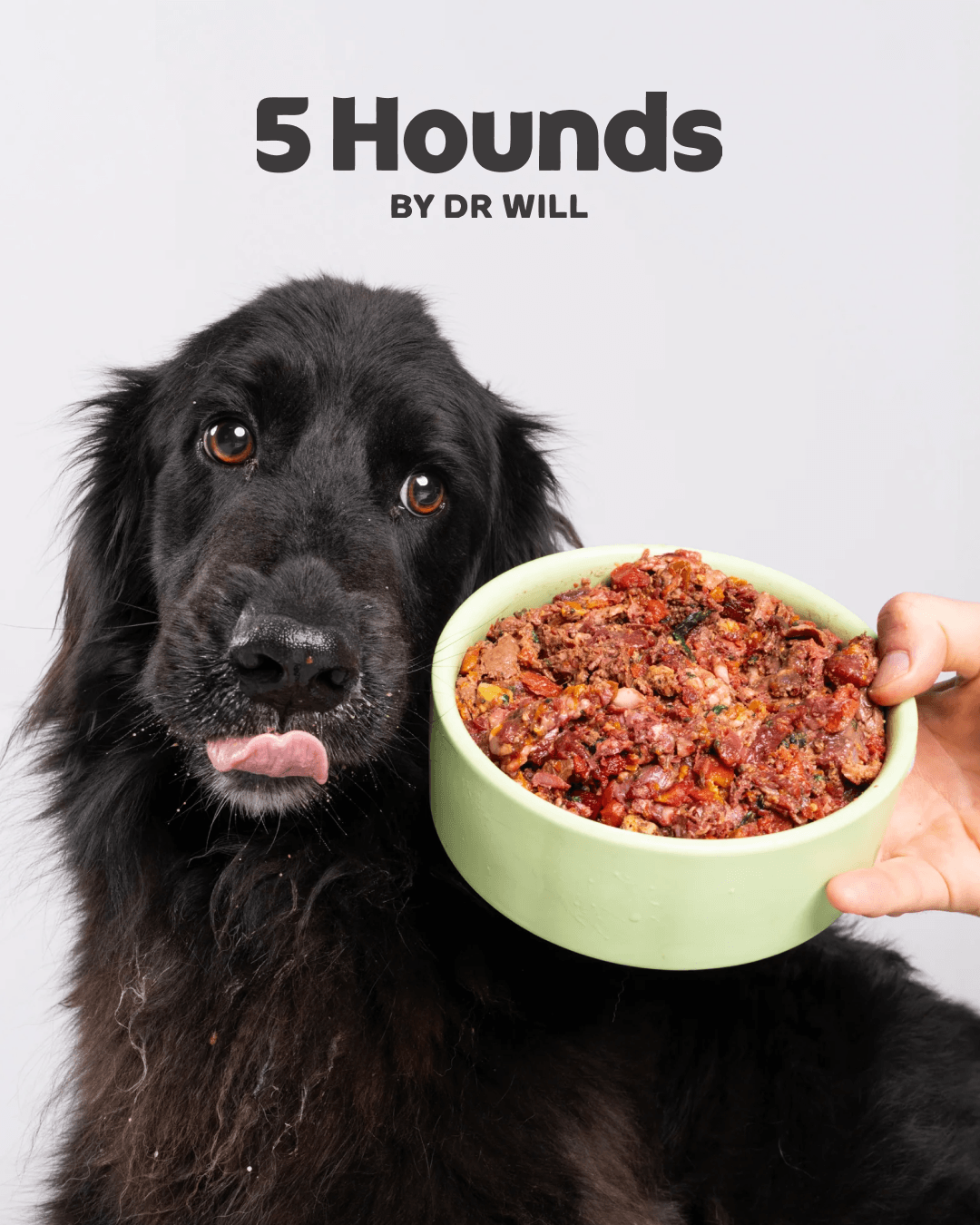
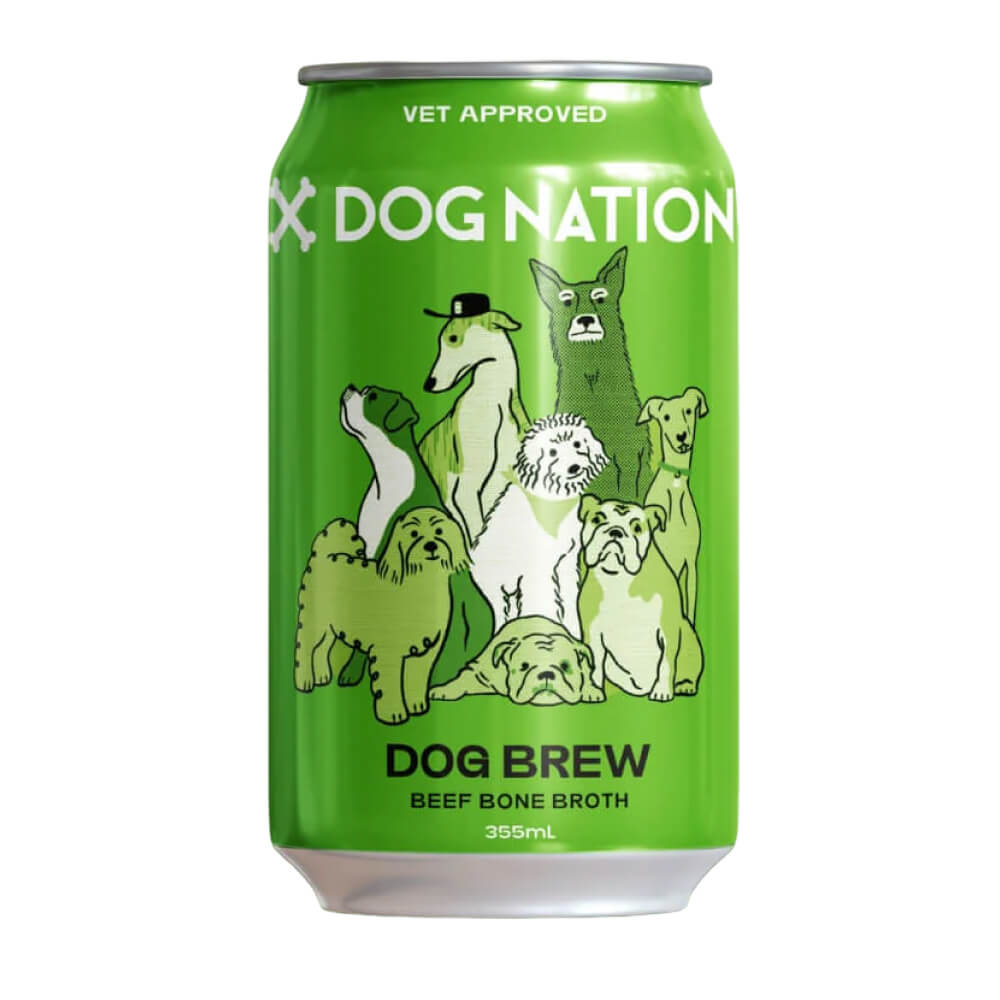
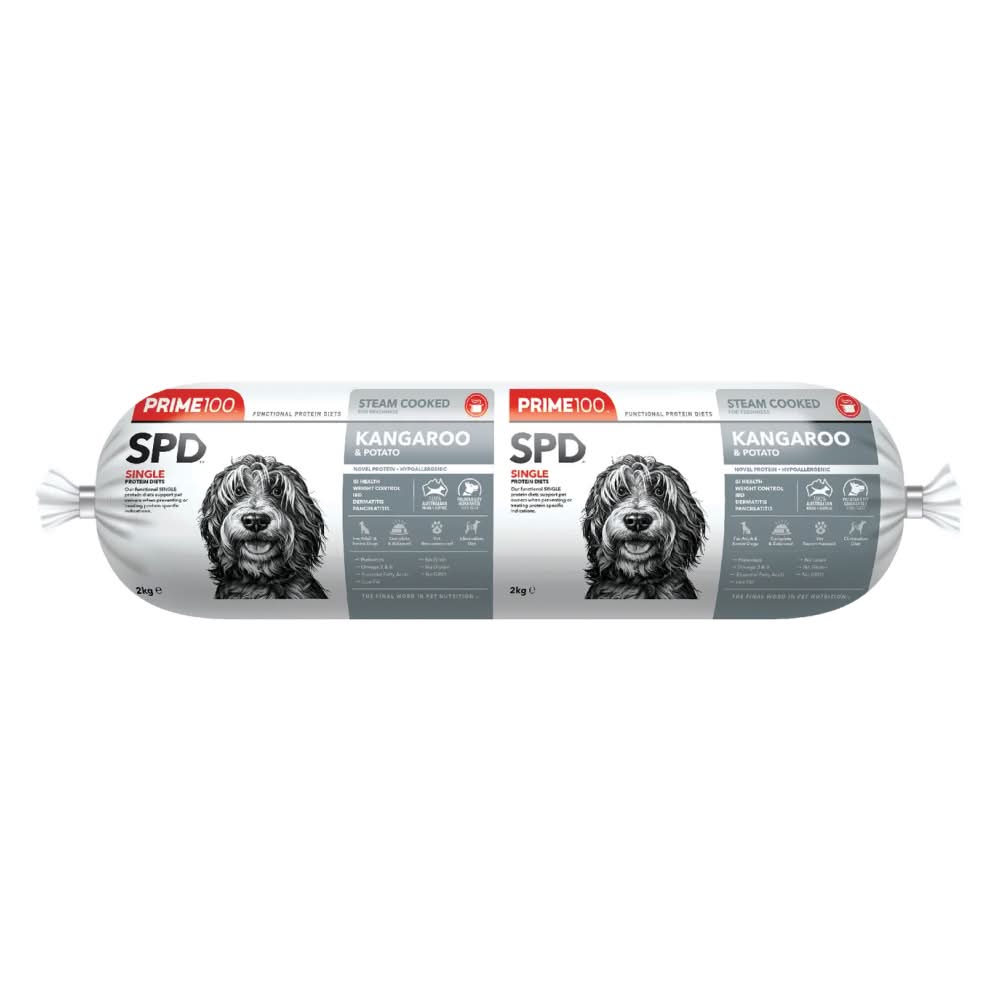
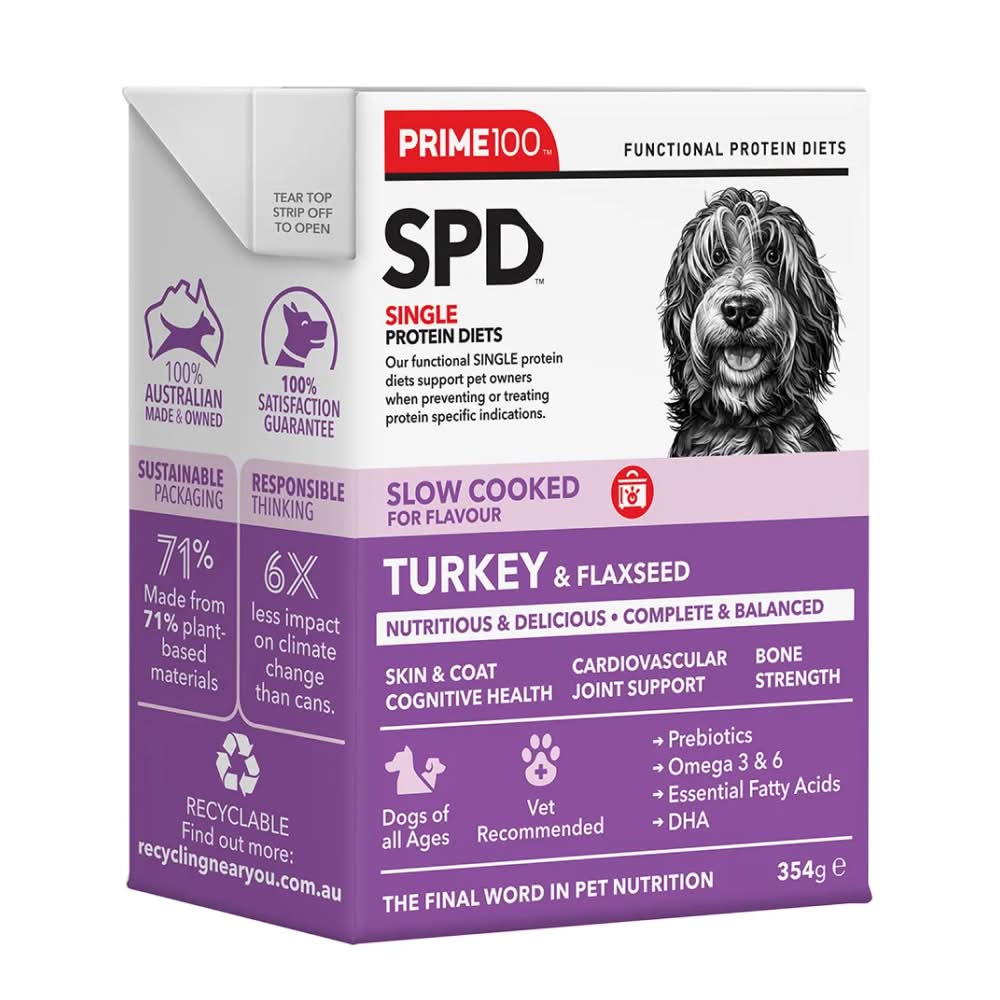
Portion control is the single most important nutritional principle for Beagles. A high-quality small-to-medium breed dry food with animal protein as the primary ingredient suits most adults, but the serving size on the bag should be treated as a starting point rather than a rule — many Beagles maintain healthy weight on less. Treats count toward daily caloric intake and should be factored in, not added on top. Slow-feeder bowls help with dogs that inhale food, which reduces bloating risk and extends mealtime engagement. See our recommended foods for Beagles below.


Training
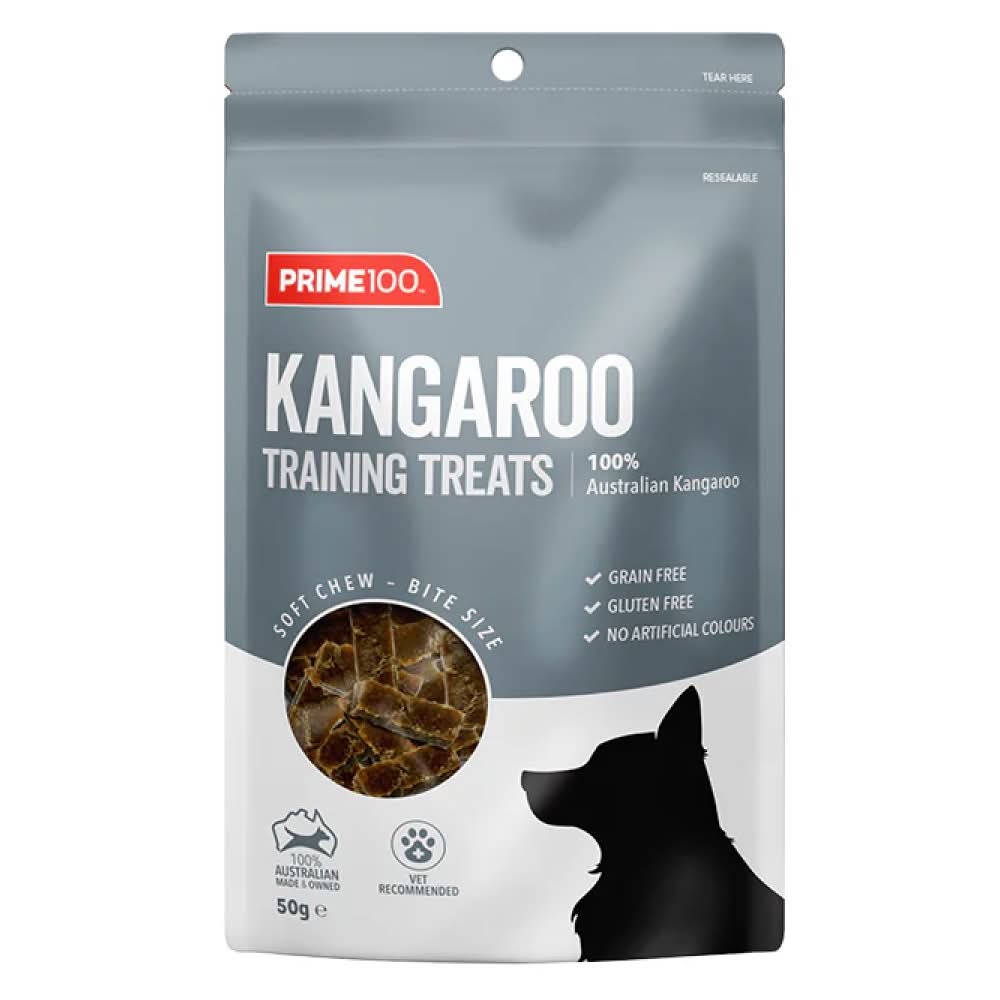
Beagles are intelligent but independently motivated — they learn quickly when there's a food reward on the table, and lose interest almost as fast when there isn't. Positive reinforcement with high-value treats works well; repetitive drills without clear incentive don't. The two training challenges that require realistic expectations are recall (manage the environment rather than rely solely on the cue) and baying (redirect and exercise rather than correct). Puppy socialisation classes are strongly recommended — early exposure to other dogs, people, and environments shapes the adult temperament significantly and makes the pack instincts an asset rather than a complication.


Suitability
Beagles suit active households, families with children, and multi-dog homes where the pack instinct becomes an asset. They're adaptable to apartment living if exercise needs are genuinely met, and their even temperament makes them a reasonable choice for first-time owners who go in with accurate expectations.
They're a harder fit for people with noise-sensitive neighbours, long work days that leave the dog isolated, or owners who want reliable off-lead freedom. The baying, the counter-surfing, the selective recall, and the relentless food motivation aren't quirks that training solves — they're the breed. Owners who embrace the nose-first, food-first personality tend to love Beagles deeply. Those who fight it find it exhausting.
Frequently Asked Questions
How much does a Beagle cost in Australia?
Do Beagles bark a lot?
Is a Beagle a good house dog?
Are Beagles hard to train?
How long do Beagles live?

Comments
0 comments
Login to Join the Conversation 💬