
























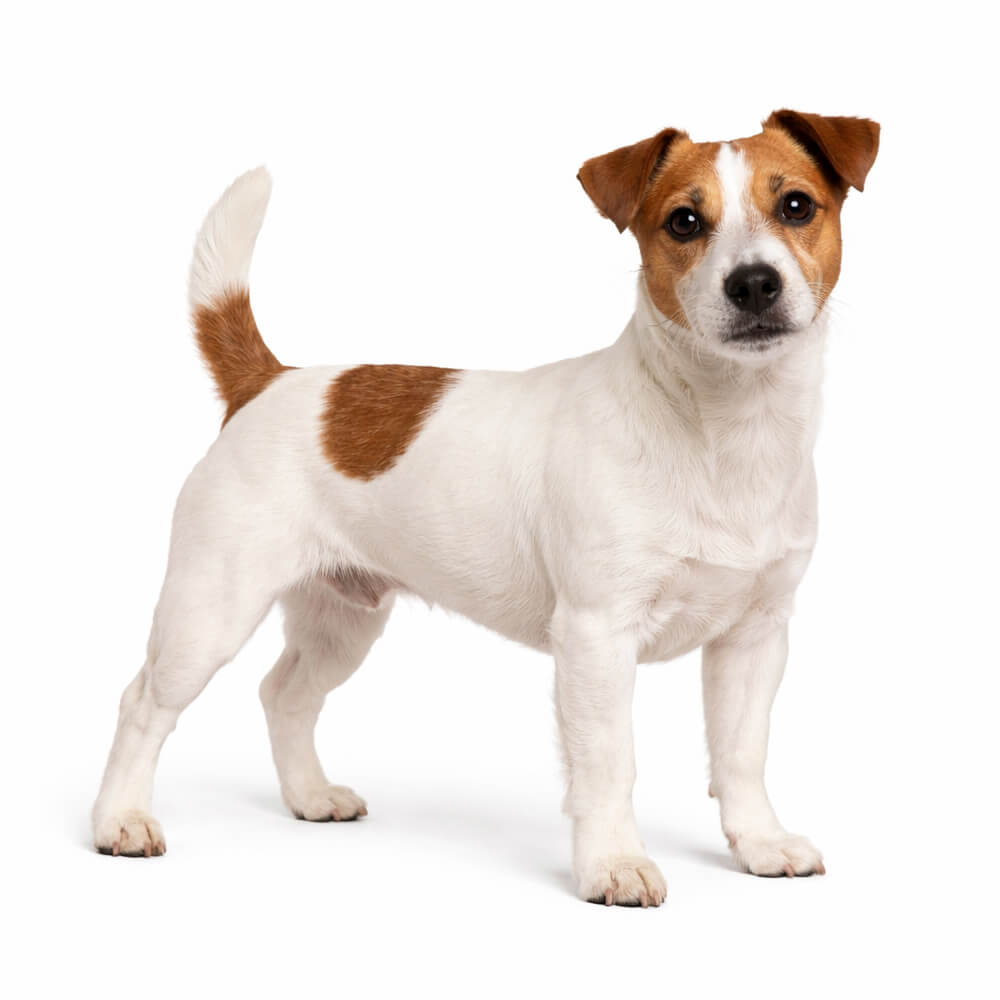

The Jack Russell Terrier is a small, high-energy working terrier developed in 19th century England to bolt foxes from their dens. Compact, athletic, and built for stamina, the Jack Russell is one of the most spirited and tenacious dogs you'll encounter in any size category.
Behind the confident exterior is a dog that is essentially switched on — curious, alert, and always scanning for the next mission. Jack Russells attach intensely to their people and thrive in active households where they're treated as full participants in daily life rather than decorative companions. They're playful, entertaining, and bold in a way that consistently outstrips their physical size. What catches most owners off guard is the sheer volume of brain packed into this package — sharp, quick to learn, and equally quick to identify any rule that isn't firmly enforced. The Jack Russell rewards the right owner with years of loyal, energetic company. It simply demands a great deal in return.
History and Origin
The Jack Russell Terrier takes its name from the Reverend John Russell, a fox-hunting enthusiast from Devon who in the early 1800s set about developing a small terrier purpose-built for mounted fox hunts across the English countryside. His aim was a dog with the stamina to run all day with hounds, narrow enough in the chest to follow a fox underground, and with the drive to bolt prey rather than kill it below the surface. The foundation of his breeding programme is generally traced to a smooth-coated female named Trump, acquired around 1819.
From those early lines, breeders refined the type around three priorities: chest circumference small enough to enter an earth, a predominantly white coat that could be distinguished from quarry in the field, and a working temperament that combined boldness, voice, and self-reliance. The result was a terrier with exceptional instinct and remarkable longevity in the field — and, it turned out, in the home.
The breed's formalisation was resisted for much of the 20th century by working terrier enthusiasts who feared that show-ring standards would compromise hunting ability. That tension — working type versus show type — still produces some variation in conformation across lines today. Dogs Australia recognises the Jack Russell Terrier under Group 2 (Terriers), and the breed has become one of the most widely owned companion dogs in Australia, particularly in suburban households. The working history matters in a domestic context because the drive to hunt, dig, and give voice does not switch off with domestication. Understanding where the Jack Russell came from is the most useful thing a prospective owner can do before bringing one home.
Temperament and Personality
Jack Russells are best understood not as small dogs but as working terriers in a compact body. The confidence, boldness, and tenacity that made them exceptional in the field are fully intact in the family home — which is exactly what makes them such compelling companions for the right household and genuinely exhausting in the wrong one.
With their own family, Jack Russells are loyal, affectionate, and intensely engaged. They form strong bonds with one or two people in particular and will shadow their person around the house with a focus that feels less like companionship and more like supervision. They're playful well into old age, funny in ways that are hard to articulate to non-owners, and alert enough to clock every change in routine. Their affection is genuine, but it comes packaged with an opinion about how things should be run.
With children, the picture is more layered. Jack Russells can coexist well with kids who handle dogs calmly and correctly, but they are not the patient, passive breed of primary school readers. They carry a quick snap reflex when surprised or handled roughly, and their terrier instincts can manifest as nipping during chaotic play. Supervision with younger children is non-negotiable, and families with toddlers should think carefully before committing to the breed.
With other dogs, early socialisation matters — but Jack Russells are inherently bossy regardless of size differential. They will not hesitate to challenge a dog many times their own weight. Same-sex aggression, particularly in males, is common, and multi-dog households require active management. Cats and small animals should be considered genuinely high-risk. The prey drive is not a training problem; it's an instinct. Introductions can work with careful, sustained effort, but they are never a given.
Two breed-specific quirks worth knowing before you commit: Jack Russells dig, consistently and enthusiastically, and no amount of training will fully suppress what is essentially a working behaviour. Provide an outlet or accept the consequences. They also bark readily — an alert, declarative bark that reflects the voice a working terrier needs underground. This is not a flaw. It is the breed.
Common Health Conditions
Jack Russells are generally robust and long-lived, but several heritable conditions run through the breed and warrant attention, particularly in dogs from lines without DNA health screening.
Primary Lens Luxation (PLL) is the most significant heritable condition in the breed. The lens of the eye dislocates from its normal position — partially (subluxation) or fully — causing acute pain and elevated intraocular pressure. Untreated, it leads to glaucoma and permanent blindness. A DNA test is available through Orivet and other Australian laboratories, and responsible breeders should be testing all breeding stock. Early signs include redness, squinting, and clouding in one or both eyes. Surgical intervention is the standard treatment and outcomes are significantly better when caught early.
Patellar Luxation occurs when the kneecap slips from its groove in the femur, causing a characteristic skip or hop mid-stride. It's common across small breeds and Jack Russells are predisposed. Mild cases are managed conservatively; more advanced grades require surgical correction. Annual vet assessments are worthwhile as the dog ages.
Legg-Calvé-Perthes Disease affects the hip joint, causing degeneration of the femoral head due to interrupted blood supply. It typically presents before 12 months with progressive lameness. Surgical removal of the affected femoral head generally produces good long-term outcomes supported by physiotherapy.
Deafness occurs in the breed, with higher incidence in predominantly white dogs due to the association between white pigmentation and cochlear degeneration. BAER testing can confirm hearing status in puppies, and reputable breeders routinely test litters.
Myasthenia Gravis is a neuromuscular condition causing muscle weakness that worsens with exertion. Signs include regurgitation, fatigue, and difficulty swallowing. It requires veterinary supervision and is managed with medication rather than cured.
Pet insurance is worth taking out early — PLL and patellar surgery are both meaningful costs if they arise. Annual vet check-ups should include an eye examination from around four years of age.


Exercise
Jack Russells need at least an hour of genuine exercise daily — and "genuine" matters here, because a slow neighbourhood stroll doesn't satisfy a working terrier. Off-leash time in a securely fenced area is the priority; this is a breed with a strong prey drive and unreliable recall around wildlife and small animals. Agility, earthdog trials, and scent work are outstanding structured outlets that engage both body and mind simultaneously. Under-exercised Jack Russells redirect their energy into digging, barking, chewing, and escape attempts — typically in that order. A tired Jack Russell is manageable. A bored one is an engineering problem.

Grooming
Jack Russells come in three coat types — smooth, broken (a mix of short and longer rough hair), and rough — with differing care requirements. Smooth coats shed steadily year-round and benefit from a weekly once-over with a rubber grooming mitt. Rough and broken coats require hand-stripping two to three times a year to remove dead hair, which doesn't shed naturally in the way smooth coats do. Clipping is sometimes used but softens the wiry texture over time. All three coat types need regular nail trimming, ear cleaning, and dental care. Professional grooming for rough and broken coats is occasional rather than ongoing.


Nutrition
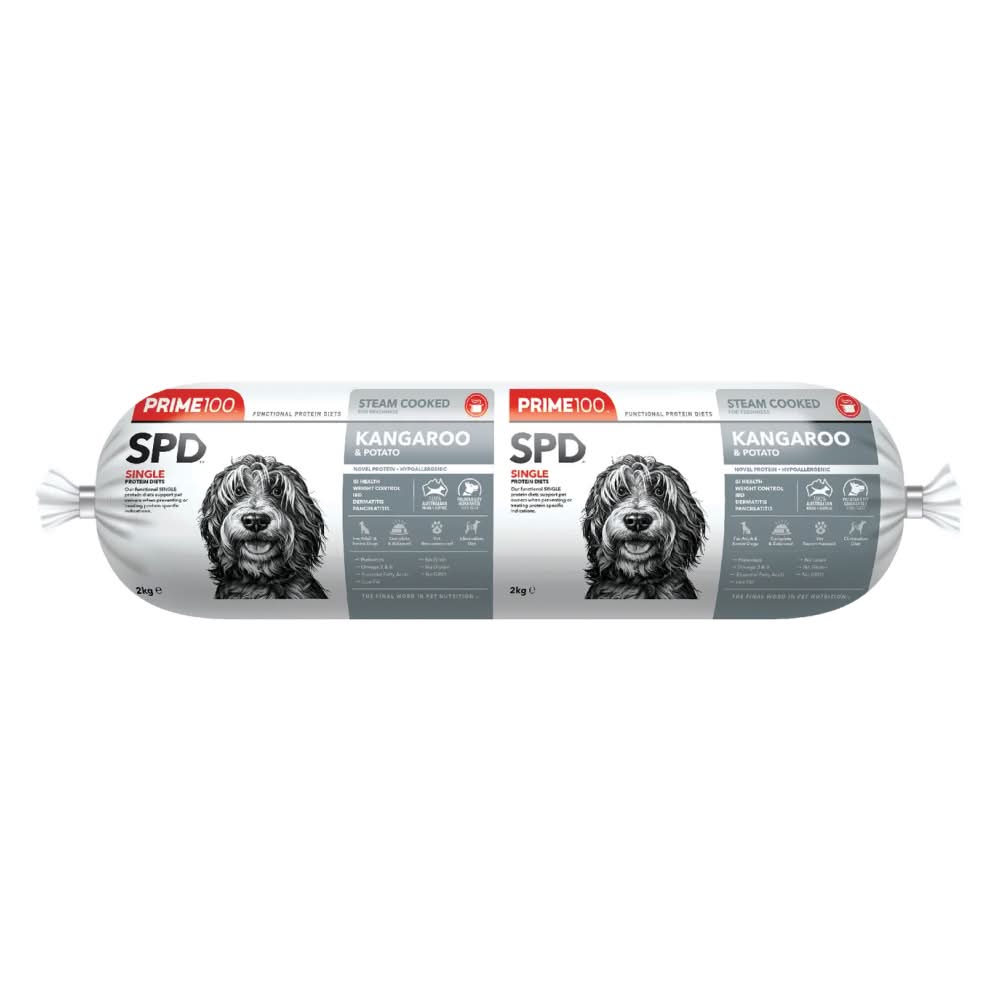
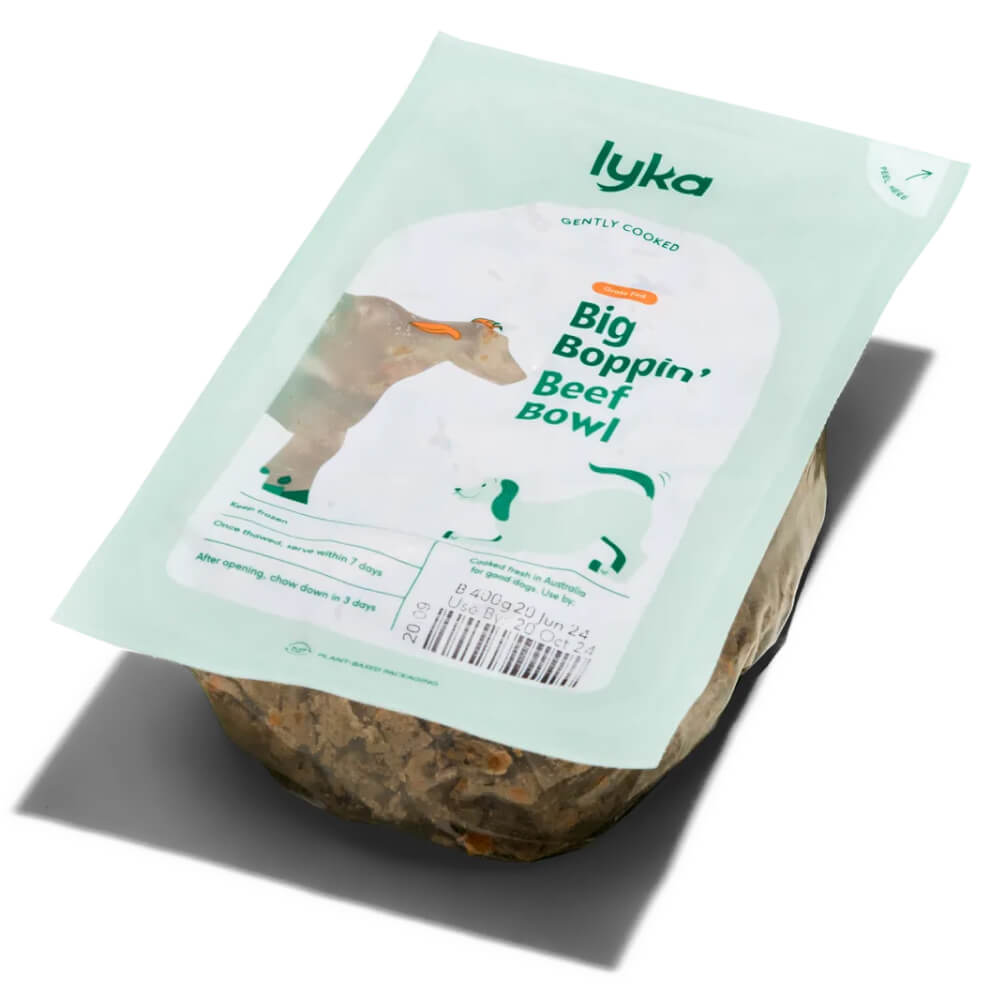
Jack Russells have strong appetites and a real tendency toward weight gain if portions aren't managed. A high-quality dry food formulated for small, active breeds is the foundation — look for formulas that include glucosamine and chondroitin to support joint health, given the breed's predisposition to patellar luxation. Treat intake is a common driver of invisible weight gain; adjust meal portions accordingly and avoid free-feeding entirely. Raw feeding can work well for the breed but requires proper balancing. See our recommended foods for Jack Russell Terriers below.

Training
Jack Russells are highly intelligent, which is both the advantage and the complication. They learn quickly — and apply that learning selectively, weighing up whether compliance is in their interest. Reward-based training works well when the reward is genuinely motivating and the sessions are short, fast-paced, and varied enough to hold their attention. Long repetitive drills lose them quickly. The single most common mistake with this breed is inconsistency: every exception they identify becomes a rule in their favour. Socialisation from early puppyhood — exposure to children, other dogs, and a range of environments — significantly reduces reactivity later. Puppy school is strongly recommended as a foundation, not a guarantee.


Suitability
Jack Russells suit active households with the time, space, and energy to match their output. They're excellent companions for owners who want an engaged, interactive dog — one to train, run with, and involve in daily activity rather than leave quietly in a corner. A house with a securely fenced yard is strongly preferred; this is not a breed to trust near an unfenced boundary or on a long lead near wildlife. Experienced dog owners tend to find Jack Russells deeply rewarding precisely because they demand so much and give back just as much in return.
They are not suited to sedentary households, low-attention environments, or apartment living. An under-exercised, under-stimulated Jack Russell will create its own entertainment, and that entertainment is rarely compatible with intact furniture, intact gardens, or intact neighbourly relations. First-time owners regularly underestimate the commitment — the breed's compact size can read as manageable, but the temperament is anything but low-maintenance. Families with toddlers or very young children should weigh the breed's snap reflex honestly against the reality of daily life with small kids before committing.
Frequently Asked Questions
How much does a Jack Russell Terrier puppy cost in Australia?
Are Jack Russell Terriers good with children?
Why does my Jack Russell bark so much?
How long do Jack Russell Terriers live?
Do Jack Russell Terriers get along with cats?


Comments
0 comments
Login to Join the Conversation 💬