




























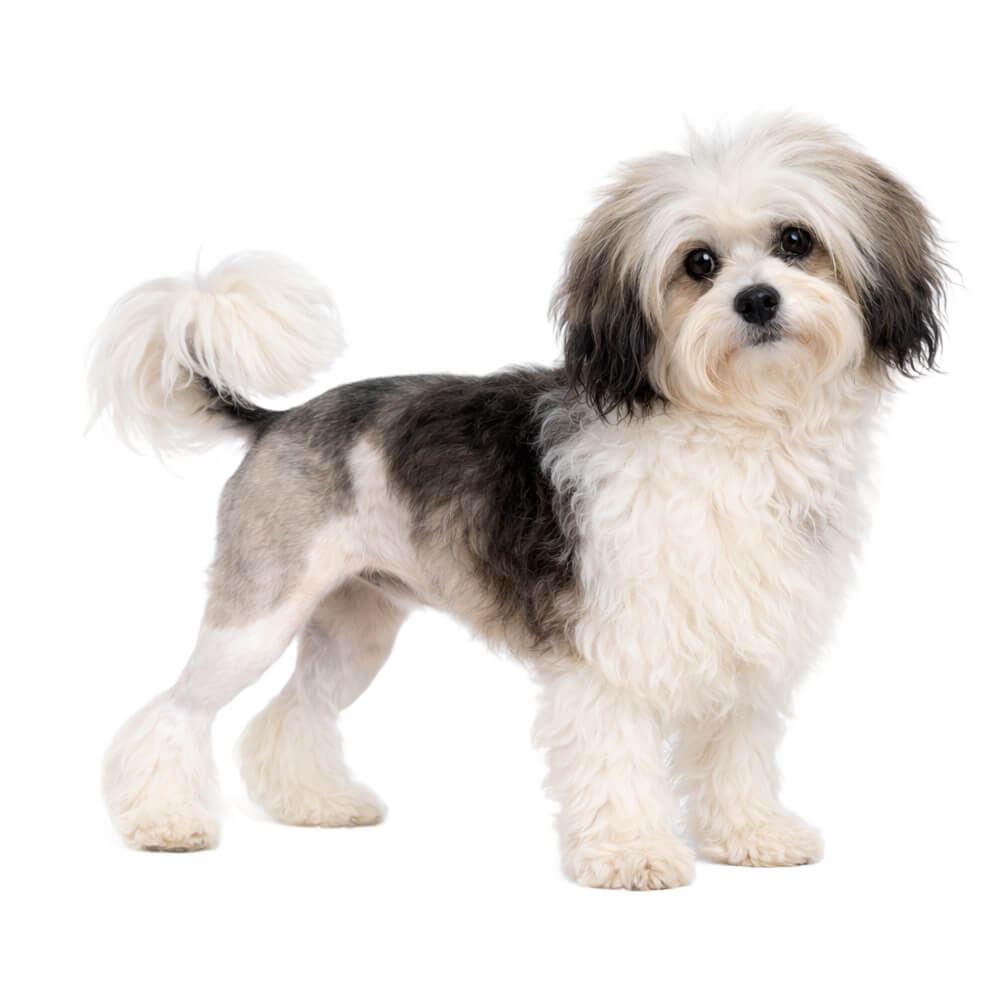

The Lowchen, also known as the Little Lion Dog, is a small, sturdy toy breed with a long, wavy coat traditionally trimmed into a distinctive lion clip — full mane at the front, clipped hindquarters and a plumed tail tip. Classified in the Toys group by the ANKC, the Lowchen is one of the rarest breeds in the world and has held that distinction for decades.
Lowchen are cheerful, confident and surprisingly robust for their size. They combine the affectionate devotion of a toy breed with an energy and boldness that feels more terrier than lapdog. What most people don't expect is how outgoing and socially confident they are — Lowchen approach life with a fearlessness and enthusiasm that's completely at odds with their aristocratic appearance. They were once the most expensive breed in the world due to their rarity, and while prices have moderated, finding one in Australia remains a genuine challenge.
History and Origin
The Lowchen's origins lie somewhere in continental Europe, with both France and Germany claiming the breed. Small lion-clipped dogs appear in European art from the 15th century onward — paintings, tapestries and woodcuts by artists including Goya and Dürer feature dogs unmistakably resembling the modern Lowchen. The breed was a favourite of European nobility, valued as both a companion and a practical bed warmer.
By the mid-20th century, the Lowchen was nearly extinct. In the 1960s, the Guinness Book of Records listed it as the world's rarest dog breed, with fewer than 65 registered individuals worldwide. A Belgian breeder, Madame Bennert, is credited with spearheading the breed's revival, and her dedication preserved the breed from disappearing entirely. The FCI recognised the Lowchen in 1961.
In Australia, the Lowchen has a small but dedicated following. Registered breeders are few, and the breed is primarily seen at dog shows rather than in mainstream pet ownership. Numbers have grown slowly but remain tiny. The lion clip that gives the breed its name isn't just cosmetic tradition — it historically served the practical purpose of keeping the dog's hindquarters warm while providing the front half as a heat source for its owner's lap. That functional companionship is still the breed's core purpose.
Temperament and Personality
Lowchen are happy, outgoing and surprisingly bold. They have the cheerful energy of a much larger dog packed into a compact toy frame. They're not precious or delicate in temperament — they approach life with a confidence and curiosity that makes them easy to live with and genuinely entertaining.
With their owner, Lowchen are affectionate and engaged. They bond strongly with the whole family rather than fixating on one person, and they want to be involved in every activity. They're demonstrative — tail wagging, bouncing, bringing toys — and they actively seek interaction rather than passively waiting for attention. They're emotionally attuned to their household and adjust their energy to the situation.
With children, Lowchen are patient, playful and sturdy enough to handle moderate play without being fragile. They genuinely enjoy children's company and energy, making them one of the better toy breeds for families. They're tolerant without being passive — engaged participants rather than reluctant bystanders. With strangers, they're friendly and curious rather than reserved or suspicious, which sets them apart from many toy breeds.
With other dogs and pets, Lowchen are sociable, confident and non-aggressive. They hold their ground without being confrontational and get along with dogs of all sizes. They lack meaningful prey drive. The breed's defining personality trait is its boldness — Lowchen have no concept of their own size and will engage with the world as though they were three times larger. This confidence is charming but requires management in off-lead situations where they might challenge much bigger dogs.
Common Health Conditions
The Lowchen is a generally healthy breed with few breed-specific conditions — one of the advantages of its small gene pool being managed carefully by dedicated breeders.
Patellar Luxation
The kneecap slips out of its groove, causing intermittent lameness or a skipping gait. The most commonly reported orthopaedic issue in the breed. Mild cases are managed with weight control and joint support. Severe cases require surgical correction. Breeders should have breeding stock assessed for patellar stability.
Progressive Retinal Atrophy (PRA)
An inherited degenerative eye condition leading to progressive vision loss. DNA testing is available and should be conducted on all breeding stock. Signs include difficulty seeing in low light, progressing to daytime vision impairment. Early detection through regular eye examinations is recommended.
Cataracts
Lowchen are predisposed to hereditary cataracts, which may appear at various ages. Annual eye examinations help detect changes early. Surgical removal is effective if vision is significantly affected.
Hip Dysplasia
Uncommon in a toy breed but documented in Lowchen. The hip joint develops abnormally, causing pain and lameness. Screening via hip scoring is available for breeding stock. Management includes weight control and anti-inflammatory medication.
Dental Issues
Small breeds are prone to periodontal disease, and the Lowchen is no exception. Regular dental care — daily brushing, dental chews and periodic professional cleaning — helps prevent tooth loss and infection.
Pet insurance is sensible for any breed, though the Lowchen's generally robust health means significant claims are less common than for many toy breeds. Annual vet check-ups with eye, dental and patellar assessments are recommended.


Exercise
Lowchen need 30 to 45 minutes of daily exercise. Moderate walks, free play and interactive games suit the breed well. They're more athletic and energetic than their appearance suggests and genuinely enjoy running, fetching and exploring. They adapt well to their owner's activity level but shouldn't be treated as purely sedentary lapdogs — they need consistent daily movement to stay physically and mentally healthy. In Australian heat, exercise in the cooler parts of the day. The traditional lion clip leaves the hindquarters exposed, so sun protection may be needed for clipped dogs in direct sunlight.
Grooming
Grooming depends on whether you maintain the traditional lion clip or opt for a pet trim. The lion clip — full coat on the front half, closely clipped hindquarters, plumed tail tip and bracelets on the lower legs — requires professional grooming every four to six weeks and daily brushing of the unclipped areas to prevent matting. Many pet owners choose a simpler all-over puppy clip, which is lower-maintenance while keeping the dog comfortable. Either way, the long, wavy single coat tangles easily and needs brushing every one to two days. Shedding is low — loose hair stays trapped in the coat. Bathing every two to three weeks keeps the coat clean.


Nutrition
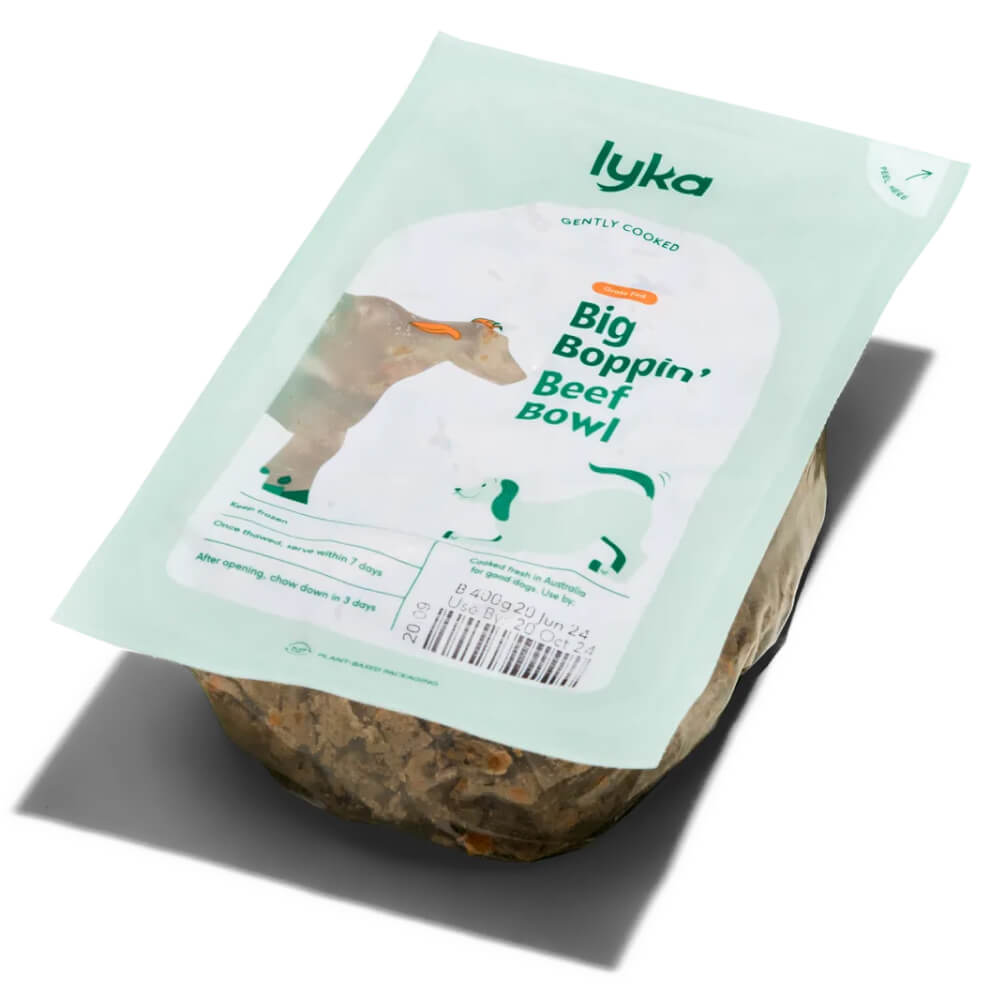
Lowchen do well on a high-quality small-breed formula. They're not particularly prone to obesity, but their small size means portions should be carefully measured. Two meals per day suits most adults. Joint-supportive nutrients (glucosamine, omega-3 fatty acids) are worth including given the patellar luxation predisposition. Dental care is important — dental chews and daily tooth brushing help prevent periodontal disease. The breed has no notable food sensitivities or dietary restrictions beyond what's standard for small breeds. See our recommended foods for Lowchen below.

Training
Lowchen are one of the easiest toy breeds to train. They're intelligent, eager to please and responsive to positive reinforcement. They learn commands quickly and enjoy the training process — their engagement makes them natural candidates for trick training, agility and obedience competitions. House training is straightforward by small-breed standards. Socialisation is easy — Lowchen are naturally outgoing and take to new people, environments and animals without encouragement. The breed's boldness can occasionally need redirecting — teaching appropriate behaviour around larger dogs is important since Lowchen have no sense of their own size.

Suitability
Lowchen suit a wide range of households. They're excellent for families with children, retirees, couples and singles who want a cheerful, confident companion. They thrive in apartments and houses alike, they're friendly with other pets, and their moderate exercise needs are manageable for most lifestyles. Their low-shedding coat and generally robust health are practical advantages. If you want a toy breed with genuine personality — bold, outgoing and fun — rather than a passive lapdog, the Lowchen is one of the best options in the group.
The primary barrier is availability. Lowchen are genuinely rare in Australia — finding a registered breeder takes patience, and waitlists can stretch well beyond twelve months. Puppies are expensive, reflecting the breed's scarcity and small litter sizes. The coat requires daily brushing and regular professional grooming regardless of the clip style chosen, so grooming commitment is non-negotiable. If you can find one and you're willing to maintain the coat, the Lowchen rewards you with one of the most well-rounded temperaments in the toy group.
Frequently Asked Questions
How much does a Lowchen cost in Australia?
Why is the Lowchen called the Little Lion Dog?
Are Lowchen good with children?
Are Lowchen hypoallergenic?
How long do Lowchen live?


Comments
0 comments
Login to Join the Conversation 💬