




.png)
















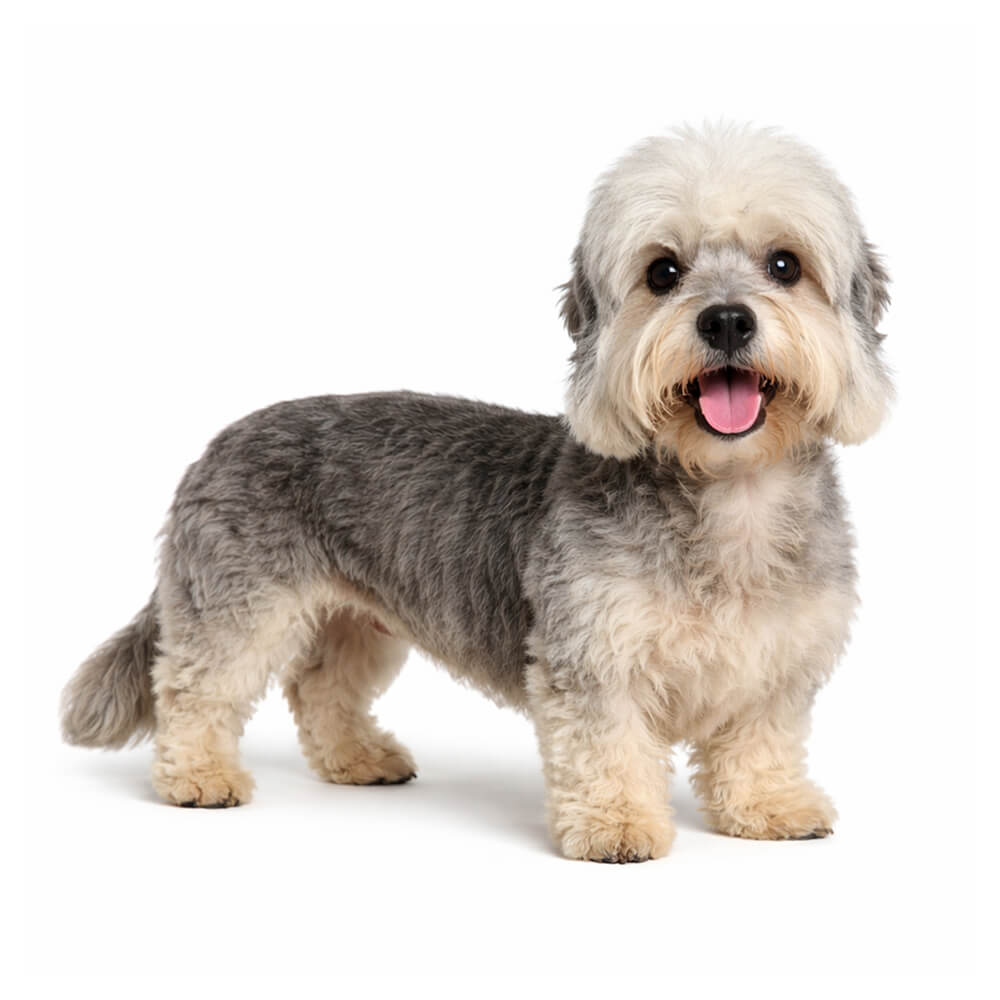

The Dandie Dinmont Terrier is a small, long-bodied Scottish terrier with a distinctive topknot, bred to hunt otter and badger in the Cheviot Hills. It's the only breed in the world named after a fictional character — Dandie Dinmont from Walter Scott's 1815 novel Guy Mannering.
Dandies are one of the most distinctive terriers visually — long, low, and weasel-like in profile, with a generous silky topknot that gives them a thoughtful expression unique in the dog world. They're calmer than most terriers, gentler with families, and quieter on the lead than their reputation might suggest. The breed is rare globally and even rarer in Australia, but a small dedicated community of breeders keeps the line alive.
History and Origin
The Dandie Dinmont Terrier emerged in the borderlands between Scotland and England in the late 1700s, where farmers and travellers bred small, courageous terriers to hunt otter, badger, and vermin in the rugged Cheviot Hills. The breed's elongated body let it follow prey into burrows, while its powerful jaws and tenacity let it handle far larger animals than its size would suggest.
The breed got its name in 1815, when Sir Walter Scott published Guy Mannering. The novel's character Dandie Dinmont — modelled on a real-life border farmer named James Davidson — owned a pack of distinctive terriers Scott called 'Mustards' and 'Peppers,' the colour names still used by the breed today. The book made the dogs famous, the name stuck, and the Dandie Dinmont became the only breed in the world named after a fictional character.
The Kennel Club officially recognised the breed in 1873. Numbers have always been modest — Dandies have never enjoyed a popular boom — and they remain rare in Australia today. Only a handful of breeders work with them, and pups are typically reserved well in advance. The breed sits on multiple kennel club watch lists due to its small global population.
Temperament and Personality
Dandie Dinmonts are calm, dignified, and surprisingly self-contained for a terrier. They have all the courage you'd expect from a working terrier — they were bred to face badgers, after all — but the temperament is more measured than reactive. They observe before acting and tend toward gravity rather than excitability.
With family, they're affectionate and bonded but not demanding. They're patient with respectful children and have the sturdy build to handle gentle play. They're more reserved than effusive — Dandies show love through proximity and steadiness rather than constant attention-seeking.
Around strangers, they're polite but reserved. They take time to warm up, and they bark less than most terrier breeds. The bark itself is surprisingly deep and resonant for such a small dog — Dandies sound much larger than they are.
With other dogs, they're typically tolerant and sociable. Same-sex aggression is less common than in many terriers, though prey drive remains strong toward small animals. They were bred to hunt fierce quarry, and rabbits, guinea pigs, and pet rats are at genuine risk.
The breed's defining quirk is the contrast between appearance and reality. They look like soft, slightly comical lap dogs with their flowing topknots and gentle eyes. Underneath is a working terrier with serious tenacity — a Dandie that locks onto a scent will not be casually deterred.
Common Health Conditions
Dandie Dinmonts are generally healthy, but their long body and small breeding population mean a few breed-specific conditions deserve attention before purchase.
Intervertebral Disc Disease (IVDD)
The Dandie's elongated back and short legs predispose them to spinal disc problems, similar to Dachshunds. Discs can rupture or herniate, causing pain and potentially paralysis. Signs include reluctance to jump, hunched posture, and sudden weakness in the back legs. Prevention through weight management and avoiding repeated jumping is critical.
Glaucoma
Documented in the breed and can develop in middle to older age. Increased pressure inside the eye causes pain and progressive vision loss. Signs include cloudiness, redness, and squinting. Annual eye examinations through a veterinary ophthalmologist help catch early changes.
Cushing's Disease (Hyperadrenocorticism)
Dandie Dinmonts have a documented predisposition to this hormonal condition. Signs include increased thirst, increased appetite, hair loss, and a pot-bellied appearance. Diagnosis is via blood tests, and most affected dogs respond well to medication.
Patellar Luxation
Common in small breeds. The kneecap slips out of position, causing intermittent skipping or stiffness. Mild cases respond to weight management; severe cases need surgery.
Epilepsy
Idiopathic epilepsy occurs occasionally in the breed. Signs include sudden seizures with no obvious trigger. Management through anti-seizure medication is generally effective when needed.
Pet insurance is highly recommended for Dandies, particularly given the cost of IVDD treatment if surgery becomes necessary.


Exercise
Dandie Dinmonts need 30 to 45 minutes of daily exercise. Walks at a moderate pace, garden time, and gentle play suit them best. They enjoy outdoor time but don't demand the relentless activity that working terriers like the Border or Jack Russell require.
Crucially, exercise should be moderate-impact. Avoid repeated jumping from heights, jumping on and off furniture, or steep stair climbing — the breed's long back is vulnerable to disc injury. Provide ramps to couches and beds where possible.
Grooming
The Dandie's distinctive double coat needs regular maintenance. Hand-stripping twice a year preserves the correct crisp texture; most pet owners opt for clipping, which is simpler but softens the coat and increases shedding. The signature topknot needs particular attention to keep it looking groomed.
Brush two to three times a week to prevent matting, especially in the leg furnishings and around the ears. The coat doesn't shed heavily but does need committed maintenance. Check ears weekly and trim nails monthly.


Nutrition
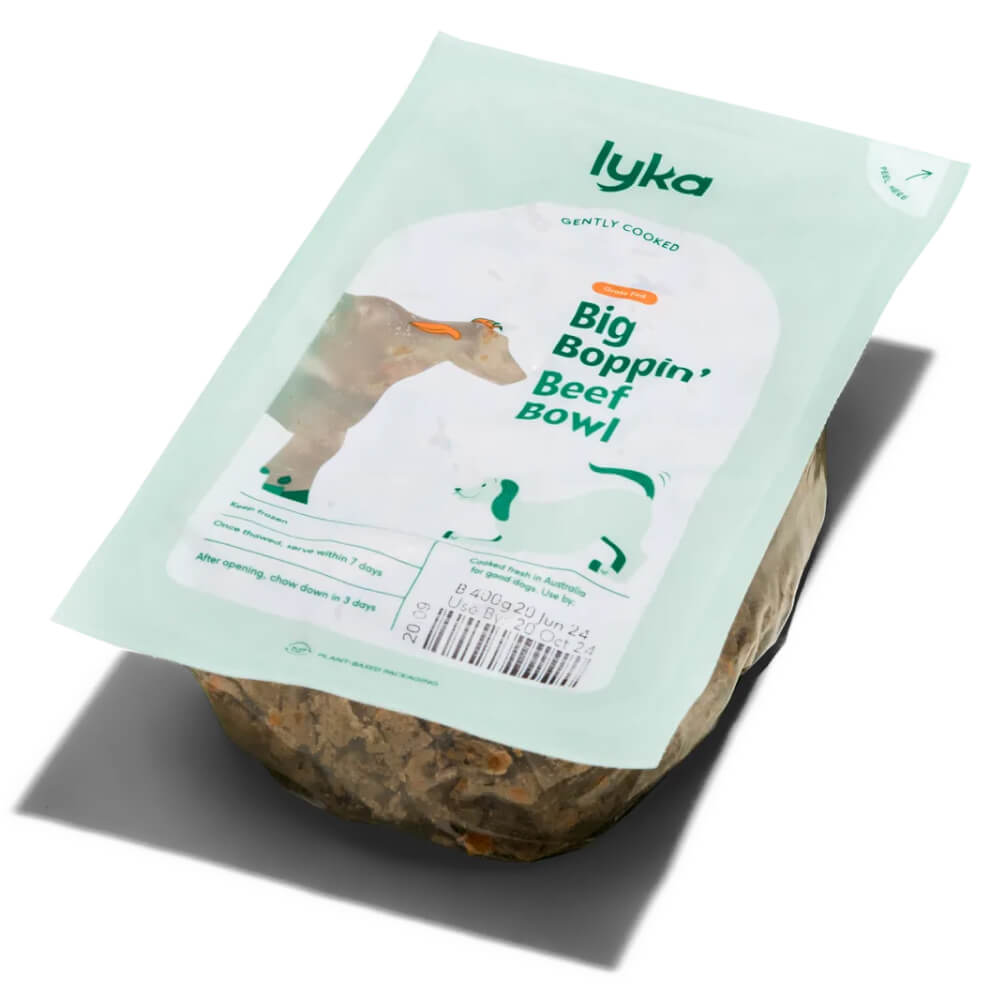
Feed a high-quality small breed formula. Dandies can gain weight easily, and excess weight puts dangerous pressure on their long backs — IVDD risk increases significantly with obesity. Measured portions and consistent meal times matter more for this breed than most.
Joint and back support supplements may be appropriate, particularly for older dogs or those showing early signs of stiffness. Two meals a day works well. See our recommended foods for Dandie Dinmont Terriers below.


Training
Dandie Dinmonts are intelligent and trainable, though they retain a terrier's independent streak. They respond well to positive reinforcement and short, varied sessions. Heavy correction makes them shut down; consistency and patience get the best results.
Lead manners and impulse control are particularly important given their back vulnerability — pulling on lead and lunging can cause spinal stress. Recall is moderate; their prey drive is strong enough to override training when something interesting moves. Train in fenced spaces.


Suitability
Dandie Dinmonts suit owners who want a calmer, more dignified terrier with rare-breed character. They're excellent for retirees, small families with respectful children, apartment dwellers, and anyone who appreciates an unusual breed. Their moderate energy and quiet disposition make them well-suited to Australian urban living, though the long back means certain household setups need adapting.
They're not the right breed for high-energy households where the dog will be subject to constant rough play, or homes with stairs the dog will be expected to navigate independently. Finding one in Australia is genuinely difficult, and the upfront cost reflects the rarity. The grooming commitment is real, and IVDD management requires owner discipline. If you can accept those constraints and locate a reputable breeder, you'll get an unusually composed, characterful terrier.
Frequently Asked Questions
How much does a Dandie Dinmont Terrier cost in Australia?
Why is the Dandie Dinmont named after a fictional character?
Are Dandie Dinmonts good for first-time dog owners?
What colours do Dandie Dinmont Terriers come in?
How long do Dandie Dinmont Terriers live?

Comments
0 comments
Login to Join the Conversation 💬