





























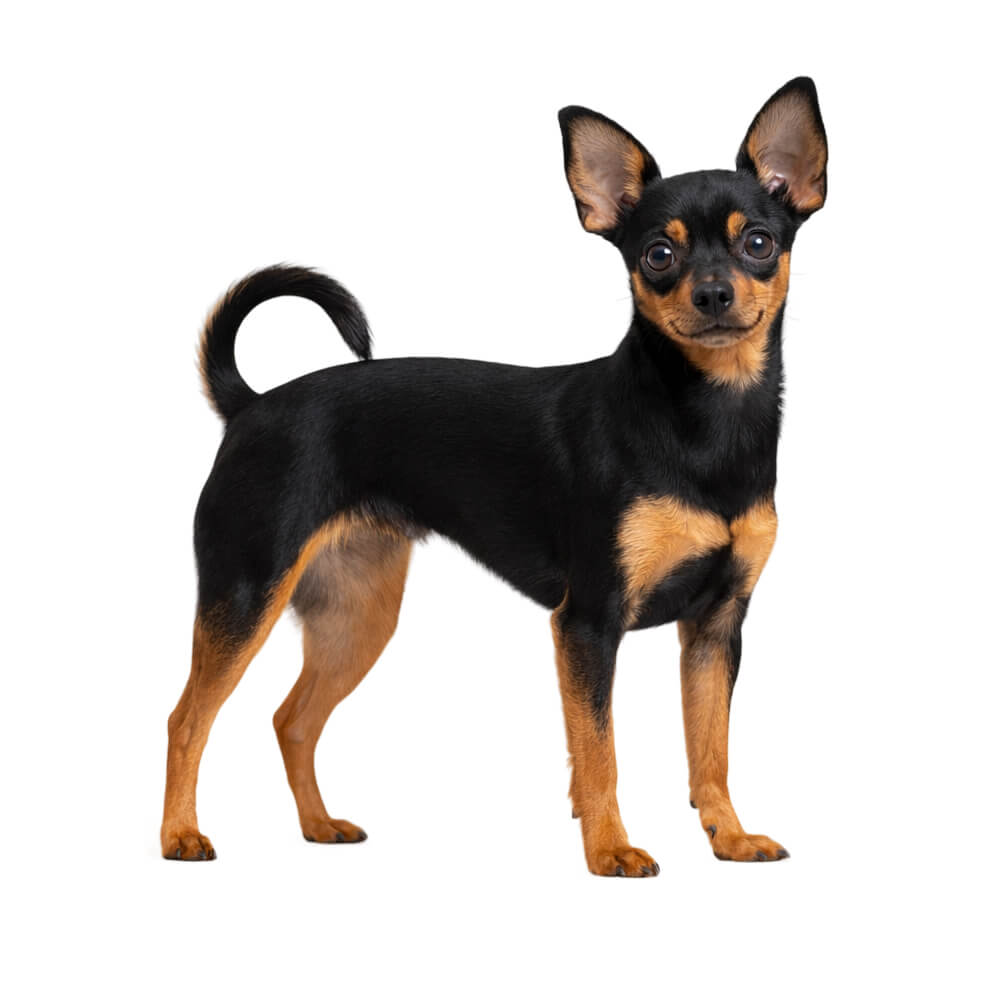

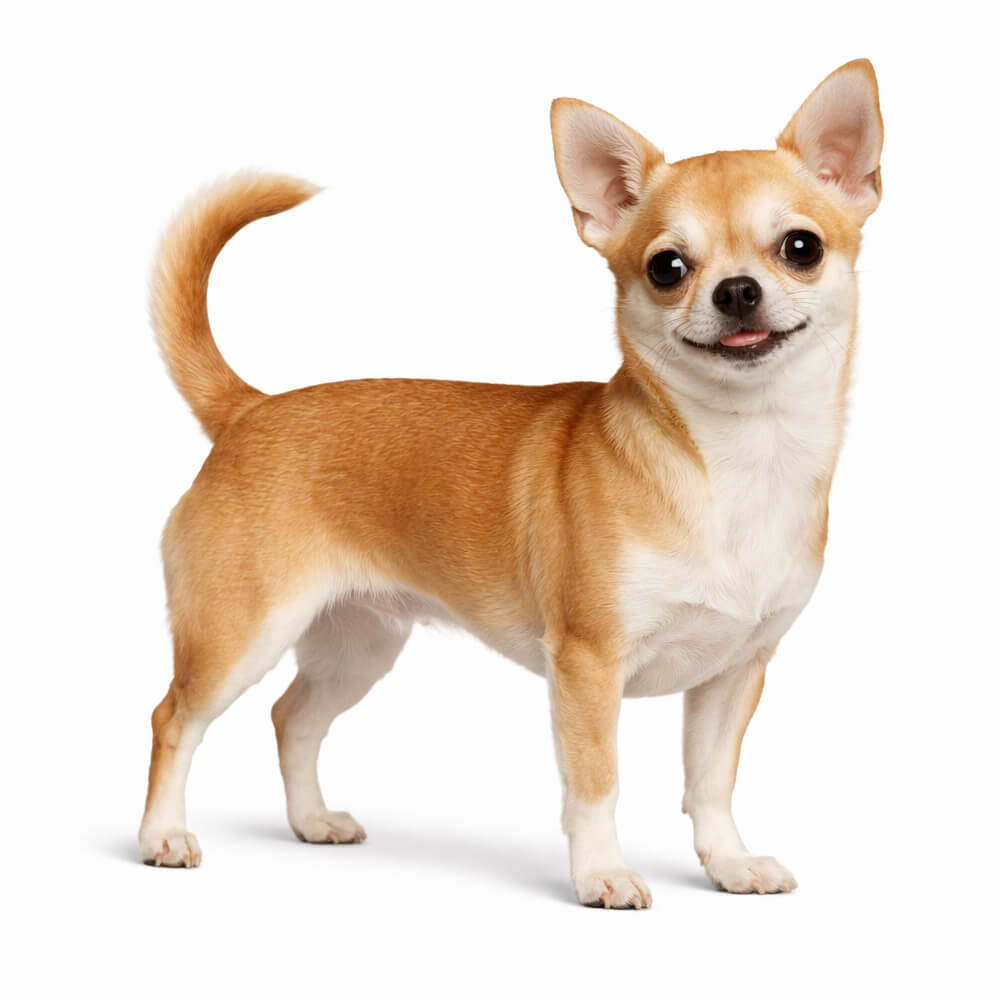
The Russian Toy (Smooth Haired) is one of the smallest breeds in the world — a sleek, fine-boned toy dog from Russia with a short, close-lying coat and a lively terrier-like temperament. Bred as a companion in Soviet-era apartments, they pack a surprising amount of energy and personality into a body that rarely exceeds 3kg.
The smooth-haired variety is the original form of the Russian Toy, predating its long-haired sibling by decades. They look like a more refined, deer-like Miniature Pinscher — all legs, big eyes and alert ears. In Australia, they're exceptionally rare, which means owning one guarantees a conversation every time you leave the house.
History and Origin
The Russian Toy descends from the English Toy Terrier, which was fashionable among Russian aristocracy in the 18th and 19th centuries. The Russian Revolution of 1917 devastated pedigree breeding programs, and the English Toy Terrier population in Russia dwindled to near extinction. From the 1950s, Russian breeders began reconstructing the breed using the remaining dogs, gradually developing a distinctly Russian type that was smaller and more refined than the English original.
The smooth-haired variety is the breed's original form. It existed for decades before a long-haired puppy appeared in a 1958 Moscow litter and was selectively bred into a separate variety. Both coat types are the same breed and can appear in the same litter — the long-haired gene is simply an addition to the original smooth coat.
The breed was virtually unknown outside Russia until the 2000s. FCI provisional recognition came in 2006, with full recognition in 2017. In Australia, the Russian Toy remains one of the rarest breeds available. Breeders are few, and most are concentrated in one or two states. That rarity means limited vet familiarity with the breed, so finding a vet experienced with very small toy breeds is worth prioritising.
Temperament and Personality
Russian Toys are lively, alert and surprisingly confident for their size. They don't behave like fragile ornaments — they approach life with genuine terrier energy, investigating everything and inserting themselves into household activity with enthusiasm. They're switched on and engaged in a way that sets them apart from sleepier toy breeds.
With family, they're affectionate and loyal. They bond tightly and enjoy physical closeness — laps, blankets and warm spots are their territory. They're attentive to their owner's mood and adjust accordingly, which makes them intuitive companions. Separation anxiety can develop if they're not taught to cope with alone time from puppyhood.
With strangers, they're watchful and vocal. They'll announce visitors with sharp, high-pitched barking and take a moment to assess before relaxing. They're not aggressive, but they don't roll over for strangers either. With other dogs, they're generally friendly and enjoy play with dogs of a similar size. Larger dogs are a safety concern given the size difference.
With children, the same rules apply as for all very small toy breeds — supervision is essential. A Russian Toy can be injured by a child's clumsy handling, and they'll snap if they feel threatened. Families with older, gentle children are fine. Households with toddlers are not. The smooth-haired variety has a clean, athletic look that some owners prefer to the more ornamental long-haired type. They're the same dog underneath — just in a lower-maintenance coat.
Common Health Conditions
The Russian Toy (Smooth Haired) shares the same health profile as the long-haired variety. They're generally healthy for a toy breed, with their main vulnerabilities stemming from extremely small body size rather than breed-specific genetic conditions.
Luxating Patella
The kneecap slips out of position, causing intermittent lameness or a hopping gait. Very common in toy breeds. Mild cases are managed with weight control and joint support. Severe cases require surgical correction. Always ask breeders for patella grading on breeding stock.
Bone Fractures
The biggest health risk for Russian Toys is accidental injury. At under 3kg with extremely fine bone structure, they fracture from impacts that wouldn't affect a sturdier breed. Jumping off furniture, being stepped on or rough play with larger dogs can cause serious breaks. Ramps, careful handling and supervised interactions are essential preventive measures.
Dental Disease
Very small mouths with crowded, sometimes misaligned teeth are prone to rapid plaque buildup, gum disease and tooth loss. Daily brushing from puppyhood is non-negotiable. Professional dental cleans under anaesthetic will be needed periodically throughout their life.
Hypoglycaemia
Low blood sugar is a particular risk in very small puppies and adults under 1.5kg. Signs include trembling, lethargy, disorientation and in severe cases, seizures. Regular small meals throughout the day and monitoring during high-activity periods prevent most episodes.
Legg-Calvé-Perthes Disease
The femoral head deteriorates due to reduced blood supply, causing hip pain and lameness. It typically presents in puppyhood. Surgical correction is the standard treatment, and most dogs recover well with appropriate rehabilitation.
Pet insurance is a wise investment given the fracture risk and dental needs. Regular vet check-ups every six to twelve months keep you ahead of developing issues.


Exercise
Thirty minutes of daily exercise suits a Russian Toy — a short walk and some indoor play. They're more energetic than their size suggests and enjoy active play sessions, but their tiny legs tire faster than you'd expect. Indoor enrichment works well on days when outdoor exercise isn't practical. In Australian heat, exercise in the early morning or evening only. Their small body mass makes them vulnerable to temperature extremes — they overheat in summer and feel the cold in winter. A lightweight coat in cooler months is sensible.
Grooming
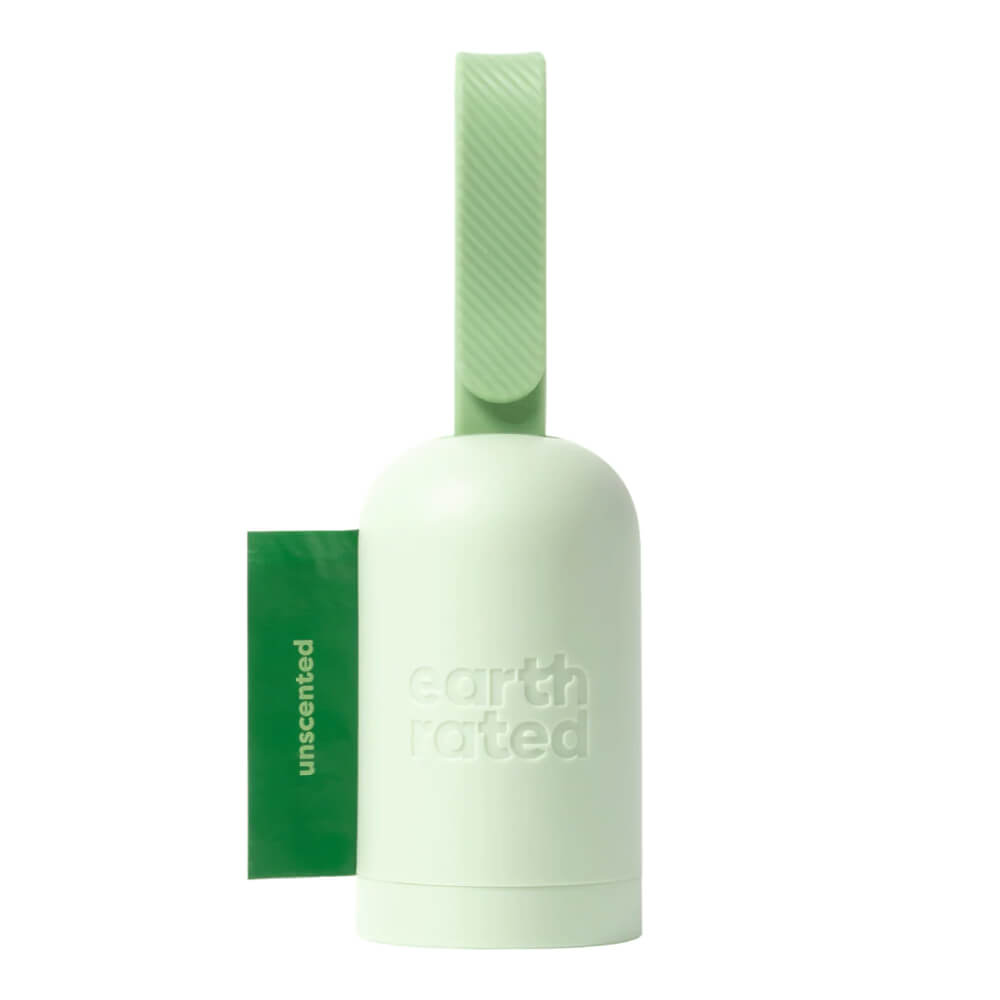
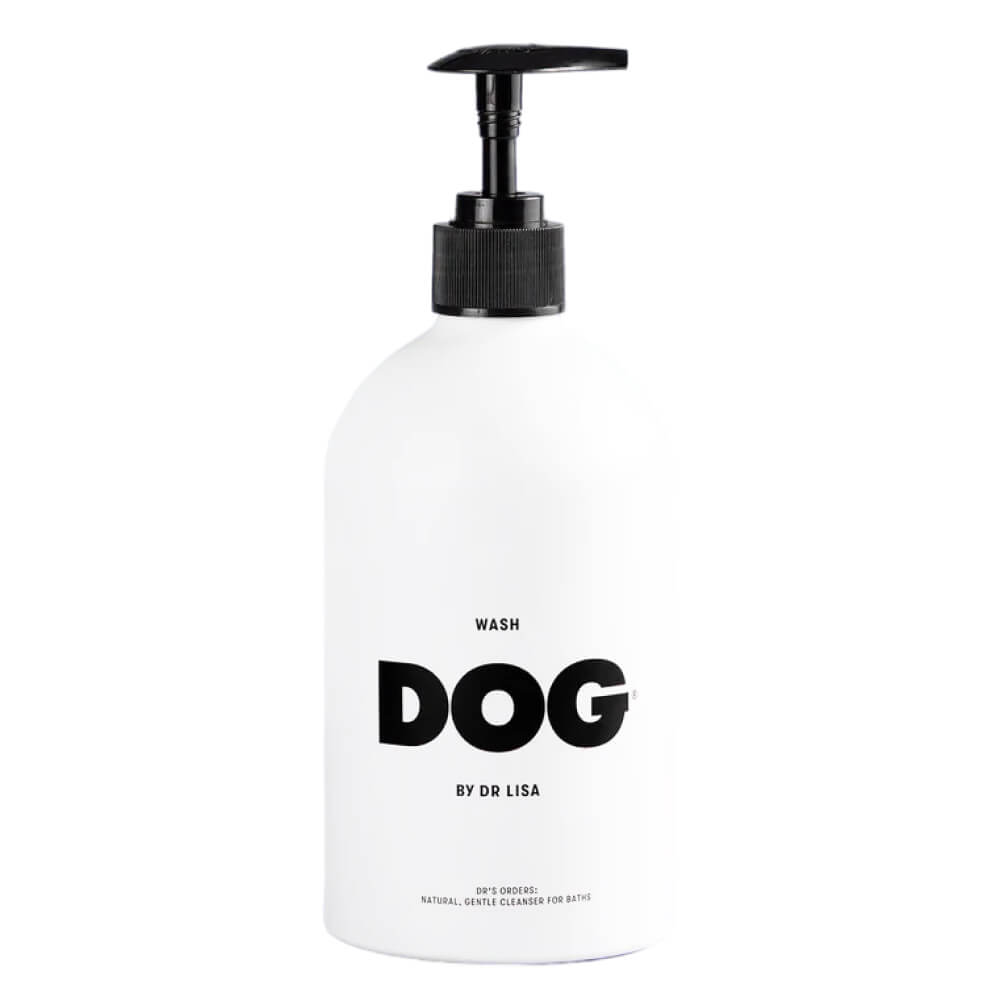
The smooth coat is about as low-maintenance as it gets. A weekly brush with a soft cloth or grooming mitt removes loose hair and keeps the coat sleek. Shedding is minimal year-round. Bathing every three to four weeks is sufficient. The real grooming commitment is dental — daily tooth brushing is essential and the single most important hygiene habit for this breed. Nails grow quickly and need fortnightly trimming. Check ears weekly for debris. The smooth variety lacks the ear fringes of the long-haired type, which means one less thing to maintain.


Nutrition
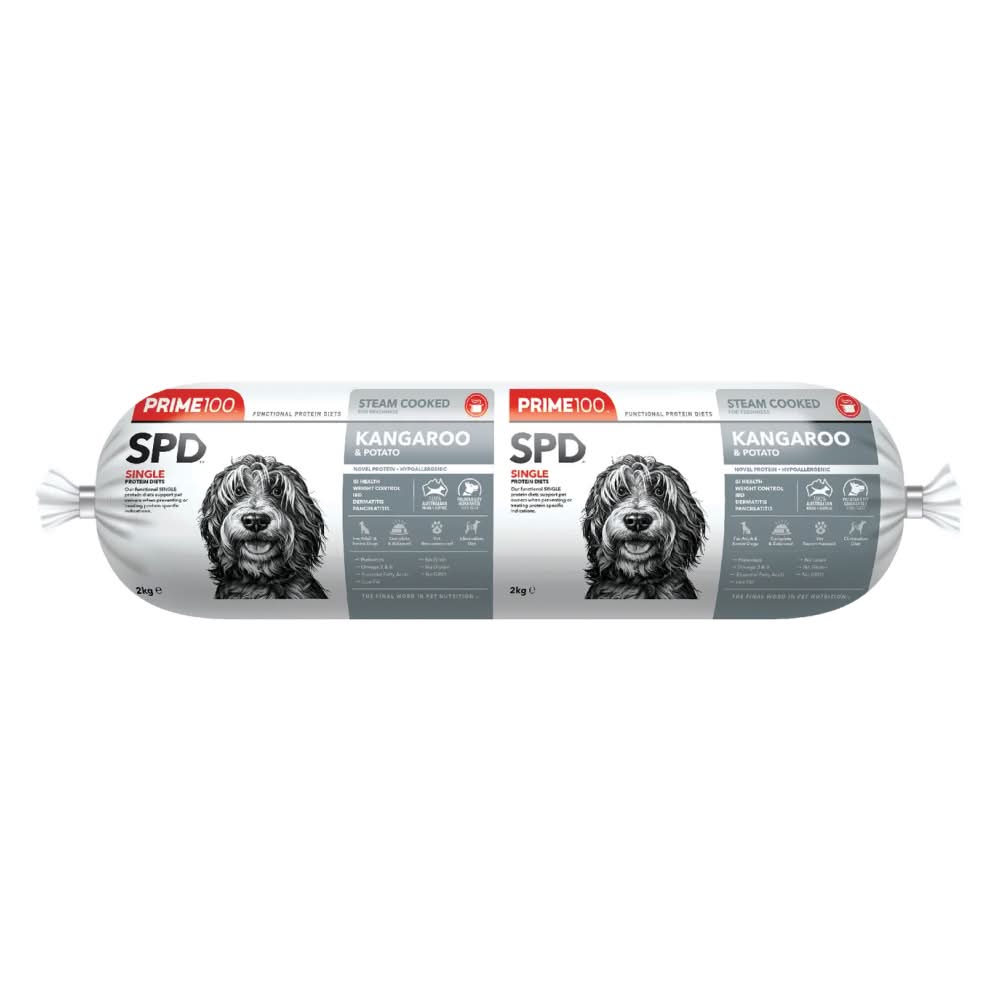
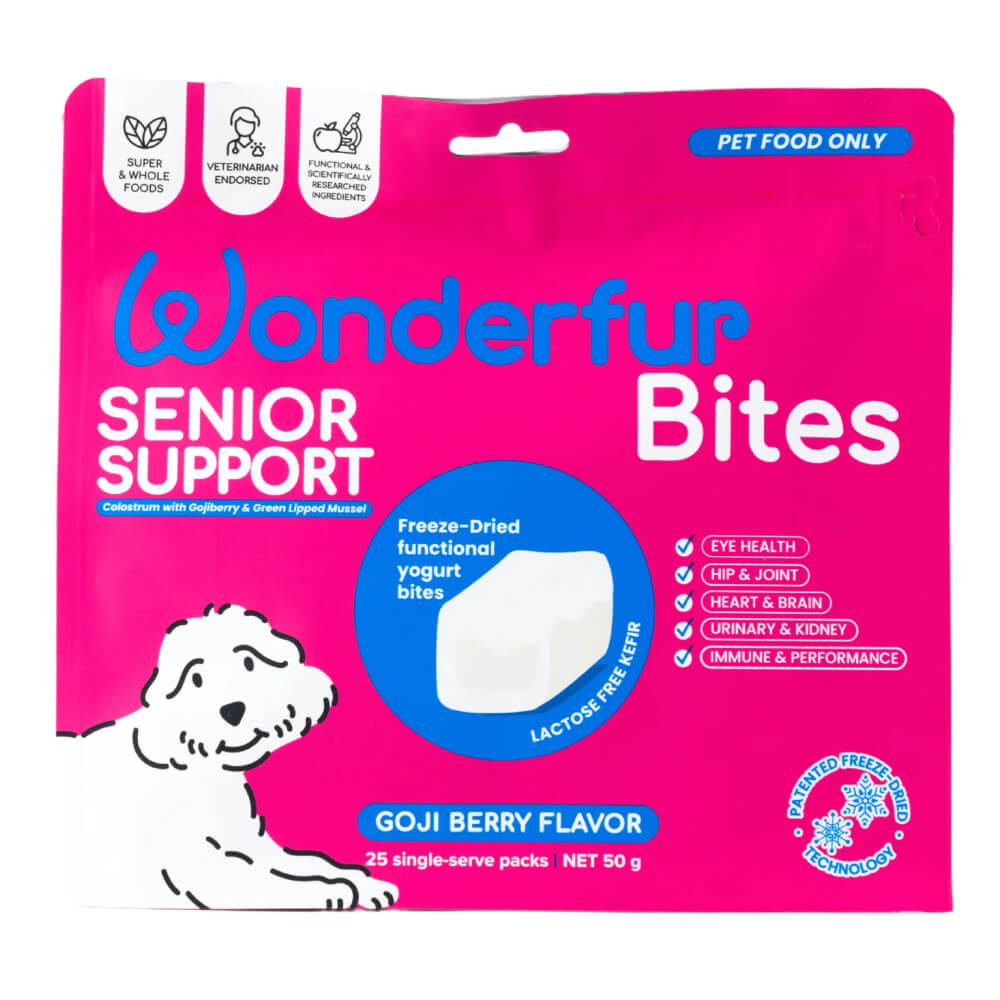
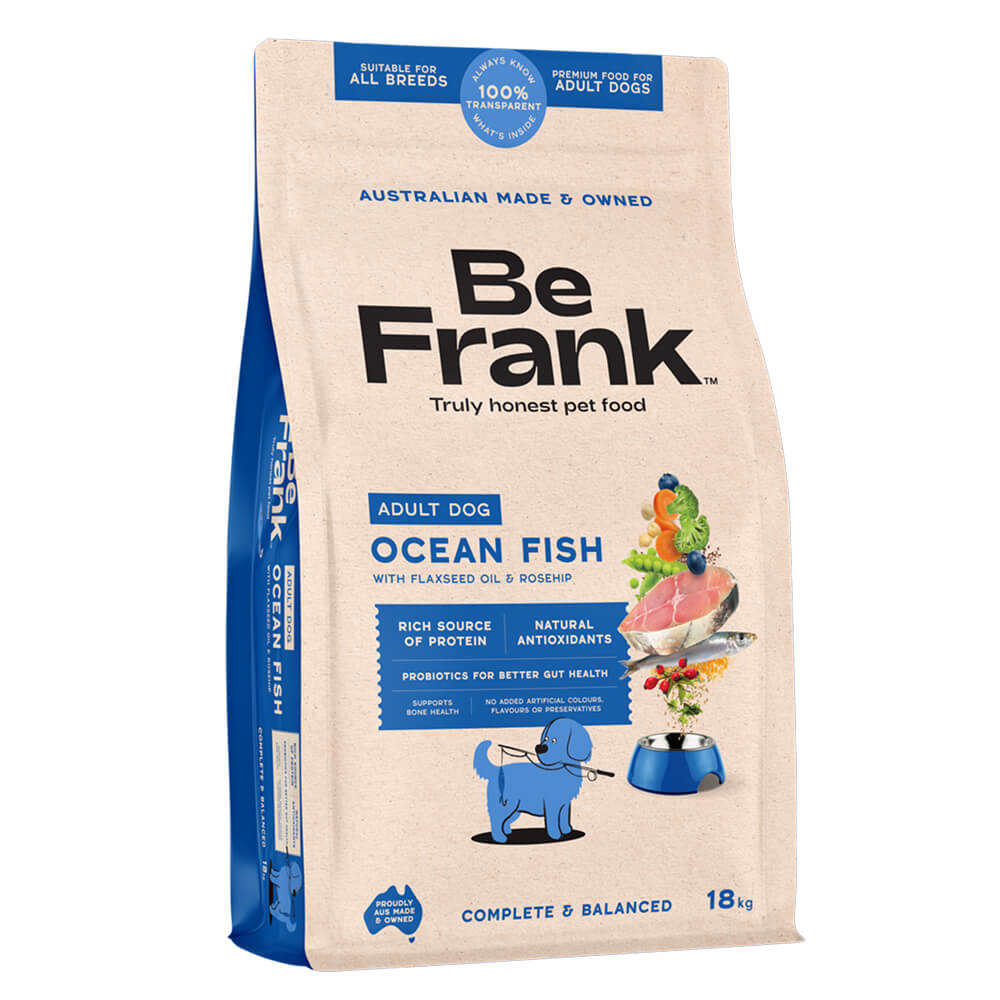
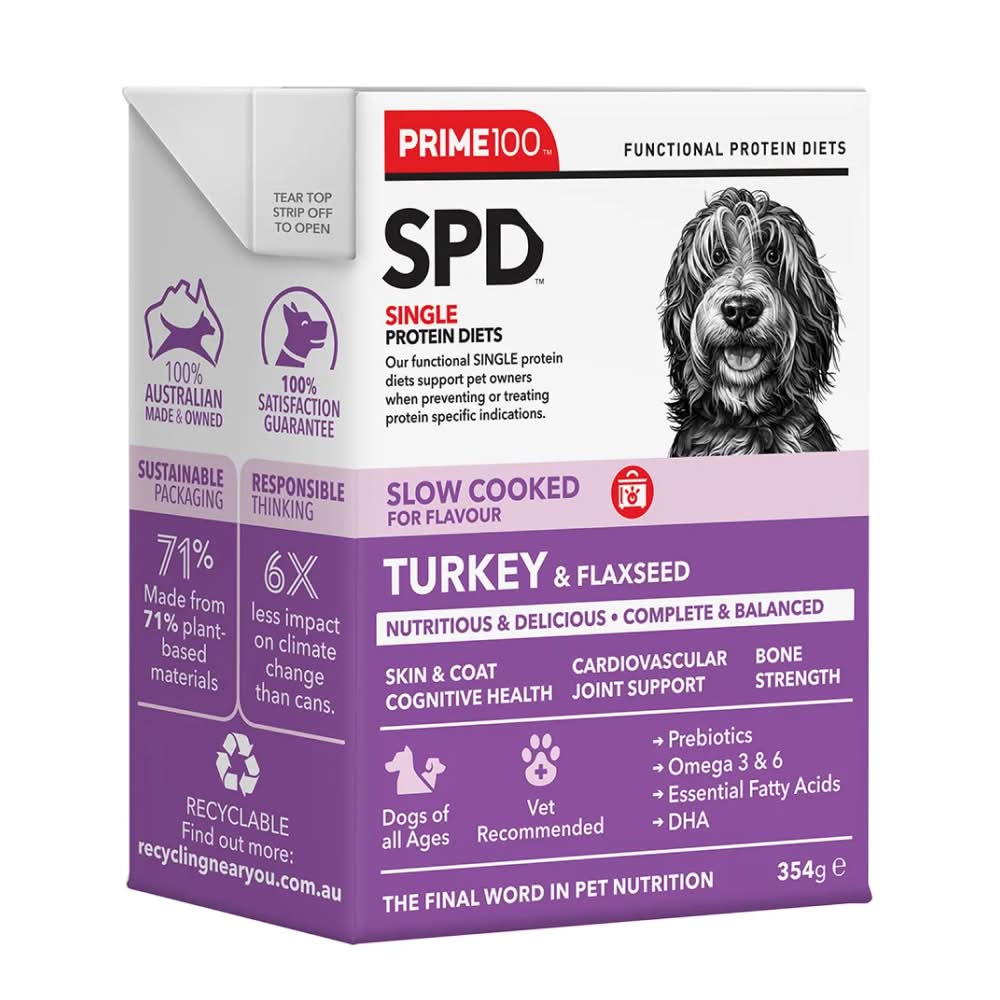
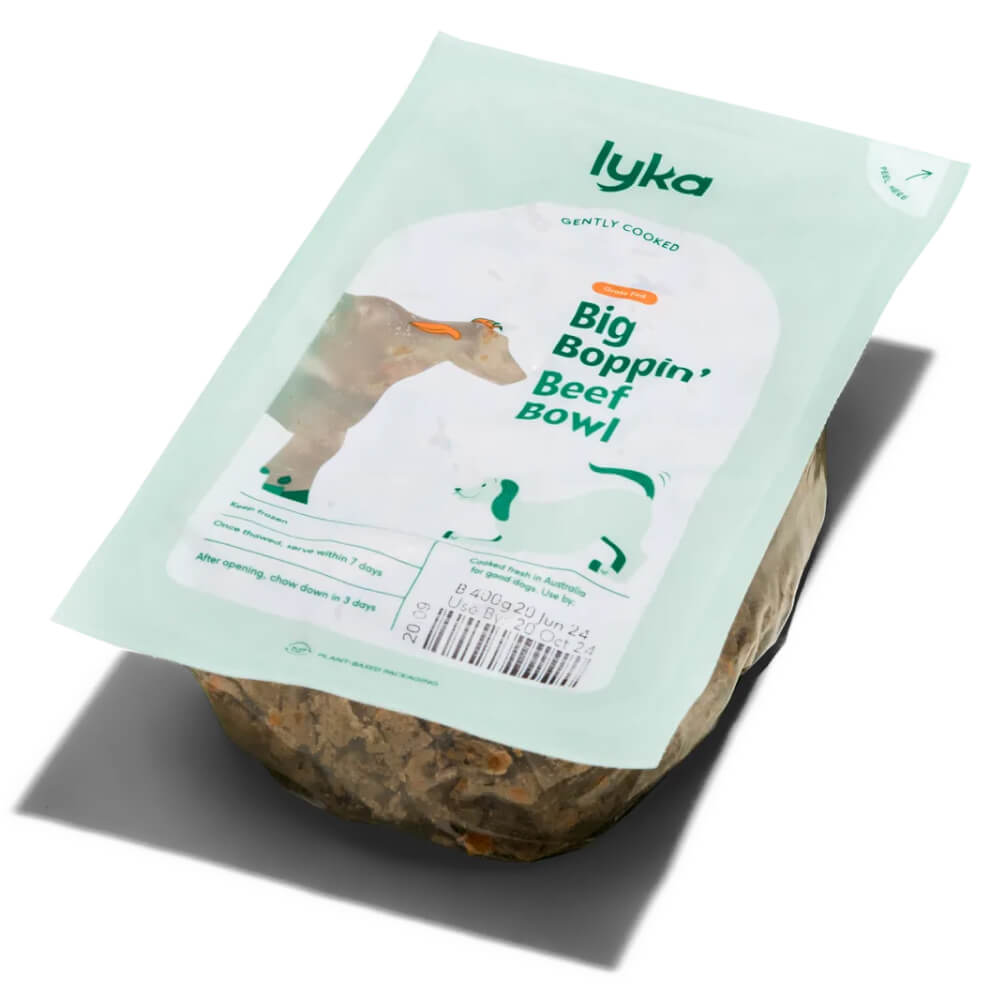
Russian Toys need a high-quality toy-breed formula with very small kibble suited to their tiny mouths. Their fast metabolism and small stomachs make two to three small meals a day essential — a single daily feed won't do. Hypoglycaemia risk means regular, predictable meal timing matters more in this breed than most. Measure portions carefully; overfeeding even slightly is proportionally significant on a 2kg body. Dental-specific kibble helps slow plaque buildup alongside daily brushing. See our recommended foods for Russian Toy below.

Training
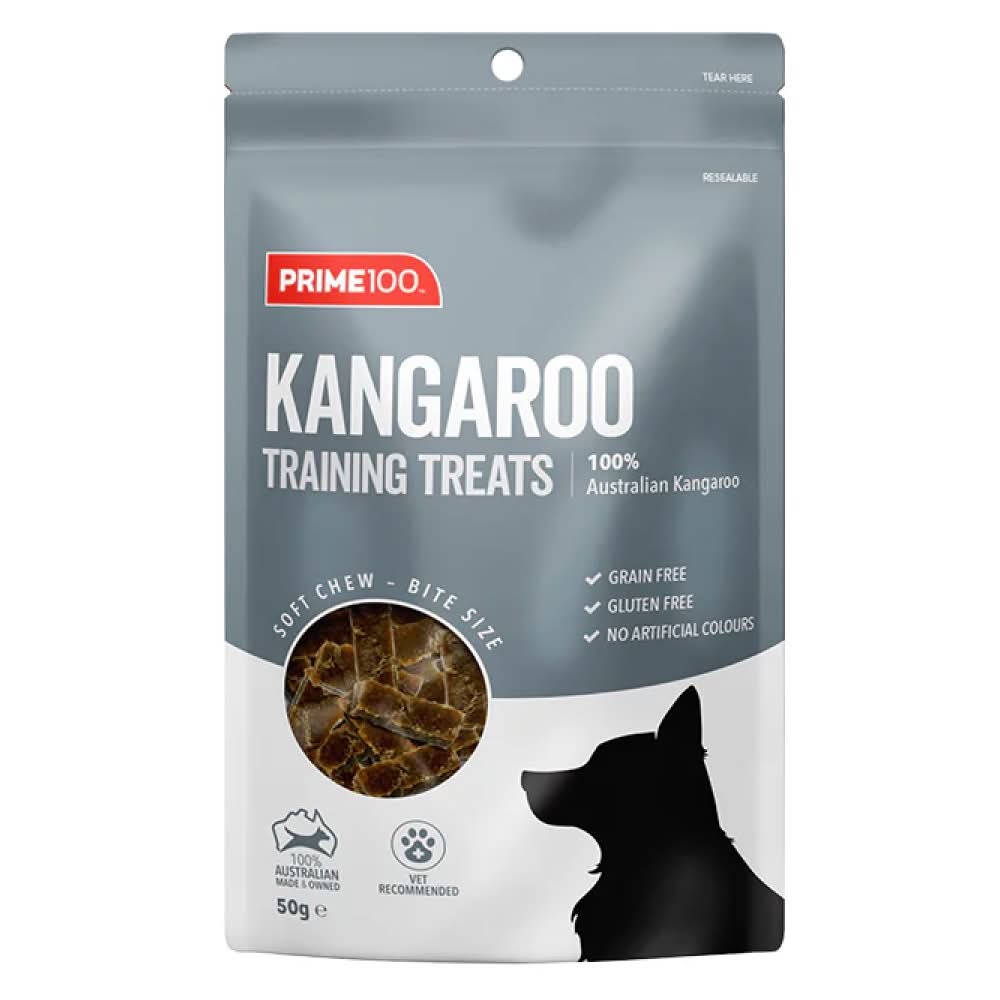
Russian Toys are intelligent and quick to learn, but their terrier heritage gives them an independent streak. They respond best to positive reinforcement with food rewards and short, engaging sessions. Repetitive drills bore them. They shut down or become anxious with harsh correction, so patience and consistency win over force every time. House training is the main challenge — small bladders mean frequent trips outside and puppy pads are a practical supplement. Early socialisation is critical. An undersocialised Russian Toy becomes reactive and difficult to manage in public. Varied, positive exposure to people, dogs and environments from puppyhood builds a confident adult.

Suitability
A Russian Toy suits apartment dwellers, singles, couples and older owners who want a lively, low-maintenance companion. The smooth-haired variety is the easier option in terms of grooming — minimal coat care, no ear fringes to maintain. They're ideal for owners who are home frequently and enjoy a close bond with an active, engaged little dog.
This is not a breed for families with young children or boisterous households. The fracture risk at this size is genuine and non-negotiable. If you're away from home for long stretches, separation anxiety will develop. Finding a breeder in Australia is a project in itself — expect waitlists, interstate travel or potentially importing. And the dental commitment is lifelong. If daily tooth brushing isn't something you're prepared to do every single day, this breed's dental bills will be significant.
Frequently Asked Questions
How much does a Russian Toy (Smooth Haired) cost in Australia?
Is the smooth-haired Russian Toy better than the long-haired?
How do Russian Toys handle Australian heat?
Are Russian Toys good for first-time dog owners?
How long do Russian Toys live?

Comments
0 comments
Login to Join the Conversation 💬