





























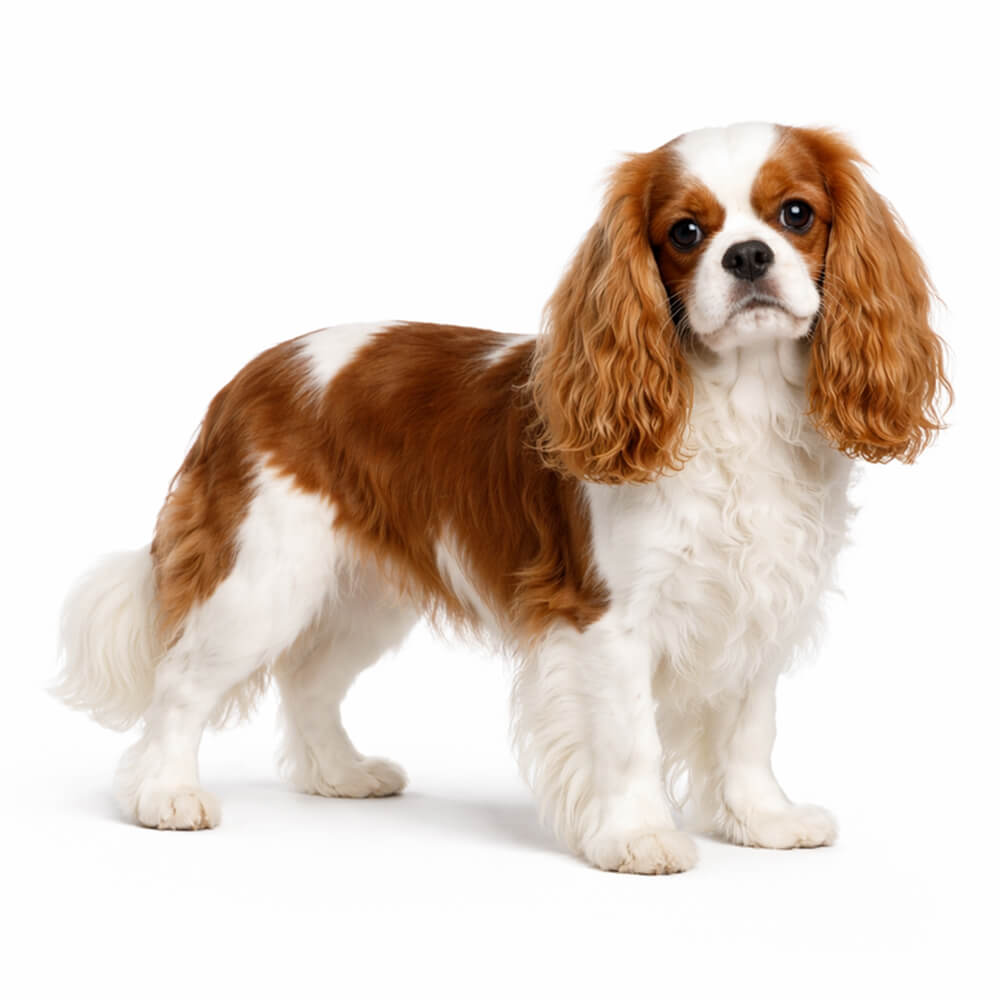

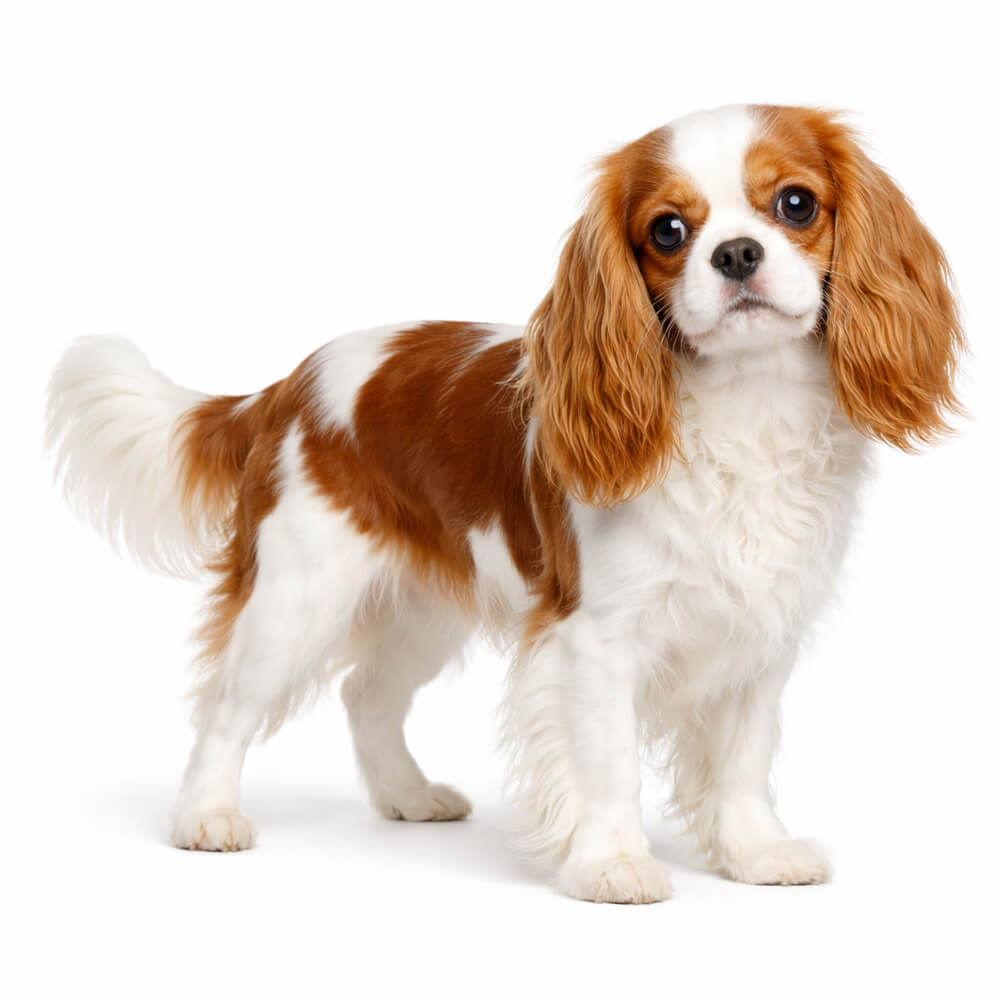
The King Charles Spaniel (known as the English Toy Spaniel in the United States) is a small, flat-faced toy breed with a domed skull, large dark eyes and a profuse silky coat. Classified in the Toys group by the ANKC, it is the original royal spaniel — the breed that was the actual companion of King Charles II, before the Cavalier was bred to revive the older, longer-muzzled type.
King Charles Spaniels are gentle, quiet and deeply devoted to their owner. They're calmer and more reserved than their Cavalier cousins, with a softness of temperament that makes them one of the most peaceful toy breeds to live with. What most people don't realise is that this breed is significantly rarer than the Cavalier and functionally a different dog — flatter face, smaller size, quieter personality and a more compact build. If the Cavalier is the extrovert, the King Charles Spaniel is the introvert.
History and Origin
The King Charles Spaniel has a history intertwined with British royalty stretching back to the Tudor period. Small spaniels appear in paintings from the 15th century onward, kept as warming companions and lapdogs by the aristocracy. King Charles II of England gave the breed its name through his well-documented obsession — he was rarely seen without his small spaniels and allegedly prioritised them over affairs of state.
The original royal spaniels had longer muzzles, but over the centuries breeders selected for a flatter face and more domed skull, influenced by the fashion for brachycephalic features and likely crossed with Asian toy breeds such as the Japanese Chin and Pekingese. By the early 20th century, the flat-faced type was the breed standard. When Roswell Eldridge offered prizes at Crufts in the 1920s for breeders who could produce the old longer-muzzled type, that revival created the Cavalier King Charles Spaniel as a separate breed — leaving the original flat-faced dog as the King Charles Spaniel.
In Australia, the King Charles Spaniel is rare. The Cavalier dominates both search traffic and breeder availability, and many Australians don't realise the two are distinct breeds. Registered breeders of King Charles Spaniels in Australia are extremely limited, and finding a puppy requires dedicated searching. That quiet, reserved temperament — shaped by centuries as a lapdog of the highest order — is the breed's most distinctive quality.
Temperament and Personality
King Charles Spaniels are gentle, affectionate and remarkably quiet. They lack the Cavalier's social exuberance — where a Cavalier greets everyone with tail-wagging enthusiasm, the King Charles Spaniel observes from the safety of its owner's lap and decides whether engagement is warranted. This reserve isn't shyness so much as selectivity.
With their owner, King Charles Spaniels are deeply devoted and physically affectionate. They love to be held, cuddled and close to their person. They bond tightly — often to one person above others — and are content to spend entire days beside their favourite human without needing stimulation beyond companionship. They're emotionally sensitive and responsive to mood, offering quiet comfort without demanding attention.
With children, King Charles Spaniels are generally patient and gentle. Their calm temperament makes them tolerant of moderate interaction, though their small size and brachycephalic sensitivity mean supervision with younger children is sensible. They won't seek out rough play but handle gentle handling well. With strangers, they're reserved but not hostile — warming up slowly on their own terms.
With other dogs and pets, King Charles Spaniels are friendly, non-confrontational and easy-going. They lack aggression, territorial instinct and meaningful prey drive. They coexist peacefully with other dogs and cats. The breed's defining behavioural trait is its quietness. King Charles Spaniels are among the least vocal toy breeds — they rarely bark, seldom vocalise and move through the home with a soft, unhurried presence that owners find deeply calming.
Common Health Conditions
The King Charles Spaniel shares many health predispositions with the Cavalier but also carries additional concerns related to its more brachycephalic structure.
Mitral Valve Disease (MVD)
The breed's most significant health concern, shared with the Cavalier. The mitral valve deteriorates over time, causing blood to leak backward through the heart. King Charles Spaniels can develop murmurs from middle age, progressing to coughing, exercise intolerance and heart failure. Regular cardiac auscultation from age three is recommended. Medication manages progression but cannot reverse damage. Insist on cardiac screening from both parents.
Brachycephalic Obstructive Airway Syndrome (BOAS)
The King Charles Spaniel's flat face is more pronounced than the Cavalier's, creating a higher risk of airway obstruction. Symptoms include noisy breathing, snoring, exercise intolerance and overheating. Severity varies between individuals. In Australian heat, this requires careful exercise management — cool mornings and evenings only. Severe cases may benefit from soft palate surgery.
Syringomyelia and Chiari-like Malformation
The domed skull can be too small for the brain, causing fluid-filled cavities in the spinal cord. Signs include phantom scratching near the neck and shoulders, head sensitivity and progressive pain. MRI is required for diagnosis. The condition is documented in both King Charles and Cavalier lines. Breeders who MRI screen breeding stock are strongly preferred.
Patellar Luxation
The kneecap slips out of position, causing intermittent lameness. Common in toy breeds. Weight management is the first line of prevention. Severe cases require surgery.
Eye Conditions
The prominent eyes are vulnerable to corneal ulceration, dry eye and cherry eye (prolapse of the third eyelid gland). Regular eye checks are recommended. The flat facial structure means tears don't drain efficiently, so tear staining requires daily cleaning.
Dental Issues
The shortened jaw creates overcrowded teeth, increasing the risk of periodontal disease. Daily tooth brushing and regular professional dental cleaning are essential.
Pet insurance is strongly recommended. Cardiac monitoring, potential MRI and BOAS management costs can be substantial. Twice-yearly vet check-ups are advisable given the breed's health profile.


Exercise
King Charles Spaniels need 20 to 30 minutes of daily exercise — among the lowest requirements of any breed. Short, gentle walks and quiet indoor play suit them perfectly. They're not built for endurance or intensity and will simply stop and sit down when they've had enough. In Australian heat, exercise only in the cool of early morning or late evening. Their brachycephalic anatomy makes them vulnerable to overheating, and respiratory distress can develop quickly during exertion in warm conditions. Air-conditioned environments suit this breed well.
Grooming
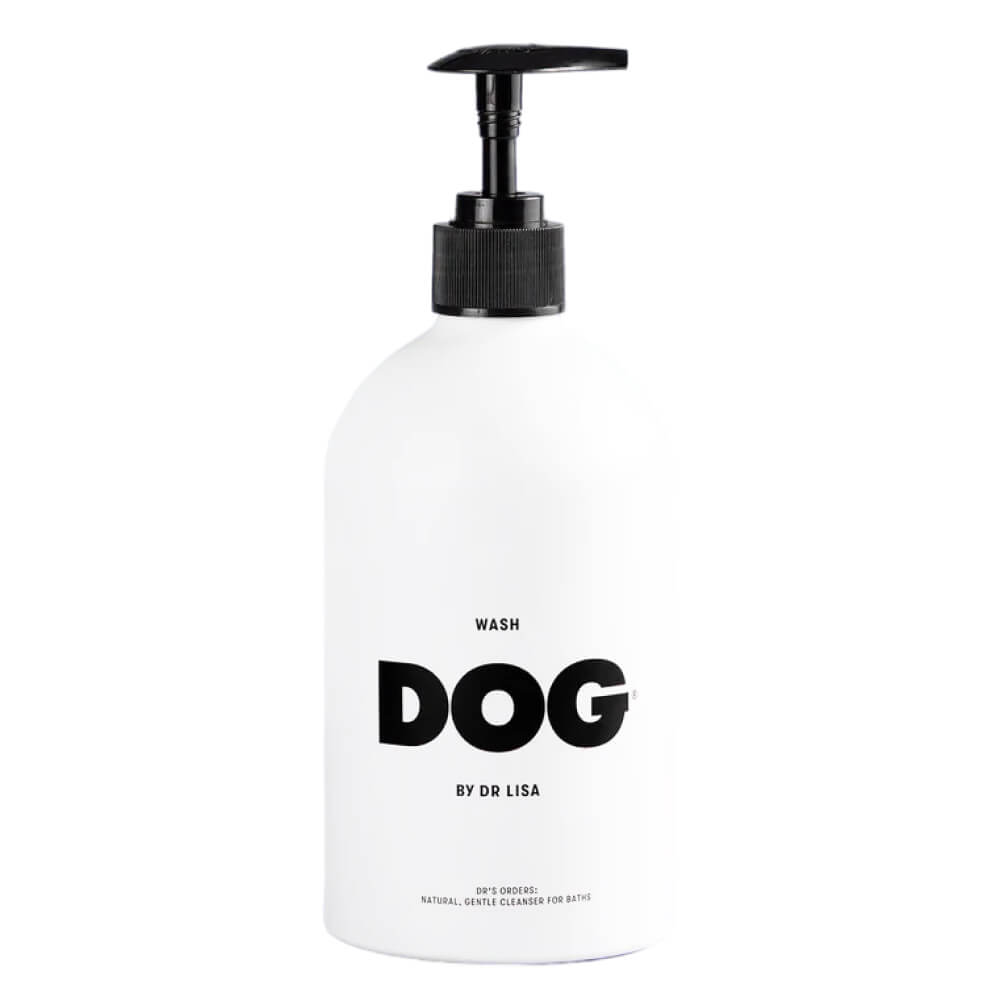
The long, silky coat needs moderate maintenance. Brush two to three times per week to prevent tangles, focusing on the feathering behind the ears, on the chest, legs and tail. Shedding is low to moderate year-round. Professional grooming every eight to ten weeks keeps the coat tidy. Daily facial care is important — clean around the eyes to manage tear staining, and wipe facial folds to prevent skin irritation. Ear care is also critical — the long, pendulous ears create a warm environment for infections. Check and clean ears weekly. Dental care should be daily given the breed's overcrowded teeth.


Nutrition
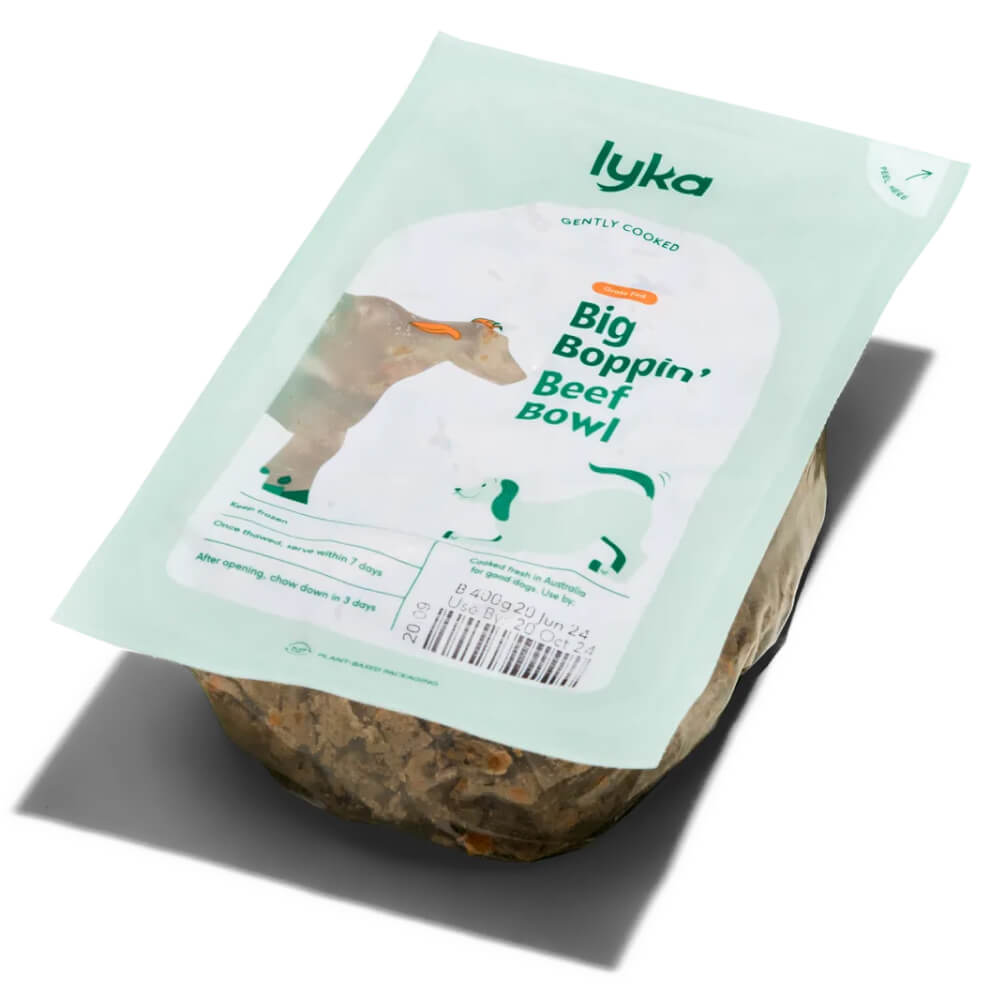
King Charles Spaniels do well on a high-quality small-breed formula. Weight management is particularly important — excess weight stresses both the heart and the respiratory system, which are already the breed's vulnerable areas. Two measured meals per day with limited treats suits most adults. A shallow, wide bowl accommodates the flat facial structure. Omega-3 fatty acids support cardiac function and coat health. Given the cardiac predisposition, discuss taurine supplementation with your vet. See our recommended foods for King Charles Spaniels below.

Training
King Charles Spaniels are willing but gentle learners. They respond well to quiet, patient positive reinforcement and will engage cooperatively when the approach matches their temperament. They don't need firm handling — they need kind handling. Harsh correction or raised voices cause them to withdraw and shut down. House training is generally straightforward. Socialisation should be gentle and gradual — expose the puppy to new people, environments and sounds without overwhelming them. Building some tolerance for alone time from puppyhood is important, as the breed bonds tightly and can develop separation anxiety.


Suitability
King Charles Spaniels suit quiet, gentle owners who want a peaceful, devoted companion. They're ideal for retirees, singles and couples in apartments or small homes. Their exercise needs are minimal, they're quiet indoors, and their calm temperament makes them one of the most relaxing dogs to live with. If you want a lapdog in the truest sense — a dog that is happiest sitting with you in companionable silence — the King Charles Spaniel delivers.
The barriers are health and availability. This breed carries a serious health profile — MVD, BOAS, syringomyelia and dental issues are all genuine considerations that translate to higher-than-average vet costs over the dog's lifetime. Pet insurance is essential, not optional. Finding a breeder in Australia is a challenge — the breed is rare, and many people searching for a "King Charles Spaniel" actually want a Cavalier. Be certain you understand the difference before committing. Budget for ongoing cardiac monitoring, dental care and potential respiratory management.
Frequently Asked Questions
How much does a King Charles Spaniel cost in Australia?
What is the difference between a King Charles Spaniel and a Cavalier King Charles Spaniel?
Are King Charles Spaniels good apartment dogs?
Do King Charles Spaniels have breathing problems?
How long do King Charles Spaniels live?

Comments
0 comments
Login to Join the Conversation 💬