




























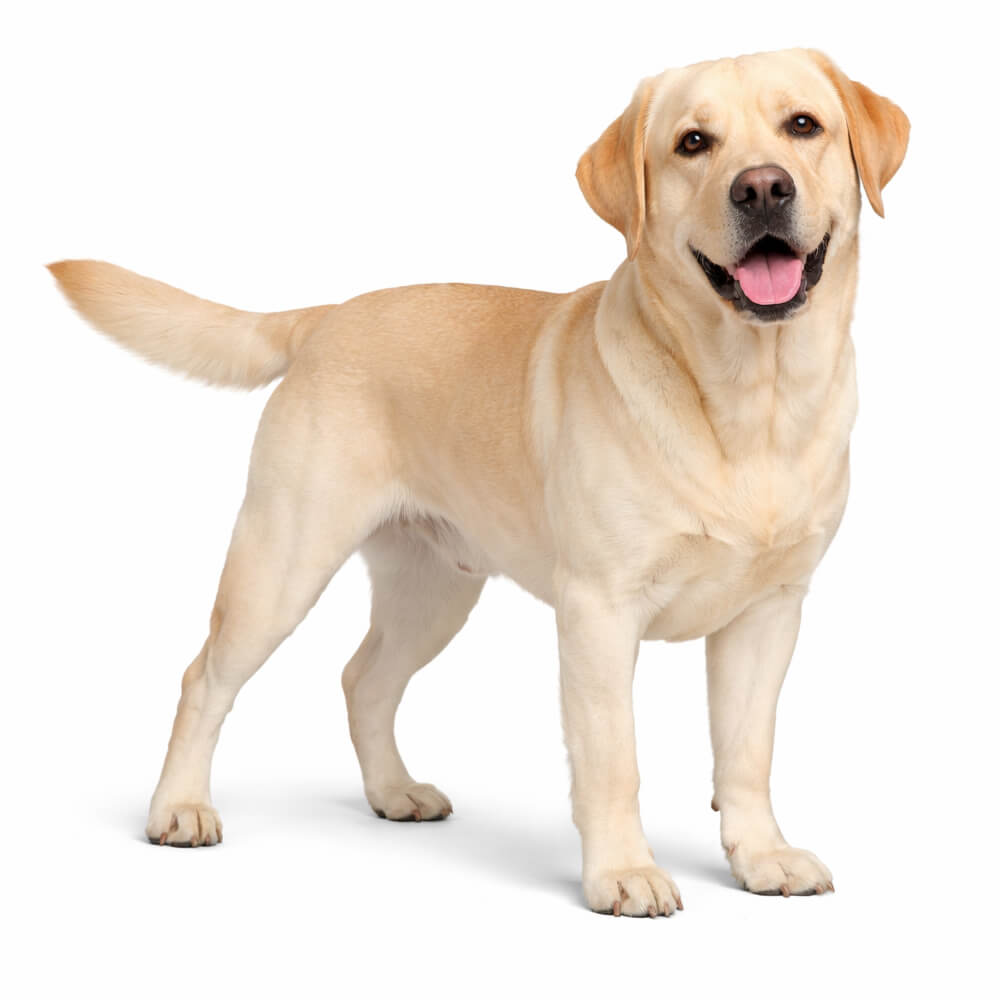

The Labrador Retriever is a medium-to-large gundog from Newfoundland, Canada, bred to retrieve waterfowl and assist fishermen before being refined in the United Kingdom into the breed recognised today. Friendly, biddable, and food-motivated to a degree that borders on pathological, the Lab is consistently Australia's most registered purebred dog — and has been for decades.
What keeps them at the top isn't novelty. Labs are genuinely easy to live with: they're patient with children, tolerate other dogs without drama, take to training quickly, and adapt to most household configurations provided they get enough daily exercise. The catch that catches many owners off guard is the combination of shedding and adolescence. Labs shed more than their short coat implies, and between eight months and two years, that friendly puppy becomes a large, energetic, counter-surfing nuisance. Owners who know this going in manage it fine. Owners who don't are often the ones rehoming at eighteen months.
History and Origin
The Labrador Retriever's origins sit not in Labrador but in Newfoundland, Canada, where a compact working dog called the St. John's Water Dog was used by fishermen to retrieve nets, lines, and fish from near-freezing Atlantic water. The breed's dense, water-resistant double coat and natural affinity for swimming are direct inheritances from this working role — not aesthetic choices made by show breeders.
British aristocrats visiting Newfoundland in the early nineteenth century noticed the dogs and brought them back to England for use as shooting companions. The Earl of Malmesbury is typically credited with establishing the first breeding programme specifically called "Labrador," and by 1903 the Kennel Club formally recognised the breed. The yellow and chocolate colour variants emerged later — black was the original and remains common — with the Kennel Club only officially recognising yellow in 1899 and chocolate becoming established through the mid-twentieth century.
The breed's working history shaped every trait that makes modern Labs popular. The retrieve drive explains the mouthing and carry behaviours that appear even in pet-line dogs who have never seen a duck. The fisherman's companion role explains the sociability — these dogs worked alongside people in close quarters for generations. And the appetite, which causes Labs no end of health trouble, is a legacy of a working dog burning serious calories in cold water who couldn't afford to be a fussy eater.
Temperament and Personality
Labs are genuinely friendly, and that friendliness isn't breed hype — it's structural. The breed was selected for over a century to work in close contact with humans and other dogs, and the result is a dog with a low baseline suspicion level and a high tolerance for noise, movement, and chaos. A well-socialised Lab is unlikely to become territorial, fear-reactive, or aggressive. A poorly socialised one is mostly just an overly boisterous pest, which is a different problem but a much more manageable one.
With children, Labs are as close to bombproof as a dog breed gets. They're patient, they don't take offence at rough handling, and their size means a toddler tackle doesn't read as a threat. The main risk with young children isn't aggression — it's a large, enthusiastic Lab knocking a small person flat in excitement. Supervision during the adolescent phase matters more for the child's safety than the dog's.
With other dogs, Labs are reliably sociable. They're not selective, not territorial, and don't tend toward same-sex aggression in the way some breeds do. The combination of friendly and food-motivated makes them straightforward to manage in multi-dog households.
Where Labs surprise people is in the intensity of the adolescent phase. The breed matures slowly, and from roughly eight months to two years, the energy level spikes, the impulse control drops, and the food obsession becomes a genuine household hazard. Bins get raided. Benches get cleared. Leads get pulled. This phase passes, but it requires consistent training to get through without reinforcing bad habits. Labs also carry anxiety about being left alone more than their confident exterior suggests — extended isolation, particularly in the adolescent phase, often produces destructive behaviour that owners misread as naughtiness.
Common Health Conditions
Labs are a generally robust breed, but their popularity has created broad gene pools with some predictable weak points. The conditions below are well-documented and worth understanding before purchase, particularly if you're choosing between registered breeders with different health testing practices.
Hip and Elbow Dysplasia — Abnormal joint development in the hip or elbow that causes pain, reduced range of motion, and eventually arthritis. Labs are one of the breeds most commonly affected by both. Reputable breeders screen breeding stock using the PennHIP or OFA method for hips, and the ANKC Elbow Dysplasia Scheme for elbows — ask to see both parents' clearances before committing to a puppy. Signs include a reluctance to jump, stiffness after rest, and a bunny-hop gait at speed. Management includes weight control, low-impact exercise, omega-3 supplementation, and in moderate-to-severe cases, surgery.
Obesity — Labs carry a well-documented genetic mutation affecting the POMC gene, which regulates the feeling of fullness. Affected dogs — estimated at around 25% of the breed — genuinely don't feel satiated the way other breeds do. Obesity compounds joint disease, increases anaesthetic risk, and shortens lifespan. Structured feeding twice daily, measured portions, and treating exercise as non-negotiable rather than optional are the practical controls.
Exercise-Induced Collapse (EIC) — A genetic condition causing hind-limb weakness and collapse during or after intense exercise. Affected dogs appear normal at rest and during moderate activity but collapse after vigorous exertion. DNA testing is available and responsible breeders test for it. If you're buying a Lab for retrieving work or intense sport, confirm both parents are EIC clear.
Progressive Retinal Atrophy (PRA) — A degenerative eye condition that gradually destroys the retina, eventually leading to blindness. Labs carry a breed-specific form called PRA-prcd. DNA testing is available; responsible breeders test their breeding stock. There is no treatment, but affected dogs typically adapt well to gradual vision loss in familiar environments.
Ear Infections — Labs' love of water and floppy ear conformation creates warm, moist ear canals prone to bacterial and yeast infection. Monthly ear cleaning with a vet-approved solution and drying ears thoroughly after swimming is the primary prevention. Chronic infections are often diet-related — grain-free or limited-ingredient foods sometimes help dogs with recurrent ear problems.
Pet insurance for a Lab in Australia typically runs $60–$120 per month depending on cover level; given the breed's joint and eye predispositions, a policy covering orthopaedic conditions is worth the premium. Annual vet check-ups should include a joint assessment from around three years of age.


Exercise
Adult Labs need one to two hours of exercise daily, and the type matters as much as the duration. Retrieving games, swimming, and structured walks engage both the physical and mental drives the breed was built around. A Lab who gets two hours of repetitive pavement walking is less satisfied than one who gets an hour of fetch and a twenty-minute training session. Puppies need structured rest — high-impact exercise on growing joints before twelve months increases dysplasia risk. In Australian summer conditions, shift exercise to early morning or evening; Labs in double coats struggle in heat, and exertion in the middle of the day is a heat stress risk.
Grooming
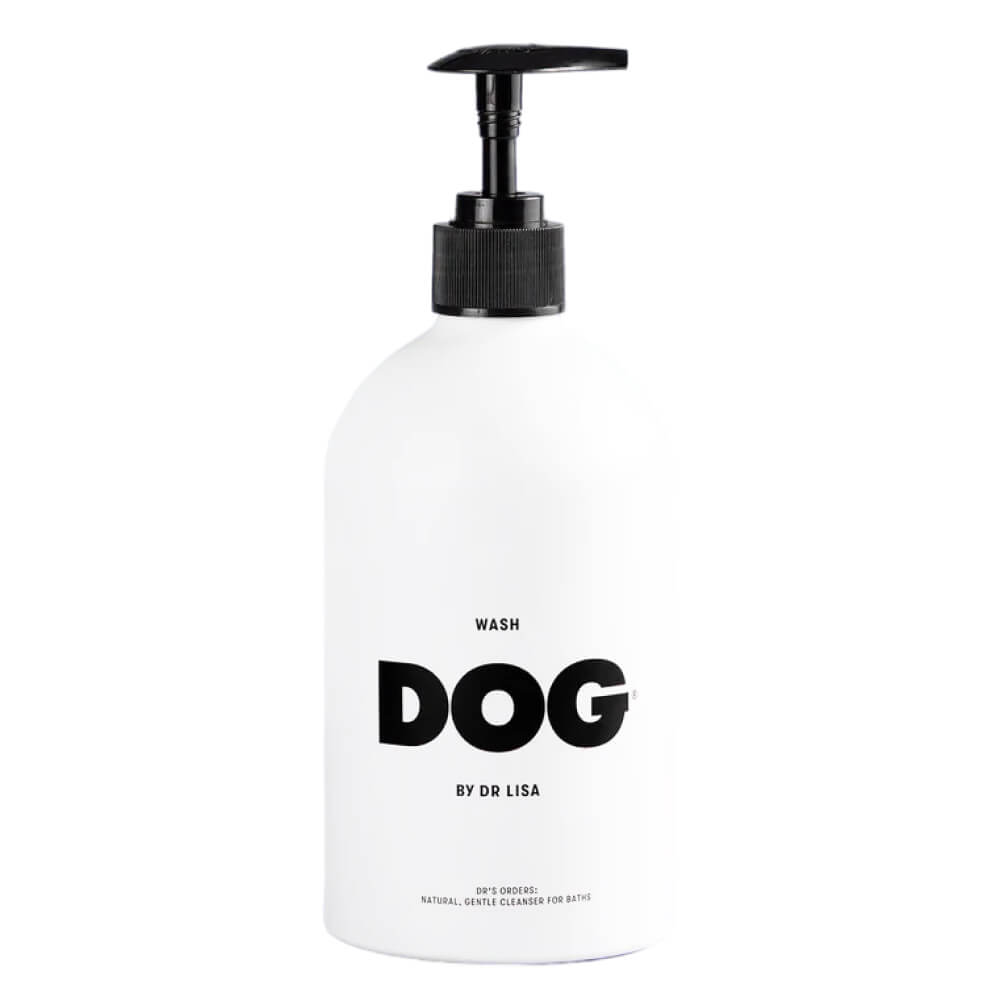
Labs shed consistently year-round with significant seasonal coat blows, typically twice annually. Despite the short coat, they produce a volume of hair that surprises most first-time Lab owners. Weekly brushing with a rubber curry brush or deshedding tool significantly reduces what ends up on furniture and clothing. Bathing every six to eight weeks is sufficient unless they've been in something unpleasant. Ears need monthly cleaning and should be checked after every swim. Nails grow quickly on dogs that don't wear them down on hard surfaces; monthly trimming is usually necessary. Professional grooming is not required, but a deshedding treatment at a groomer during heavy coat blows is worth considering.


Nutrition
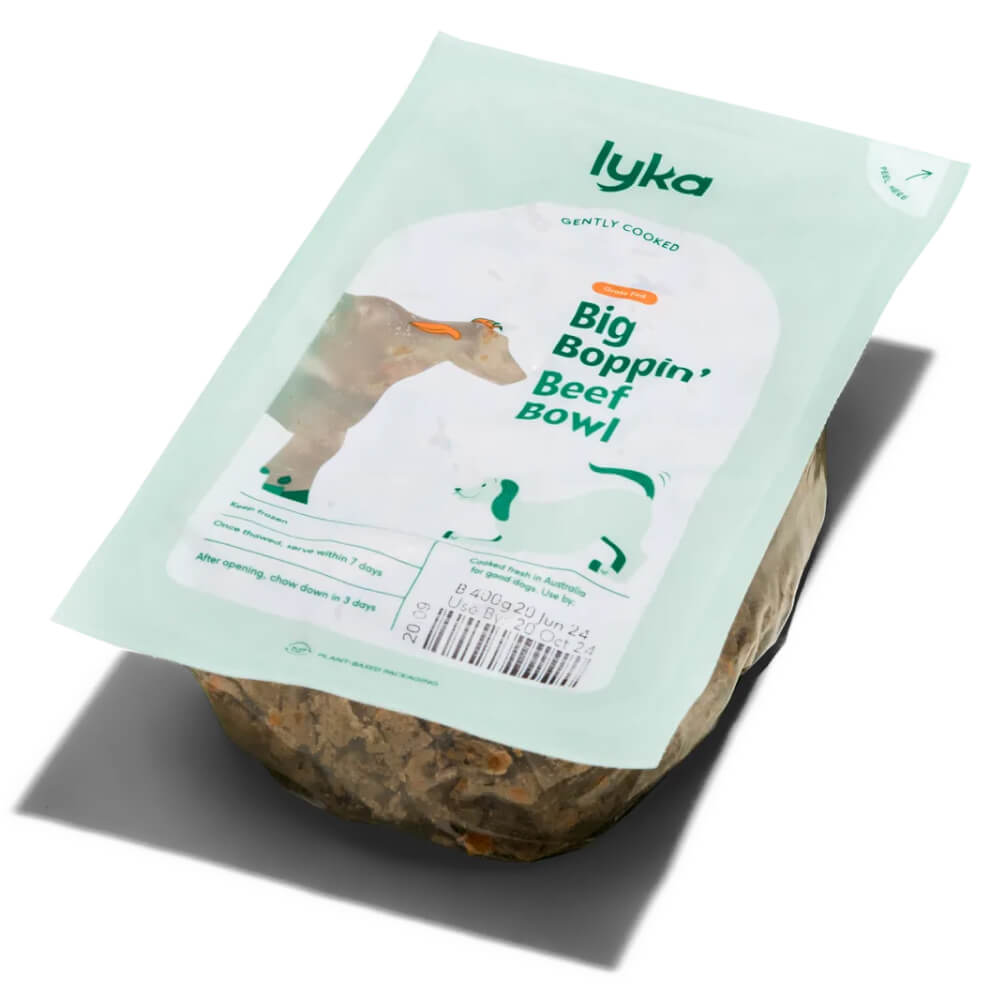
Labs need a complete and balanced diet calibrated carefully to life stage and weight — this is not a breed where free feeding works. The POMC gene mutation affecting satiety in a portion of the population means portion control and twice-daily structured meals are standard practice, not optional. Large-breed puppy formulas with controlled calcium-to-phosphorus ratios support joint development through the growth phase. Adult Labs prone to weight gain benefit from lower-calorie or light formulas with adequate protein. Omega-3 supplementation from fish oil supports coat condition and provides evidence-based joint support for dogs with early dysplasia. See our recommended foods for Labrador Retrievers below.

Training
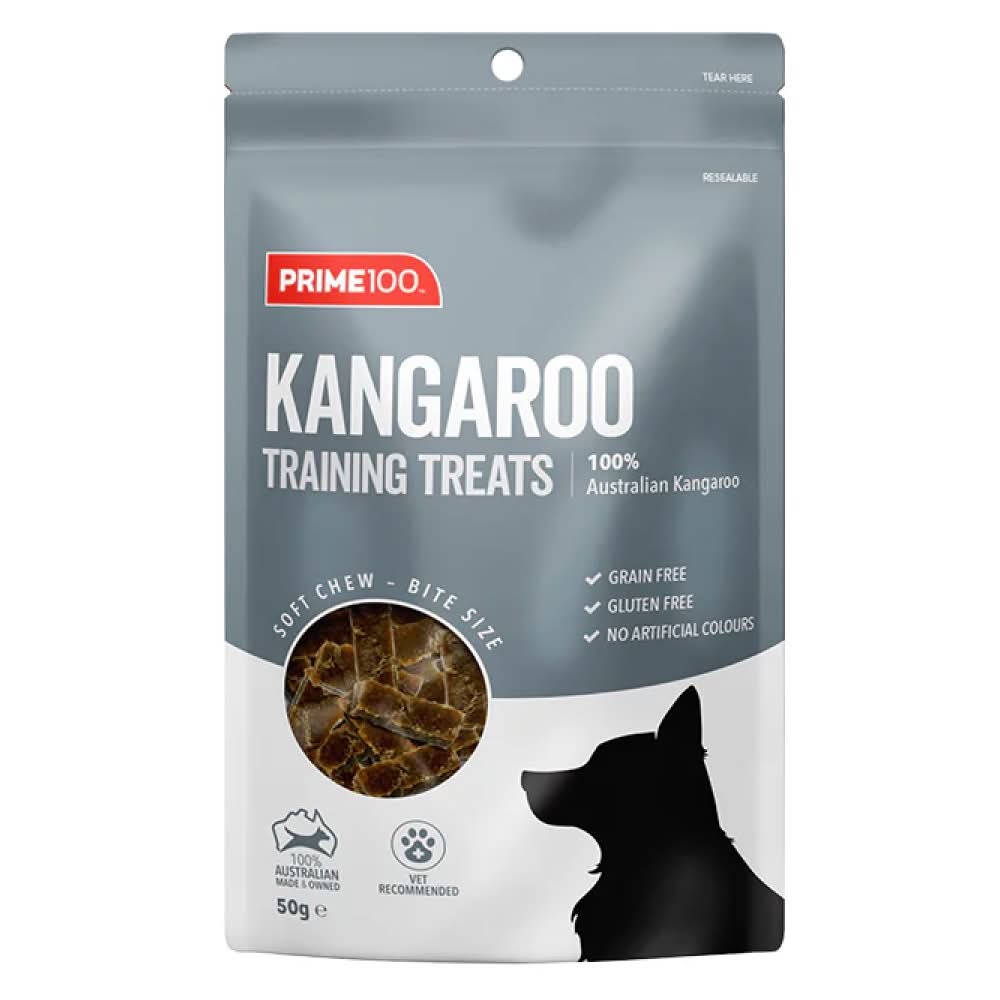
Labs are among the most trainable breeds in the gundog group — reward-responsive, attentive, and motivated enough by food that most owners can achieve reliable basic obedience without professional help. Positive reinforcement with food rewards is the natural fit for the breed. The training challenge isn't the dog's capacity; it's sustaining consistency through adolescence, when the energy and impulse control issues peak. Labs that don't get structured training between six and eighteen months tend to develop pulling, jumping, and counter-surfing habits that are harder to undo than prevent. Early puppy classes and ongoing socialisation with dogs of varying sizes, ages, and temperaments are worth the investment — the breed's sociability makes them good candidates for group class environments.

Suitability
Labs suit active households with time to exercise them properly and the patience to manage a demanding adolescent phase. They're genuinely one of the better breeds for first-time owners given their trainability and forgiving temperament, provided those owners go in understanding that "easy breed" doesn't mean low maintenance. A Lab in a house with a yard, exercised daily, trained consistently, and fed structured meals is one of the most rewarding dogs to own. They're good with children from toddler age, reliable with other dogs, and adaptable enough to suit most Australian family configurations.
Labs are the wrong choice for owners who want a dog that largely looks after itself. They need daily engagement — physical and mental — and they don't cope well with extended periods alone. The food obsession is constant and requires management for life, not just in puppyhood. Shedding is relentless, and the grooming and cleaning workload is higher than the short coat suggests. Ongoing vet costs for a breed with joint predispositions add up — budget accordingly. And if you're drawn to the Lab's reputation as a calm, gentle companion, remember that reputation applies to a well-exercised adult; the under-exercised adolescent is a different proposition entirely.
Frequently Asked Questions
How much does a Labrador Retriever cost in Australia?
Do Labrador Retrievers shed a lot?
Are Labrador Retrievers good for first-time dog owners?
How do I know if my Labrador is overweight?
How long do Labrador Retrievers live?

Comments
0 comments
Login to Join the Conversation 💬