





























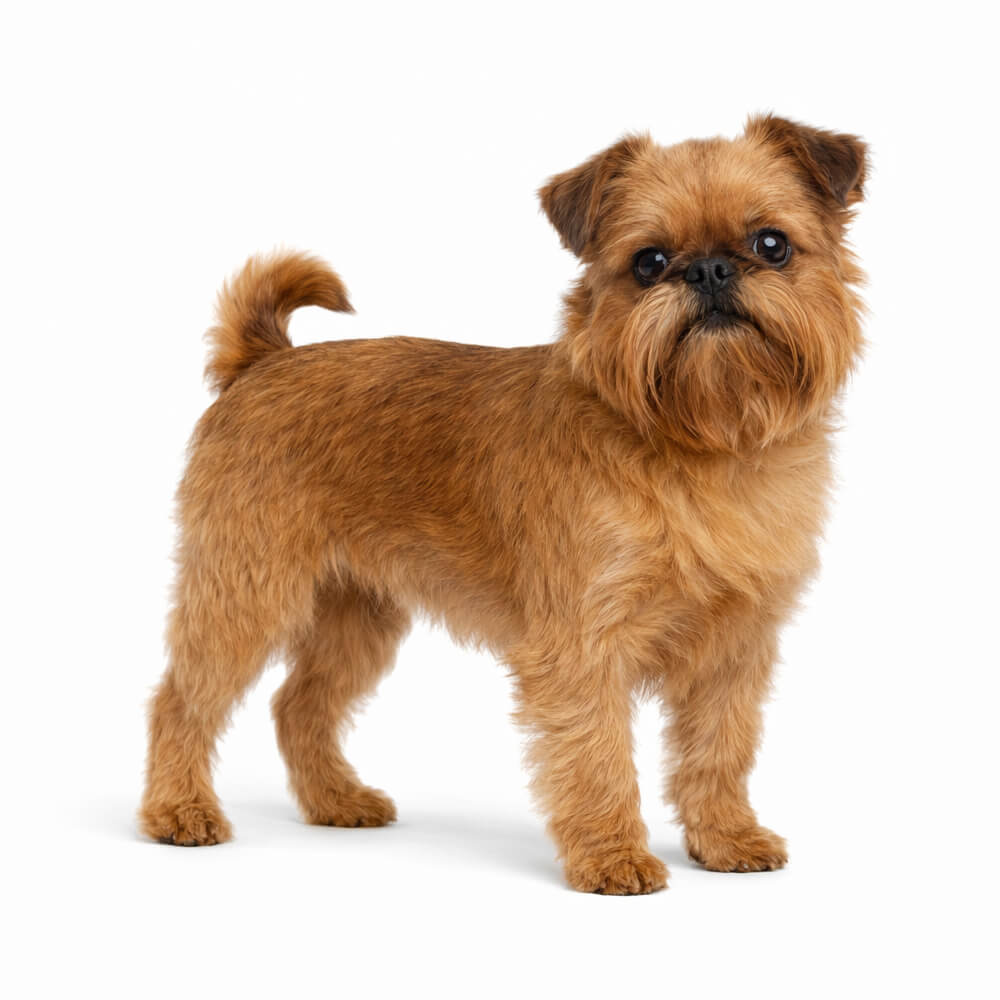

The Griffon Bruxellois is a small, sturdy toy breed from Belgium with an almost human facial expression that has earned it comparisons to Ewoks, elderly professors and disgruntled philosophers. Classified in the Toys group by the ANKC, the Griffon comes in two coat types — the rough-coated (wiry beard and expressive eyebrows) and the smooth-coated (short and glossy, sometimes called the Petit Brabançon).
Griffons are bold, opinionated and far more complex in personality than their small size suggests. They attach fiercely to their owner and demand to be treated as an equal rather than a pet. What surprises most first-time Griffon owners is the breed's emotional range — they sulk when offended, celebrate when pleased and express displeasure with a directness that's almost confrontational. There is nothing passive about this dog.
History and Origin
The Griffon Bruxellois originated in Brussels, Belgium, where small rough-coated dogs were kept as ratters in the stables of hansom cab drivers during the 17th and 18th centuries. These early "Griffons d'écurie" (stable griffons) were working dogs, valued for keeping rats out of the stables rather than for companionship.
During the 19th century, breeders refined the stable griffon by crossing it with the Pug, the King Charles Spaniel and the Yorkshire Terrier, among others. The Pug influence shortened the muzzle, broadened the skull and introduced the smooth-coated variety. The King Charles Spaniel contributed the rich red colouring and the large, expressive eyes. By the late 1800s, the Griffon had transitioned from working ratter to fashionable companion of the Belgian aristocracy, and Queen Marie Henriette of Belgium became a prominent breeder and advocate.
The breed nearly disappeared during the two World Wars, and numbers have never fully recovered. In Australia, the Griffon Bruxellois is an uncommon breed — recognised by the ANKC and shown at events, but not widely kept as a household pet. Dedicated breeders maintain the breed with care, but puppy availability is limited. That cab-stable toughness persists in the modern Griffon — they carry themselves with a self-importance that's completely disproportionate to their weight.
Temperament and Personality
Griffons are confident, demanding and deeply attached to their owner. They have enormous personalities compressed into very small bodies and they carry themselves with a seriousness that's simultaneously endearing and absurd. A Griffon will stare you down with those enormous dark eyes until you acknowledge that yes, they are the most important being in the room.
With their owner, Griffons are intensely loyal and affectionate. They bond tightly — often to one person above others — and want physical closeness at all times. They're lap dogs by choice, not just by breeding. They'll climb onto your shoulder, wedge themselves under your chin and follow you to the bathroom without a shred of self-consciousness. Separation anxiety is a genuine breed trait, not an occasional behaviour.
With children, Griffons require supervision and work best with older, calm children. Their small size makes them vulnerable to injury, and they have a low tolerance for rough or unpredictable handling. A Griffon that's had enough will snap or growl rather than retreat — they're not passive about setting boundaries. With strangers, they're reserved to suspicious, warming up slowly and on their own terms.
With other dogs, Griffons are generally sociable but carry no awareness of their own size. They'll challenge a dog ten times their weight without hesitation, which requires owner management in off-lead situations. They coexist well with other small dogs and often do best in pairs, as a second Griffon or similarly-sized companion reduces separation anxiety. The breed's most distinctive quirk is its facial expressiveness — Griffons cycle through visible emotions in a way that few breeds match, and experienced owners learn to read their dog's face like a human conversation.
Common Health Conditions
The Griffon Bruxellois has a moderate health profile with several breed-specific considerations, many relating to its brachycephalic structure and small size.
Brachycephalic Obstructive Airway Syndrome (BOAS)
The Griffon's shortened muzzle creates narrowed airways, which can cause noisy breathing, snoring, exercise intolerance and overheating. Severity varies — some Griffons breathe relatively freely, while others struggle in heat or during exertion. In Australian conditions, this means avoiding exercise during the heat of the day and monitoring for signs of respiratory distress. Severe cases may benefit from corrective soft palate surgery.
Syringomyelia and Chiari-like Malformation
Similar to the Cavalier, some Griffons develop Chiari-like malformation where the skull is too small for the brain, leading to fluid-filled cavities in the spinal cord (syringomyelia). Signs include phantom scratching, sensitivity around the head and neck, and progressive pain. MRI is required for diagnosis. The condition is less prevalent in Griffons than in Cavaliers, but awareness is important. Breeders who MRI screen breeding stock are preferred.
Patellar Luxation
The kneecap slips out of position, causing intermittent lameness. Common across toy breeds and documented in Griffons. Weight management is the first line of prevention. Severe cases require surgical correction.
Eye Conditions
The Griffon's large, prominent eyes are vulnerable to ulceration, proptosis (the eye popping out of the socket after trauma — a genuine emergency) and dry eye. Careful handling is important — avoid rough play around the head, and keep the dog away from situations where facial impact could occur. Regular eye checks at vet visits are recommended.
Whelping Difficulties (Dystocia)
Griffons have a high rate of caesarean deliveries due to the puppies' large heads relative to the dam's pelvis. This is a consideration for breeders rather than pet owners, but it contributes to the breed's rarity and higher puppy prices.
Pet insurance is recommended for Griffons, particularly given the BOAS and syringomyelia risks. Regular vet check-ups should include respiratory assessment, eye examination and cardiac auscultation.


Exercise
Griffons need around 30 minutes of daily exercise. Short walks and indoor play sessions suit the breed well. They enjoy interactive games and are more playful than many toy breeds, but their brachycephalic anatomy limits intense physical activity. In Australian summers, exercise only in the cool of morning or evening — Griffons overheat quickly and are poor at regulating body temperature through panting. Watch for signs of respiratory distress during any physical activity: excessive panting, blue-tinged gums or reluctance to continue.

Grooming
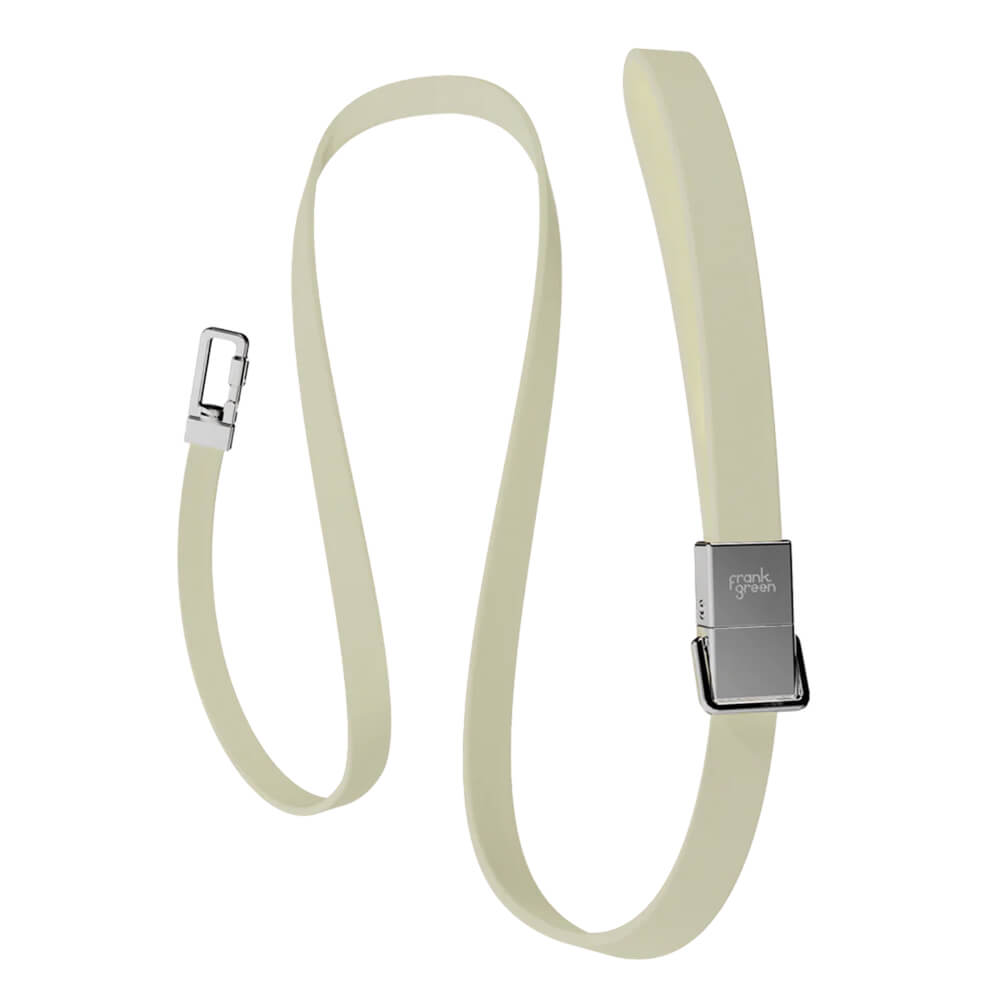
Grooming depends on coat type. Rough-coated Griffons need hand-stripping two to three times per year to maintain the correct wiry texture — clipping softens the coat over time. Between stripping sessions, weekly brushing prevents matting of the beard and body coat. Smooth-coated Griffons need minimal coat care — a weekly brush with a soft bristle brush is sufficient. Both varieties shed minimally. Facial hygiene is important — clean around the eyes daily to prevent tear staining, and keep the beard clean and dry to prevent skin irritation. Dental care is critical given the breed's small mouth and overcrowded teeth.


Nutrition
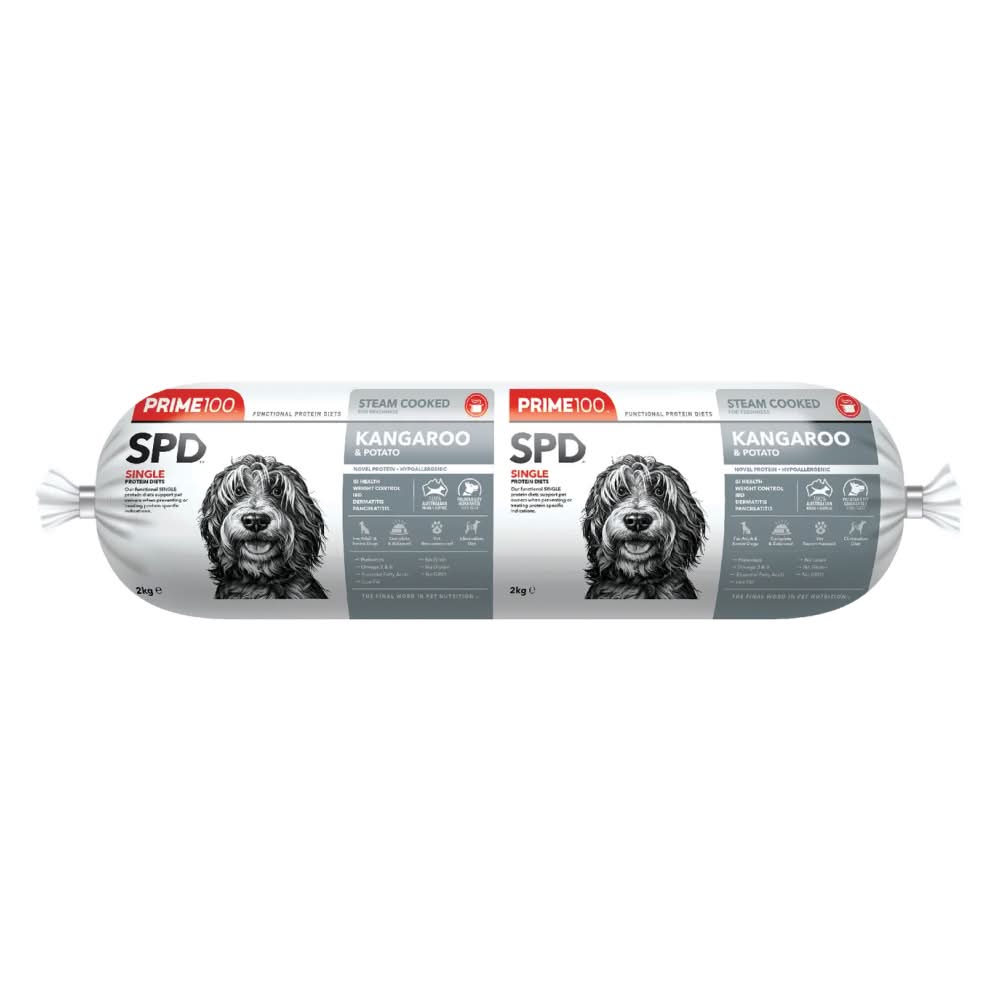
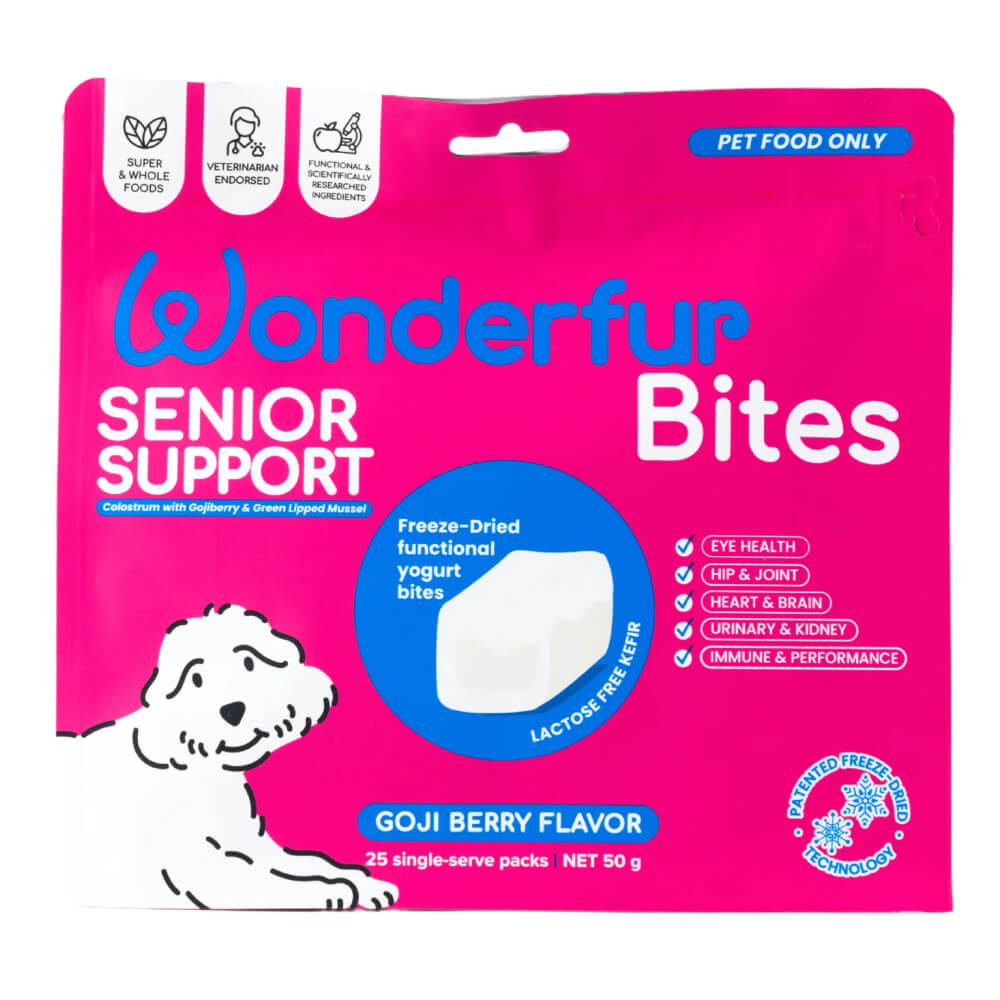
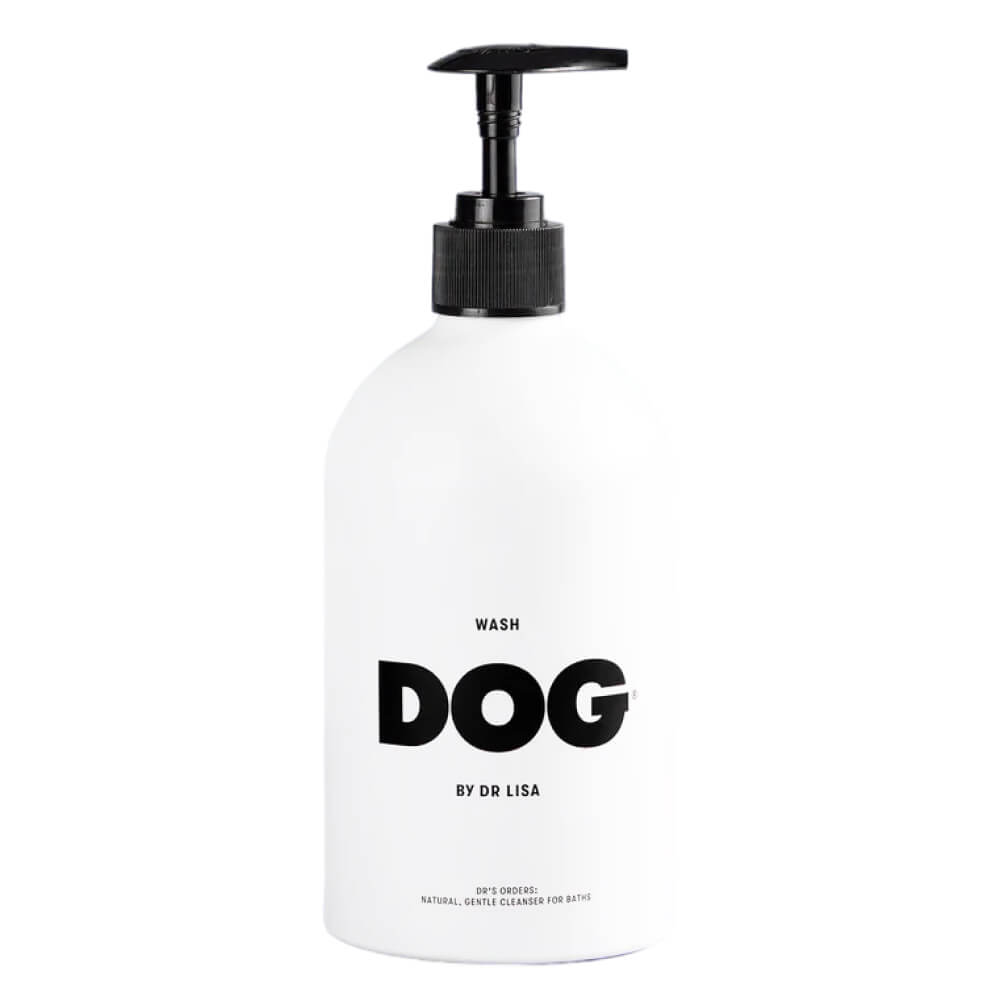
Griffons do well on a high-quality small-breed formula. Weight management is important — they're small dogs and even modest weight gain stresses their joints and exacerbates breathing difficulties. Two measured meals per day, with limited treats, suits most adults. The flat-faced structure can make eating from standard bowls difficult — a shallow, wide bowl or slow-feeder helps. Given the brachycephalic anatomy, avoid feeding immediately before exercise. Omega-3 fatty acids support skin and coat health for both coat varieties. See our recommended foods for Griffon Bruxellois below.

Training
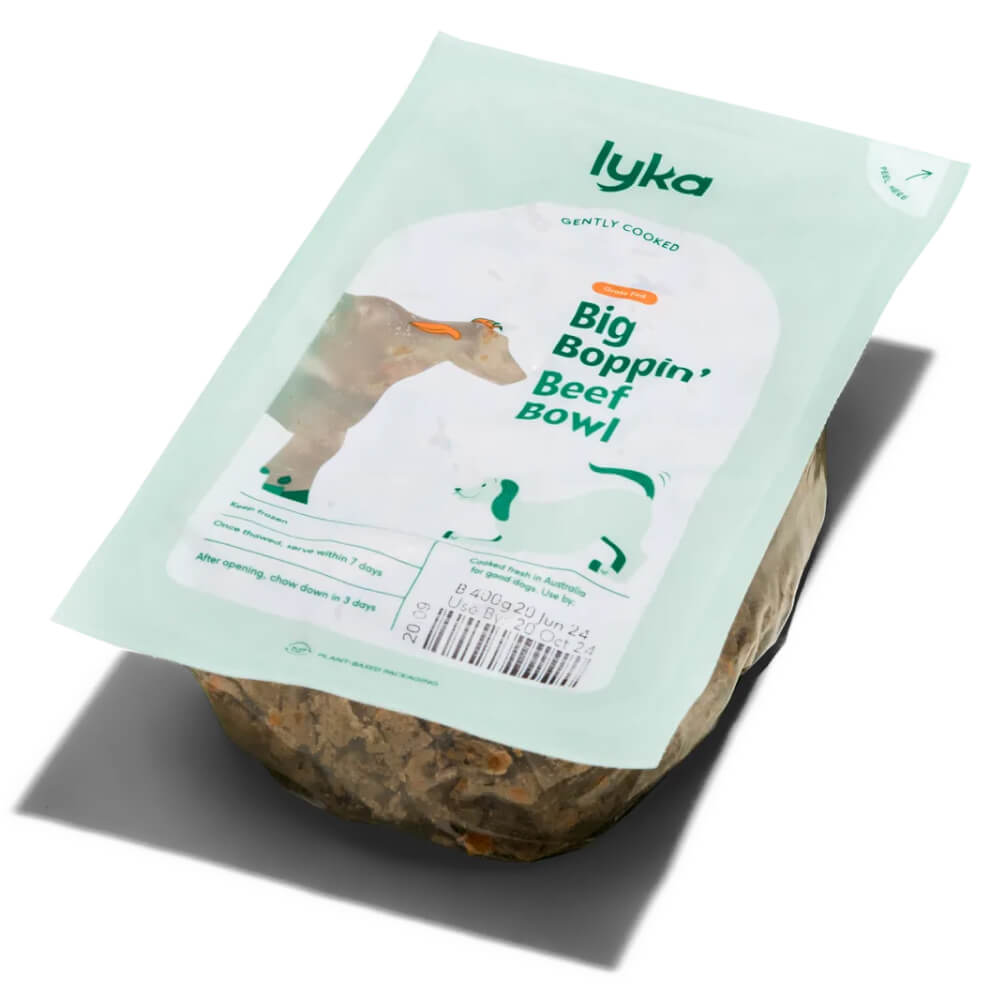
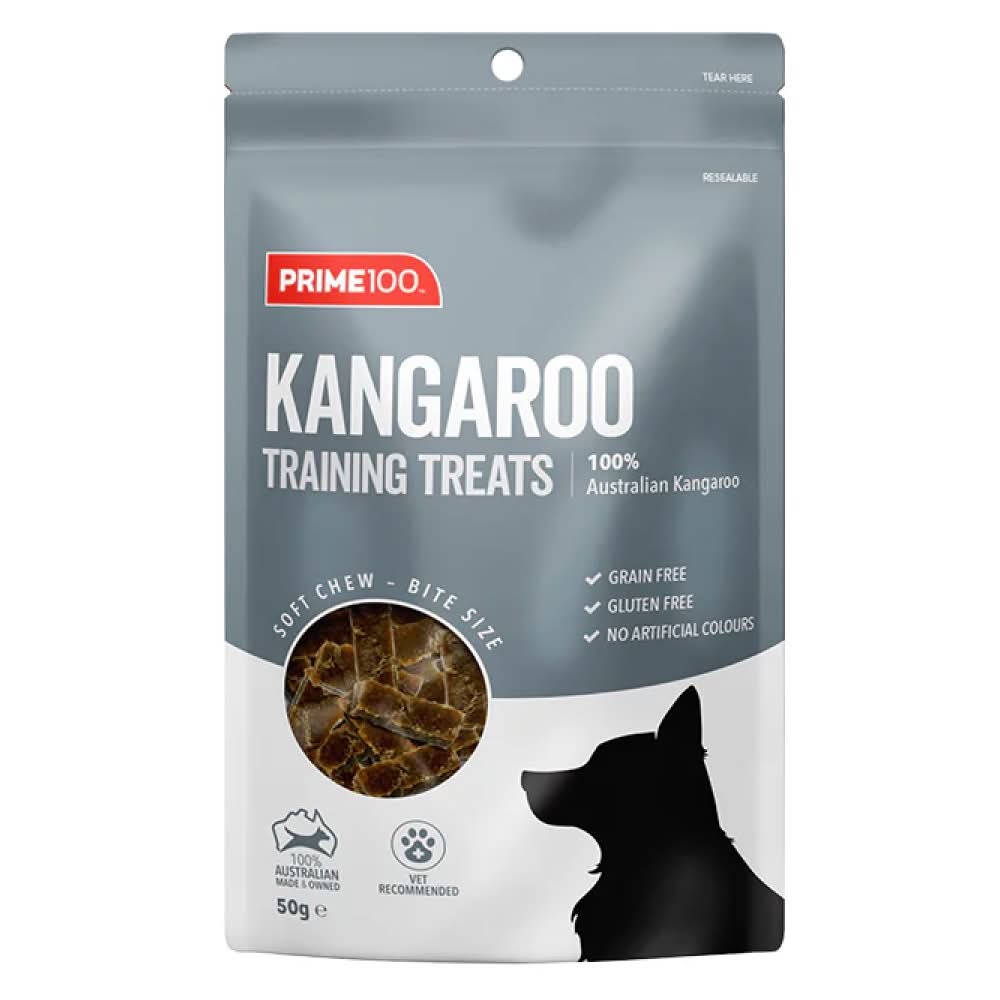
Griffons are intelligent but wilful. They learn commands quickly and then apply their own judgement about when to comply. Positive reinforcement with food rewards works best — they're motivated by treats and responsive to praise, but they shut down entirely under harsh correction. Training sessions should be short, varied and fun. The breed's biggest training challenge is separation anxiety — building tolerance for alone time from puppyhood is essential. Start with brief separations and gradually extend duration. Socialisation needs consistent effort — expose the puppy to a wide range of people, environments and other dogs to prevent the breed's natural wariness from hardening into reactivity.

Suitability
Griffons suit owners who want a dog with genuine personality and are comfortable with a breed that demands emotional engagement. They're ideal for singles, couples and retirees who are home most of the day and want a devoted, expressive companion. They're excellent apartment dogs — small, low-shedding and moderate in exercise needs. If you find the breed's almost-human emotional range charming rather than exhausting, you'll love a Griffon.
This is not a breed for families with young children, owners who work long hours away from home, or people who want an easy-going, go-with-the-flow pet. Griffons are emotionally demanding — they need your presence, your attention and your respect. Separation anxiety is a breed-wide reality, not an occasional problem. The brachycephalic anatomy requires awareness in Australian heat. Finding a breeder takes patience and puppies are expensive. If you're prepared for a small dog with the emotional complexity of a much larger one, the Griffon Bruxellois repays that investment with a bond that's unlike anything else in the toy group.
Frequently Asked Questions
How much does a Griffon Bruxellois cost in Australia?
Why do Griffon Bruxellois look like Ewoks?
What is the difference between a rough and smooth Griffon Bruxellois?
Are Griffon Bruxellois good apartment dogs?
Do Griffon Bruxellois suffer from breathing problems?

Comments
0 comments
Login to Join the Conversation 💬