























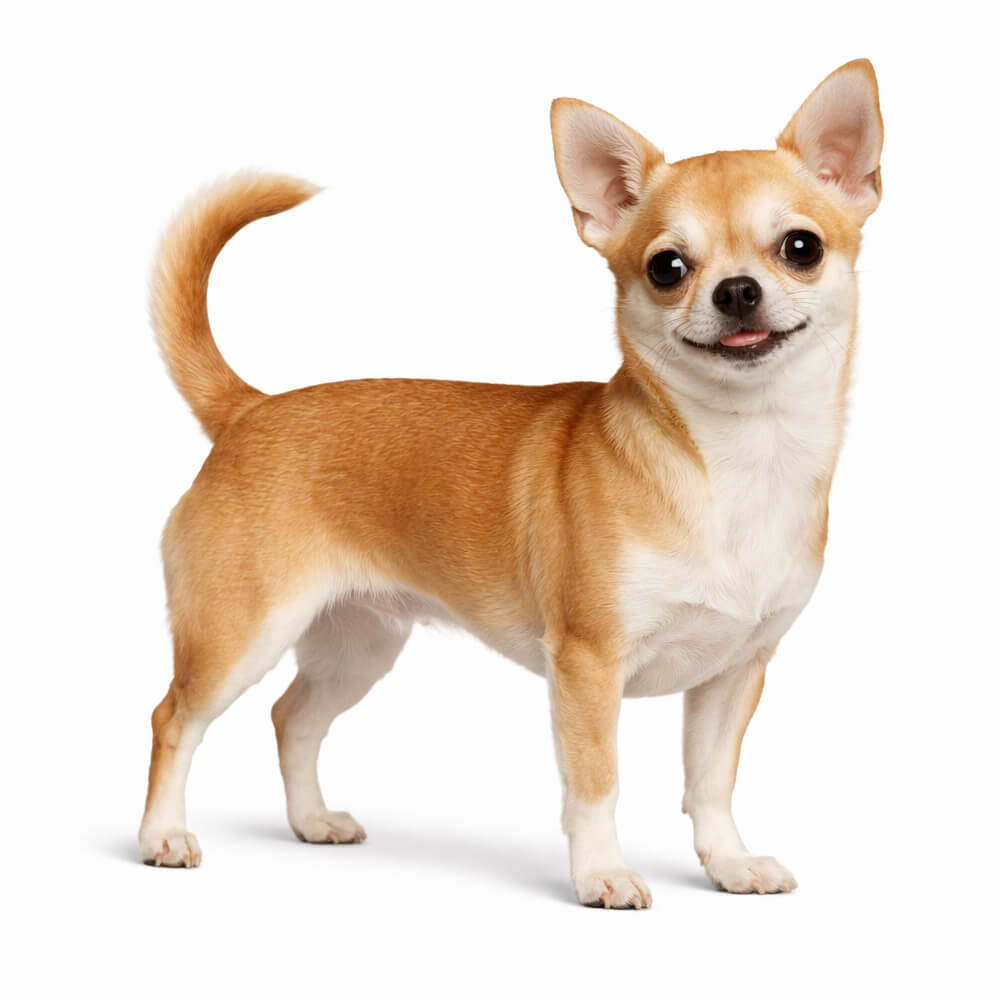

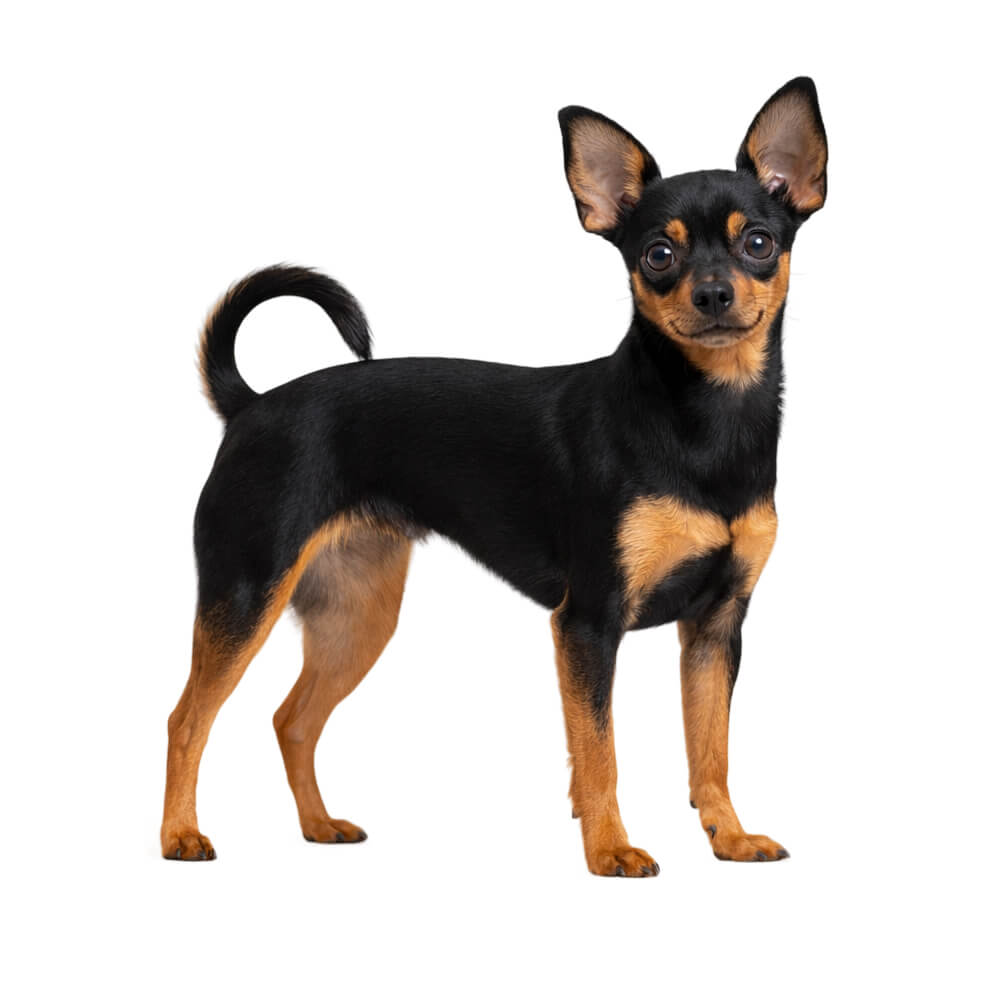
The short haired Chihuahua is a toy breed from Mexico and one of the smallest dogs in the world, wearing a close, smooth coat that sits flat against the body. Compact, alert, and intensely loyal, it's the variety most people picture when they think "Chihuahua" — and the one that's been turning up in Australian homes for decades.
Don't mistake the size for simplicity. Short haired Chihuahuas form deep bonds with one person and treat the rest of the world with varying degrees of suspicion.
They're vocal, watchful, and far more demanding in terms of attention and training than their two-kilogram frame implies. For the right owner, that intensity is the point. For everyone else, it becomes a problem quickly.
History and Origin
The Chihuahua is one of the oldest dog breeds in the Americas, with roots in the Techichi — a small companion dog kept by the Toltec civilisation from at least the 9th century CE. The Aztecs later adopted the Techichi as a companion and ceremonial animal. Pre-Columbian carvings and artefacts depicting small dogs resembling the modern Chihuahua have been found across Mexico.
The breed's modern name comes from the northern Mexican state of Chihuahua, where American visitors began purchasing and importing the dogs in the 1850s and 1860s. The American Kennel Club registered its first Chihuahua in 1904, with international recognition following through the early 20th century.
The smooth coat is the original and historically dominant variety. The short, close-fitting coat appears consistently across the breed's documented history, requiring no special selection — it's the default expression of the breed's genetics where the long coat gene is absent.
In Australia, both coat varieties are registered under the same Dogs Australia breed standard and compete in the same show classes. For most Australians, the smooth coat is simply "a Chihuahua."
One distinction worth knowing: smooth coat Chihuahuas come in two distinct head shapes — the apple head, with a domed, rounded skull and a pronounced stop between the forehead and muzzle, and the deer head, with a longer, flatter skull and a more sloped profile resembling a young deer. The apple head conformation is what Dogs Australia and most kennel clubs consider the breed standard. Deer head Chihuahuas are common in the pet population but don't conform to the show standard.
As with the long coat variety, the Chihuahua's history contains no working role. This has always been a companion dog — bred for close human contact across more than a thousand years. Every behavioural trait the breed is known for flows directly from that history.
Temperament and Personality
The short haired Chihuahua is a one-person dog in the truest sense. It identifies its primary person early, organises its world around them, and treats that relationship with a level of investment most larger breeds reserve for working roles.
That attachment is the breed's defining trait — and its most common source of problems when mismanaged.
With family, Chihuahuas are warm, present, and attentive. They follow their person from room to room, prefer physical contact, and are genuinely distressed by extended time alone. A Chihuahua left alone for long hours regularly is a Chihuahua heading toward anxiety behaviours — barking, destructive tendencies, and hyperattachment when the owner returns.
With strangers, the default is guarded rather than hostile. Some individuals warm up quickly; others maintain permanent suspicion of anyone who isn't their person. Early and consistent socialisation shifts this considerably — a Chihuahua raised with broad social exposure is notably more adaptable than one kept in a small social circle.
With other dogs, confidence is not the issue — judgement is. Short haired Chihuahuas will challenge dogs many times their size without hesitation, which creates genuine physical risk. They tend to coexist best with other small dogs, particularly other Chihuahuas, where the size and energy dynamics are more evenly matched.
With children, the breed's fragility and low tolerance for rough or unpredictable handling makes it a poor match for households with children under seven or eight. This isn't a training issue — it's a structural one. A child who grabs or falls on a two-kilogram dog risks injuring it, and the Chihuahua's response to pain or fear is a snap, not a retreat.
Beyond the social dynamics, short haired Chihuahuas are sharp, curious dogs with a high awareness of their environment. They notice everything, process it quickly, and respond — usually audibly. That alertness makes them effective watchdogs in proportion to their size. It also makes them prone to nuisance barking in environments with a lot of stimulus: apartment buildings, busy streets, households with frequent visitors.
Energy is burst-driven rather than sustained. Short active periods are followed by long rests, usually as close to their person as they can manage.
Common Health Conditions
The short haired Chihuahua shares the same health predispositions as the long coat variety. Coat type doesn't change the underlying genetics.
Patellar Luxation — The kneecap slips out of its groove, producing a characteristic skip or hop in the gait as the dog kicks the leg to reset it. One of the most common conditions in toy breeds, and Chihuahuas are frequently affected.
Grades range from 1 (mild, self-correcting) to 4 (permanent displacement requiring surgery). Ask to see patellar assessments for both parents before purchasing any Chihuahua puppy. Weight management reduces mechanical stress on the joint throughout the dog's life.
Open Fontanelle (Molera) — A gap in the skull where the cranial bones haven't fully fused — present in a significant portion of Chihuahuas and noted in the breed standard as a characteristic. A small molera in an otherwise healthy puppy is typically not a problem.
A large or persistent opening increases the risk of hydrocephalus — fluid accumulation on the brain — which presents as a domed skull, behaviour changes, seizures, and coordination issues. Every Chihuahua puppy should be assessed by a vet for molera size at or shortly after purchase.
Apple head Chihuahuas, with their more pronounced skull dome, are somewhat more associated with molera and hydrocephalus risk than deer head individuals.
Tracheal Collapse — Softening of the cartilage rings supporting the airway produces a dry, honking cough during exercise, drinking, or excitement. Common across toy breeds, worsened significantly by collar pressure on the neck.
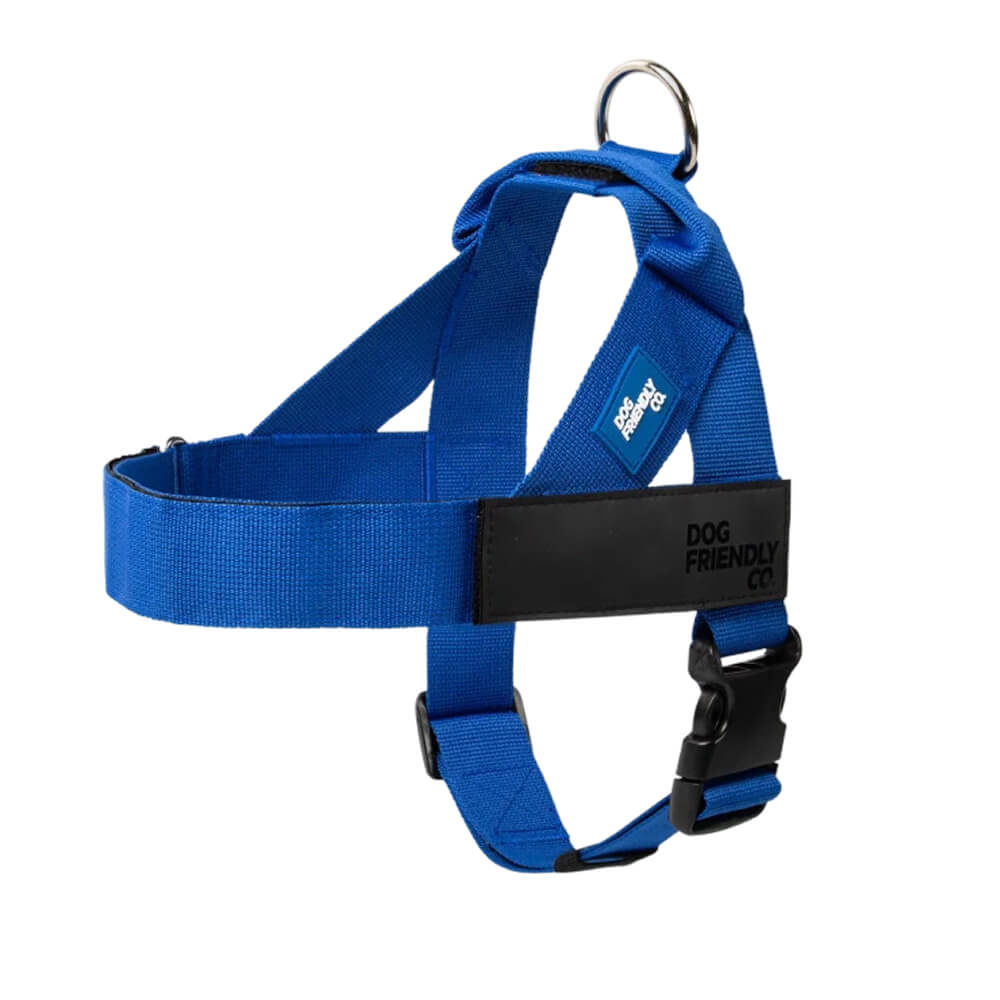
A harness is standard practice for all Chihuahuas — not just those with confirmed tracheal issues. Obesity and exposure to dust or smoke accelerate progression. Mild cases are managed medically; severe cases may require surgical intervention.
Dental Disease — A full set of adult teeth packed into an undersized jaw creates chronic crowding, retained baby teeth, and rapid tartar build-up. Dental disease is the most consistently undermanaged health issue across both Chihuahua varieties.
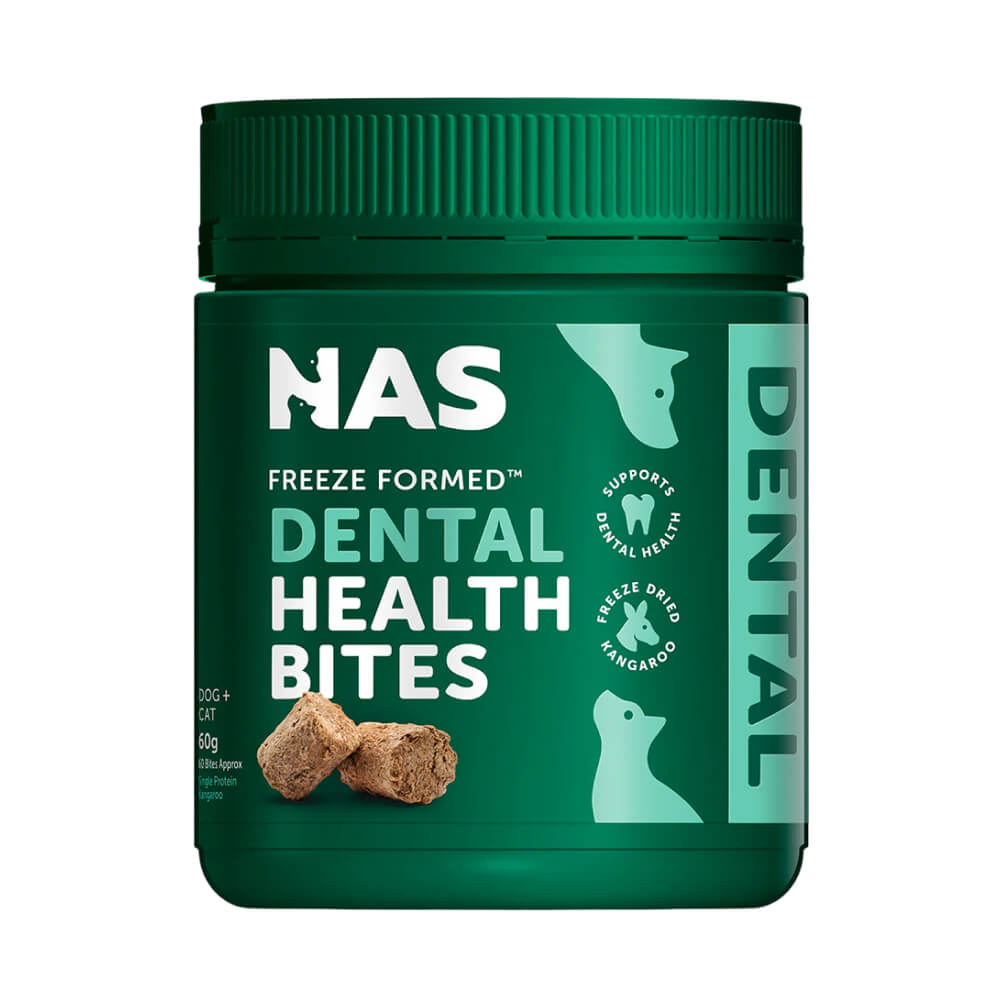
Brushing every one to two days, dental chews, and professional scaling under anaesthetic from around two years are standard practice — not optional. Untreated disease causes chronic pain, tooth loss, and systemic infection affecting the kidneys and heart.
Hypoglycaemia — Low blood sugar is a genuine risk in puppies and very small adults — particularly during stress, travel, or missed meals. Signs include lethargy, trembling, confusion, and in severe cases, seizures.
Puppies should eat three to four small meals daily until six months. Carrying a glucose source — honey or a commercial glucose gel — when travelling to the vet or during stressful events is a sensible precaution.
Pet insurance for a Chihuahua in Australia typically costs $40–$80 per month. Policies vary significantly in dental coverage — this matters for a breed where professional dental cleaning every one to two years is a realistic expectation. Compare policies with that line item specifically in mind.


Exercise
Twenty to thirty minutes of daily exercise is sufficient for most adults — but quality matters more than quantity.
Short haired Chihuahuas are mentally sharp dogs that disengage from repetitive outings. A combination of short walks, time in a secure space to explore, and brief indoor training sessions satisfies them more than a single long walk.
They don't push through fatigue — when a Chihuahua plants itself on a walk, it's done. In Australian summer conditions, shift exercise to early morning or after sundown. Despite their size, Chihuahuas are vulnerable to heat stress, and midday exertion in warm weather carries genuine risk.
Cold is the other consideration. The short, single-layer coat offers minimal insulation. In cooler climates — Melbourne, Canberra, Hobart — a well-fitted dog coat for winter walks is practical, not indulgent.
Grooming
The smooth coat is one of the lower-maintenance coats in the toy group. A weekly wipe-down with a soft cloth or rubber grooming mitt removes loose hair and keeps the coat looking clean. Shedding is low to moderate — present but manageable.
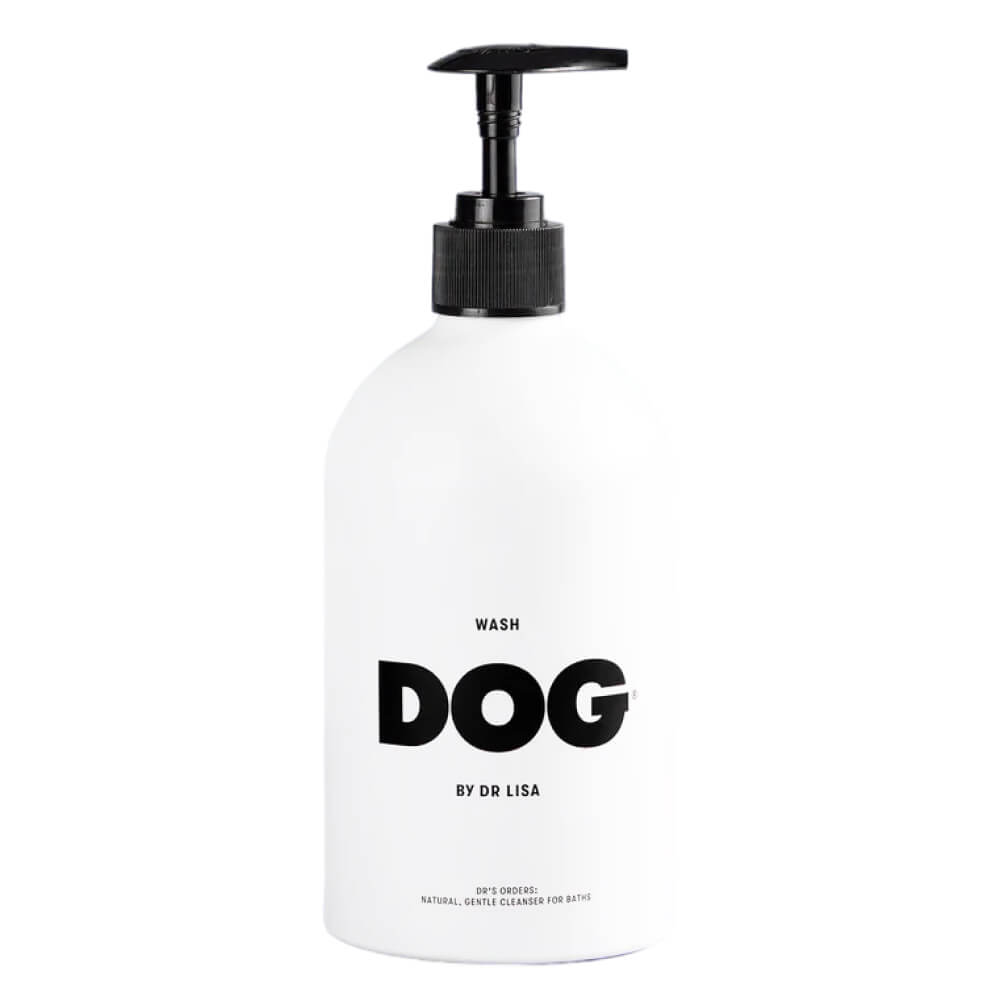
Bathing every four to six weeks is typically sufficient. Nails grow quickly on dogs that don't wear them down naturally; monthly trimming is usually needed.
Where this breed demands grooming time is the teeth. Brushing every one to two days is the target, and professional dental cleaning under anaesthetic from around two years of age is a realistic ongoing cost — not a one-off. If you're comparing the short haired and long haired varieties, the grooming commitment is nearly identical once dental care is factored in.


Nutrition
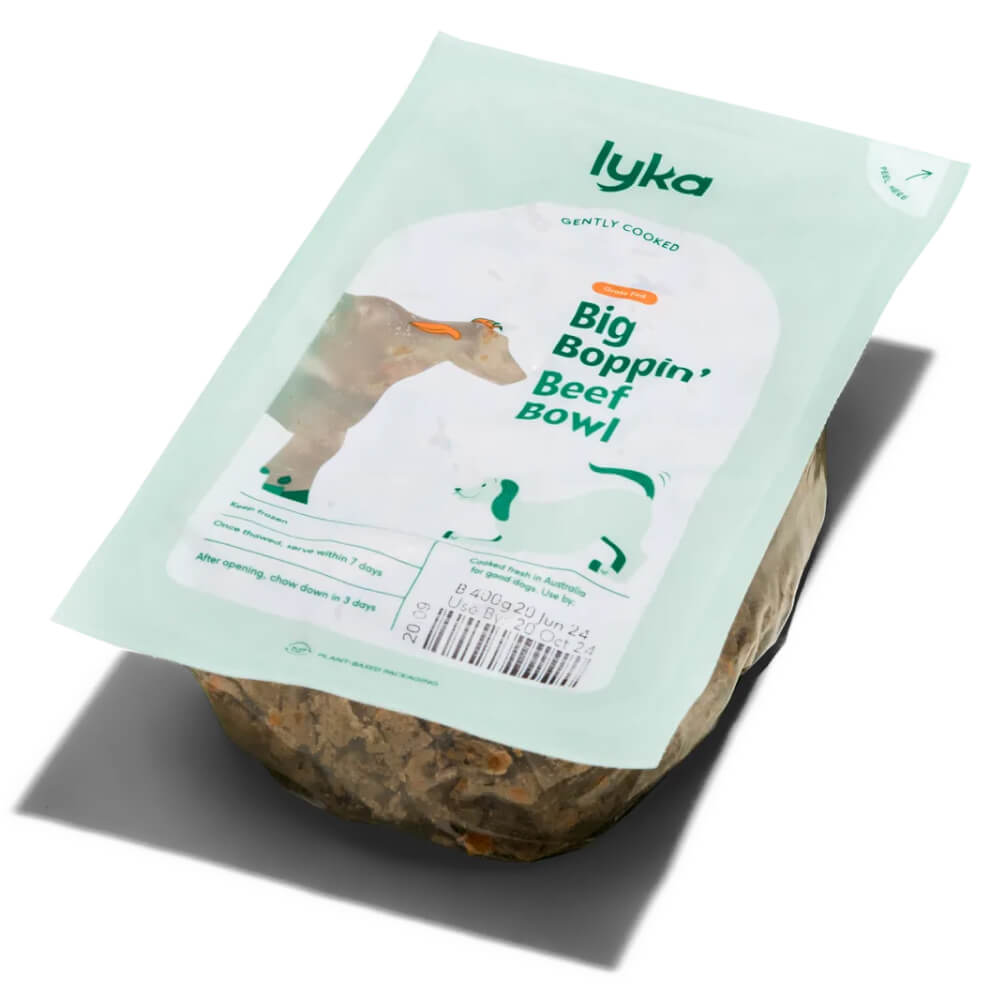
Small breed formulas with appropriately sized kibble are the standard recommendation. Standard or large breed kibble is physically too large for a Chihuahua's jaw and contributes to the dental crowding problem.
Caloric needs are modest for a two-kilogram dog, and treat accumulation adds up fast. Structured twice-daily feeding with measured portions is more sustainable than free feeding for weight management.
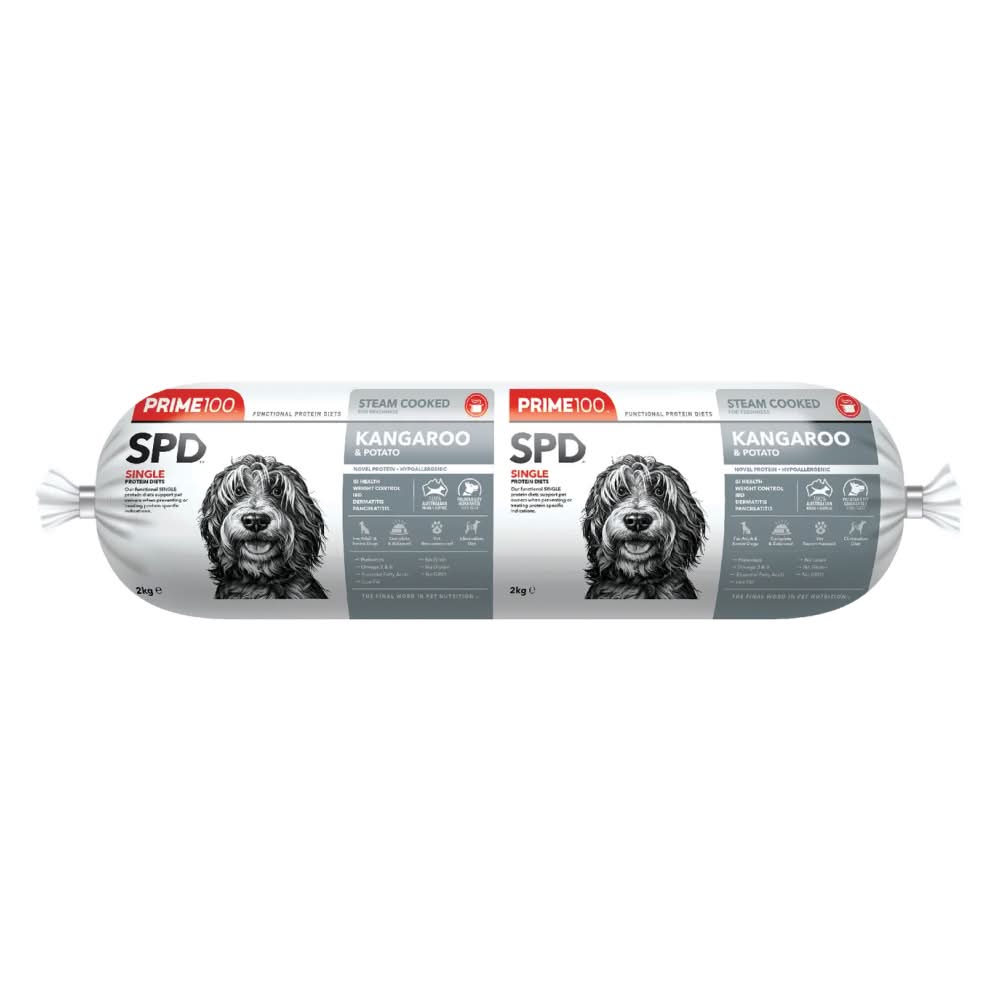
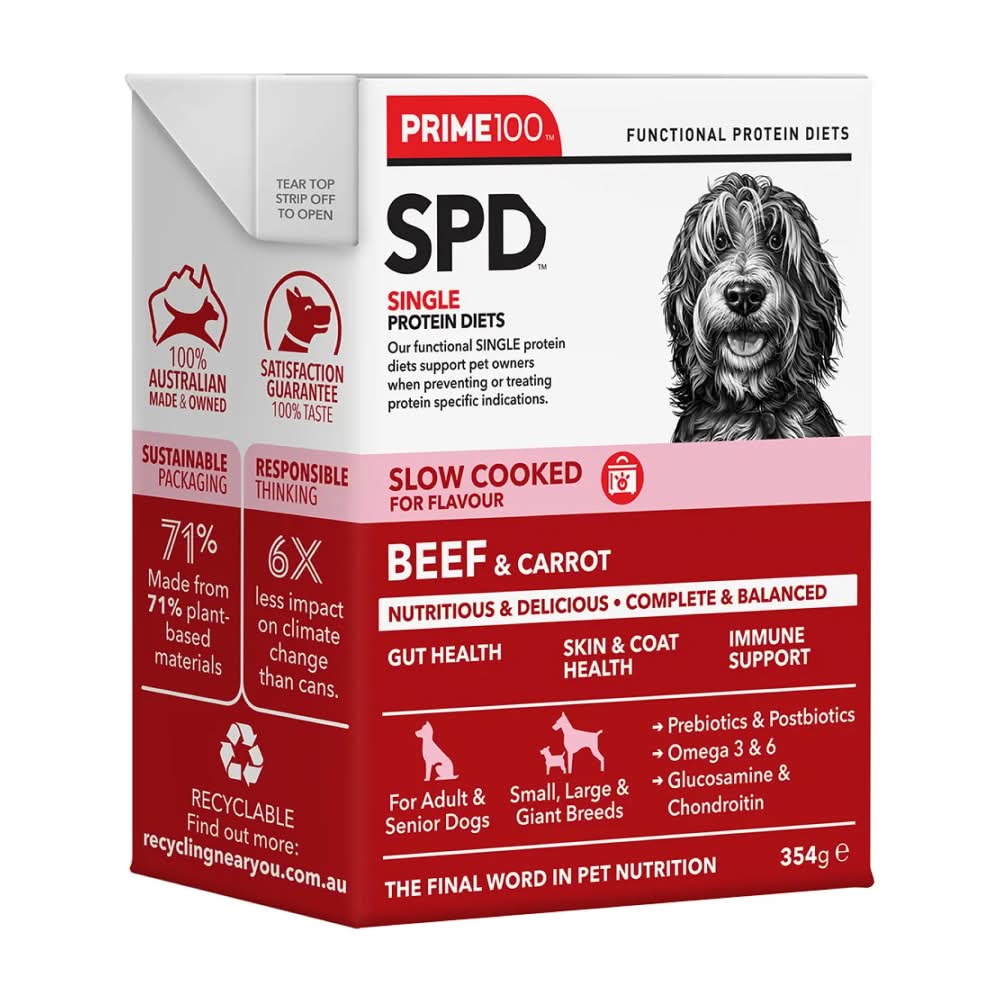
Wet food incorporated into meals supports hydration and is generally better tolerated by dogs already managing dental disease. Puppies need three to four small meals daily until six months to guard against hypoglycaemic episodes. See our recommended foods for short haired Chihuahuas below.


Training
Chihuahuas are quick learners — when they decide to cooperate. The breed has a well-documented capacity for selective compliance: they understand what's being asked and weigh up whether compliance is worth the effort.
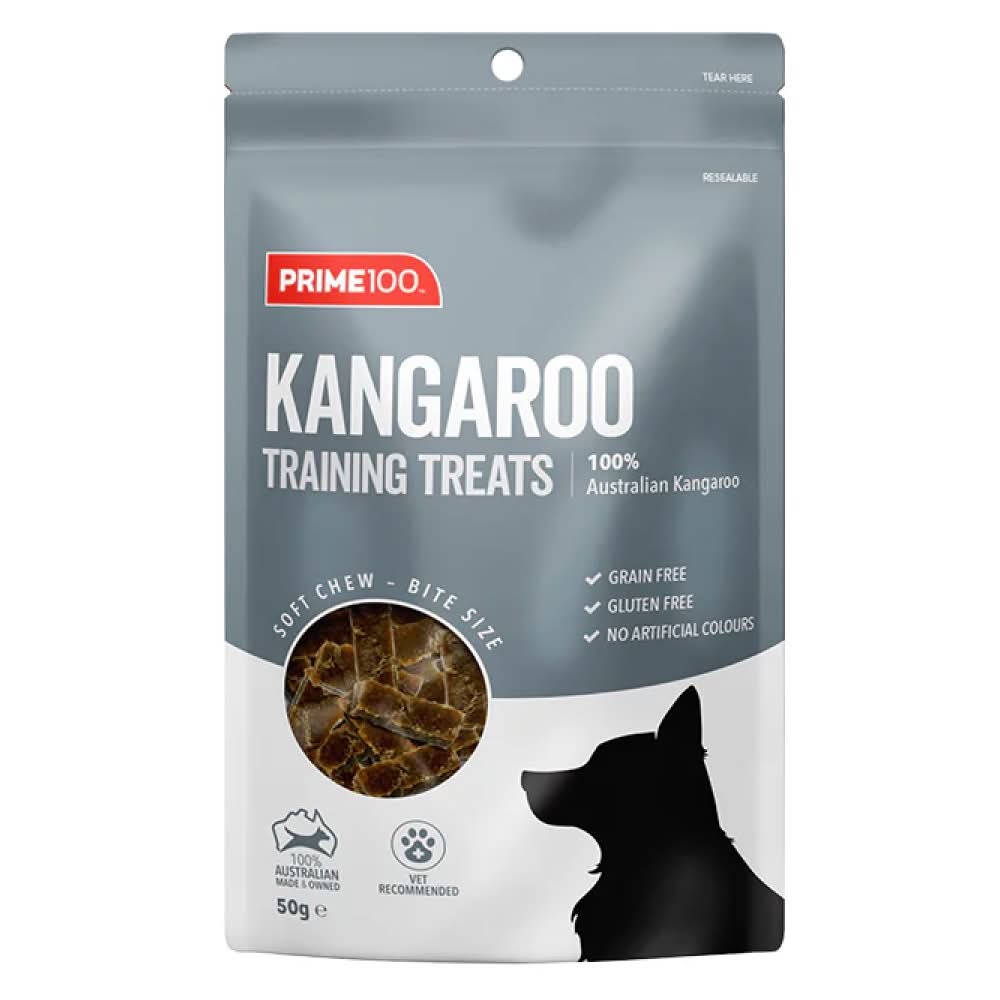
Short sessions with high-value food rewards outperform extended repetitive drilling. Consistency across everyone in the household is non-negotiable — a rule that exists for one person but not another will be identified and exploited reliably.
The training failure mode specific to this breed is the owner who tolerates jumping, barking, and snapping on the basis that the dog is small. Size doesn't change the behaviour pattern — it just limits the visible damage. A Chihuahua allowed to develop those habits is considerably harder to live with than one trained from the start. Early puppy classes are worth it for the socialisation structure as much as the obedience foundation.

Suitability
Short haired Chihuahuas suit calm adult households where the dog will be a genuine companion — present, engaged with, and trained consistently.
They're one of the better breeds for apartment living: low exercise demands, small footprint, no need for a yard. They're cheap to feed, easy to travel with, and with a typical lifespan of 14–16 years, they're among the longest commitments in the toy group.
Singles, couples, and older owners who want an attentive, lively companion tend to find the breed rewarding. So do experienced dog owners who appreciate a dog with genuine character and aren't looking for easy compliance.
They're the wrong call for households with young children. The fragility and low tolerance for unpredictable handling is a structural reality, not a training variable — it doesn't improve significantly with socialisation.
They don't suit owners who want a sociable, universally friendly dog. A Chihuahua will invest deeply in its person and remain politely indifferent to everyone else, at best.
And they're not a good fit for owners who'll be away from home for long hours regularly. The breed's attachment is genuine — extended isolation produces anxiety, not independence.
Factor in dental costs before committing. Professional cleaning every one to two years under anaesthetic is a realistic ongoing expense, and it's not negotiable if you want the dog healthy into its teens.
Frequently Asked Questions
How much does a short haired Chihuahua cost in Australia?
What's the difference between an apple head and deer head Chihuahua?
Are short haired Chihuahuas good pets?
Do short haired Chihuahuas feel the cold?
How long do short haired Chihuahuas live?

Comments
0 comments
Login to Join the Conversation 💬