






























The Boxer is a medium-to-large, muscular breed from Germany’s Utility group, known for its playful energy, expressive face and deep loyalty to its family. Boxers combine the build of a working dog with the personality of a class clown — powerful but rarely serious.
They’re excellent family dogs, particularly good with children, and bring an infectious enthusiasm to daily life that lasts well beyond puppyhood. Boxers are one of the slowest breeds to mentally mature, often behaving like puppies until three or four years of age. What many owners don’t anticipate is the breed’s elevated cancer risk — it’s the most important health consideration for anyone thinking about a Boxer.
History and Origin
The Boxer was developed in late 19th-century Germany from the now-extinct Bullenbeisser, a large hunting dog used to hold down boar, bear and deer until the hunter arrived. Breeders crossed the Bullenbeisser with smaller English Bulldogs to create a more agile, compact dog suited to both guarding and companionship.
The modern Boxer was standardised around 1895 in Munich and quickly found roles beyond the home. During World War I and II, Boxers served as messenger dogs, patrol dogs and pack carriers for the German military. After the wars, returning soldiers brought Boxers home as family pets, and the breed’s popularity exploded across Europe, the United States and eventually Australia.
That dual heritage — working dog and family companion — defines the modern Boxer. The strength and alertness of a guardian combined with the goofiness and affection of a dog bred to be close to people. It’s a combination that makes the Boxer one of the most well-rounded household breeds available.
Temperament and Personality
Boxers are playful, loyal and remarkably patient. They approach life with an energy and enthusiasm that’s hard to find in breeds of their size, and they maintain that puppy-like disposition far longer than most dogs.
With family, Boxers are deeply attached. They want to be in the same room, on the same couch, and involved in whatever’s happening. They’re not independent dogs — they thrive on human contact and can develop separation anxiety if left alone for extended periods.
With children, Boxers are outstanding. They’re patient, gentle and naturally protective without being overbearing. The breed has a well-earned reputation as one of the best family dogs available. Their play style is physical and enthusiastic, so supervision with very young children is sensible, but aggression toward kids is extremely rare.
With other dogs, Boxers are generally sociable. Some individuals — particularly males — can show same-sex tension, and their physical play style can overwhelm smaller or less confident dogs. Early socialisation smooths most of this out.
Energy-wise, Boxers are active and engaged but able to settle. They need consistent daily exercise but aren’t as relentless as herding or working breeds. A couple of good play sessions and a walk will satisfy most Boxers. They’re also heat-sensitive due to their brachycephalic (short-nosed) facial structure — exercise needs to be managed carefully in Australian summers.
Common Health Conditions
Boxers carry some of the most significant health predispositions of any breed. Cancer prevalence in particular is something every prospective owner needs to understand before committing.
Cancer (Mast Cell Tumours, Lymphoma, Haemangiosarcoma)
Boxers have one of the highest cancer rates of any dog breed. Mast cell tumours are the most common, appearing as skin lumps that can range from benign to aggressive. Lymphoma and haemangiosarcoma also occur at elevated rates. Regular full-body checks for lumps and bumps are essential. Early detection significantly improves outcomes. Any new lump on a Boxer should be assessed by a vet promptly.
Boxer Cardiomyopathy (ARVC)
Arrhythmogenic right ventricular cardiomyopathy is a heart condition specific to the breed. It causes irregular heartbeats and can lead to sudden collapse or death. Many affected dogs show no symptoms until a serious episode occurs. Annual heart screening by a veterinary cardiologist is recommended, particularly for breeding stock.
Aortic/Sub-Aortic Stenosis
A narrowing of the area below the aortic valve that restricts blood flow from the heart. It ranges from mild (no symptoms) to severe (exercise intolerance, fainting, sudden death). Screening is available and should be standard for breeders.
Hip Dysplasia
Boxers are moderately predisposed. Maintain a healthy weight, manage exercise intensity during puppyhood and ask breeders for hip scores.
Gastric Dilatation-Volvulus (Bloat/GDV)
A life-threatening emergency more common in deep-chested breeds. Feed smaller, more frequent meals, avoid vigorous exercise after eating and learn the warning signs: restlessness, unproductive retching, swollen abdomen.
Pet insurance is essential for Boxers — not optional. The breed’s cancer and cardiac predispositions mean veterinary costs can escalate quickly. Insure early before any conditions are diagnosed. Regular vet check-ups every six months help catch issues at their most treatable.


Exercise
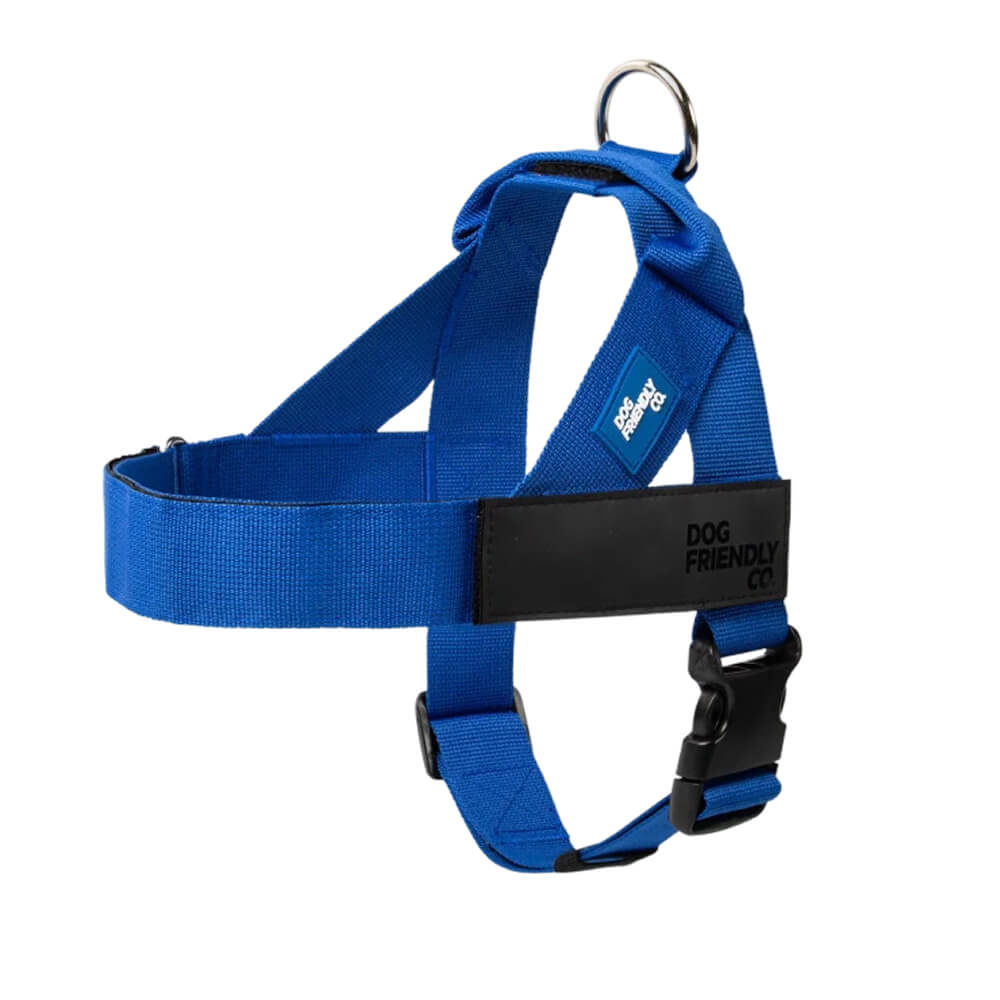
Boxers need one to two hours of exercise daily. They enjoy walks, fetch, play sessions and short bursts of running. Avoid prolonged high-intensity exercise in heat — Boxers are brachycephalic and overheat faster than most breeds. In Australian summers, exercise early morning or late evening only. Watch for heavy panting, drooling or stumbling, which signal heat stress. Swimming is a good low-heat alternative, though not all Boxers take to water naturally.

Grooming
The short, smooth coat is low-maintenance. A weekly brush with a rubber grooming mitt removes loose hair and keeps the coat healthy. Shedding is moderate year-round. The breed’s facial folds need regular cleaning to prevent moisture buildup and bacterial infection. Nails, ears and teeth round out the routine — Boxers with white markings may need sunscreen on exposed skin during Australian summers.



Nutrition
Boxers do well on a high-quality, protein-rich diet formulated for medium-to-large active breeds. Avoid foods with excessive fillers or artificial additives. Feed two smaller meals rather than one large one to reduce bloat risk. Given the breed’s cancer predisposition, some owners and vets advocate for diets rich in antioxidants and omega-3 fatty acids — though no diet can eliminate cancer risk. Monitor weight closely; lean body condition reduces joint stress and supports cardiovascular health. See our recommended foods for Boxers below.


Training
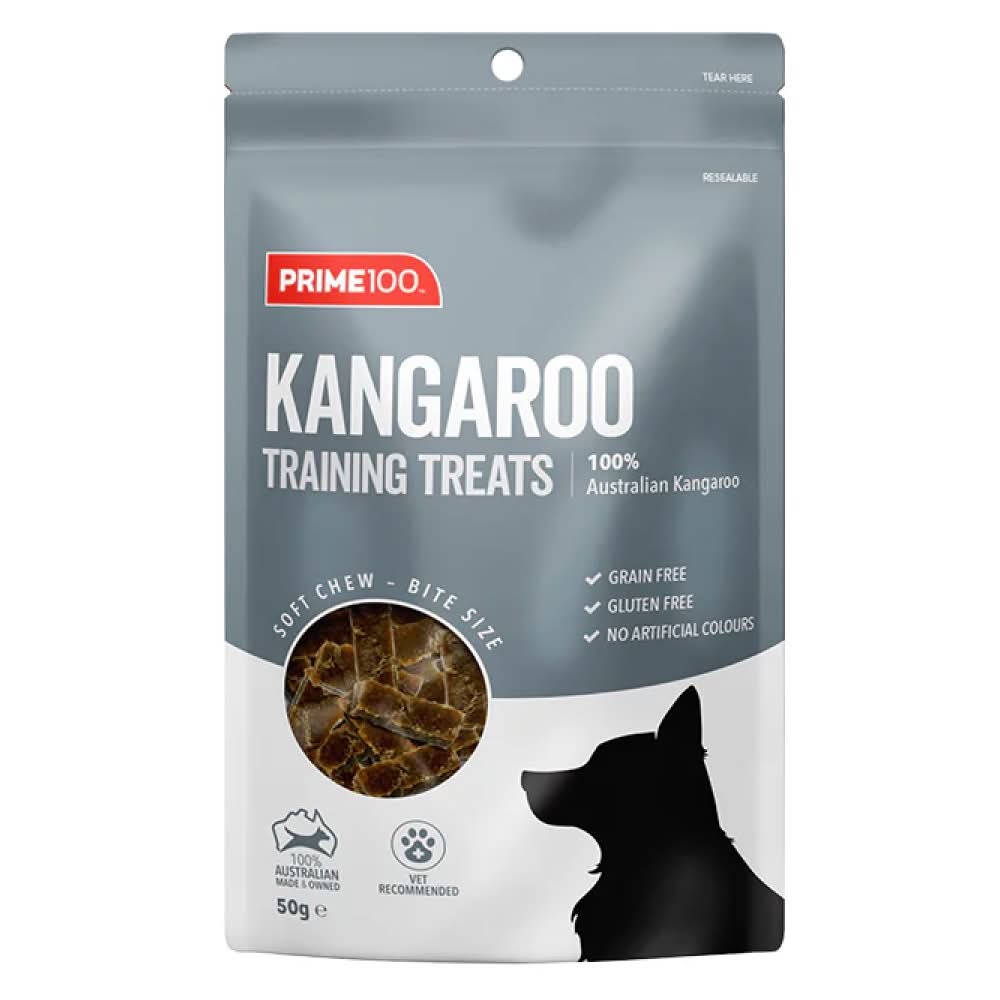
Boxers are intelligent but can be stubborn. They respond well to positive reinforcement but lose interest with repetitive drills. Keep sessions fun, upbeat and varied. Their slow mental maturity means patience is required — a two-year-old Boxer may still act like a puppy during training. Consistency matters more than intensity. Early socialisation is important, particularly with other dogs and unfamiliar environments. Boxers that are well-socialised and trained make some of the most well-rounded family dogs going.


Suitability
Boxers suit active families, couples and individuals who want a loyal, playful companion with genuine personality. They’re one of the best breeds for families with children of all ages. A house with a yard is ideal, but Boxers can manage apartment living if exercised consistently. They thrive on human contact and do best in homes where someone is around for most of the day.
The honest consideration with Boxers is health. The breed’s cancer and cardiac predispositions mean higher-than-average vet costs and a shorter average lifespan (8–12 years) compared to breeds of similar size. Pet insurance isn’t a luxury with this breed — it’s a necessity. If you’re prepared for the health commitment, few breeds offer as much joy, loyalty and daily entertainment as a Boxer.
Frequently Asked Questions
How much does a Boxer cost in Australia?
Are Boxers good with kids?
How long do Boxers live?
Can Boxers live in apartments?
Why do Boxers get cancer so often?






Comments
0 comments
Login to Join the Conversation 💬